


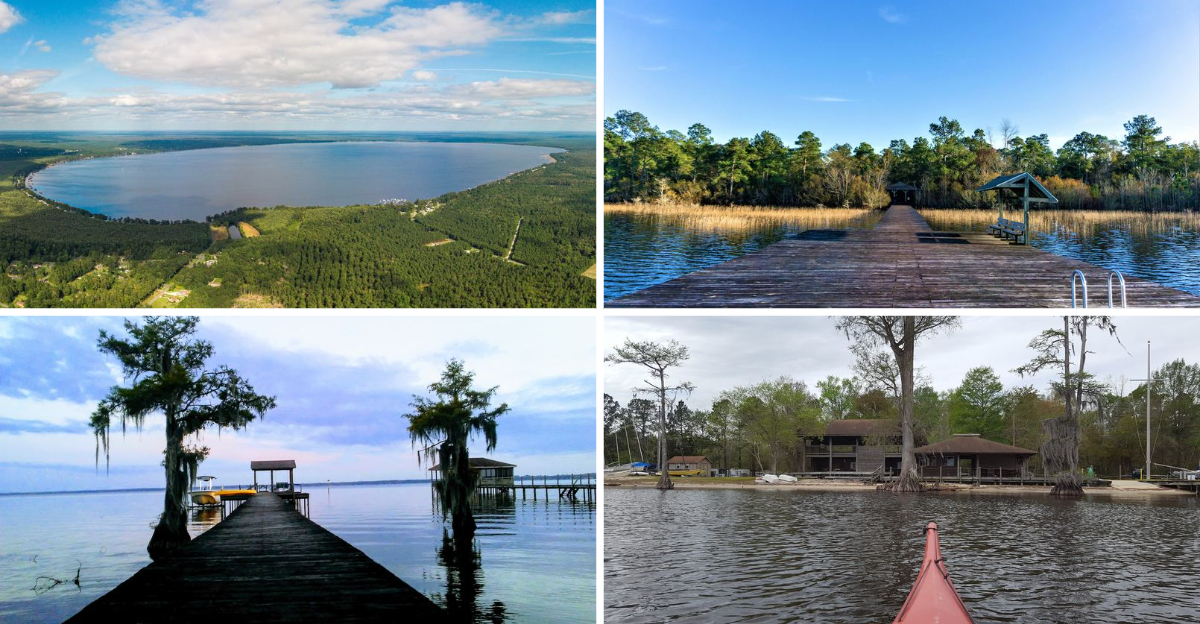
Tucked away in Columbus County, North Carolina, Lake Waccamaw is the kind of place that makes you wonder why more people haven’t heard of it. This stunning natural lake is one of the largest Carolina bays in the entire state, offering crystal-clear waters, peaceful shorelines, and a surprising amount of wildlife.
Whether you’re a nature lover, a history buff, or just someone looking for a quiet escape, Lake Waccamaw State Park has something special waiting for you. Get ready to discover why locals treasure this breathtaking spot and why it deserves a top spot on every North Carolina travel list.
The Unique Origins of Lake Waccamaw
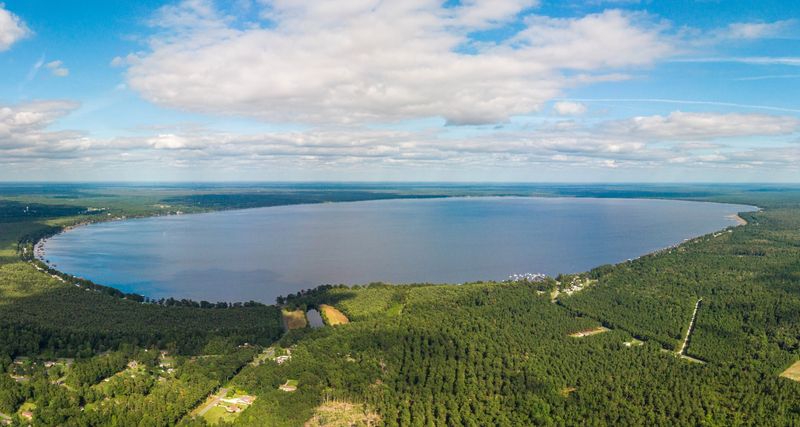
Few lakes in the world can claim an origin story as fascinating as Lake Waccamaw. Scientists believe this stunning body of water formed thousands of years ago as part of a group of mysterious oval-shaped depressions called Carolina bays.
No one is entirely sure how these bays were created, though theories range from meteor impacts to ancient wind and water patterns.
What makes Lake Waccamaw especially remarkable is its water chemistry. Unlike most blackwater Carolina bays, this lake has unusually clear, slightly alkaline water due to limestone deposits along its shores.
That unique chemistry created a habitat found nowhere else on Earth.
Because of this, the lake is home to several species of fish and mollusks that exist only here. Visiting feels like stepping into a living science experiment that nature has been running for thousands of years.
Lake Waccamaw State Park Overview
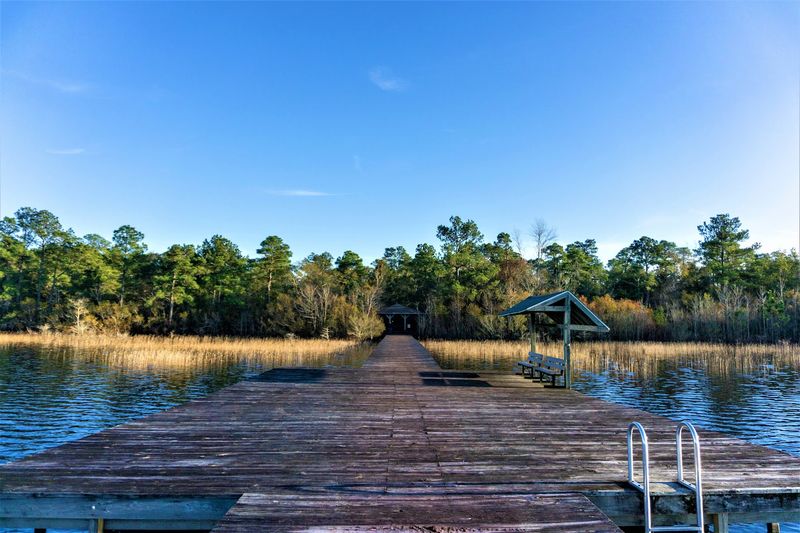
Established in 1976, Lake Waccamaw State Park protects one of North Carolina’s most ecologically significant natural areas. The park covers over 1,700 acres and wraps around a large portion of the lake’s northern shoreline.
Managed by the North Carolina Division of Parks and Recreation, it offers visitors a peaceful and well-maintained outdoor experience.
The park is open year-round, making it a great destination no matter the season. Spring and fall bring mild temperatures perfect for hiking, while summer draws swimmers and paddlers to the water.
Even winter visits have a quiet charm, with fewer crowds and misty mornings over the lake.
Admission is free, which makes it incredibly accessible for families, solo adventurers, and everyone in between. A visit here doesn’t require a big budget, just a sense of curiosity and a love for the outdoors.
Hiking Trails Worth Every Step
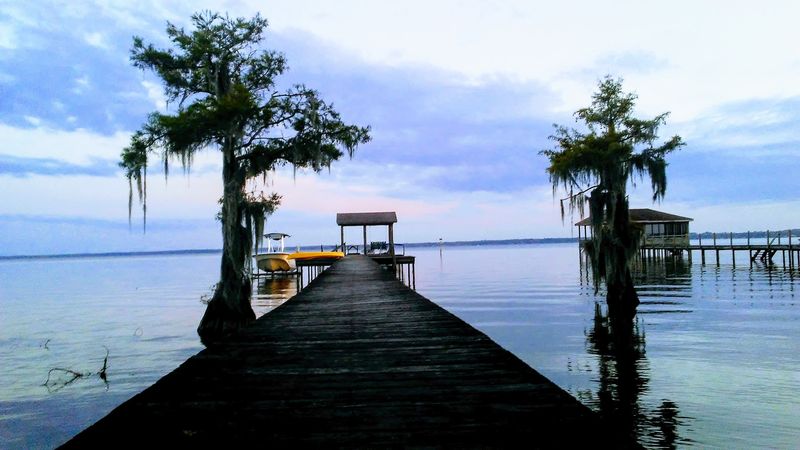
Lace up your boots because the trails at Lake Waccamaw State Park are genuinely rewarding. The park features several well-marked paths that wind through longleaf pine savannas, pocosin wetlands, and along the lake’s scenic shoreline.
Each trail offers a slightly different experience depending on the habitat it passes through.
The most popular route is the Lakeshore Trail, a relatively easy path that hugs the water’s edge and gives hikers sweeping views of the lake. It’s a great choice for beginners or families with kids.
Birdwatchers especially love this trail because the trees along the shore attract a wide variety of songbirds and wading birds.
Longer loops take you deeper into the forest, where the sounds of civilization fade away completely. Bring water, wear comfortable shoes, and plan to spend at least a couple of hours soaking in the scenery.
Paddling and Kayaking on the Lake
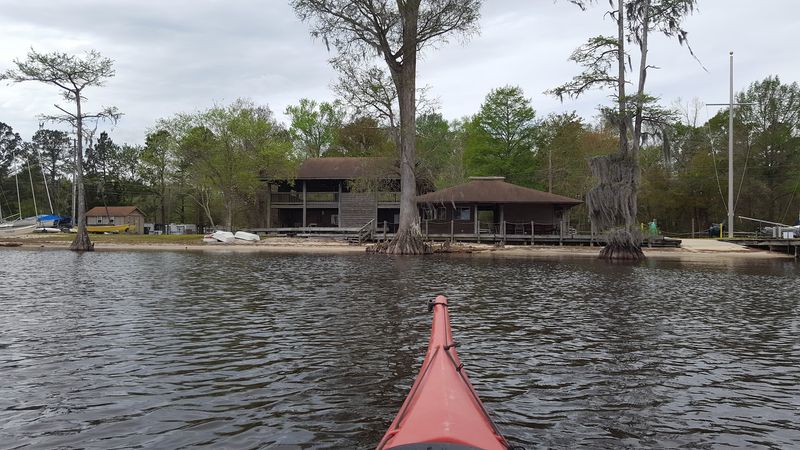
Gliding across Lake Waccamaw by kayak or canoe is one of those experiences that sticks with you long after you’ve dried off. The lake’s water is unusually clear for a Carolina bay, giving paddlers a gorgeous view beneath the surface as they move through quiet coves and open stretches of water.
Early morning paddles are especially magical, with mist hovering just above the surface.
The park has a boat ramp and a designated area for non-motorized watercraft, making it easy to launch your own kayak or canoe. Rentals may be available seasonally, so check ahead before your visit.
The lake spans about 9,000 acres, giving paddlers plenty of room to explore without feeling crowded.
Wildlife sightings are common from the water. Turtles sunbathing on logs, great blue herons wading near the shore, and the occasional osprey diving for fish make every outing feel like a nature documentary.
Fishing at Lake Waccamaw
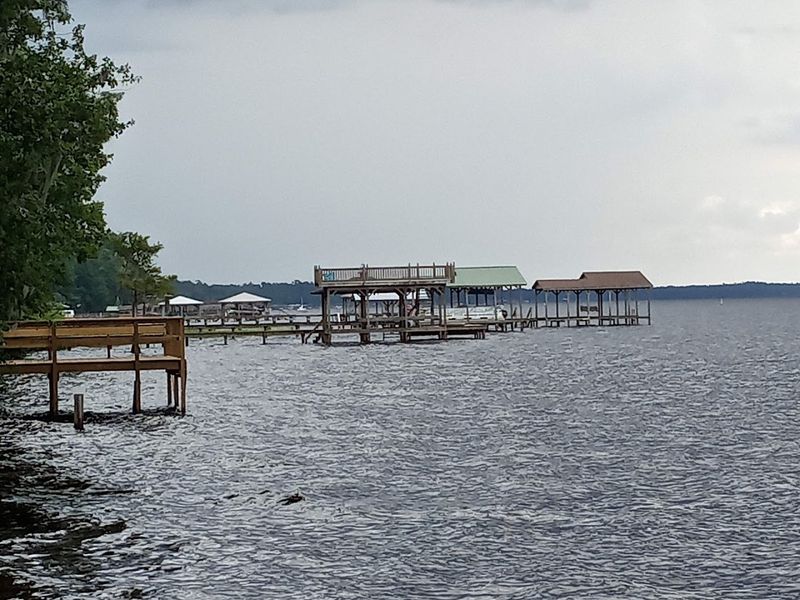
Anglers have been casting lines into Lake Waccamaw for generations, and it’s easy to understand why. The lake is stocked with largemouth bass, crappie, bluegill, and chain pickerel, making it a solid destination for both casual and serious fishermen.
The clear water and healthy aquatic ecosystem support a thriving fish population year-round.
What truly sets this lake apart for fishing enthusiasts is the presence of endemic species found nowhere else. The Waccamaw killifish and Waccamaw silverside are two fish species that evolved right here in this lake.
Seeing them while fishing is a reminder of just how biologically special this place really is.
A valid North Carolina fishing license is required for anyone 16 and older. The shoreline offers several accessible fishing spots, and the calm, open water is well-suited for small fishing boats.
Pack your gear and arrive early for the best results.
Swimming and Beach Fun
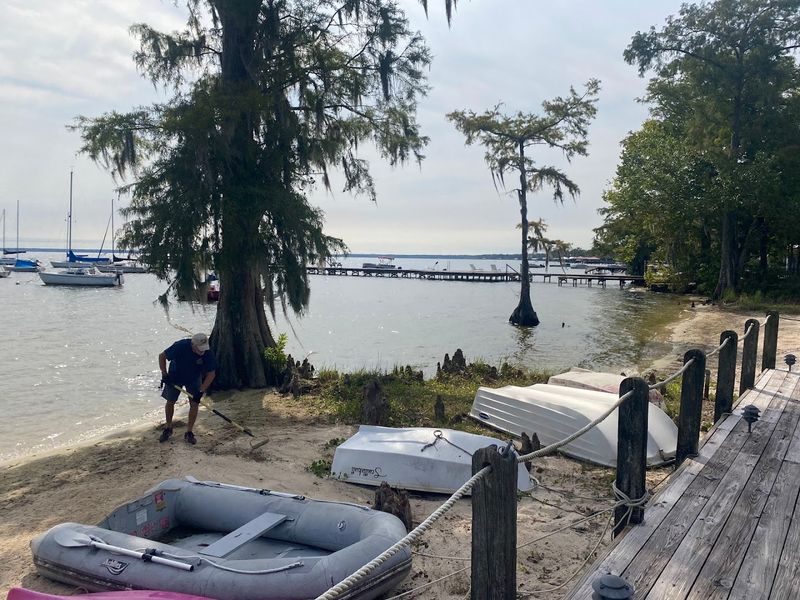
On a hot North Carolina summer day, there’s nothing quite like jumping into the cool, clear waters of Lake Waccamaw. The park features a designated swimming area with a sandy beach that’s perfect for families looking to beat the heat.
Lifeguards are on duty during peak season, so parents can relax a little while the kids splash around.
The beach has a laid-back, unhurried vibe that feels refreshingly different from crowded ocean beaches. You won’t find souvenir shops or loud music here, just the sound of kids laughing, birds calling, and water lapping against the shore.
It’s the kind of beach day that actually feels restorative.
Picnic tables near the beach make it easy to pack a lunch and spend the whole day. Arrive early on summer weekends to snag a good spot, as this hidden gem is becoming increasingly popular with families from across the region.
Wildlife Watching Opportunities
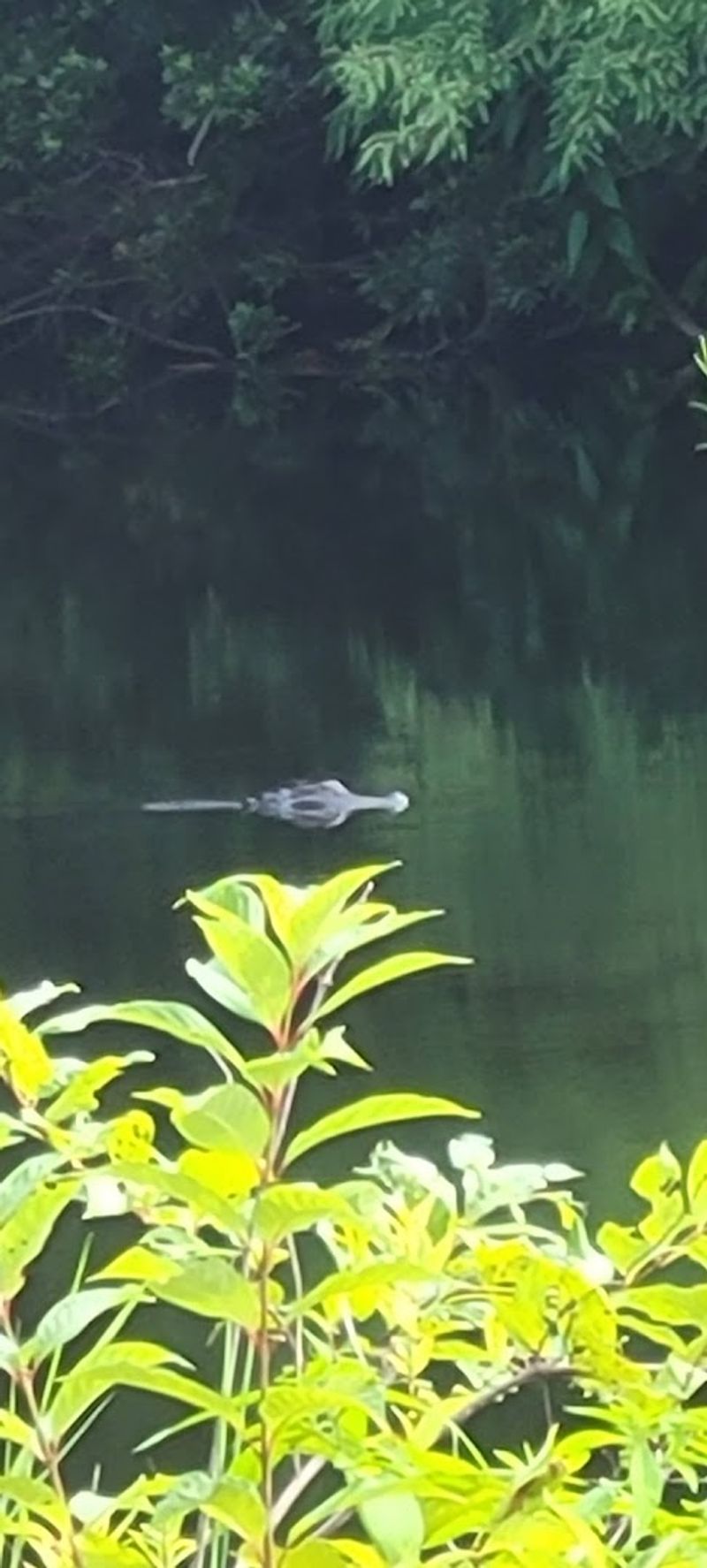
Wildlife enthusiasts are in for a real treat at Lake Waccamaw. The park’s diverse habitats, from open water to pocosin wetlands to longleaf pine forests, support an impressive range of animal species.
Birdwatchers can spot ospreys, red-tailed hawks, great blue herons, wood ducks, and dozens of songbird species throughout the year.
The lake’s shoreline is a fantastic place to observe turtles, river otters, and even the occasional black bear that wanders through the forested areas. Reptile lovers will find no shortage of lizards, skinks, and water snakes basking along sunny trail edges.
The biodiversity here is genuinely remarkable for a relatively small park.
Bring binoculars and a field guide to get the most out of your wildlife watching experience. Early morning and late afternoon are the best times to spot active animals.
Moving quietly and slowly along the trails increases your chances of memorable encounters significantly.
The Town of Lake Waccamaw
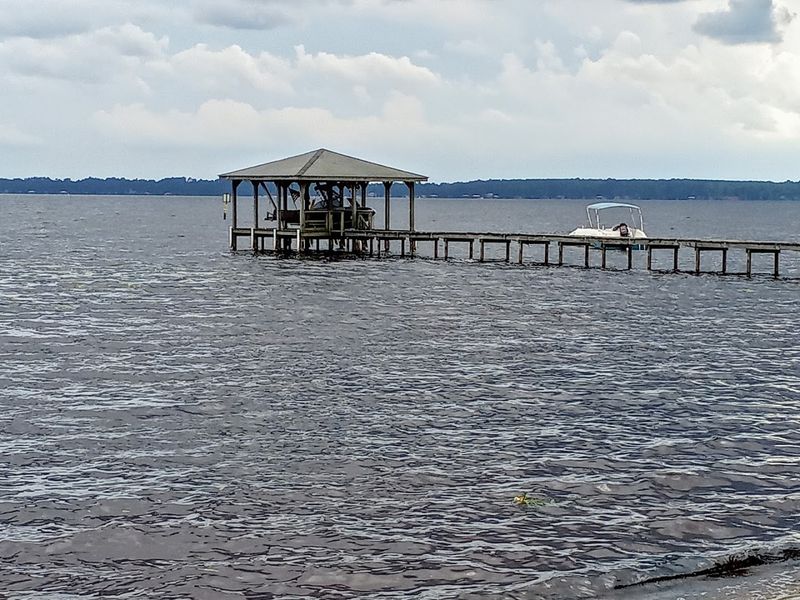
Beyond the park boundaries, the small town of Lake Waccamaw itself is worth exploring. With a population of just over 1,200 people, it has the kind of tight-knit community feel that’s becoming harder to find.
Locals are friendly, the pace is slow, and the atmosphere feels genuinely welcoming to visitors.
The town has a handful of local eateries and shops where you can grab a bite or pick up a souvenir. It’s not a bustling tourist hub, which is honestly part of its charm.
You won’t feel rushed or overwhelmed here, just comfortable and at ease.
The town also hosts occasional community events throughout the year that give visitors a taste of authentic small-town Southern culture. Checking the local calendar before your trip could lead to a fun unexpected experience.
Sometimes the best travel memories come from stumbling into something you never planned for.
Native American History and Heritage
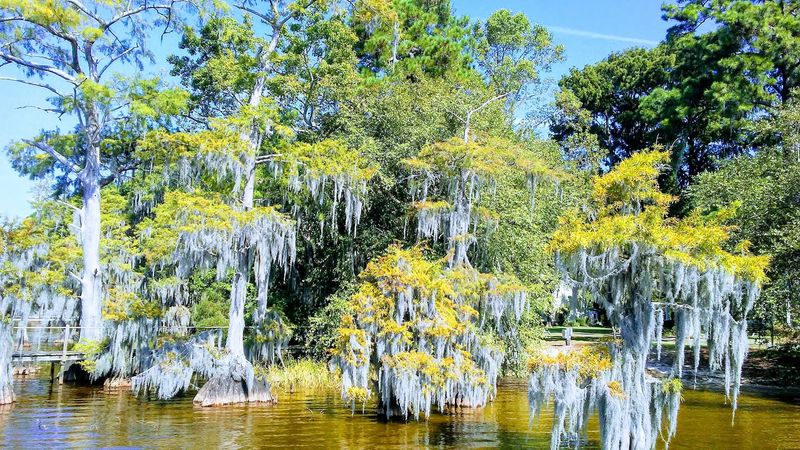
Long before European settlers arrived, the land around Lake Waccamaw was home to Native American communities who recognized the value of this extraordinary place. The lake and its surrounding wetlands provided food, fresh water, and shelter for indigenous peoples for thousands of years.
Their deep connection to this land is an important part of the area’s story.
The Waccamaw Siouan tribe, a state-recognized Native American group, has historical and cultural ties to this region. Their heritage is woven into the very name of the lake and the surrounding community.
Learning about their history adds meaningful depth to any visit here.
Some interpretive signs within the park touch on the area’s indigenous history, offering visitors a chance to reflect on who called this land home first. Taking time to read those signs and honor that history transforms a simple nature outing into something much more thoughtful and enriching.
Picnicking and Family Outings

Sometimes the best outdoor adventures are the simple ones, and a picnic at Lake Waccamaw State Park proves that point perfectly. The park has well-maintained picnic areas with tables and grills, making it easy to pack a meal and enjoy it in one of the most scenic settings in eastern North Carolina.
The shade from tall pines keeps things comfortable even on warm days.
Kids love the combination of open grassy areas and nearby water, giving them plenty of room to run around, explore, and burn off energy. Parents can sit back and actually enjoy their food while the little ones chase butterflies along the trail edges.
It’s a win for everyone in the family.
Pack a cooler, bring a frisbee or a badminton set, and plan to stay longer than you originally intended. That’s just what happens at Lake Waccamaw.
The place has a way of making time slow down in the best possible way.
Camping Near the Lake
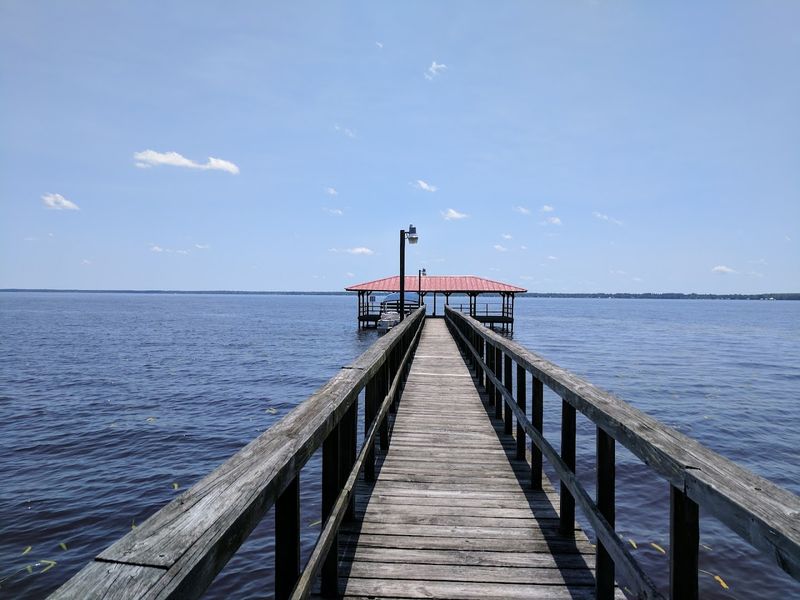
Spending a night near Lake Waccamaw under a canopy of stars is an experience that outdoor lovers dream about. While the state park itself doesn’t offer traditional campgrounds within its boundaries, several private campgrounds and RV parks are located nearby in Columbus County.
These sites range from basic tent camping to full-hookup RV spots with modern amenities.
Waking up close to the lake means you can be on the water or on the trail before most visitors even arrive. Morning light over Lake Waccamaw is something genuinely special, with golden reflections shimmering across the still surface.
It’s the kind of scene that makes you put down your phone and just breathe.
Planning your camping trip around a weekday or the shoulder seasons of spring and fall means fewer crowds and a more personal connection with the park. Reservations at nearby campgrounds fill up quickly during summer, so book early to secure your spot.
Photography and Scenic Views
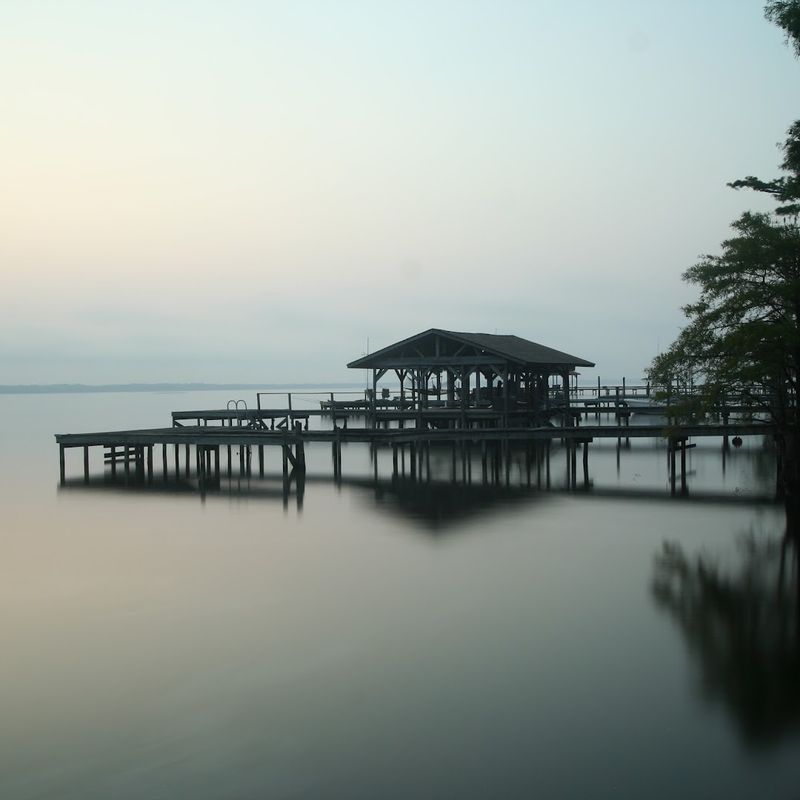
Photographers, both amateur and professional, find Lake Waccamaw absolutely irresistible. The combination of clear water, cypress-lined shores, dramatic sunsets, and abundant wildlife creates endless opportunities for stunning shots.
Every season paints the lake in a different palette, from the soft greens of spring to the fiery oranges and reds of autumn.
Sunrise and sunset are the golden hours here, literally and figuratively. The light bounces off the water in ways that make even a basic smartphone camera produce jaw-dropping images.
The Lakeshore Trail offers multiple natural frames for landscape photography, with tree branches arching over the water at just the right angles.
Wildlife photography is equally rewarding, especially for those willing to sit quietly and wait. Patience is the most important piece of equipment you can bring.
Whether you’re shooting with a professional DSLR or just your phone, Lake Waccamaw will give you images worth keeping forever.
How to Get There and Plan Your Visit

Getting to Lake Waccamaw is straightforward once you know where you’re headed. The park is located in Columbus County in southeastern North Carolina, roughly 45 minutes from Wilmington and about an hour from Myrtle Beach, South Carolina.
Take US-74 west and follow signs toward the town of Lake Waccamaw, then head north to the park entrance on Jefferson Road.
Cell service can be spotty in some areas, so downloading an offline map before you leave is a smart move. The park’s official website at lakewaccamaw.com has helpful information about hours, facilities, and seasonal events.
Calling ahead during holidays or special events ensures you won’t be caught off guard.
Wear comfortable clothes, bring sunscreen, and pack more water than you think you’ll need. The park is free to enter, so the biggest investment is simply your time.
And trust us, every minute you spend here is absolutely worth it.
Enjoyed this story?
Add Fast Food Club as a preferred source to see more of our reporting on Google.