


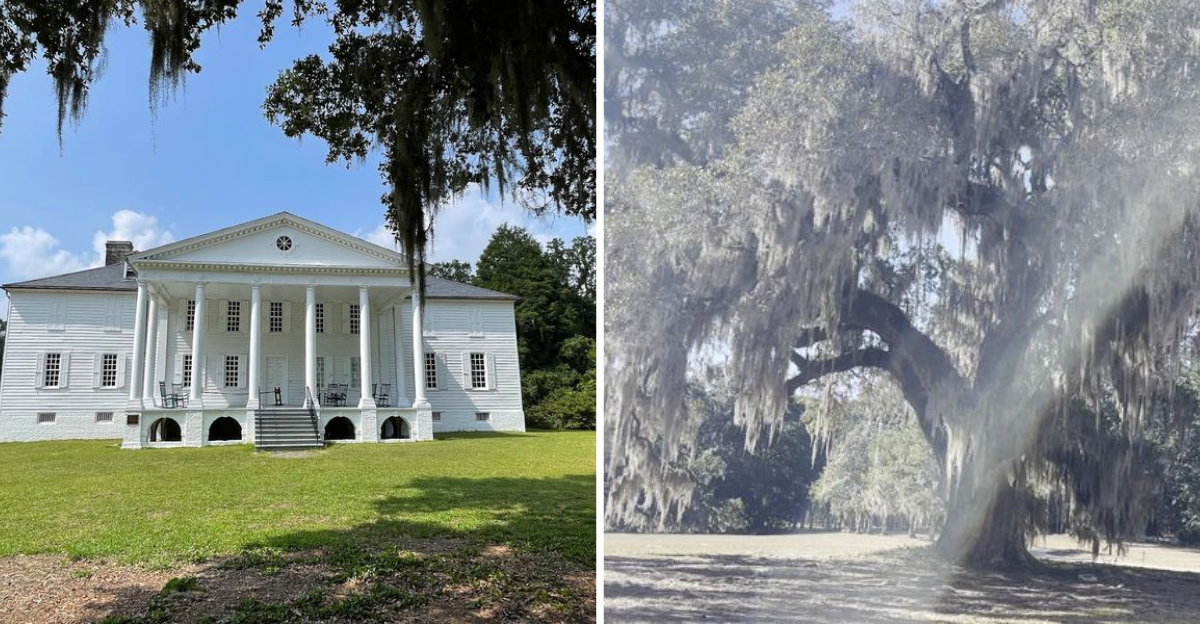
Tucked away along a quiet dirt road near McClellanville, South Carolina, Hampton Plantation State Historic Site is the kind of place that stops you in your tracks. Established around 1735, this stunning historic estate carries centuries of stories within its weathered walls and moss-draped oak trees.
From George Washington’s legendary visit to the lives of enslaved people who shaped the land, every corner of this plantation holds something worth discovering. Whether you’re a history lover or just looking for a peaceful escape, Hampton Plantation is an unforgettable experience you won’t want to miss.
The Hauntingly Beautiful Mansion That Tells It All
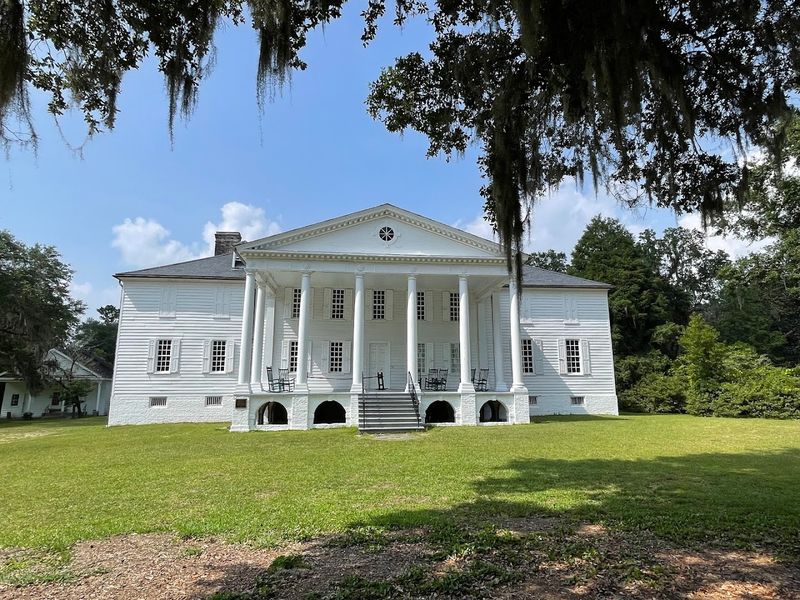
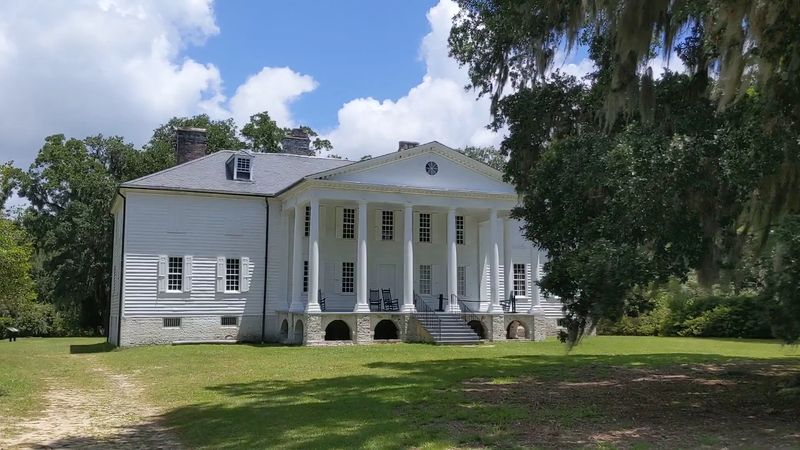
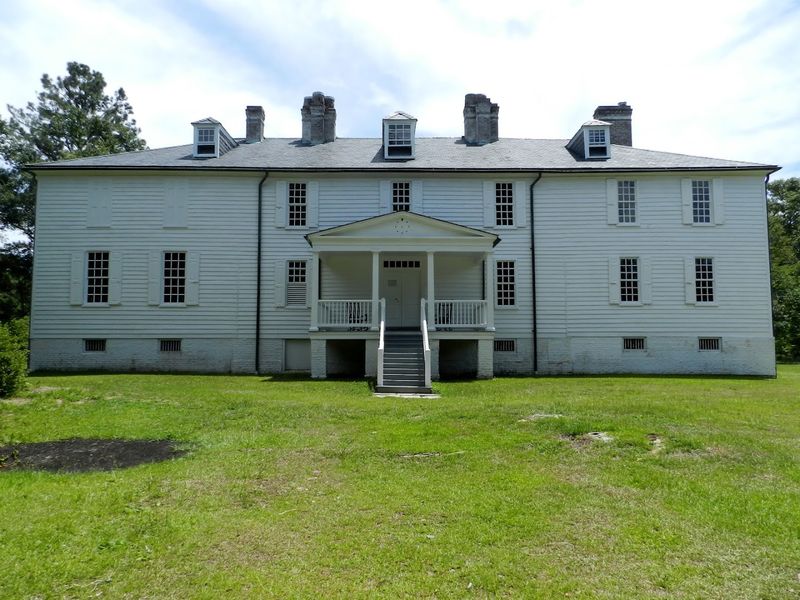
Standing tall and unfurnished, the Hampton Plantation mansion is one of the most striking historic homes in South Carolina. Built in the 1730s for Elias Horry, the house features early temple-front architecture that was considered cutting-edge for its time.
Its two-and-a-half-story wood-frame structure, hip roof with dormers, and raised brick foundation give it a commanding presence.
Walking through its bare interior, you get a raw, honest look at history without the distraction of modern restorations. The exposed walls and original framework tell their own story.
Guides explain how the mansion evolved through additions and repairs across centuries.
Unlike flashier plantation homes closer to Charleston, Hampton feels genuinely untouched. That authenticity is exactly what makes it so memorable.
Admission for house tours is just $10 for adults and $5 for children, making it an affordable window into the colonial past.
Washington’s Oak: A Living Legend on the Lawn
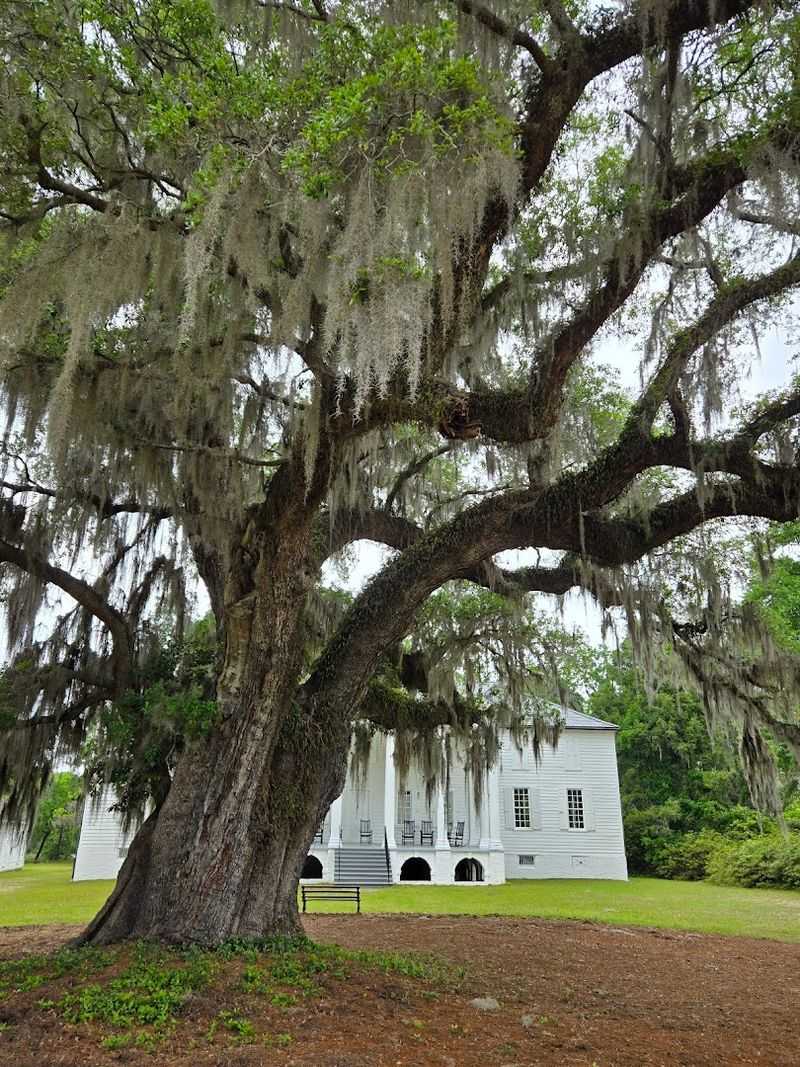
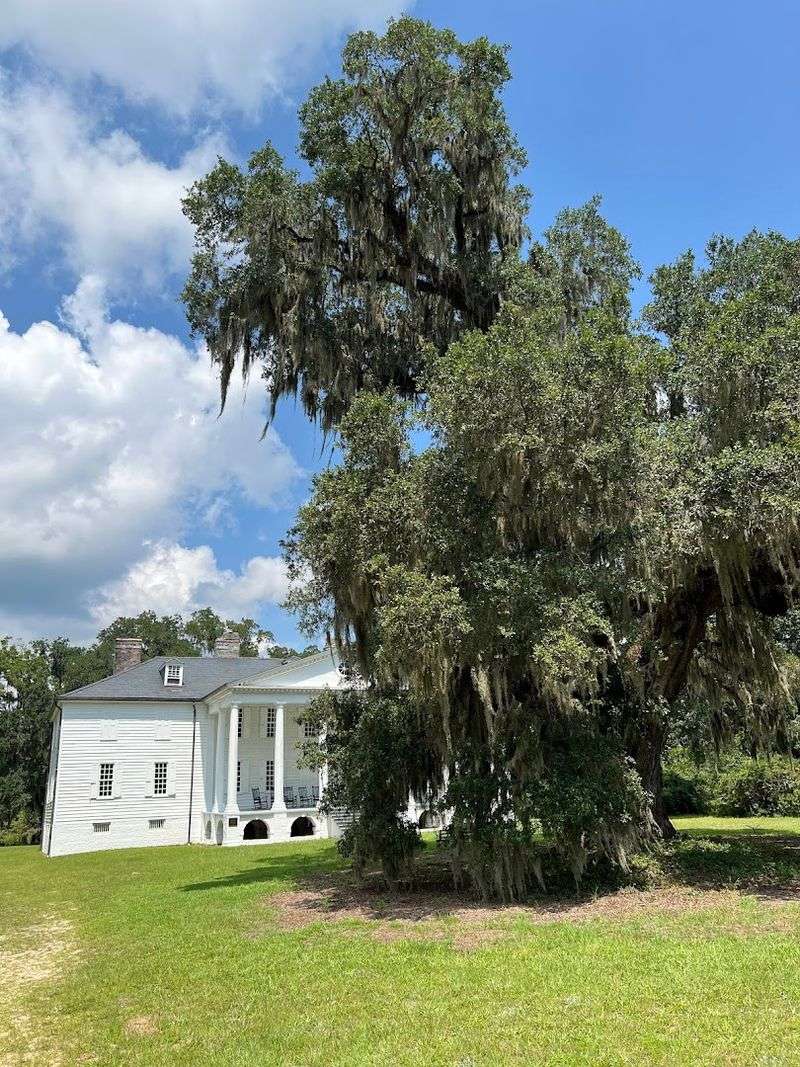
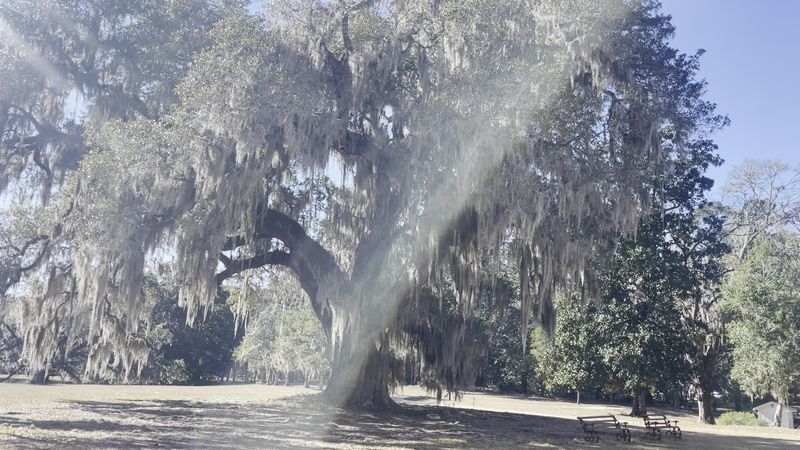
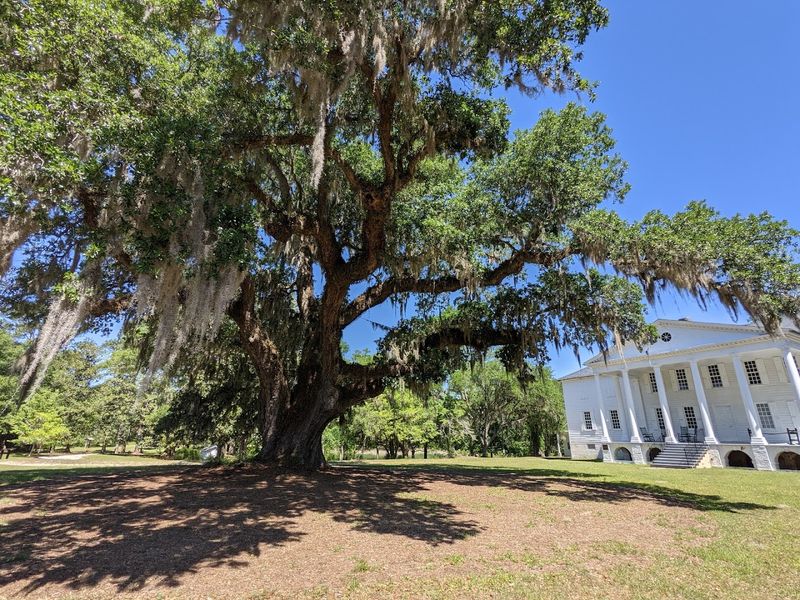
Few trees in America carry as much legend as the Washington Oak at Hampton Plantation. Family lore says that when George Washington visited in 1791, one of the ladies of the house mentioned the old oak was scheduled to be cut down.
Washington reportedly said, “Let it stay,” and so it did, standing proudly to this day.
Historians confirm Washington did visit the plantation, though the exact conversation remains part of family tradition rather than documented fact. Still, standing beneath those enormous, moss-covered branches feels like touching a piece of American history.
Visitors love posing near the tree and soaking in its quiet grandeur. It’s completely free to see, since the grounds are open without charge.
Come early in the morning when the light filters through the Spanish moss and the birds fill the air with song. Pure magic.
Rice Fields and the Enslaved People Who Built Them
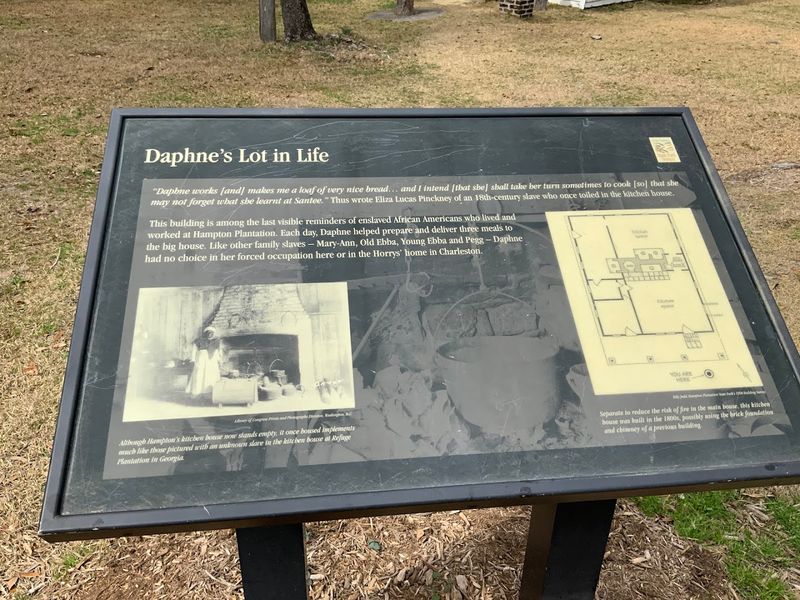
Hampton Plantation was once a thriving rice plantation, and the people who made it productive were the hundreds of enslaved Africans who lived and worked here. Their agricultural knowledge, brought from West Africa, was essential to cultivating rice in the Santee Delta’s challenging wetlands.
Without their expertise, the plantation’s wealth would never have existed.
Today, remnants of the original rice fields and irrigation systems are still visible on the grounds. Walking along the trails, you can see the outlines of the old fields stretching toward Hampton Creek, offering a sobering and powerful reminder of this history.
The site takes this story seriously. Tours and interpretive signs give real attention to the lives of enslaved people, not just the families who owned the land.
Cemeteries and archaeological research on-site document their presence and legacy in meaningful, respectful ways that leave a lasting impression.
Archibald Rutledge: The Poet Who Loved This Place
Archibald Rutledge, born in 1883, was the last private owner of Hampton Plantation and South Carolina’s very first poet laureate. He spent much of his life writing about the beauty and spirit of the Lowcountry, calling Hampton “the mother plantation of this old plantation country” in his 1941 memoir, Home by the River.
His deep love for this land helped spark renewed public interest in preserving the plantation. When he sold the property to the state in 1971, it became the historic site visitors enjoy today.
A sign on the grounds features one of his poems, and his burial site is accessible by a short walk through the garden.
Reading his words while standing on the very land that inspired them is a genuinely moving experience. Rutledge’s story reminds us that a single person’s passion can save something irreplaceable for future generations to cherish and learn from.
Expert Tour Guides Who Bring History Alive
One of the biggest surprises at Hampton Plantation is the quality of its tour guides. Visitors consistently rave about rangers like Hannah and Jonah, whose passion for the history of this place is completely contagious.
They don’t just recite facts; they tell stories that connect you emotionally to the people who lived here.
Hannah, one longtime ranger, is known for her deep knowledge of the mansion’s architectural timeline and her thoughtful approach to discussing both the Rutledge and Horry families alongside the enslaved individuals whose labor built the plantation. Jonah has been praised for making the history feel vivid and alive in listeners’ imaginations.
Tours run daily and typically cost $10 for adults and $5 for kids. Groups are often small, which means you get a personal, unhurried experience.
Ask plenty of questions. These guides genuinely love answering them and will reward your curiosity generously.
Ancient Oak Trees and Spanish Moss Everywhere You Look
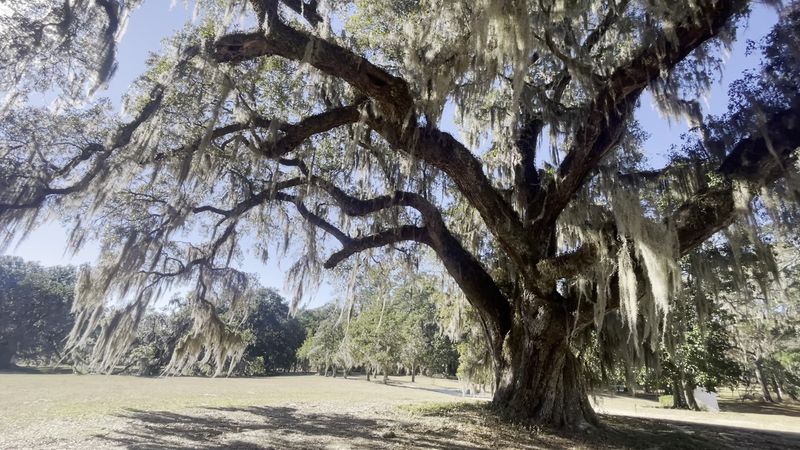
Before you even reach the mansion, the landscape at Hampton Plantation sets the mood. Ancient live oak trees line the approach, their enormous branches heavy with Spanish moss that sways gently in the Lowcountry breeze.
It feels like stepping into a painting, or perhaps a dream you’ve had before but can’t quite place.
These trees are centuries old, and their sheer size is humbling. One visitor described the grounds as “enchanted,” and after spending even a few minutes beneath those canopies, it’s easy to understand why.
The trees frame the mansion perfectly in photographs, which is why so many visitors end up with stunning shots they get asked about for years.
Walking among the oaks at dusk, with the light turning golden and the birds calling out, is one of those simple pleasures that costs nothing but stays with you forever. Bring your camera and take your time.
Free Grounds Access and Peaceful Nature Trails
Not every great experience has to come with a price tag. Walking the grounds at Hampton Plantation is completely free, making it a fantastic stop for travelers on a budget.
The property includes a couple of short trails, each roughly a quarter mile, winding through the surrounding Lowcountry landscape.
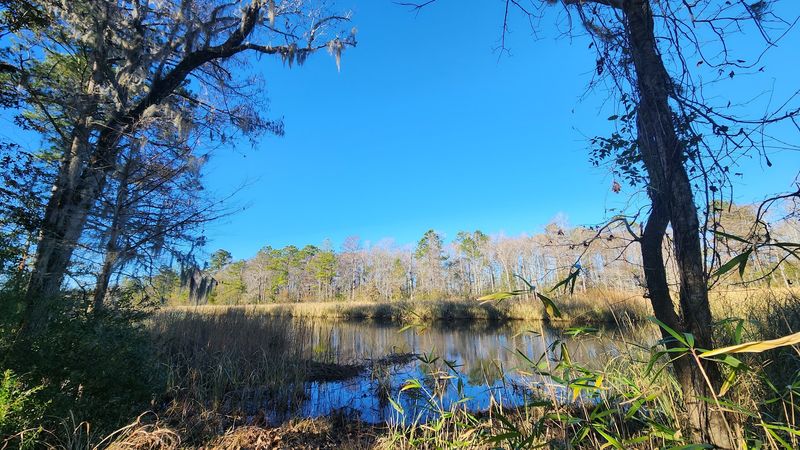
Along the trails, you’ll pass views of Hampton Creek, old rice field remnants, and the quiet marshlands that define this part of South Carolina. Wildlife sightings are common.
One visitor even spotted an armadillo casually strolling through the grounds, completely unbothered by human company.
The trails are easy enough for most ages, though comfortable walking shoes are recommended since paths can be uneven. Morning visits offer the best wildlife activity and softer light for photography.
The peaceful atmosphere here is genuinely rare, and on most days the site is wonderfully uncrowded, giving you space to reflect and wander freely.
The On-Site Family Cemetery That Holds Generations
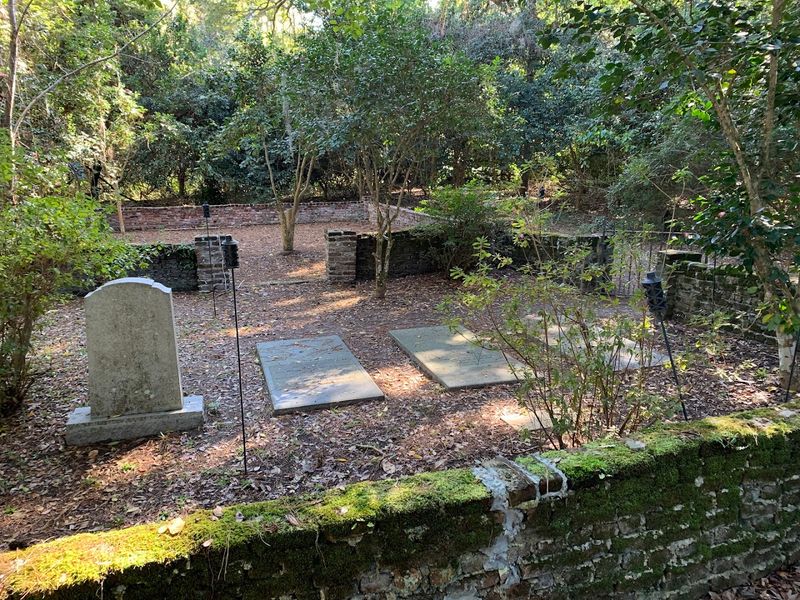
History has a way of becoming real when you stand in a cemetery. Hampton Plantation has an on-site family burial ground where members of the Rutledge and Horry families rest beneath the shade of old trees.
Visiting the cemetery adds a deeply personal dimension to the plantation’s story that no museum exhibit quite replicates.
Archibald Rutledge himself is buried here, not far from the house he loved so dearly and fought to preserve. Standing at his grave while remembering the poems he wrote about this very land creates a quiet, contemplative moment that many visitors describe as the emotional highlight of their trip.
Archaeological research has also documented burial sites connected to enslaved individuals who lived on the plantation, adding further layers of meaning to the landscape. The cemetery is accessible during regular park hours, and the peaceful setting among ancient oaks makes it a meaningful place to pause and reflect.
A National Historic Landmark With Deep Colonial Roots
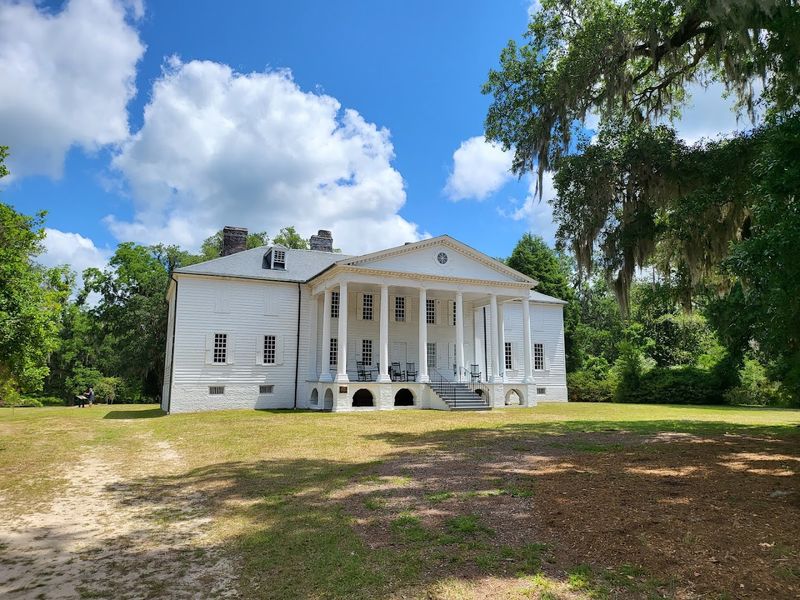
Hampton Plantation isn’t just old; it’s officially recognized as one of America’s most significant historic places. Designated a National Historic Landmark in 1970, the site represents the full complexity of colonial South Carolina, from the wealth of the rice economy to the Huguenot settlers who first established farms along the Santee River.
The plantation was established around 1730 to 1735, making it nearly 300 years old. It passed through the hands of the Horry and Rutledge families before the state of South Carolina acquired it in 1971.
That long, unbroken chain of history gives the site a depth that’s hard to find anywhere else in the region.
A historical marker along US-17 offers a brief introduction before you even turn onto the plantation road. But as one visitor wisely noted, the marker can only scratch the surface.
The real story waits for you at the end of that quiet drive in.
Best Time to Visit and What to Expect Each Season
Timing your visit to Hampton Plantation can make a huge difference in your experience. Winter is widely considered the best season to go.
The mosquitoes, which multiple visitors describe as absolutely ferocious during warmer months, are largely absent in the cooler weather. Surprisingly, some trees even continue flowering into December and January.
Spring and summer bring lush greenery and birdsong, but also bring those notorious bugs in full force. If you visit between April and September, pack industrial-strength insect repellent.
The visitor center even sells bug spray, which tells you everything you need to know.
Fall offers a nice middle ground, with pleasant temperatures and fewer insects. The plantation is open every day from 9 AM to 5 PM year-round, which makes planning easy.
No matter the season, the site is rarely crowded, so you can almost always count on a quiet, personal experience at your own comfortable pace.
Stargazing at One of South Carolina’s Darkest Skies
Here’s something most visitors don’t know about Hampton Plantation: the area is recognized for having remarkably low light pollution, making it an exceptional spot for stargazing. Far from city lights and tucked into the rural Lowcountry, the night sky above the plantation can be absolutely breathtaking on clear evenings.
Imagine standing on those ancient grounds after dark, the silhouette of the mansion behind you and a canopy of stars overhead. The same sky that Washington, the Rutledges, and generations of enslaved people once looked up at stretches out above you, unchanged.
That kind of connection across centuries is rare and genuinely moving.
While the park closes at 5 PM for regular visits, the dark sky reputation of the area makes the surrounding region worth exploring after hours. Check local astronomy groups or South Carolina state park event listings for any organized nighttime events that might coincide with your visit.
The Visitor Center, Gift Shop, and Practical Details
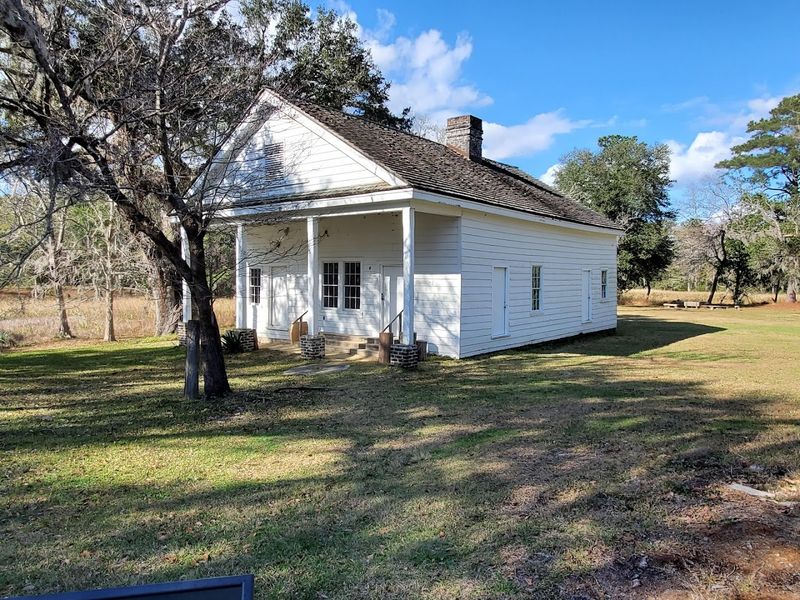
Getting the most out of Hampton Plantation starts at the visitor center, which offers helpful context before you explore the grounds or take a house tour. Staff are friendly and knowledgeable, and the small gift shop carries books, maps, and yes, insect repellent for anyone who forgot to pack it.
The site is located at 1950 Rutledge Road in McClellanville, SC, accessible via a dirt road off US-17. It’s a bit of a drive from Charleston, but the journey through the Lowcountry landscape is scenic and worth every mile.
Clean restrooms near the parking area are a welcome convenience after a long ride.
Ground access is free. House tours cost $10 per adult and $5 per child.
The park is open seven days a week from 9 AM to 5 PM. Call ahead at +1 843-546-9361 or visit southcarolinaparks.com/hampton for the latest tour schedules and any special events.
Why Hampton Plantation Leaves Every Visitor Speechless
Some places just get under your skin in the best possible way. Hampton Plantation is one of them.
Visitors with 4.6 stars across hundreds of reviews consistently use words like “enchanted,” “hidden gem,” and “unforgettable” to describe their time here. That kind of consistent praise from real travelers says everything.
What sets this site apart isn’t grandeur or polish. There are no velvet ropes, no elaborate exhibits, no crowds.
What you get instead is raw, honest, layered history delivered by passionate guides in a landscape that feels genuinely untouched by the modern world. The combination of natural beauty, architectural history, and human stories creates something that lingers long after you leave.
Whether you’re drawn by the legend of George Washington’s oak, the poetry of Archibald Rutledge, or simply the pull of those breathtaking moss-draped trees, Hampton Plantation delivers. Go once, and you’ll already be planning your return trip before you reach the highway.
Enjoyed this story?
Add Fast Food Club as a preferred source to see more of our reporting on Google.