


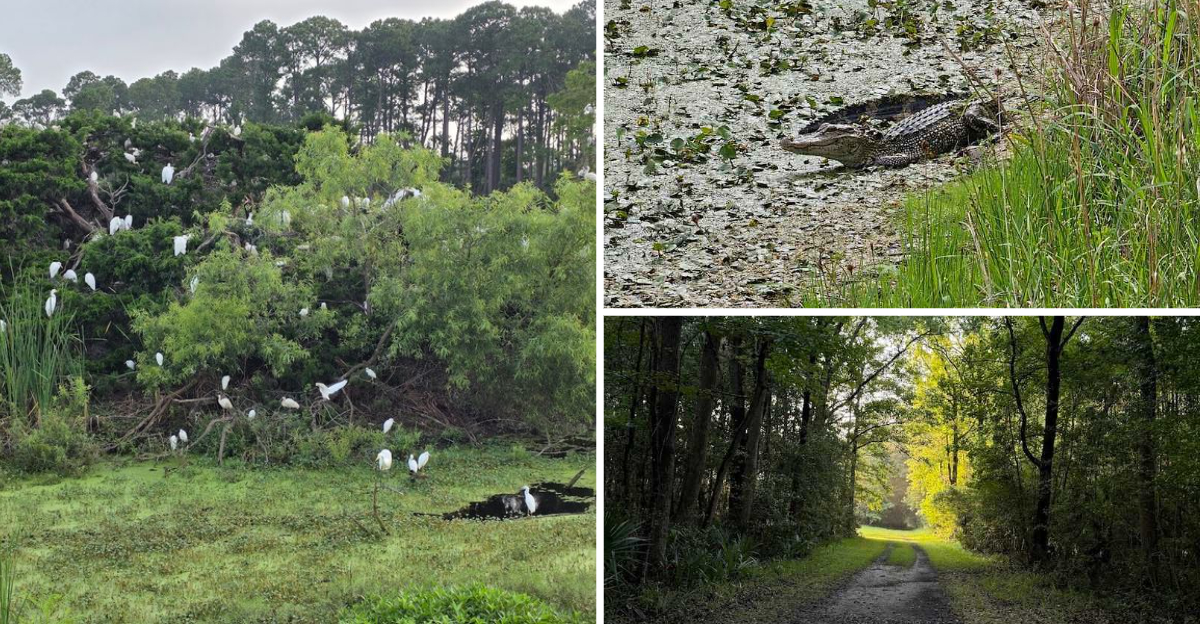
Tucked just off the coast of Hilton Head, Pinckney Island National Wildlife Refuge is one of South Carolina’s most spectacular yet underrated outdoor destinations. Spanning over 4,000 acres of salt marshes, tidal wetlands, forests, and freshwater ponds, this refuge is a paradise for nature lovers of all ages.
Whether you want to spot exotic birds, watch alligators glide through still water, or simply enjoy a peaceful walk through stunning lowcountry scenery, this place delivers every single time. Best of all, admission is completely free, making it one of the most rewarding experiences you can have in the Palmetto State.
The Ibis Pond: A Birdwatcher’s Dream Come True
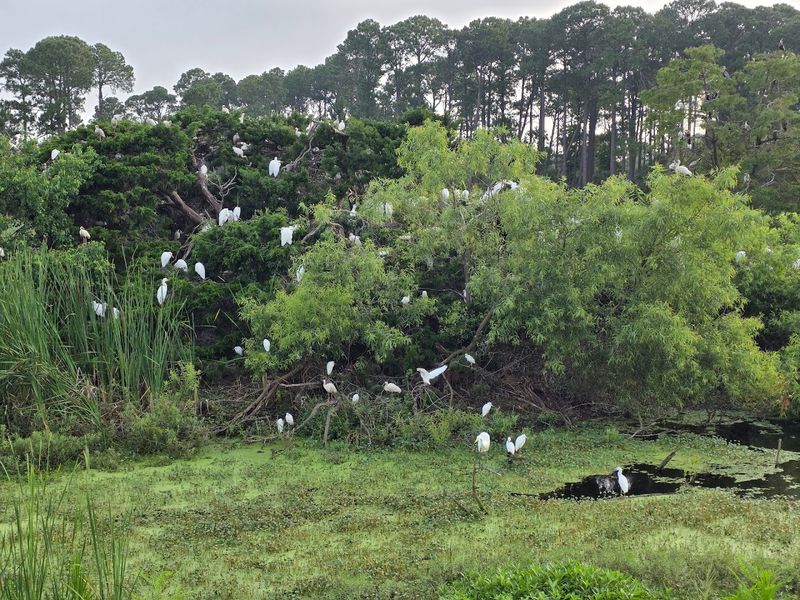
Picture hundreds of brilliant white ibis birds perched in treetops above a glassy pond — that is exactly what greets visitors at the famous Ibis Pond. Reviewers consistently call it the highlight of the entire refuge, and it is easy to see why.
The sheer number of birds nesting together creates a breathtaking spectacle unlike anything most people have ever witnessed.
Getting there requires a short walk from the parking area, but every step is worth it. The trail around the pond offers multiple vantage points, giving you chances to photograph birds from different angles.
Bring binoculars for an even more rewarding experience.
Early morning visits tend to yield the most activity, as birds feed and call out across the water. Tricolored herons, great egrets, and snowy egrets also frequent this spot, making it a multi-species bonanza for wildlife enthusiasts of any experience level.
Spotting Alligators Along the Trails
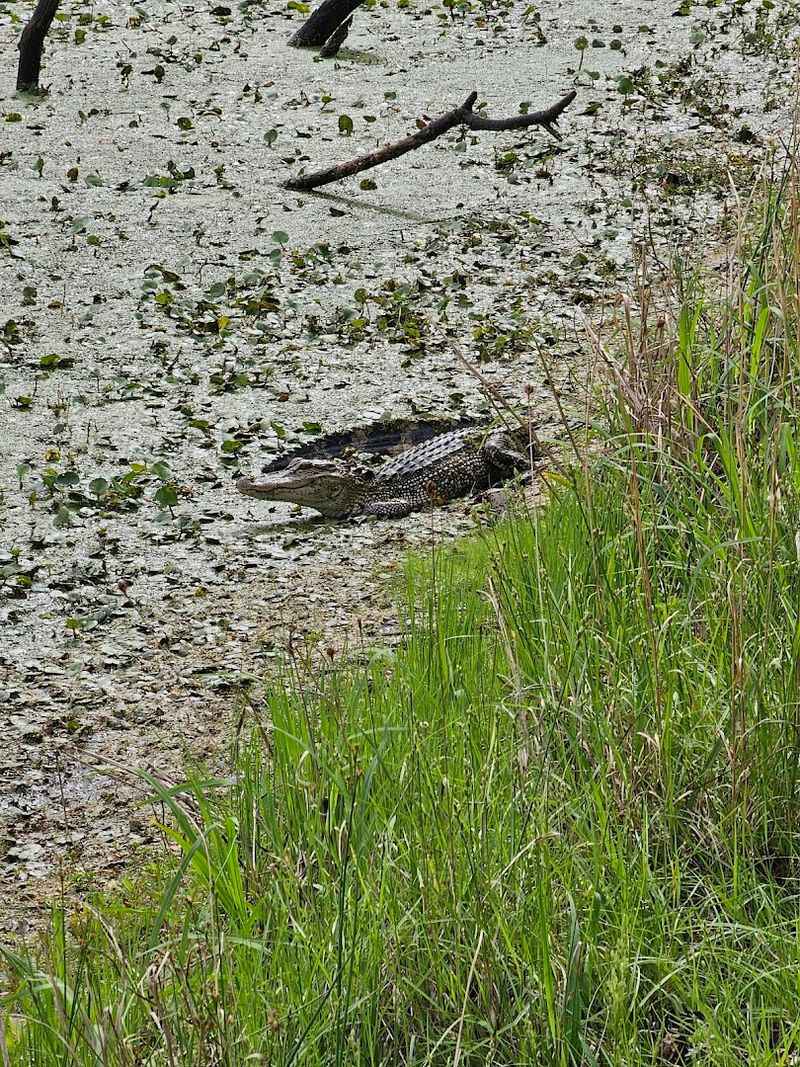
Few wildlife encounters get the heart pumping quite like spotting a wild alligator just a few feet from the trail. At Pinckney Island, these prehistoric reptiles are a regular part of the scenery, often sunning themselves along pond banks or gliding silently through tidal channels.
Visitors report seeing them year-round, even on warm November days.
Maintaining a safe distance is essential — wildlife officials recommend staying at least 60 feet away from any alligator you encounter. Never feed them or approach them, no matter how calm they appear.
Alligators are wild animals and can move surprisingly fast.
The thrill of watching one from a safe distance is genuinely unforgettable, especially for kids experiencing it for the first time. Many reviewers mentioned the alligator sightings as the most memorable moment of their entire visit to this incredible South Carolina refuge.
Biking the Trails for Maximum Adventure
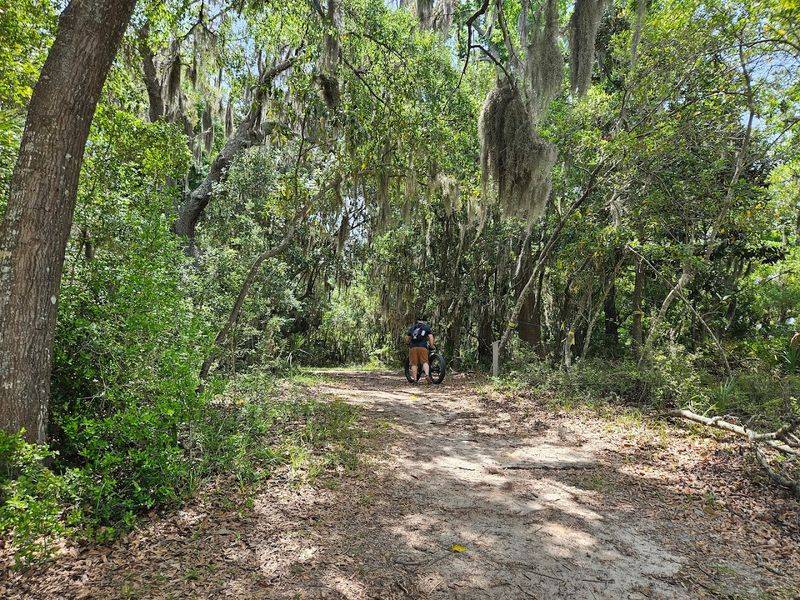
Bringing a bike to Pinckney Island is arguably the smartest decision any visitor can make. The refuge covers a large area, and biking allows you to cover far more ground than hiking alone ever could.
One family reported completing an 8-mile bike tour that took them through multiple habitats and rewarded them with deer, birds, crabs, and an alligator sighting — all in one trip.
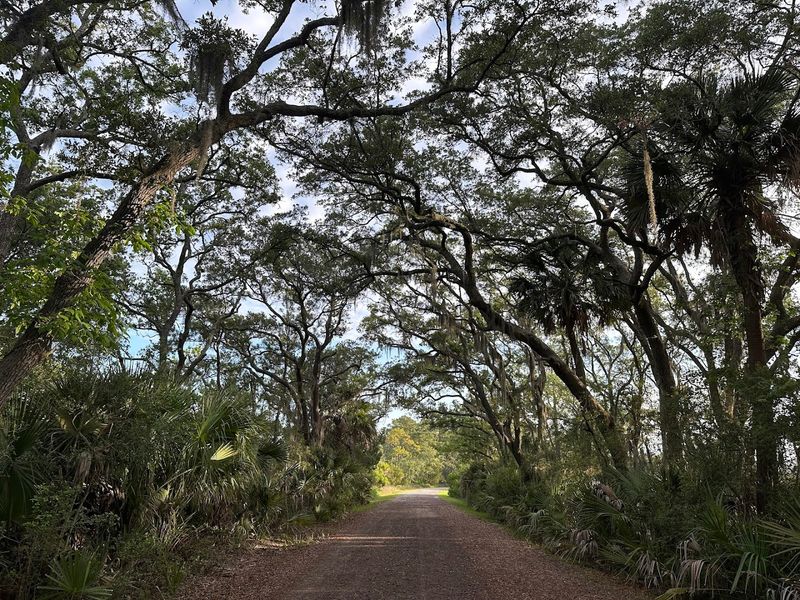
The main trails are flat and well-maintained, making cycling accessible even for casual riders or those who rarely hop on a bike. Gravel paths dominate most of the main routes, though some side trails are grassy or dirt-packed and require a bit more effort.
A leisurely biking pace from around 10 a.m. to 3 p.m. is enough to explore the entire island, including the scenic White Point at the far end. That view alone makes the ride absolutely worthwhile.
Bird Watching With Over 50 Species to Discover
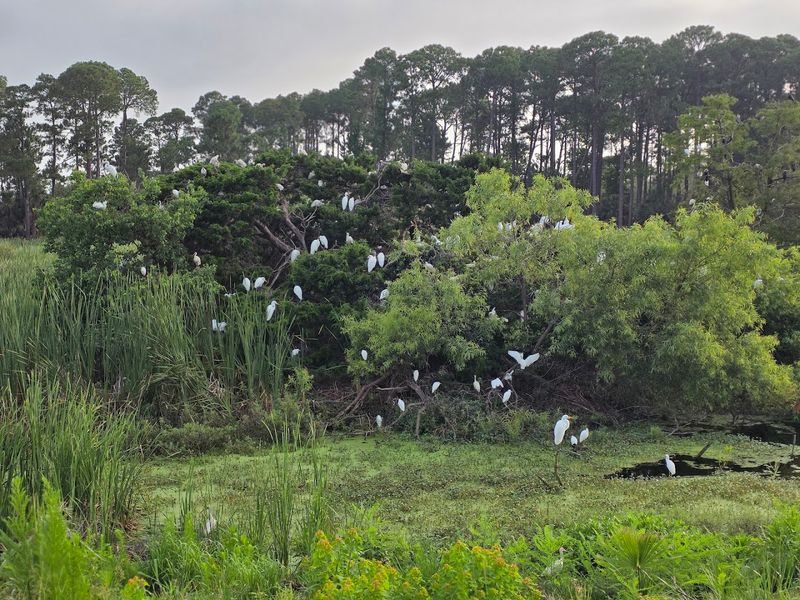
Birding enthusiasts, rejoice — Pinckney Island is a genuine hotspot for avian diversity. One reviewer logged over 50 bird species in a single 3-hour walk, a number that would impress even seasoned ornithologists.
The refuge’s mix of salt marsh, freshwater ponds, and forested areas creates ideal habitat for an incredible variety of birds.
Black-bellied whistling ducks, black-crowned night herons, bald eagles, loons, ospreys, and great egrets are just a sampling of what you might encounter. The informational signs posted along the trails even help you identify which species are most likely in each area, making it a surprisingly educational outing.
Morning visits consistently produce the best birding results, especially during warmer months. Packing a quality pair of binoculars and a field guide transforms an ordinary walk into a truly immersive experience.
Even first-time birders leave the refuge feeling inspired and amazed by what they spotted.
The Salt Marshes and Tidal Wetlands Up Close
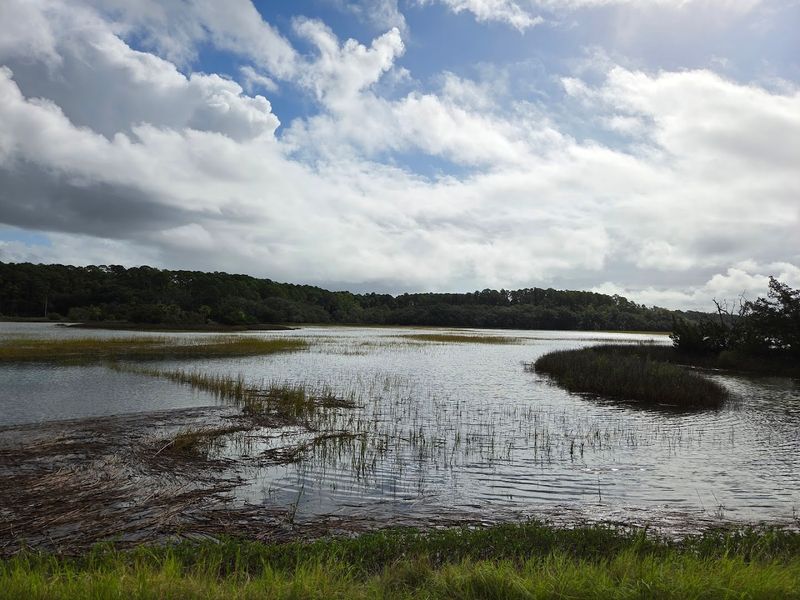
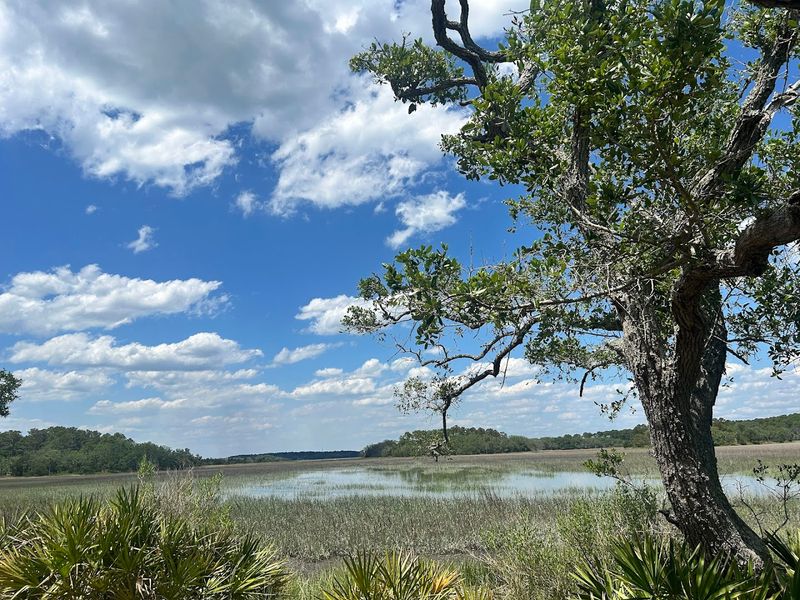
Salt marshes might not sound glamorous, but standing at the edge of Pinckney Island’s tidal wetlands changes your perspective entirely. Stretching as far as the eye can see, these marshes shimmer with golden grasses, rippling tidal channels, and an almost meditative stillness.
They are the ecological backbone of the entire refuge.
These wetlands serve as nursery grounds for fish, crabs, and shrimp, while also providing critical feeding habitat for dozens of bird species. The squareback marsh crab is one of the more fascinating residents you might spot clinging to wooden structures or scrambling along muddy banks.
Wandering off the trail into the salt flats is technically possible but comes with risks — muddy, unstable ground can catch you off guard quickly. Sticking to designated paths gives you stunning views without the mess.
Sunrise over the marshes, as one boater described, is a sight that stays with you forever.
Free Admission Makes It Accessible for Everyone
In a world where outdoor recreation often comes with a hefty price tag, Pinckney Island National Wildlife Refuge stands out as a genuinely free experience. No entrance fee, no parking charge, no hidden costs — just pure, unfiltered nature waiting at the end of a short drive off U.S.
Highway 278 near Hilton Head.
This makes the refuge an outstanding option for budget-conscious families, solo adventurers, school groups, or anyone who simply wants to spend quality time outdoors without stressing about expenses. Several reviewers specifically mentioned the free access as a major bonus that makes the refuge feel even more special.
Free does not mean bare-bones, though. The trails are well-maintained, informational signs are thoughtfully placed, and trail maps are available at the parking area.
You get a genuinely premium outdoor experience at absolutely zero cost, which is a rare and wonderful thing in today’s travel landscape.
Wildlife Signs and Educational Exhibits Along the Way
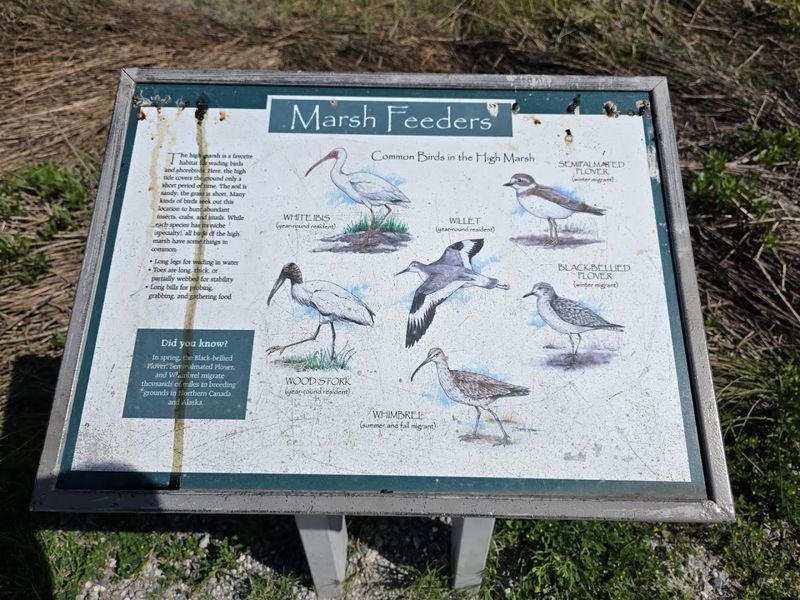
Walking through Pinckney Island feels like moving through an outdoor classroom, and that is entirely intentional. Detailed, illustrated informational signs are strategically placed throughout the refuge, helping visitors identify the plants, birds, reptiles, and other creatures they are most likely to encounter in each specific habitat zone.
Kids especially love stopping to read about the animals before spotting them in real life. Parents have noted that these signs spark genuine curiosity and make the whole outing far more engaging than a typical nature walk.
Even adults who think they know a lot about wildlife often learn something new.
The signs cover everything from bird identification tips to explanations of how salt marshes function as ecosystems. One reviewer described them as “detailed and illustrated,” noting they provided information throughout the entire area.
For teachers or homeschooling families, this refuge doubles as one of the best free field trip destinations in all of South Carolina.
Deer, Armadillos, and Unexpected Wildlife Surprises
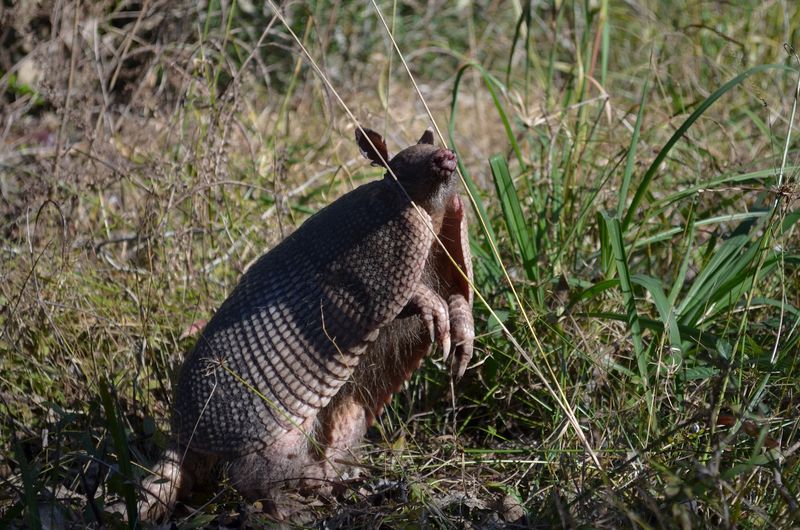
Most visitors come expecting birds and alligators, but Pinckney Island has a habit of throwing in some truly unexpected wildlife encounters. Armadillos, for instance, are surprisingly common here — one visitor reported spotting at least a dozen during a single hike through the wooded sections of the refuge.
That is not something you see every day in South Carolina.
White-tailed deer also roam the island, often appearing near forest edges during early morning or late afternoon hours. Spotting one quietly grazing just off the trail feels like a genuine gift from nature.
Skinks, frogs, and various crabs round out a surprisingly diverse cast of characters.
The unpredictability is part of the magic. You genuinely never know what might appear around the next bend.
That sense of surprise keeps every visit feeling fresh and exciting, whether it is your first time at the refuge or your tenth return trip.
Practical Tips: What to Bring Before You Go
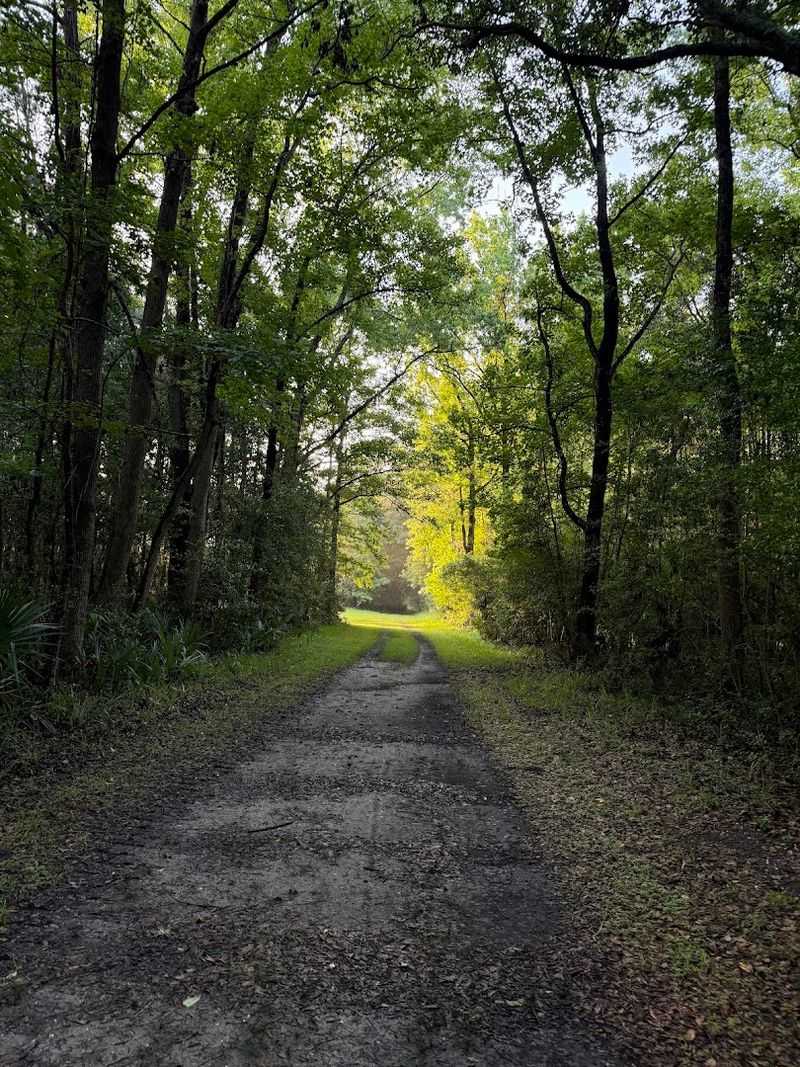
Pinckney Island rewards well-prepared visitors and can be genuinely uncomfortable for those who show up without the right gear. Bug spray is absolutely non-negotiable — multiple reviewers described the mosquitoes as “really bad,” even during cooler months like October.
A strong DEET-based repellent will save your sanity and your skin.
Water is equally critical. The refuge has no bathrooms, no water fountains, and very limited shade along the main trail.
Bringing at least two liters of water per person, along with salty snacks to replenish electrolytes, is strongly recommended. A wide-brimmed hat and plenty of sunscreen protect against the intense lowcountry sun.
Sturdy hiking shoes are a must, especially if you plan to explore side trails that can get muddy after rain. An off-road stroller works better than a standard one for families with young children.
A camera or smartphone with a good zoom lens completes the ideal Pinckney Island packing list.
The Flat, Easy Trails Perfect for All Fitness Levels
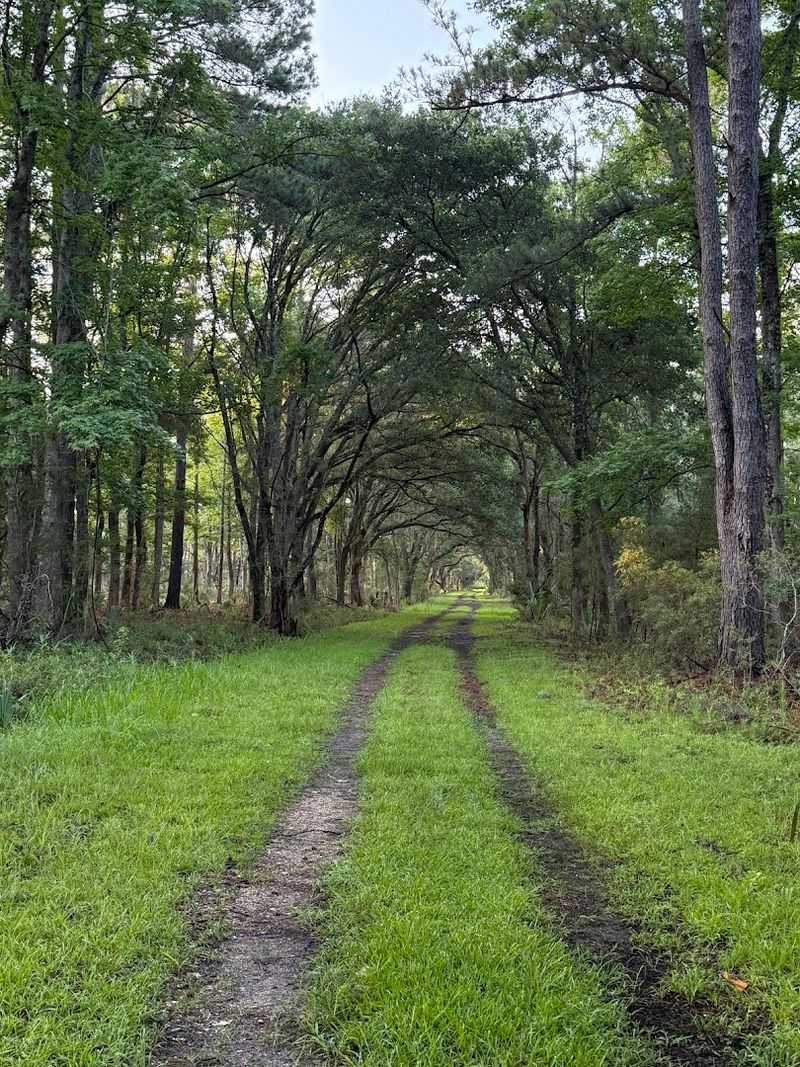
Not every incredible nature destination requires you to be in peak athletic condition, and Pinckney Island proves that beautifully. The main trails are described by nearly every reviewer as flat, wide, and easy to navigate — making them suitable for walkers, joggers, stroller pushers, and even wheelchair users on the primary gravel paths.
A 4.6-mile hike covers a significant portion of the refuge without any significant elevation change. Shorter loops of around 3 miles are also available for those who prefer a more relaxed outing.
Even casual visitors can enjoy a rewarding experience without overexerting themselves.
Side trails branching off the main path offer a slightly more rugged experience for those craving a bit more challenge. These grass and dirt paths wind through wooded areas and marsh edges where wildlife sightings become even more frequent.
The refuge truly has something for every fitness level and every type of outdoor personality.
White Point: The Stunning Reward at Trail’s End
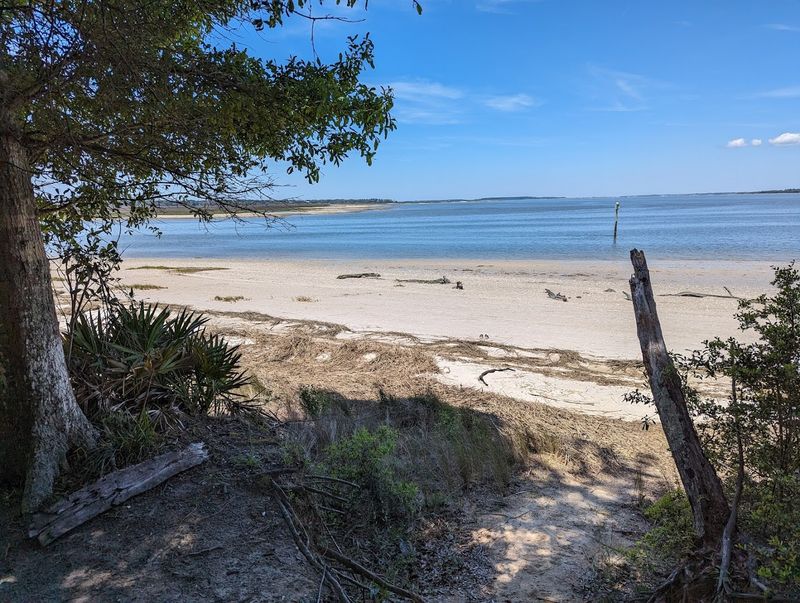
Ask any experienced Pinckney Island visitor about White Point, and watch their face light up immediately. Located at the far end of the island’s main trail, this scenic overlook delivers a sweeping, unobstructed view of the surrounding coastal waters and marshlands that feels like a genuine payoff for the distance traveled to reach it.
Getting there by bike is the most popular approach, with a leisurely ride from the parking area taking roughly a few hours depending on how many stops you make along the way. Hikers can absolutely make the journey too, though the round trip demands solid stamina and proper hydration.
The view at White Point captures the raw, wild beauty of the South Carolina lowcountry in a way that photographs struggle to fully convey. Standing there with open water stretching in every direction and birds gliding overhead is the kind of moment that reminds you why protecting wild places matters so deeply.
Visiting by Boat: A Unique Perspective on the Refuge
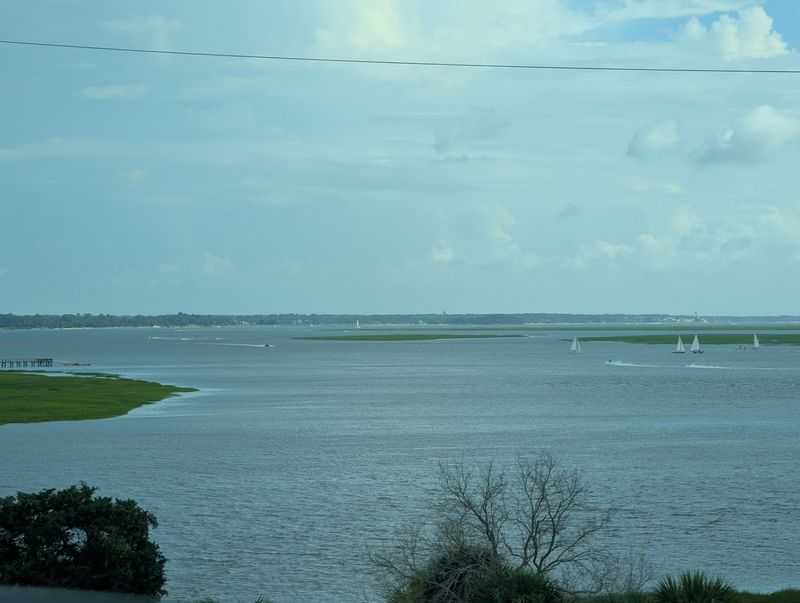
Most people drive to Pinckney Island, but arriving by boat offers a completely different and deeply memorable experience. One sailor described anchoring their 36-foot vessel on the island’s north side and spending two days immersed in the refuge’s natural rhythms — watching a stunning sunrise over the marshes and hiking ashore to encounter eagles, loons, herons, armadillos, and even a surprise alligator in November.
A public boat ramp provides access for those with smaller watercraft, and the calm tidal waters surrounding the island make for relatively easy navigation. Kayakers and canoeists also find the refuge’s waterways particularly rewarding, as paddling through the marsh channels brings you eye-level with wildlife that trail hikers rarely see.
Experiencing the refuge from the water adds a completely new dimension to an already extraordinary place. The combination of land and water exploration makes Pinckney Island one of the most versatile and rewarding outdoor destinations anywhere along the South Carolina coast.
Why Pinckney Island Deserves a Top Spot on Your South Carolina Bucket List
With a 4.7-star rating from hundreds of glowing reviews, Pinckney Island National Wildlife Refuge is not exactly a secret anymore — but it still flies under the radar compared to the crowded beaches and resort areas of nearby Hilton Head. That relative obscurity is part of what makes it so special.
You can still find genuine peace and solitude here on most days.
The refuge is open seven days a week from 7 a.m. to 6:30 p.m., giving visitors plenty of daylight hours to explore. Located conveniently off U.S.
Highway 278, it is easy to reach and requires no special permits or reservations. Just show up, grab a trail map at the parking area, and start exploring.
Whether you are a hardcore birder, a casual family hiker, a cycling enthusiast, or simply someone craving a quiet escape from everyday life, Pinckney Island delivers every single time. South Carolina’s best hidden gem is waiting for you.
Enjoyed this story?
Add Fast Food Club as a preferred source to see more of our reporting on Google.