


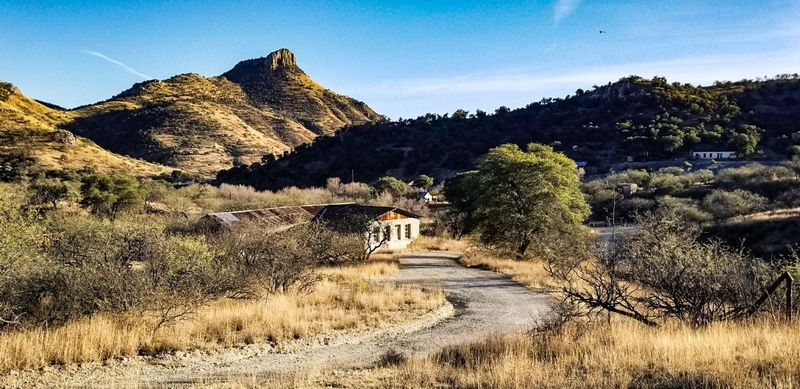
Somewhere in the rugged southern Arizona wilderness, an entire town simply stopped. The buildings still stand, the mine shafts still gape, and the desert has quietly taken over what people left behind more than eighty years ago.
Getting there means bumping down miles of dirt road toward the Mexico border, which is exactly why so few travelers ever make the trip. What waits at the end is one of the best preserved mining ghost towns in the American Southwest, a place where old schoolhouses, a jail, and rusting equipment sit almost untouched.
History buffs, photographers, and anyone curious about the past will find plenty to explore here. Keep reading to learn where it hides, what remains, and how to plan a visit to this remarkably quiet corner of Santa Cruz County.
Where This Forgotten Town Hides Out
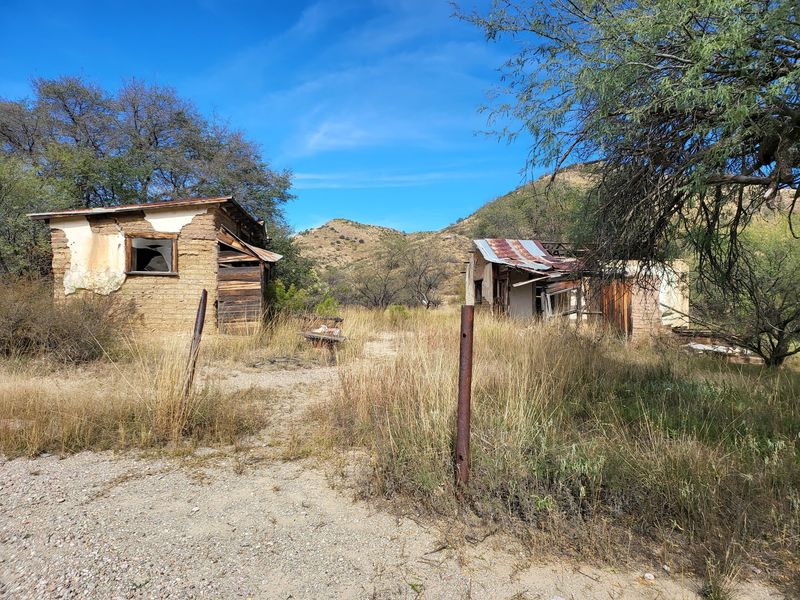
Tucked into Santa Cruz County, Arizona, the ghost town of Ruby carries the address Arizona 85621 and rests near the base of Montana Peak inside the Pajarita Wilderness.
The location is genuinely remote. It sits roughly 25 miles west of Rio Rico and only about 7 miles north of the Mexico-United States border.
That kind of isolation is a big reason the place has stayed so intact. There are no strip malls creeping in, no highways rumbling past, just a scatter of old structures held in the folds of the hills.
Reaching Ruby is part of the adventure, since the town sits well off the paved routes most travelers stick to. The surrounding wilderness adds a layer of quiet that modern towns rarely offer anymore.
Folks who make the effort tend to arrive with cameras, curiosity, and a full tank of gas. What they find is a genuine slice of Arizona history that has managed to dodge the crowds for decades.
From Montana Camp To A Named Mining Town
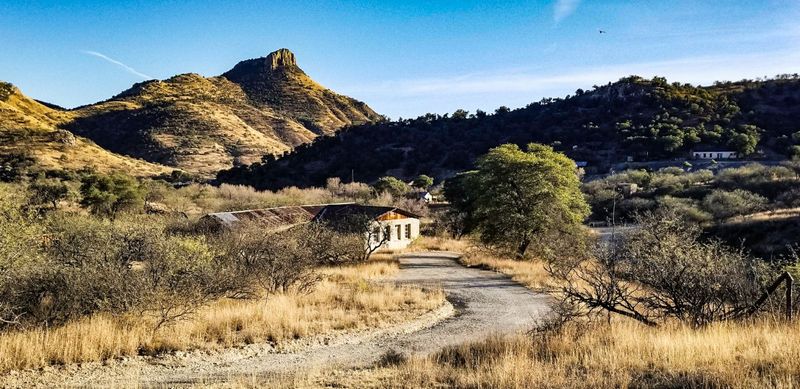
Back in 1877, long before anyone called it Ruby, prospectors set up shop here and named the spot Montana Camp for the nearby peak.
The camp grew out of the search for valuable ore in these desert hills. Mining was the entire reason the place existed, and the earliest structures were built to serve that single purpose.
Over time the settlement expanded from a rough camp into an actual town with a name of its own. The shift from Montana Camp to Ruby marked its move toward something more permanent and organized.
The roots of the community run deep into the 1800s, which makes it older than plenty of Arizona towns that are still bustling today. Its origin story is pure frontier grit and the hope of striking something worthwhile underground.
Understanding that mining beginning helps explain everything a visitor sees now. Every leaning building and rusted piece of machinery ties back to that first hopeful camp near Montana Peak.
A Setting Wrapped In Wilderness
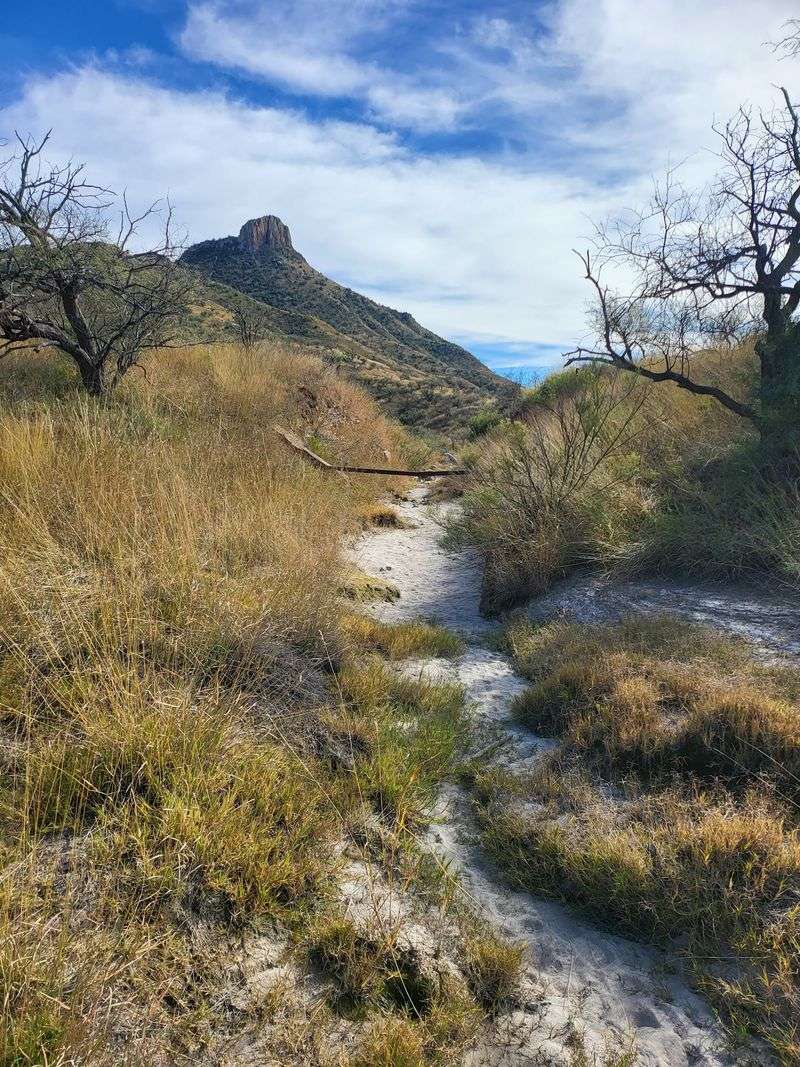
Few ghost towns get a backdrop quite like this one. Ruby sits cradled within the Pajarita Wilderness, a protected stretch of southern Arizona backcountry.
Montana Peak rises nearby and gives the town its geographic anchor. The camp originally took its name from that very mountain, so the landscape and the settlement have always been linked.
Wilderness surroundings mean the area has stayed wild and undeveloped. Instead of neighboring subdivisions, the town is bordered by rugged terrain and open desert country.
The remoteness that once made mining life difficult now works in the town’s favor. It has kept the site quiet, natural, and free of the sprawl that swallows so many historic places.
For travelers who appreciate scenery along with history, the drive and the setting deliver a double reward. The land here feels genuinely untamed, and the ghost town simply adds to the sense of stepping back in time.
The Buildings That Refused To Vanish
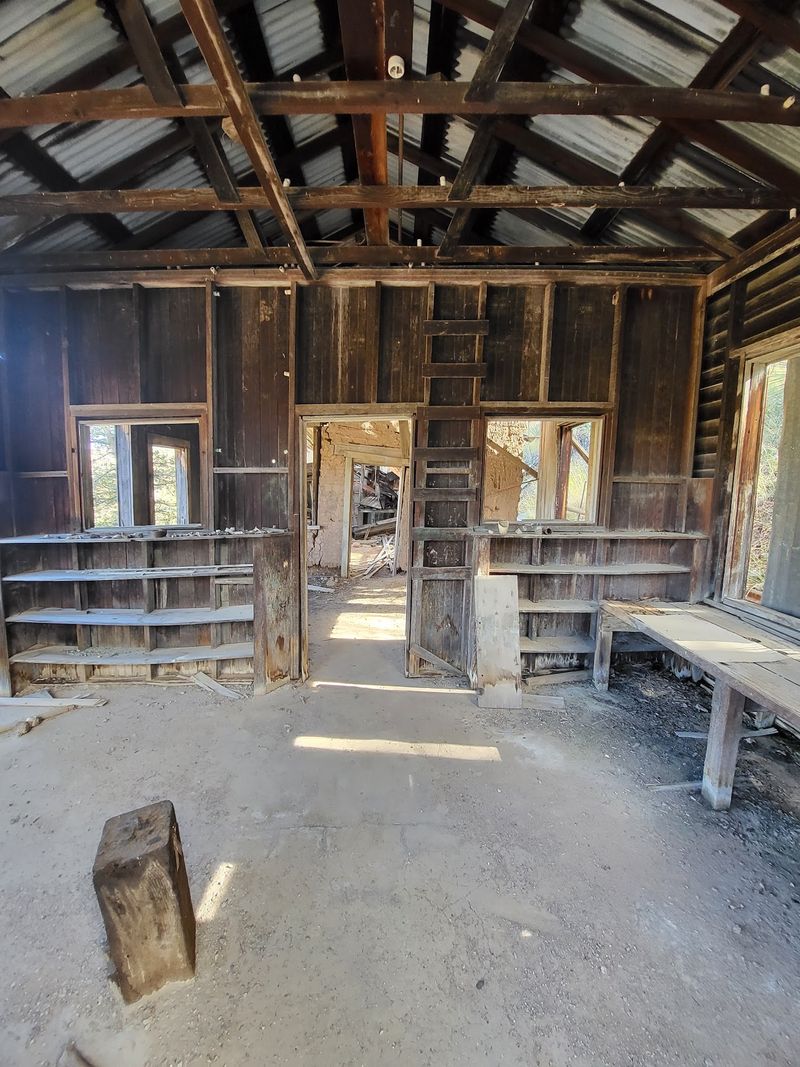
Most ghost towns end up as little more than crumbled foundations, but Ruby has held onto a surprising number of its structures.
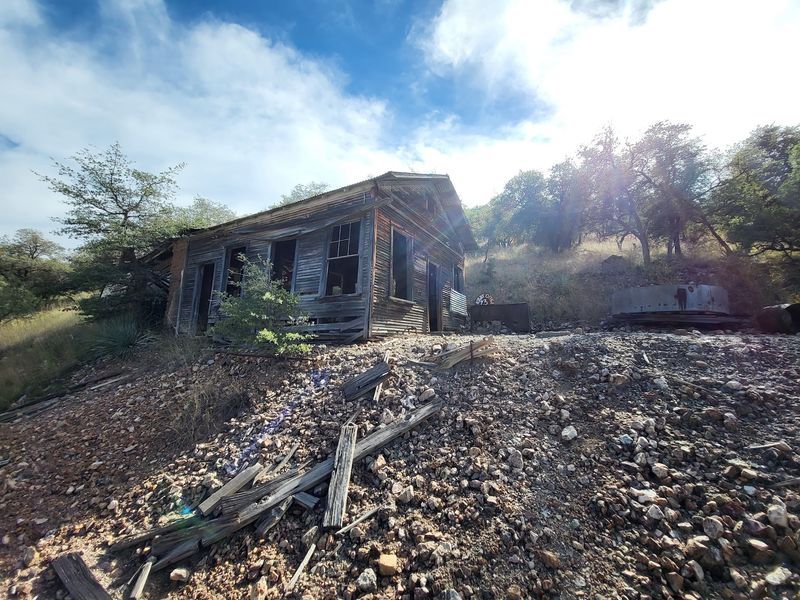
Wander the site and you will spot buildings still standing after all these decades. The dry desert climate has helped preserve wood and adobe that would have rotted away in a wetter place.
The town is often called one of the better preserved mining ghost towns in Arizona, and the standing buildings back that reputation up. They give visitors a real sense of how the community was laid out.
Each structure hints at daily life during the mining years. Doorways, window frames, and walls remain, offering a physical connection to the people who once filled these spaces.
Photographers especially love this aspect, since intact buildings make for far more striking images than bare rubble. The preservation here is exactly what sets Ruby apart from countless faded camps scattered across the Southwest.
The Old Schoolhouse Still On Its Feet
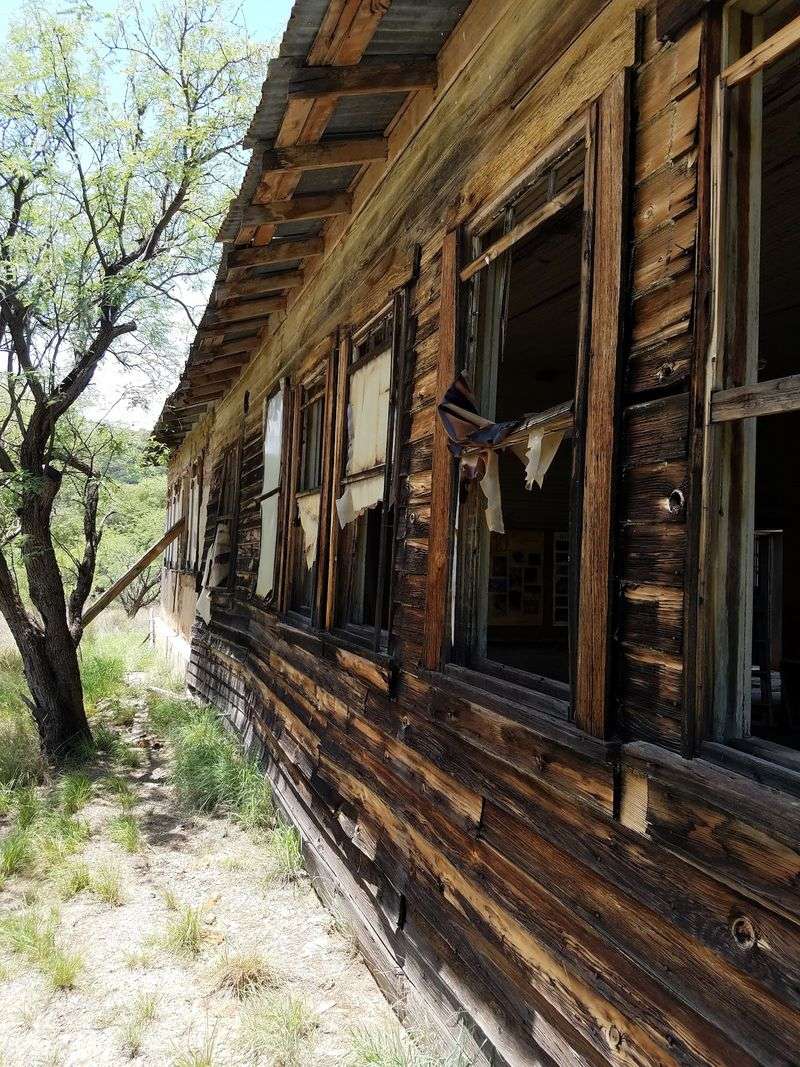
Among the survivors on the site, the old schoolhouse tends to grab the most attention.
A school is a telling clue that Ruby was more than a handful of miners chasing ore. It signals families, children, and a community that planted itself here for the long haul.
The building stands as a reminder that everyday life carried on even in such a remote outpost. Lessons were taught, students gathered, and a small town rhythm took shape far from anywhere.
Seeing an old school in a mining ghost town gives the whole place a more human feel. It moves the story beyond machinery and shafts into the lives of ordinary residents.
Visitors often pause the longest here, imagining the classroom that once buzzed with young voices. The schoolhouse quietly proves that Ruby was a real town, not just a work camp built to be abandoned.
Mine Shafts And The Hunt For Ore
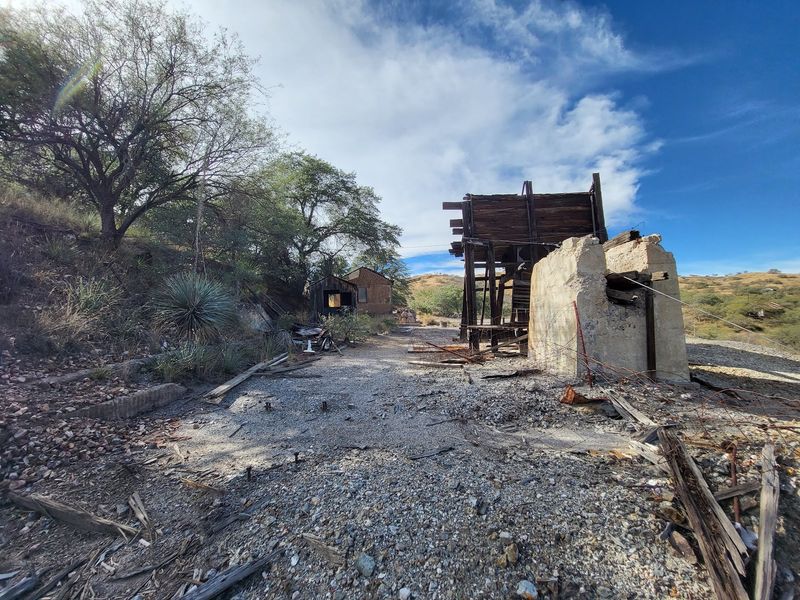
Everything in Ruby traces back to what lay beneath the ground. The town rose because prospectors believed the hills held valuable ore worth digging for.
Mine shafts remain part of the landscape here, silent openings that once formed the beating heart of the local economy.
The mining operation is the reason the settlement grew from a small camp into a named town. Workers came for the digging, and the community formed around that labor.
Those old shafts deserve respect and caution, since abandoned mine openings can be dangerous. Admiring them from a safe distance is the smart approach.
The mining features connect every other piece of the town together, from the housing to the school. Without the promise of ore, none of Ruby would ever have existed in this rugged pocket of Santa Cruz County.
An Old Jail With Stories Baked In
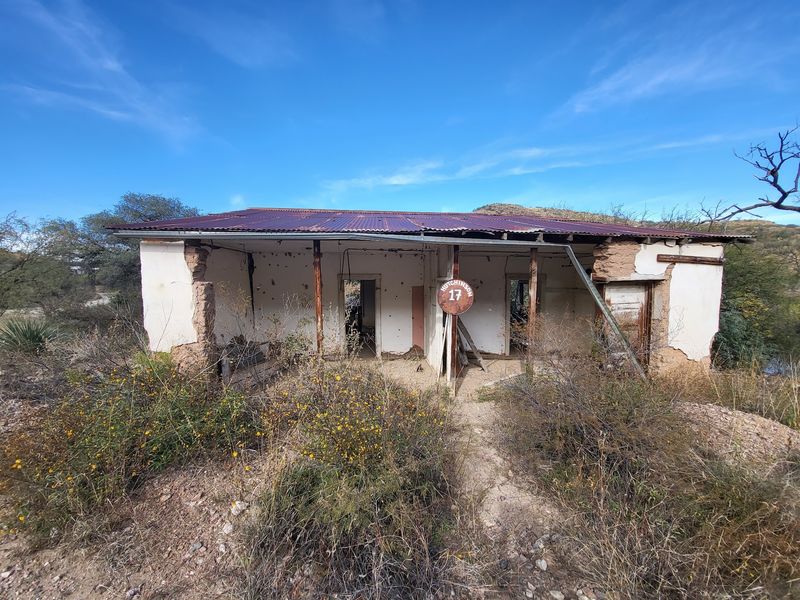
Every frontier town needed a way to keep order, and Ruby was no exception.
Remnants tied to law and order remain among the town’s surviving features, hinting at the rougher side of mining camp life.
A jail in a place this small speaks volumes about the era. Boomtowns near a border drew all sorts of characters, and keeping the peace was serious business.
The structure adds another layer to the town’s frontier personality. It reminds explorers that Ruby had its share of drama during the busy mining years.
Standing near these old walls, it is easy to sense how self contained the community had to be. Help was far away, so the town handled its own affairs.
Details like this transform Ruby from a simple collection of buildings into a place with genuine character and a past worth uncovering.
The Quiet That Almost Nobody Interrupts
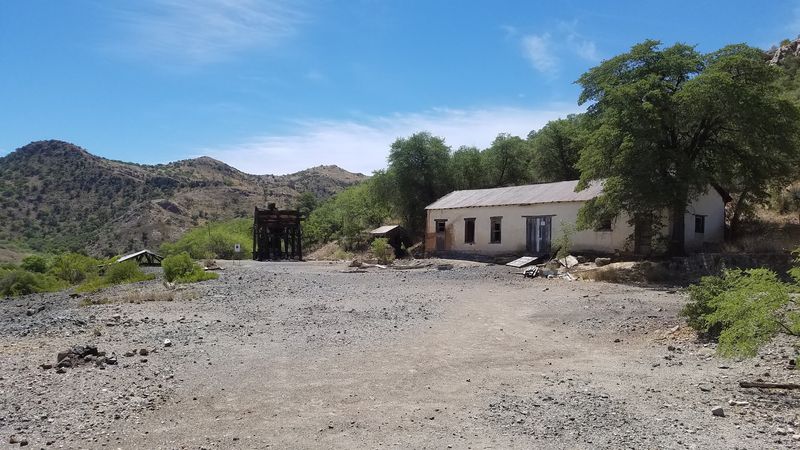
The most striking thing about Ruby might be how few people you will encounter there.
Modern crowds simply do not reach this far into the wilderness. The remoteness that once challenged residents now keeps the tourist traffic thin.
That emptiness gives the town a rare, undisturbed atmosphere. There are no busloads of sightseers, no gift shop lines, just quiet history spread across the desert floor.
The stillness is exactly what draws certain travelers in. People who love solitude and unhurried exploration find something special in having a whole ghost town nearly to themselves.
Being so close to the border and so far from major routes has protected that peace for decades. Few places in Arizona feel this genuinely untouched by modern hustle.
For anyone tired of packed attractions, the silence here is not a drawback at all. It is the entire point, and it makes the visit feel almost private.
Who Will Love This Place Most
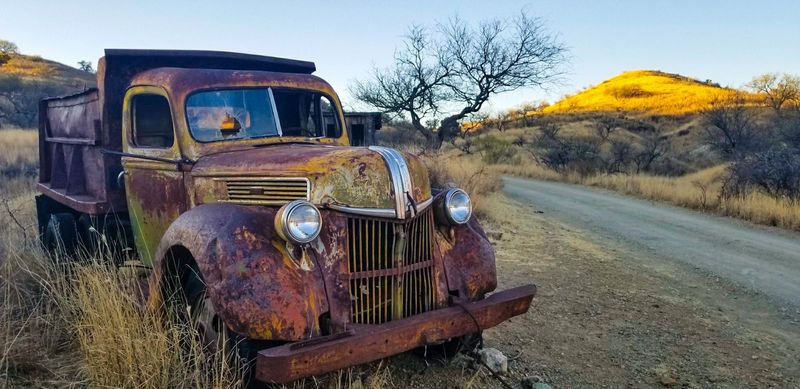
Not every traveler is built for a rugged detour toward the Mexico border, but the right kind of visitor will treasure Ruby.
History lovers get the biggest thrill here. The preserved buildings, old school, and mine features tell a real story about Arizona’s mining past.
Photographers find endless subjects among the weathered structures and wilderness backdrop. The mix of decaying buildings and Montana Peak scenery is hard to resist through a lens.
Solitude seekers also fit right in. Anyone who prefers quiet over crowds will appreciate how peaceful the site remains.
Families curious about frontier life can turn the trip into a hands on history lesson, especially with that old schoolhouse standing as proof of everyday living.
The one group that should think twice is anyone hoping for polished tourist comforts. Ruby rewards the adventurous and the curious far more than it rewards those looking for convenience.
Getting There Without Getting Lost
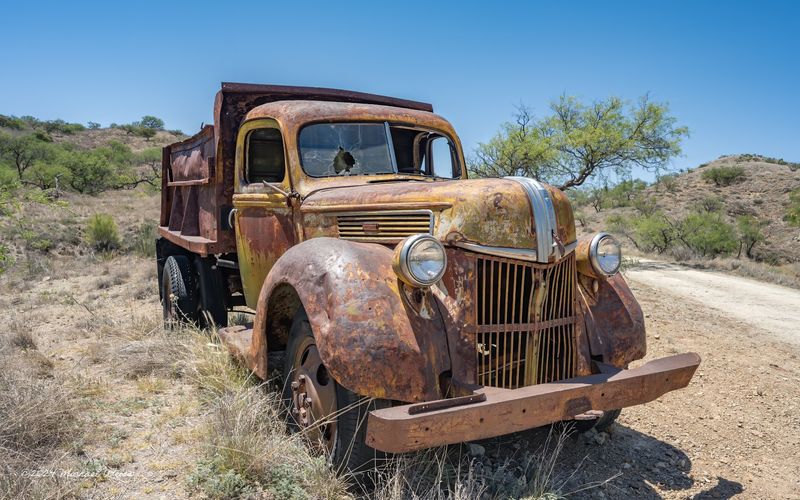
Reaching Ruby takes some planning, and that is a big part of why it stays so quiet.
The town sits about 25 miles west of Rio Rico, tucked deep into the backcountry of Santa Cruz County. The final stretch runs along rough desert roads rather than smooth highways.
A vehicle with good clearance is a wise choice for the drive in. The wilderness terrain is not friendly to low riding city cars.
Because the site is only about 7 miles north of the border, travelers should stay aware of their surroundings and plan the route carefully before setting out.
Fill the tank, pack water, and carry offline directions since cell service in remote areas can be unreliable. There are no convenience stops waiting near the town.
The effort of the journey filters out casual visitors, which is exactly what keeps Ruby feeling like a true hidden discovery.
Smart Tips Before You Roll In
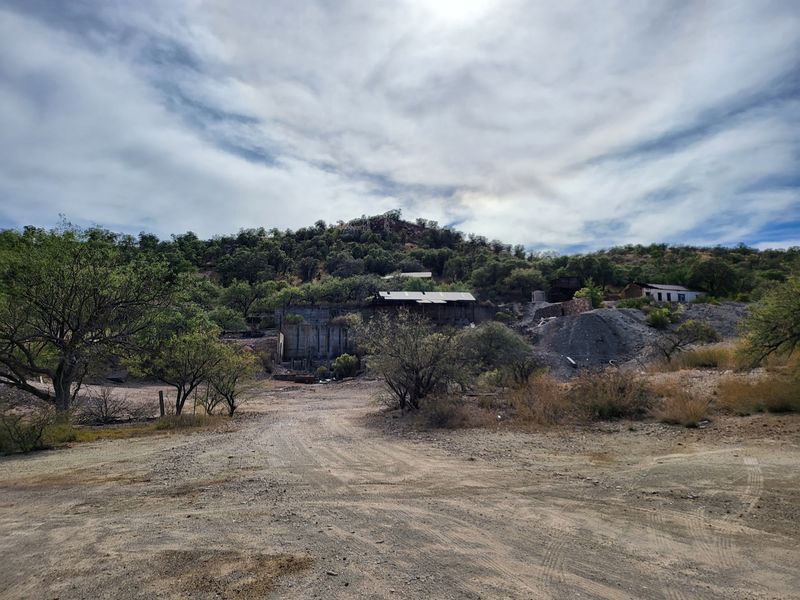
A little preparation goes a long way when the destination sits this far off the grid.
Bring plenty of water and sun protection, since southern Arizona can be intense and there are no services out here to bail you out.
Wear sturdy shoes for walking among uneven ground and old structures. The site is historic, so watch your step around aging buildings and open mine areas.
Respect the property and leave everything exactly as you find it. Preservation is the reason Ruby still looks the way it does, and every visitor plays a part in keeping it that way.
Plan to arrive with daylight to spare so you can explore comfortably and drive the rough roads before dark. The remote setting makes timing important.
Check current access details ahead of your trip, since conditions and entry arrangements at remote historic sites can change. A quick bit of research beforehand saves surprises at the gate.
Why Ruby Stays Worth The Trip
Some places earn their reputation by being loud and crowded, while others do it by staying beautifully still. Ruby belongs firmly in that second group.
The combination of well preserved buildings, a genuine mining history, and a wilderness setting near Montana Peak makes it one of Arizona’s most rewarding hidden stops.
Its distance from everything is both the challenge and the charm. The rough roads keep the crowds away and leave the history feeling authentic and undisturbed.
Travelers who value quiet, curiosity, and a real connection to the past will find plenty to appreciate in this corner of Santa Cruz County.
A visit here is less about ticking off a famous attraction and more about experiencing a town that time simply left alone. That rare quality is exactly what makes the effort worthwhile.
Pack your patience, plan the drive, and go see a place that most people never even know exists.
Enjoyed this story?
Add Fast Food Club as a preferred source to see more of our reporting on Google.