


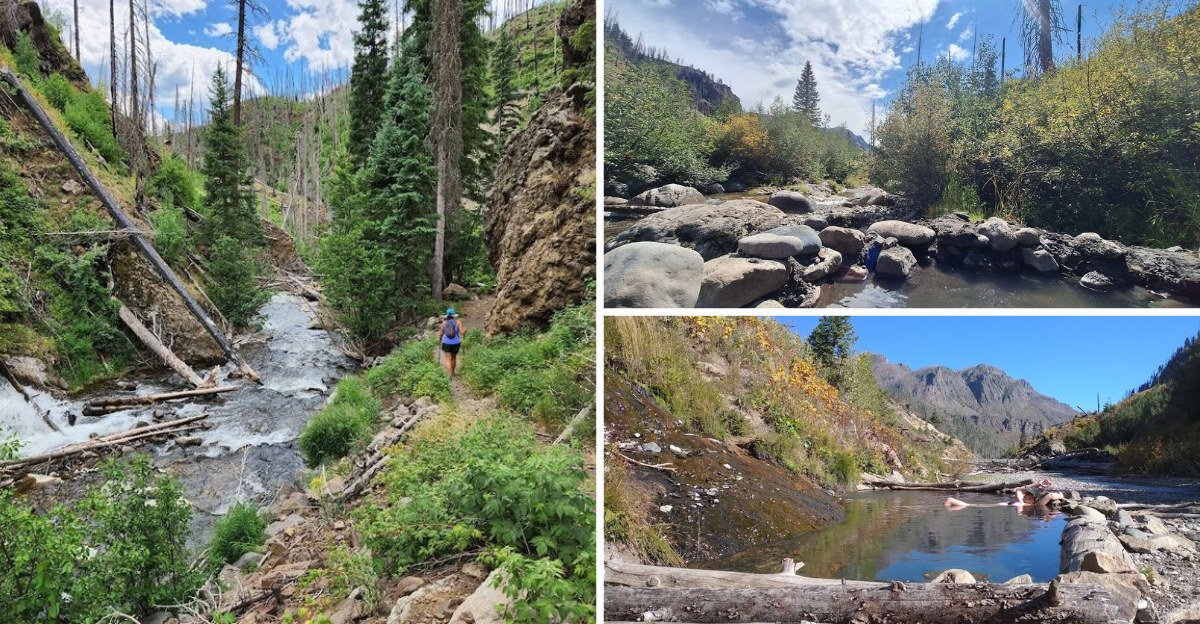
Tucked deep inside the San Juan National Forest near Pagosa Springs, Colorado, Rainbow Hot Springs is the kind of place that feels like a reward you actually have to earn. Most people drive past the area without ever knowing a natural hot spring sits miles down a rugged backcountry trail.
The journey involves a 10 to 12 mile round-trip hike through stunning mountain terrain, dramatic river views, and some of Colorado’s wildest scenery. If you love adventure and crave a soak far away from crowds and resort price tags, this hidden gem deserves a spot on your bucket list.
The Real Distance to Rainbow Hot Springs
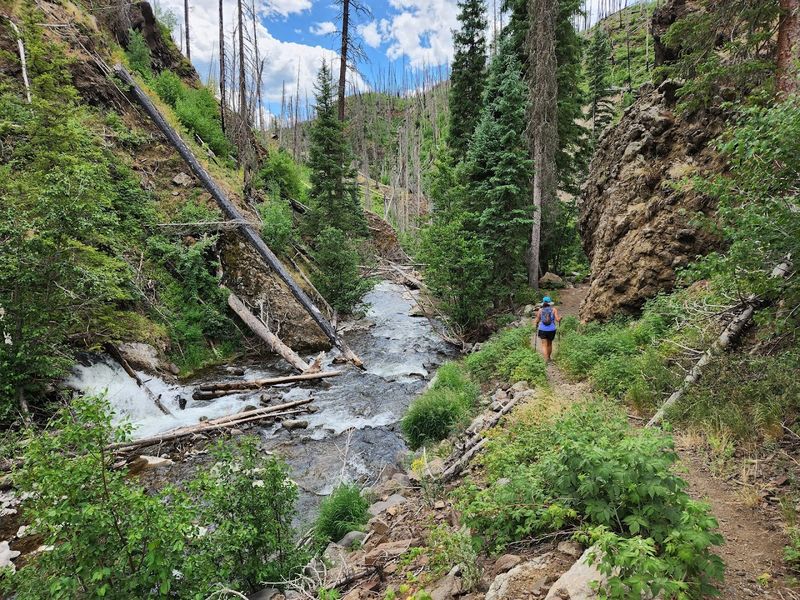
Here is something that surprises almost every first-timer: Rainbow Hot Springs is not a short stroll. Many websites and apps have listed the one-way distance as four or four and a half miles, but hikers who have actually made the trip confirm it is closer to six miles each way, making the full round trip roughly 12 miles.
That is a serious commitment, especially at high elevation. Starting from the Rainbow or West Fork trailhead, you will gain over 1,000 feet in elevation before reaching the springs.
The first mile tends to be the steepest, so pacing yourself early is smart.
Knowing the real distance helps you plan properly. Pack enough food, water, and time so you are not caught hiking back in the dark.
Many visitors who underestimated the trail found themselves rushing the return trip.
Where Exactly to Find the Hot Springs on the Trail
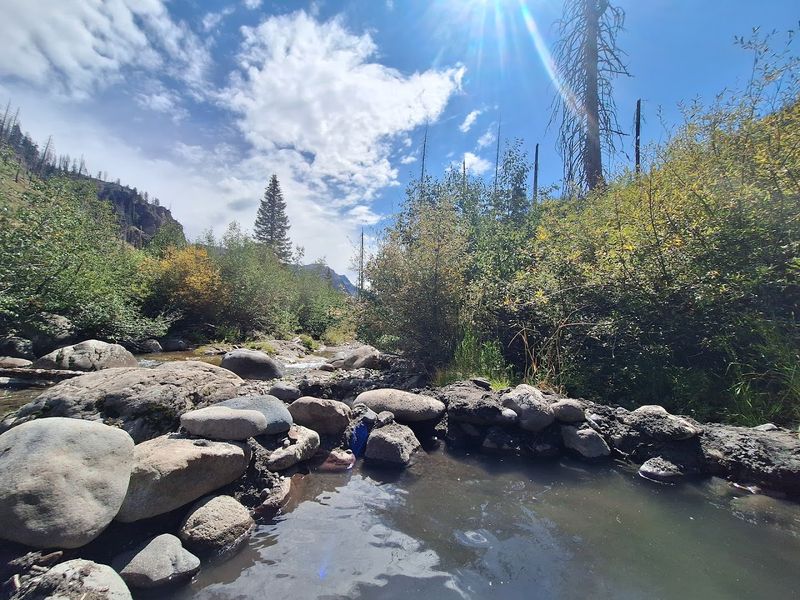
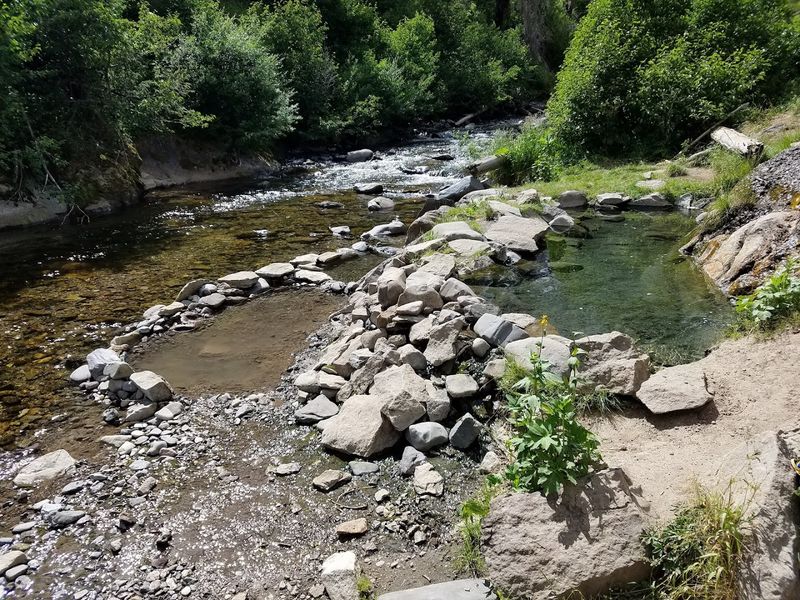
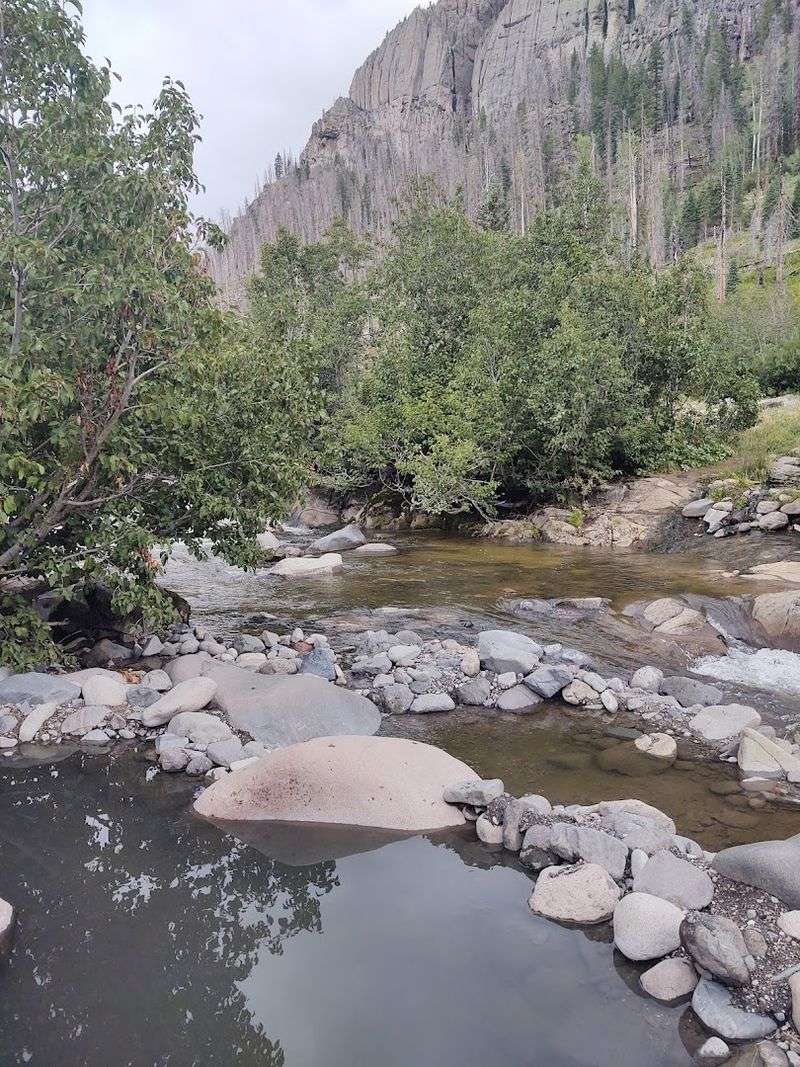
Finding the actual pools at Rainbow Hot Springs can be trickier than you might expect. The springs sit near the river’s edge, and if you blink, you might walk right past them.
The most reliable method is to head straight toward the river once your GPS shows you near the pinned location on Google Maps.
Most hikers find the main soaking pool between campsites six and eight, with campsite eight being the most commonly mentioned landmark. A second smaller pool can also be found near campsite one.
Look for the worn path leading down a steep bank toward the water.
Some sections of the riverbank are quite steep, so watch your footing on the descent. Once you spot the warm water rising against the cold river current, you will know you have found the right spot.
The contrast is unmistakable.
What the Water Is Actually Like
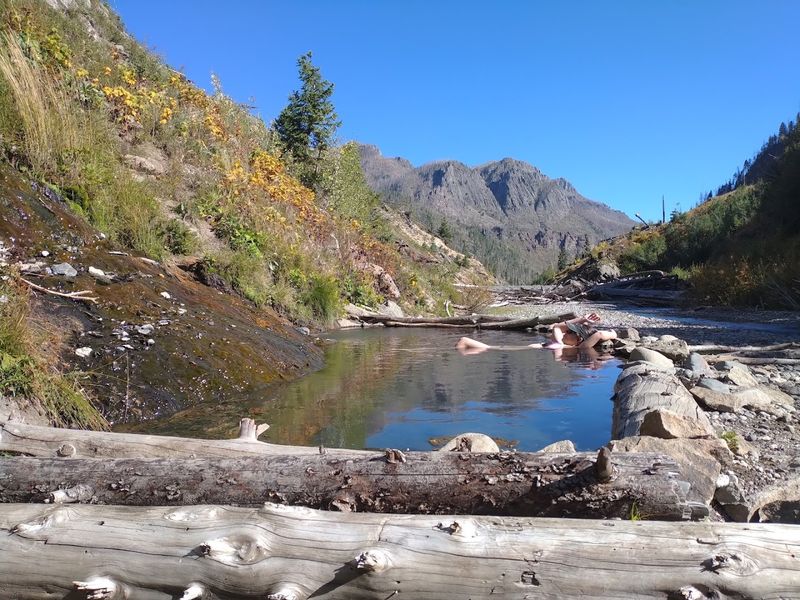
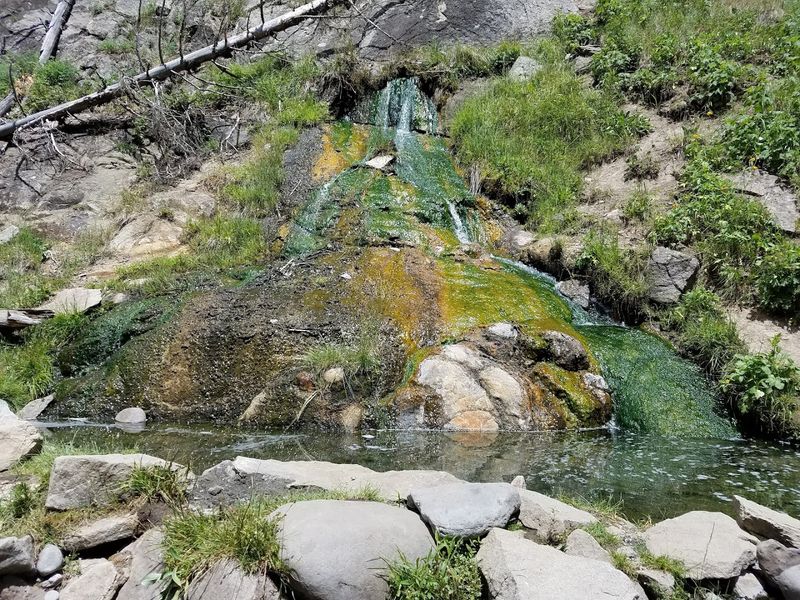
Let’s be honest about what you are soaking in: Rainbow Hot Springs is not a crystal-clear resort pool. The water runs around 100 degrees Fahrenheit, which feels absolutely perfect after a long hike, but it also carries natural algae, silt, and a bit of a murky quality that comes with any wild hot spring.
Some visitors describe the water as warm and slimy, which sounds unappealing but is actually pretty standard for geothermal springs that have not been filtered or treated. The minerals and algae are simply part of the natural environment.
A few hikers recommend bringing a camp shower or small pot to rinse off afterward.
The pool is roughly a foot deep and fits a small group comfortably. You will not find a large resort-style soaking area here, but the rawness of it is exactly what makes the experience feel so special.
Elevation and Physical Fitness Requirements
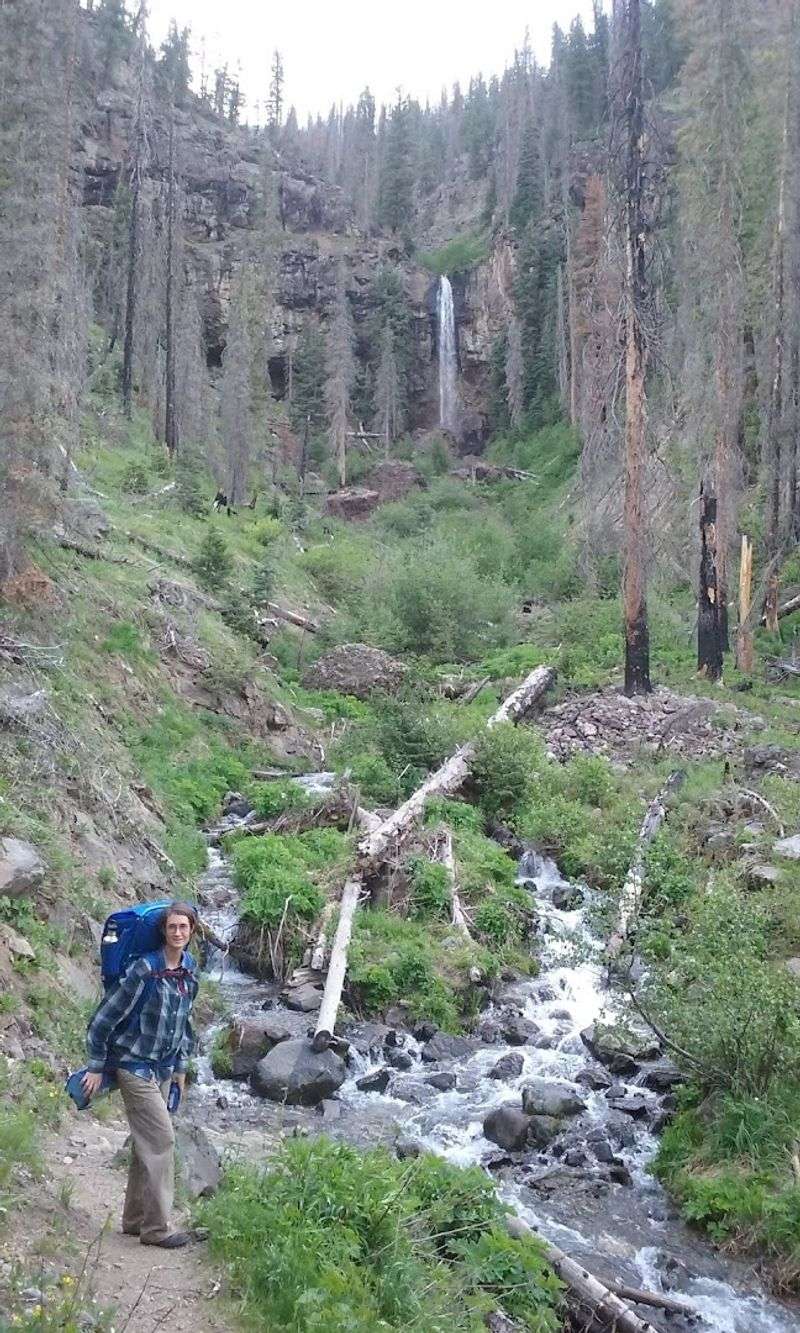
Rainbow Hot Springs sits at a significant elevation, and the hike gains over 1,000 feet from the trailhead. For visitors traveling from lower elevations, altitude sickness is a real concern.
Symptoms like headaches, dizziness, and shortness of breath can hit hard if your body has not had time to adjust.
Spending at least one or two nights in Pagosa Springs before attempting the hike can make a huge difference. Staying hydrated, moving at a steady pace, and listening to your body are all critical.
Pushing too hard at altitude can turn a fun day into a miserable one fast.
The overall fitness level required is moderate to difficult. Even experienced hikers note that the length combined with elevation gain makes this more demanding than it looks on paper.
First-timers should be honest with themselves about their physical readiness before committing to the full trail.
Weather Changes That Can Catch You Off Guard
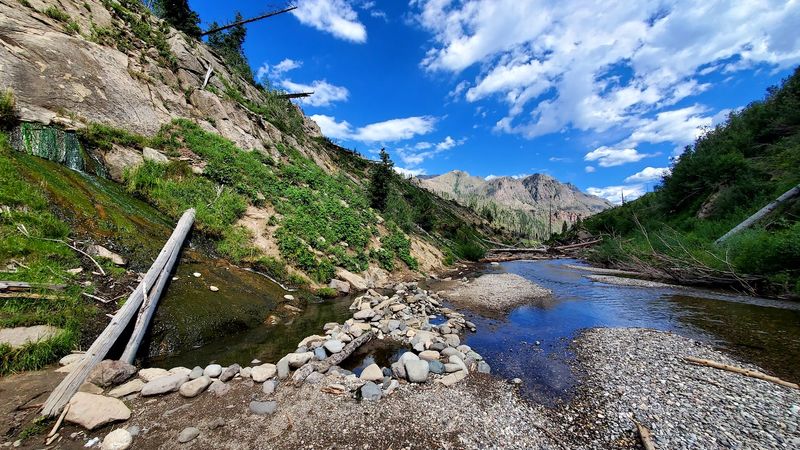
Mountain weather in Colorado is famously unpredictable, and the trail to Rainbow Hot Springs is no exception. One hiker described hiking through rain and hail without a jacket, then spending a freezing 45-degree night without enough dry gear.
That kind of situation is avoidable with the right preparation.
Afternoon thunderstorms are common in the San Juan Mountains, especially during summer months. Starting your hike early in the morning gives you the best chance of reaching the springs and beginning your return before storms build up around midday or early afternoon.
Always pack a waterproof rain jacket, regardless of how sunny the morning looks. Layering is your best strategy, since temperatures can swing dramatically between the trailhead and higher elevations.
Checking a detailed mountain weather forecast the night before can save your trip from turning into a survival story you did not plan for.
Wildlife You Might Encounter Along the Way
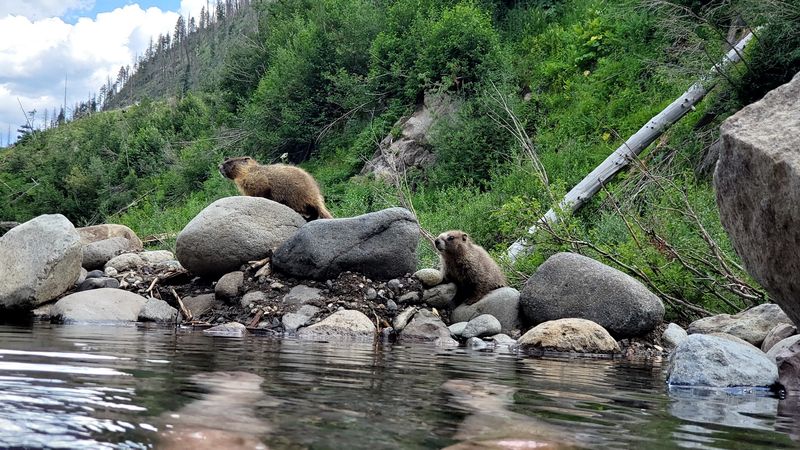
Wildlife sightings on this trail are not just possible, they are practically expected. The trail connects to a broad backcountry system, and hikers have reported seeing horses, mules, deer, black bears, mountain lions, marmots, and even chipmunks bold enough to hop onto a resting hiker’s knee.
One memorable review described fresh bear tracks and signs of mountain lions within 50 feet of the trail entrance. Moose have also been spotted in the area and can be especially aggressive during certain seasons.
One local described a moose repeatedly attacking a vehicle, which puts their temperament in sharp perspective.
Carrying bear spray is strongly recommended. Making noise while hiking helps alert animals to your presence and reduces surprise encounters.
Never approach wildlife, no matter how calm or curious they appear. Respecting the animals that call this wilderness home keeps both you and them safe.
Camping Near the Springs for an Overnight Stay
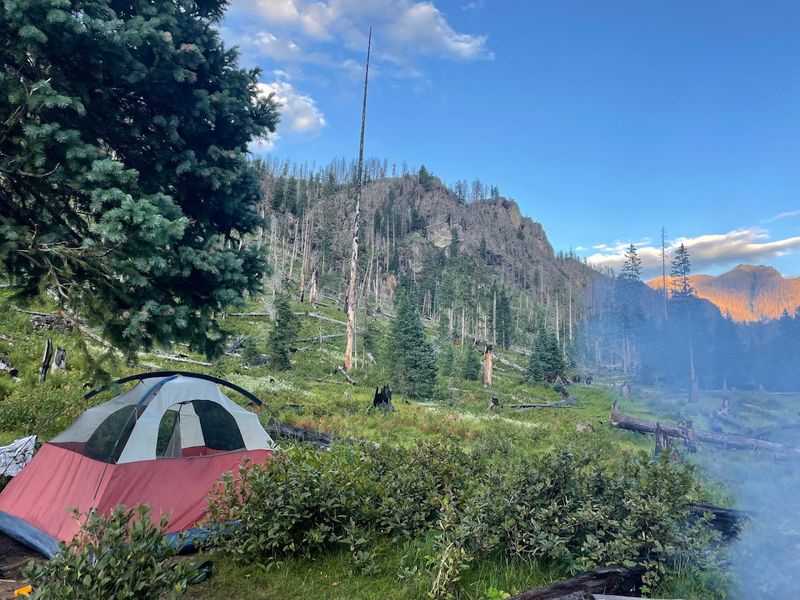
Spending the night near Rainbow Hot Springs transforms the experience from a grueling day hike into a genuine backcountry adventure. Several designated campsites sit close to the springs along the river, with campsite eight being the most popular due to its proximity to the main soaking pool.
Camping out means you can arrive at the springs with daylight to spare, soak as long as you want, and wake up to one of the most peaceful mornings imaginable. There is no fee to camp in this area, making it an incredible free experience deep in the San Juan National Forest.
Pack light but smart. A good sleeping bag rated for cold temperatures is essential, since mountain nights can drop quickly even in summer.
Proper Leave No Trace habits, including burying human waste well away from water sources, help preserve this wild place for everyone who comes after you.
The Scenic Beauty of the Hike Itself
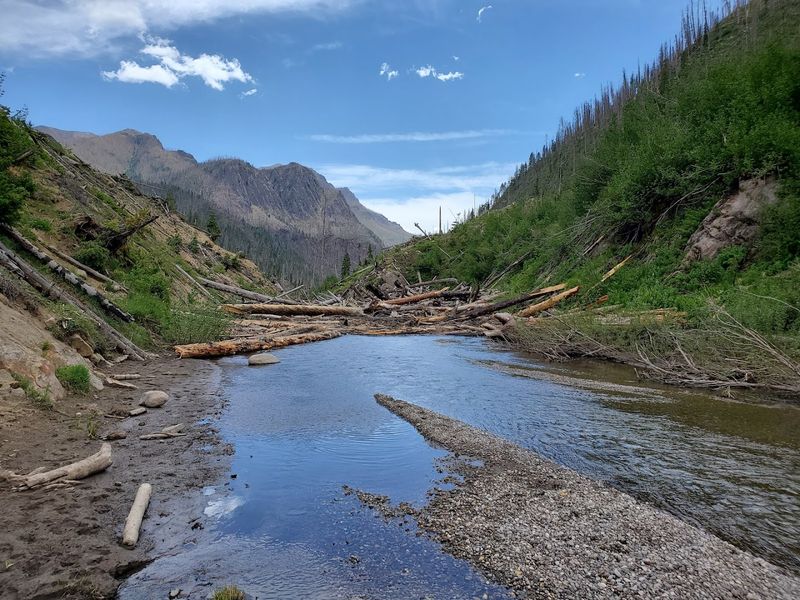
Ask any veteran visitor and they will tell you the same thing: the hot springs are wonderful, but the hike is the real showstopper. The trail winds through a landscape shaped by both beauty and history, passing sections of forest scarred by the 2013 wildfire alongside vibrant new growth pushing back through the ash.
Dozens of small waterfalls cascade down the canyon walls as you follow the river, and the trail alternates between high ridgeline views and intimate riverside passages. That variety keeps the miles from feeling repetitive, which is a genuine gift on a 12-mile round trip.
One reviewer called it a chef’s kiss experience, and it is easy to understand why. The contrast of destruction and renewal along the trail creates a visual story that no resort hot spring could ever replicate.
Bring a camera, because the scenery demands to be documented at every turn.
Essential Gear to Pack Before You Go
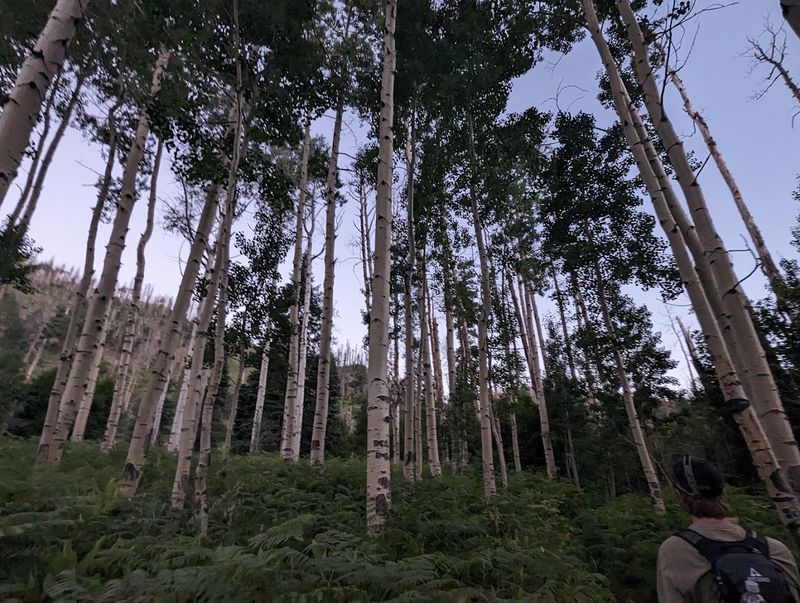
Packing the right gear for Rainbow Hot Springs could genuinely be the difference between a great trip and a dangerous one. Water is the top priority, since much of the trail passes through a burned-out section of forest with very little shade.
A water filter or purification tablets let you refill from the river safely along the way.
Sturdy hiking boots with ankle support handle the uneven terrain far better than trail runners or sneakers. Trekking poles are a smart addition, especially for the steep river descent near the springs and the long downhill return.
A small first aid kit rounds out the basics.
Bring a towel and a change of dry clothes for after your soak, because hiking back in wet swimwear is genuinely uncomfortable. Snacks with good caloric density keep your energy steady over the long miles.
Preparation is not optional here, it is the whole game.
How Rainbow Hot Springs Compares to Pagosa Springs Resort
Pagosa Springs is famous for The Springs Resort, which charges premium rates and draws large crowds of tourists looking for a polished soaking experience. Rainbow Hot Springs offers something completely different, and depending on what you value, it might actually be the better choice.
The resort gives you filtered, temperature-controlled pools, changing rooms, and restaurant access. Rainbow gives you raw wilderness, total solitude, and a soak that costs absolutely nothing.
One review put it plainly: skip the expensive resort and opt for the free version instead.
The trade-off is obvious. The resort requires no physical effort, while Rainbow demands a serious commitment of time and energy.
But for hikers who love earning their rewards, there is something deeply satisfying about peeling off your boots and slipping into a wild hot spring after miles of mountain trail. No resort can package that feeling.
River Crossings and Trail Obstacles Along the Path
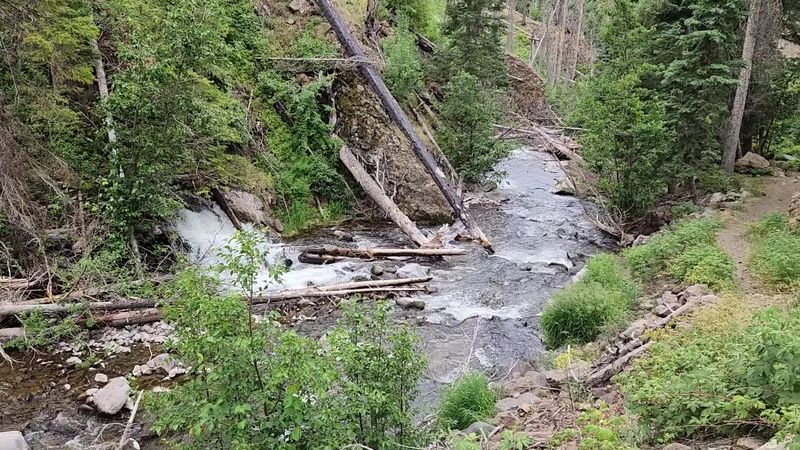
Beyond the standard trail challenges, Rainbow Hot Springs throws in a few extra obstacles that catch unprepared hikers off guard. Some sections of the path require wading through knee-deep river water where the trail essentially becomes the river for a short stretch.
Waterproof boots or sandals you can switch into make this much less unpleasant.
Downed trees from past fires and intense windstorms litter certain sections of the trail. One group counted 151 fallen tree obstacles on a single trip, requiring constant climbing over, under, and around trunks.
It adds time and burns extra energy, so factor that into your planning.
Additionally, some accounts mention reaching the springs requires descending a steep cliff section using a rope anchored to trees. The terrain demands full attention and careful footwork throughout.
Rushing through these sections, especially on the return when fatigue sets in, is when most trail injuries happen.
Best Time of Year to Visit Rainbow Hot Springs
Timing your visit to Rainbow Hot Springs matters more than most people realize. Summer months from June through early September offer the most reliable trail conditions, with snow-free paths and manageable river levels.
Starting early in the morning during summer also helps you avoid afternoon thunderstorms that build quickly in the mountains.
Spring visits can be beautiful but risky. Snowmelt raises river levels dramatically, making crossings dangerous and the trail muddy.
Fall brings cooler temperatures and stunning foliage but also unpredictable early snowstorms that can appear without much warning at higher elevations.
Winter access is extremely limited and only recommended for highly experienced backcountry travelers with proper cold-weather gear. Most casual visitors will have the best experience between late June and late August.
Checking current trail conditions through the San Juan National Forest ranger district before your trip is always a good idea regardless of season.
Leave No Trace and Respecting This Wild Place
Rainbow Hot Springs remains beautiful largely because it is hard to reach. The effort filters out casual visitors who are not serious about the outdoors, and that natural barrier has helped keep the area relatively clean and unspoiled.
Keeping it that way is everyone’s responsibility.
Pack out everything you pack in. This means all food wrappers, empty water bottles, and any gear that breaks along the way.
Human waste must be buried at least 200 feet from water sources, trails, and campsites using a small cat hole dug six to eight inches deep. Some hikers even carry a WAG bag system for a truly zero-impact visit.
Staying on the established trail protects fragile vegetation that is still recovering from past fires. Avoid soaping up directly in the spring pool, since even biodegradable soap disrupts the natural ecosystem.
Small choices add up to a massive difference in preserving this hidden Colorado treasure.
Enjoyed this story?
Add Fast Food Club as a preferred source to see more of our reporting on Google.