


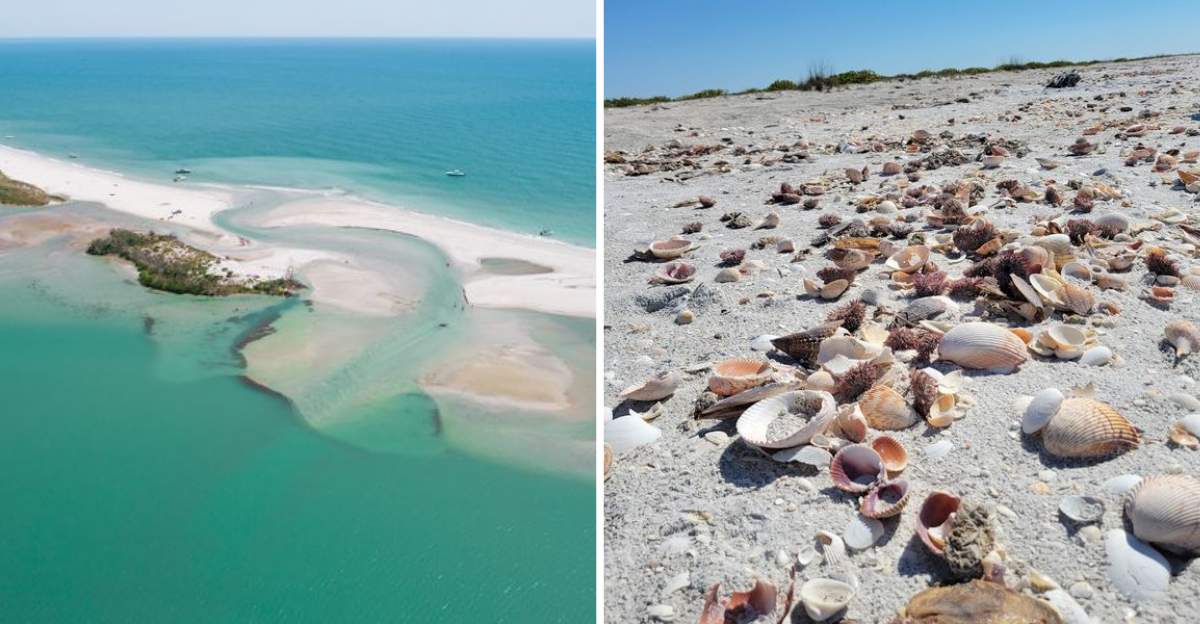
Tucked away along Florida’s Gulf Coast, Cayo Costa State Park is one of the state’s best-kept secrets for seashell hunters and beach lovers alike. Accessible only by boat or ferry, this stunning barrier island near Captiva offers nine miles of pristine, unspoiled shoreline loaded with shells of every shape and size.
Because so few visitors make the trip, the beaches stay beautifully uncrowded, giving shellers plenty of space to explore. Whether you’re a seasoned collector or a first-time visitor, Cayo Costa is the kind of place that makes you feel like you’ve discovered your own private paradise.
Nine Miles of Pristine Shelling Beach
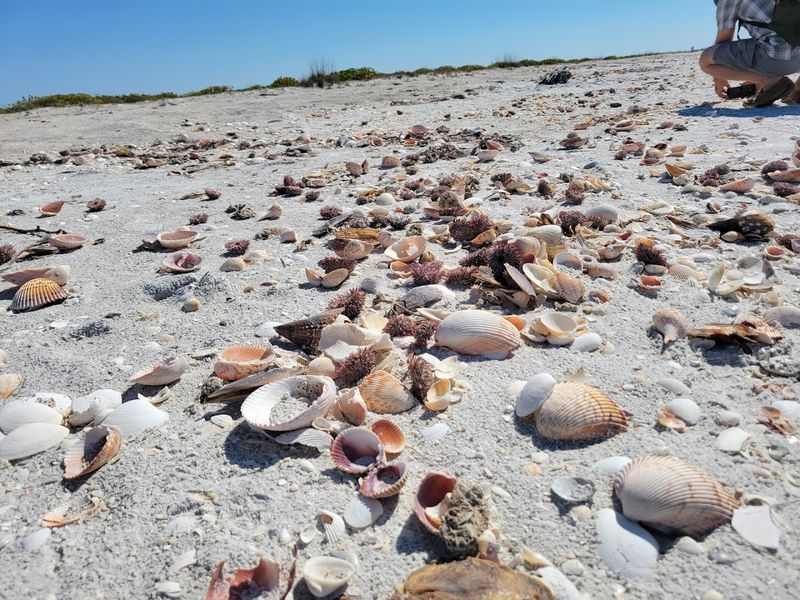
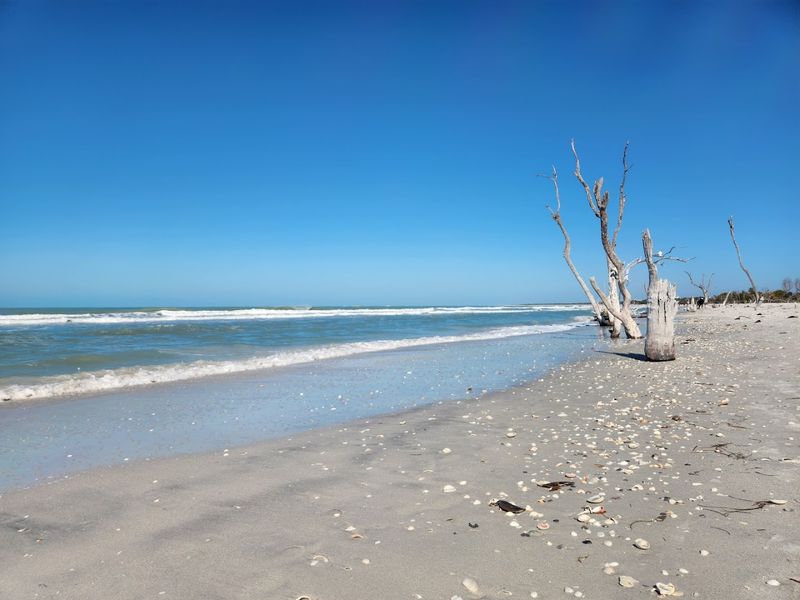
Stretching nearly nine miles along the Gulf of Mexico, Cayo Costa’s shoreline is a sheller’s dream come true. Unlike the packed beaches of nearby Sanibel, this remote island sees far fewer visitors, which means shells pile up undisturbed along the waterline every single day.
Visitors consistently rave about finding “tons of shells on any day” and occasionally stumbling upon truly amazing specimens. The beach faces southwest, which is ideal for catching shells pushed in by Gulf currents.
Early morning walks right after high tide tend to yield the best hauls.
Bring a mesh bag or bucket, wear water shoes to protect your feet, and walk slowly — the best finds are often half-buried in wet sand. With so much shoreline to cover, every stretch of beach feels like a brand-new treasure hunt waiting to happen.
Boat-Only Access Keeps It Beautifully Uncrowded
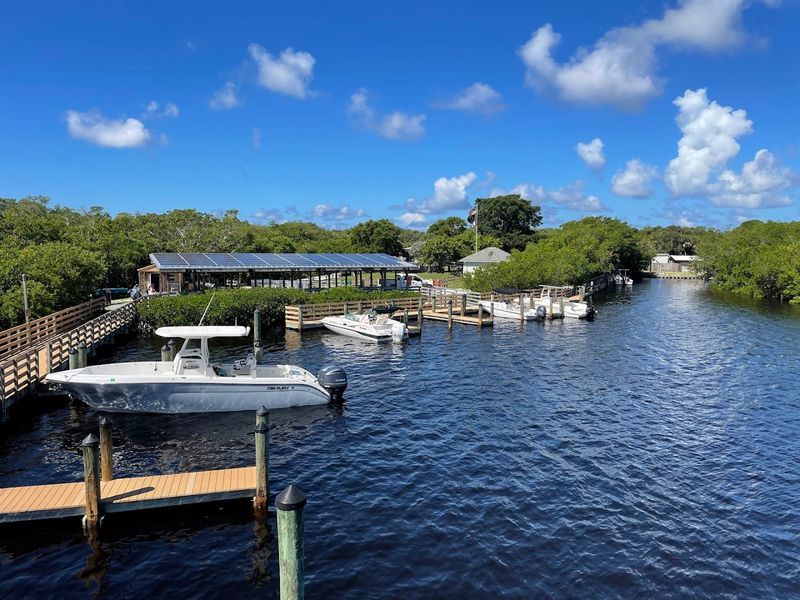
Getting to Cayo Costa requires a little extra effort — and that’s exactly what makes it so special. The park is only reachable by private boat or charter, which naturally filters out the casual day-tripper crowd and keeps the beaches wonderfully peaceful.
Since Hurricane Ian, the public ferry service has been discontinued, so visitors now arrive via private watercraft or paid charter tours. Several local boat tour companies offer trips to the island, combining the ride with guided island experiences and history stops.
Arrive early on weekends if possible, since dock space is limited and fills up quickly. Weekdays are noticeably quieter, with visitors describing the beach as feeling nearly all their own.
The short journey across the water — surrounded by dolphins, pelicans, and sparkling Gulf scenery — honestly feels like half the adventure before you even set foot on the sand.
Rare and Exotic Shells Found Along the Shoreline
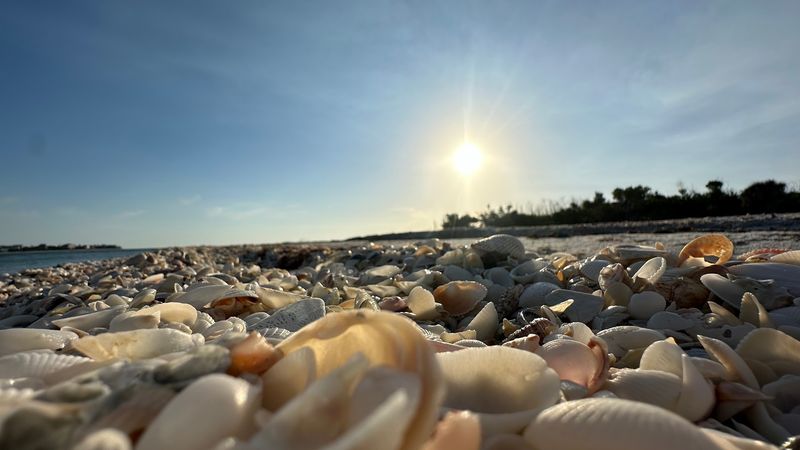
Shell hunters come from all over the country hoping to score big at Cayo Costa, and many walk away with extraordinary finds. The island sits along a stretch of Gulf Coast famous for producing lightning whelks, horse conchs, tulip shells, alphabet cones, and the highly coveted junonia — one of Florida’s rarest shells.
Because the beach isn’t raked or cleaned like resort beaches, shells accumulate naturally in windrows along the tide line. After storms or strong winds, the pickings get even better.
One reviewer described finding a remarkable number of sea urchins washed ashore on a single visit.
Shelling etiquette matters here: only collect empty shells with no living creatures inside, and follow Florida state park rules about quantities. A field guide to Florida seashells tucked in your bag can make identifying your finds even more rewarding when you get home.
Primitive Camping Under the Stars
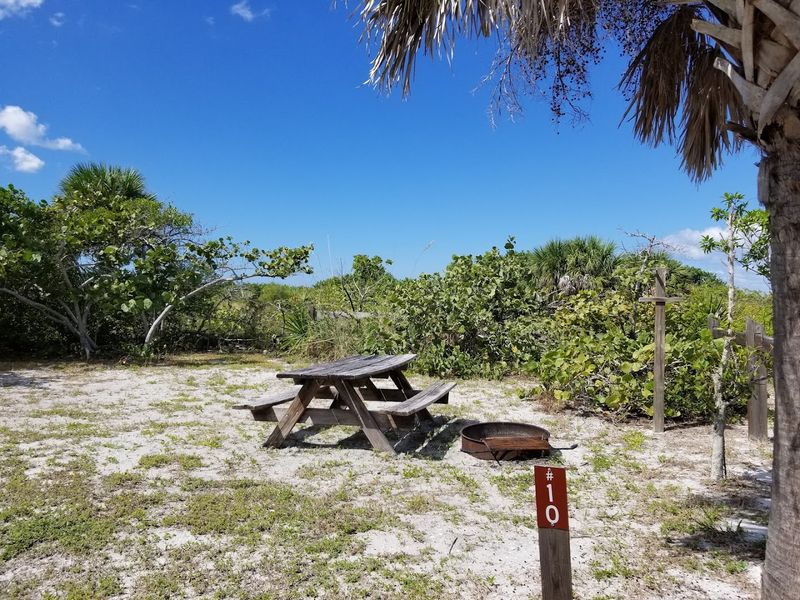
Camping at Cayo Costa is about as real as it gets. Forget air conditioning and Wi-Fi — this island offers primitive tent sites and rustic cabins where the soundtrack is crashing waves and rustling palms.
Campers describe it as being “one with nature” in the truest sense.
The campground sits about a 20-minute walk from the camp store, so arriving fully stocked is essential. Ice and firewood are available on the island, which is a helpful bonus.
Beautiful palm trees surround each campsite, and the salt-tinged breeze rolling in off the Gulf makes even a hot afternoon feel magical.
Quiet hours are genuinely respected here, and many campers mention being lulled to sleep by the sound of gentle waves. Book well in advance — sites fill up fast, especially between November and April when Florida weather is at its finest.
Cozy Rustic Cabins for a Comfortable Escape
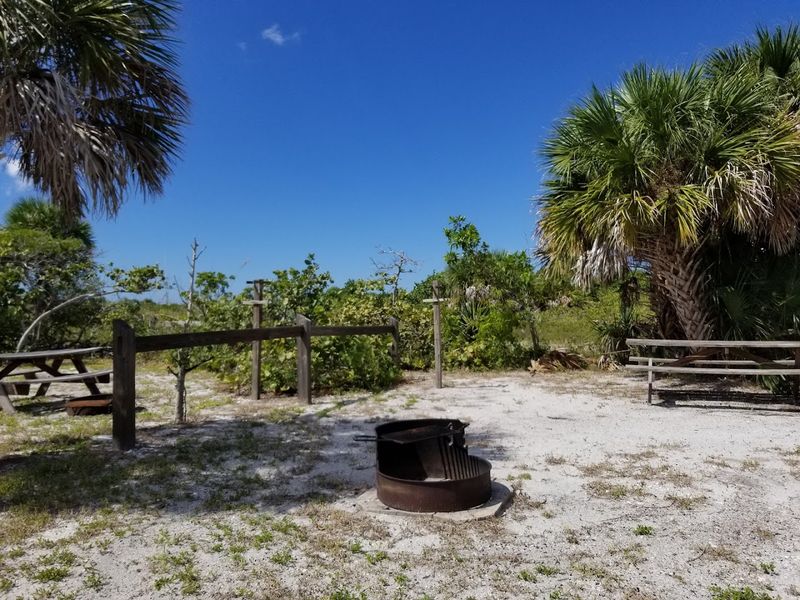
Not everyone wants to sleep on the ground, and Cayo Costa has a solution. The park’s rustic cabins offer a cozy middle ground between roughing it and true comfort.
One camper called the experience “nothing short of magical,” praising the cabins for blending nature with just enough shelter to feel relaxed.
The cabins have no air conditioning or electricity, so packing a battery-operated fan is highly recommended — especially during summer months. Guests charge devices near the camp store, which operates during daytime hours and stocks basic supplies, snacks, and drinks.
Cabin stays book up months ahead of time, so planning early is a must. Bring simple camp-stove meals, a good book, and a flashlight for nighttime walks.
The tradeoff of giving up modern conveniences for waking up steps from one of Florida’s most stunning beaches is, by nearly every account, completely worth it.
Dolphins Playing in the Crystal-Clear Gulf Waters
One of the most unexpected joys of a Cayo Costa visit is how often dolphins show up uninvited — in the best possible way. Multiple visitors have described swimming in the Gulf while dolphins circled playfully nearby, turning an ordinary beach day into an unforgettable wildlife encounter.
The waters around the island are remarkably clear, making it easy to spot marine life from both the boat and the shoreline. Rays gliding through the shallows, schools of fish darting past, and the occasional manatee sighting are all part of the experience.
One reviewer even mentioned dolphins greeting them on the boat ride over.
Swimming is excellent here, with calm Gulf waters and gentle waves most of the year. Always keep a respectful distance from wildlife, and never attempt to feed or touch dolphins — observing them in their natural habitat is magical enough all on its own.
Miles of Scenic Trails Through Tropical Wilderness
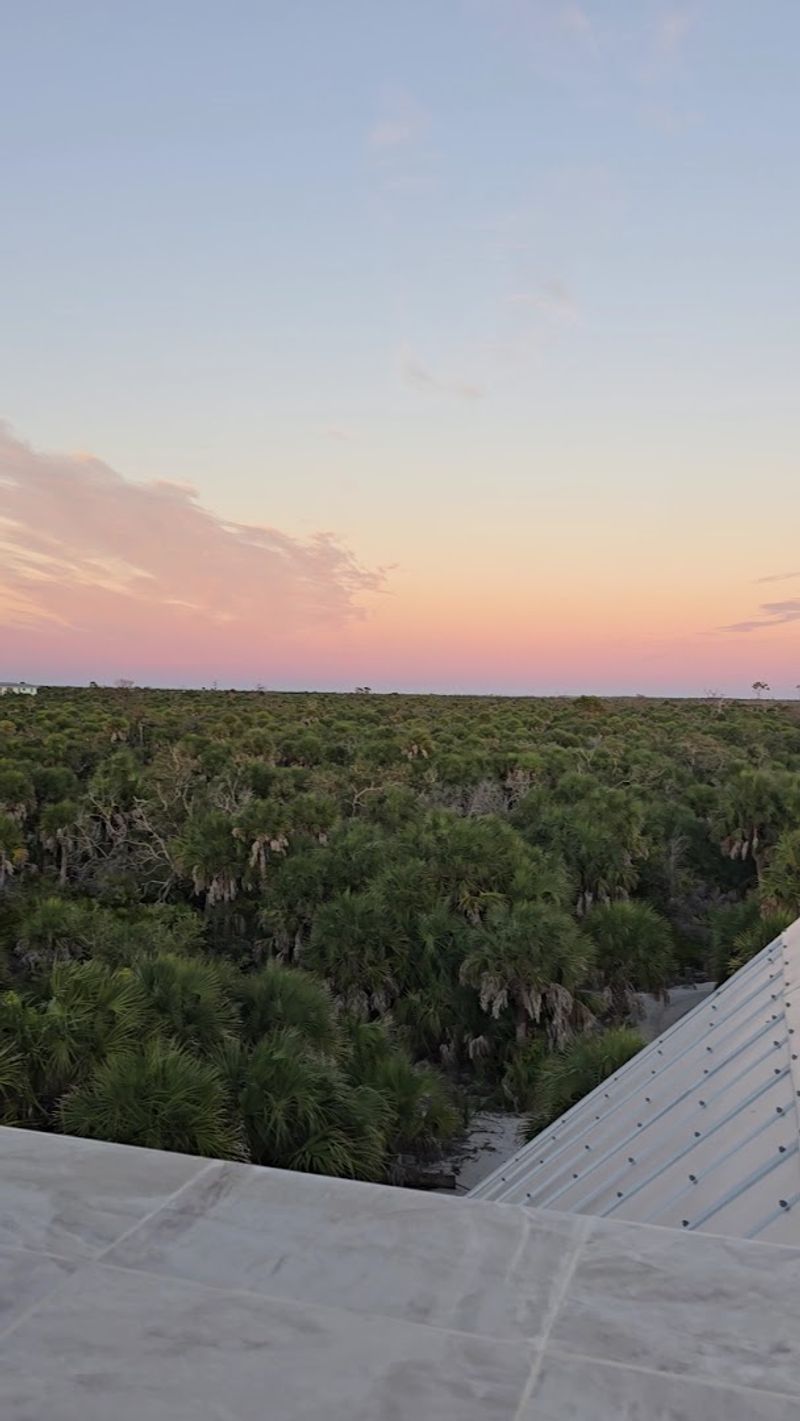
Beyond the beach, Cayo Costa hides a surprisingly rich interior worth exploring on foot or by bike. The island’s trail network winds through pine flatwoods, mangrove swamps, and subtropical forests, offering a completely different side of the park that many visitors never see.
Reviewers who brought bikes described covering significantly more ground and discovering parts of the island that casual beachgoers miss entirely. Bike rentals are available at the park, though overnight rentals aren’t permitted — so if you’re staying, consider bringing your own.
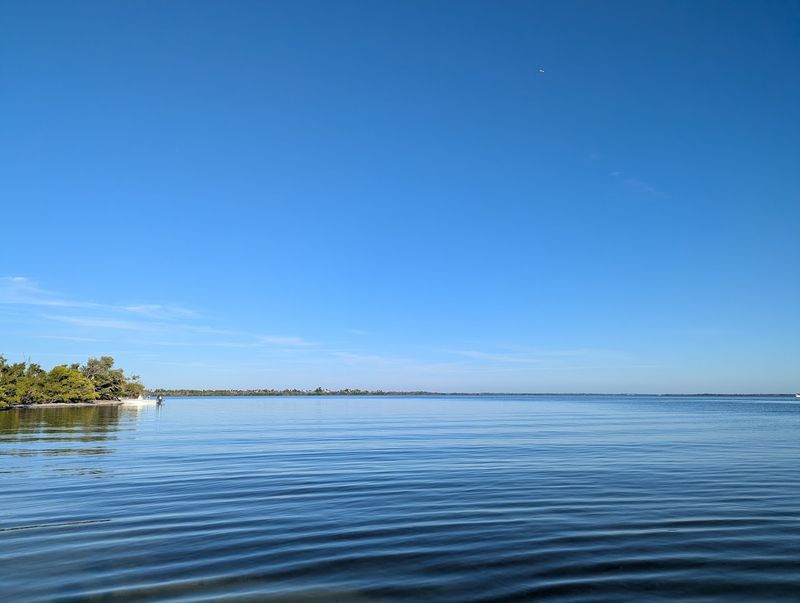
Trails connect the Gulf beach to the bay side, where the water takes on a calmer, more sheltered character.
Wildlife spotters will love the trail experience. Gopher tortoises, osprey, roseate spoonbills, and white-tailed deer have all been spotted along the wooded paths.
Wear closed-toe shoes, bring water, and keep bug spray handy — the trails are gorgeous but the insects mean business.
The Historic Pioneer Cemetery Worth Visiting
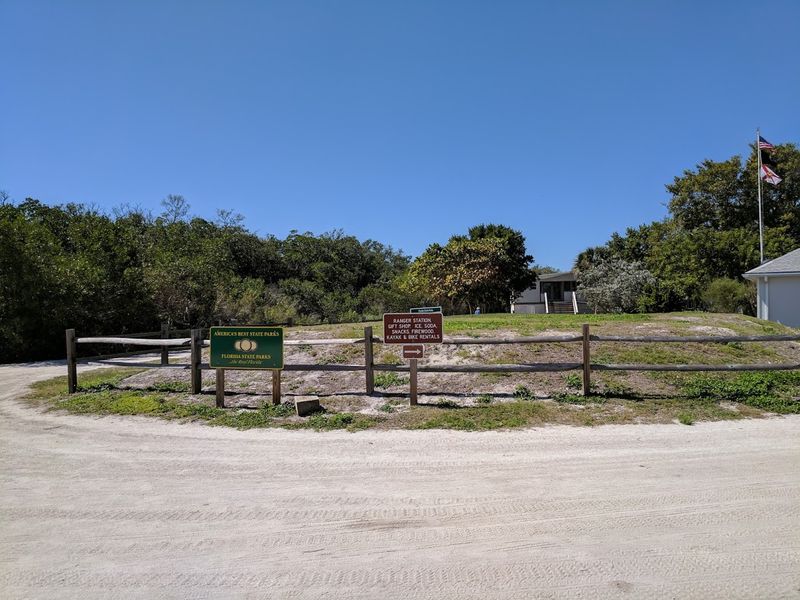
History buffs will appreciate that Cayo Costa holds more than just natural beauty. Tucked along one of the island’s return walking routes sits a small but fascinating pioneer cemetery, offering a quiet glimpse into the lives of the families who once called this remote barrier island home.
Charter boat tour guides often include a stop here as part of the island experience, pairing the natural scenery with a dose of local history. The cemetery dates back to the island’s early settlement era, and the weathered headstones surrounded by tropical growth create an atmosphere that feels genuinely timeless.
Visiting the cemetery is a respectful, reflective experience — a reminder that this “deserted island” was once someone’s entire world. It pairs well with a walk to Murdock Point, another scenic landmark mentioned by visitors who explore beyond the main beach areas.
History and nature rarely blend this seamlessly.
Spectacular Dark Skies for Stargazing at Night
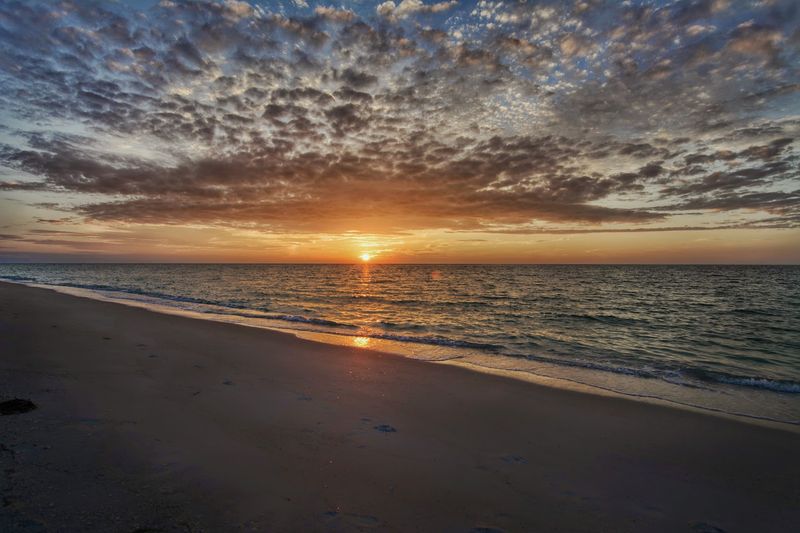
Far from city lights and highway glow, Cayo Costa offers something increasingly rare in modern Florida — genuinely dark skies. Campers who stay overnight consistently mention stargazing as one of the most memorable parts of the entire experience, with the Milky Way visible on clear nights.
Without light pollution from nearby development, the night sky above the island feels enormous and deeply alive. One camper described lying on the beach after quiet hours, completely absorbed in the stars overhead.
Bring a simple star map app or a printed constellation guide to make the most of the show.
The best stargazing happens away from the camp store area, closer to the beach where ambient light is minimal. New moon weekends offer the darkest conditions.
Pair a late-evening shell walk with a session of stargazing, and you’ll have a night that’s genuinely hard to top anywhere else in Florida.
Tram Rides and Easy Beach Access for Everyone
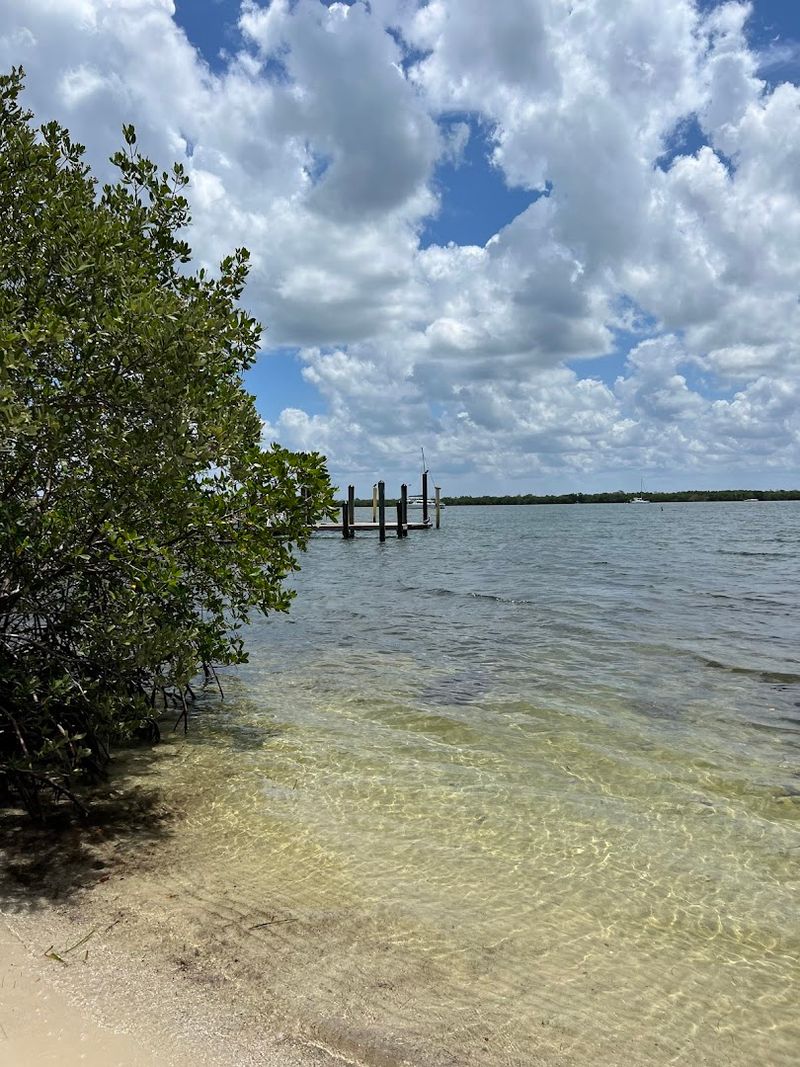
Getting from the dock to the beach at Cayo Costa is a straightforward and enjoyable experience, even for visitors who aren’t up for a long walk. The park operates a tram service that runs along the main sandy path connecting the dock area to the campgrounds and beach — a welcome option on hot Florida afternoons.
The tram runs on a schedule, so checking with park rangers on arrival helps avoid a long wait. Reviewers note the tram schedule could be more frequent, but the walk itself — about 15 minutes on well-maintained sandy paths — is pleasant and lined with coastal vegetation.
Clean restrooms with running water are conveniently located along the route.
Visitors with limited mobility or young children especially appreciate the tram option. Rangers are consistently described as friendly, knowledgeable, and happy to share maps, tips, and current island conditions with anyone who asks.
Bug Preparedness — The Honest Truth About No-See-Ums
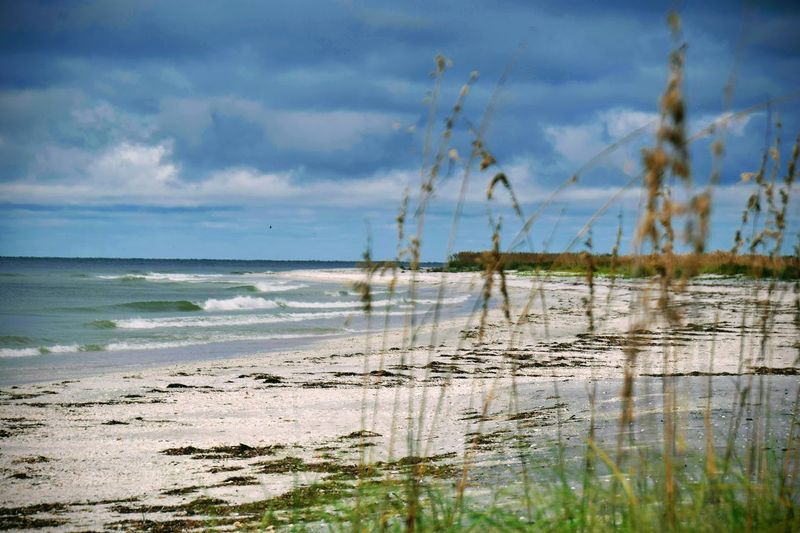
Here’s the thing nobody puts on the postcard: Cayo Costa has bugs. Real ones.
No-see-ums — those tiny, nearly invisible biting midges — are the island’s most notorious residents, and they show up with enthusiasm, especially during warmer months. Even experienced shellers and campers have been driven off the beach early by their persistence.
Multiple reviewers strongly recommend packing 80% or higher DEET repellent, a battery-operated fan (the breeze helps keep them away), no-see-um proof netting for tents, and long pants for evening hours. Standard bug spray alone often isn’t enough, and the midges can squeeze through most regular tent screens.
Mosquitoes and chiggers can also make appearances, so full coverage matters. The good news?
Visiting during cooler months — November through February — dramatically reduces bug activity. Those who come prepared describe the island as pure paradise.
Those who don’t tend to leave early.
Kayaking and Wildlife Watching on the Bay Side
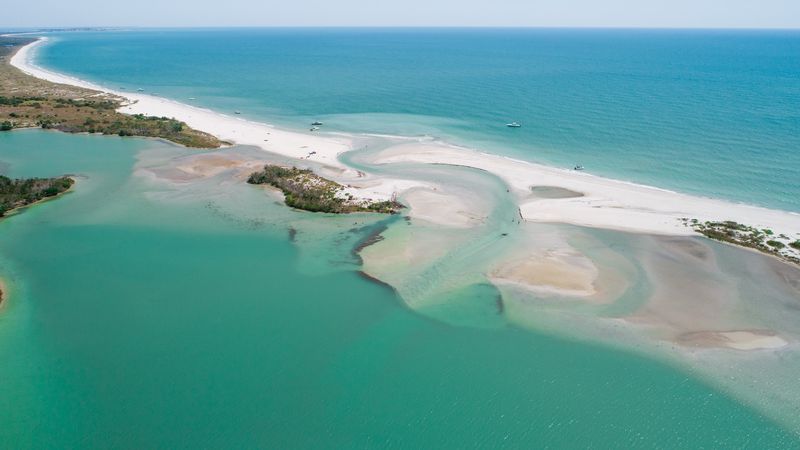
Flip the island over and you’ll find a completely different world. The bay side of Cayo Costa faces Charlotte Harbor and Pine Island Sound, offering calm, shallow waters perfect for kayaking and wildlife observation.
Kayak rentals are available at the park, making it easy to explore even without your own gear.
Mangrove tunnels, sandy shallows, and seagrass beds create ideal habitat for manatees, rays, herons, and roseate spoonbills. Paddling quietly through these areas in the early morning often rewards visitors with close-up wildlife encounters that feel genuinely wild and unscripted.
The contrast between the open Gulf beach and the sheltered bay side is one of Cayo Costa’s most underrated qualities. Reviewers describe the two sides as presenting entirely different beach experiences — flat and wooded on one end, open and breezy on the other.
Exploring both sides in a single visit makes the trip feel remarkably full and satisfying.
Planning Your Visit — Practical Tips for First-Timers
A little preparation goes a long way at Cayo Costa. Since the park is only accessible by boat and sits far from any grocery store or gas station, packing everything you need before you leave the mainland is genuinely essential.
The camp store carries basic snacks, drinks, ice, and firewood, but don’t count on it for much else.
The park is open daily from 8 AM to 5 PM, with camping reservations available through the Florida State Parks system. Campsites and cabins book up months in advance, especially for winter weekends.
Arriving early on day trips helps secure dock space, which is limited during busy season.
Sunscreen, a reusable water bottle, bug spray, a mesh shell bag, and a good pair of water shoes round out the ideal packing list. Reach the park directly at +1 941-964-0375 or visit floridastateparks.org for current conditions and reservation availability.
This island rewards those who plan ahead.
Enjoyed this story?
Add Fast Food Club as a preferred source to see more of our reporting on Google.