


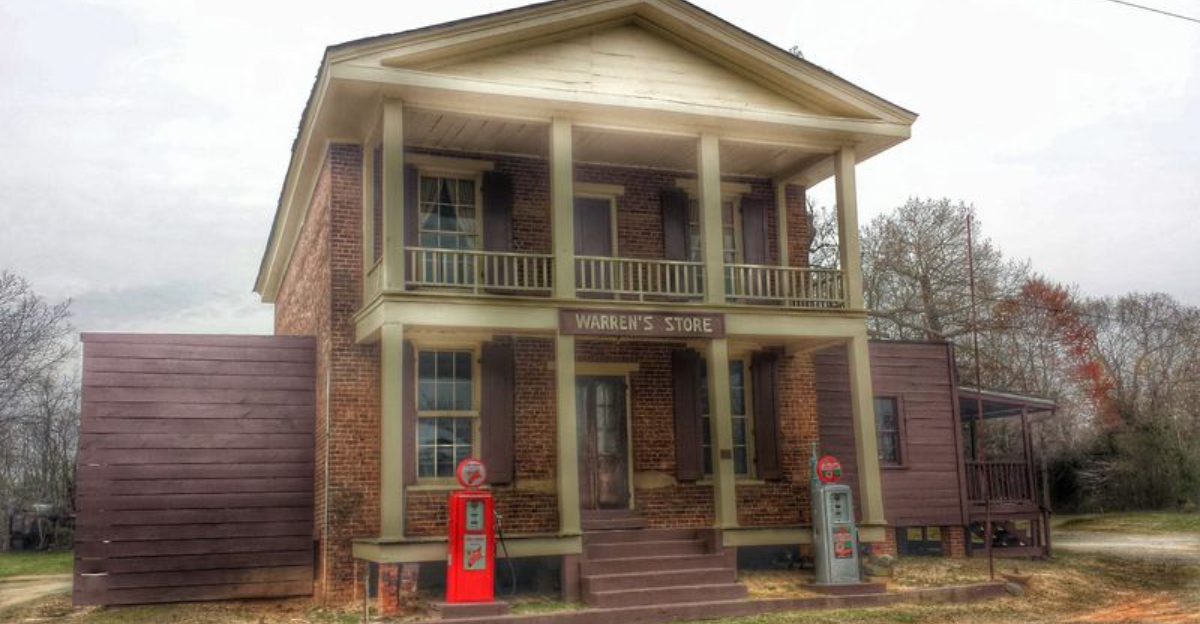
Tucked away in the southeastern corner of Caswell County, Prospect Hill is a quiet little community that most people drive right past without a second thought. This small, unincorporated village sits at the crossroads of NC Highways 49 and 86, surrounded by rolling countryside and a sense of history that feels almost frozen in time.
With its stone architecture, peaceful atmosphere, and deep roots in North Carolina heritage, Prospect Hill is the kind of place that rewards curious travelers who seek something real and unhurried. If you have never heard of it before, you are in for a wonderful surprise.
The Crossroads That Started It All
Some of the most interesting places in America were built around a simple crossroads, and Prospect Hill is no different. The intersection of NC Highways 49 and 86 is the geographic heart of this tiny community in Caswell County.
For generations, this crossing served as a meeting point for local farmers, travelers, and tradespeople moving through the region.
The crossroads gave Prospect Hill its identity long before anyone thought to put it on a map. Standing at that intersection today, you can almost feel the weight of all the people who passed through before you.
The roads are still lined with old trees and open fields that have changed very little over the decades.
For visitors, this spot is a perfect starting point to explore everything Prospect Hill has to offer. It is simple, honest, and quietly powerful in the way only small-town America can be.
Stone Buildings That Tell Stories
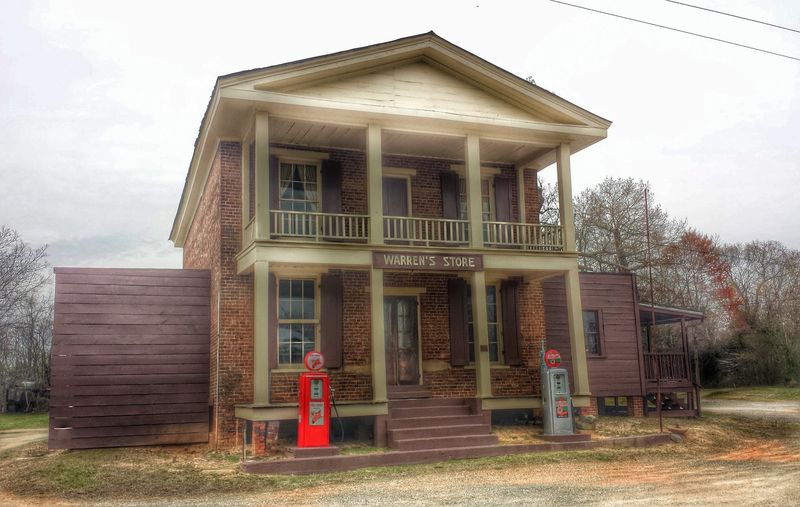
One of the first things visitors notice about Prospect Hill is the stone. Old stone structures dot this community like pages from a history book, each one built with care and craftsmanship that modern construction rarely matches.
These buildings have stood through wars, economic shifts, and generations of change without losing their quiet dignity.
The use of stone in this area reflects the resourcefulness of early settlers who used what the land gave them. Granite and fieldstone were plentiful in Caswell County, and skilled hands shaped them into walls, foundations, and chimneys that still stand strong today.
Walking past these structures feels like touching something permanent in a world that changes too fast.
Photographers and history lovers especially appreciate these buildings. Each crack and weathered surface adds character that no renovation could ever replace.
Prospect Hill wears its age like a badge of honor worth celebrating.
Caswell County’s Quiet Corner
Caswell County itself is not exactly a household name, but that is part of its charm. Prospect Hill sits in the extreme southeastern portion of this county, far from the noise and crowds of larger towns.
The landscape here is defined by gentle hills, tobacco fields, and stretches of hardwood forest that glow brilliantly in autumn.
Caswell County has one of the lowest population densities in North Carolina, which means wide open spaces are the norm here. That sense of room to breathe is something people from bigger cities genuinely crave.
Prospect Hill embodies that feeling better than almost anywhere else in the county.
Local residents tend to be friendly and proud of their roots. Conversations with longtime locals often reveal fascinating stories about the land and the families who have farmed it for generations.
There is a warmth to this corner of North Carolina that feels completely authentic.
Hightowers Township and Its Heritage
Prospect Hill is part of Hightowers Township, one of several townships that make up Caswell County. Township names like Hightowers carry a certain old-fashioned dignity that connects the present to a much earlier era of North Carolina history.
The township system itself dates back to colonial governance, giving places like Prospect Hill a surprisingly deep administrative history.
Hightowers Township has remained largely agricultural over the centuries. Tobacco was once king here, and the influence of that crop can still be felt in the old curing barns and wide flat fields scattered across the landscape.
Some of those barns still stand, weathered but proud, as reminders of an economy that shaped this entire region.
Learning about Hightowers Township adds meaningful context to a visit to Prospect Hill. Understanding the township helps visitors appreciate why this community developed where it did and why it has remained so beautifully unchanged over time.
The Peaceful Pace of Unincorporated Life
Prospect Hill is officially unincorporated, meaning it has no town government, no city hall, and no municipal services of its own. At first, that might sound like a limitation, but many people see it as a feature rather than a flaw.
Unincorporated communities tend to have a looser, more organic feel that incorporated towns sometimes lose when they grow too fast.
Without the pressure of development and zoning battles, places like Prospect Hill often keep their original character for much longer. The landscape looks the way it has for decades, and that consistency is genuinely refreshing.
There is no strip mall creeping in at the edge of town, no chain restaurants replacing local flavor.
Visitors who value authenticity will find that unincorporated living gives Prospect Hill a rare kind of freedom. The community exists on its own terms, shaped by the people who live there rather than by outside forces pushing for growth.
Tobacco History Woven Into the Land
Bright leaf tobacco built much of Caswell County’s economy, and Prospect Hill was no exception to that history. For over a century, families in this area planted, harvested, and cured tobacco as their primary source of income.
The rhythms of the tobacco season shaped everything from school schedules to community gatherings.
Old tobacco barns are scattered throughout the Prospect Hill area, and they are among the most visually striking features of the landscape. Their dark wooden slats and ventilated walls were designed specifically for the curing process, and their silhouettes against a sunset sky have become iconic symbols of rural North Carolina.
Many of these barns are no longer in use but remain standing as monuments to hard work.
Understanding this tobacco history helps visitors connect with the deeper story of Prospect Hill. The land itself holds the memory of generations of labor, pride, and community tied to a single powerful crop.
Rolling Hills and Open Countryside Views
Few things in North Carolina are as quietly beautiful as the rolling hills of Caswell County on a clear day. Around Prospect Hill, the landscape opens up into wide views of fields and forest that stretch toward the horizon without interruption.
This is the kind of scenery that makes you want to pull over and just sit for a while.
The elevation changes in this part of the state are subtle but meaningful. Hills rise and fall in long, easy curves that give the land a relaxed, unhurried quality perfectly matching the spirit of Prospect Hill itself.
Driving along Highway 49 or 86 through this area feels like watching a slow-moving painting come to life.
Outdoor enthusiasts and photographers will find endless inspiration in these views. Early morning light turns the fields golden, and evening brings long shadows that make even the simplest fence post look dramatic.
Nature here does not need any embellishment.
A Community Built on Neighbor Connections
Small communities like Prospect Hill survive and thrive because of the connections between their people. Without the infrastructure of a formal town, residents depend on each other in ways that larger city dwellers rarely experience.
That mutual reliance builds a kind of social fabric that feels genuinely strong and deeply human.
Longtime residents of Prospect Hill often describe their community as a place where everyone knows your name and your family story. Neighbors help each other during harvest season, check in after storms, and show up when someone needs a hand.
Those habits of care have been passed down through generations without anyone needing to organize them officially.
For visitors, that neighborly spirit is immediately noticeable. Locals wave from their porches, offer directions with a smile, and seem genuinely happy to share stories about their home.
Prospect Hill is proof that community is built by people, not by city planners.
Wildlife and Nature Along the Back Roads
Driving the back roads around Prospect Hill is practically a wildlife safari for nature lovers. Caswell County’s mix of farmland, forest, and creek corridors creates ideal habitat for deer, wild turkeys, red foxes, and a wide variety of songbirds.
If you move slowly and stay quiet, you will be rewarded with sightings that feel like private gifts from the natural world.
Birdwatchers have a particular reason to explore this area. The forests near Prospect Hill host species that prefer older, undisturbed woodland, including woodpeckers, warblers, and owls that are harder to find closer to developed areas.
Bringing a pair of binoculars on any visit is a genuinely good idea.
The creeks and wetland areas near this part of Caswell County also attract herons, kingfishers, and various amphibians during warmer months. Nature here is not a destination you drive to.
It surrounds you from the moment you arrive.
Autumn Colors That Rival Any Mountain Town
Most people head to the mountains for fall foliage, but the Piedmont region around Prospect Hill puts on a show that deserves far more attention. The hardwood forests of Caswell County transform into a brilliant tapestry of red, orange, and gold each October, painting the countryside in colors that stop you mid-sentence.
Maple, oak, sweetgum, and hickory trees are especially dramatic during peak fall color, and the rural roads around Prospect Hill are lined with all of them. Without heavy traffic or tourist crowds, you can experience this seasonal beauty at your own pace, which makes it feel even more special.
A slow drive along Highway 86 in mid-October is genuinely unforgettable.
Photographers who discover this area during autumn tend to come back every year. The combination of stone buildings, old barns, and flaming fall foliage creates compositions that look almost too beautiful to be real.
Prospect Hill earns its secret-gem status every single fall.
The Draw of Small-Town Simplicity
There is something deeply appealing about a place that has not tried to become something it is not. Prospect Hill has no tourist traps, no manufactured attractions, and no attempt to brand itself for outside consumption.
What you see is what you get, and what you get is genuinely wonderful in the most understated way.
Simple pleasures define a visit here. A slow drive with the windows down, a conversation with a local at a roadside stand, or a quiet walk along a dirt path lined with wildflowers can be more satisfying than any guided tour.
Prospect Hill reminds you that the best travel experiences are often the ones with the least planning involved.
People who crave a break from overstimulation will find real relief in this community’s simplicity. There is no pressure to see everything or do everything.
Sometimes just being somewhere peaceful is more than enough to fill a weekend with meaning.
Exploring Nearby Caswell County Landmarks
Prospect Hill makes a wonderful base for exploring the broader highlights of Caswell County. The county seat of Yanceyville is just a short drive away and offers a beautifully preserved historic courthouse, antique shops, and local eateries that give visitors a fuller picture of this overlooked region.
Yanceyville itself has a surprisingly rich history tied to Reconstruction-era North Carolina.
Caswell County is also home to several historic sites connected to the tobacco industry, local civil rights history, and early American settlement patterns. Each one adds a new layer to the story of why this corner of North Carolina developed the way it did.
Combining a visit to Prospect Hill with stops at these nearby sites creates a genuinely educational day trip.
The county’s back roads connect these landmarks in a way that rewards exploration. Following your curiosity from one historical marker to the next is one of the best ways to experience Caswell County without a strict itinerary.
Why Prospect Hill Deserves a Spot on Your Travel List
Not every great travel destination comes with a five-star resort or a famous landmark. Some of the most rewarding places to visit are the ones that ask nothing of you except your attention and your willingness to slow down.
Prospect Hill is exactly that kind of place, and it deserves far more recognition than it currently gets.
The combination of stone architecture, rural scenery, agricultural history, and genuine community spirit makes Prospect Hill a truly unique stop in North Carolina. It sits at a crossroads in every sense of the word, connecting the past to the present in a way that feels honest and unforced.
Few places manage that balance so effortlessly.
Whether you are a history buff, a nature lover, or simply someone looking for a quieter version of North Carolina than the tourist brochures usually show, Prospect Hill will not disappoint. Pack a snack, bring a camera, and go find it for yourself.
Enjoyed this story?
Add Fast Food Club as a preferred source to see more of our reporting on Google.