


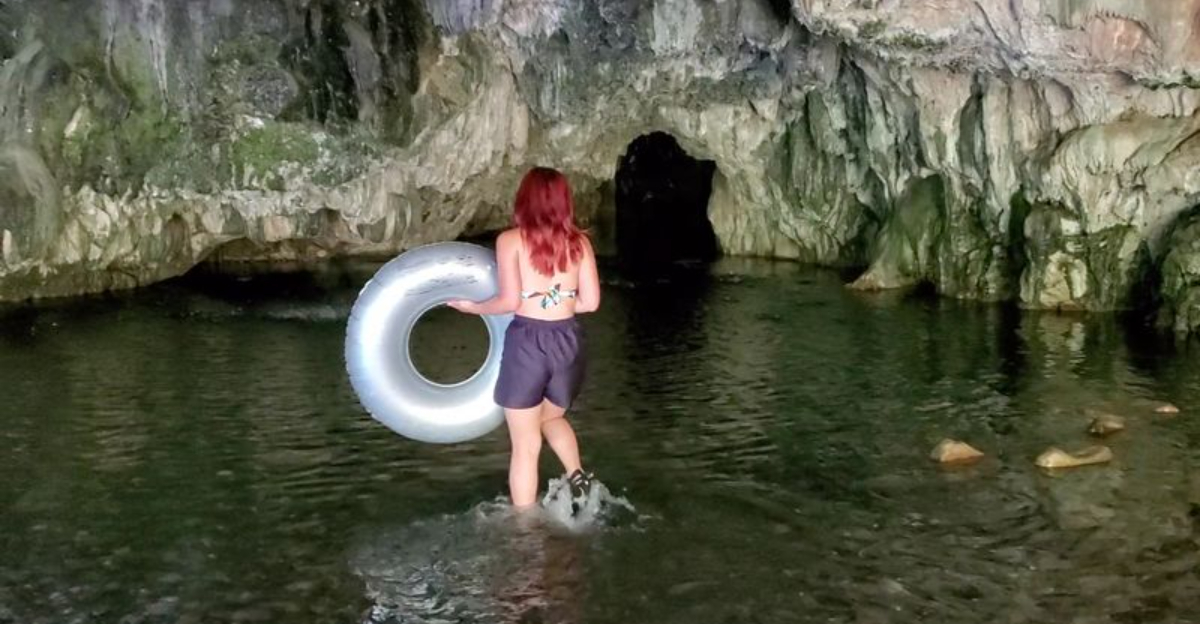
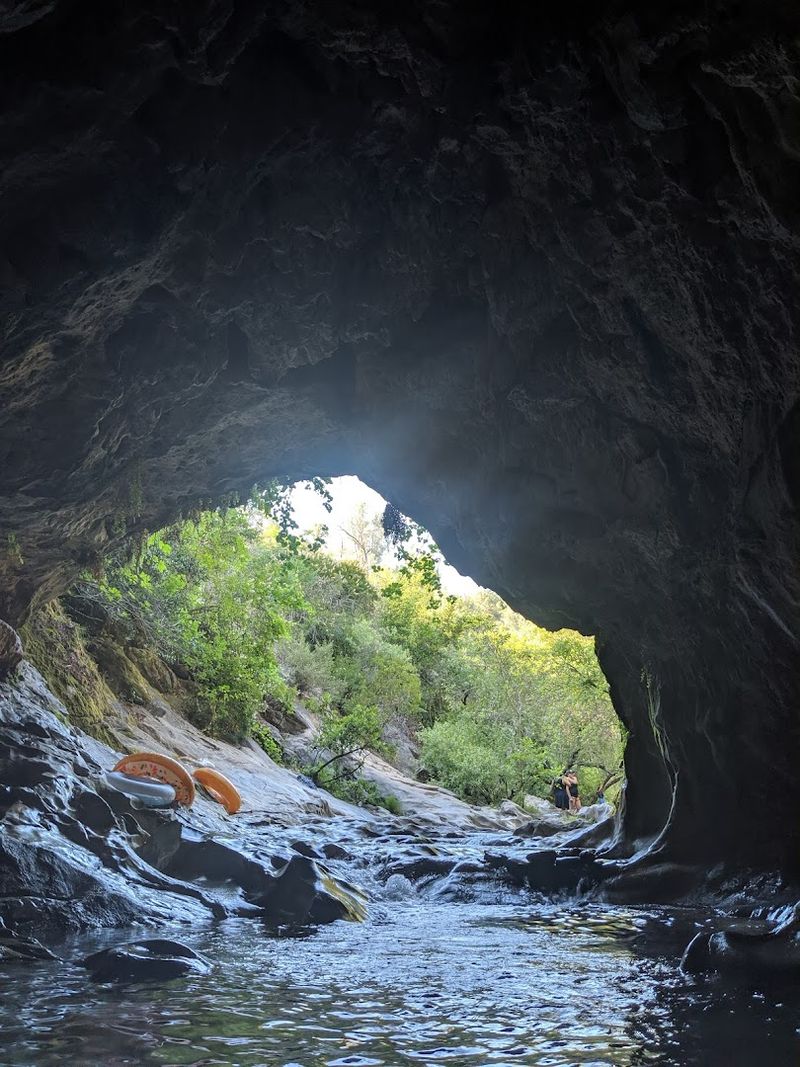
Tucked away along Parrotts Ferry Road in Vallecito, California, Coyote Creek Cave is a jaw-dropping natural swimming hole that most people have never even heard of. A carved limestone cave with a creek running right through it, this spot lets you actually swim or float from one end to the other.
Rated 4.7 stars by hundreds of visitors, it has earned a loyal following among hikers, families, and adventure seekers. If you are looking for a refreshing summer escape that still feels off the beaten path, this guide covers everything you need to know before you go.
What Makes Coyote Creek Cave So Special
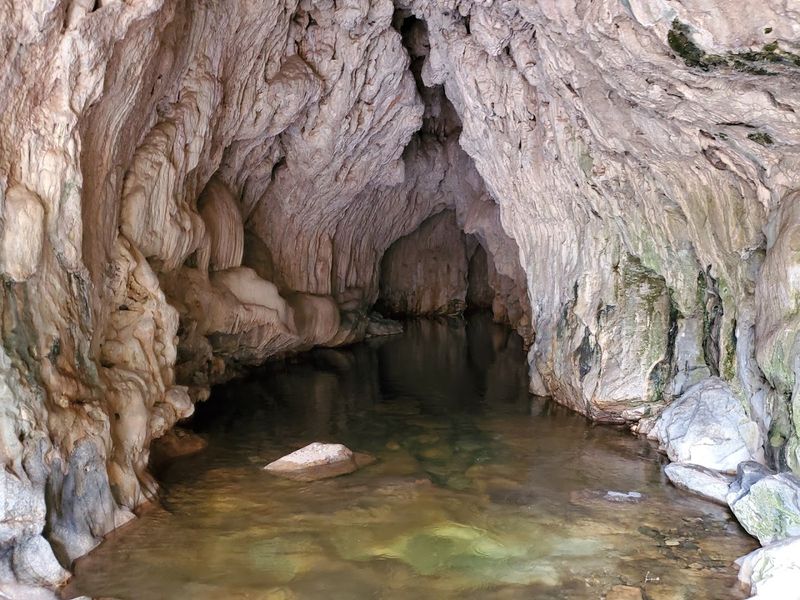
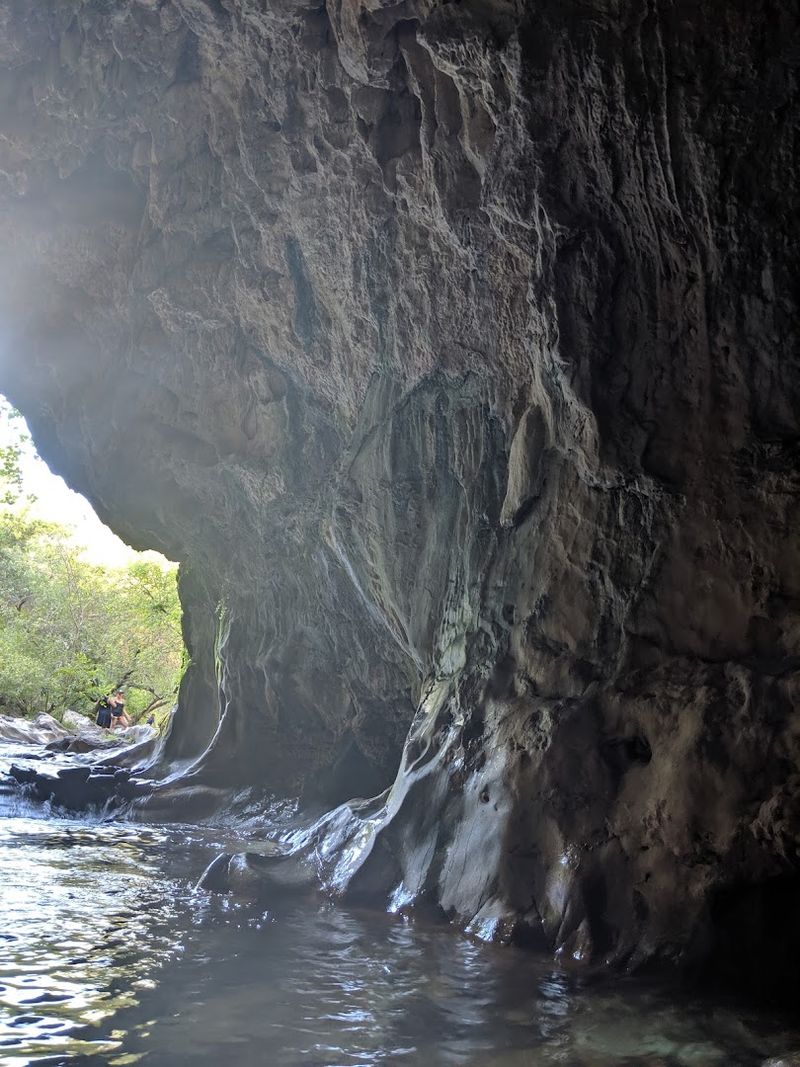
Some places stop you in your tracks the moment you see them, and Coyote Creek Cave is absolutely one of those places. This natural wonder sits in the Sierra Nevada foothills of Calaveras County, where Coyote Creek carved its way through solid limestone over thousands of years, creating a tunnel you can actually swim through.
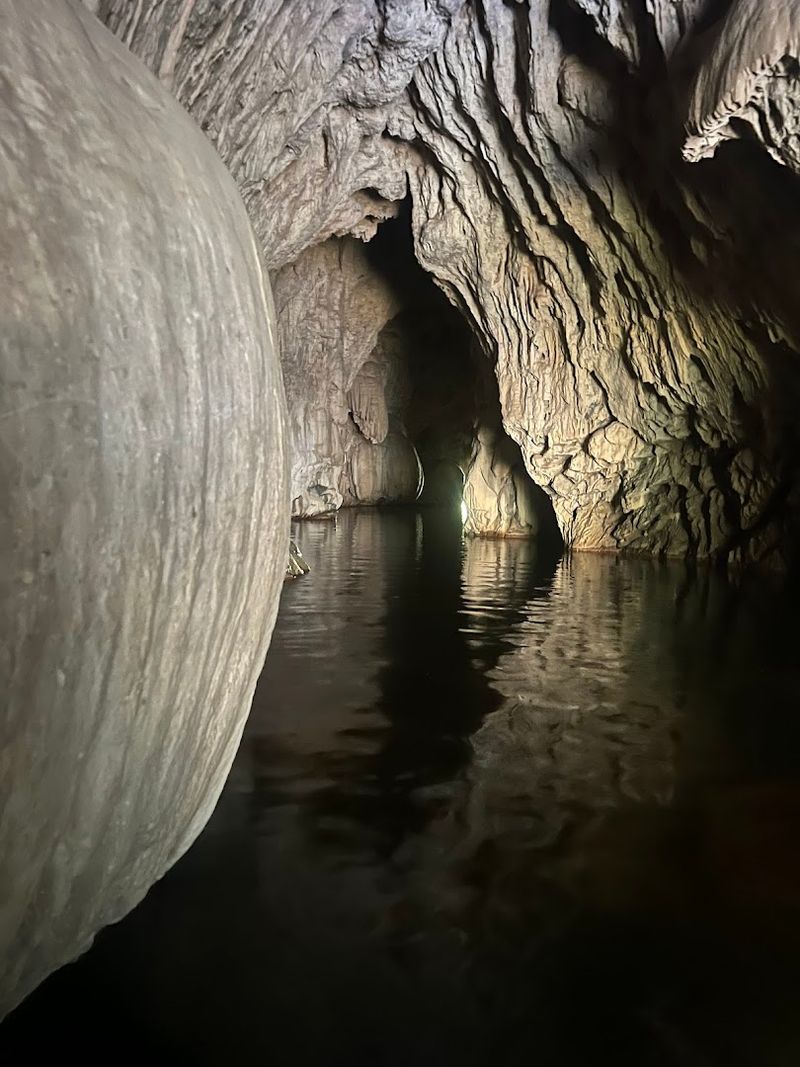
The cave stretches roughly 500 feet long, and from the middle you can see light coming from both ends. That alone is worth the hike.
Inside, the water reaches depths of six feet or more in certain spots, and small alcoves in the rock walls give you a dry shelf to set your gear.
Visitors consistently describe it as a hidden gem, and with a 4.7-star rating from over 229 reviews, that reputation is well earned. There is nothing quite like it in California.
Getting There: Location and Directions
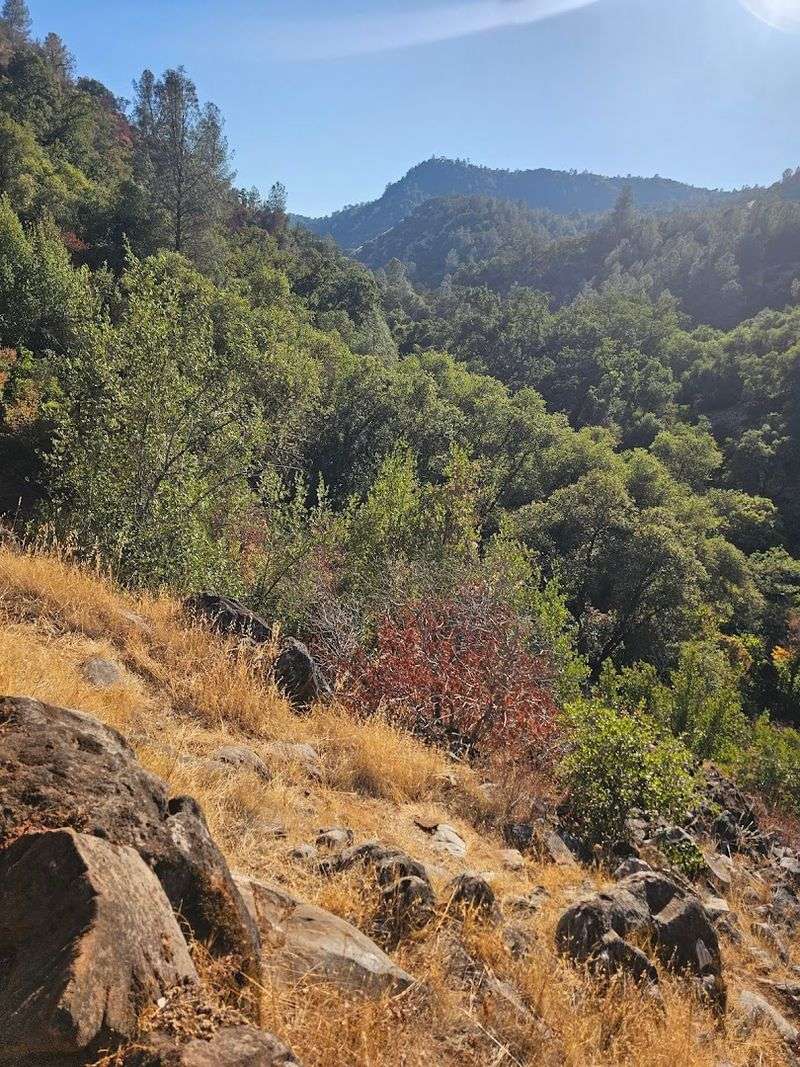
Finding Coyote Creek Cave is part of the adventure. The address is Parrotts Ferry Road in Vallecito, CA 95251, which sits in the heart of Gold Country, roughly an hour from Stockton and about two hours from the Bay Area.
Once you turn onto the small dead-end side road off the main highway, you will spot a parking area along the roadside. There are usually plenty of spots, and parking is completely free.
Bathrooms are available at the top of the trail before you begin your descent, so make a stop before heading down.
Cell service can be spotty in this area, so download your directions ahead of time. The coordinates 38.0549969, -120.4767971 work great on Google Maps or any offline map app.
Plan your route before leaving home to avoid any confusion on arrival.
The Hike Down: What to Expect on the Trail
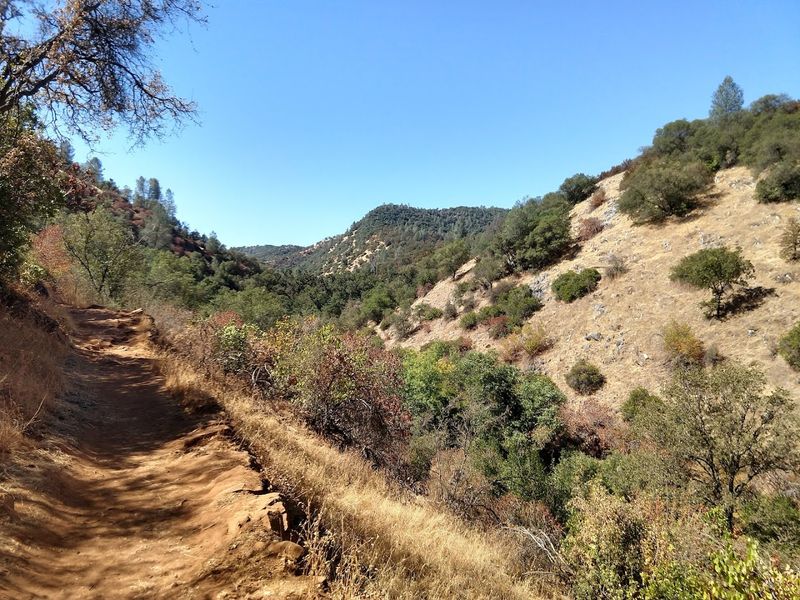
The trail from the parking area to the cave is roughly three-quarters of a mile each way, and it winds downhill through shaded oak woodland. Most healthy adults and older kids can handle it without too much trouble, though you should know upfront that the path is rocky in places and can be slippery near the bottom.
There are actually two route options. The trail to the right from the restrooms is shorter but rockier and steeper, making it trickier for young children.
The path to the left is longer but more gradual, which works much better for families with little ones. Both routes eventually lead to the same destination.
Wear closed-toe shoes with solid grip, because sandals or flip-flops will make the rocky sections genuinely uncomfortable. The hike takes about 15 to 20 minutes going down at a relaxed pace.
The Hike Back Up: Saving Energy for the Climb
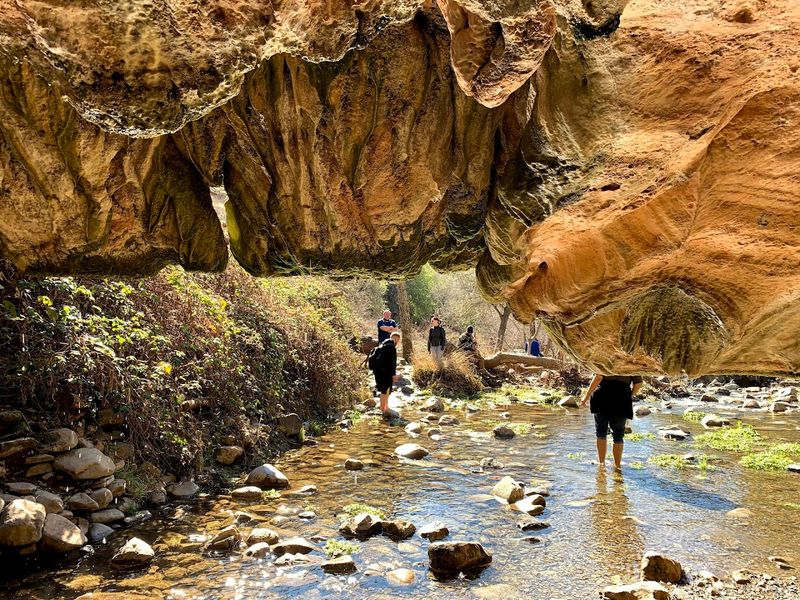
Here is the honest truth that every first-timer needs to hear: the hike back up is significantly harder than the way down. The trail climbs at roughly an 8 to 9 percent grade for most of the route, spiking to about 15 percent near the top.
Your legs will definitely feel it, especially after time in the water.
Budget more time for the return trip than you think you will need. What takes 15 minutes going down can take 30 to 45 minutes going back up, depending on your fitness level and how many breaks you take.
Older visitors and young children may need extra encouragement near the top.
Pace yourself, breathe steadily, and stop to rest when needed. The climb is not dangerous, just tiring.
Bringing trekking poles is a smart move if you own a pair, particularly for anyone with knee sensitivity.
Swimming Through the Cave: The Ultimate Experience
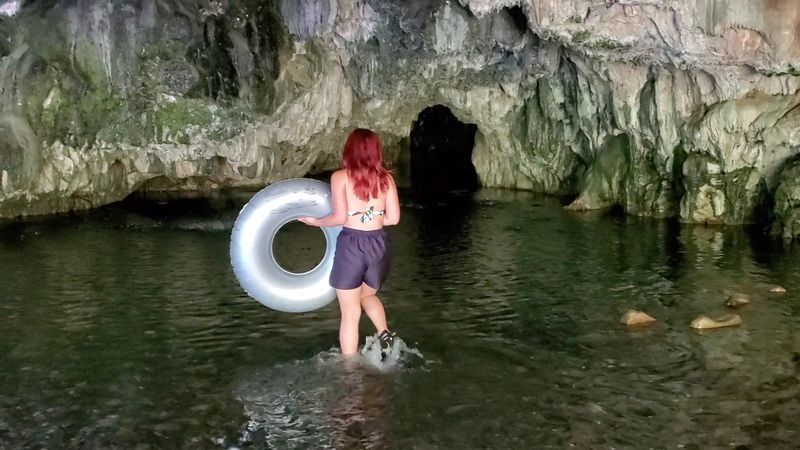
Floating or swimming through Coyote Creek Cave from one end to the other is the experience everyone talks about. Reviewers agree that leaving dry is simply not an option if you want the full adventure.
The cave is roughly 500 feet long, and from the center point you can see daylight at both ends, which is a genuinely surreal sight.
The water is cold, sometimes shockingly so, especially earlier in the season. Most visitors bring an inflatable inner tube or pool float to make the journey more comfortable.
A waterproof headlamp is also a great idea since the middle section of the cave gets quite dark.
Life jackets are strongly recommended, especially for children, since some interior pools reach depths of six feet or more. Waterproof bags for your phone and valuables will save you a lot of stress.
Commit to getting wet and enjoy every second of it.
What to Pack: The Essential Gear List
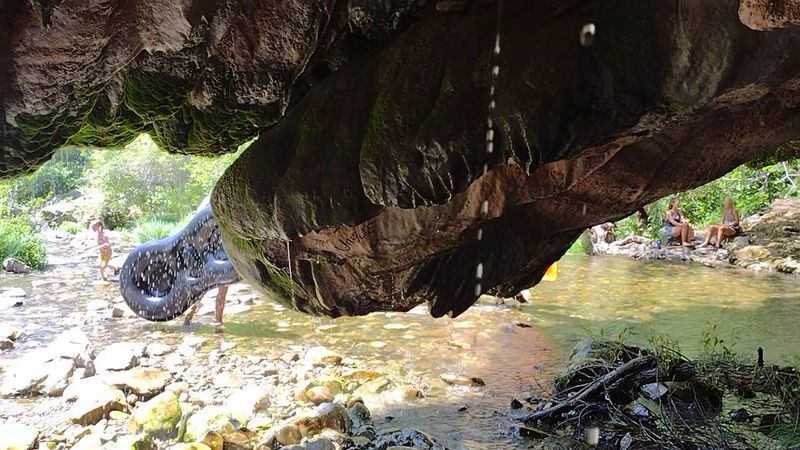
Packing smart makes a huge difference at Coyote Creek Cave. Since you are combining a hike with swimming, your bag needs to cover both activities without weighing you down on the climb back up.
Keep things lightweight and practical.
Bring plenty of water, at least two liters per person, because the hike back up is steep and the sun can be intense in summer. Pack high-energy snacks like trail mix, granola bars, or fruit.
An inflatable inner tube or pool float is highly recommended for the cave swim, and many visitors bring a small hand pump to inflate it at the bottom.
Other must-haves include a waterproof phone case or dry bag, a headlamp or waterproof flashlight, sunscreen, and a change of dry clothes for the drive home. Sturdy closed-toe shoes are non-negotiable.
Leave the cooler in the car since it is too heavy for the trail.
Best Time to Visit Coyote Creek Cave
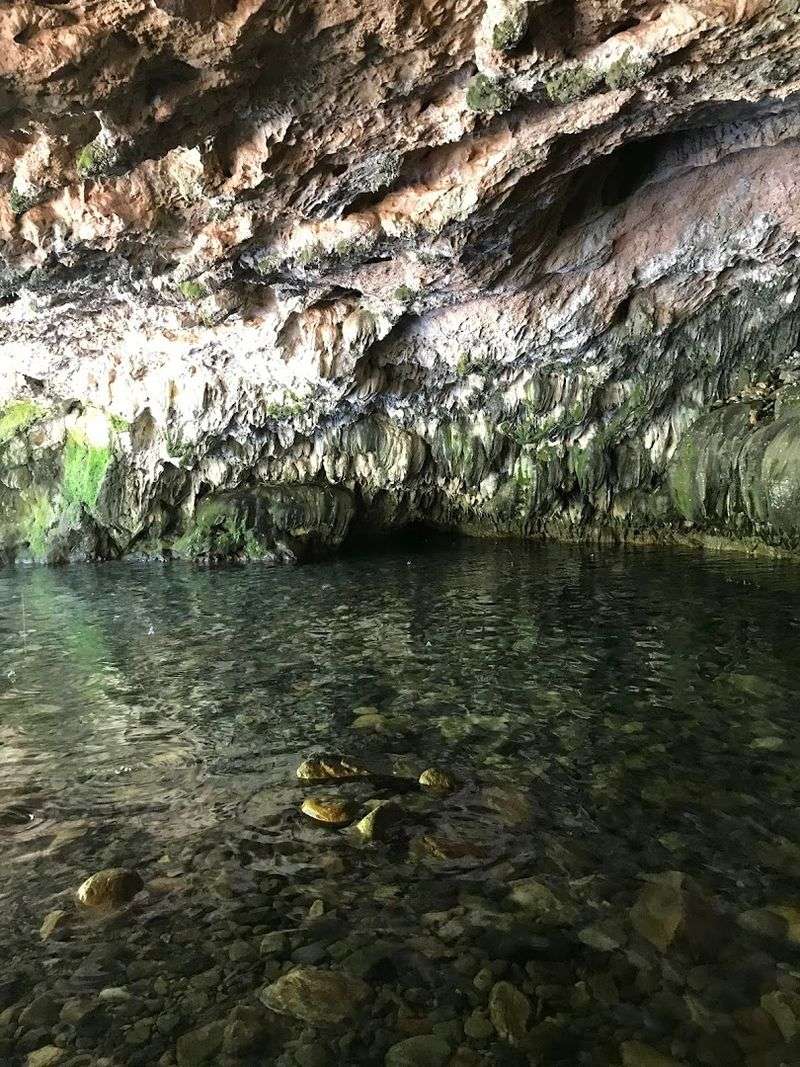
Summer is peak season at Coyote Creek Cave, and for good reason. Water levels are usually manageable for swimming between late May and September, and the warm weather makes jumping into that cold creek feel absolutely incredible after the hike down.
Water depth inside the cave changes throughout the year depending on rainfall and snowmelt from higher elevations. During wetter years, the cave may be too full for safe swimming.
In drier years, the water level may be low enough to walk through parts of it. Checking recent visitor reviews before your trip gives you the most current conditions.
Weekdays are noticeably less crowded than weekends, so if your schedule allows it, a Tuesday or Wednesday visit is ideal. Arriving early in the morning, before 10 a.m., helps you snag parking and enjoy the cave before the afternoon crowds arrive.
The cave is open 24 hours every day.
Family-Friendly Tips for Bringing Kids
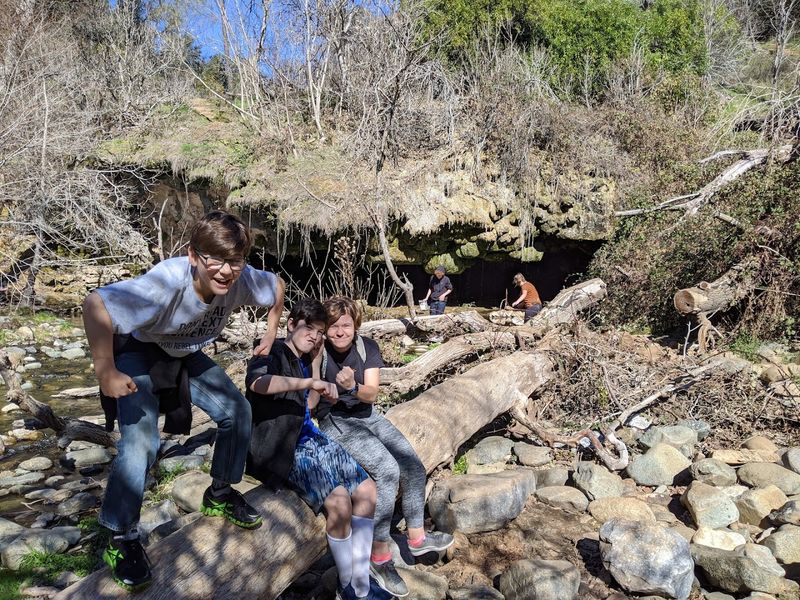
Families consistently rate Coyote Creek Cave as one of their favorite outdoor outings, and kids tend to absolutely love it. That said, a little preparation goes a long way when you are bringing young children along on this trip.
Choose the left-side trail heading down, as it is more gradual and has more defined steps in places, making it far safer for little legs. Keep a close eye on kids near the rocky sections, as the path narrows in spots and can be uneven.
The cave itself is exciting for children, but make sure everyone wears a life jacket inside, especially since the water gets deep without much warning.
Pack extra snacks, since the hike and the cold water burn through energy fast. Bring a change of clothes for each child, because they will get completely soaked.
Tarantulas have been spotted near the area after dark, so plan to leave well before sunset.
Poison Oak and Trail Hazards to Watch For
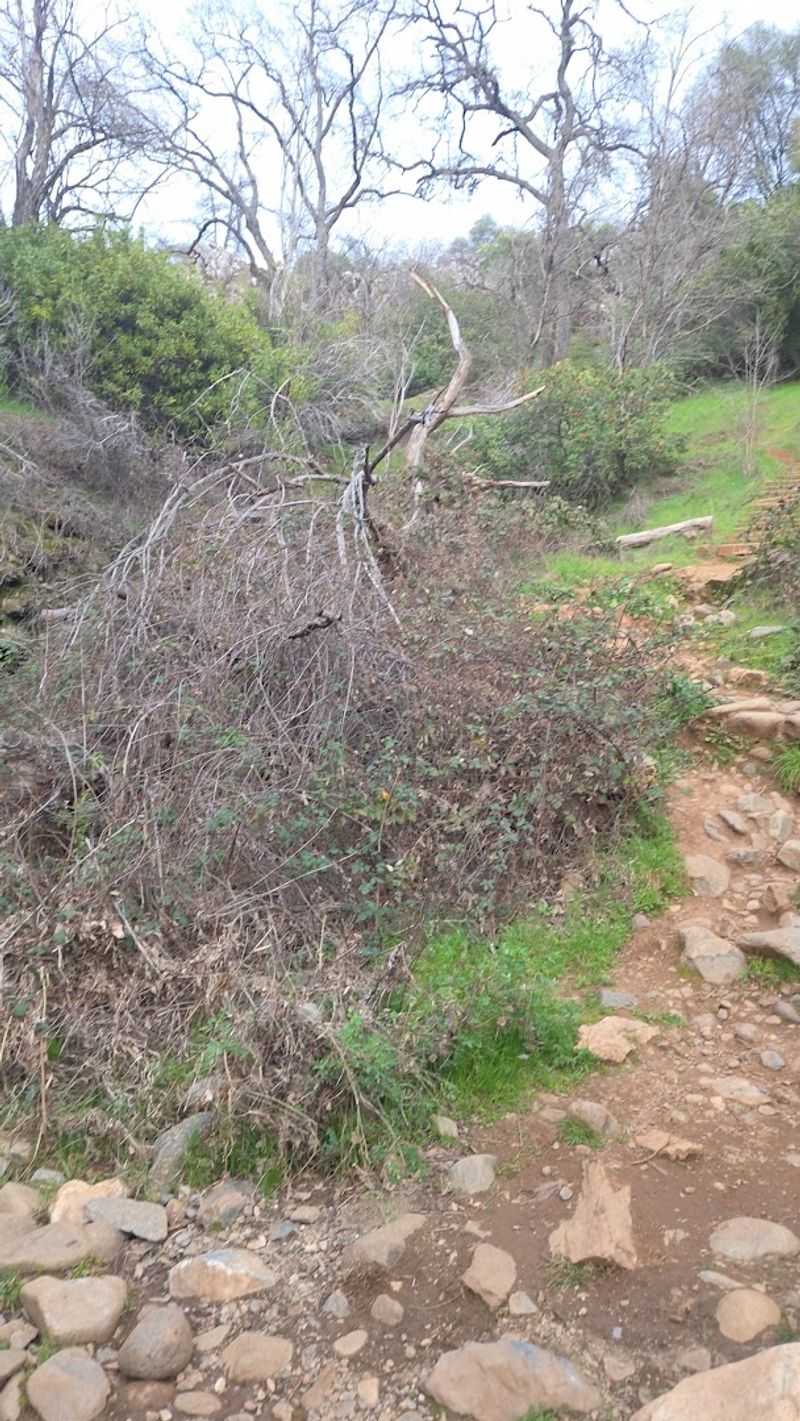
One thing several reviewers specifically call out is the presence of poison oak along the trail to Coyote Creek Cave. If you are not familiar with what it looks like, do a quick image search before you go.
The classic rule is simple: leaves of three, let it be. Avoid brushing against any plants with shiny, three-leaflet clusters, especially in shaded or moist areas of the trail.
Beyond poison oak, the rocky sections of the path are the biggest physical hazard. Twisted ankles are a real possibility if you are wearing the wrong footwear or moving too quickly.
Take your time on the descent, especially near the cave entrance where the terrain gets steeper and slippery.
The cave ceiling is also low in certain sections near the front entrance, so be ready to duck. Wearing an old shirt or long sleeves on the trail can help protect your arms from both poison oak and scrapes on the rocks.
Leave No Trace: Keeping the Cave Beautiful
Multiple reviewers mention with sadness that trash left behind by visitors is a growing problem at Coyote Creek Cave. Empty cans, bottles, food wrappers, and even graffiti have been spotted on the trail and inside the cave.
This place is a natural treasure, and it deserves to be treated like one.
Pack out everything you pack in, no exceptions. Bringing an extra trash bag and picking up a few pieces of litter beyond your own is a small gesture that makes a real difference.
Graffiti on the cave walls is especially damaging since the formations took thousands of years to develop and cannot be repaired.
Respect the cave formations by not touching or breaking stalactites or other rock structures inside. Stay on marked paths to avoid eroding the surrounding vegetation.
The secret is already out about this place, so how visitors treat it now will determine whether future generations get to enjoy it too.
Parking, Facilities, and Access Information
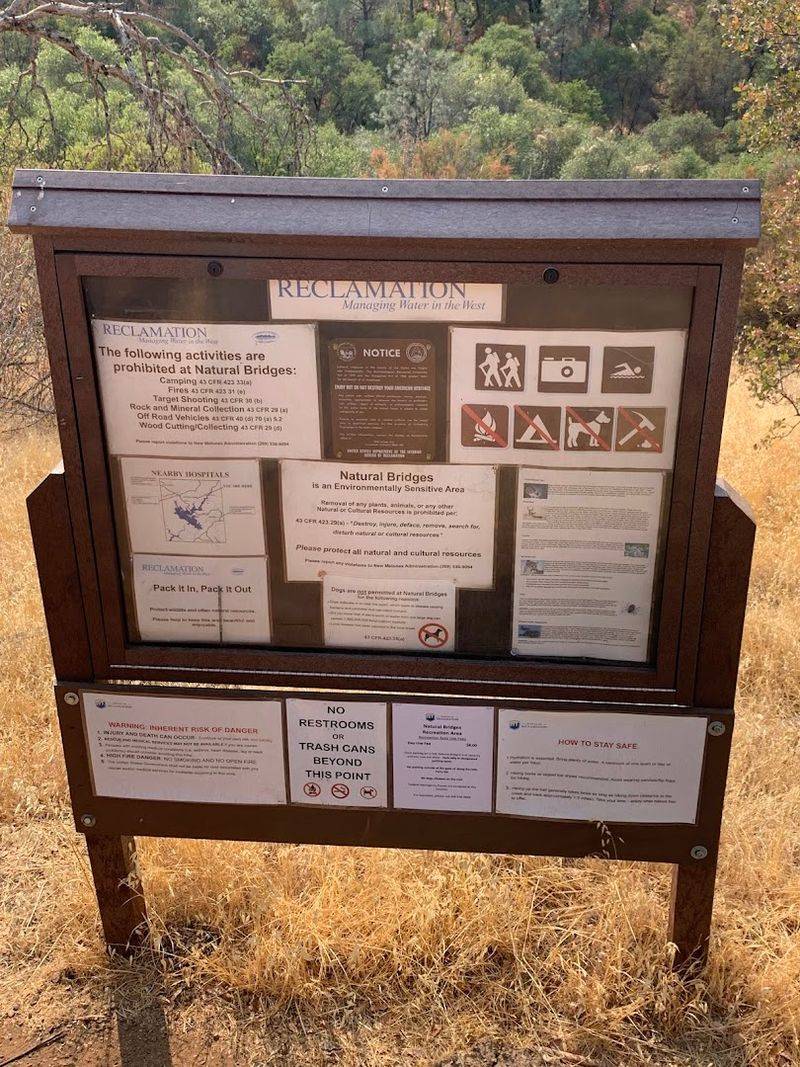
Parking at Coyote Creek Cave is free, which is always a welcome surprise. Spots line the small dead-end road just off Parrotts Ferry Road, and there are usually enough spaces available, though weekends can fill up faster than you might expect.
Getting there before 9 or 10 a.m. on a Saturday is a smart move to guarantee a spot.
Restroom facilities are located at the top of the trail near the parking area. Use them before you head down, because there are no bathrooms once you start the descent.
The trail itself is not wheelchair accessible due to the steep and rocky terrain.
The site is open 24 hours a day, seven days a week, and there is no entry fee. For questions, the listed phone number is +1 818-470-1742.
Keep in mind that cell service is unreliable in this area, so download offline maps and save any important information before leaving home.
Wildlife and Nature Encounters Near the Cave
One of the more surprising things reviewers mention about Coyote Creek Cave is the wildlife. Stay out past sunset and you might encounter tarantulas crossing the trail, which is startling if you are not expecting it.
Tarantulas are actually harmless to humans in this region, but they are definitely a shock to see up close on a dark trail.
The area surrounding the cave is rich with native California wildlife. Squirrels, lizards, and various bird species are commonly spotted along the trail.
The creek itself supports aquatic insects and small fish, and the shaded canyon environment creates a cool microclimate that supports diverse plant life including ferns and mosses near the water.
Staying aware of your surroundings and keeping noise levels reasonable helps protect both the wildlife and the experience for other visitors. This is a living ecosystem, not just a swimming spot, and treating it with curiosity and respect makes the whole outing more meaningful.
Why Coyote Creek Cave Belongs on Your California Bucket List
Very few places in California combine a rewarding hike, a natural cave, and a genuine swimming adventure all in one spot. Coyote Creek Cave does exactly that, and it does it for free.
That combination is rare enough to make this place feel like a legitimate bucket-list experience rather than just another day hike.
Whether you are a solo adventurer, a couple looking for something unique, or a parent wanting to give your kids an unforgettable outdoor memory, this cave delivers. Floating through 500 feet of carved limestone with cold creek water swirling around you is the kind of experience people talk about for years afterward.
The hike is manageable, the scenery is gorgeous, and the payoff at the bottom is extraordinary. Just bring your float, lace up your shoes, pack out your trash, and prepare to be genuinely amazed.
California still has secrets worth discovering, and this is one of the best ones.
Enjoyed this story?
Add Fast Food Club as a preferred source to see more of our reporting on Google.