


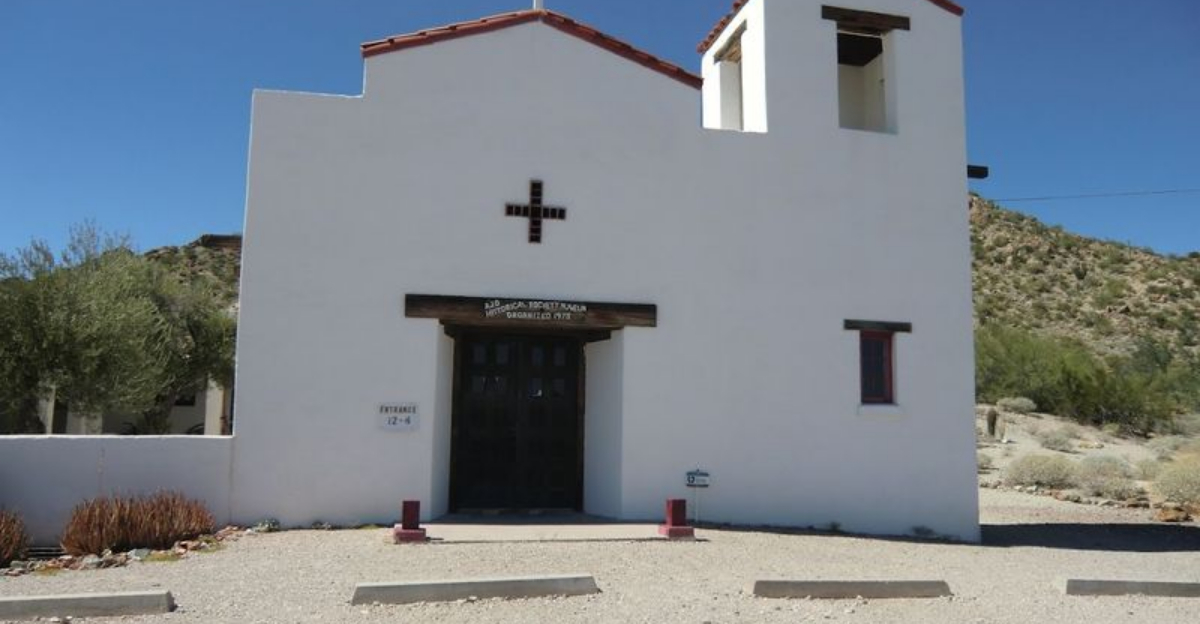
Tucked away in the Sonoran Desert of southern Arizona, the small town of Ajo is a hidden gem that most travelers simply drive past without a second glance. With a rich history tied to copper mining, stunning desert scenery, and a unique Spanish Colonial Revival downtown, this community has a character all its own.
Only 43 miles from the Mexican border and right next to Organ Pipe Cactus National Monument, Ajo offers history, nature, and culture in one surprisingly compact package. If you love discovering places that feel genuinely off the beaten path, Ajo deserves a spot on your radar.
The Copper Mining Legacy That Built a Town
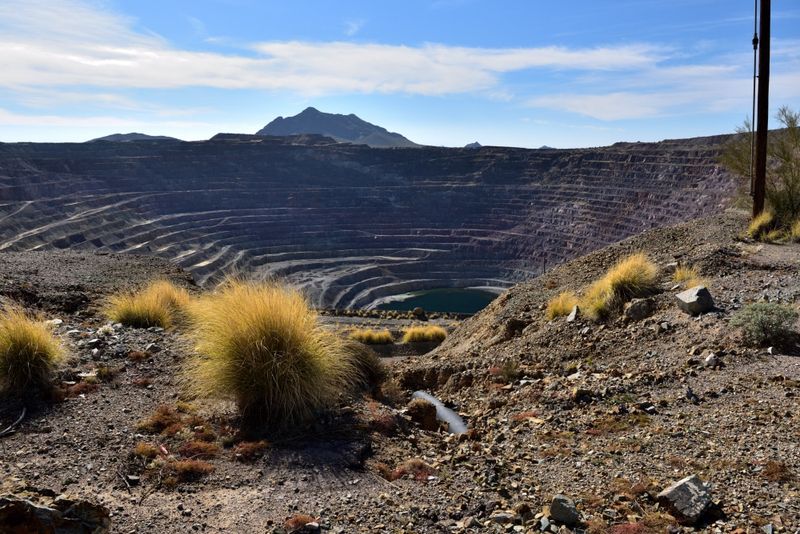
Long before Ajo became a quiet desert community, it was a booming copper town that put Arizona on the map. The New Cornelia Mine, one of the largest open-pit copper mines in the country, operated here for decades and shaped nearly every aspect of life in Ajo.
The mine brought thousands of workers and their families to this remote desert spot, creating a community where there was once nothing but sand and saguaro cactus. Copper production peaked in the mid-20th century, and the economic ripple effects touched schools, roads, and even the town’s architectural style.
Today, the massive mine pit still sits on the edge of town, and visitors can get a breathtaking view of it from a public overlook. It is a humbling reminder of how human ambition can carve an entire civilization out of the desert floor.
Spanish Colonial Revival Architecture Downtown
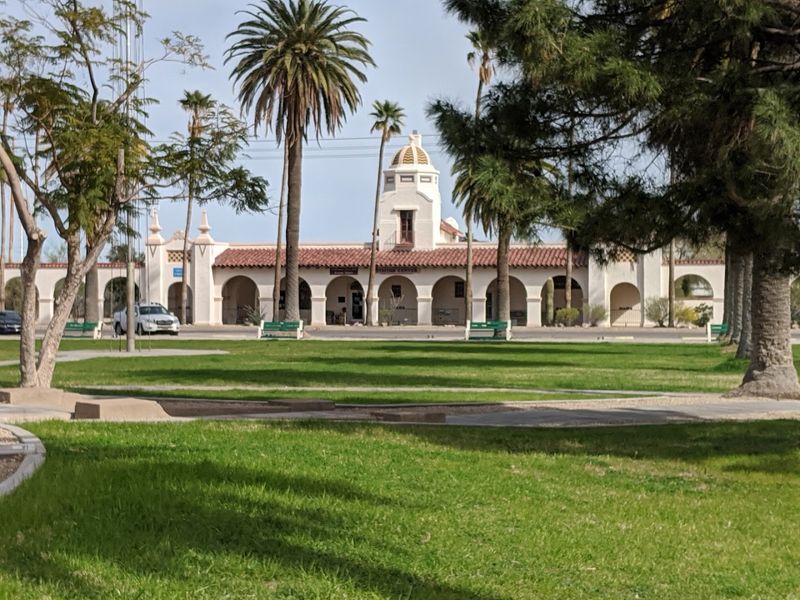
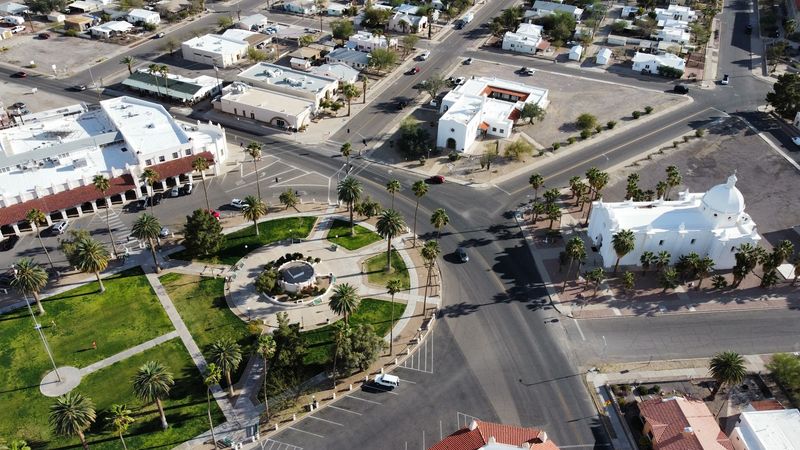
Walk into Ajo’s central plaza and you might feel like you have been transported somewhere in Spain or Mexico. The downtown area was designed in the Spanish Colonial Revival style in the 1920s, featuring white stucco walls, red clay tile roofs, and graceful arched walkways that frame the town square.
The Townsite Company, which managed the copper mine, actually hired architects to create a cohesive and beautiful downtown. That thoughtful planning is still visible today, making Ajo one of the most architecturally distinctive small towns in Arizona.
The plaza itself is shaded by trees and surrounded by historic buildings that now house shops, galleries, and community spaces. Strolling through it on a cool desert morning feels genuinely magical.
Few Arizona towns this small can boast a downtown that looks this intentional, this historic, and this lovely all at once.
Organ Pipe Cactus National Monument Right Next Door
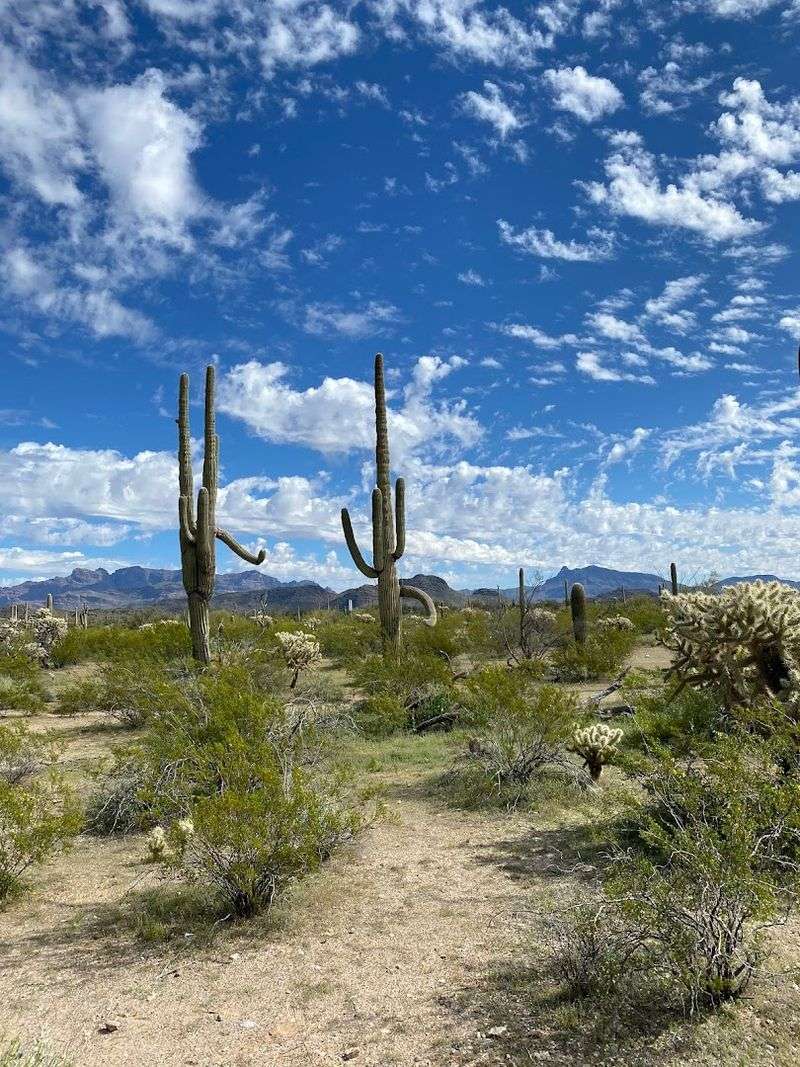
Ajo holds a geographic advantage that most small towns can only dream about — it sits right on the doorstep of Organ Pipe Cactus National Monument. This UNESCO Biosphere Reserve protects one of the most diverse desert ecosystems in North America, and it starts just a short drive south of town.
The monument is named for the organ pipe cactus, a species found in the United States almost exclusively in this region. These multi-armed giants can grow over 20 feet tall and live for more than 150 years, and seeing them clustered across the hillsides is genuinely awe-inspiring.
Hiking trails, scenic drives, and stargazing opportunities fill the park with activities for every type of visitor. The Ajo Mountain Drive loop is especially popular, winding through rugged volcanic terrain and past incredible desert plants.
Having this natural treasure so close makes Ajo an ideal base camp for outdoor adventurers.
A Dark Sky Paradise for Stargazers
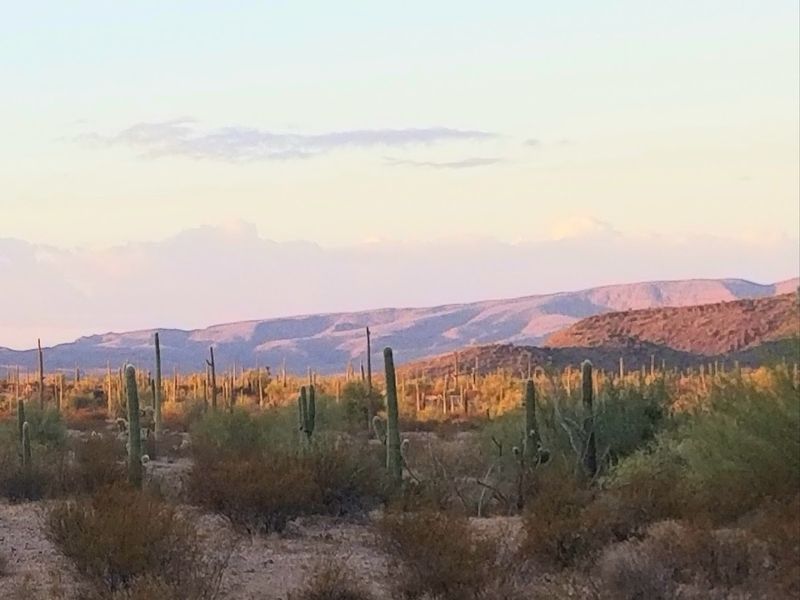
Far from city lights and sitting in one of the least densely populated regions of the entire country, Ajo offers some of the darkest skies in Arizona. On a clear night, the Milky Way stretches across the sky like a glowing river, and even amateur stargazers can spot planets, star clusters, and shooting stars with the naked eye.
The surrounding Sonoran Desert acts as a natural buffer from light pollution, making the area a genuine dark sky destination. Organ Pipe Cactus National Monument has taken formal steps to protect its dark skies, and the monument was designated an International Dark Sky Park.
Bring a blanket, a thermos of hot coffee, and maybe a simple star chart, and you are set for an unforgettable night under the Arizona heavens. Few experiences connect you to the universe quite like lying in the desert and watching the stars wheel overhead in total silence.
The Ajo Historical Society Museum
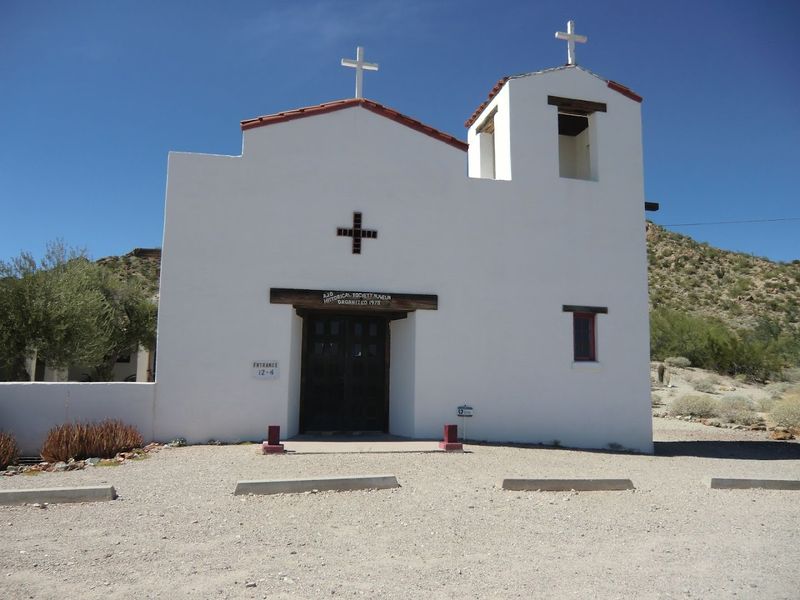
History lovers will find a welcoming stop at the Ajo Historical Society Museum, a community-run treasure that preserves the stories of this remarkable desert town. Housed in a historic church building, the museum is packed with photographs, mining equipment, personal diaries, and artifacts that paint a vivid picture of life in early Ajo.
Exhibits cover the Native American heritage of the area, the Spanish colonial influence, the copper boom era, and the lives of the diverse communities that once called this place home. There is a warmth to the place that feels personal rather than polished.
Volunteer docents are often on hand to share stories that never made it into the official records. Admission is very affordable, and the museum is a perfect first stop for anyone wanting to understand why Ajo is more than just a dot on a desert map.
Plan for at least an hour here.
A Thriving Arts Community in an Unlikely Place
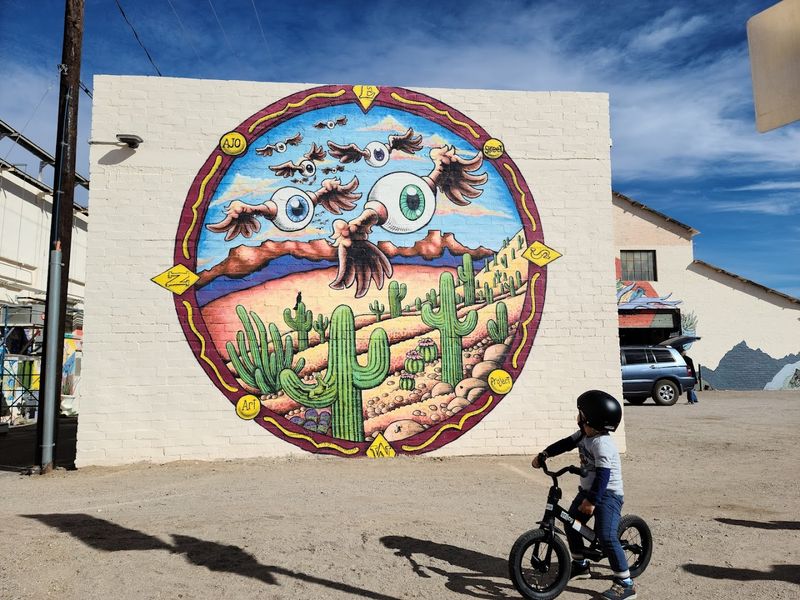
Somewhere along the way, artists discovered Ajo and decided to stay. Today, the town punches well above its weight when it comes to creative energy, hosting galleries, studios, and cultural events that draw visitors from across the Southwest.
The International Sonoran Desert Alliance, a local nonprofit, has been instrumental in converting historic buildings into live-work spaces for artists. The result is a small but genuinely vibrant arts scene rooted in the culture and landscape of the borderlands.
Murals brighten walls throughout town, and local galleries feature everything from oil paintings to handwoven textiles inspired by the desert. The Ajo Farmers Market and seasonal festivals bring artists and neighbors together in the plaza, creating a community atmosphere that is hard to manufacture but easy to feel.
For a town of roughly 3,000 people, the creative output here is nothing short of remarkable and totally infectious.
Native American Heritage and the Tohono O’odham Nation
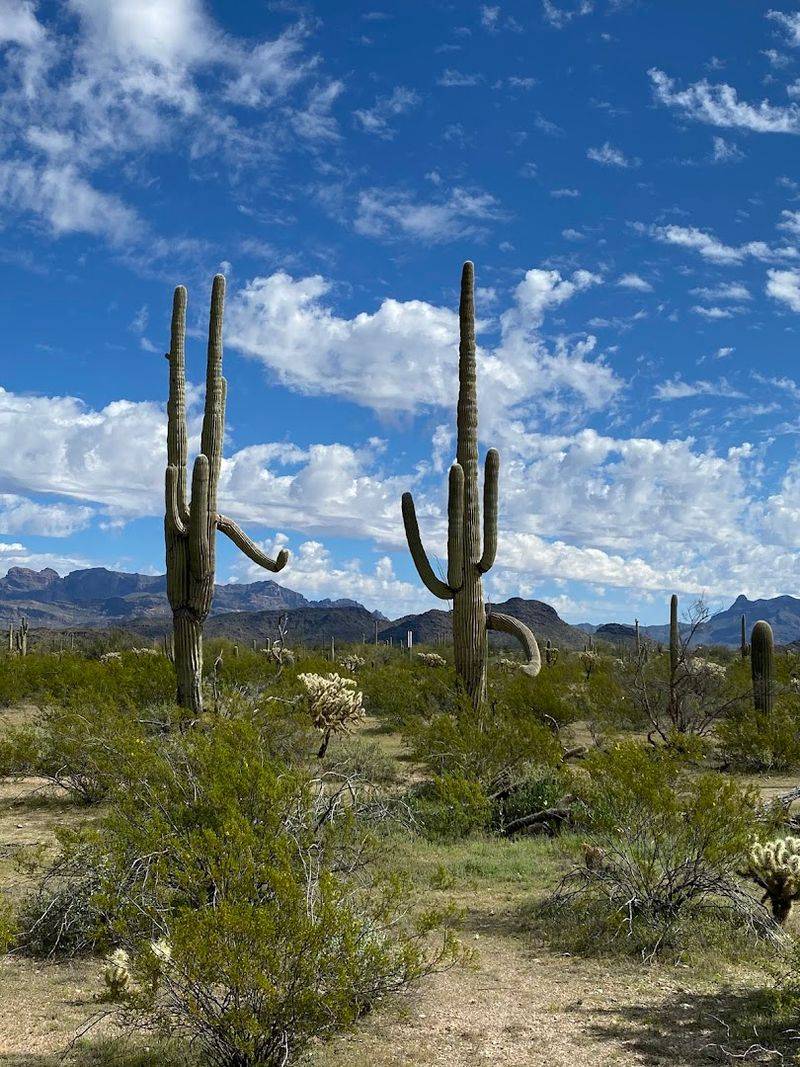
Long before copper miners arrived, the Tohono O’odham people called this land home. Their presence in the Ajo region stretches back thousands of years, and their cultural fingerprints are woven into every layer of the town’s identity.
The Tohono O’odham Nation’s reservation borders the area, and the community maintains deep ties to the land, language, and traditions that have survived centuries of change. Their knowledge of desert plants, water sources, and seasonal cycles was essential to the survival of early settlers who came to this harsh environment with little preparation.
Visitors to Ajo can learn about Tohono O’odham culture through the historical museum, local art, and nearby cultural sites. Approaching this history with genuine respect and curiosity makes the experience far richer.
Understanding the indigenous roots of any place transforms a simple road trip into something that feels meaningful and grounded in real human stories.
Bird Watching in the Sonoran Desert
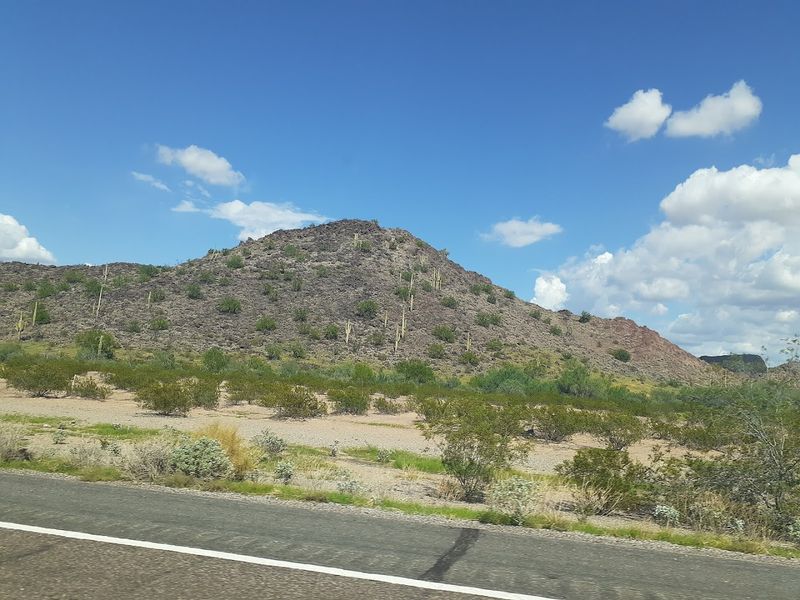
Bird enthusiasts make special trips to the Ajo region because the biodiversity here is genuinely extraordinary. The Sonoran Desert and the nearby Organ Pipe Cactus National Monument create a habitat mosaic that supports an impressive variety of resident and migratory species throughout the year.
Elf owls, the tiniest owls in North America, nest inside saguaro cacti just minutes from town. Gilded flickers, curve-billed thrashers, and cactus wrens are regular sightings, while spring migration brings warblers, flycatchers, and shorebirds through the area in colorful waves.
The Ajo Christmas Bird Count draws serious birders every December, and the numbers reported are consistently surprising for such a small and remote location. You do not need to be an expert to enjoy bird watching here — just a pair of binoculars and a willingness to sit quietly in the desert and let the wildlife come to you.
Nature rewards patience beautifully.
The Scenic Drive Along State Route 85
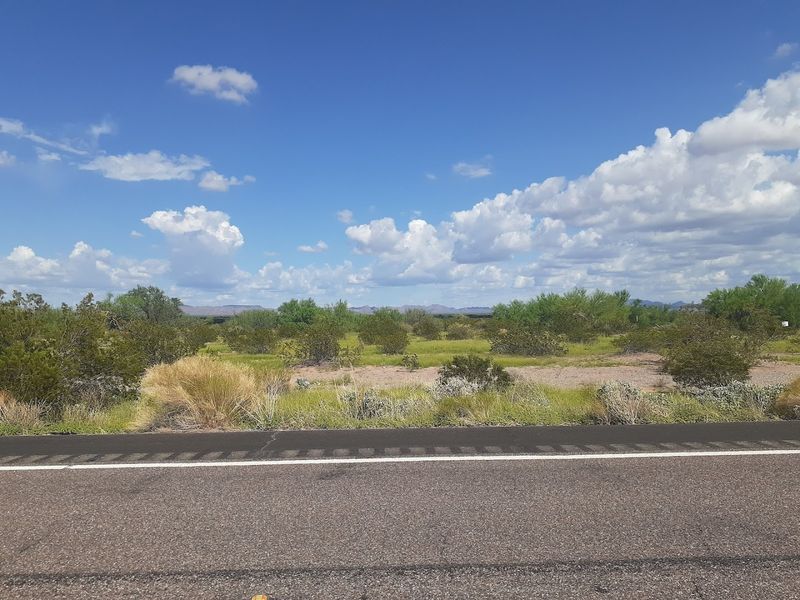
Getting to Ajo is half the adventure. State Route 85, the main road connecting Ajo to the rest of Arizona, cuts through some of the most visually dramatic desert scenery in the entire state.
The drive from Gila Bend heading south is a slow reveal of saguaro forests, volcanic mountain ranges, and wide open sky that feels almost cinematic.
Few roads in Arizona carry this combination of remoteness and raw natural beauty. You might drive for 20 minutes without seeing another car, which sounds lonely but actually feels liberating in the best possible way.
Pull over at one of the informal roadside spots and just listen — the desert has its own soundtrack of wind, birdsong, and silence. Traveling Route 85 at sunrise or sunset turns the whole landscape golden and pink, making even a simple drive feel like a once-in-a-lifetime experience.
Pack snacks, top off your gas tank, and enjoy every mile.
Warm Winters That Snowbirds Secretly Love
While much of the country bundles up in heavy coats, Ajo enjoys mild, sunny winters that make it a favorite escape for snowbirds and winter travelers. Daytime temperatures in January and February regularly hover in the comfortable 60s and 70s Fahrenheit, making outdoor activities genuinely pleasant.
The Shadow Ridge RV Park and other camping options near town fill up with visitors who return year after year, drawn by the sunshine, the quiet, and the sense of community that forms among fellow desert lovers. Ajo has a laid-back, welcoming vibe that makes newcomers feel at home almost immediately.
Winter is also when desert wildflowers begin their slow build toward the spectacular spring bloom season. Spotting the first brittlebush blooms or a palo verde budding out is a small but satisfying signal that the desert is very much alive.
Ajo in winter is genuinely one of Arizona’s most underrated seasonal escapes.
Desert Wildflower Blooms in Spring
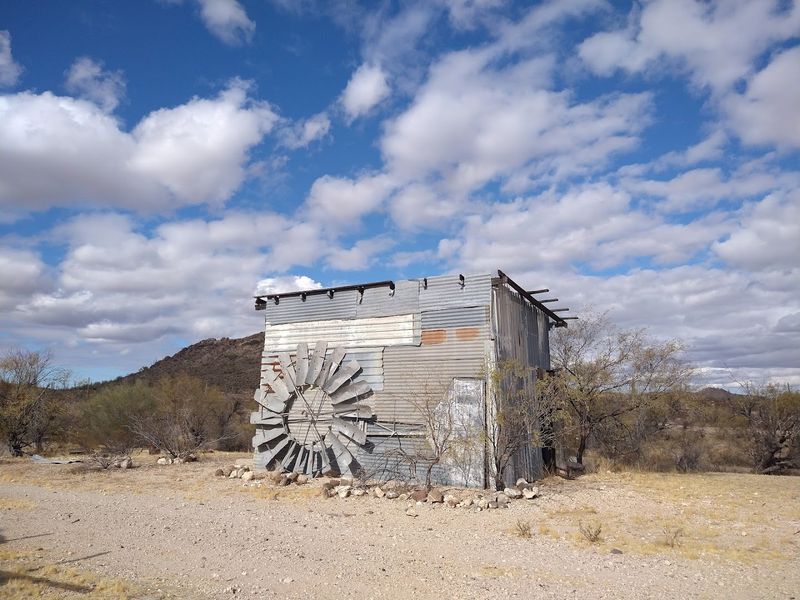
When conditions are right, the desert around Ajo transforms into something straight out of a nature documentary. Spring wildflower blooms in the Sonoran Desert can be breathtaking, with Mexican gold poppies, owl clover, desert lupine, and brittlebush painting the hillsides in shades of orange, purple, and yellow.
The blooms typically peak between late February and early April, depending on winter rainfall. In a good year, the flower display near Organ Pipe Cactus National Monument rivals anything you will see at more famous bloom destinations in California or Texas.
Locals keep a close eye on the forecast and soil moisture levels each winter, quietly hoping for the conditions that produce a superbloom. Photographers, hikers, and casual visitors pour in when word spreads that a spectacular bloom is underway.
If you time your visit right, you will witness one of nature’s most generous and fleeting performances in the Arizona desert.
Border Culture and the Unique Sense of Place

Sitting just 43 miles from the Mexican border, Ajo carries a cultural richness that blends indigenous traditions, Mexican heritage, and American Southwest identity into something genuinely its own. The food, the art, the music, and even the architecture reflect generations of cross-border influence that you simply cannot find further north.
Tamales made from family recipes passed down for generations, Spanish spoken casually alongside English in the local shops, and the sound of norteño music drifting from a backyard gathering — these are the textures of everyday life in Ajo that make it feel like a real place rather than a tourist performance.
That borderlands character gives Ajo a depth and authenticity that is increasingly rare in American small towns. Visitors who take time to talk to locals, eat at family-run spots, and wander beyond the plaza will discover a community with a proud, layered identity that rewards curiosity and open-mindedness at every turn.
Hiking Trails for Every Skill Level

Whether you are an experienced trail runner or someone who just likes a leisurely walk in fresh air, the Ajo area has hiking options that will satisfy you completely. The trails range from easy, flat desert walks perfect for families to more challenging mountain routes that reward effort with sweeping panoramic views.
The Ajo Mountain Drive in Organ Pipe Cactus National Monument offers short interpretive trails along the way, making it easy to stop, stretch, and learn about the desert ecosystem without committing to a long hike. Bull Pasture Trail is a favorite for those who want a proper workout and stunning views of the monument’s rugged volcanic landscape.
Closer to town, informal trails through the desert let you experience the quiet beauty of the Sonoran Desert at your own pace. The best hiking seasons run from October through April, when temperatures are comfortable and the desert light is especially gorgeous in the early morning hours.
Enjoyed this story?
Add Fast Food Club as a preferred source to see more of our reporting on Google.