


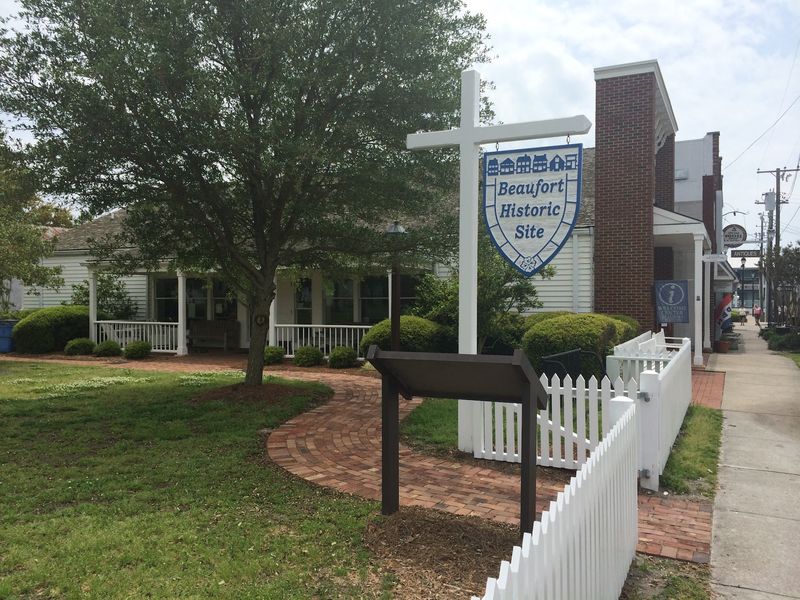
A small coastal town on the North Carolina shore holds more stories than its quiet streets let on. Buildings that once housed jailers, doctors, and families from centuries past still stand, restored and ready to share their past with anyone who wanders in.
Boaters tie up nearby, families roll through on a bright double-decker bus, and history buffs peek inside rooms curated to look just as they did long ago. There are candle-making stations, an old courthouse, and a tucked-away art gallery that surprises people.
The whole spot sits close to one of the best boardwalks on the coast, making it easy to pair learning with a relaxing walk. Curious about which town rewards visitors this way?
Keep reading, because this place packs a lot into two little acres.
Where History Sits Just Off The Water
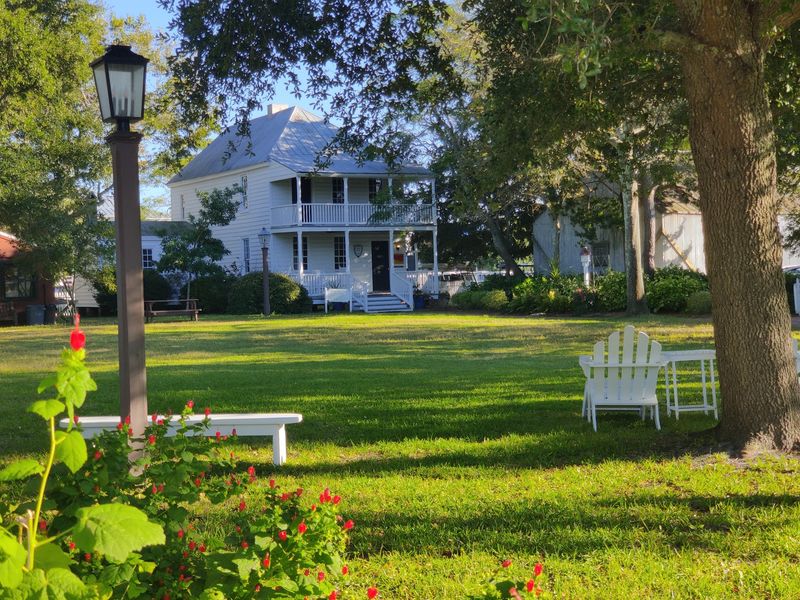
Right in the heart of a walkable coastal town, the Beaufort Historic Site anchors itself at 130 Turner St, Beaufort, NC 28516. The grounds sit only a short walk from the water, which is part of why boaters and strollers keep finding their way here.
Run by the local historical society, the site spreads across roughly two acres and gathers together restored buildings that reflect the 18th and 19th centuries. It works as both a museum and the office of a local history organization that keeps the town’s past alive.
Most people start at the visitors center, a bright and airy spot where the staff explain what to expect and hand out brochures for other local happenings. The gift shop there is worth a look before heading onto the grounds.
What makes the location so appealing is how naturally it blends into the surrounding town. Shops, restaurants, and that famous boardwalk are all within an easy stroll, so the history feels woven into everyday coastal life rather than sealed off behind a fence.
A Town Shaped By Fishing Ports And Pirate Legends
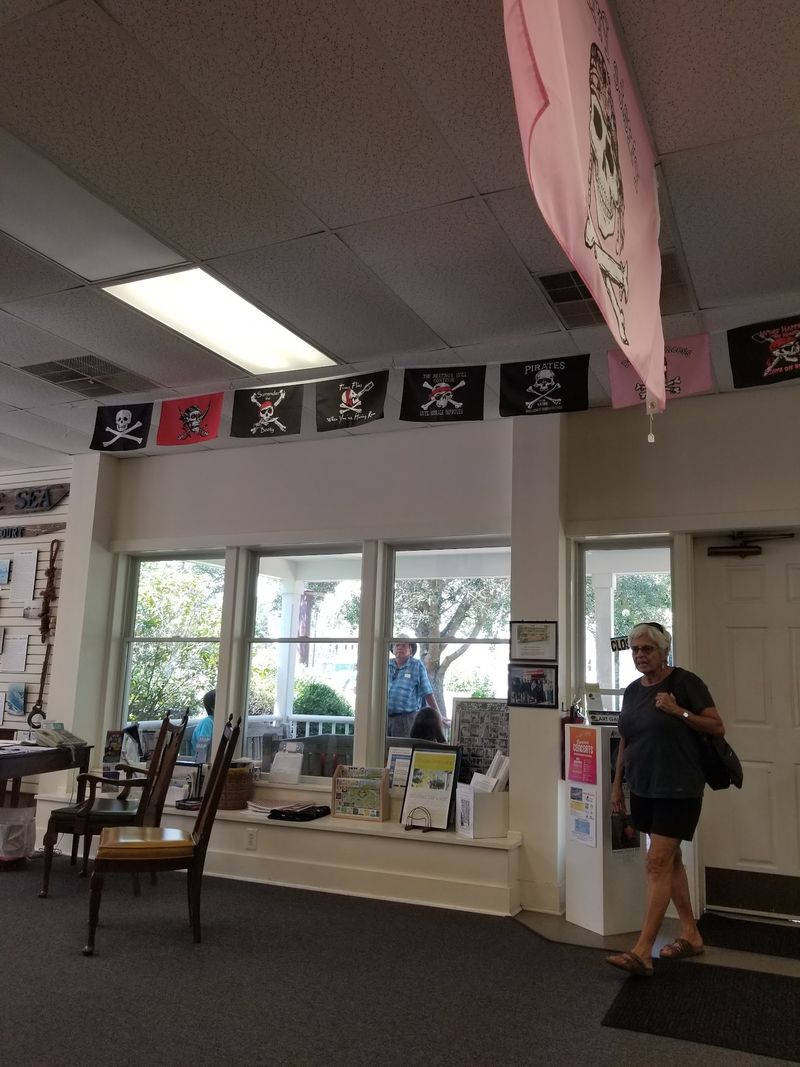
Long before the site became a museum, Beaufort earned its reputation as a small fishing port with a colorful past. Stories of Blackbeard and other pirate influences are stitched into the town’s history, and the site helps bring those tales to the surface.
Guides here have a knack for making the old ways of life feel real. Battles, shipwrecks, and the daily routines of colonial families all get their moment, painting a picture of how this coastal community grew.
People often discover the town almost by accident. Some come looking for a ghost tour and end up falling for the place, returning again and again just to wander the streets and soak up the atmosphere.
The historical society treats this heritage as something to protect and share. Coastal history is one of the recurring themes people mention, and the organization leans into it with tours, events, and thoughtfully curated exhibits.
That mix of maritime grit and preserved charm gives the town a personality all its own, and the site is where much of that character is on display.
Restored Buildings Frozen In Time
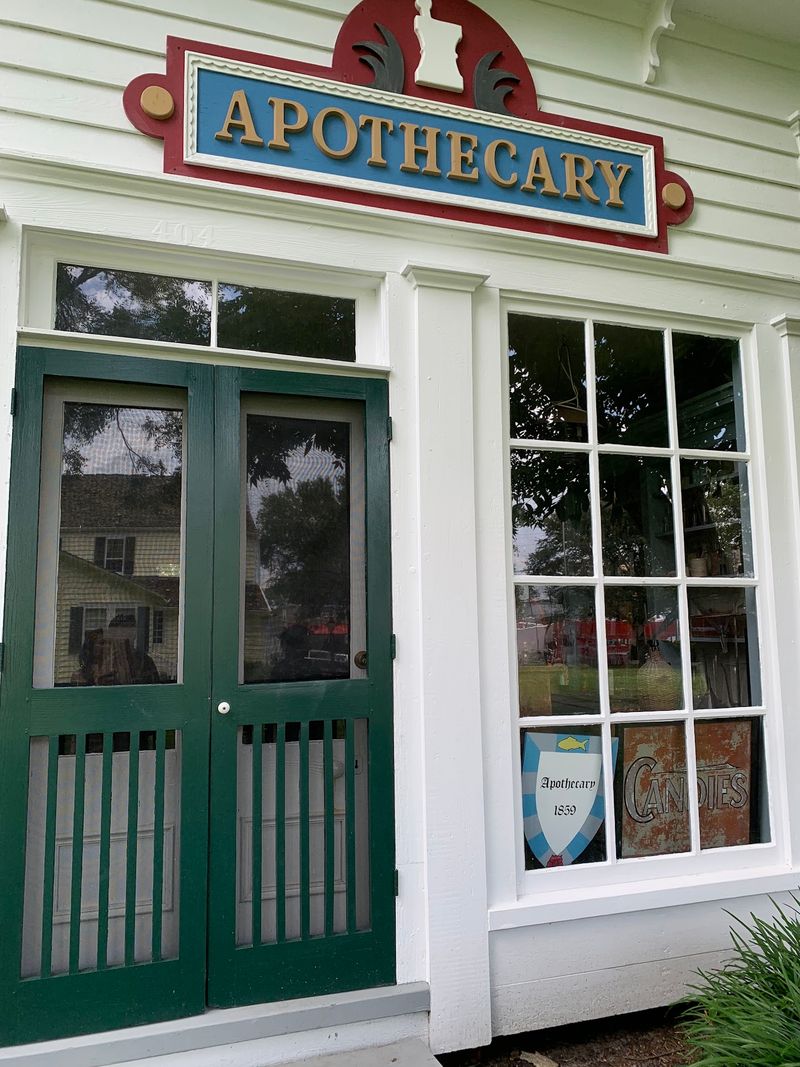
Five main buildings dating from the late 1700s and 1800s were moved to this site and lovingly restored to look as they would have generations ago. Walking the grounds, people can peek at a courthouse, a jail, an apothecary with a garden, and several homes.
Each building is curated to represent a different time period, which keeps things interesting from one doorway to the next. The care put into these interiors is one of the things people mention most.
The full experience means stepping inside every structure, and that only happens with a guided tour. Those who just walk the grounds can still peek through windows, but the interiors hold the real treasures.
What surprises many is how varied the collection feels. A home decked out in elaborate furnishings sits near a modest cottage built for hands-on work, giving visitors a broad look at how different households once lived.
For history and architecture fans, the buildings alone justify the trip, offering a tangible link to coastal life across two full centuries.
The Oldest Wood-Framed Courthouse In The State
Standing among the restored structures is the original Carteret County Courthouse, built in 1796. It holds the title of the oldest wood-framed courthouse in North Carolina and the only English-Circuit courthouse still remaining in the state.
That distinction alone makes it a standout stop on the tour. Guides share how justice was carried out here and how the building fit into early community life.
The courthouse offers a window into how legal matters were handled in a young coastal county. Its survival across more than two centuries is remarkable on its own.
Seeing it in person gives context to the town’s growth, showing how governance and daily order took shape in colonial Beaufort. It is the kind of landmark that history buffs travel specifically to see.
Thick Walls And Stories Inside The Old Jail
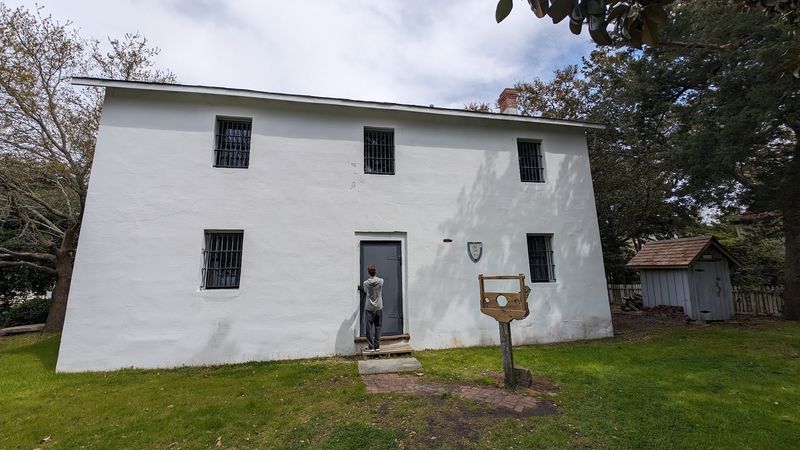
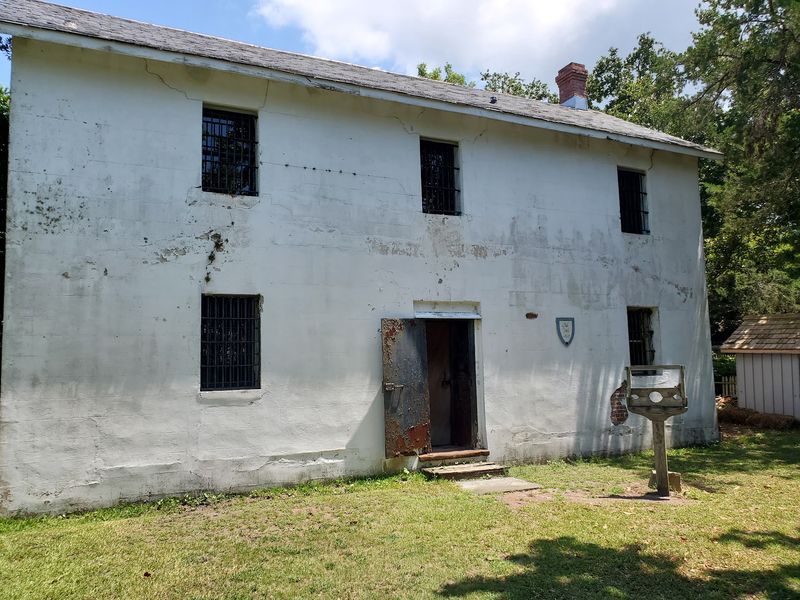
Few buildings on the grounds spark as much curiosity as the Carteret County Jail, built in 1829 with walls a full 28 inches thick. The bricks came from the same masons who built nearby Fort Macon, and the whole thing was designed to keep inmates from escaping.
The jail stayed in use all the way until 1954, which is longer than many people expect. What is especially unusual is that it housed the jailer, his family, and the inmates all under one roof.
The first floor served as the family’s living quarters and even included a kitchen. Upstairs held both the family’s bedroom and the prison cells, a living arrangement that says a lot about the era.
Guides use these details to bring the building to life, explaining daily routines and the surprising overlap between family and confinement. It is a stop that tends to stick with people long after they leave.
Hands-On Candle Making And Old Trades
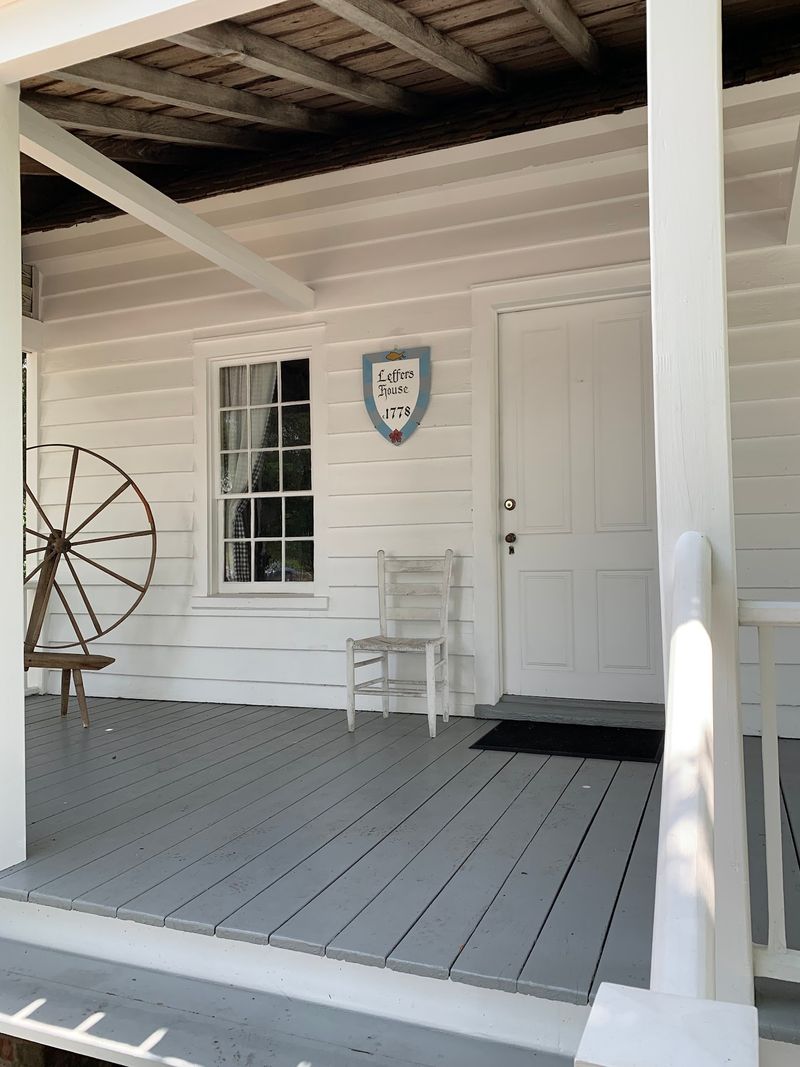
Not everything here happens behind glass. At the Leffers Cottage, built in 1778, visitors learn about cooking on an open hearth alongside sewing, spinning, weaving, and candle-making.
The cottage is charmingly described as a story and a jump house, an old term for a one-and-a-half-story home. Its scale makes the demonstrations feel intimate and approachable.
Candle making comes up often as a favorite activity, especially for younger guests. During certain visits, people learn who in a household made the candles, how many were produced in a day, and even get to make one to take home.
Other stations show off traditional trades like wooden shingle making, walking through the sawing, splitting, carving, and nailing that went into a single roof. Blacksmiths and craft demonstrations have appeared during special events too.
These interactive touches turn a history lesson into something families remember, giving kids and adults alike a real feel for old-world skills.
An Art Gallery In The Oldest House On Site
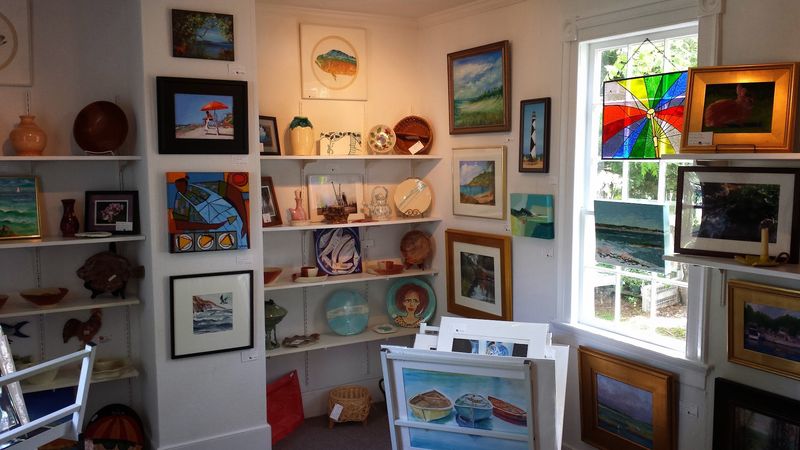
Tucked into the Rustell House, built in 1732, is the Mattie King Art Gallery, and it tends to catch people pleasantly off guard. As the oldest house on the property, the building itself showcases American and Colonial architectural styles.
Inside, the walls display the talent of area artists, adding a creative layer to an otherwise historical visit. The gallery often features work available for auction, so the collection shifts over time.
Perusing the artwork is a highlight for many, offering a quieter, more reflective stop amid the tours and demonstrations. It bridges the town’s past with its living, working artists.
The pairing of centuries-old architecture with contemporary local art gives the space a distinctive character. It is a reminder that Beaufort’s creativity did not end with its founding families.
The Double-Decker Bus That Brings Beaufort To Life

Rolling through town on a double-decker bus is one of the most popular ways to experience Beaufort, and the site runs the show. The narrated tour lasts about an hour and stops at many homes and local landmarks along the way.
Guides keep the energy high, weaving in stories of battles, how houses were built, and who once lived in them. Their knowledge and enthusiasm are frequently praised, holding attention from start to finish.
People often say the tour is worth it for anyone with even a small interest in history or architecture. It manages to be both informative and genuinely entertaining.
The bus also doubles as a fun option for wedding parties, popping up in photos and adding a playful touch to celebrations. A friendly reminder from those who have gone before: tipping your guide at the end is a nice gesture.
For a broad overview of the town in a short window of time, this ride is hard to beat.
A Spot Where Families, Dogs, And History Fans Feel Welcome
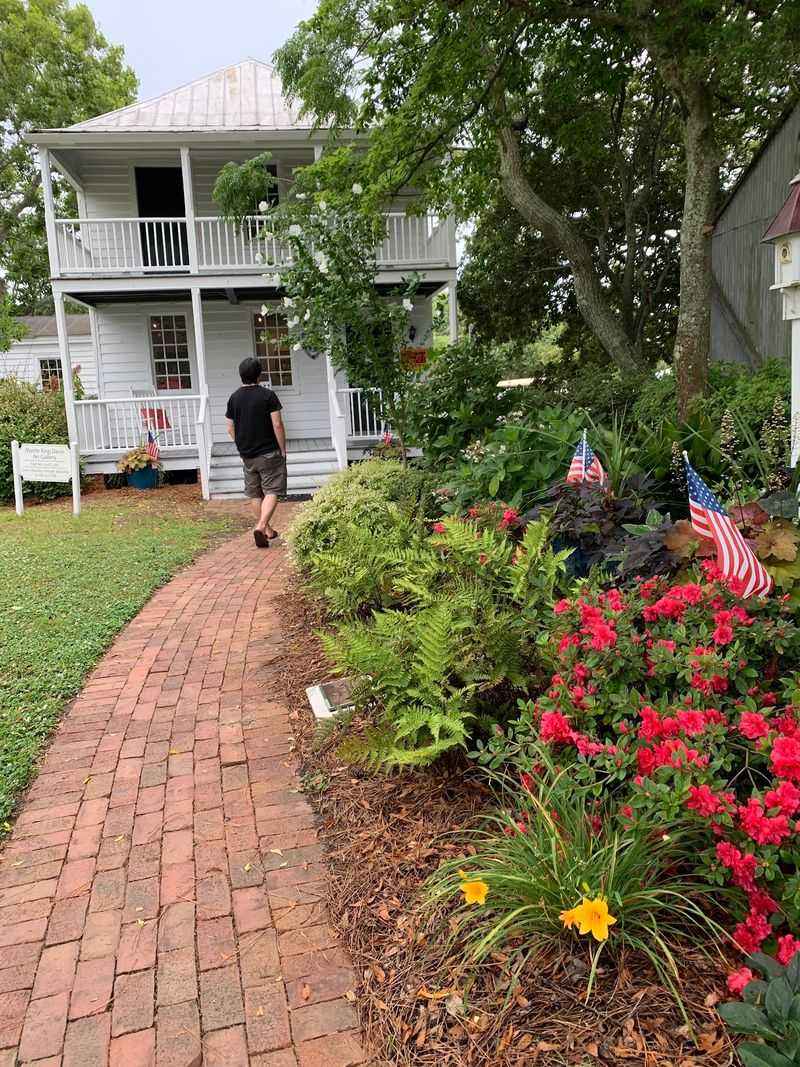
Wide appeal is part of the charm here. The grounds welcome kids, dogs, and history buffs alike, with trails, amazing views, and friendly staff rounding out the experience.
Families with children of all ages tend to have a good time. Groups that include teenagers, adults, and grandparents can all find something to enjoy across the property.
School field trips are a regular fixture, and the folks who run the site do a great job keeping young students engaged with old Beaufort. The learning stations especially seem to click with younger crowds.
The staff earn steady praise for being knowledgeable, welcoming, and happy to share the town’s story. That warmth extends to the visitors center, where the greeting sets the tone for the whole visit.
Beyond tours, the site works beautifully as a wedding venue. Couples have held ceremonies in the Manson House backyard and tented receptions on the main lawn, with the team helping coordinate every detail.
Planning Your Visit And What It Costs
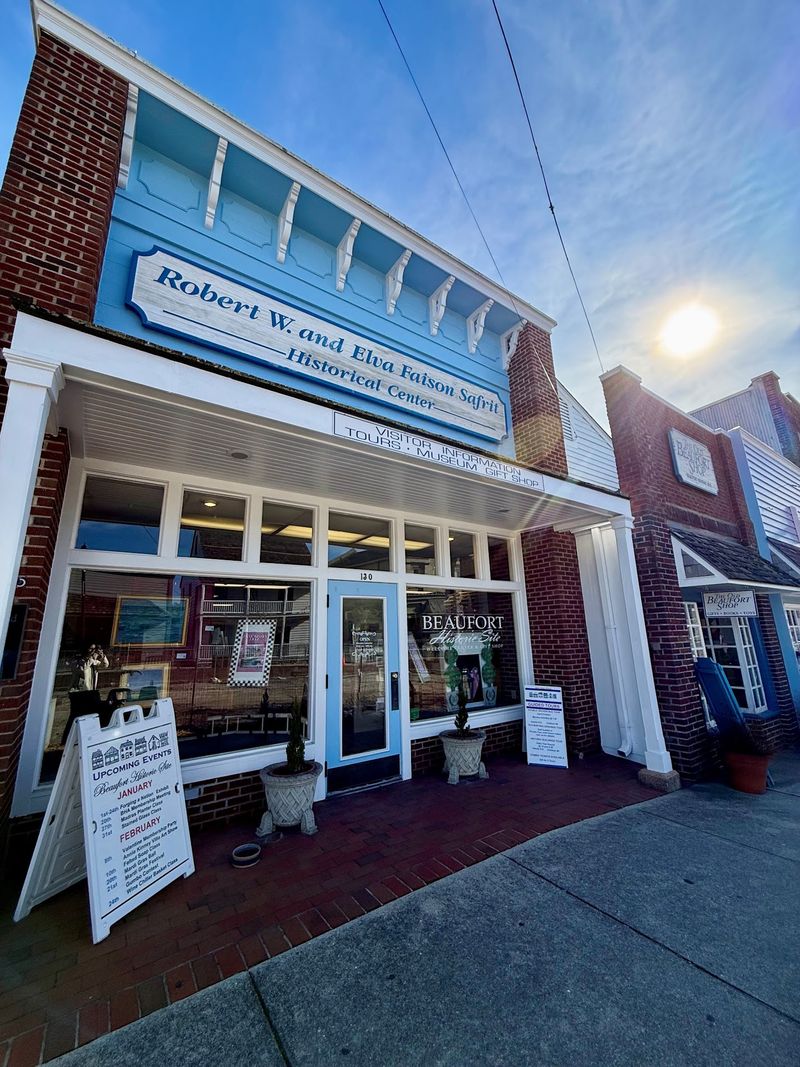
Getting the practical details straight makes the trip smoother. The site is open Monday through Saturday from 10 AM to 4 PM and closed on Sundays.
Guided tours are typically offered at 10 AM and 2:30 PM, and going inside all of the buildings is only possible with one of these tours. The cost has been noted at $15 per person, and people generally find the price reasonable for what they get.
Even without a tour, walking the grounds is free, and the property includes handy touches like restrooms. Starting at the visitors center is the smart move, since staff there help you plan your time and pick up brochures for other local attractions.
The site can be reached at 252-728-5225 or through beauforthistoricsite.org for the latest event schedule. Special happenings like the annual pirate invasion draw crowds and feature re-enactments and craft vendors on the grounds.
With a 4.8-star standing across around 180 opinions, the place has clearly won over the people who make the trip. History, coastal charm, and easy access to the water make it a stop worth building your day around.
Enjoyed this story?
Add Fast Food Club as a preferred source to see more of our reporting on Google.