


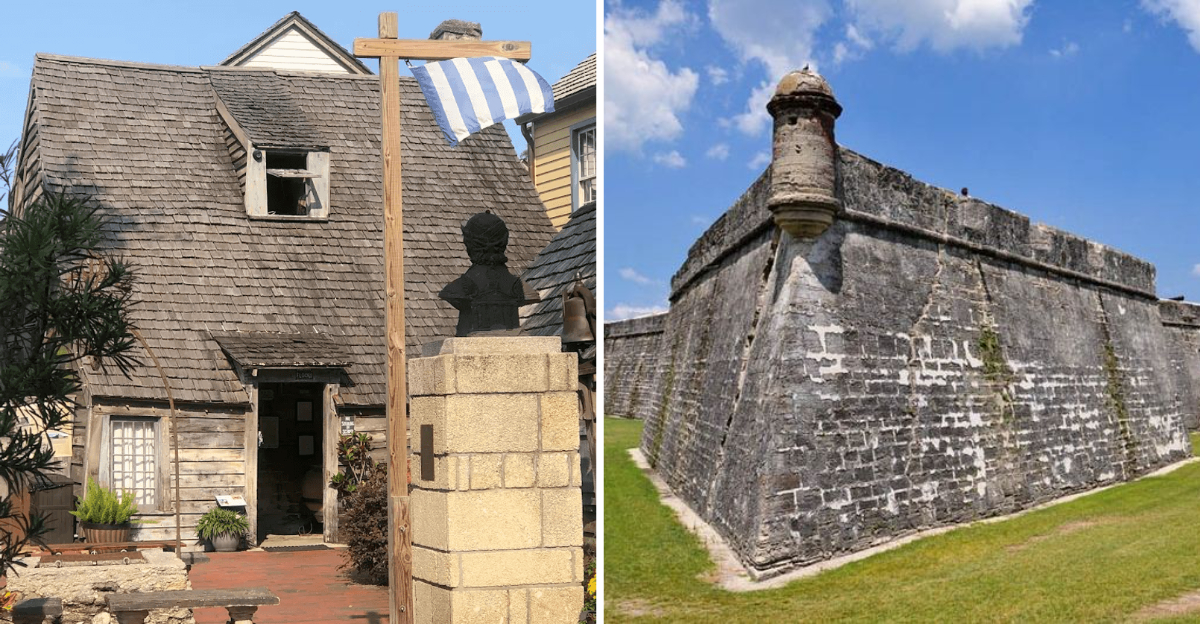
Tucked along the northeast coast of Florida, St. Augustine is unlike any other place in the United States. Founded in 1565, it holds the title of the oldest continuously occupied European settlement in the entire country.
Walking its cobblestone streets feels less like a vacation and more like flipping through a history book that somehow came to life. From Spanish colonial forts to sun-drenched beaches and charming local shops, St. Augustine is a destination that surprises and delights at every turn.
Castillo de San Marcos: A Fort That Has Stood for Centuries
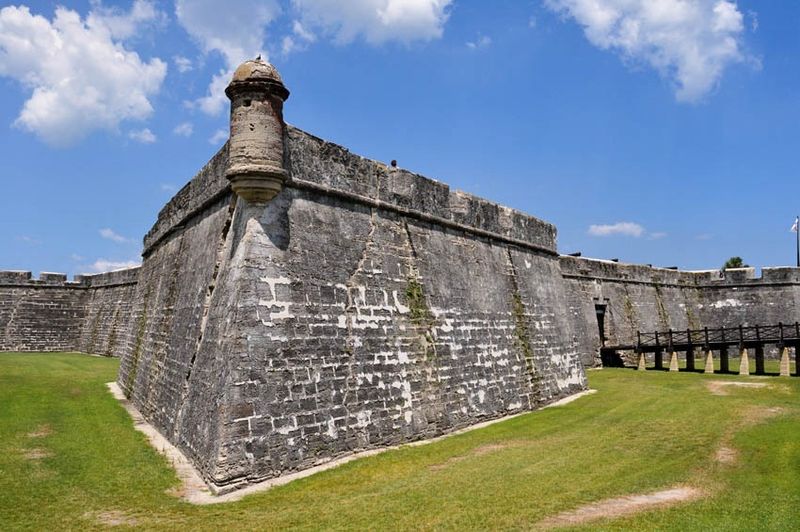
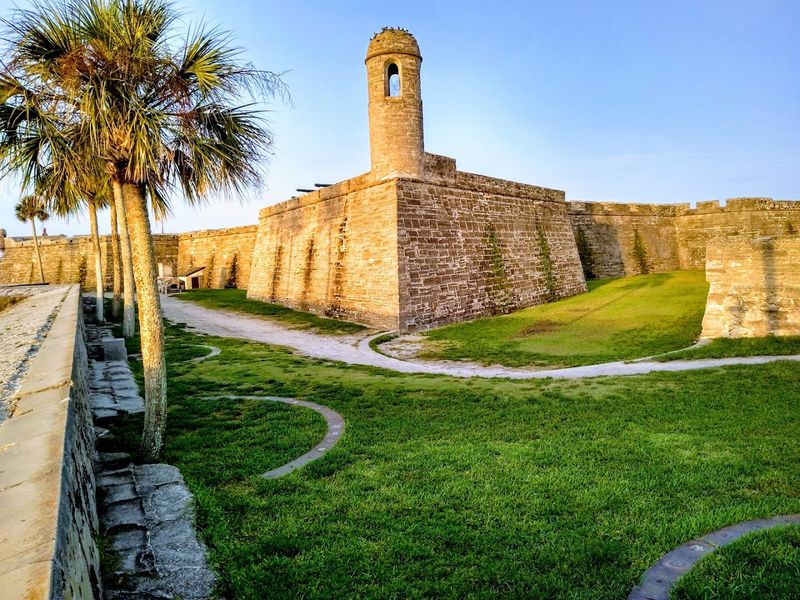
Built in the late 1600s, the Castillo de San Marcos is the oldest masonry fort in the continental United States, and standing at its walls feels genuinely awe-inspiring. The Spanish constructed it using coquina, a unique shell-stone material that actually absorbed cannonballs instead of shattering.
That quirky building choice helped it survive centuries of sieges and storms.
Today, the fort is a National Monument managed by the National Park Service. Rangers in period costumes bring the history to life with demonstrations and storytelling that kids and adults both enjoy.
You can walk along the cannon deck and stare out over the shimmering St. Augustine Inlet.
Admission is affordable, and the views alone are worth every penny. Plan to spend at least two hours here so you can explore every nook of this remarkable landmark without feeling rushed.
St. Augustine Beach: Sandy Shores Without the Overcrowded Chaos
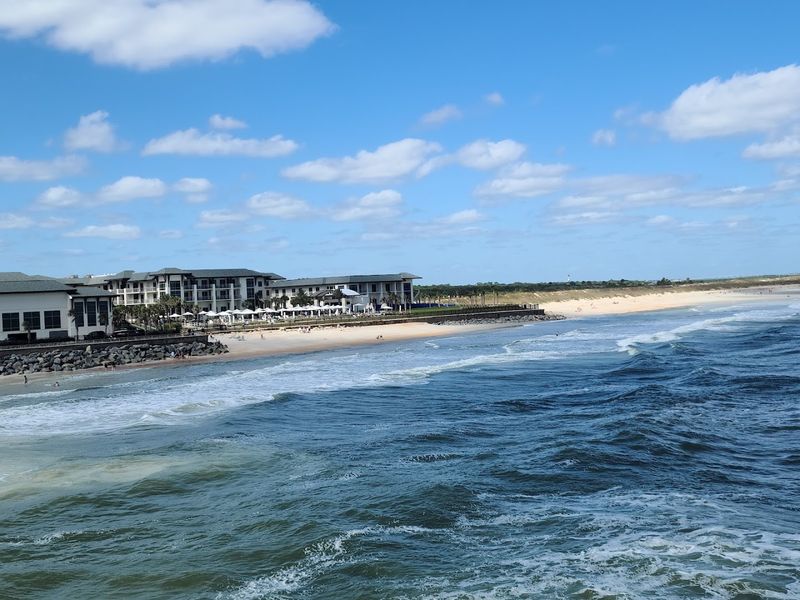
Some beaches are loud, packed, and stressful. St. Augustine Beach is refreshingly different.
Stretching along Anastasia Island, this Atlantic Ocean gem offers wide open sand, warm water, and a laid-back vibe that makes it easy to unwind completely.
The beach is great for swimming, surfing, and long morning walks with a cup of coffee in hand. Lifeguards are on duty during peak seasons, making it a comfortable spot for families with younger kids.
Parking is relatively easy to find compared to more touristy Florida beaches.
Nearby, the St. Johns County Pier is a favorite local hangout where fishermen cast lines and visitors snap gorgeous sunset photos. The pier stretches far enough into the ocean that you genuinely feel surrounded by water.
Bring sunscreen, a good book, and zero agenda because this beach rewards those who slow down and breathe.
The Oldest Wooden Schoolhouse: Education With a Side of Amazement
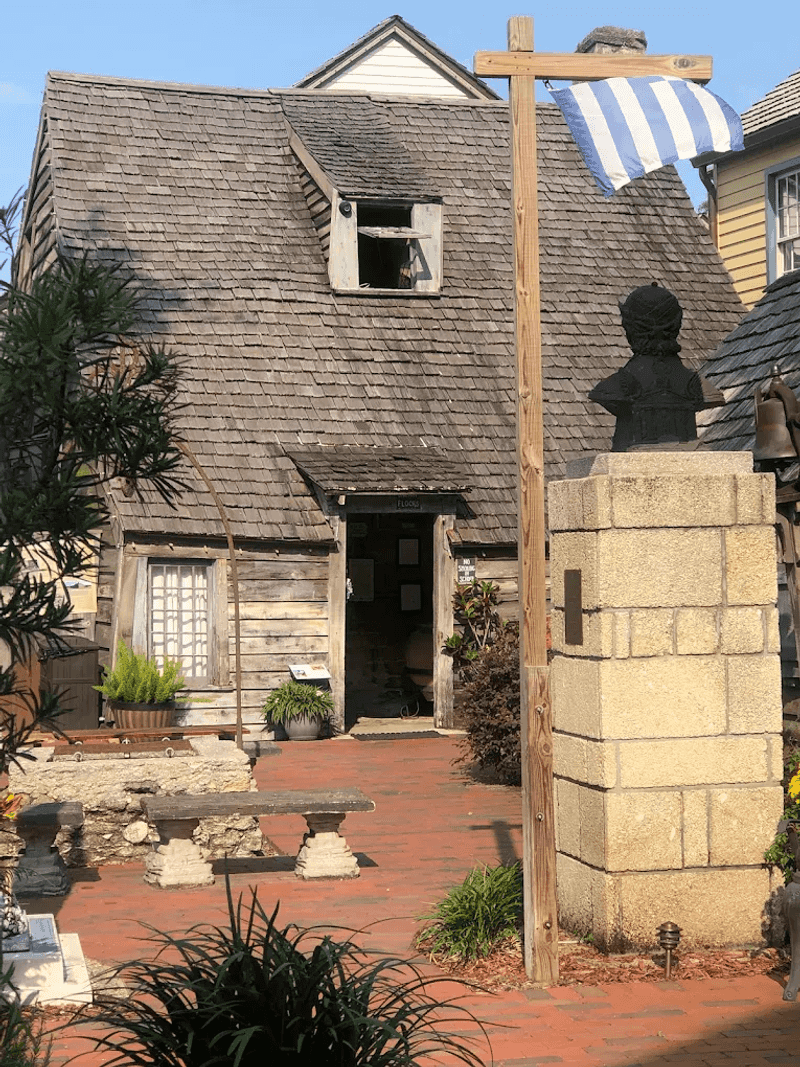
Believe it or not, one of St. Augustine’s most charming stops is a tiny wooden building that served as a schoolhouse over 200 years ago. The Old Wooden Schoolhouse near St. George Street is believed to date back to the early 1700s, making it one of the oldest surviving wooden structures in the eastern United States.
Inside, you’ll find life-size animated figures of a colonial teacher and students that give the whole experience a wonderfully quirky, almost theatrical quality. It sounds cheesy, but it genuinely works, especially for younger visitors who light up seeing history presented in such a tangible way.
The schoolhouse is a quick visit, typically under 30 minutes, but it punches well above its weight in terms of storytelling and charm. Grab a photo out front before heading further down St. George Street to explore more hidden gems nearby.
Flagler College: Where Architecture and Education Share the Same Address
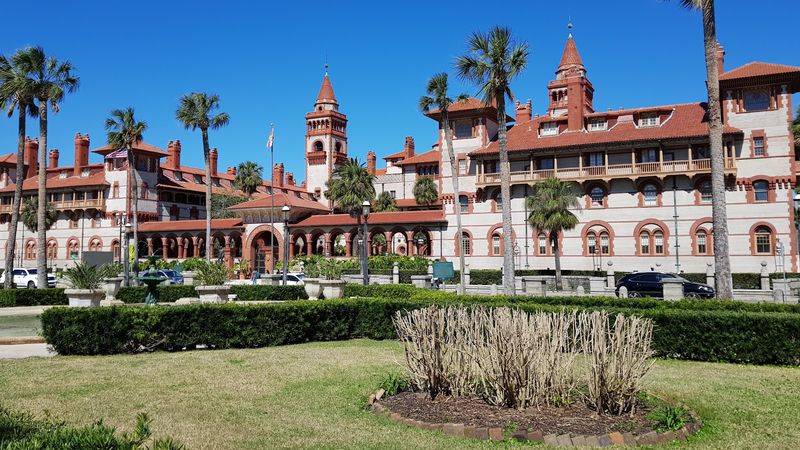
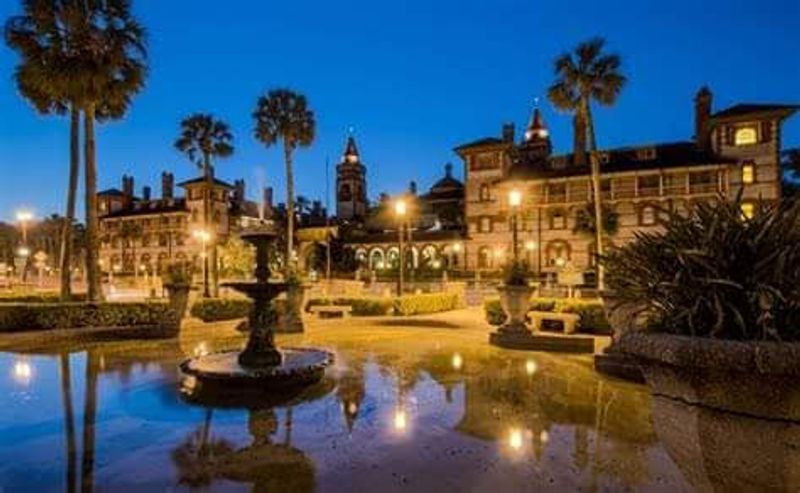
Originally built in 1888 as the Ponce de Leon Hotel by railroad tycoon Henry Flagler, this stunning building is now home to Flagler College. The Spanish Renaissance architecture is so breathtaking that people often stop mid-stride just to stare.
Tiffany stained glass windows, hand-painted ceilings, and intricately carved stonework make every hallway feel like a museum corridor.
Guided tours of the building are offered regularly and are highly recommended even if you have zero interest in college campuses. The rotunda alone, with its original Tiffany glass dome, is worth the visit.
Flagler spared no expense when he built this place, and that lavishness still radiates today.
The surrounding grounds are equally beautiful, perfect for a slow afternoon stroll. Flagler College sits right in the heart of the historic district, making it easy to combine with other nearby attractions without backtracking across town.
Anastasia State Park: Wild Florida at Its Most Accessible
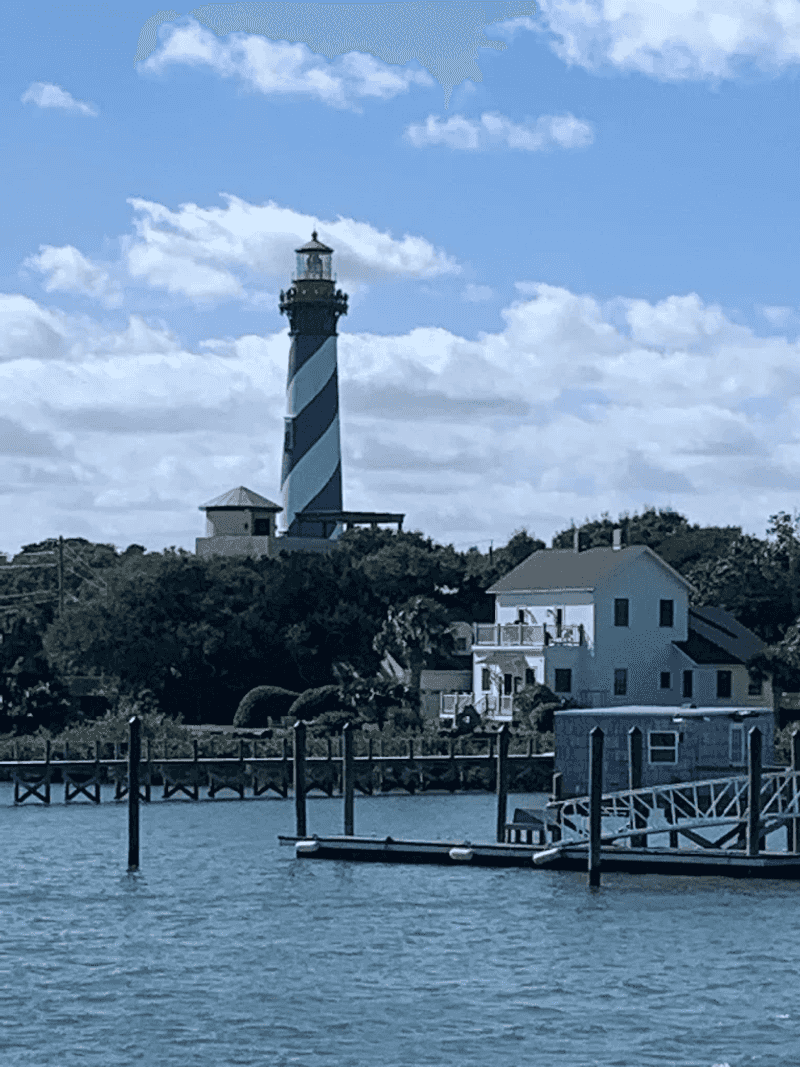
Just across the Bridge of Lions from downtown St. Augustine, Anastasia State Park is a protected natural treasure that feels worlds away from the busy streets of the historic district. The park covers over 1,600 acres of beaches, tidal marshes, ancient coquina quarries, and maritime hammock forest.
Wildlife sightings here are genuinely common. Wading birds, sea turtles, dolphins, and gopher tortoises all call this park home.
The park also has a boat launch and canoe rentals, making it easy to paddle through the calm salt marshes at your own pace.
Camping is available year-round and fills up fast during spring and fall. Even a single afternoon here resets something in your brain that too much screen time tends to dull.
Anastasia proves that Florida’s natural beauty is still very much alive and worth protecting. Bring bug spray for the marsh areas.
St. George Street: The Heartbeat of the Historic District
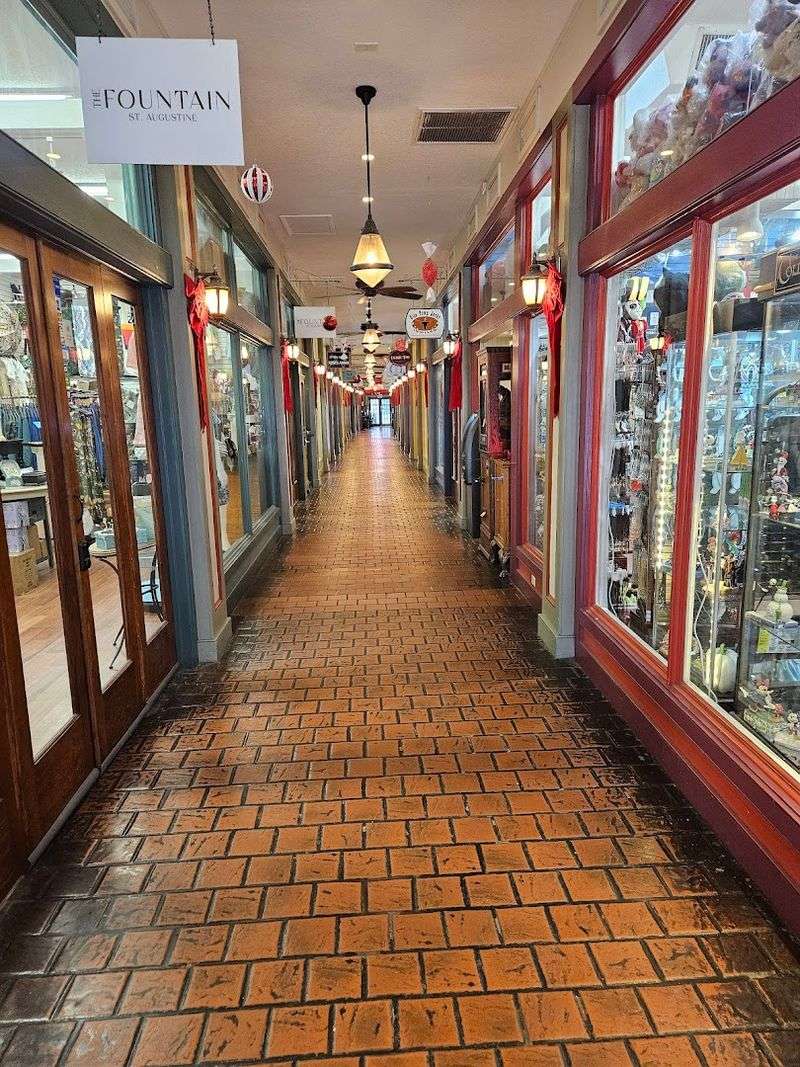
If St. Augustine had a main character, it would be St. George Street. This pedestrian-only stretch runs through the heart of the historic district and is lined with locally owned shops, cozy cafes, art galleries, and street performers who seem perfectly at home among the centuries-old architecture.
Shopping here feels genuinely special because so many of the stores carry handmade, locally sourced, or historically inspired goods you simply cannot find at a strip mall. Fudge shops, olive oil tastings, and handcrafted jewelry displays compete for your attention at every doorway.
Even if you are not shopping, walking St. George Street is an experience in itself. The narrow lanes, the Spanish colonial facades, and the occasional horse-drawn carriage rolling past create an atmosphere that feels cinematic.
Come in the morning before the crowds arrive and the street takes on a quiet, almost magical quality that photographs beautifully.
The Lightner Museum: A Gilded Age Time Capsule
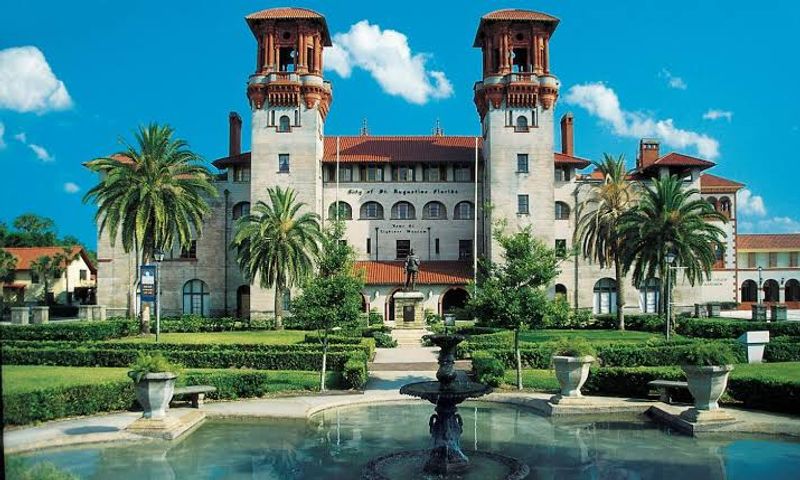
Housed inside the former Alcazar Hotel built by Henry Flagler in 1889, the Lightner Museum is one of those places that rewards curiosity. Chicago publisher Otto Lightner filled it with his massive collection of Victorian-era art, antiques, and oddities, and the result is a wonderfully eccentric time capsule that feels like exploring a wealthy eccentric’s personal universe.
The building itself is spectacular, featuring an indoor swimming pool that has been converted into a cafe. Sipping coffee in what used to be a Gilded Age pool is exactly the kind of surreal, only-in-St.-Augustine experience that makes this city so memorable.
Collections include Tiffany glass, mechanical musical instruments, and enough taxidermied curiosities to fuel your imagination for days. Admission is reasonably priced, and the museum is large enough to fill a solid two to three hours without any sense of rushing through its many galleries.
Crescent Beach: The Quiet Alternative That Locals Actually Love
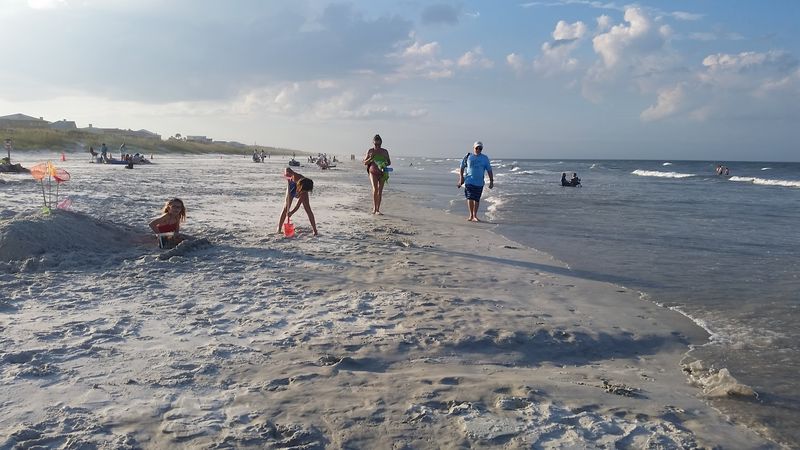
While St. Augustine Beach gets most of the attention, Crescent Beach sits quietly a few miles south and offers something increasingly rare in Florida: actual peace and quiet. Locals have long considered it their secret, though visitors who discover it rarely keep that secret for long.
The beach here is wide and clean, with gentle waves that make it especially appealing for families with small children or anyone who finds crowded beaches more exhausting than relaxing. There are no massive resort hotels blocking the horizon, just open sky and ocean in every direction.
Sunrise at Crescent Beach is genuinely stunning, with soft pinks and oranges reflecting off calm water in a way that feels almost unreal. Pack a cooler, bring a good playlist, and plan to stay longer than you originally intended.
Crescent Beach has a way of convincing people to extend their vacation by at least one extra day.
Fountain of Youth Archaeological Park: Myth Meets Real History
Explorer Juan Ponce de Leon reportedly landed near this very spot in 1513, searching for the legendary Fountain of Youth. Whether the story is entirely accurate or not, the Fountain of Youth Archaeological Park has built something genuinely fascinating around the legend.
Real archaeological discoveries made here have revealed Native American burial grounds and evidence of early Spanish colonial life.
Visitors can drink from the actual spring on the grounds, which has a distinctly sulfuric taste that is far less magical than the legend suggests but earns you serious bragging rights. The park also features a planetarium and live peacocks wandering freely among the exhibits, which adds an unexpectedly delightful layer to the whole experience.
History enthusiasts will appreciate the depth of interpretive programming offered throughout the day. The park does a thoughtful job of separating myth from documented history while still letting the legend breathe just enough to keep things fun.
The Bridge of Lions: An Iconic Gateway With a Dramatic Flair
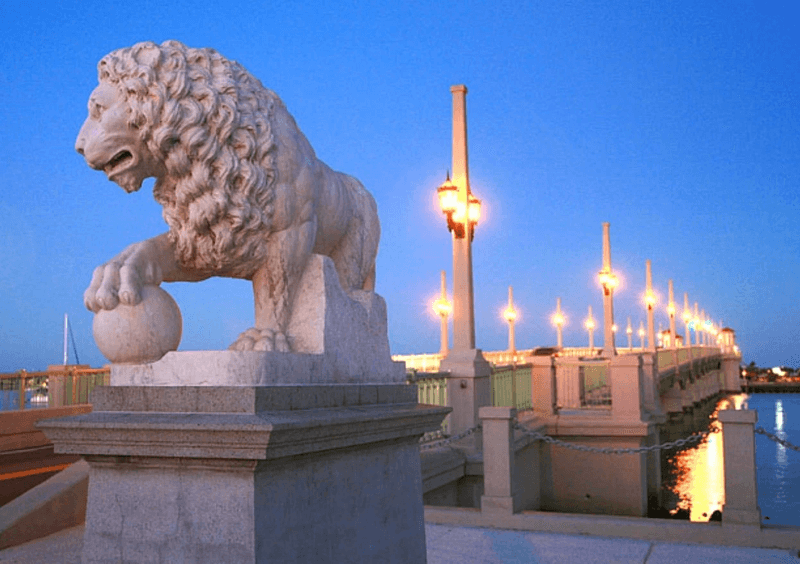
Every great city has a landmark that defines its skyline, and for St. Augustine, that landmark is the Bridge of Lions. Completed in 1927, this Mediterranean Revival-style drawbridge spans the Matanzas River and connects downtown St. Augustine to Anastasia Island.
Two marble lion statues guard the base of the bridge with a regal calm that suits the city perfectly.
The bridge has been lovingly restored and remains an active drawbridge today, opening regularly to let tall sailboats and fishing vessels pass through. Watching the bridge rise while traffic waits on both sides is a surprisingly charming slice of everyday life in this old city.
Walking or cycling across the bridge offers some of the best panoramic views of the downtown waterfront, especially at sunset when the light turns the old buildings golden. The Bridge of Lions appears in more St. Augustine photos than almost any other single landmark in the city.
Ghosts and Gravestones: When Nighttime Tours Become Unforgettable
St. Augustine has been called the most haunted city in America, and whether you believe in ghosts or not, the nighttime tours here are absolutely worth your evening. The city’s 450-plus years of history have produced no shortage of eerie stories tied to real locations, real people, and real events that make the tales feel grounded rather than gimmicky.
Several tour companies operate walking ghost tours through the historic district after dark. Guides are typically well-researched and genuinely entertaining, blending documented history with local legend in ways that keep your pulse slightly elevated the entire time.
The Tolomato Cemetery stop alone tends to generate the most gasps from tour groups.
Even skeptics tend to leave these tours with a newfound appreciation for St. Augustine’s layered, complicated, and occasionally unsettling past. Book tickets in advance because popular tour slots sell out quickly, especially on weekends and during the busy fall season.
St. Augustine Alligator Farm Zoological Park: Wild Encounters Without the Wilderness
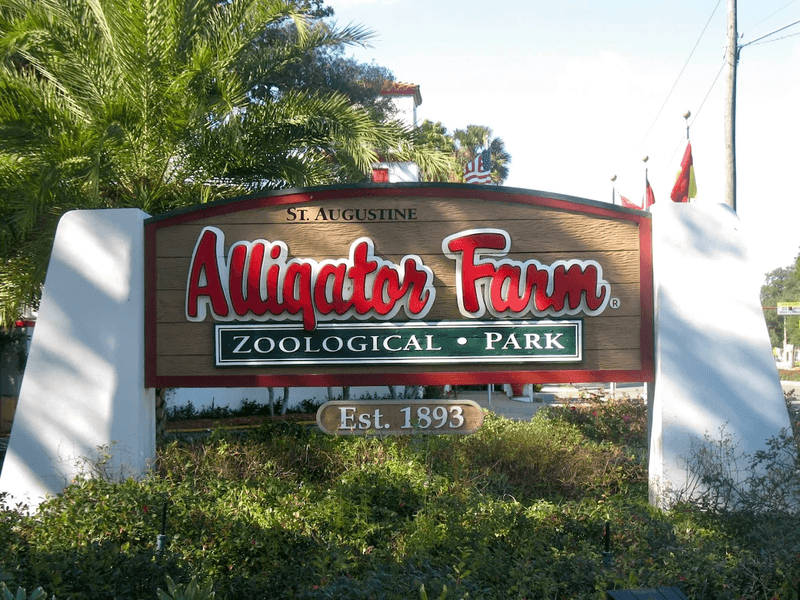
Operating since 1893, the St. Augustine Alligator Farm Zoological Park is one of the oldest continuously operating attractions in Florida, and it still delivers the kind of jaw-dropping encounters that make visitors feel genuinely close to wild nature. The park is home to all 24 living crocodilian species in the world, a claim no other facility on earth can match.
Beyond the alligators, the park houses exotic birds, giant tortoises, and a remarkable population of free-flying wading birds that nest in the trees directly above the alligator lagoon every spring. The nesting season creates a surreal natural spectacle where herons and egrets raise their chicks just feet above massive reptiles below.
Zip-lining over the alligator lagoon is available for the truly adventurous and is every bit as thrilling as it sounds. The park is family-friendly, well-maintained, and genuinely educational without ever feeling like a lecture.
Budget at least two hours for a comfortable visit.
Local Food Scene: Where Flavors Tell the City’s Story
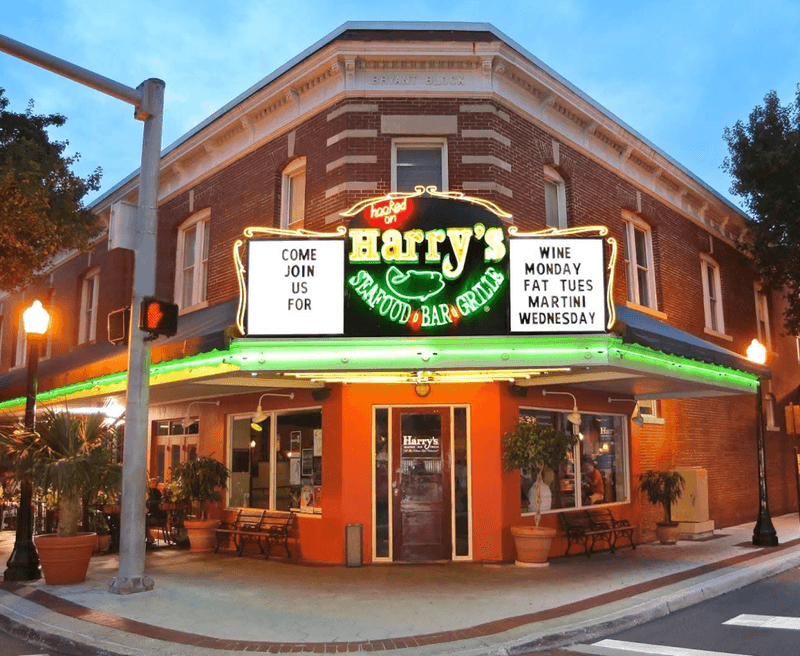
Food in St. Augustine is not just fuel; it is part of the story. The city’s culinary scene reflects its layered history, blending Spanish, Minorcan, Southern, and coastal Florida influences into a food culture that feels both distinctive and deeply satisfying.
Minorcan chowder, made with local clams and fiery datil peppers, is a regional specialty you simply cannot find anywhere else in the world.
The datil pepper itself is unique to the St. Augustine area, brought by Minorcan settlers in the 1700s and still grown locally today. Many restaurants incorporate it into sauces, salsas, and marinades with results that range from pleasantly warm to genuinely spicy.
Seafood is fresh, affordable, and available at every turn.
From casual waterfront fish shacks to elegant dining rooms inside century-old buildings, the variety here suits every budget and appetite. Eating your way through St. Augustine is one of the most rewarding ways to truly understand what makes this city so beautifully one of a kind.
Enjoyed this story?
Add Fast Food Club as a preferred source to see more of our reporting on Google.