


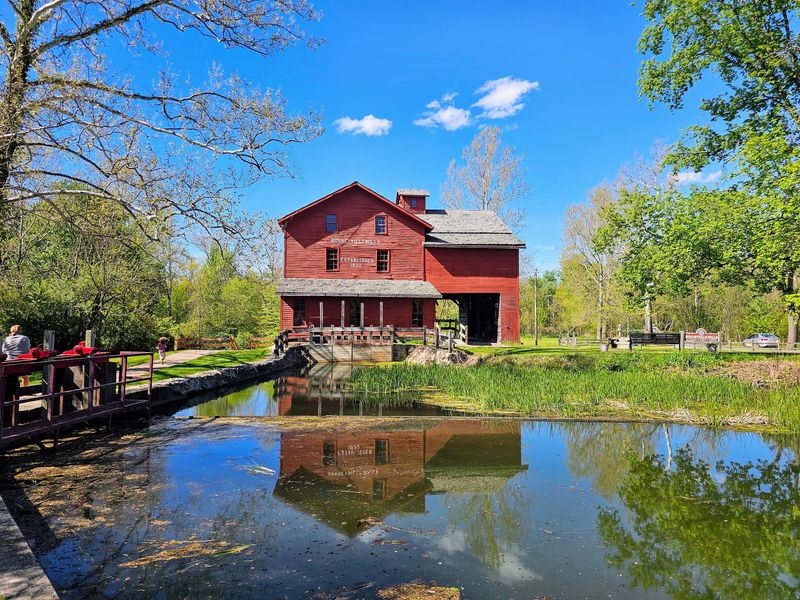
Tucked into the countryside of northern Indiana sits a working piece of the 1800s that still hums to life on warm afternoons. Grains go in, and out comes flour ground between real stones, exactly the way it happened generations ago.
Nearby, miles of trails wind along a river, gardens burst with color, and picnic tables wait beside a wide pond. A friendly miller might even flip the switch and show you how the whole thing turns.
Curious where this slice of living history hides, and why families keep coming back season after season? Keep reading, because this old mill has more going on than a single visit can hold.
A Working Piece of History in Bristol
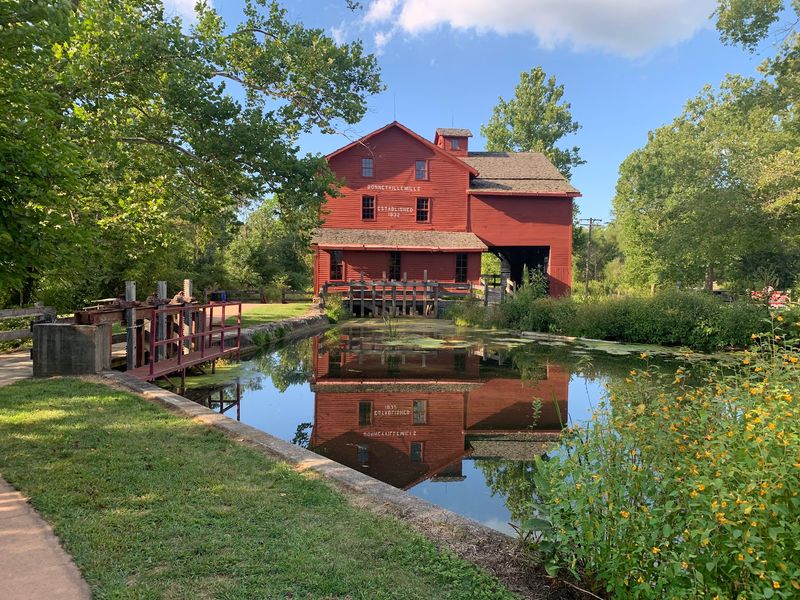
Right along Co Rd 131 in Bristol, Indiana, sits Bonneyville Mill County Park, home to what is billed as one of the oldest continuously operating grist mills in the state. The full address is 53373 Co Rd 131, Bristol, IN 46507, part of the Elkhart County Parks system.
What sets it apart is that the mill still grinds. On active days, staff run the equipment and turn grain into flour using stones dating back to the 1800s.
The park pairs that history with acres of natural space. Trails, a pond, picnic areas, and gardens all surround the old building.
With a 4.7 star rating across more than a thousand reviews, it has earned a loyal following. Families, hikers, and history fans all find something here.
It manages to be two things at once: a museum you can walk through and a park you can spend a whole day in. That mix is what makes it memorable.
Flour Ground Between 1800s Stones
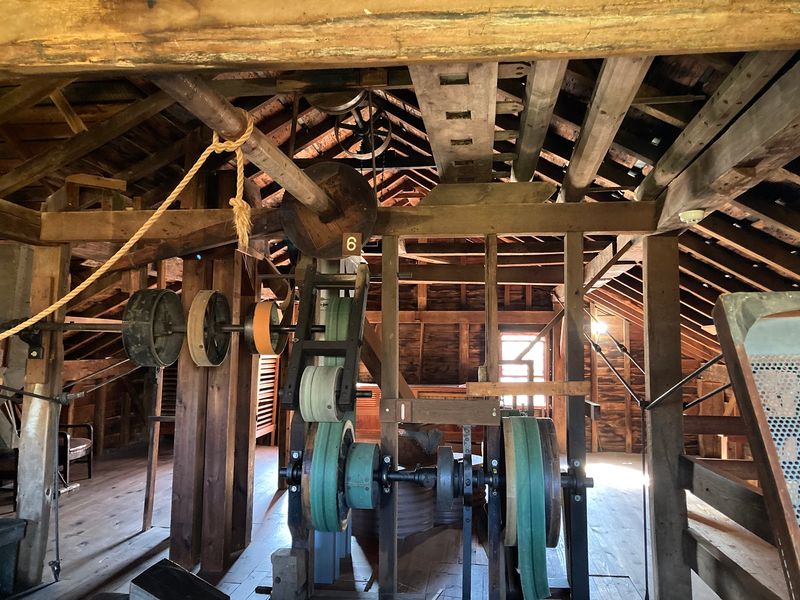
Buying a sack of flour freshly milled on stones from the 1800s is not something you can do just anywhere. Here, it is the whole point.
The mill grinds wheat, corn, buckwheat, and other grains. When the millers are on hand, they may fire up the equipment so you can watch the process unfold in real time.
Freshly milled flour and corn products are available for purchase right on site. Some folks pick up grits or other ground goods to try at home later.
Nothing about the process is modern. The methods stay rooted in the past, which is exactly what draws people in.
Regulars describe it as both educational and genuinely fascinating. Watching grain become flour the old fashioned way turns a simple stop into a lesson you remember.
The Turbine Wheel That Powers It All
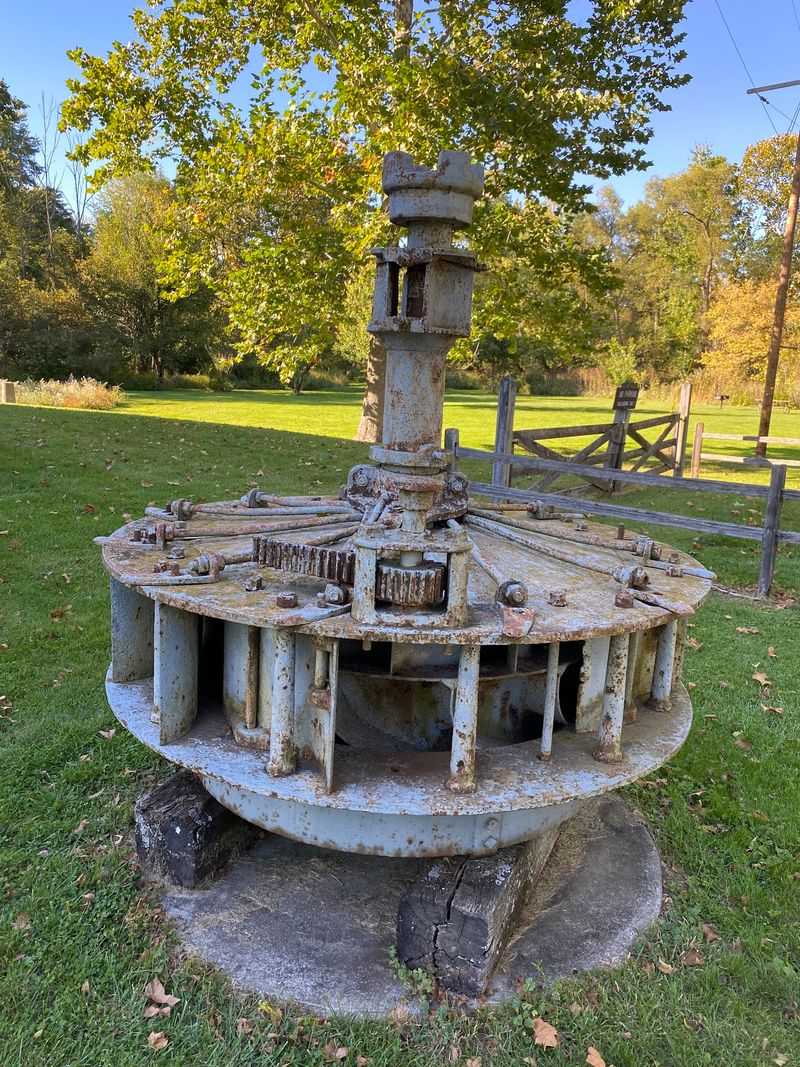
Most people expect a big vertical water wheel spinning against the side of an old mill. This one surprises them.
Instead of a vertical wheel, the mill uses a turbine wheel set right in the water. The design came down to the local terrain and water levels, which did not allow for the classic upright style.
The turbine sits in the stream and is driven by the natural movement of the flowing water. There are no channels feeding water to a wheel above ground.
Staff are happy to explain how it works if you ask. That kind of detail turns a quick glance into a real understanding of the engineering behind the mill.
It is a clever solution from a time before electricity did the heavy lifting. Learning the reasoning behind it is half the fun of the visit.
Millers Who Love to Share the Story
The people running the mill make the difference between a good stop and a great one. They clearly enjoy the work and the history behind it.
Staff greet guests, answer questions, and often turn the mill on just so visitors can see it in motion. That willingness to demonstrate gets mentioned again and again.
One employee, Cortney, has a reputation for going out of his way. He has opened the mill for guests and given full tours even outside the official season, including for a family visiting from Texas with a young son.
School groups also get personal demonstrations of how everything operates. The staff manage to be welcoming and engaging even while busy with maintenance.
That personal touch keeps the history feeling alive rather than frozen behind glass. It is the kind of hospitality that brings families back.
Miles of Trails Along the River
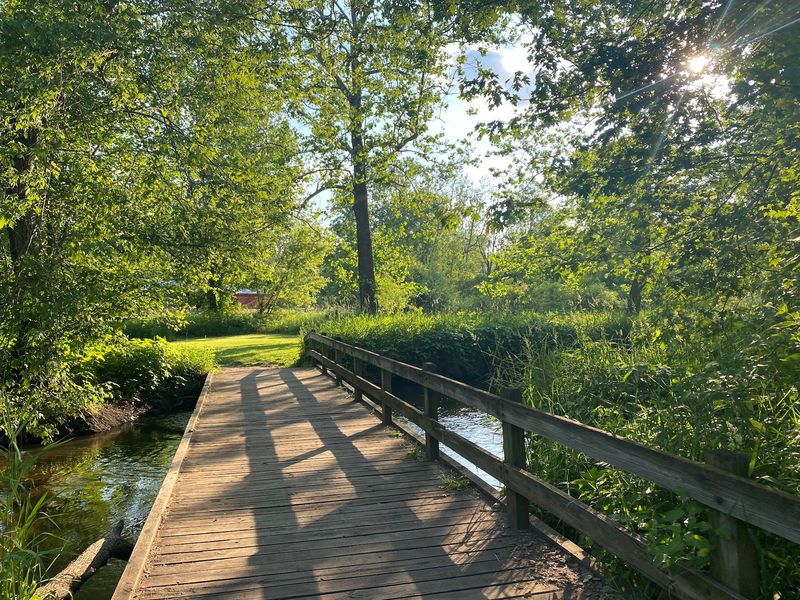
Trails are the single most talked about feature of the park, and for good reason. There are miles of them, some short and easy, others longer and more involved.
Many wind along the Little Elkhart River, offering scenery at nearly every turn. The paths pass through varied terrain that keeps each walk feeling different.
Because the routes run near water, the ground can turn muddy after rain. Sturdy shoes or hiking boots are a smart choice, especially in wetter months.
Walkers, birders, and nature buffs all find room to roam. The trails are well maintained and welcoming for a range of fitness levels.
One caution: the walking trails are not always well marked, so grabbing a map is wise. A large trail map is posted on the side of the mill pavilion to help you get oriented.
Mountain Bike Routes for Two Wheels
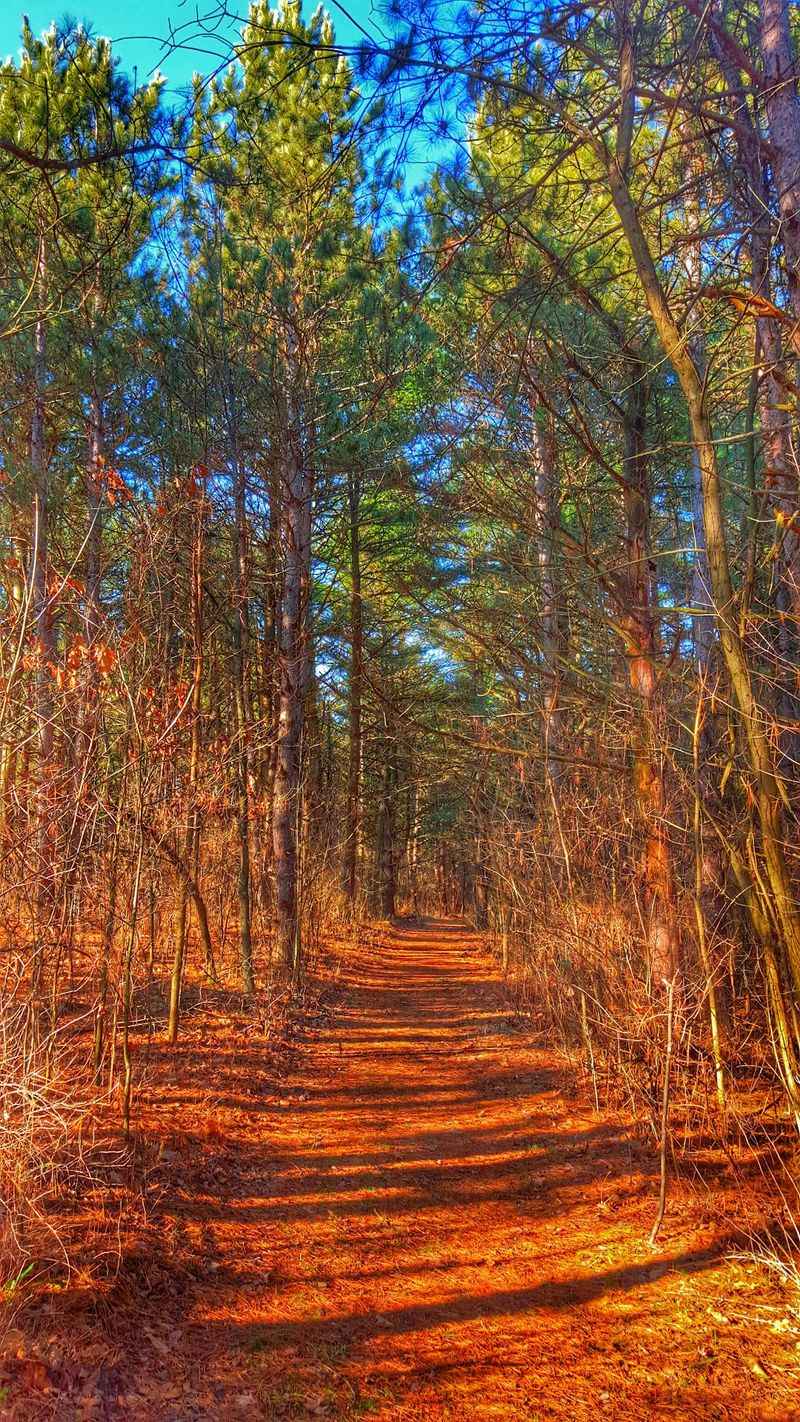
Hikers are not the only ones who get to explore here. The park also includes mountain bike trails that riders praise.
Unlike some of the walking paths, the bike trails are clearly marked. That makes them easier to follow and a relief for anyone worried about getting turned around.
The routes weave through the same varied and scenic terrain that makes the park special. Riders can enjoy the woods and river views from the saddle.
Some guests come specifically for the biking and only later discover the mill and gardens. It is one more reason the park works for a full day out.
If cycling is your thing, these trails are a big draw. Just note that a few sections have needed repair after past flooding, so conditions can vary.
A Waterfall and Scenic Water Views
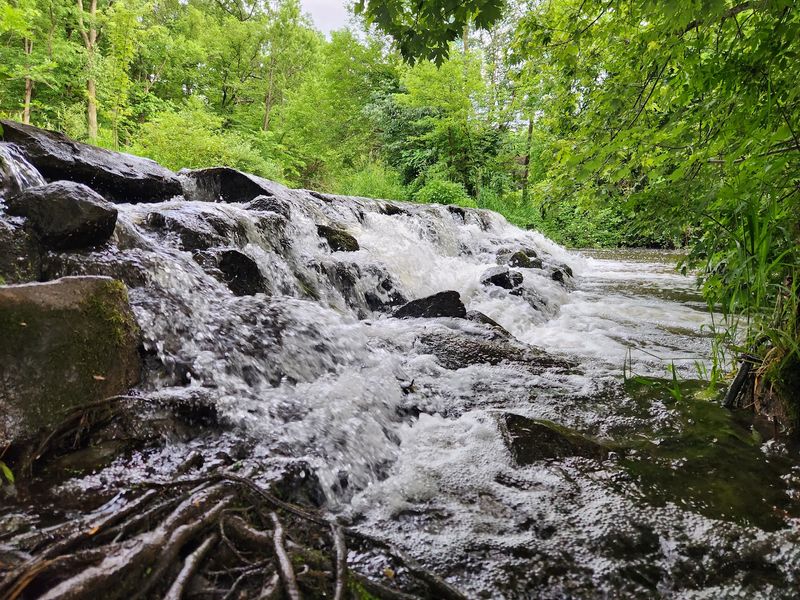
Water shapes the whole feel of this park. Between the river, the creek, a wide pond, and even a waterfall, there is something worth pausing for around nearly every bend.
The waterfall gets frequent mentions as a highlight. It adds a bit of drama to the natural setting without any effort on your part.
The creek and river give the trails their character, weaving alongside many of the routes. Benches placed here and there let you sit and take in the views.
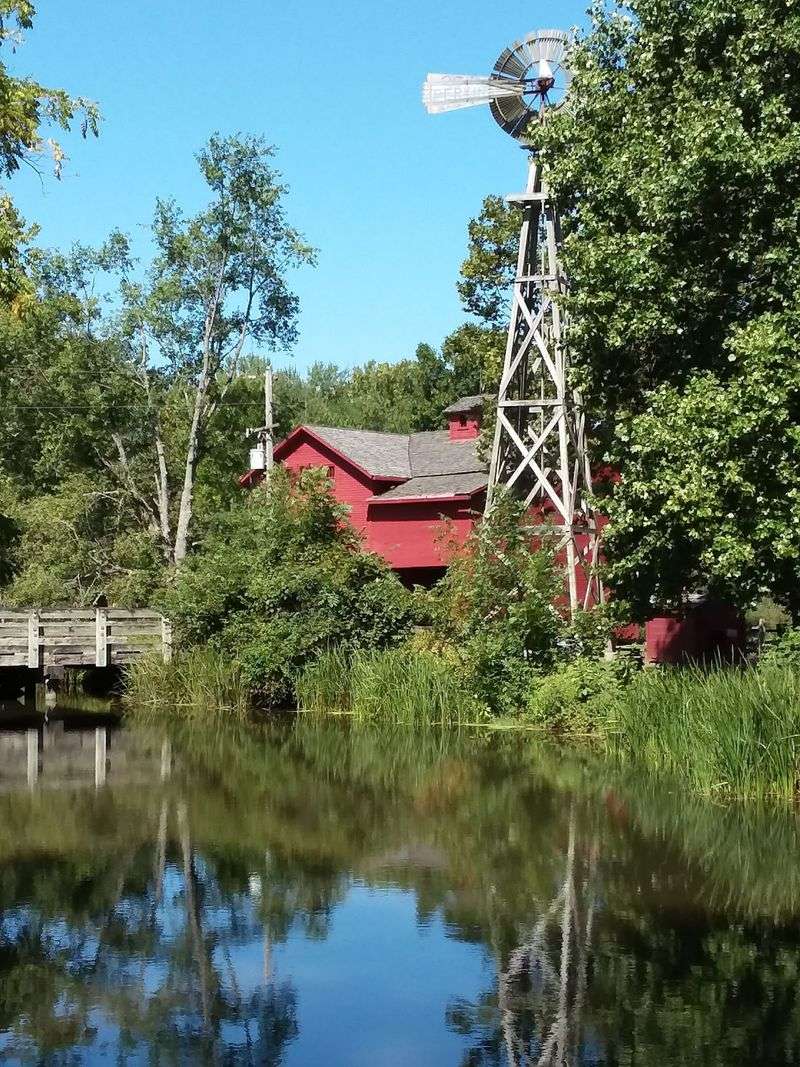
The large pond anchors the picnic area, offering a wide open outlook. Families gather along its edges for a relaxed afternoon.
All that water makes the park a favorite spot for photos. The combination of moving streams and quiet ponds keeps the scenery interesting.
Dahlias and a Tended Herb Garden
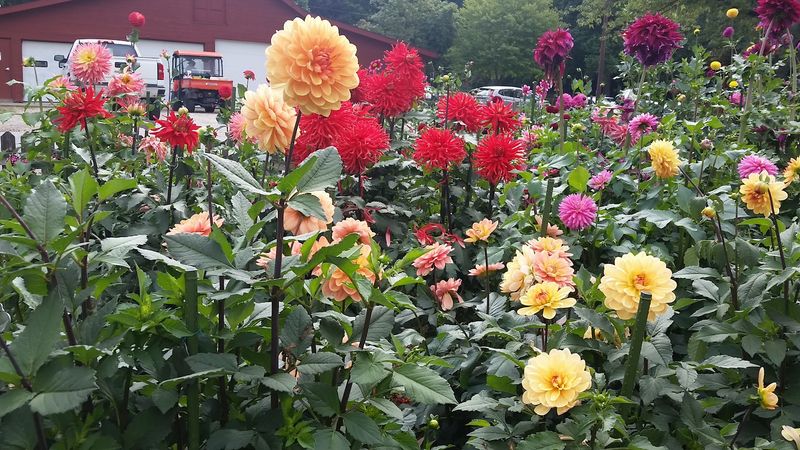
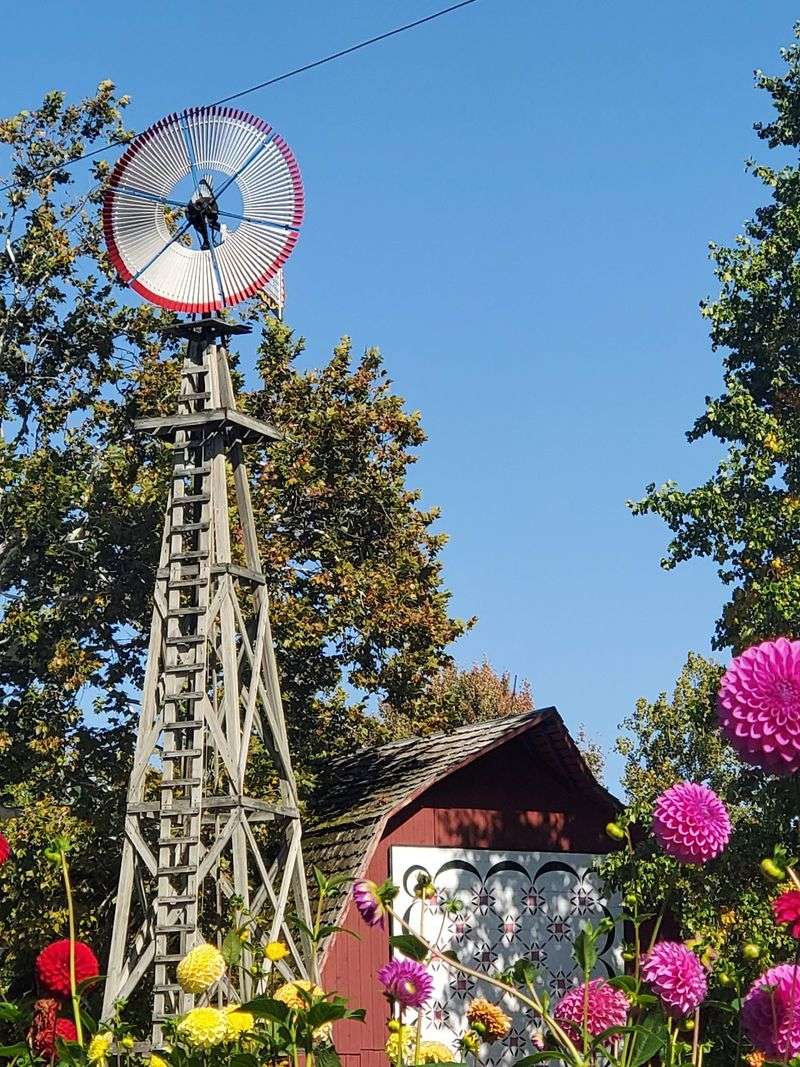
Flowers add a splash of color to the historic setting. A dahlia enthusiast group maintains a large plot packed with a wide variety of blooms.
The dahlias come up often as a reason to visit during the growing season. Their range of colors and types makes the plot a standout.
Alongside the flowers sits a tended herb garden. It rounds out the cultivated corner of the park nicely.
The park has even been a stop on the regional Quilt Gardens tour, tying it to the area’s love of gardens and design. That connection speaks to how carefully the plantings are kept.
For anyone who appreciates a well kept garden, this section is a quiet delight. It is proof that the park offers more than trails and machinery.
Picnic Tables and Rentable Pavilions
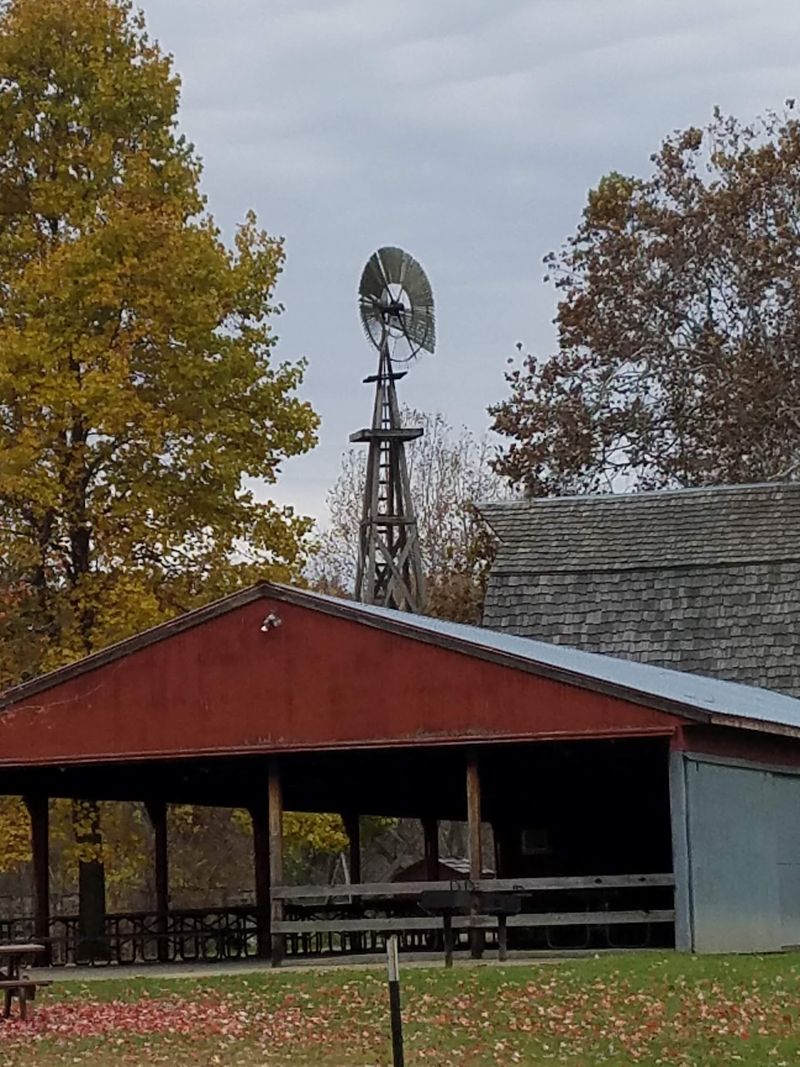
Picnicking is practically a tradition here, coming up in dozens of conversations about the park. A large picnic area overlooks the pond with tables and small grills.
There are at least two large pavilions on the grounds. You can rent them for gatherings or simply enjoy them when they are open and available.
Picnic tables are scattered throughout the property, not just in one spot. That means you can find a place to settle down almost anywhere you wander.
Shade and places to sit make it easy to linger. Families spread out for the afternoon without feeling crowded.
The pond view gives the main picnic area a pleasant backdrop. It is a natural gathering point for a leisurely day outdoors.
The Restored Schoolhouse Across the Road
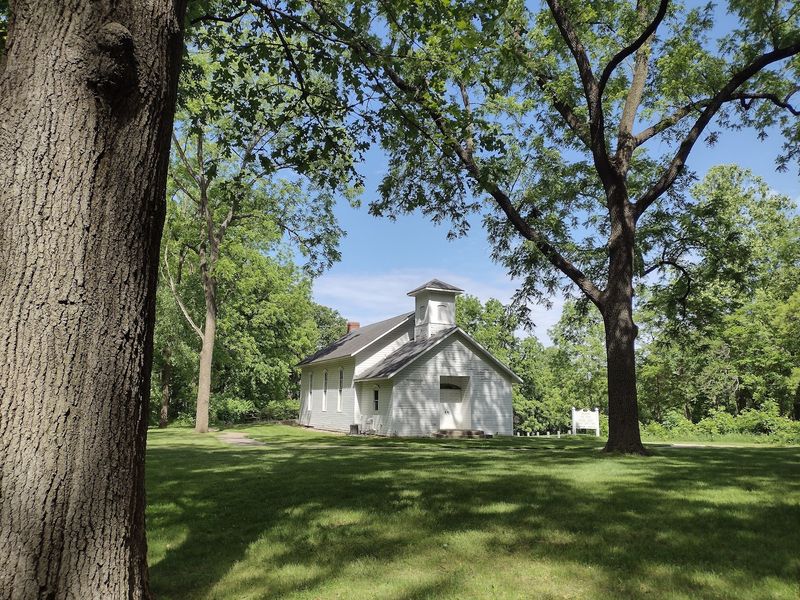
The history here does not stop at the mill. Just across the road stands an old restored school house that adds another layer to the story.
More hiking trails branch out from that side as well. So a trip across the road gives you both history and a fresh set of paths to explore.
Other historic buildings dot the park too, quietly telling their own tales. Together they make the grounds feel like a small window into the past.
The schoolhouse is an easy add on to a mill visit. It rewards curious guests who take the time to look beyond the main attraction.
Pairing the mill with the old school gives the whole park a stronger sense of place. It is history you can walk through rather than just read about.
A Pet Friendly Day in Nature
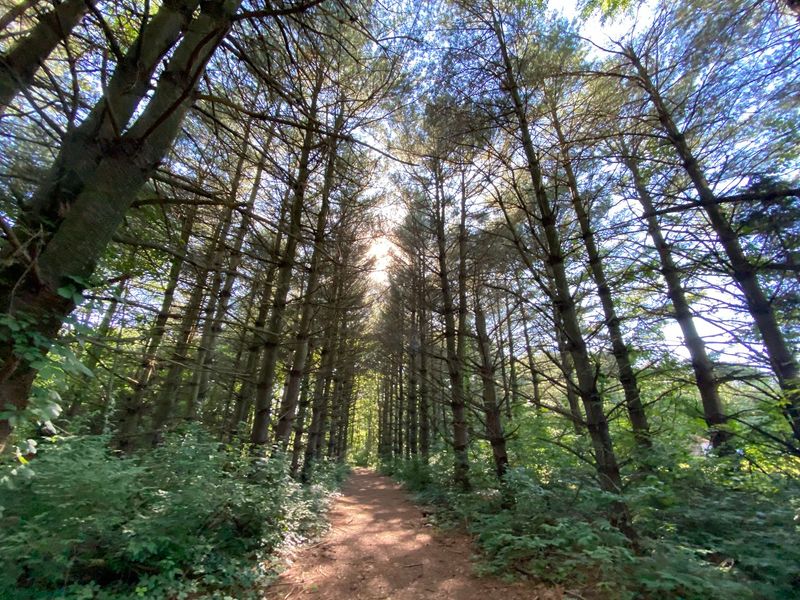
Four legged family members are welcome to join the adventure. The park is pet friendly across the grounds, with one sensible exception.
Dogs are not allowed inside the mill itself. Everywhere else, though, they can walk the trails and enjoy the picnic areas alongside you.
The shaded paths and river views make for a pleasant outing with a pup. Plenty of guests bring their dogs along for the walk.
Clean restrooms and abundant picnic tables make a longer stay comfortable for the whole group. That includes stops to rest with your pet.
For anyone who hates leaving a companion at home, the park solves that problem neatly. It is set up to welcome the whole household.
Fishing, Birding, and Family Photos
Beyond walking and biking, the park opens the door to a handful of other pastimes. Trout fishing is one of them, with folks turning out for opening day.
Birders find plenty to keep them occupied among the varied terrain and waterways. The natural setting attracts a nice range of wildlife to spot.
The mill, the water, and the historic structures make the park a popular backdrop for photography. Families have set up family portraits near the water and buildings.
It is the kind of place where different interests overlap. One person casts a line while another hunts for the perfect photo spot.
That variety is a big part of the appeal. Whatever brings you out, there is usually a second or third thing to fill the day.
Hours, Season, and Getting There
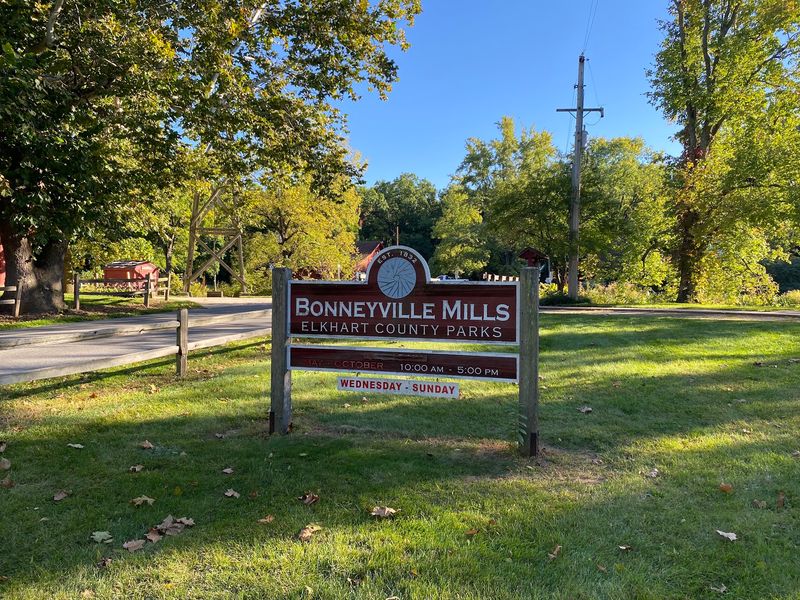
Planning ahead helps you catch the mill in action. The park itself opens at 9 AM and stays open until 8 PM every day of the week.
The mill is free to tour and open daily except Mondays. Touring the building costs nothing, which makes it an easy family activity.
The grinding demonstrations run during the warm months. The mill is typically active through the summer, reportedly running until around October, and its official season starts in April.
You will find the park at 53373 Co Rd 131 in Bristol, Indiana, within the Elkhart County Parks system. There is plenty of parking, including space for cars and horses.
Restrooms are numerous and kept clean, and the mill pavilion has indoor bathrooms. A pop machine has also been spotted near the mill pavilion for a quick refreshment.
Why This Old Mill Keeps Drawing People Back
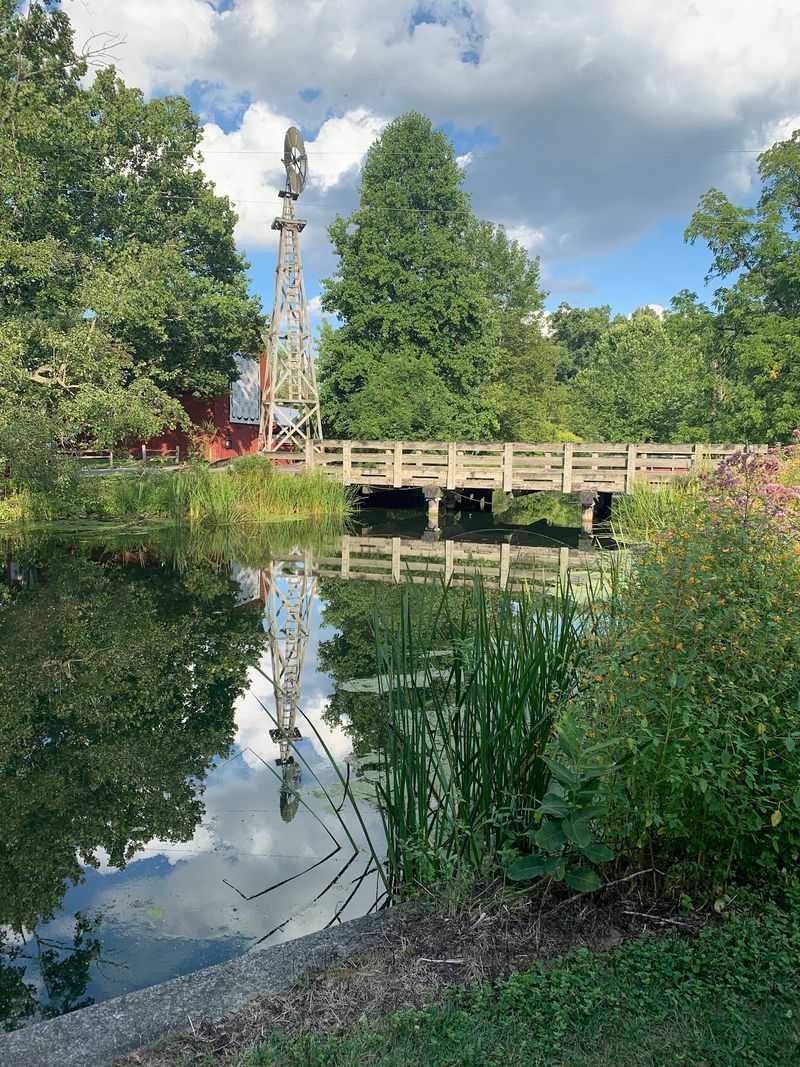
Few places let you touch the past and enjoy the outdoors in a single afternoon. This park pulls off both with ease.
The working mill anchors everything, grinding grain the way it did well over a century ago. Around it spread trails, gardens, water, and history that reward a slow, curious visit.
Guests come for the trails, stay for the mill, and often plan a return trip before they even leave. There is simply more here than one day can cover.
Bring good shoes for muddy paths, a map for the trails, and bug spray during buggy stretches of the season. A little planning goes a long way.
Between the friendly millers, the color of the dahlias, and the steady turn of those old stones, Bonneyville Mill earns its loyal following. It is a genuine piece of Indiana worth seeing for yourself.
Enjoyed this story?
Add Fast Food Club as a preferred source to see more of our reporting on Google.