


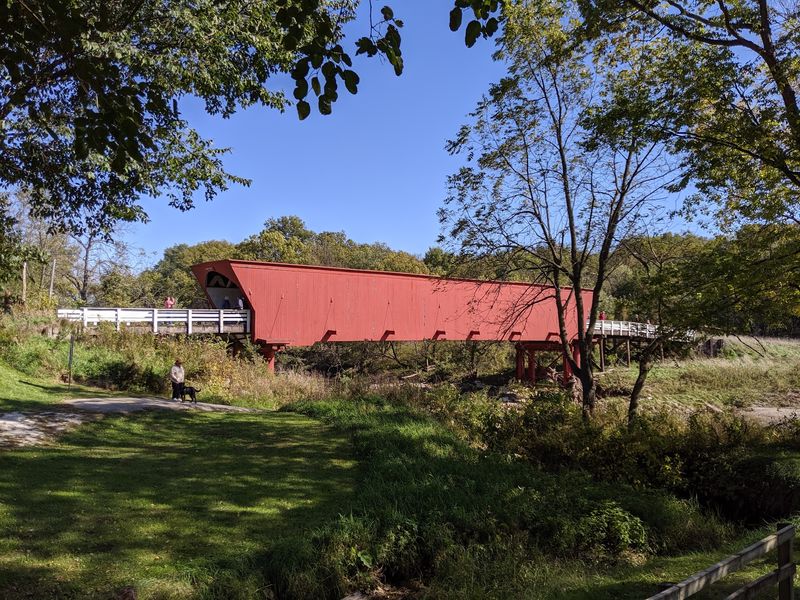
A few miles down a dusty gravel road in southern Iowa sits a wooden structure that turned a quiet farming county into a place people travel across the country to find. It became famous through a beloved book and film, but the real story runs deeper than any camera lens.
The drive itself is half the fun, winding past open fields and quiet river bends where time seems to slow down. Rushing water, weathered timber, and roads lined with wildflowers make the loop feel like a step back into a calmer century.
What you find here is history you can walk across, plus a whole trail of similar landmarks waiting nearby. Keep reading, because this stretch of Madison County rewards the patient traveler in ways a highway rest stop never could.
Where The Gravel Road Leads
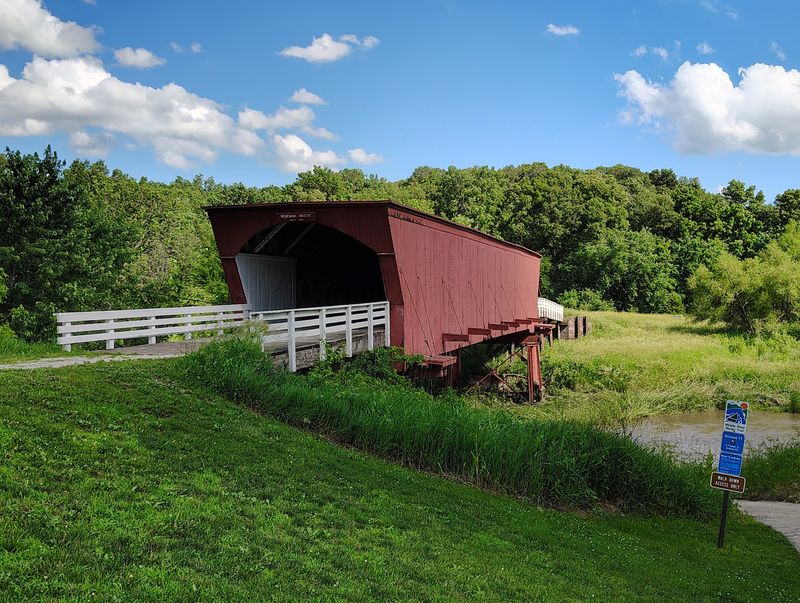
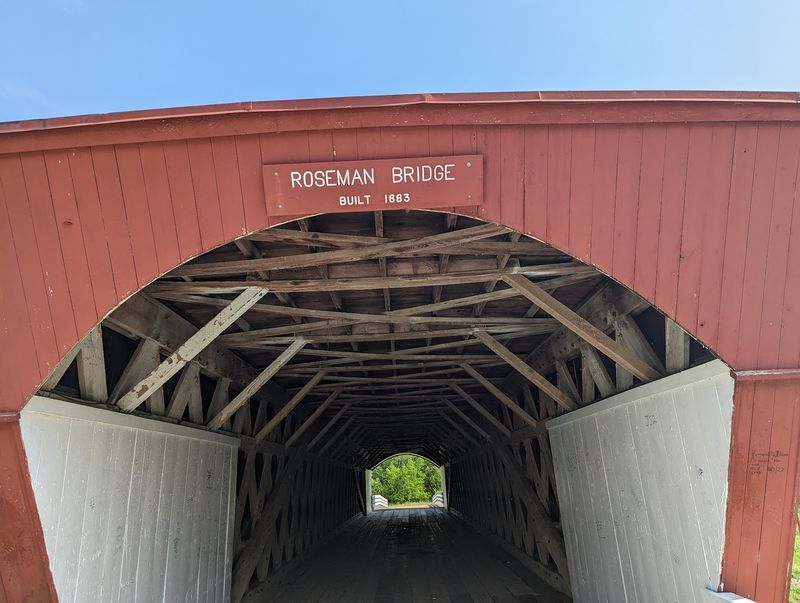
Down a country lane at 2451 Elderberry Ave in Winterset, Iowa, the Roseman Covered Bridge waits about three miles off the main road leading out of town.
The address puts it firmly in Madison County, a rural pocket of the state where farm fields and river valleys still shape the landscape. Getting here means trading pavement for limestone gravel, which is part of the adventure.
The structure holds a 4.8 star reputation across more than 800 opinions, a number that speaks to how much people cherish the stop. It is open around the clock, every day of the week, so there is no ticket window to rush toward.
Winterset itself sits close by, making this an easy detour rather than a full expedition. The bridge anchors the wider Iowa covered bridge scenic route, giving travelers a clear starting point.
Plenty of folks arrive already knowing the name, drawn by its screen fame. Others stumble onto it while chasing the county’s larger collection of wooden crossings, and they rarely regret the turn onto that gravel path.
A Movie Made It Famous
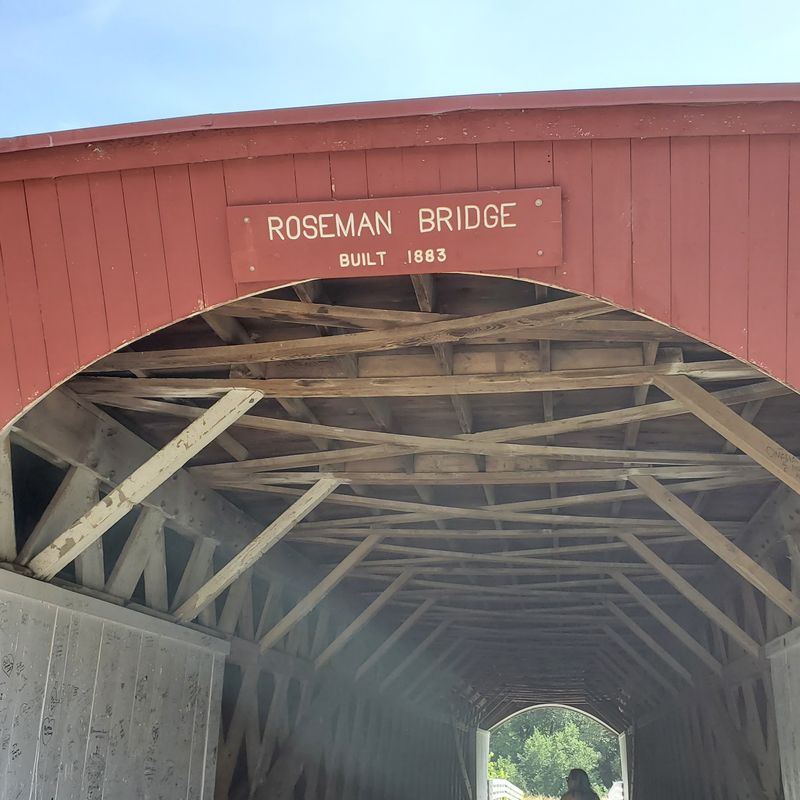
Fame arrived here thanks to The Bridges of Madison County, the book and later the film that put this quiet crossing on the map.
Readers first discovered the bridge through the novel, and many arrive specifically because those pages left a lasting impression. Fans of the story often describe the visit as a chance to reconnect with a tale they hold dear.
The film carried the name even further, turning a local landmark into a destination worth crossing state lines for. People who love the movie tend to linger longer, soaking in the setting they once watched from a theater seat.
What makes the pilgrimage satisfying is that the real place lives up to its fictional billing. The structure stands beautifully preserved, still full of the history that made it a fitting backdrop.
Even travelers who have never seen the film find plenty to appreciate. But for the devoted, standing before this particular bridge feels like meeting an old friend from a favorite story, and that emotional pull keeps drawing them back.
Craftsmanship From The 1800s
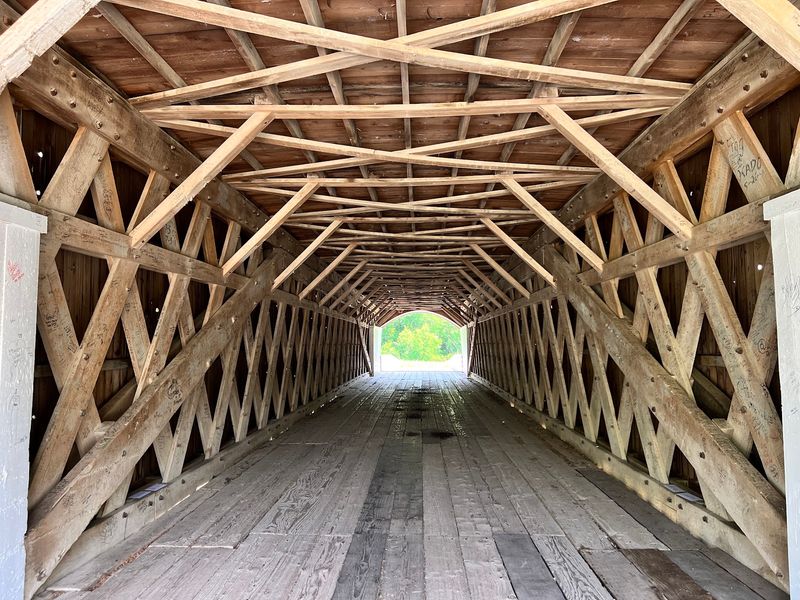
Long before any film crew showed up, builders in the late 1800s shaped this bridge with skill that still holds together today.
The design reflects the ingenuity and craftsmanship of an era when wooden crossings were practical necessities rather than tourist stops. Every beam and joint tells a story about how people solved problems with the materials at hand.
Roseman stands as a tribute to that architectural tradition, a working example of how these structures were engineered to shelter both travelers and the roadway from weather. The covered roof was never decorative, it protected the timber underneath from wearing down.
Standing inside, the interior shows off the trusswork that gives the bridge its strength. That visible craftsmanship is a big part of why history buffs rank it so highly.
Preservation efforts have kept the structure in remarkable shape, allowing modern travelers to appreciate techniques that are more than a century old. The result is a genuine piece of the past, not a replica, and that authenticity earns it steady admiration.
The River Running Beneath
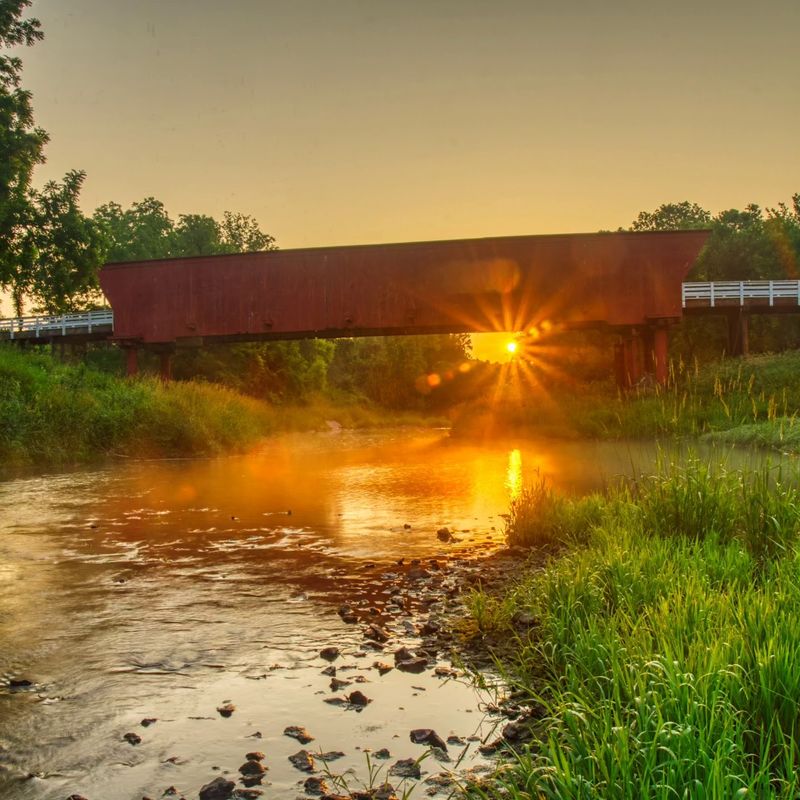
Water is the quiet star at this particular crossing, and it sets the mood better than any plaque could.
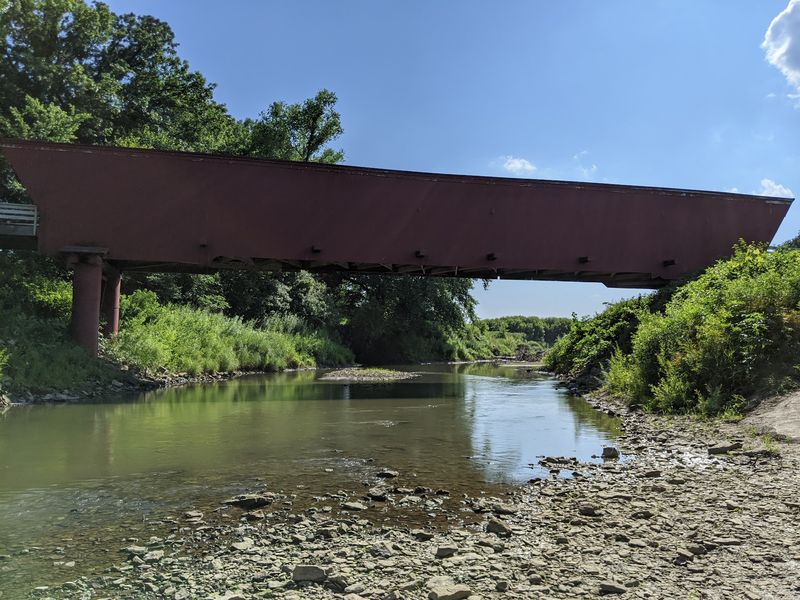
The stream below runs over rock, and that rushing flow gives the spot a sense of calm that many travelers point out. While other bridges in the county also span water, this one’s current seems to carry a special peacefulness.
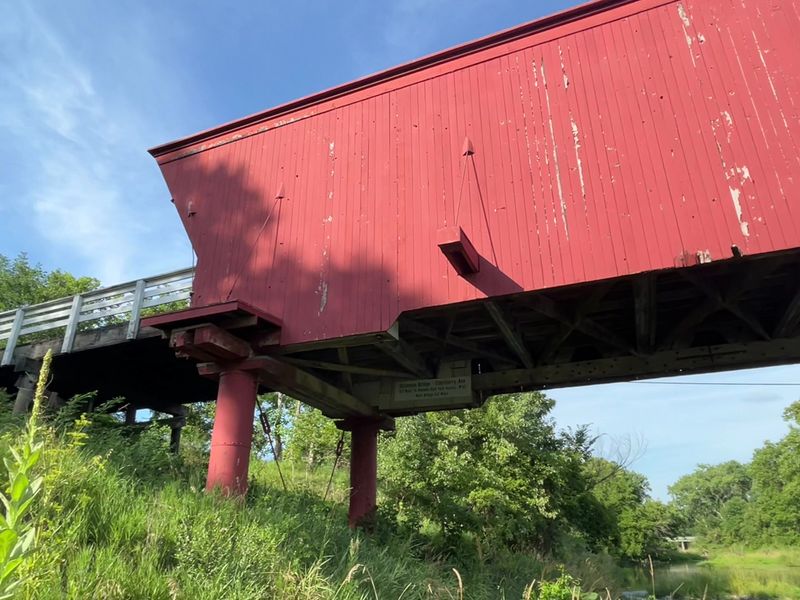
River access adds another layer to the visit. Gravel steps lead down toward the water, opening up different angles for photographs and a closer look at the setting.
The bridge also serves as a launch point for kayaks, a detail that surprises many first-time arrivals. Paddlers can slip into the water right here and explore the county from an entirely different vantage point.
The combination of moving water and preserved timber creates a scene that feels restful without trying too hard. For anyone wanting a moment of stillness away from crowds, the sound and motion of the river make this stop linger in memory long after the drive home.
Six Bridges Worth Chasing
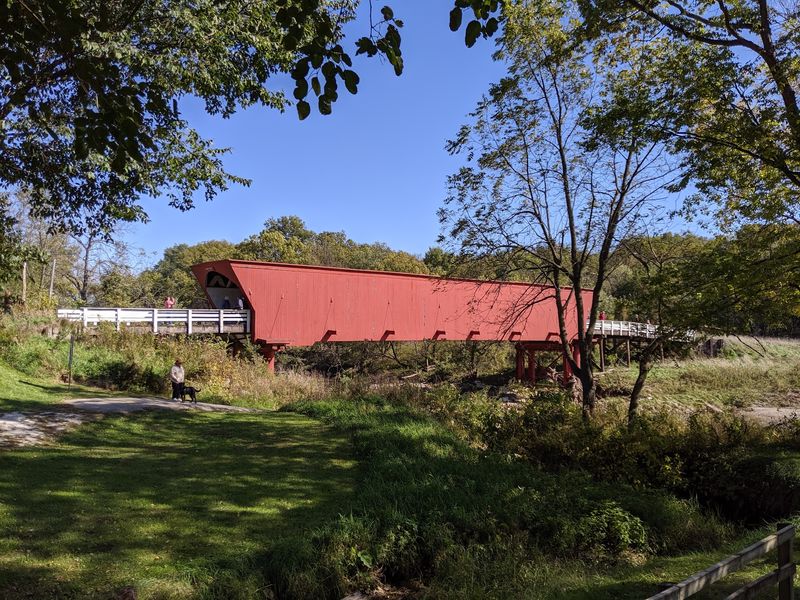
Roseman rarely travels alone in a visitor’s plans, because it belongs to a family of six covered bridges scattered across Madison County.
Many people turn the trip into a treasure hunt, tracking down all six over a single relaxed day. The county once held more than 100 of these structures, though most were decommissioned, disassembled, or lost to fire over the years.
Each surviving bridge carries its own character and history, and informative plaques at each one note whether the structure still sits in its original location. That detail makes the loop feel like an outdoor museum spread across country roads.
Nearby Hogback bridge is a popular pairing, and travelers often stop at several in one outing. Comparing them becomes part of the fun, since no two feel exactly alike.
Roseman frequently lands near the top of people’s favorites among the six, thanks to its setting and story. Making the full circuit turns a single photo stop into a genuine road trip, and the shared history among the bridges ties the whole experience together.
Peace And Quiet On A Weekend
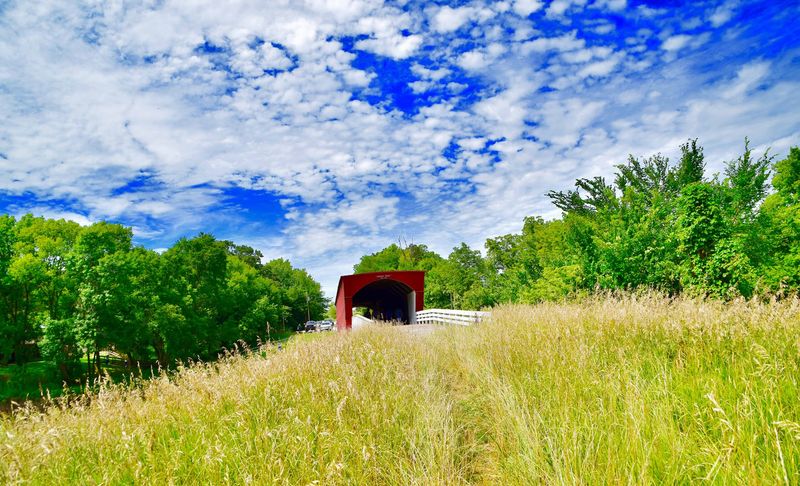
Solitude is easier to find here than at most famous landmarks, and that surprises people in the best way.
Weekend arrivals often discover the place calm and uncrowded, with only a handful of others sharing the spot. That quiet makes the experience feel more personal, almost like having a piece of history to yourself.
The atmosphere leans toward serenity, a welcome change from busier attractions. Folks describe it as a spot for a slow walk, a few unhurried photos, and a chance to simply breathe.
Nature wraps around the structure on all sides, adding to the restful feeling. The lack of noise lets the setting speak for itself.
People who reminisce about the movie find the peaceful mood especially fitting, since it matches the reflective tone of the story. The combination of tranquility and history draws travelers looking to slow down.
Anyone hoping to escape crowds and enjoy a genuinely quiet historic site will find this one delivers. That gentle stillness is a big reason the bridge keeps earning such warm praise.
Best Light At Dawn Or Dusk
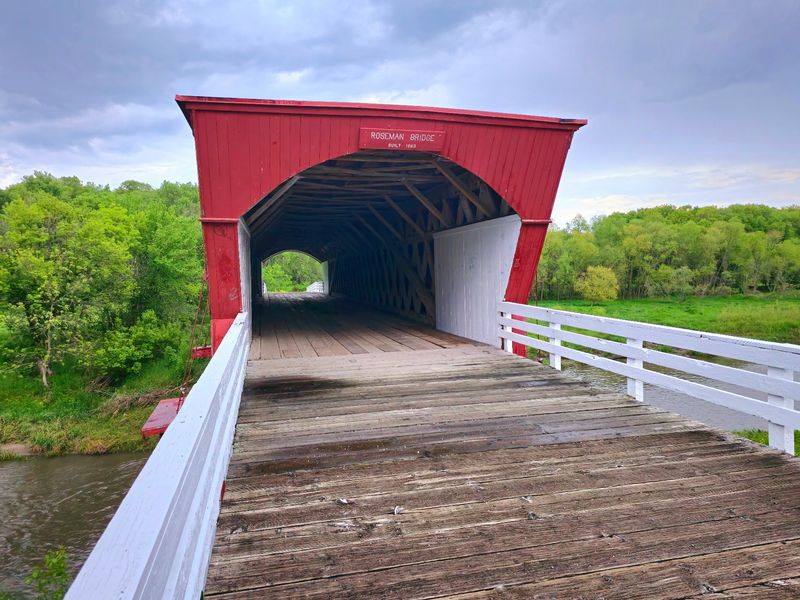
Timing your arrival can transform an already lovely stop into something spectacular.
The advice that circulates among those who have made the trip is simple: come at dawn or dusk. The softer light during those hours flatters the weathered wood and the surrounding landscape.
Early risers and evening visitors tend to walk away with the most striking photographs. The angle of the sun at those times brings out details in the structure that midday brightness tends to flatten.
Beyond the pictures, those quieter hours also mean fewer people around. The combination of good light and small crowds makes the visit feel almost private.
Photographers especially appreciate the golden glow that settles over the bridge and river at the edges of the day. It rewards a little planning with results that ordinary snapshots cannot match.
For travelers willing to adjust their schedule, setting an alarm or lingering until evening pays off. The bridge looks good anytime, but at dawn or dusk it truly shines, and that extra effort turns a stop into a highlight.
The Gravel Road Reality
Getting here comes with a small catch that every traveler should know before setting out.
The final stretch runs along limestone gravel roads, roughly three miles of dusty, loose surface leading to the bridge. That gravel can work its way into filters, door jambs, and just about every corner of a vehicle.
Drivers of larger or farm-ready vehicles handle it without a second thought. Those in standard cars can manage too, since plenty of people reach the site in ordinary sedans without trouble.
The main advice is to skip towing a trailer along this route, which turns the drive into a headache. Slowing down helps keep the dust and jostling to a minimum.
Parking is another practical note, since space near the bridge is limited. Arriving during quieter hours makes finding a spot far easier.
Vehicles are no longer permitted to drive across the bridge itself, so the crossing is strictly on foot now. Knowing what to expect from the road ahead lets travelers relax and enjoy the journey rather than worry about the terrain.
History At The Info Kiosk
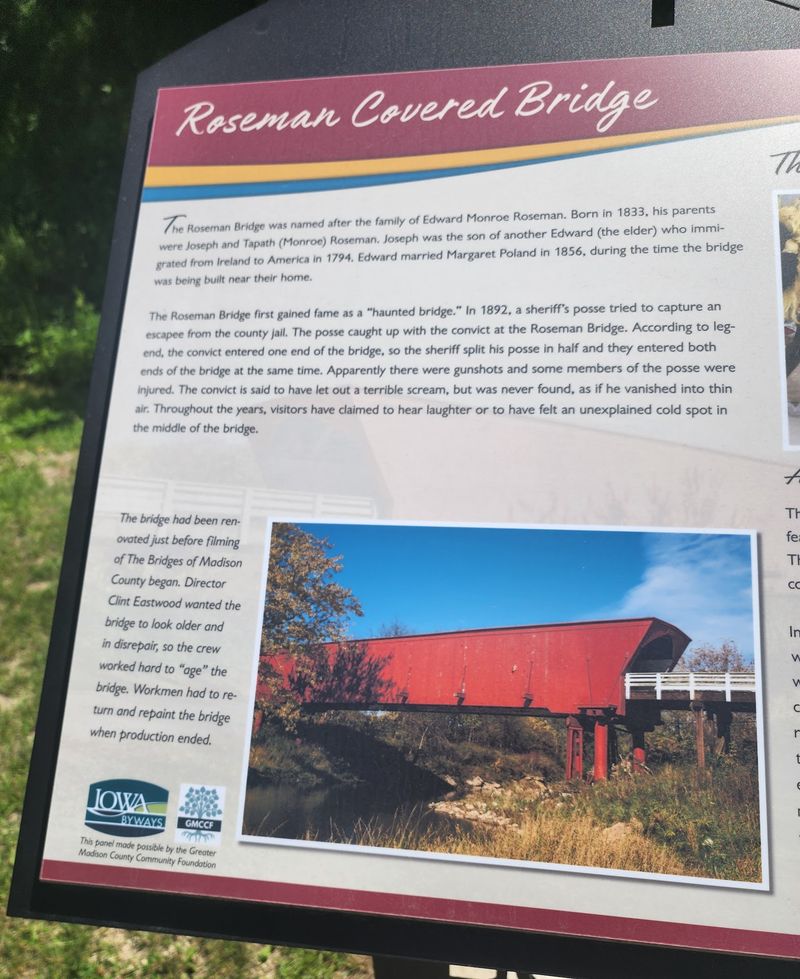
Context waits right at the site for anyone curious about how this crossing came to be.
An information kiosk sits nearby, packed with the history of the bridge and its place in the region. Reading through it turns a simple photo stop into a genuine learning moment.
The plaques scattered around the covered bridges of the county note key facts, including whether each structure still stands in its original spot. That kind of detail helps travelers appreciate what they are looking at.
Roseman forms part of the Iowa covered bridge scenic route, and the signage ties the individual stop into that larger story. People who take a few minutes to read come away understanding the preservation work behind the scene.
The history offered here consistently earns praise from those who value substance alongside scenery. It answers the questions that naturally come up when standing before something this old.
For families and curious minds, the kiosk adds real value at no cost. Pairing the visual appeal with solid background information makes the whole experience richer and more memorable.
Signatures On The Walls
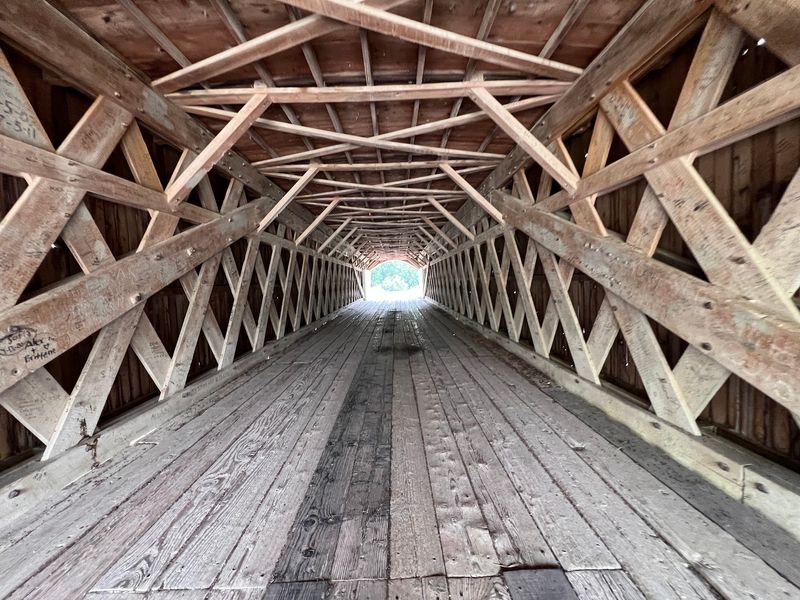
A closer look inside the bridge reveals a tradition that has built up over many years.
The interior walls carry plenty of writing, mostly names and hometowns left behind by travelers who wanted to mark their visit. It has become a kind of informal guestbook scrawled across the timber.
Reading through the messages offers a glimpse at just how far people come to see this spot. The scribbled notes turn the walls into a record of countless journeys.
Some find the markings a charming layer of human history, a reminder that visitors have been drawn here for generations. Others simply enjoy scanning for familiar places among the entries.
The practice adds personality to the structure without taking away from its historic character. It reflects the affection people feel for the bridge.
Walking through and noticing all those names gives the visit an unexpectedly personal touch. Whether or not you add your own mark, the wall of signatures tells its own quiet story about how many lives this humble crossing has touched over the years.
The Gift Shop Nearby
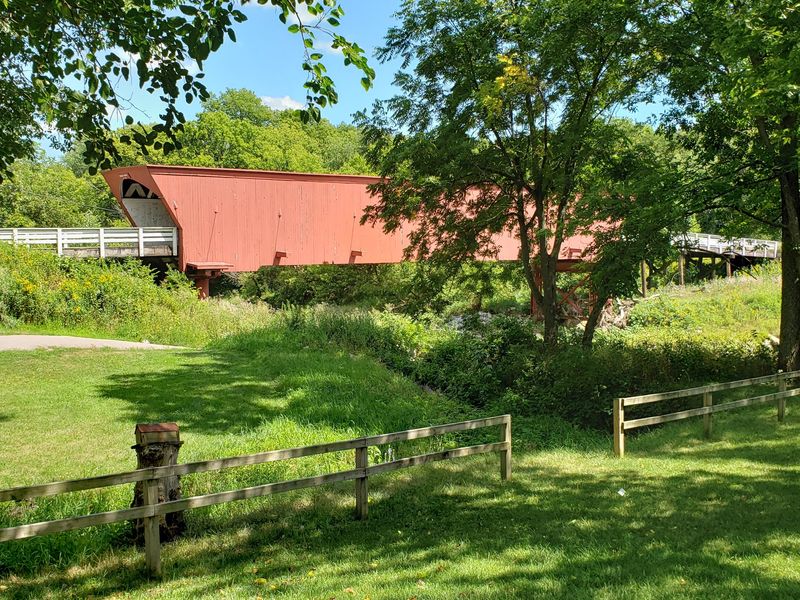
Tucked close to the bridge sits a small gift shop that adds a bit of practical charm to the stop.
The little store stocks charming local items along with information about the bridge’s past. It gives travelers a chance to take home a memento of the trip.
Opinions on the shop vary a touch, with some finding it delightfully quaint and others considering it a bit kitschy. Either way, it fits the small-town spirit of the area.
Hours are not guaranteed, since the shop has been found closed during some visits. Building a little flexibility into your plans helps if browsing is on your list.
For those who enjoy picking up souvenirs, the selection leans toward local flavor rather than mass-produced trinkets. That focus on regional character makes it worth a peek.
The shop rounds out the experience without overshadowing the bridge itself. It offers a friendly place to learn a little more and grab a keepsake, making the stop feel complete for travelers who like to bring a piece of the journey back with them.
Winterset And The Wider Loop
Rounding out the adventure means turning attention to the town that anchors it all.
Winterset sits just a short drive away and offers far more than a place to fill the tank. The downtown holds little shops, a quilt museum, restaurants, and a visitors center that many travelers recommend as a first stop.
The area is also known as the birthplace of John Wayne, adding another draw for history-minded travelers. Three wineries in the region round out the local offerings for those exploring beyond the bridges.
Starting with a map from the visitors center makes the whole covered bridge loop easier to navigate. It helps travelers plan a route that hits the sites they most want to see.
The surrounding countryside is well cared for, with communities that take clear pride in their homes and history. Special events pop up throughout the year, giving repeat travelers new reasons to return.
Pairing the bridges with a town visit turns a simple photo stop into a full, rewarding day out in Madison County.
Why The Slow Loop Is Worth It
All the pieces come together into a trip that rewards travelers who are willing to take it slow.
The country roads leading to the bridges deserve as much attention as the bridges themselves, lined with fields of wildflowers and open views that make the drive feel special. Rushing through would mean missing half the pleasure.
Roseman consistently ranks among the favorites of the six crossings, prized for its river setting, its history, and its peaceful mood. The strong 4.8 star standing across hundreds of opinions reflects how deeply people connect with the place.
Fans of the book and film find a beloved story brought to life, while history lovers find genuine craftsmanship from the 1800s. Everyone finds a quieter pace than modern travel usually allows.
With no entry fee and round-the-clock access, the only real cost is a little patience on gravel roads. That small trade brings a big payoff.
For anyone craving a calm, scenic escape steeped in history, this stretch of Madison County makes the detour more than worthwhile.
Enjoyed this story?
Add Fast Food Club as a preferred source to see more of our reporting on Google.