


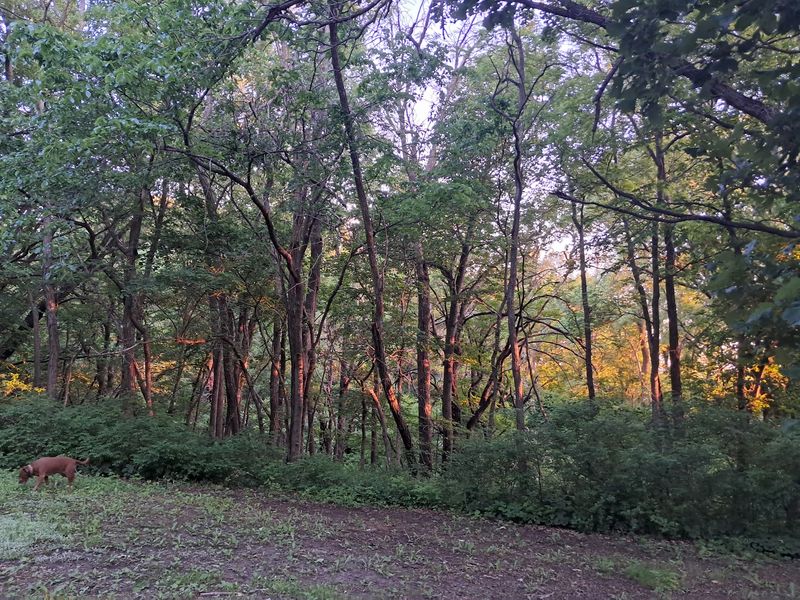
Iowa gets a bad rap for being flat, but there is a stretch of northwest Iowa where the ground drops away into a wooded valley, a stream winds far below, and a wooden swing hangs at the edge of a hill overlooking it all. The name hints at an old fort, though the real draw today is the network of trails, the tall shade trees, and the kind of quiet that lets an afternoon slip by unnoticed.
People have been returning here for decades, some for thirty years running. What makes this spot worth the drive, and why do folks keep coming back with hiking shoes and camp chairs in tow?
Keep reading for the trails, the overlooks, the history, and the honest details you need before you go.
Where the Valley Hides Near Estherville
Tucked along 175th St in Estherville, Iowa, Fort Defiance State Park sits in the northwest corner of the state, closer to the Minnesota line than most Iowans realize.
The park carries the name of a military post from Iowa’s frontier era, and while the old fort itself is not something you tour, the setting it once watched over remains wild and wooded.
What surprises most first-timers is the terrain. The land here does not behave the way flat farm country suggests.
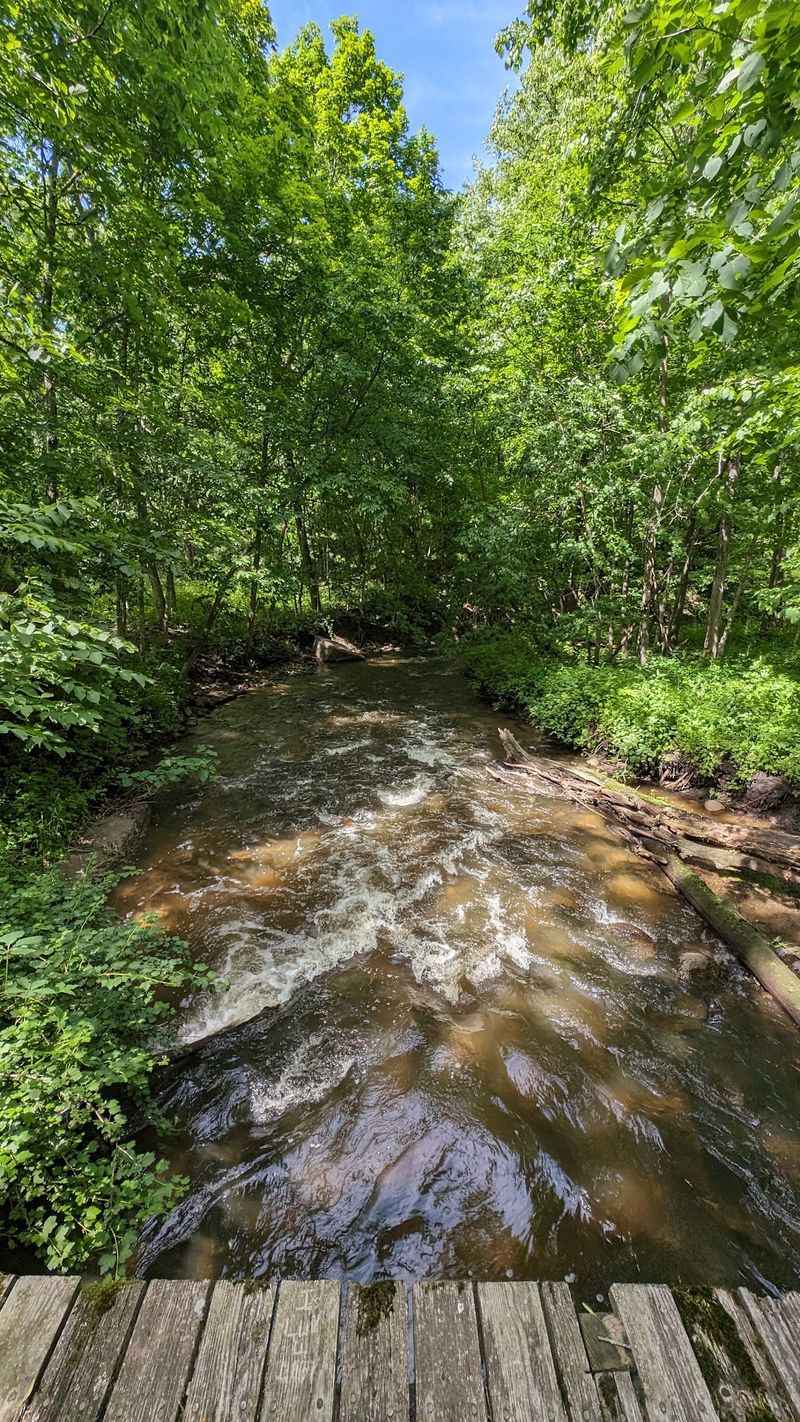
Wooded ravines cut through the property, a creek valley runs below the trails, and the elevation changes give the whole place a rugged feel.
Managed by the Iowa Department of Natural Resources, the park spreads across a landscape of large trees and shaded slopes.
It functions as a day-use destination and an overnight one, with trails for walking, riding, and simply wandering until you lose track of where the parking lot went.
For a spot that rarely makes the tourist brochures, it holds a loyal following that stretches back generations.
A Fort Name With Frontier Roots
The word defiance in a park name tends to raise eyebrows, and here it points back to Iowa’s early settlement days when a military post stood guard over the surrounding region.
Folks sometimes arrive expecting timber walls and cannons, then discover the fort itself is long gone. That expectation catches a few off guard.
What remains is the land and the story it carries. The park preserves the general area tied to that frontier chapter, and the setting does the storytelling now.
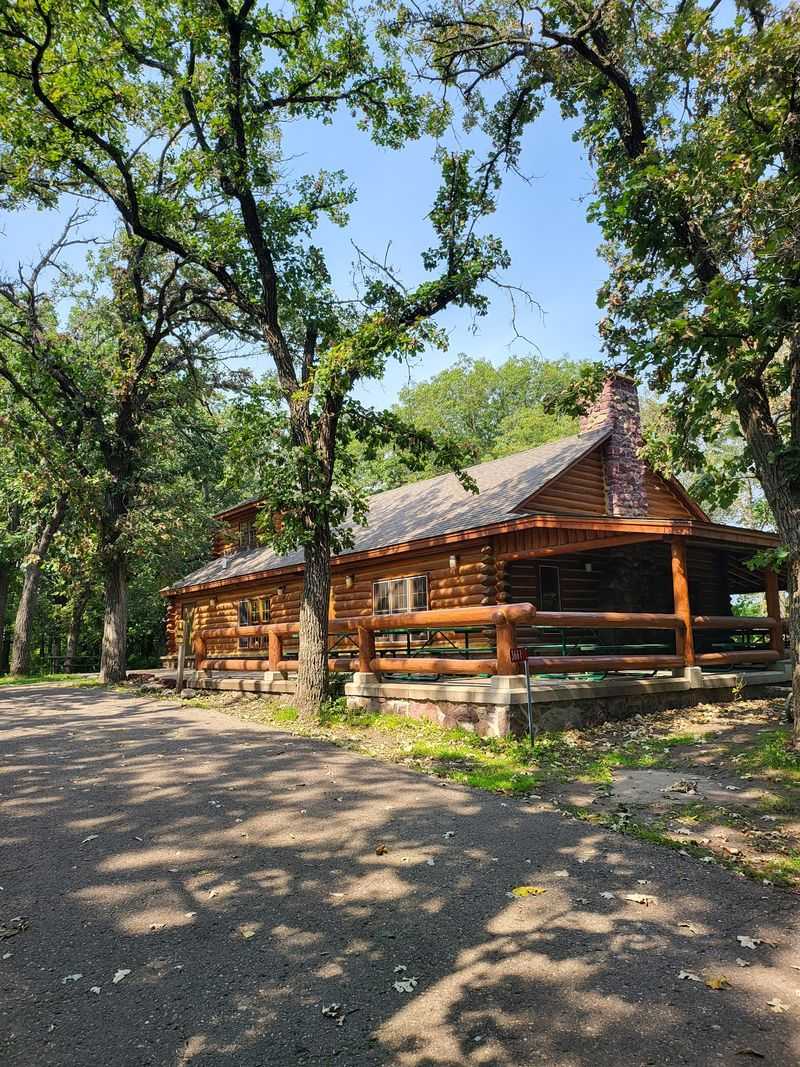
Instead of reconstructed barracks, you get a restored lodge, a web of trails, and a valley that would have looked much the same to those early residents.
The history feels quiet rather than showy, which suits the mood of the place. There are no crowds jostling for a photo op at a historic marker.
People who grew up nearby treat it almost like a family heirloom, returning across decades and bringing their own children along.
Come for the name, stay for the woods, and let the past sit gently in the background where it belongs.
Real Elevation in Flat-Country Iowa
Elevation change is the headline act, and it genuinely delivers in a state better known for level horizons.
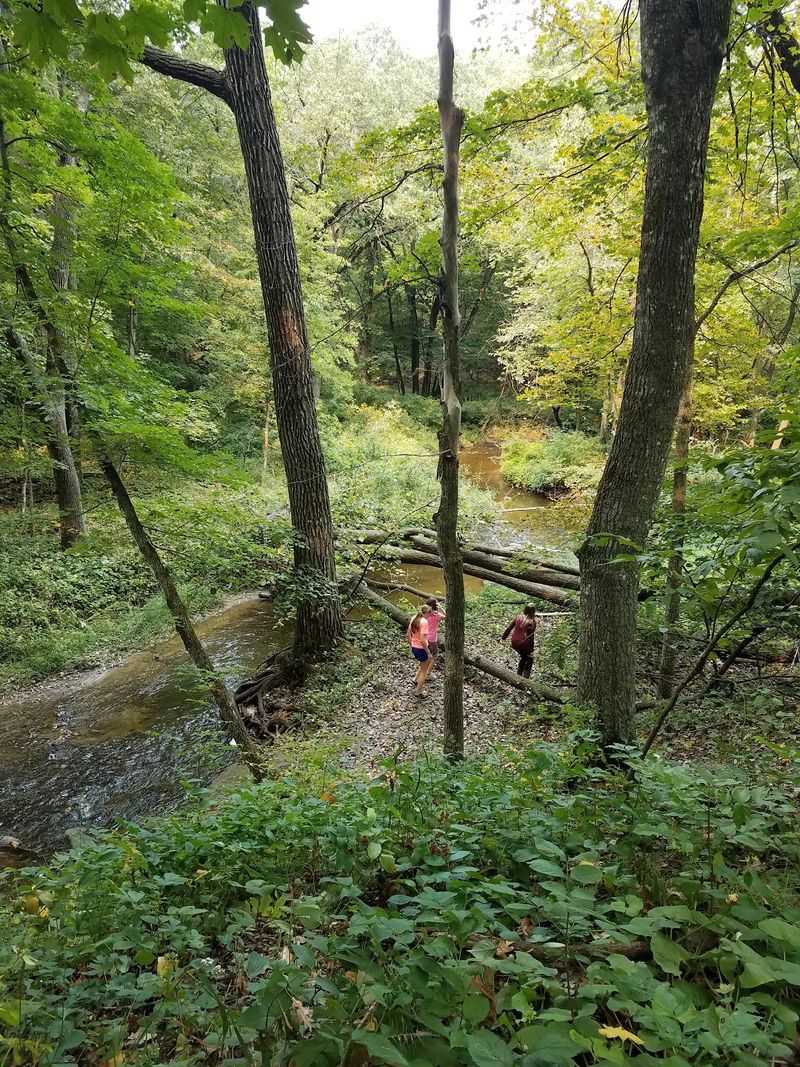
Park in one of the lots, head down toward the river through the woods, and the ground drops noticeably beneath you. The descent into the valley is the part people rave about most.
Some trails run steep and rugged enough that careful footing matters, so decent shoes earn their keep here.
The reward for the climb back up is the view, and the sense that you actually worked for it. That is a rare feeling in this part of Iowa.
Not every path punishes your legs, though. There are gentler stretches too, which we will get to.
But if you have been craving a hike with some grade to it without driving to another state, this valley scratches that itch nicely.
Bring water, take your time on the downhill, and let the terrain remind you that Iowa keeps a few secrets in its folds.
The Swing That Overlooks the Valley
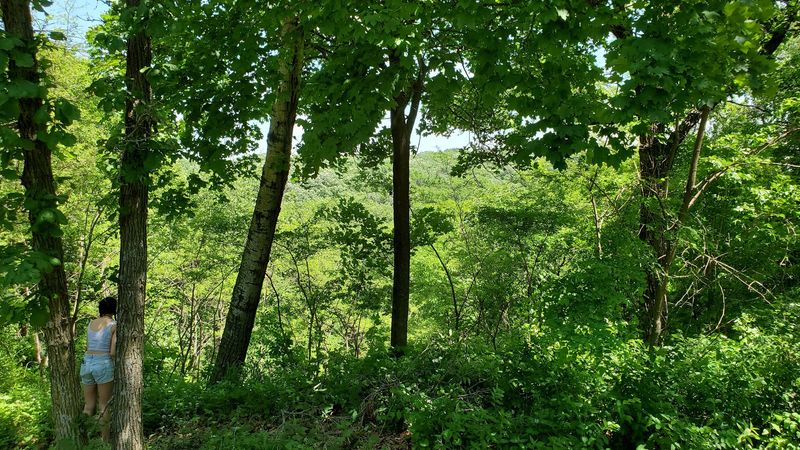
Ask a longtime regular for their favorite spot and the swing overlooking the valley comes up again and again.
Perched at the edge of a hill, it looks down into the wooded ravine, offering a place to sit and take in the drop without lifting a foot.
It has a low-key charm that turns a simple park feature into a small destination of its own.
Scattered benches join the swing along the trails, giving you spots to pause, gaze down the slope, or catch your breath after a climb.
These little touches make the park feel considered rather than merely maintained.
Families with children tend to gravitate toward the swing, and it photographs beautifully with the valley falling away behind it.
It is the kind of feature you might not expect at a state park, yet it becomes the thing people remember most.
Find it, take a seat, and let the valley do the rest.
Trails, Bridges, and a Creek Valley
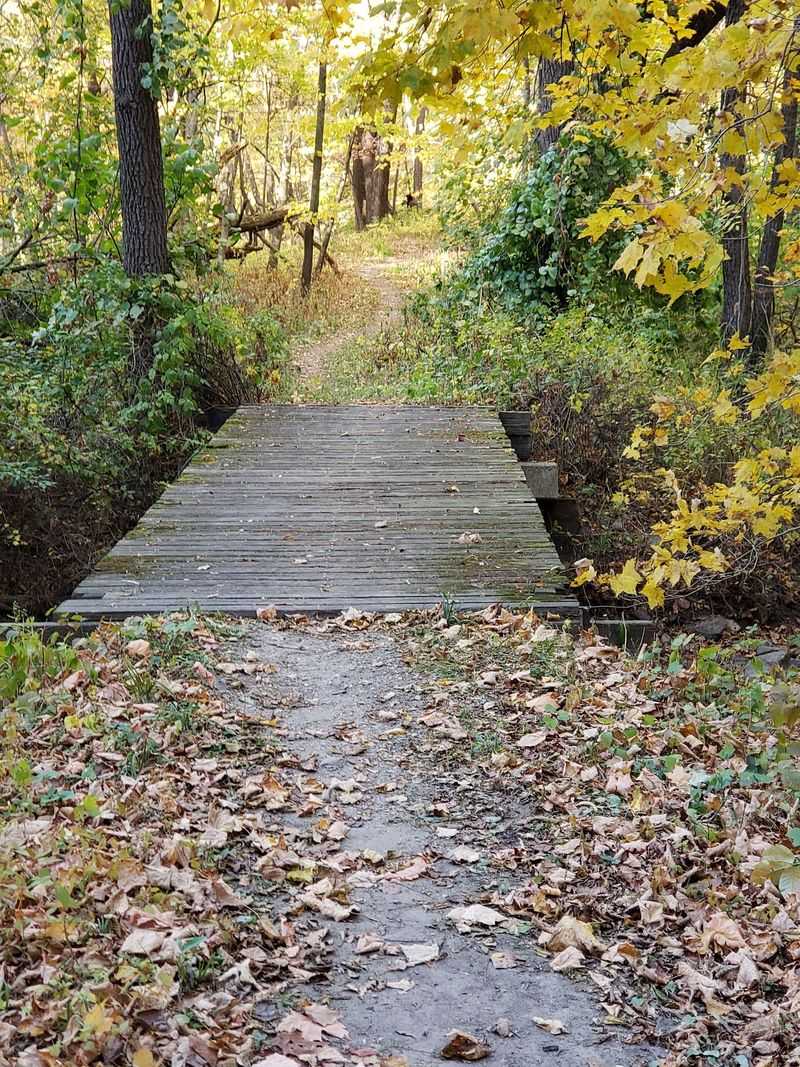
A surprising number of trails thread through this creek valley, more than the park’s modest size might suggest.
Several well-built bridges carry hikers across the stream, and they hold up as a highlight in their own right.
The variety keeps things interesting. Some routes plunge into the ravine while others follow easier ground with the water visible below.
On the west side, between the west entrance and the campground, the trails run relatively flat and gentle, still offering nice looks at the stream down in the ravine.
Those easier stretches suit walkers who want scenery without a workout, and the benches along the way make for pleasant rest stops.
One honest note worth passing along is that the trails are not always marked as clearly as you might like, so wandering off course is part of the experience.
Plenty of people count getting a little lost here as a feature rather than a flaw. An afternoon disappears easily once you start following the bridges.
Big Trees and Deep Shade
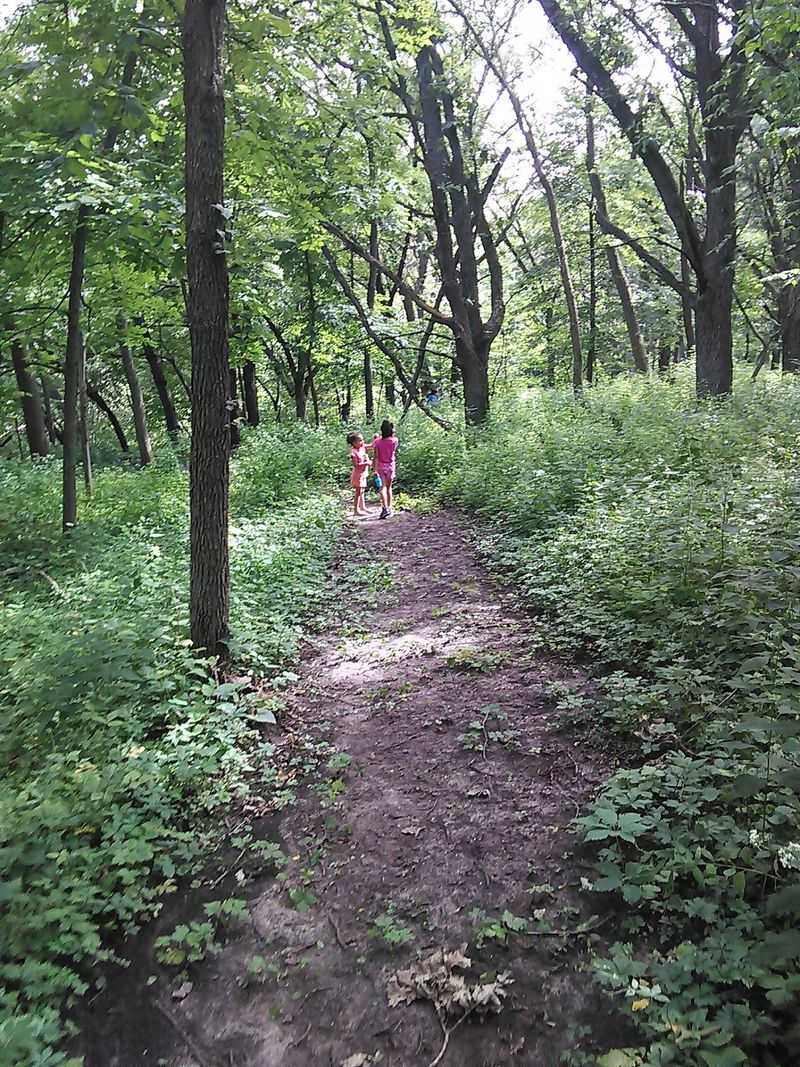
Large trees define the character of this park more than almost anything else.
Tall hardwoods stand throughout the grounds, throwing plenty of shade over the roads, the trails, and the picnic areas.
That canopy keeps things comfortable on warmer days and gives the woods a genuinely forested feel rather than a scattered-tree impression.
The greenery draws praise season after season, with the mix of leaves, trees, and long views leaving a strong impression on people passing through.
Fall turns the valley into a color show, and a lazy autumn walk along the well-groomed paths ranks among the finest ways to spend a Saturday here.
Cyclists and road-trippers rolling through on their way elsewhere often stop just for the shade and the scenery.
The trees also lend the campground its leafy, tucked-away atmosphere, though as we will see, that same canopy comes with a catch for larger vehicles.
For anyone who loves a proper stand of old trees, this park quietly overdelivers.
The Restored Lodge on the Hill
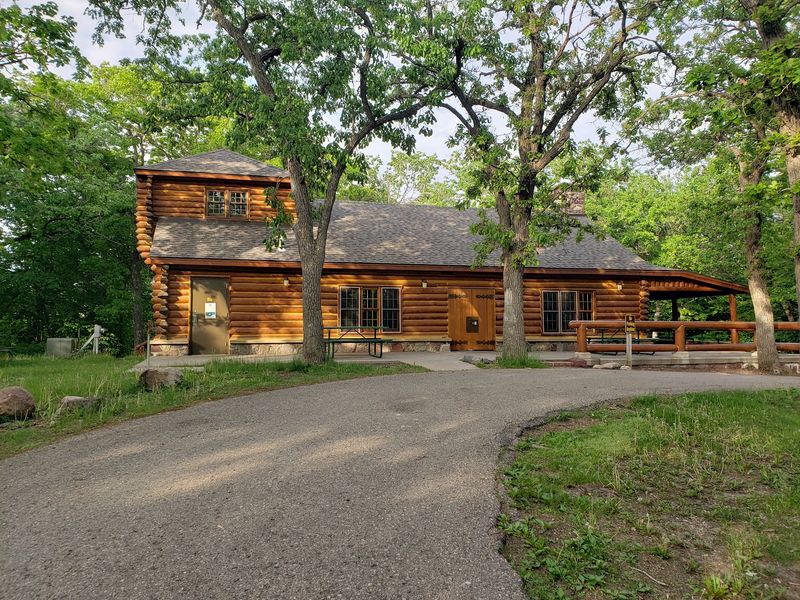
At one end of the park sits a newly restored lodge that gives the grounds a real gathering place.
It draws steady compliments for its clean look and its suitability for get-togethers, and it stands out as a bright spot even for people who found other corners of the park a bit sparse.
The area up around the lodge includes room to park and grill, and that space tends to stay clean and free of trash.
Families use it for reunions and casual outings, and it anchors the more developed side of the park nicely.
Some arrive expecting the lodge to be an actual old fort building, then realize it is a modern facility rather than a historic structure.
Once past that mix-up, most agree it looks great and serves its purpose well.
Pair a lodge gathering with a valley hike and you have the makings of a full, relaxed day out.
Horse Trails and Room to Ride
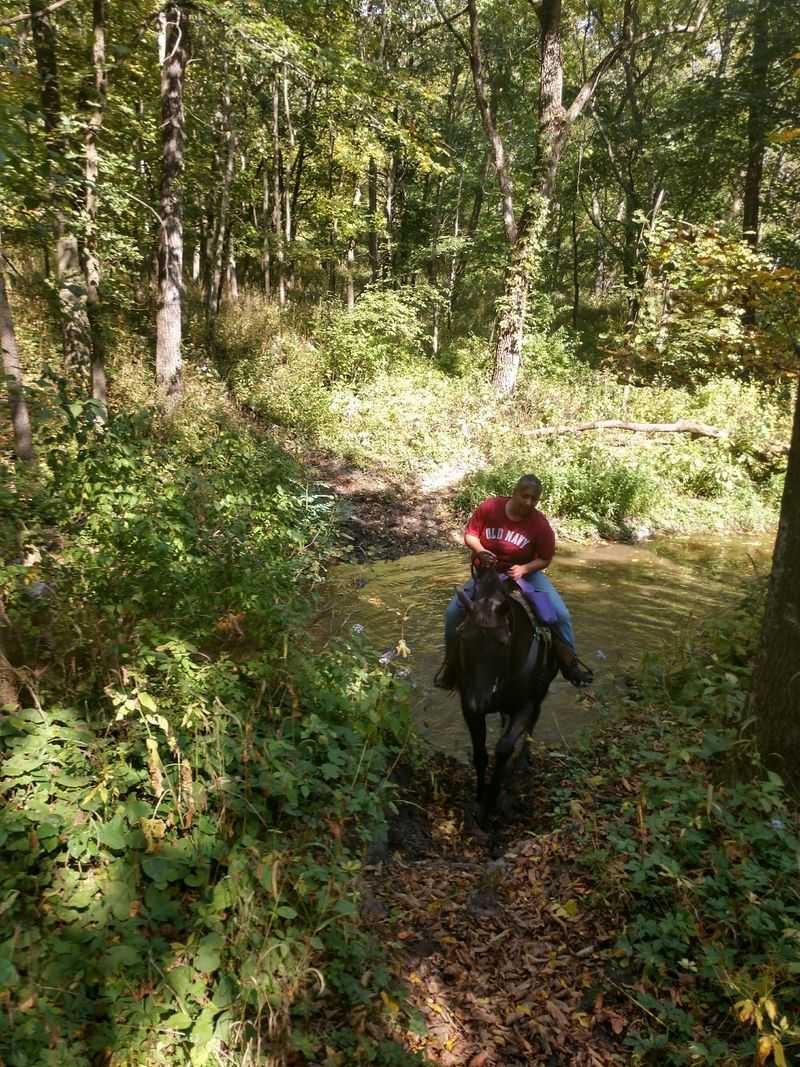
Riders get a nod here too, because the park keeps trails suited to horses alongside its hiking routes.
Enough ground exists to keep both you and a horse busy for a full day, which not every Iowa park can claim.
The equestrian angle adds another layer to what the place offers, turning it into more than a simple walking destination.
Wooded paths and the valley terrain give rides a bit of variety, and the shade from those big trees helps on longer outings.
Horse trails come up regularly among the features people mention, a sign that the riding community has claimed this park as one of its own.
If you travel with a trailer and a hankering to ride somewhere with actual scenery, this spot deserves a look.
Between the hikers, the campers, and the riders, the park manages to serve several crowds without feeling crowded.
Quiet That Actually Lives Up to the Word
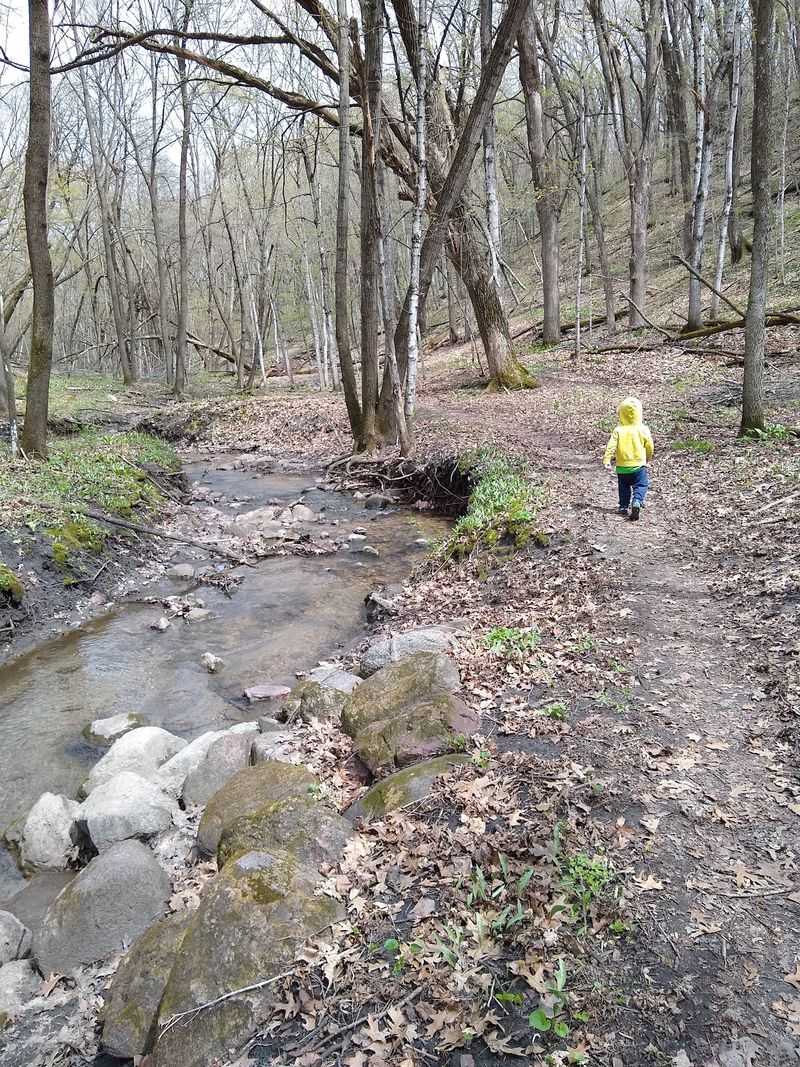
Peace and quiet come up so often that they practically function as the park’s calling card.
Show up midweek and you may find yourself alone on the trails, which turns a hike into something close to a private outing.
The stillness makes it a fine choice for relaxing, wandering, or just doing nothing productive for a while.
One honest caveat is worth mentioning. A neighboring gun club sits nearby, and when it is active, the quiet takes a temporary hit.
On most visits, though, the calm holds, and the friendly people you do cross paths with tend to keep their pets leashed and respect the grounds.
That easygoing, well-mannered vibe adds to the sense that this is a place people care about.
For anyone chasing a low-key escape without long drives or big crowds, the solitude here is the real prize.
Camping With a Few Honest Caveats
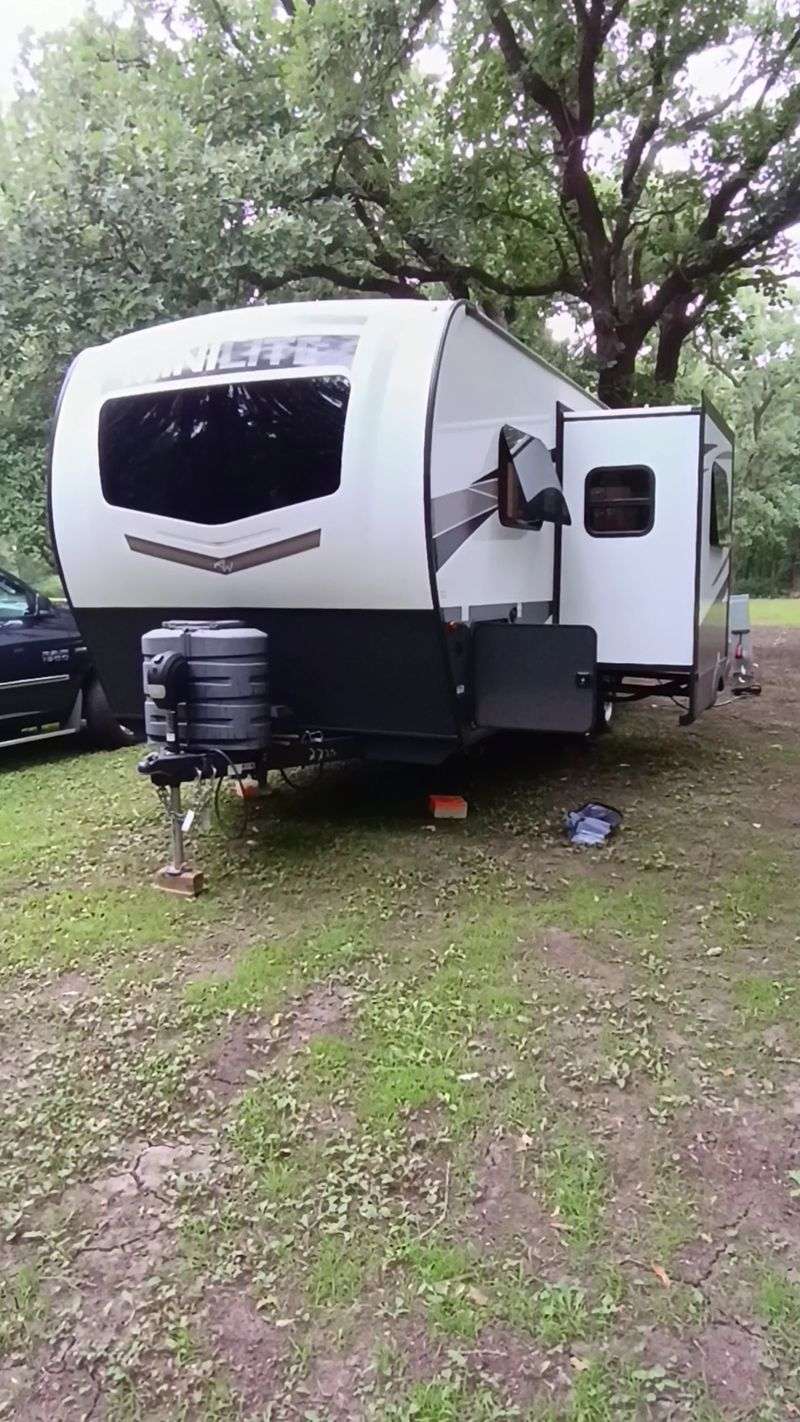
Camping here leans rustic, and knowing that ahead of time saves a lot of frustration.
The campground offers both electric and non-electric sites, but there are no camper pads, so you park on the grass, and the ground can run soft.
Because the campsites sit on a hill, getting level takes some effort, and the setup fits tent camping far better than big rigs.
The access roads are doable yet narrow and curvy, with trees overhanging on both sides, which makes maneuvering a large motorhome genuinely tough.
Facilities are basic too. Some sites rely on an outhouse rather than running-water restrooms, so packing a flashlight for after dark is smart.
Restroom cleanliness and a working water hydrant have drawn some grumbles, so temper expectations on amenities.
Where it shines is as an inexpensive, scenic overnight for tent campers who prize a beautiful, quiet setting over modern hookups.
Match your gear to the terrain and the campground rewards you nicely.
Hours, Getting There, and Good-to-Knows
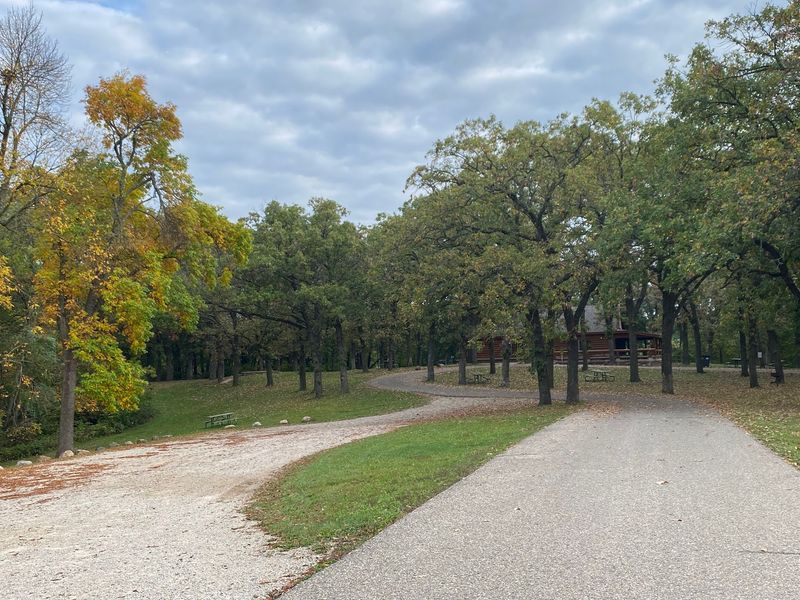
Planning a visit is refreshingly simple. The park welcomes people every day of the week from 4 AM until 10:30 PM, which leaves plenty of daylight for a long ramble.
You will find it at 175th St, Estherville, IA 51334, in the northwest reaches of the state. The Iowa DNR website is the best source for current details before you head out.
The drive in doubles as part of the appeal, with a scenic route winding beneath the trees that people enjoy in its own right.
Keep in mind those roads run narrow and curvy, so take them slowly, especially if you are towing anything.
Bring sturdy shoes for the steeper trails, water for the climbs, and a flashlight if you plan to stay after dusk near the rustic facilities.
A little planning around the basic amenities goes a long way toward a smooth trip.
Pack for a low-frills adventure and the park handles the scenery from there.
Worth the Trip Into the Woods
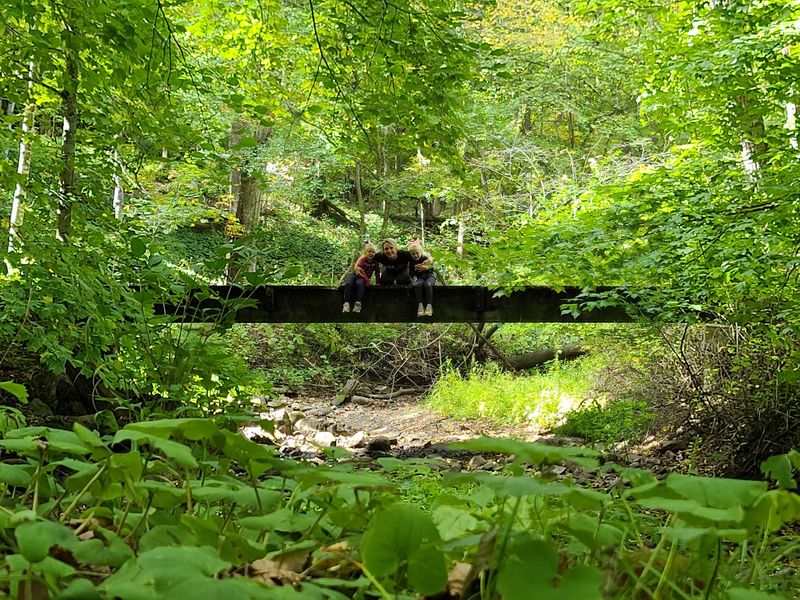
Fort Defiance State Park earns its steady following by delivering something Iowa is not supposed to have, a real wooded valley with elevation, overlooks, and trails that carry you down toward a creek and back up again.
The swing above the ravine, the bridges over the stream, the big shady trees, and the restored lodge give the place a variety that outpaces its footprint.
It is not a polished resort. The campground stays rustic, the facilities run basic, and the trail markings could be clearer.
None of that dims the appeal for people who want quiet woods, a good climb, and scenery that rewards the drive.
Generations of families have treated it as a return-to place, and an afternoon spent getting happily lost here explains why.
Bring the right shoes, keep your expectations rustic, and let this corner of northwest Iowa surprise you.
The fort may be gone, but the valley it once guarded is very much worth defending on your travel list.
Enjoyed this story?
Add Fast Food Club as a preferred source to see more of our reporting on Google.