


There is a spot along the Mississippi River in Minneapolis where a giant flour mill once ran nonstop, and today its ruins hold one of the most surprising history museums in the Midwest. Flour, of all things, put this city on the map and earned it the nickname Mill City.
A fire in 1991 gutted the old building, yet instead of clearing away the wreckage, the city built something remarkable right inside the surviving stone walls. What waits there is part science lab, part time machine, and part rooftop lookout with sweeping river views.
Families, curious travelers, and longtime locals all keep finding reasons to walk through it. Keep reading to learn where it is, what makes it tick, and why so many people leave knowing their city a little better.
A Museum Built Inside the Ruins of a Legendary Mill
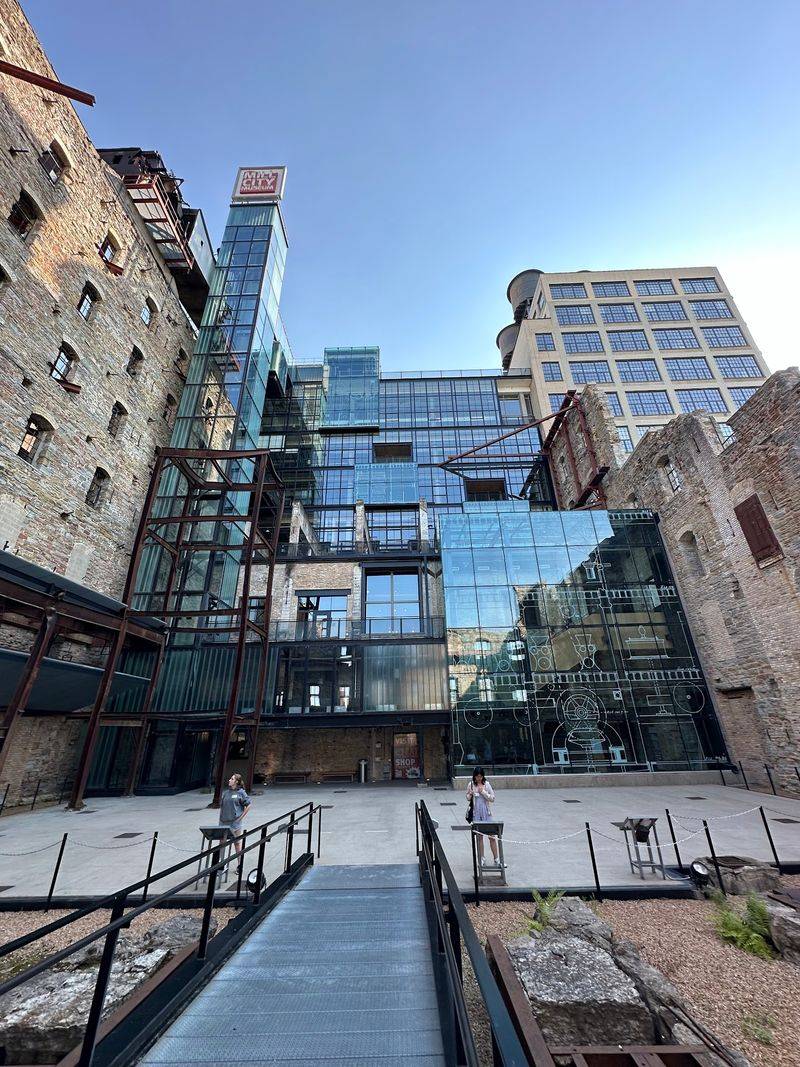
Right at 704 S 2nd St in Minneapolis, Minnesota, sits a building unlike most museums you will come across. It rises from the remains of the Washburn A Mill, once the largest flour mill in the world.
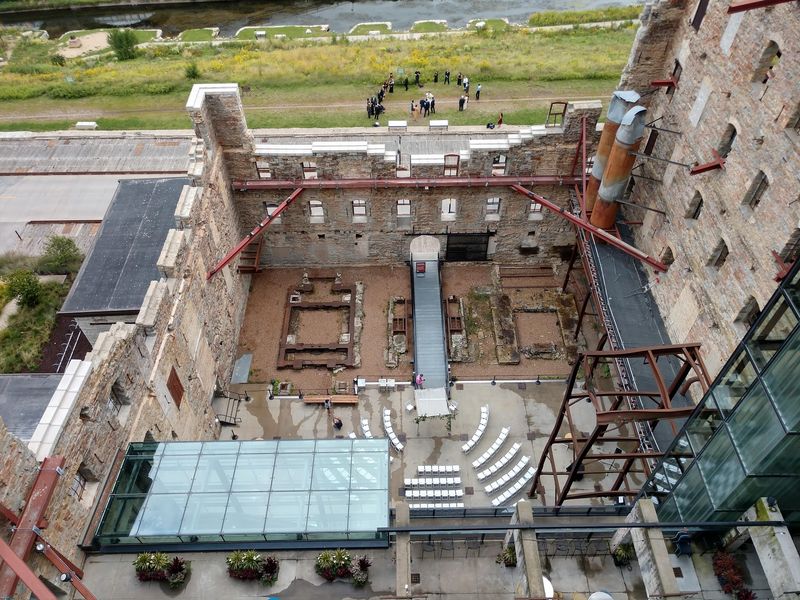
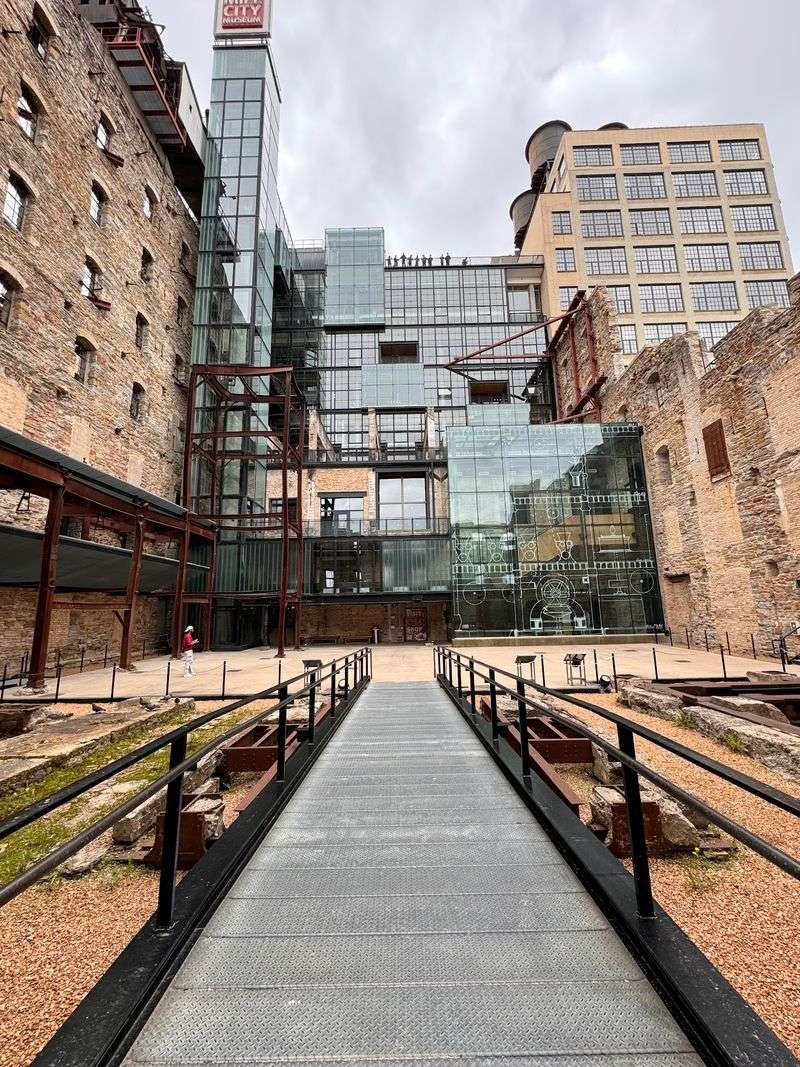
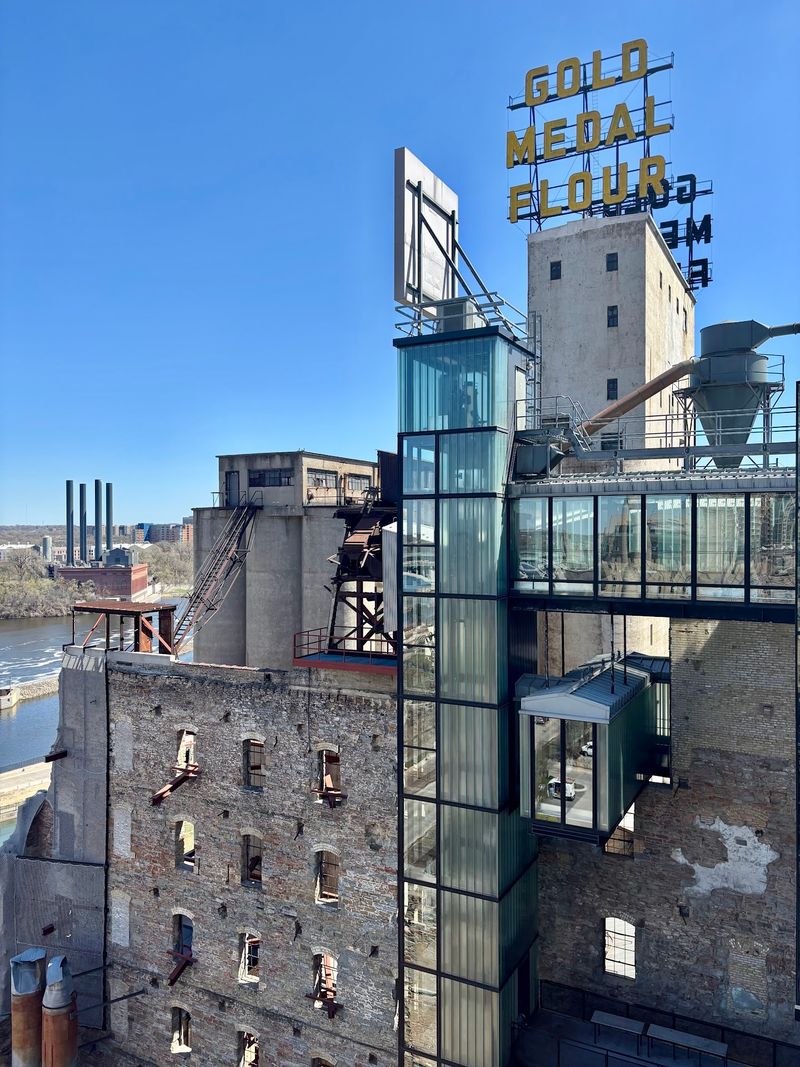
The mill shut down in 1965, and a fire in 1991 destroyed much of the structure. Rather than start over, planners preserved the charred stone walls and wove modern glass and steel into the old bones.
The result is a place where the ruins themselves become part of the story. You can see the original exterior walls that survived the flames, standing next to sleek new construction.
Run by the Minnesota Historical Society, the museum focuses on the flour-milling industry that shaped the city. It sits directly on the banks of the Mississippi River, the very water source that powered the mills in the first place.
People often mention how the architecture alone tells a story, timeless and boldly preserved. It is a rare setting where history is not just displayed but actually held inside the walls around you.
How Flour Made Minneapolis the Mill City
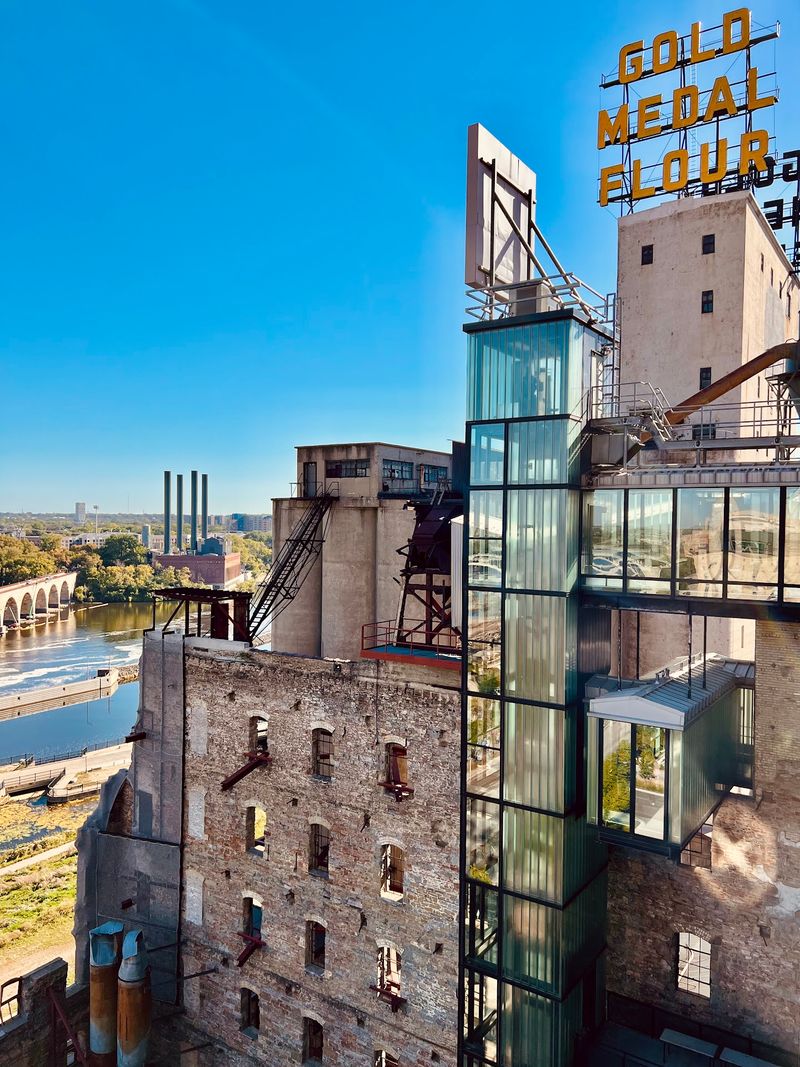
Long before skyscrapers, this stretch of Minneapolis hummed with the business of turning wheat into flour. The city became known as the Flour Milling Capital of the World for good reason.
Companies like the Washburn-Crosby Company, which later became General Mills, and Pillsbury ran their operations here. They tapped the power of St. Anthony Falls to drive their machinery.
Dozens of mills and supporting businesses clustered together to form the Mill District. Together they helped launch Minneapolis to global prominence and gave it that lasting nickname, Mill City.
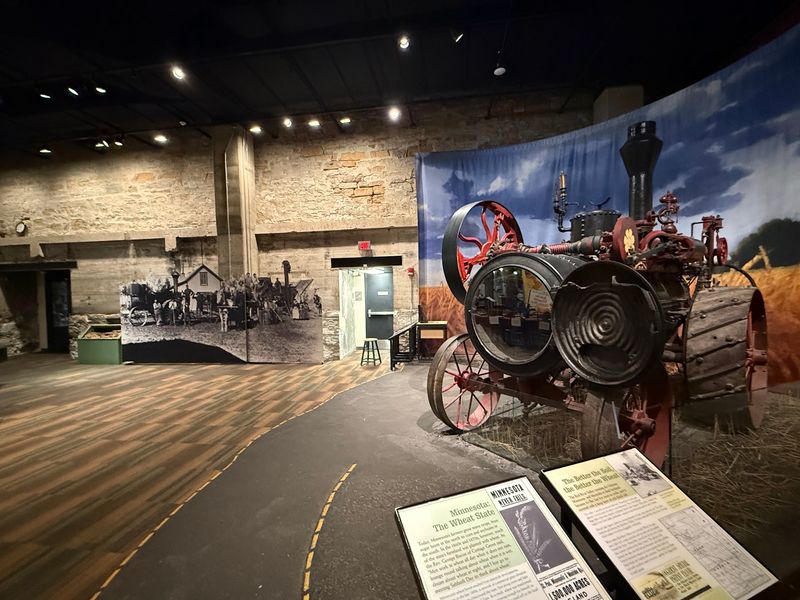
The museum walks you through the whole chain of it, from wheat growing and harvesting to transporting and processing across the Midwest. Gold Medal Flour and Pillsbury both produced their products in this area.
Understanding this backstory changes how you see the modern city outside the windows. What looks like an old industrial corner turns out to be the launch pad for everything that came after it.
The Flour Tower Elevator Ride Everyone Talks About
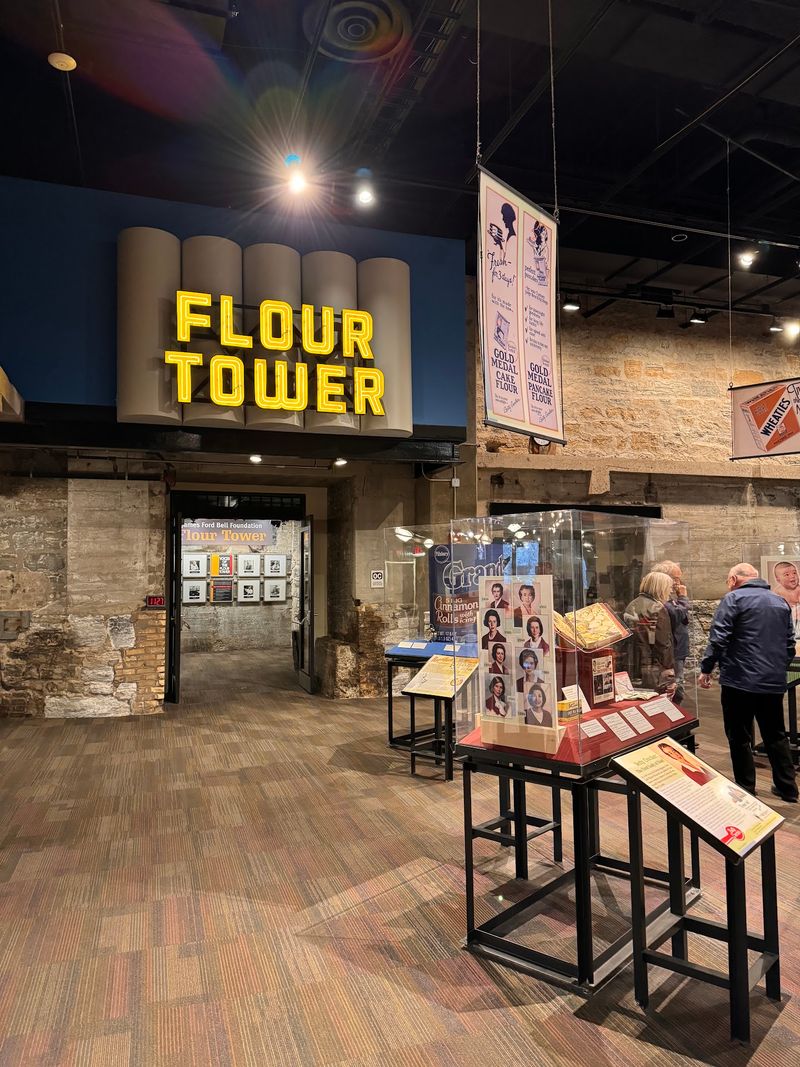
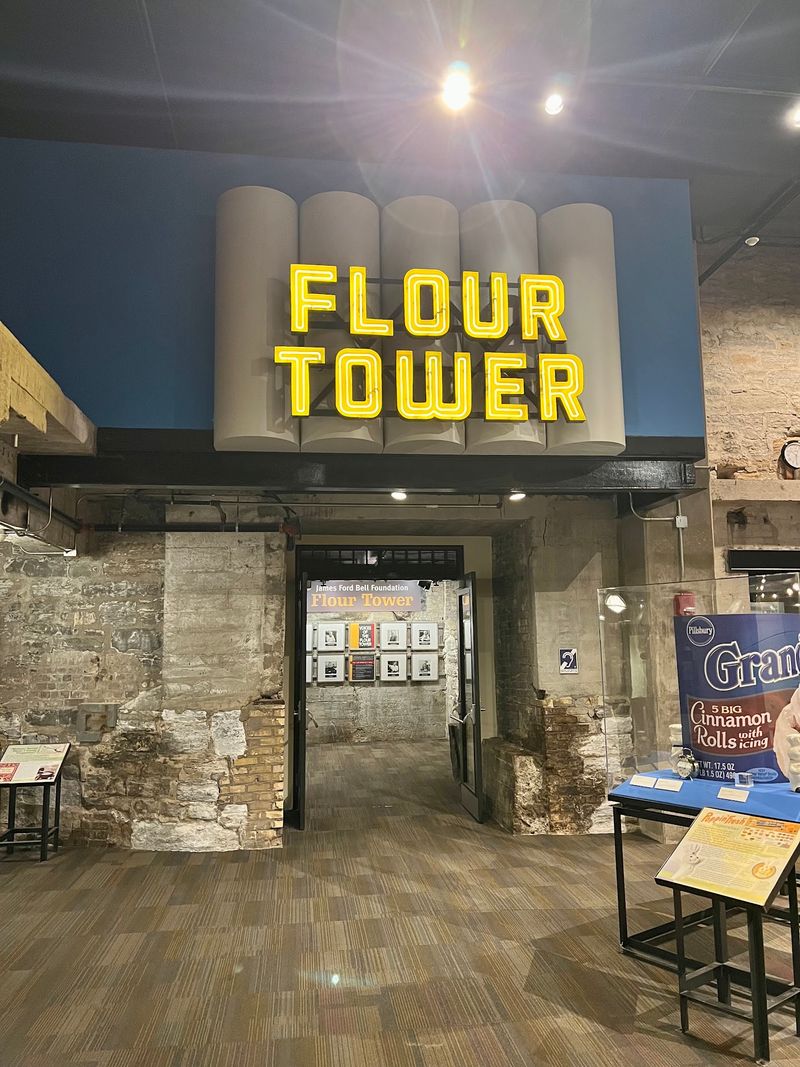
Of all the exhibits here, one keeps coming up again and again: the Flour Tower. It is an elevator-style tour that carries you up through the building while telling the mill’s story.
The elevator is massive, and it stops at several levels along the way. Each stop reveals a scene showing what mill work looked like back when the machines ran day and night.
Woven into the ride are the actual accounts and voices of former mill workers, sharing their own memories. That personal touch turns a simple elevator trip into something genuinely moving.
The whole experience runs only about ten minutes, so it leaves plenty of time to explore everything else. People describe it as quirky, clever, and surprisingly entertaining.
Families with older kids and adults alike seem to enjoy it equally. It manages to be both educational and fun, which is a tricky balance for any museum ride to pull off.
Rooftop Views of the River and the Stone Arch Bridge
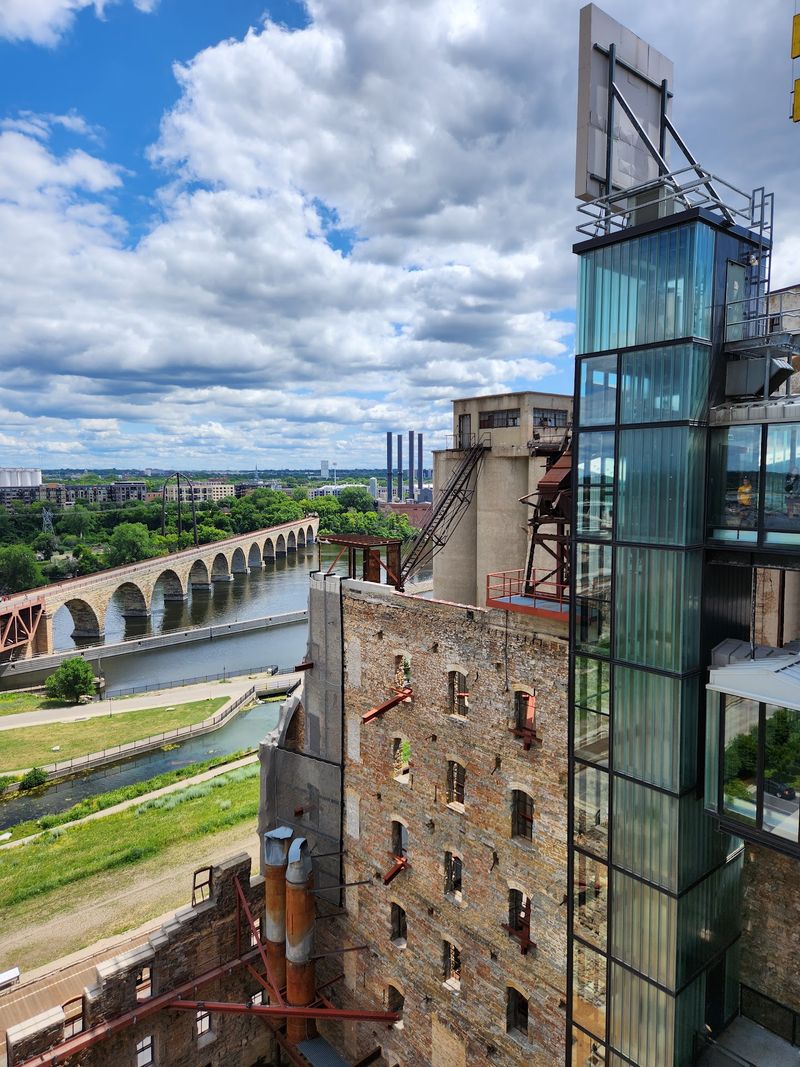
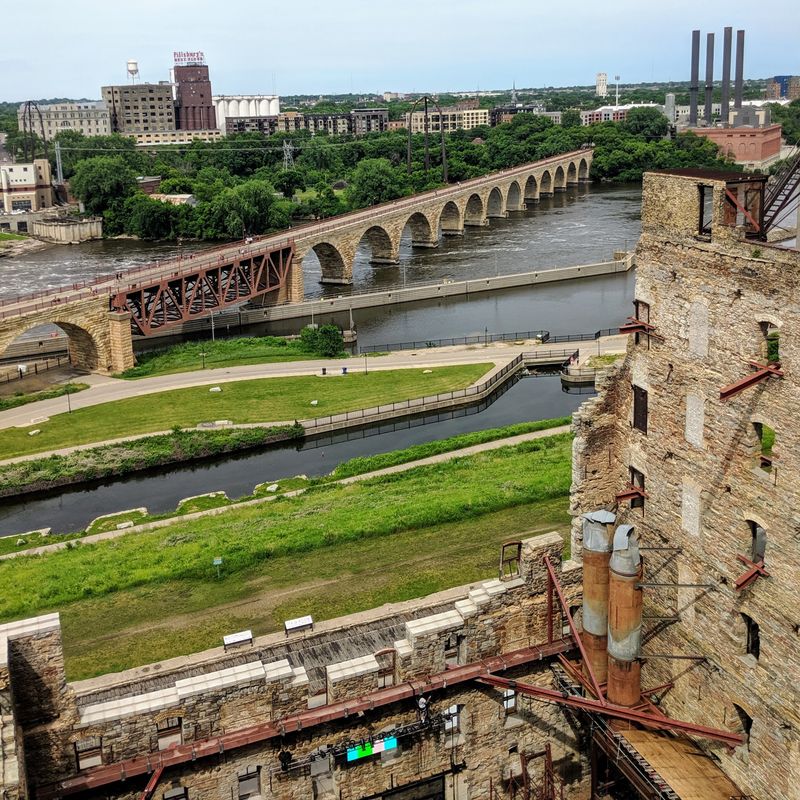
Climb to the top and the payoff is a wide open observation deck. From up here, the Mississippi River stretches out below alongside the historic Stone Arch Bridge.
The bridge, with its elegant curves and pedestrian path, connects the city’s past to its present. Beyond it, the Minneapolis skyline rises in the distance.
You also get a bird’s eye look at the foundation of the former mill and the original exterior walls that survived the 1991 fire. Seeing the ruins from above adds a whole new layer to the visit.
The deck sits several stories up, reached by that same guided elevator experience. Many people rank the view as one of the biggest highlights of the entire trip.
It is also a favorite spot for photographs, from casual portraits to weddings and graduations. Every corner up there offers a strong backdrop with the river and falls in frame.
Hands-On Exhibits That Keep Kids Busy
Bring children along and they will find plenty to keep their hands moving. The museum leans heavily into interactive exhibits designed to teach through play.
There are hands-on stations that explain the mill’s significance in ways young visitors can actually grasp. One popular activity is a large wooden block puzzle that draws in kids and grown-ups alike.
A scavenger hunt guide adds another layer of fun, sending families searching for answers to questions throughout the galleries. Get one wrong and you might walk away with a recipe card instead.
The interactive pieces are not just for little ones either. Teenagers in their mid to late teens have been known to enjoy the activities just as much.
Adults get their share too, with plenty of reading and detail for those who want the deeper story. It is the kind of place where a whole family can wander at its own pace without anyone getting bored.
The Water Lab and Baking Lab
Two of the standout learning spaces here are the water lab and the baking lab. Both turn abstract ideas into something you can actually experiment with.
The baking lab, sometimes called the test kitchen, dives into flour and how it works. People who almost skipped it often come away saying they learned a surprising amount in there.
The water lab connects to the story of St. Anthony Falls and how water power drove the mills. It shows in a very direct way why the river mattered so much to this industry.
Children tend to linger longer at these stations than almost anywhere else in the building. The mix of experiment and play holds their attention in a way that plain displays cannot.
These labs quietly become the highlight for many families. Do not walk past the test kitchen thinking it is small; it packs in more than it looks.
Nostalgic Artifacts and Milling Machines
Wander the galleries and you will find yourself surrounded by relics from another era. The main floor holds most of the exhibits, packed with objects that spark old memories.
Among the collection are Pillsbury Doughboy knickknacks and vintage Betty Crocker cookbooks. For many people these items bring back fond memories of days gone by.
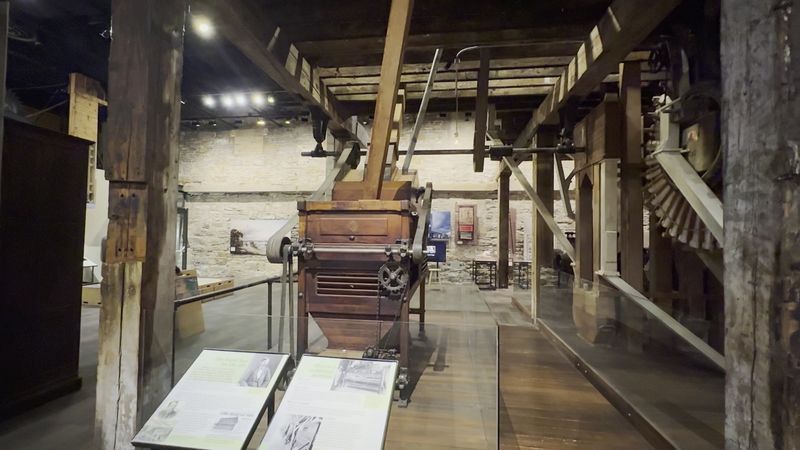
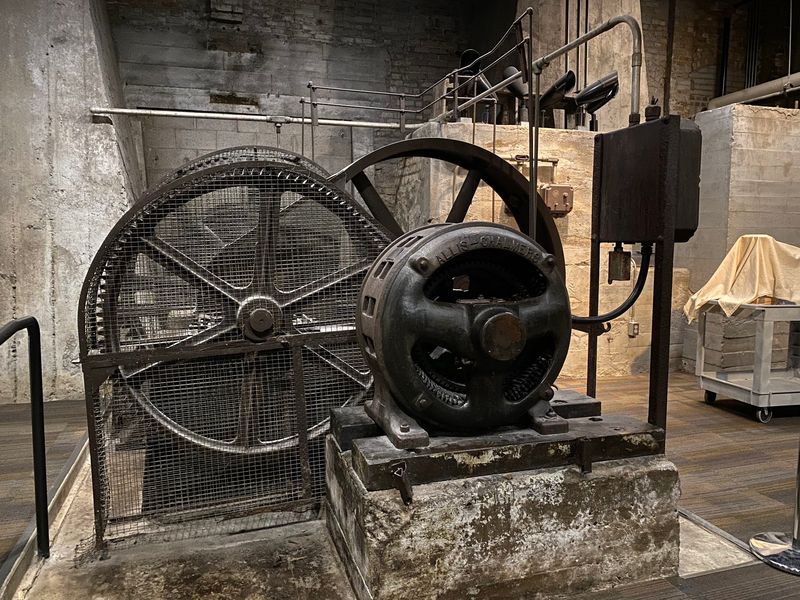
The actual machines that milled the grain are on display too. Gears, pulleys, flour sifters, and antique steam engines show the real muscle behind the industry.
Thoughtful interpretation sits beside each artifact, so the equipment does more than just look impressive. Every piece connects back to a story of labor, technology, and change.
The exhibits go out of their way to honor the people too, including mill workers, immigrants, and the women who shaped the industry. That human focus keeps the machinery from feeling cold or distant.
The Dust Explosion Demonstration
Here is a fact that catches most people off guard: flour dust is highly flammable. That single detail explains a lot about the fires that plagued this building over the years.
The museum brings this idea to life with a dust explosion demonstration. It is a memorable way to understand a dangerous part of mill history without any risk.
The demo helps connect the dots on why the Washburn A Mill suffered several intense fires, including the one in 1991 that mostly burned it down. Suddenly the charred walls outside make a lot more sense.
Staff and volunteers often lead these moments and answer questions along the way. People frequently mention how friendly and knowledgeable the team is.
It is the kind of exhibit that sticks with you long after you leave. A little bit of science, a little bit of history, and a lesson you will not soon forget.
A Short Film Narrated With Local Humor
Many people start their visit with a short introductory film. It gives a quick overview of Minneapolis and how the mills fit into the city’s growth.
The movie is narrated by a local comedian, which gives it an entertaining and quirky edge. That light touch makes the history go down easy, even for folks who usually skip museum films.
Running just a short while, it sets the stage without eating up your whole day. By the end you have a solid picture of how flour fueled the city’s economic rise.
People describe the film as fun and genuinely engaging rather than dry. It works as a warm welcome before you head off to explore the exhibits.
Catching it early in your visit is a smart move. The context it provides makes everything else in the building click into place.
The Summer Farmers Market and Outdoor Scene
The area around the museum comes alive when the weather warms up. During summer, a vibrant farmers market fills the space and draws crowds.
The market is open to the public and makes a great stop before or after touring the building. Some people luck into it right as they arrive.
Beyond the stalls, the surrounding grounds invite a scenic stroll along the river district. Outdoor yoga sessions in the nearby park add a calm, community-driven feel to the setting.
The whole area doubles as a favorite backdrop for photoshoots, including elopements, weddings, and portrait sessions. Every corner seems to offer something worth framing.
All of this turns a museum trip into a fuller outing. Pair the indoor history with the outdoor buzz and you have got a well-rounded afternoon by the Mississippi.
Hours, Admission, and Getting There
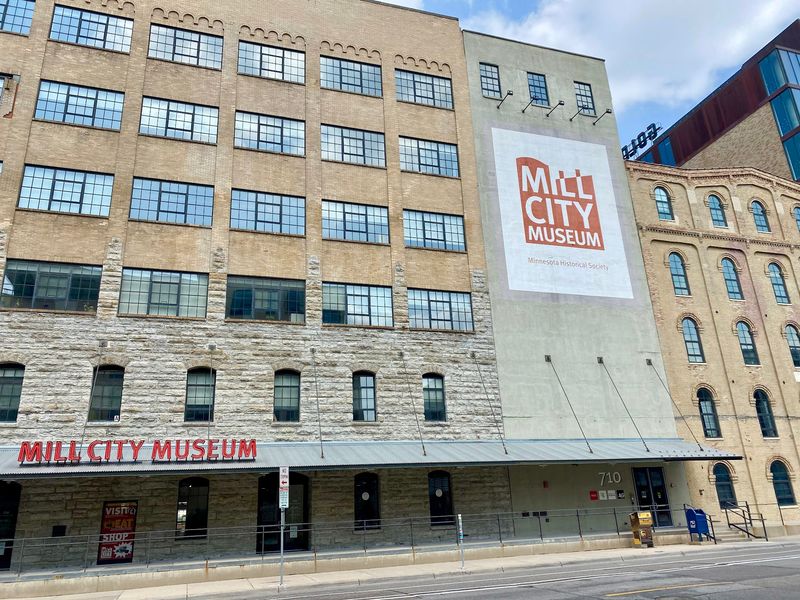
Planning a visit is straightforward once you know the schedule. The museum sits at 704 S 2nd St in Minneapolis, easy to reach and close to the riverfront.
Doors open at 10 AM Thursday through Sunday. Thursday and Friday run until 4 PM, while Saturday and Sunday stretch to 5 PM.
The museum is closed Monday, Tuesday, and Wednesday, so aim for the back half of the week.
Street parking nearby is simple to find. One approach cost around five dollars for two hours, which is plenty of time to see the museum.
Speaking of time, most people wrap up their visit in about one to two hours and feel they have covered the bulk of the exhibits. Some note that admission can feel a bit pricey, though free admission days do come around.
There is a cafe on site along with clean restrooms, so you can take a break without leaving. For details on tickets and events, the Minnesota Historical Society website is the place to check.
Why This Stop Belongs on Your List
Holding a strong 4.7-star rating across more than three thousand reviews, this museum clearly connects with the people who walk through it. Even self-described museum skeptics tend to leave impressed.
Newcomers to the Twin Cities say it gave them a real glimpse into the industry that built the area. Longtime locals find it never quite loses its charm.
The mix works because it hits so many notes at once. There is history for the curious, hands-on fun for kids, science in the labs, and knockout views from the roof.
People often say they understand Minneapolis better after visiting, which is about the highest compliment a city museum can earn. Many plan to return, especially when out-of-town guests come to stay.
Ruins that survived the flames, machines with stories to tell, and a river that still flows just outside all come together here. If you want one stop that explains how this city rose, the old Mill City Museum is a fine place to start.
Enjoyed this story?
Add Fast Food Club as a preferred source to see more of our reporting on Google.