


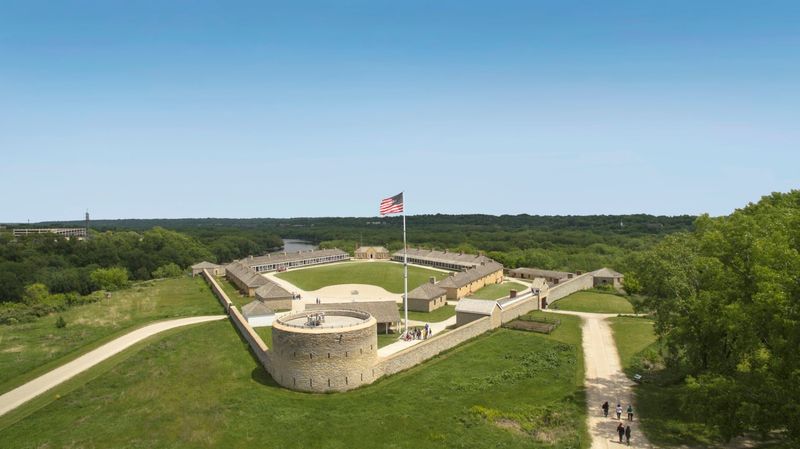
Two great rivers meet at a bluff just outside the Twin Cities, and sitting right on top of that spot is a stone fortress that has watched Minnesota grow for two centuries. Cannons still boom on demonstration days, a working blacksmith hammers over live fire, and costumed guides walk you through stories most people never learned in school.
There are winding trails, sweeping river views, and buildings that have been standing since the 1820s. It is the kind of place where you show up expecting a quick history lesson and end up staying half the day.
Kids get to explore, history fans get to geek out, and everyone leaves knowing something new about how this corner of the country came to be. Keep reading to find out exactly where this remarkable landmark hides and why it deserves a spot on your list.
Where the Fort Stands on the Map
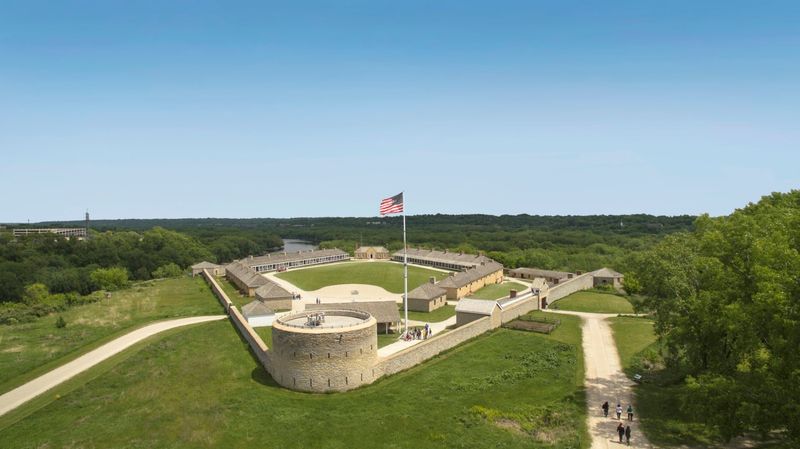
Perched on a high bluff where the Minnesota and Mississippi Rivers come together, Historic Fort Snelling sits at 200 Tower Ave, St Paul, MN 55111. The location is not an accident.
Whoever chose this spot in the early 1800s wanted a commanding view of both waterways, and the elevated ground still delivers wide looks across the rivers below.
The site is easy to reach from either half of the Twin Cities. It sits only a few train stops up from the Minneapolis-St. Paul airport and the Mall of America, which makes it a simple add-on for travelers passing through the region.
Beyond the practical directions, this ground carries deep meaning. The land is part of Bdote, a place of great cultural and spiritual significance to the Dakota people.
Long before any stone walls went up, this confluence held importance for the Native peoples who lived here.
The Minnesota Historical Society now runs the site, and the combination of location and stewardship gives the place a weight you feel the moment you arrive at the bluff.
A Frontier Post Built in the 1820s
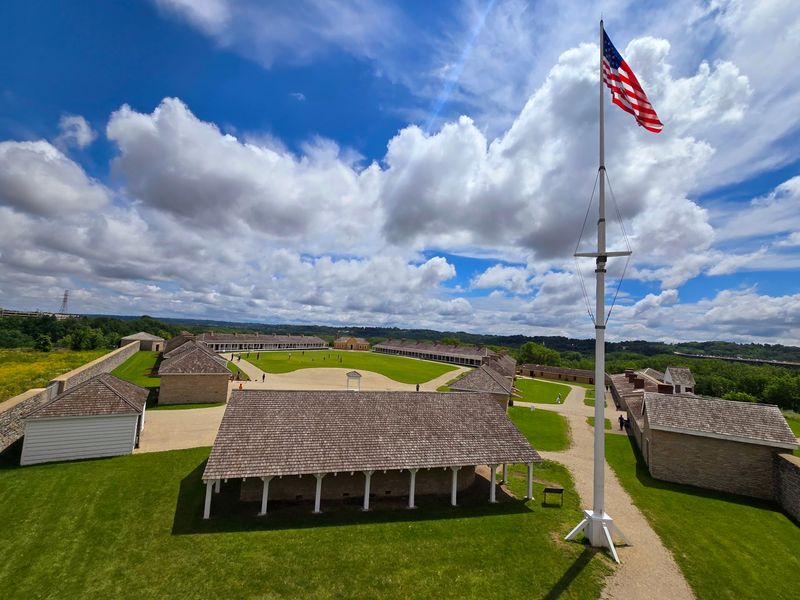
Construction on this military post began in the early 1820s, and it quickly became a key player in the expansion of the United States into the Upper Midwest. For more than a century, soldiers were stationed here, making it one of the longest-serving military sites in the region.
What makes the fort stand out among similar sites is not just its age but how it was used and where it sat. People who have toured plenty of forts across the country often note that this one feels genuinely unique in both its design and its strategic placement above the rivers.
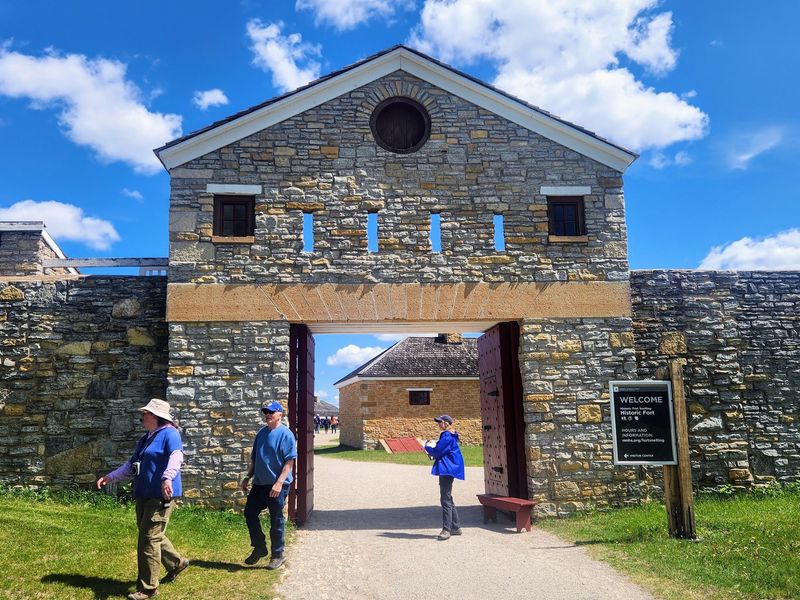
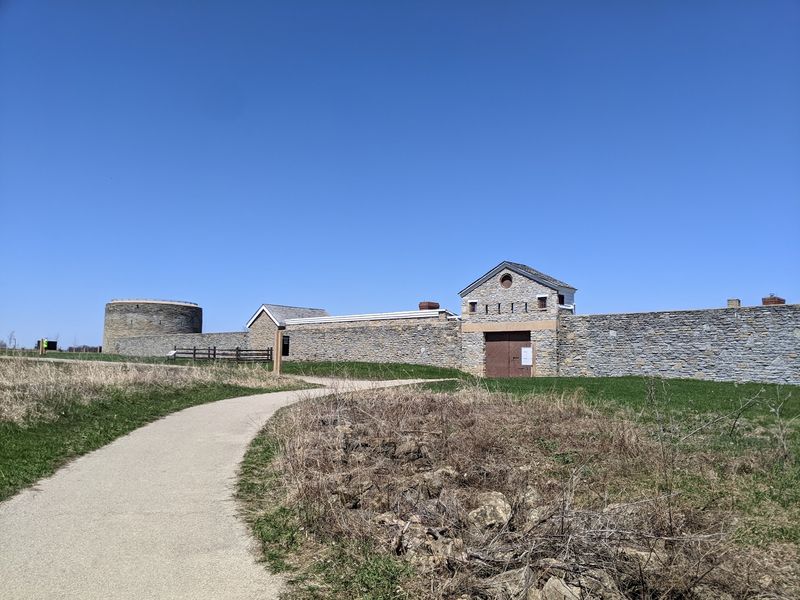
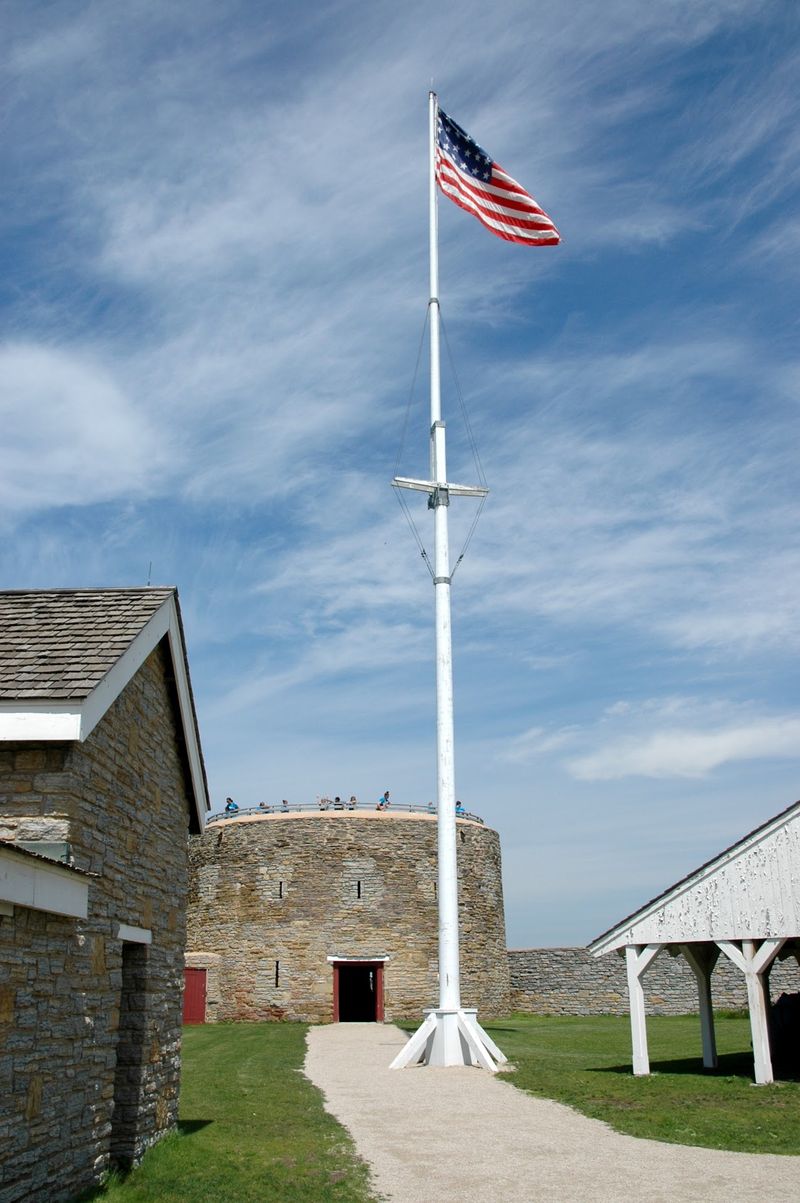
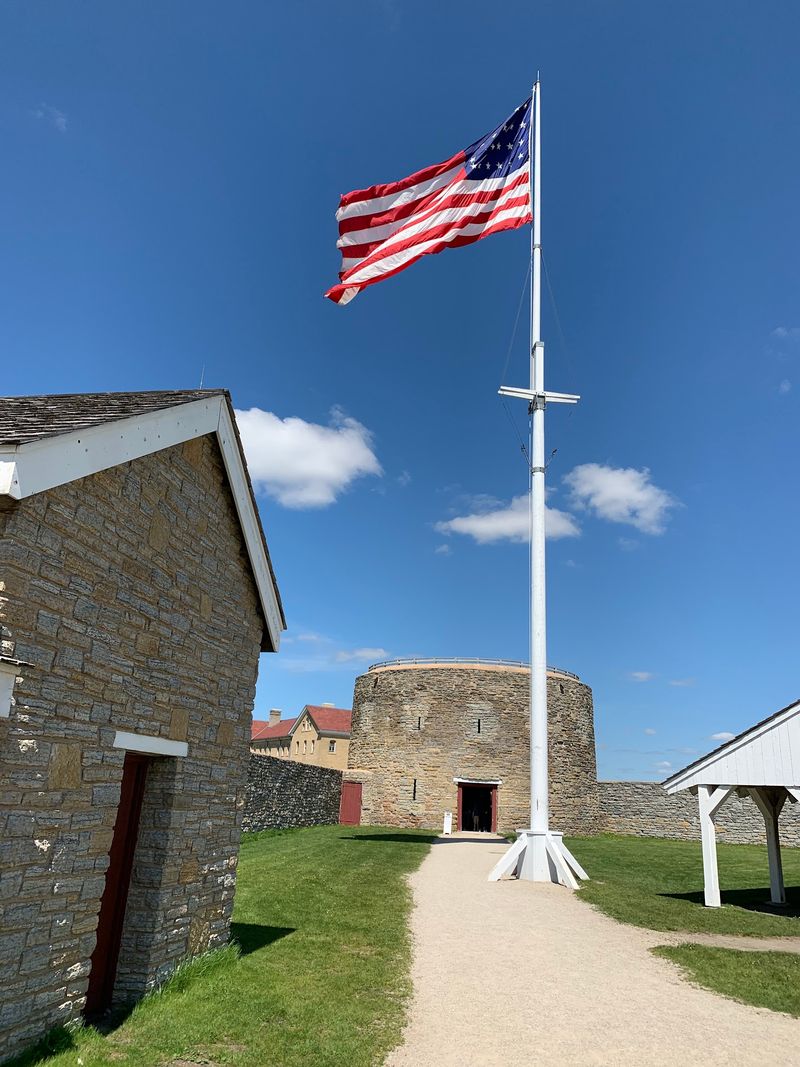
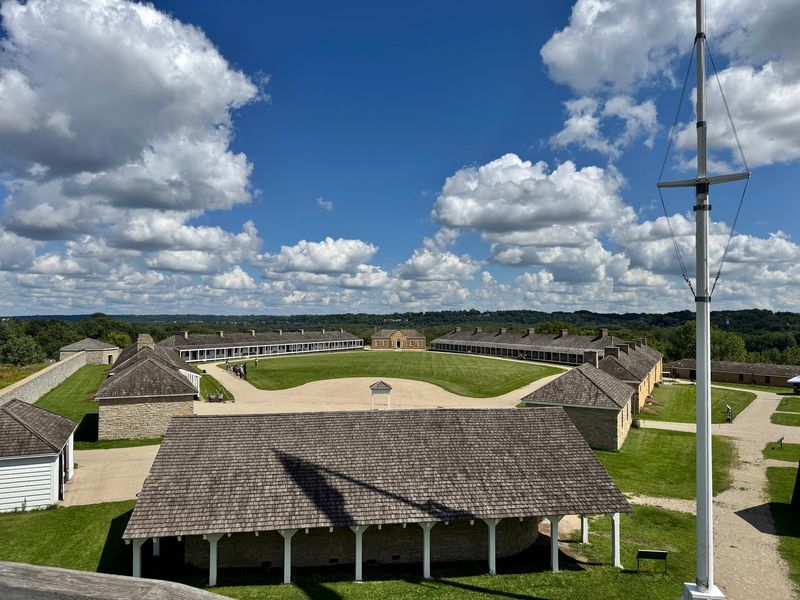
The buildings tell that long story in stone and timber. Four original structures still stand, while others have been reconstructed to reflect how they looked during the fort’s active years.
Walking the grounds today, you get a real sense of what living in an early 19th century fort was actually like. The layout, the walls, and the restored buildings all work together to bring that frontier era back into focus for anyone willing to slow down and take it in.
Costumed Guides Who Bring the Past to Life
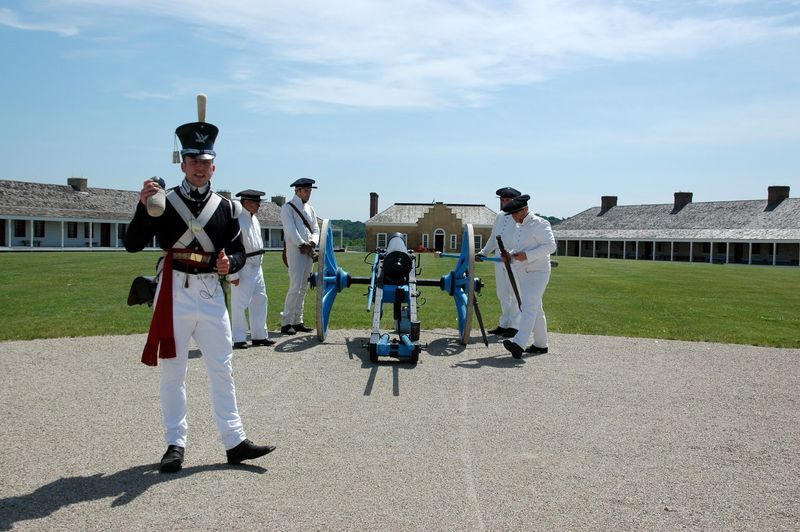
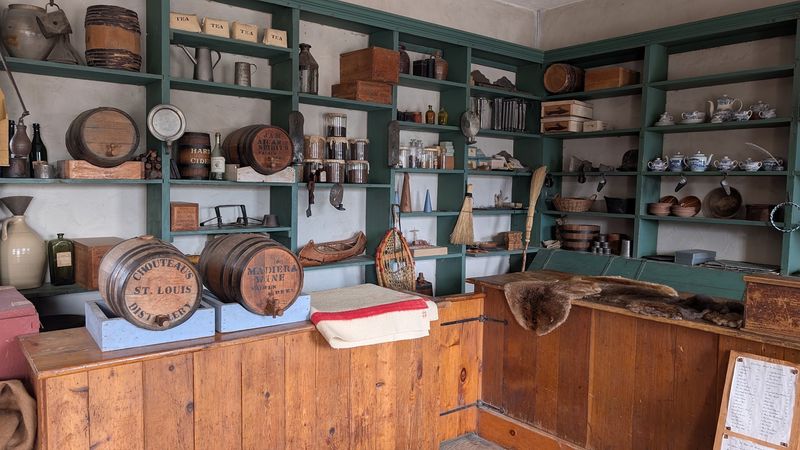
Scattered throughout the fort you will find people dressed in period clothing, each one stationed in a different building and ready to explain what daily life looked like when the post was occupied. The Minnesota Historical Society staffs these roles with folks who clearly love what they do.
There is a shopkeeper, a schoolhouse worker, and an interpreter stationed in the Dred Scott basement, among others. Each one adds color and depth to their corner of the site, turning quiet rooms into living scenes from another century.
Guests consistently point to these guides as the highlight of the entire visit. The docents come across as friendly and deeply knowledgeable, and their passion for the material is easy to notice.
Short guided tours run throughout the day, often lasting around 15 minutes, and they cover the history of specific areas in a way that sticks with you. Whether you take a general tour or wander into a building on your own, the human element here does the heavy lifting.
Regulars mention that the workers alone make the trip worthwhile, and that says a lot about how much care goes into the storytelling.
The Blacksmith and Live-Fire Demonstrations
Few things grab attention quite like watching a blacksmith work on a real project over live fire. At the fort, the smithy is a working station, not just a display, and the person running it actually shapes metal while explaining the craft.
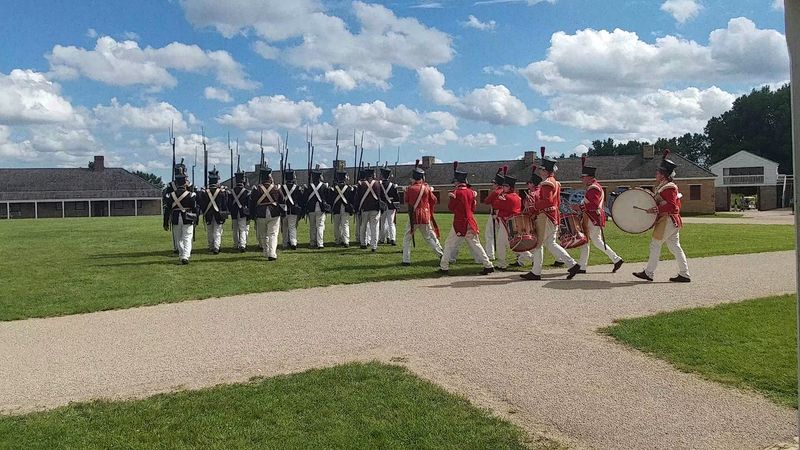
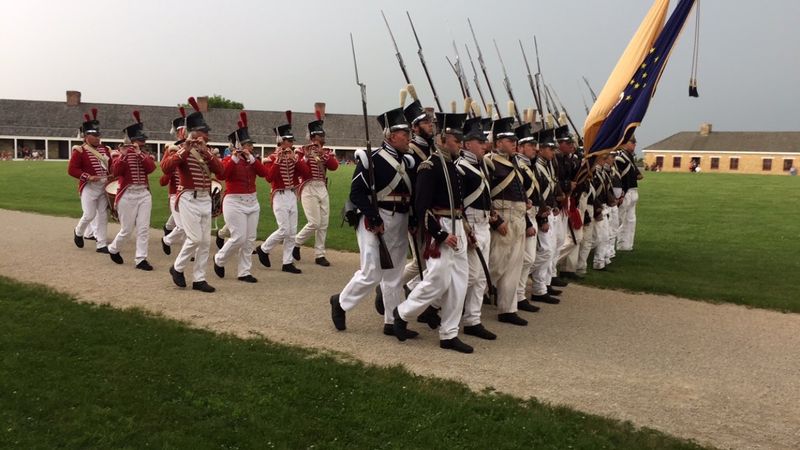
The blacksmithing is only one piece of a full lineup of demonstrations that rotate throughout the day. Depending on when you visit, you might catch a rifle demonstration, a look at soldier equipment across different eras, or a cannon and infantry firing display.
On special occasions the cannons get extra love. Guests who visited during practice for the fort’s 250th anniversary got to see the cannons fired off twice, which was a genuine treat.
Demonstrations often run on a schedule roughly every 30 minutes, at least on busier weekend days. Checking the timing when you arrive helps you line up the shows you most want to see without a lot of waiting around.
The mix of hands-on craft and booming firepower keeps both kids and adults engaged, and it turns a walk through old buildings into an active, memorable outing.
The Dred and Harriet Scott Story
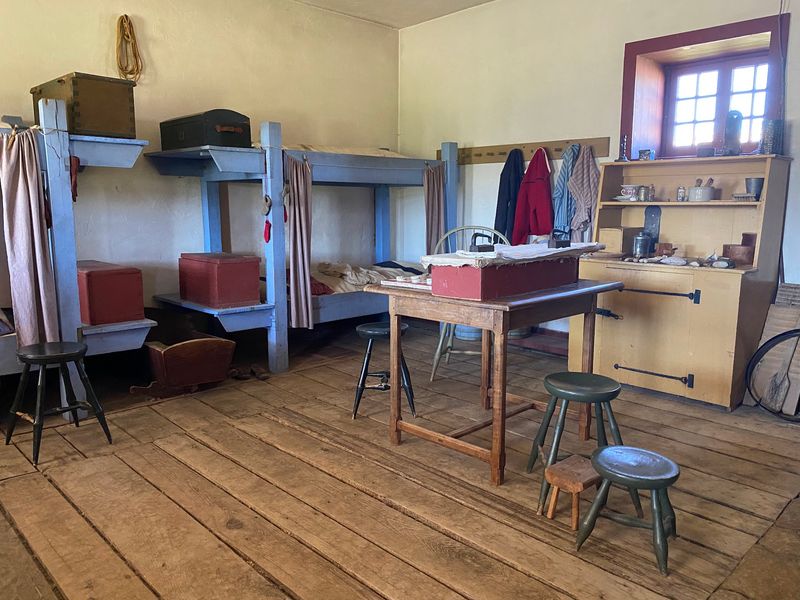
One of the most powerful parts of a visit here has nothing to do with cannons or walls. Dred Scott lived at this fort, and you can actually see his room and hear a detailed history lesson about his life and the court decision that carries his name.
Many guests arrive with no idea that enslaved people were held here, since this area was part of the Union and slavery was illegal in the territory. Learning that history on the very ground where it happened lands with real force.
The interpreter stationed in the Dred Scott basement is often singled out for being remarkably well informed. Conversations there can range far beyond the fort itself, touching on connected figures in African American history from other states.
Understanding the story of Dred and Harriet Scott adds a layer of meaning that stays with people long after they leave. It is the kind of history that reframes how you think about the whole region.
Set aside time for this stop. It is widely described as one of the most important and fascinating parts of the entire site.
Honoring the Dakota and Many Voices
Long before the fort existed, this land was Dakota homeland, known as Bdote, a site of deep cultural and spiritual meaning. The Historical Society leans into that truth rather than hiding it.
An exhibit titled Many Voices, Many Stories, One Place aims to tell the histories of the many people whose lives crossed paths at this spot. That includes the Dakota and other Native peoples, soldiers, enslaved African Americans, immigrants, settlers, and even Japanese Americans connected to later chapters of the site.
Upstairs in the museum, a film of around 16 minutes helps visitors learn more about the Dakota people and what happened to them. It is a thoughtful way to add context to everything else on the grounds.
Guests frequently praise the site for embracing the full complexity of the area’s past instead of smoothing it over. That honesty is a big part of what makes the modern presentation feel meaningful.
The result is a place that treats history as layered and human, giving voice to communities whose stories often go untold.
Original Buildings You Rarely Get to See
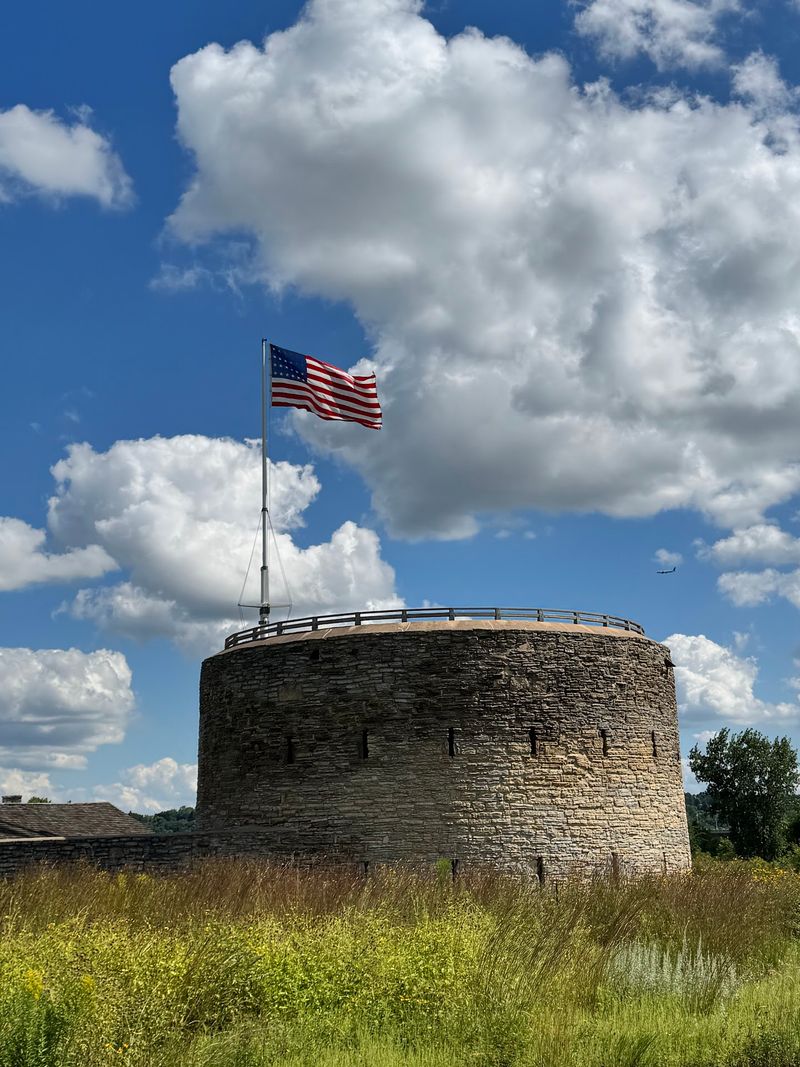
Poke around long enough and you will find rooms most historic forts simply do not offer. People who have toured many similar sites often say this is the first place they have ever seen the basement or the cook’s quarters up close.
Four original buildings remain from the fort’s early days, standing alongside reconstructed structures that fill in the picture of how the post once looked. The mix lets you compare the genuine old walls with careful re-creations.
The round stone tower and the interior spaces give a full sense of how the fort functioned as a working community. Every room seems to hold a different piece of the story.
There is also a striking stone chapel on the grounds that draws attention for its beauty. It adds another layer to a site that already has plenty to explore.
Wandering these buildings at your own pace, between the scheduled demonstrations, is one of the best ways to appreciate just how much of the fort has been preserved and restored.
The Museum and Visitor Center
Anchoring the experience is a newly renovated visitor center that packs in a lot of regional history. The space works as both a welcome point and a museum, and it gives you a solid foundation before you head out to the fort itself.
Inside you will find plenty to read, along with places to sit and listen to short presentations. On the upper level, the film covering the Dakota people rounds out the story with moving pictures and narration.
The museum housed at the cavalry stables earns special praise for its top-notch displays. Guests describe it as one of the strongest parts of the whole site, with exhibits that reward a slow, careful look.
The visitor center also serves as a comfortable home base if you want to break up your walking with some indoor time. It is a good spot to regroup, especially on hot or busy days.
Between the reading, the presentations, and the film, the indoor spaces make sure nobody leaves without a clear picture of why this place mattered.
Trails, River Views, and the Surrounding Park
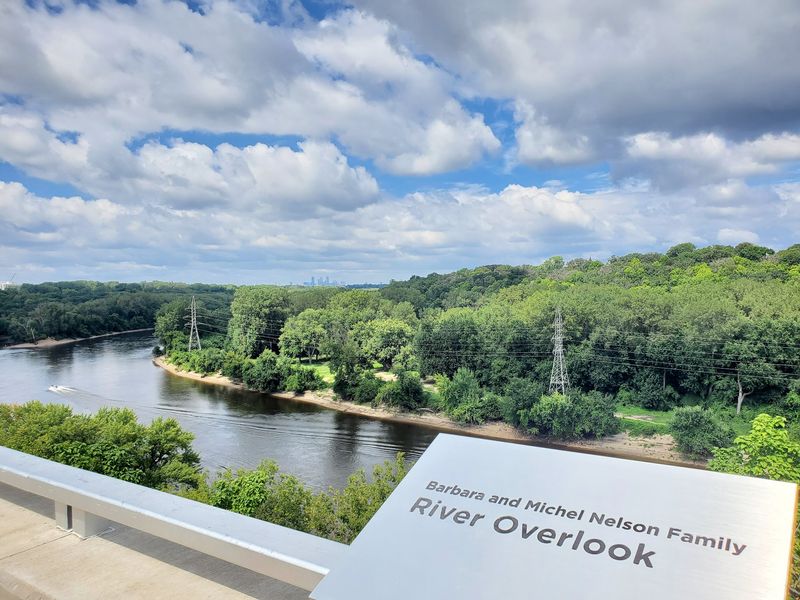
Right next door sits Fort Snelling State Park, a green escape tucked near the rivers where history and nature overlap. The fort connects to this larger park, giving visitors plenty of room to roam beyond the walls.
The trails here are peaceful and inviting, winding through settings where you might spot wildlife along the way. It is an easy place to trade city noise for a quiet walk.
The park also offers a fishing pier, picnic areas, grills, and even a boat launch on the Minnesota River side beneath the big bridge. That makes it simple to turn a fort visit into a full day outdoors.
From the fort grounds, the views of the city and the rivers are genuinely rewarding. The elevated bluff pays off with wide, open scenery in several directions.
Guests often say they could have easily spent an extra hour just exploring the trails. Between the historic buildings and the surrounding park, you really can make a whole day of it.
A Day Out That Kids Actually Enjoy
Bringing children along tends to work out better here than parents expect. Families with kids across a wide range of ages report that everyone found something to enjoy, from the youngest to the near-teens.
The demonstrations do a lot of the work. Watching cannons, blacksmithing, and costumed workers gives kids concrete things to focus on, which helps history feel real rather than abstract.
Parents who grew up visiting on school field trips often return with their own children, repeating some of the same activities they remember. That sense of passing the experience down adds a nice thread to a visit.
There is a lot of walking involved, and one of the running jokes among families is how the big hill wears the little ones out. Some outings add up to close to four miles on foot by the end.
The site carries strong educational value and helps kids picture the past in a hands-on way. For parents looking to sneak learning into a fun outing, it is an easy recommendation.
Getting There and Parking Notes
Reaching the fort is refreshingly simple thanks to nearby transit. The site is walkable from the train stop and sits just a handful of stops from both the airport and the Mall of America, so you can arrive without a car if you prefer.
For drivers, self-parking runs about six dollars. On busy days like holidays, the lot can fill up and space gets tight, so arriving early is a smart move.
A few practical heads-ups make the visit smoother. The walkways are gravel, which can be tricky for guests with mobility needs, and the path from the visitor center to the fort has no shade.
Disabled parking exists but can involve a bit of a walk, though a drop-off closer to the visitor center is available. Planning around the sun and the terrain helps everyone stay comfortable.
Water is not always easy to find once you are out on the grounds, so packing your own is wise, especially if you plan to cover the fort, the cemetery, and the trails all in one trip.
Hours, Admission, and Free Entry for Veterans
Timing your visit matters here, because the fort keeps a limited schedule. It opens at 10 AM and stays open until 4 PM on Wednesday, Thursday, Friday, Saturday, and Sunday, while Monday and Tuesday are closed.
Admission is charged by age group, so families should check the current rates for each ticket. Past guests have noted a fee in the range of twelve dollars per person, and most agree it is not expensive for what you get.
One detail worth spreading around is that veterans get in free. Former military members have entered at no charge, which is a generous nod to those who served.
Because the site sometimes hosts special events, certain areas can be closed or limited on particular days. Calling ahead or checking the schedule helps you avoid missing the upper museum or a building you wanted to see.
The official website through the Minnesota Historical Society is the best place to confirm hours, current pricing, and the day’s programming before you head out.
Pairing the Fort With the National Cemetery
Many people build a fuller outing by combining the fort with the nearby national cemetery. Visiting both, especially around Memorial Day, turns the trip into a meaningful day of remembrance and learning.
On holidays like Memorial Day, the fort tends to run its fullest programming. Guests have caught demonstrations ranging from soldier equipment across the eras to cannon and infantry firing displays, all in a single visit.
Spending around three hours here is common when everything is open. Between the fort, the cemetery, and the trails, the walking adds up quickly, so comfortable shoes are a good call.
The pairing gives the whole experience a reflective quality. Moving from the living-history demonstrations to the quiet grounds of the cemetery connects the past and present in a way that feels natural.
For anyone wanting more than a quick stop, linking these two sites makes for a rich, well-rounded day near the rivers.
Why This Landmark Earns Its Reputation
Holding a 4.7-star average across more than 880 reviews, this landmark has clearly won people over. That kind of steady praise says a lot about how well the site delivers on its promise.
The recurring themes are easy to spot. Passionate guides, honest storytelling, hands-on demonstrations, and a beautiful setting above the rivers come up again and again as the reasons people leave impressed.
Even folks who arrived with modest expectations often walk away calling it far better than they imagined. The revamp led by the Minnesota Historical Society gets a lot of credit for that turnaround.
Not everything is flawless. A few of the older plaques and signs inside the fort could use an update, and the gravel paths and lack of shade are worth planning around.
Still, those notes barely dent the overall experience.
Two centuries of frontier history, miles of trails, and guides who genuinely care add up to a destination that rewards the time you give it. Set aside a day, pack some water, and let this bluff above the rivers show you a side of Minnesota you never knew existed.
Enjoyed this story?
Add Fast Food Club as a preferred source to see more of our reporting on Google.