


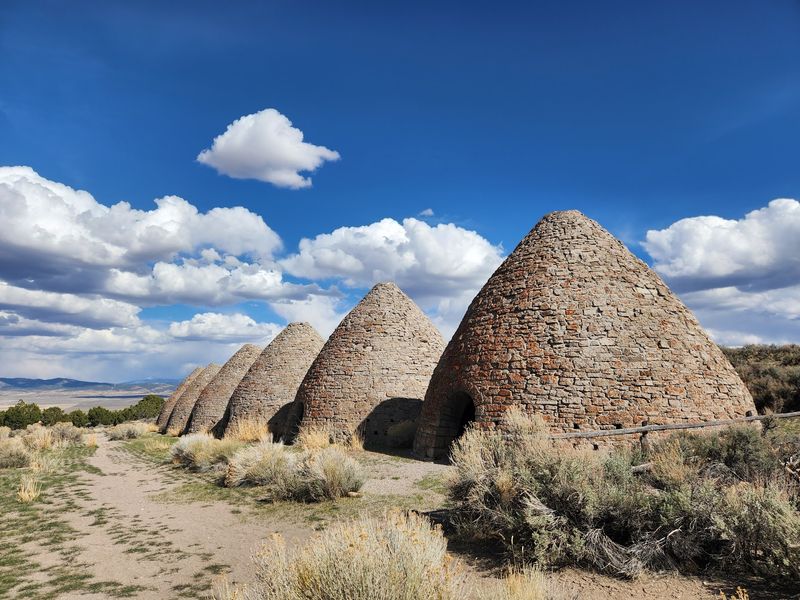
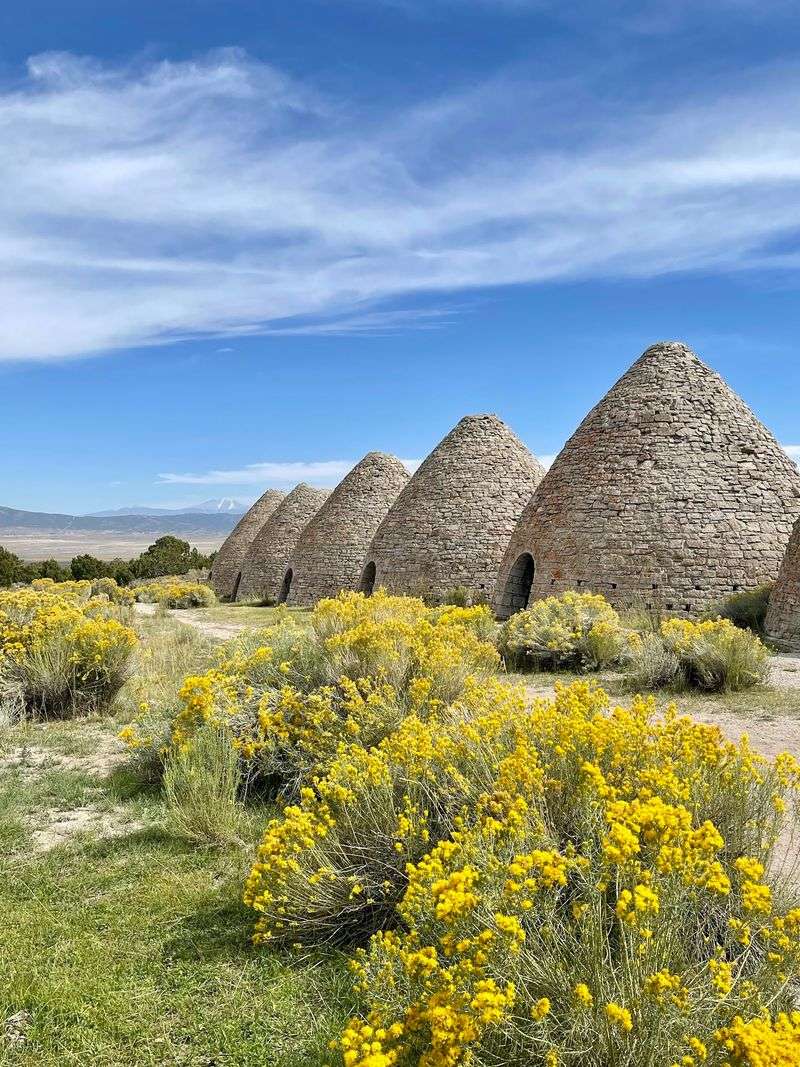
Six giant stone domes sit alone in the Nevada high desert, and most people driving through the region have no idea they exist. They stand about 30 feet tall, still nearly perfect after nearly 150 years, and they once fed a silver rush that vanished almost as fast as it began.
The wild part is that these towering ovens only worked for three short years before the mines and the trees ran out. Now they wait quietly at the end of a dirt road near a small Nevada town, ready for curious travelers who want history without the crowds.
What follows is a full look at these strange and wonderful structures, the story behind them, and everything you need to know before making the drive out to see them for yourself.
Where The Ovens Stand And What They Actually Are
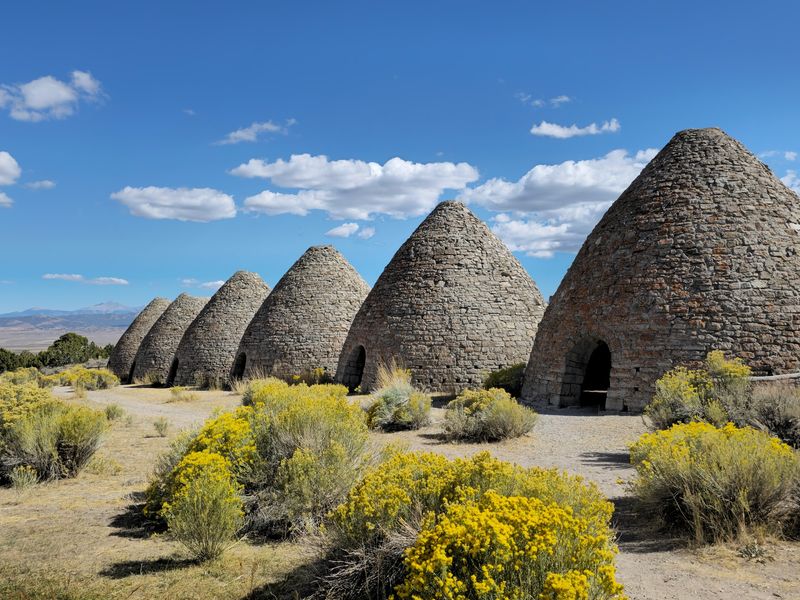
Tucked into the high desert near Ely, Nevada, Ward Charcoal Ovens State Historic Park protects six enormous stone kilns shaped like beehives. The park mailing area sits at Ely, NV 89315, and the ovens themselves rest a few miles off the highway down a well kept dirt road.
Each oven stands roughly 30 feet tall and 27 feet wide at the base. That size becomes real the moment you walk up to one and realize you can step right inside.
Built during the 1870s, the ovens turned local pine and juniper into charcoal. That charcoal fueled the silver smelters running in the nearby town of Ward.
People often mention how surprisingly intact the structures remain, with no vandalism and stonework that has held together across the decades. For a spot this remote, the preservation is remarkable.
The park sits along one of Nevada’s famously quiet routes, which makes it a rewarding detour for anyone crossing the state. It rewards curiosity in a big way.
A Three Year Silver Boom That Burned Bright And Fast
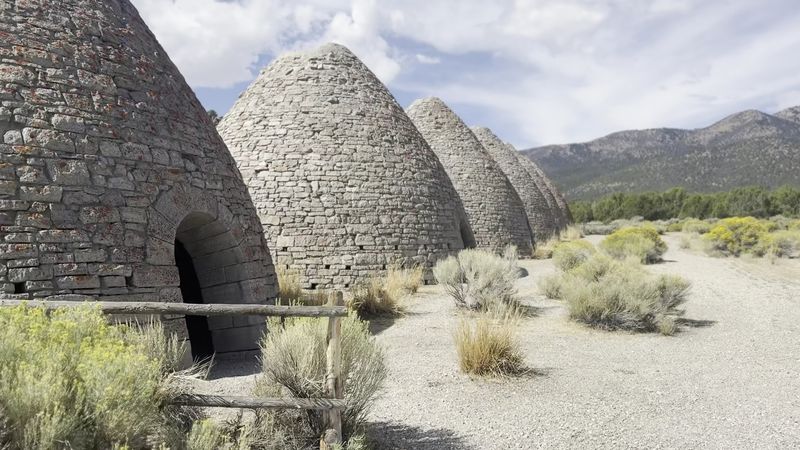
Hard to believe such massive ovens had such a short working life. Records place their active years from 1876 to 1879, just three years total.
The silver boom in the town of Ward created huge demand for charcoal to run the smelters. When the ore deposits started thinning out, the need for fuel dropped with them.
Timber shortages made the whole operation harder to sustain too. The combination of declining ore and vanishing trees ended the charcoal era almost as quickly as it started.
What makes the story stick is the scale. Each oven could hold about six acres worth of trees, and with all six running, the operation reportedly consumed around 36 acres of timber every twelve days.
Over those three years, the effort cleared nearly every tree within a 35 mile radius. The ovens outlasted the boom by well over a century, standing as quiet proof of how fast a rush can rise and fade.
The Beehive Design That Still Impresses Today
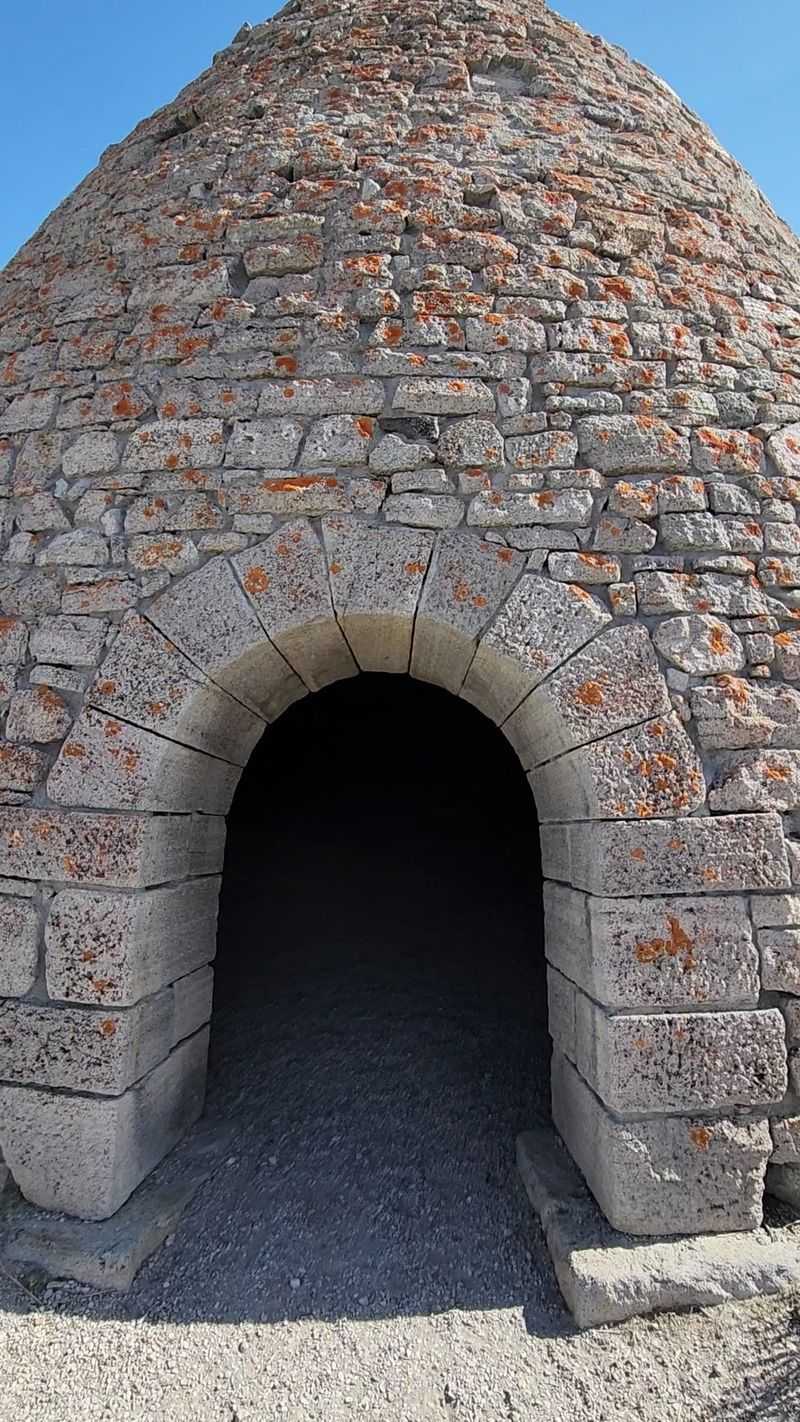
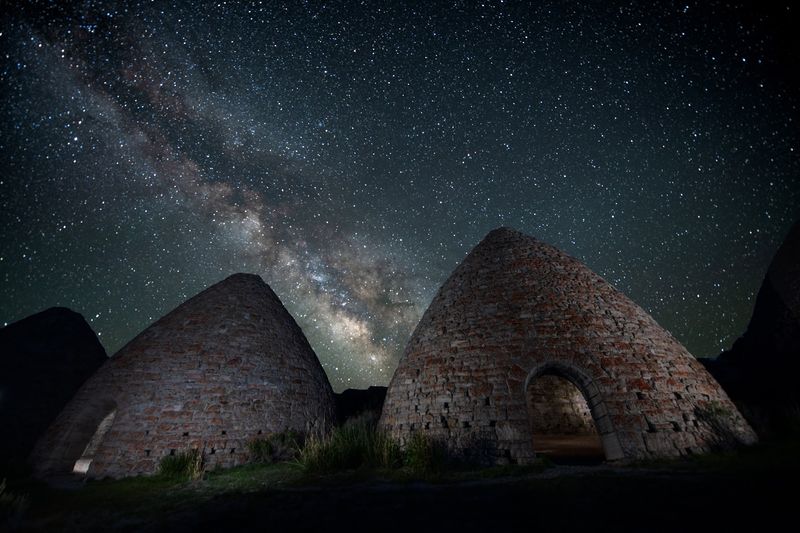
Craftsmanship is the word that keeps coming up when people describe these kilns. The rounded beehive shape was built entirely from stacked stone, and it has held its form beautifully.
Standing about 30 feet high and 27 feet across at the base, each oven creates a domed chamber large enough to walk into. The arched entrances draw you inside almost automatically.
The design was made to trap heat and slowly convert wood into charcoal. That practical purpose gave the structures their unusual shape.
Interior temperatures stay noticeably cool, which many travelers note when they duck inside on a warm day. The thick stone walls do a fine job of holding out the desert heat.
One quirky detail that people love: the acoustics inside are strange and echoing. Some folks even test out a tune or two just to hear how odd their voice sounds bouncing around the dome.
For anyone who appreciates old construction methods, the workmanship alone justifies the trip.
Life After The Fires Went Out
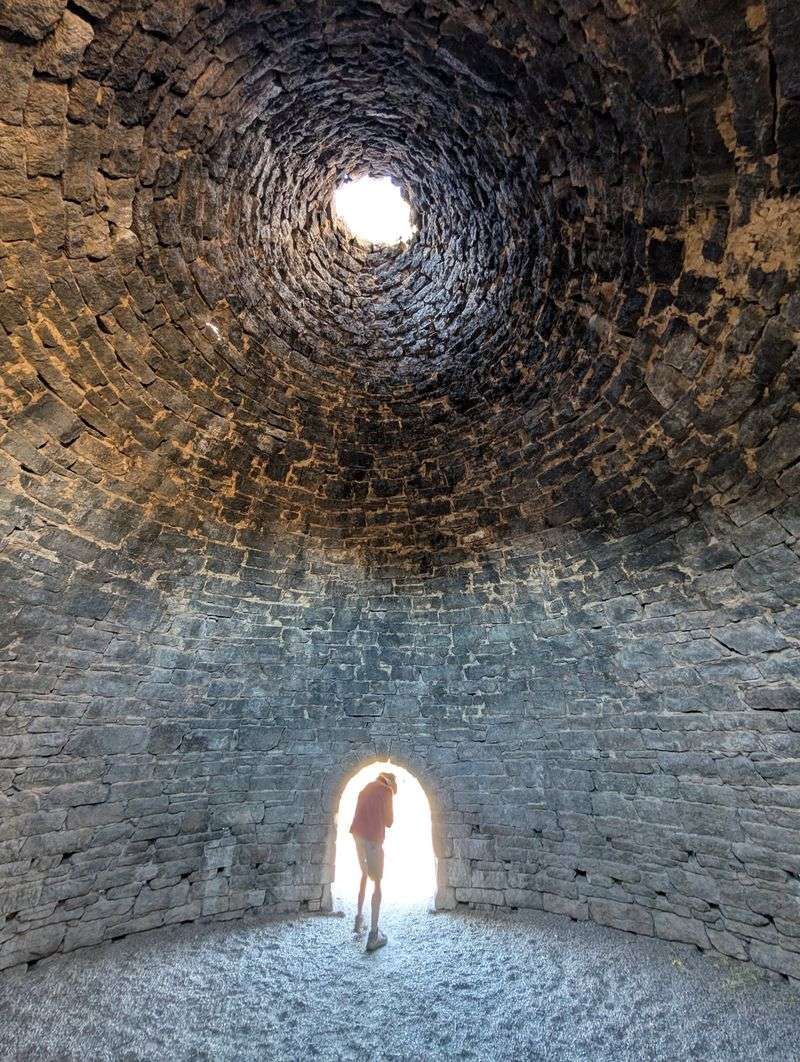
The ovens did not simply sit empty once charcoal production stopped. They found second lives in the years that followed.
Prospectors used them as shelter while working the surrounding land. Stockmen tending cattle in the area also took advantage of the sturdy stone walls.
Legend even claims that stagecoach bandits used the ovens as a hideout. Standing inside one, it is easy to see why a hidden, thick walled chamber would appeal to someone wanting to lie low.
Whether every tale is true or partly folklore, the stories add a layer of intrigue to the site. History and legend blend together in a fun way here.
The idea that these industrial structures became refuges gives them a surprisingly human story. They were built for fuel but ended up sheltering all sorts of desert travelers.
That mix of hard industry and colorful frontier legend is part of what makes the ovens more than just old stone.
The Drive Down That Famous Dirt Road
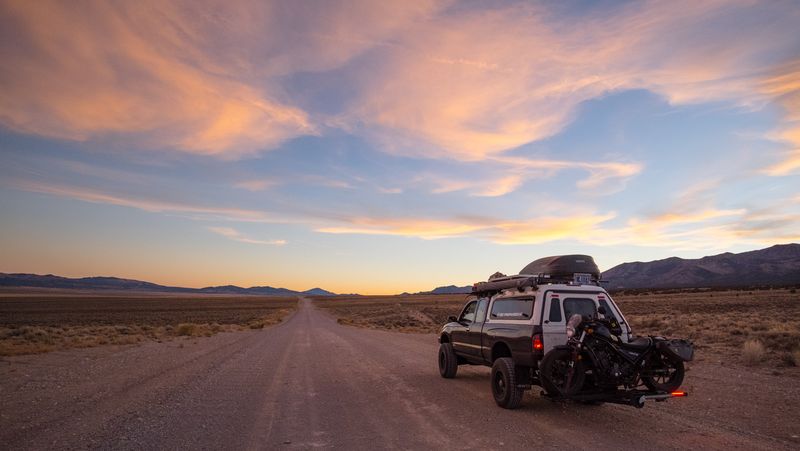
Getting there involves leaving the pavement, and that part scares off a few people unnecessarily. The final stretch runs roughly six to eight miles down a dirt road.
The good news is that the road stays well maintained. Travelers regularly describe it as firm, graded, and often free of dust after being sprayed.
Regular cars handle it just fine on good weather days. You do not need four wheel drive or a high clearance vehicle when conditions are dry.
Even smaller travel trailers make the trip. Folks pulling rigs around 21 feet report parking and turning around without trouble.
Some visitors have found the road smooth enough to cruise comfortably, though slowing down for the scenery is far more rewarding. The surrounding views heading toward the ovens are part of the fun.
Plan for an extra half hour round trip off the highway. It adds a little time, but the payoff at the end makes those miles worth it.
Trails And A Creek Worth Exploring
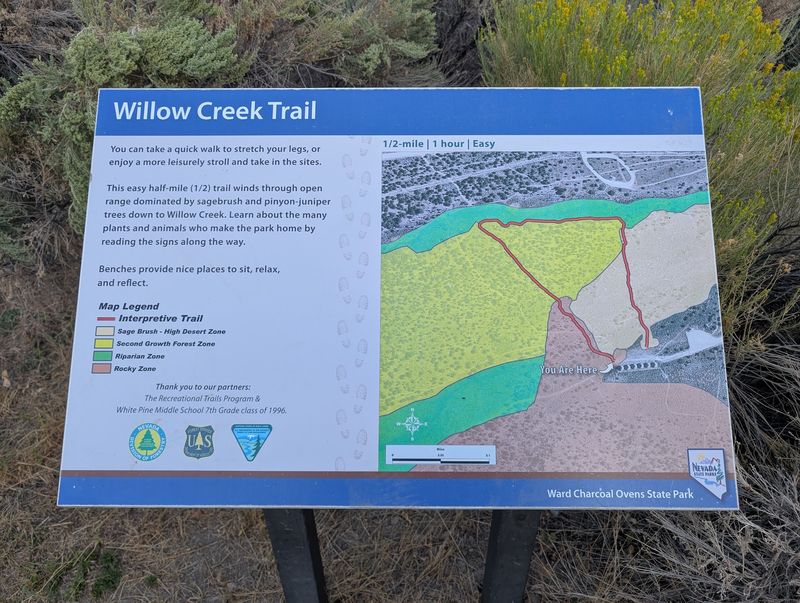
Beyond the ovens themselves, the park offers room to stretch your legs. A short loop trail of about half a mile runs just past the kilns.
The path counts as easy walking, making it friendly for most fitness levels. People who want a quick leg stretch after hours in the car find it just right.
Interpretive signs along the way explain the history and purpose of the site. Reading through the boards adds real context before you explore the ovens up close.
A creek runs through the area too, adding a bit of greenery to the desert setting. Hiking trails branch out for those wanting to wander a little farther.
Wildlife shows up around the park, so staying on the marked paths is smart. The remote setting means you might have the whole trail to yourself.
Even for those who prefer not to hike, the ovens sit just a short walk from the parking area, keeping the main attraction easy to reach.
A Small Campground In The Quiet Desert
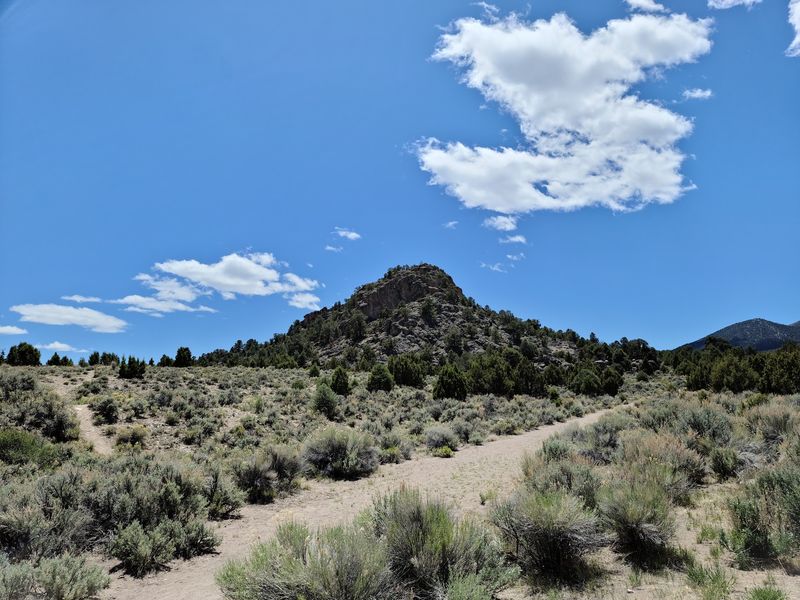
Staying overnight is an option that surprises many travelers. The park includes a small campground that gets high marks for being clean and peaceful.
Nighttime temperatures drop pleasantly compared to the lower desert. While some places nearby can run very hot in summer, the campsite area cools down noticeably after dark.
One traveler noted arriving to find the mid day heat far milder at the campsite, then dropping into the sixties by morning. The elevation helps keep things comfortable overnight.
Picnic areas give day trippers a spot to relax as well. There is plenty of open room to walk around and take in the setting.
The overall vibe is calm and remote, which is exactly the appeal for people who want to escape busy roads. Fewer crowds mean more of that big desert quiet.
For campers chasing solitude and a bit of history, the setup delivers a memorable overnight stop.
Practical Facilities And The Honor System Fee
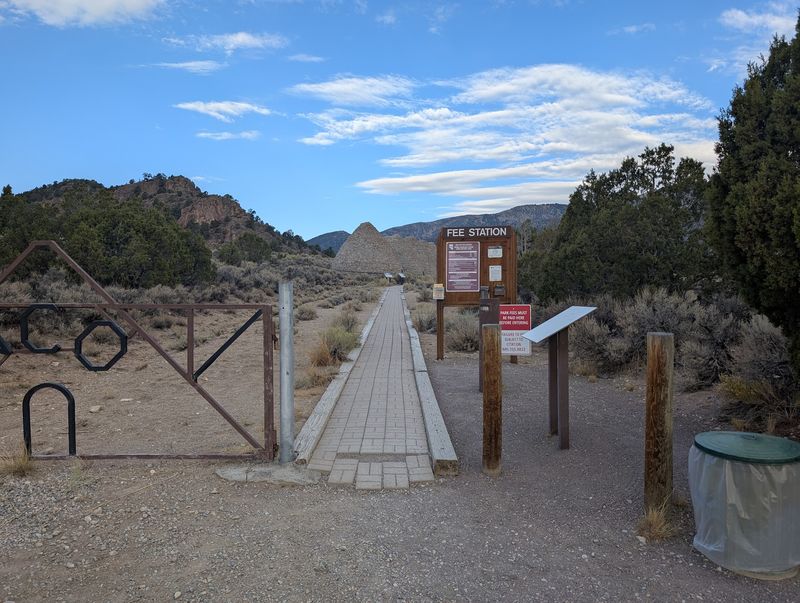
Simple but functional describes the amenities here. The park provides clean vault toilets, which travelers appreciate given the remote location.
Payment runs on an honor system at the entrance. The fee is 5 dollars for Nevada residents and 10 dollars for non residents.
You slide your payment into a concrete honor pipe at the entrance. It becomes a bit of a running joke among travelers about how the rangers eventually collect it.
Paying the fee helps keep the park maintained and open for future travelers. It is a small cost that supports preserving these unusual structures.
A few people feel the fee runs a touch high for what is a fairly quick stop. Others see it as fair support for an unusual piece of history.
Either way, the process is easy and self serve. Bring a bit of cash so you are ready when you arrive.
When To Go And How Long To Stay
Timing shapes the experience quite a bit out here. The park stays open around the clock, every day of the week, so there are no gates to worry about.
Good weather makes the dirt road easy and the trails pleasant. Dry days keep the drive smooth and the walking comfortable.
The core visit tends to run short. Many travelers spend somewhere between fifteen minutes and half an hour taking in the ovens and reading the signs.
Add the half mile loop trail and you can stretch that into a longer, more relaxed stop. Campers, of course, can settle in for the night.
The remote setting means you might find yourself completely alone, especially on a weekday afternoon. Some people love that solitude, while others prefer visiting when a few more folks are around.
Plan for the extra travel time off the highway and treat it as a worthwhile rest stop rather than a rushed photo grab.
Why This Stop Earns Its Detour
Rare is the roadside stop that combines this much history with this little crowd. The ovens hold a steady 4.7 star rating across hundreds of reviews, and the enthusiasm is easy to understand.
People who enjoy Nevada history or unusual old structures consistently call it worth the drive. The preservation, the scale, and the strange three year story all add up to a memorable stop.
The nearby town of Ely gets warm mentions too, giving travelers a charming base before heading out to the ovens. The views along the way sweeten the trip.
It suits curious road trippers, photographers, campers, and anyone who likes oddities off the beaten path. Dogs are welcome as well, so the whole crew can come along.
Six massive stone domes standing alone in the desert, still solid after nearly 150 years, make for a genuinely unusual sight. Few places tell the boom and fade of the silver era so plainly.
If your route takes you anywhere near Ely, point the car down that dirt road and give these old giants a look.
Enjoyed this story?
Add Fast Food Club as a preferred source to see more of our reporting on Google.