


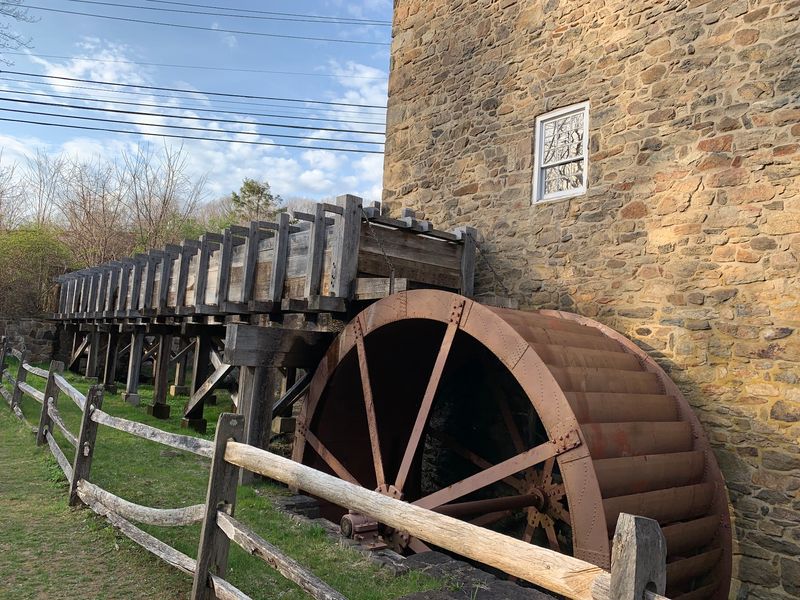
Somewhere along a winding country road in northern New Jersey, a wooden water wheel keeps turning, powering machines that have been doing the same steady job for close to two centuries. Grain goes in, and freshly ground flour comes out, made by stones and gears instead of factory motors.
It is one of the last places in the state where you can watch this old craft happen in real time, with someone standing right there to explain every belt and pulley. There are trails, waterfalls, and stone ruins tucked into the woods nearby, plus a river that draws hikers and anglers all year.
The best part is how affordable and unhurried the whole experience feels. Keep reading to find out where this working piece of history hides and why families keep returning.
A Working Piece of History in Chester
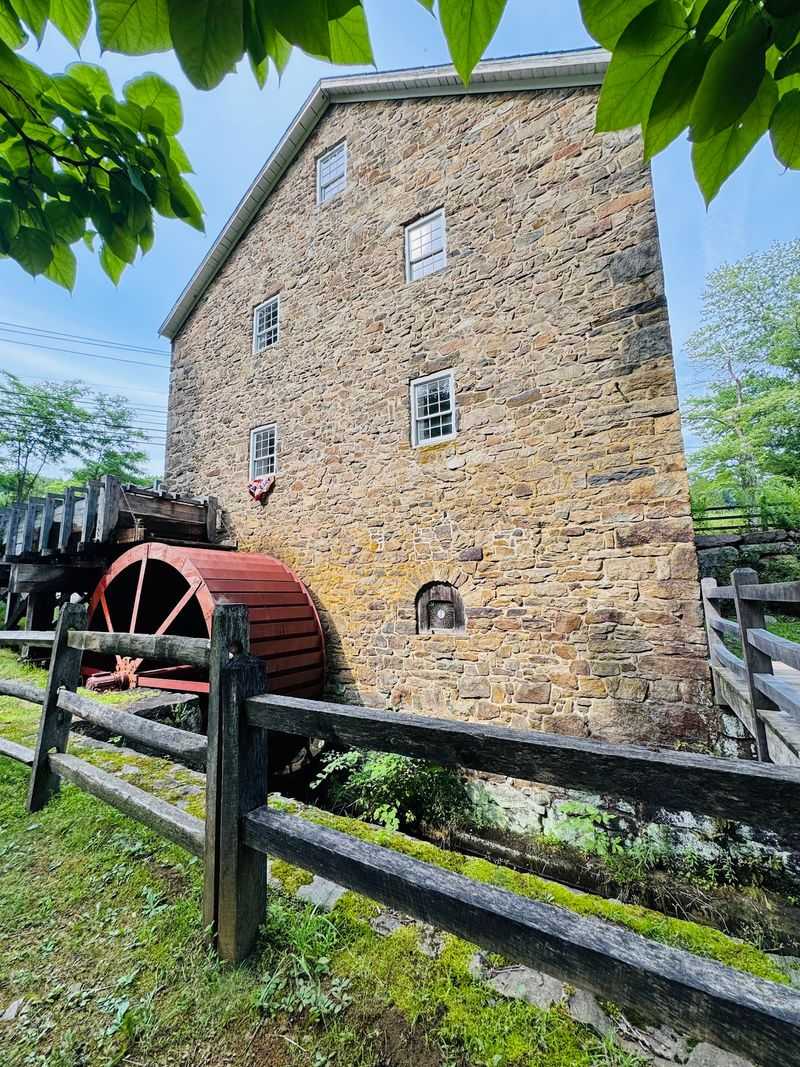
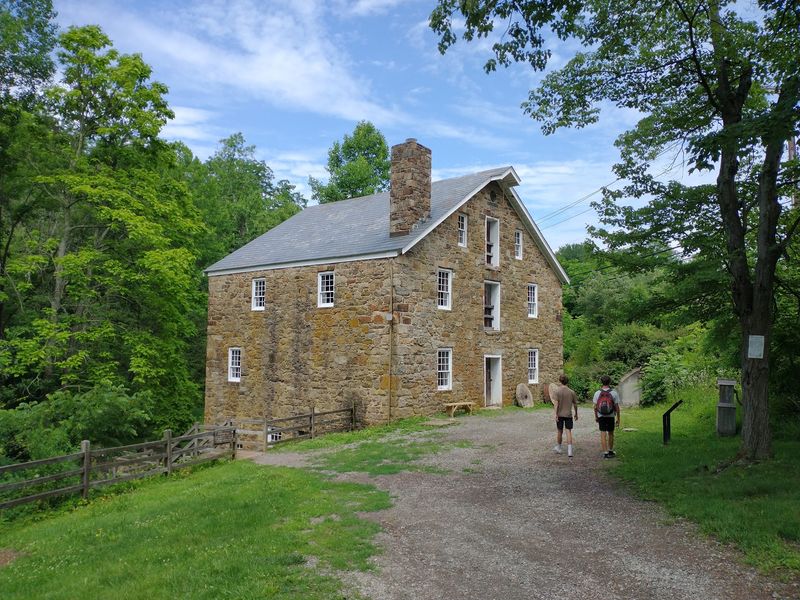
Tucked along the Black River at 66 Rte 24 in Chester, New Jersey, sits a building that refuses to retire. The Cooper Gristmill is the only operating gristmill left in the entire state, and it still grinds grain using water power the way mills did generations ago.
Managed by Morris County Parks, the structure has been carefully restored to its original design. Wood, stone, and leather come together across four floors of machinery, all linked to one main wheel shaft.
What makes it special is that it actually works. The wheel turns, the gears spin, and real flour and cornmeal come out the other end.
Regulars mention that the mill produces grain used by commercial organizations, so this is no dusty display piece. It earns its keep.
People often arrive expecting a quiet photo stop and leave surprised by how alive the place feels. The setting along the river adds to the charm, framing the mill with woods and water on nearly every side.
Where the Black River Sets the Scene
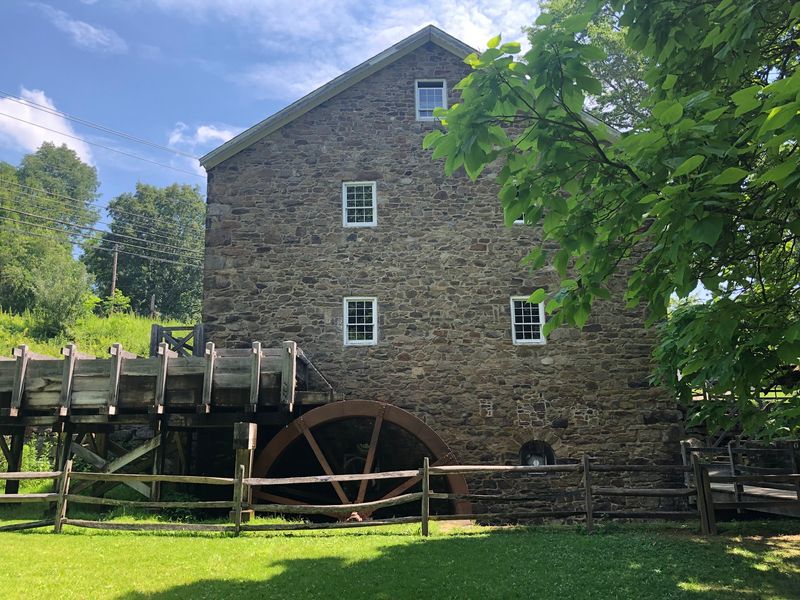
Water is the heartbeat of this whole property. The Black River runs right past the mill, and long ago its flow was harnessed to drive several mills along this same stretch.
An elongated mill pond still sits nearby, a leftover from the days when this section of river powered more than one operation. Traces of that past remain scattered through the landscape.
Hikers who explore the area come across old ruins, sluiceways, and even small mining pits hidden among the trees. Crumbled houses with stone firepits that are more than a century old still stand quietly in the woods.
Because the river shapes so much of the terrain, the surroundings shift as you walk. Ponds, fields, and bridges each take a turn.
The whole setting tells a story of industry that once thrived here, now softened by nature reclaiming its ground. Coming here feels like reading a chapter of local history written into the land itself.
The Tour That Turns Gears Into Stories
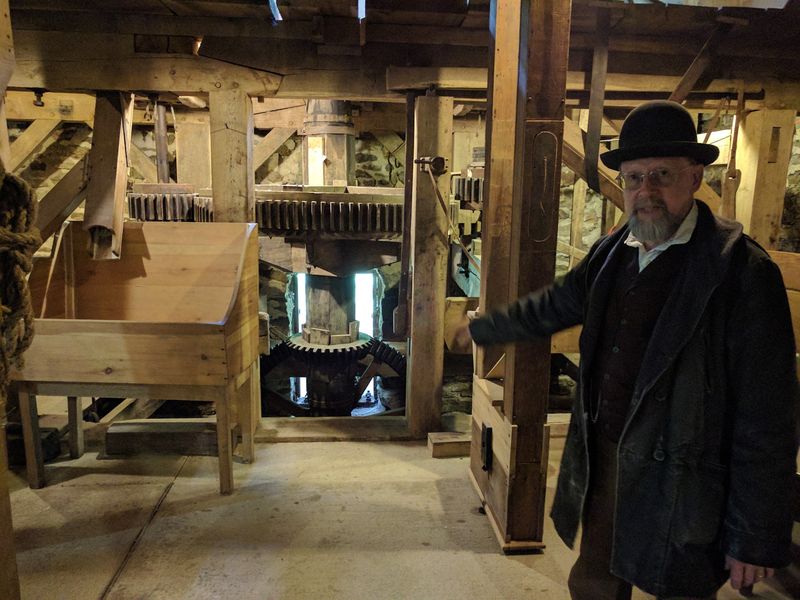
Guided tours are where the magic really clicks into place. Knowledgeable guides walk you through the building, explaining how each part fits into the larger system and answering as many questions as you can throw at them.
The people leading these tours clearly love what they do. Some have decades of milling experience, and one even helped design the full restoration of the four floors.
Guests are welcomed with patience, and no question seems too small. Folks who show up curious often leave having spent a full hour lost in conversation about how it all works.
Guides frequently fire up the machinery so you can watch the roughly thirty connected devices spring to life. Seeing the whole system move together is the highlight for many.
Families with children get special attention too. Young visitors are shown the workings up close and allowed to handle hand-driven devices.
The tour turns a static old building into a living lesson, and that human touch is what keeps people talking about it afterward.
Two Hundred Years of Moving Parts
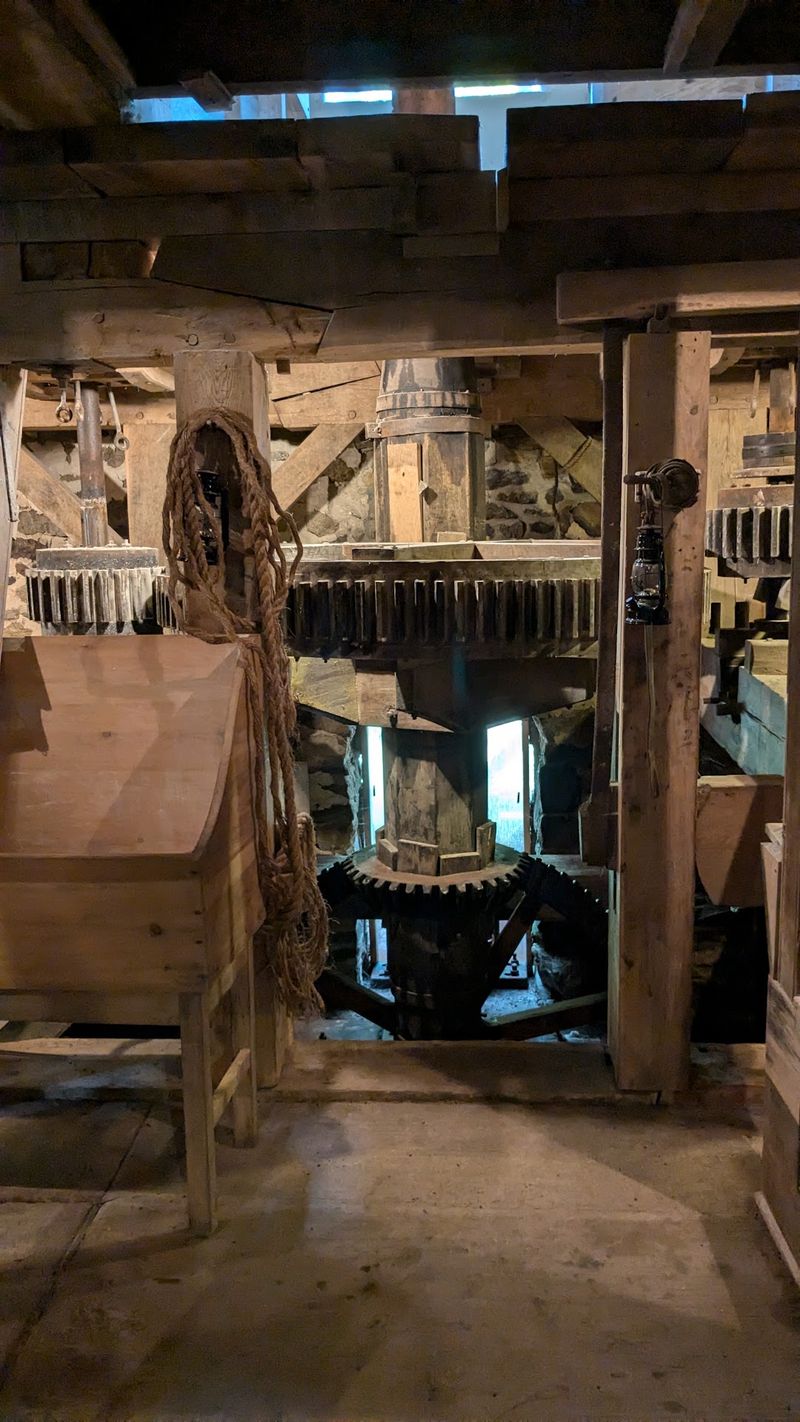
Beneath the roof lies an intricate web of nearly two-hundred-year-old parts still doing their jobs. About thirty different machines connect back to the main wheel shaft, each with a specific role in turning grain into flour.
Everything is built from wood, stone, and leather, materials that millers relied on long before electricity. The grinding stones themselves draw a lot of attention, and kids especially enjoy learning about the different types.
Guests are often amazed that these aged components remain in such solid working order. The upkeep is no accident.
The staff take pride in maintaining the equipment, keeping every belt and gear ready to run. That care shows in how smoothly the whole apparatus operates when switched on.
Watching grain get ground the old-fashioned way gives a real sense of the skill early millers needed. There is something genuinely satisfying about seeing centuries-old engineering still deliver a finished product.
For anyone who appreciates craftsmanship, the machinery alone is worth the trip up to Chester.
Take Home Flour Ground Right There
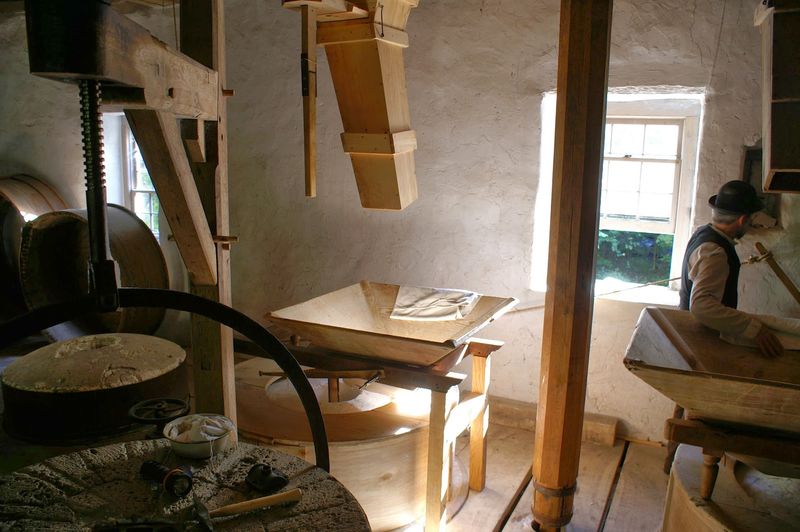
Leaving with a souvenir here means leaving with something you can actually bake. Fresh flour and cornmeal are ground on site, and guests sometimes get to take a bag home.
Options have included whole wheat flour and corn flour, milled right in front of you during the visit. Watching your grain get processed and then carrying it out the door is a rare treat.
Families have walked away with a two-pound bag of freshly ground whole wheat flour, and children love holding their prize on the way out. It turns the visit into a hands-on takeaway.
Some guests purchase wheat flour and cornmeal to experiment with at home, already planning what they will make. The locally milled product carries a story that store shelves cannot match.
Baking with flour you watched being ground adds a fun dimension to the whole outing. It is a small detail that leaves a lasting impression, and it keeps people eager to return for more.
Trails, Waterfalls, and Hidden Ruins
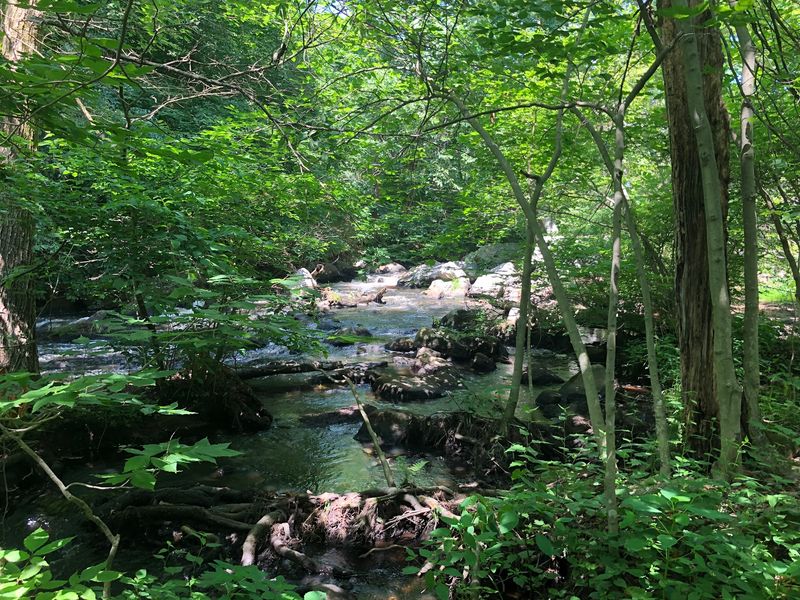
Hiking is a huge draw here, and the parking lot doubles as a launch point for the trails. The Patriots Path, marked with blue blazes, follows the Black River and connects to a segment that stretches for miles upstream.
The riverside route runs level and well maintained, making for an easygoing walk. It does not loop, so you turn back the way you came, but the scenery makes the return trip worthwhile.
Along the way, hikers spot waterfalls, ruins, ponds, fields, and bridges depending on which path they choose. There is a little bit of everything packed into these woods.
A pedestrian tunnel carries the trail under the road toward Chubb Park, though that stretch runs rougher and less groomed. The county side tends to stay in better shape.
People often log four miles and still want more, which says plenty about the appeal. For those who like their history served with a good walk, this spot delivers on both fronts.
A Cool Escape When Summer Heats Up
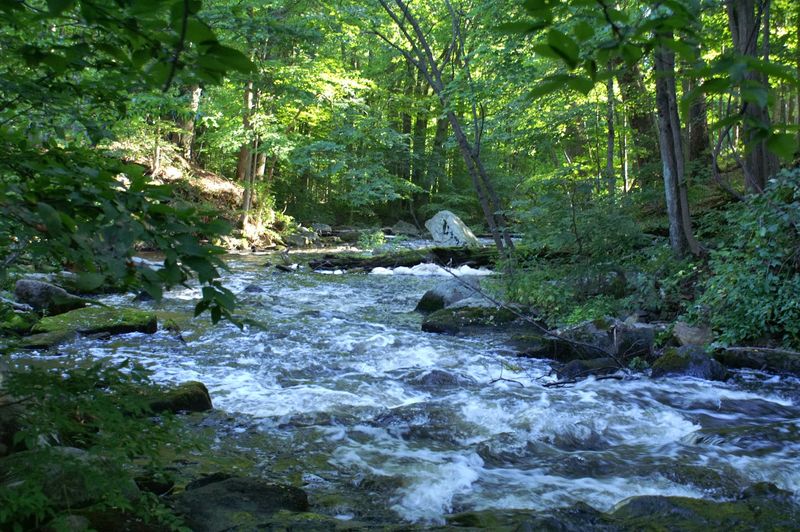
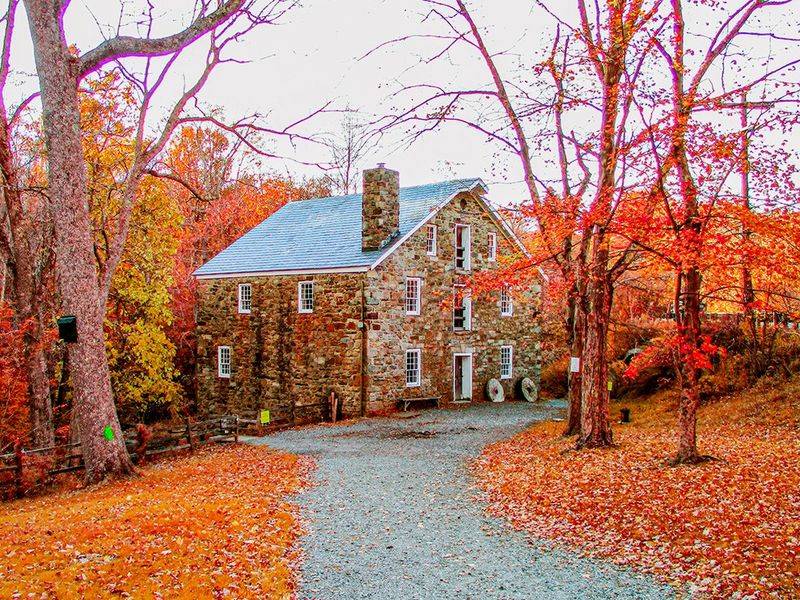
Timing your visit can change the whole experience. Autumn tends to steal the show, with fall scenery wrapping the mill and trails in color that draws people from all around.
Warm months bring their own reward. In the heat of summer, the shaded riverside area stays cooler, making it a pleasant retreat when the temperatures climb.
Spring and summer are often recommended for a return trip, especially by those who arrived on a day the mill happened to be closed. There is always a reason to come back.
Shade along the trails offers relief on hot afternoons, and the moving water keeps the surroundings refreshing. Some paths even reward summer walkers with wild berries.
November visitors find a quieter, crisp atmosphere as the leaves thin out. Each season paints the property differently.
Whatever time you pick, checking the calendar helps you match the mill hours to the weather you want. That little bit of planning goes a long way toward a great day.
Made for Curious Kids and Families
Little explorers tend to fall hard for this place. Guides make a point of showing children the mill’s inner workings firsthand and letting them handle the hand-driven devices.
The setting captivates young minds in a way screens rarely do. A four-year-old wandering through the mill found the whole thing fascinating and proudly shared what he learned about the different stones.
Grandparents often plan return trips specifically to bring grandchildren along. The mix of history, movement, and hands-on learning makes it a natural fit for curious youngsters.
Because the tour is interactive, kids stay engaged rather than restless. Guides adjust their explanations to keep everyone included, no matter their age.
Watching gears turn and grain transform into flour gives children a real-world science lesson wrapped in fun. It sticks with them.
Families searching for an educational outing that does not feel like homework find a winner in Chester. The memories, and sometimes a bag of flour, come home with them.
Planning Your Visit and Getting There
A few practical notes will save you a wasted trip. The mill keeps a limited schedule, so checking the operating hours online before heading out is well worth the minute it takes.
Tours have run at just five dollars per person, making this one of the more budget-friendly outings around. That price buys an in-depth walk through a genuinely working mill.
The address is 66 Rte 24 in Chester, and the site is run by Morris County Parks, with details on their website at morrisparks.net. Parking sits right at the trailhead.
From the lot, head toward the small gate and down the path to reach the mill. Two trails begin from this same spot.
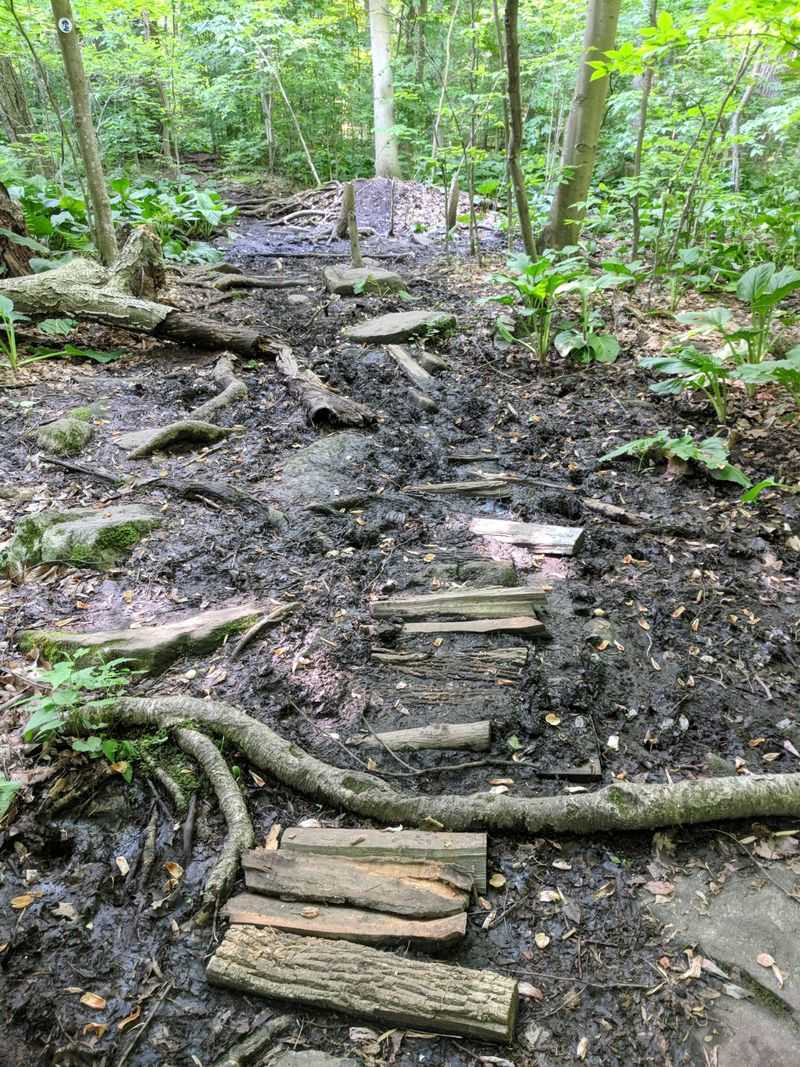
A heads-up on accessibility: the trails include stairs, narrow boardwalks, rocks, tree roots, and mud, so they are not suited for strollers or mobility devices. The riverside is dog friendly, and many people fish there.
Restroom facilities are limited, so plan accordingly and arrive ready to enjoy the day.
Why This Corner of Chester Wins People Over
Some places quietly become favorites, and this one has that effect on people. Guests describe it as one of the most picturesque spots to hike in New Jersey, and many make it their go-to outing.
The blend of working history and natural beauty is hard to beat. You can watch centuries-old machinery in motion, then wander trails dotted with waterfalls and ruins, all in a single afternoon.
Chester itself adds to the appeal, with nice restaurants and shops in town for after your visit. It rounds out the trip nicely.
Families return again and again, some visiting several times over the years. The friendly guides and hands-on tours keep the welcome warm.
Whether you come for the mill, the hike, or the fall color, the property tends to leave people planning their next trip before they have even left. It rewards curiosity and slows the pace in the best way.
For a day that mixes learning, walking, and a bag of flour to take home, this Chester landmark quietly delivers more than you expect.
Enjoyed this story?
Add Fast Food Club as a preferred source to see more of our reporting on Google.