


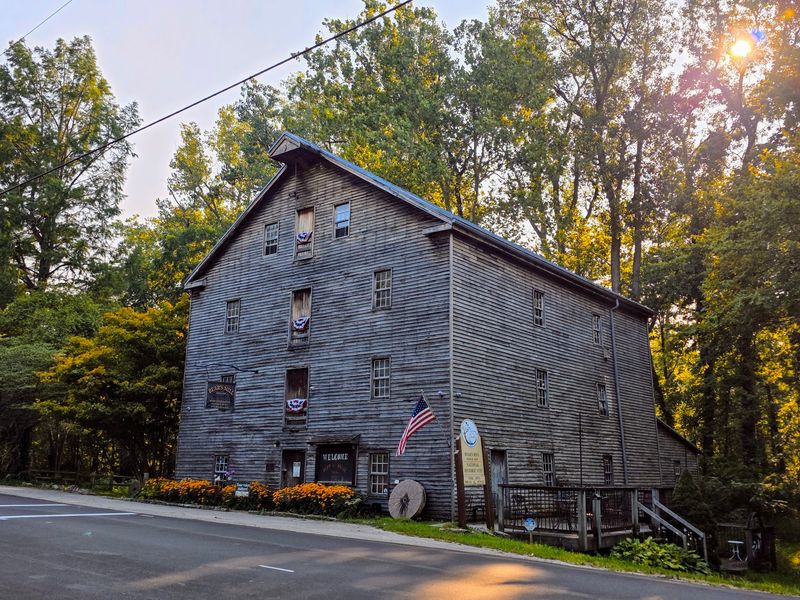
Tucked away on a quiet country road in western Ohio sits a four-story wooden building that has been turning grain into meal for more than 150 years, using nothing but the pull of moving water. No electric motors run the heart of the operation here, just an old system of wheels and stones that still does the job it was built to do.
You can walk every floor, watch grain get cleaned and crushed, and then carry home a bag of the very cornmeal that was ground on the spot. There is a covered bridge outside, trails through the woods, and a little shop stocked with local treasures.
Keep reading to find out where this rare working relic lives and why people drive from far off just to see it in action.
A Working Piece of Darke County History
Down a rural stretch called Arcanum Bears Mill Rd, you will find one of Ohio’s most unusual survivors. Bear’s Mill stands at 6450 Arcanum Bears Mill Rd in Greenville, OH 45331, in the heart of Darke County.
The building is a genuine grist mill, a historical landmark that still runs the way it did generations ago. Water from the creek drives the machinery, and grain becomes meal right before your eyes.
What sets this place apart is that it never became a museum piece frozen behind glass. The mill keeps grinding, and the products it makes go straight onto the shelves of the shop downstairs.
People often describe it as a hidden find in the middle of nowhere, and the location fits that description well. The setting is quiet and rural, far from the noise of any city.
That sense of stepping back into a working past is exactly what draws folks here. It is history you can watch move, not just read about on a plaque.
How Water Power Turns Grain Into Meal
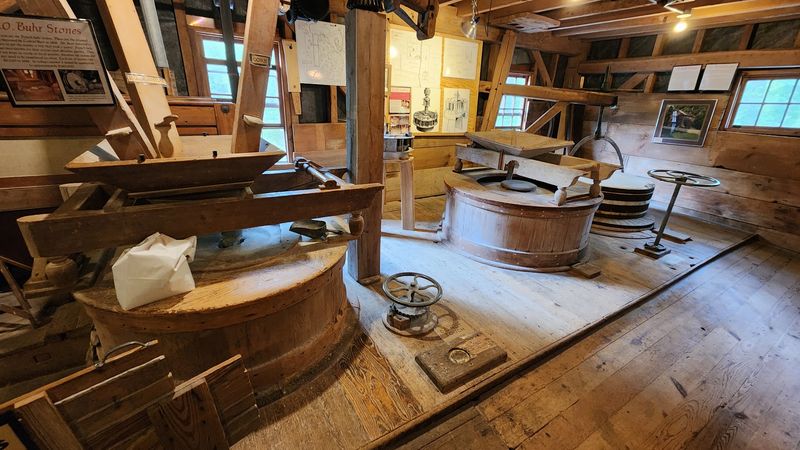
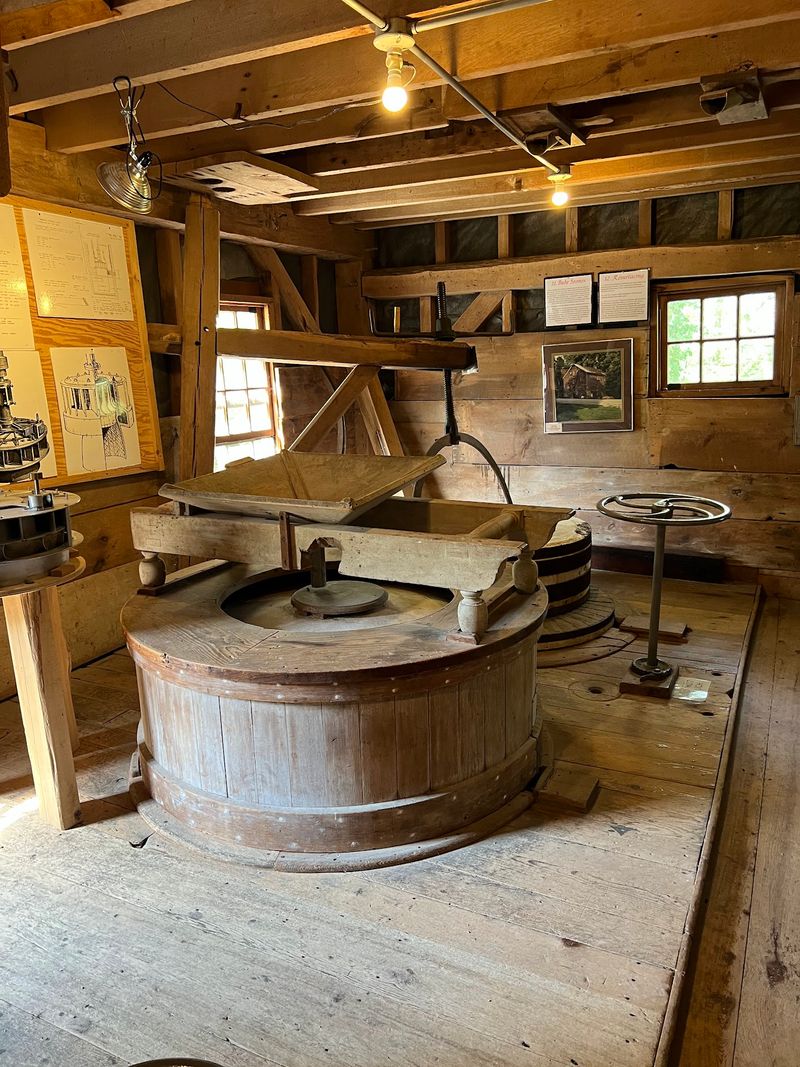
The magic of this mill lives in a simple idea that has powered communities for centuries. Moving water turns the machinery, and the machinery turns the grain into flour and cornmeal.
Guests who catch a demonstration get to see the whole process in motion. Water power grinds wheat into flour and corn into meal, all without a single electric motor doing the heavy lifting.
Each level of the building reveals a different stage of the work. Grain is received, cleaned, and prepared, then sent to the grinding stones where the real transformation happens.
Understanding this system gives you a new respect for the people who built and ran mills like this one. What looks like a maze of wheels and belts is actually a carefully engineered machine.
Seeing it operate makes the finished bags of meal in the shop feel like small trophies. You are not buying a factory product, you are buying something made by water and stone.
Four Floors Worth Exploring
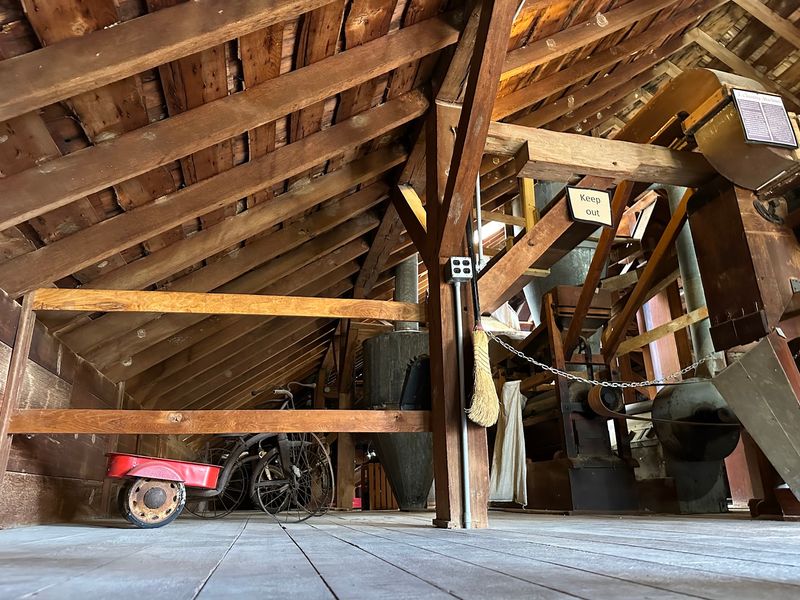
Curiosity gets rewarded the moment you climb the stairs inside. The mill offers multiple floors to wander through, each packed with old artifacts, posters, and gadgets from another era.
Many folks suggest starting your self-guided tour on the top floor and working your way down. That way you follow the natural flow of how grain travels through the building during milling.
Every level shows off a different part of the operation and its history. The working parts of the mill share space with interesting bits of the past that make the climb worthwhile.
The building has been well restored and carefully maintained, which shows in the condition of the exhibits. It is often called one of the best-kept old mills people have toured anywhere.
Families find plenty to keep everyone busy, and kids especially seem to enjoy the hunt from floor to floor. There is something to notice around nearly every corner.
Freshly Milled Cornmeal and Flour for Sale
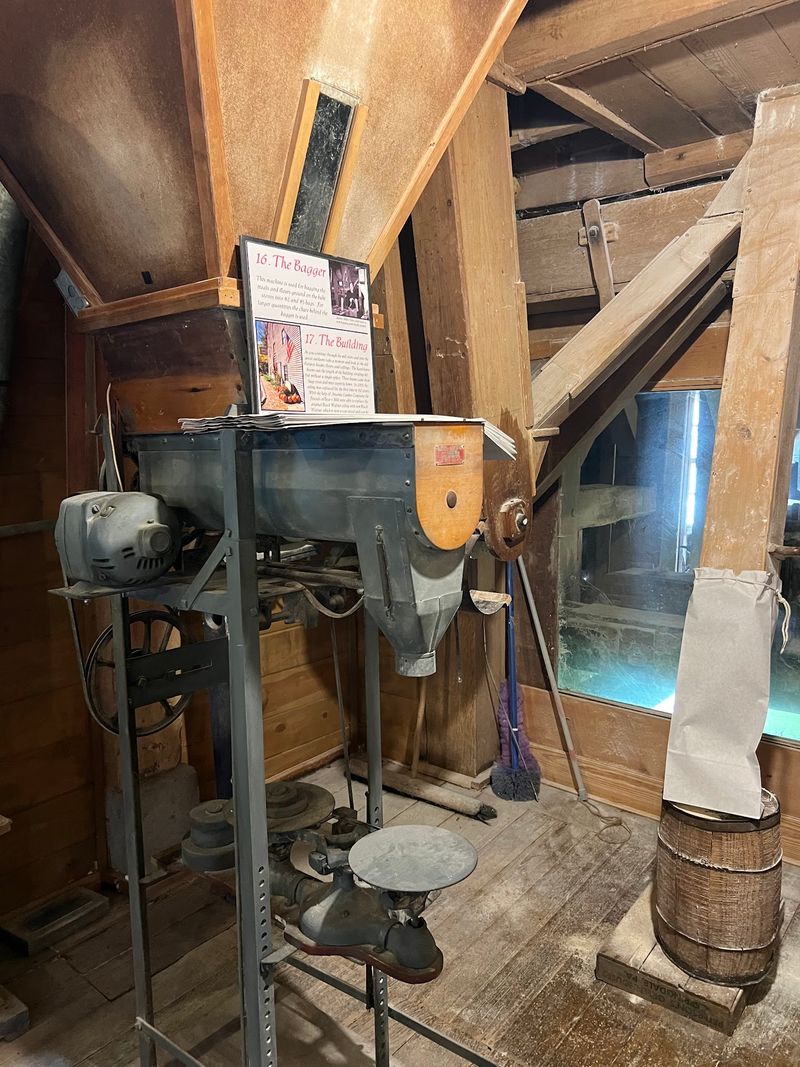
The best souvenir here is the one made right on the premises. Bags of freshly milled cornmeal, flour, grits, and other stone-ground goods line the shop, all produced by the mill itself.
Buying a bag means taking home the actual product of the water-powered stones you just watched at work. It is a rare chance to connect what you saw with what you carry out the door.
Guests frequently leave with several bags of milled flour and corn tucked under their arms. The stone-ground offerings are a big part of why people make the trip in the first place.
Because the meal is milled on site, there is a real sense of freshness and authenticity to it. This is not something you pull off a supermarket shelf.
For anyone who loves cooking or baking, the shop turns a fun outing into a practical one. You get a story and an ingredient in the same visit.
The Gift Shop on the Ground Floor
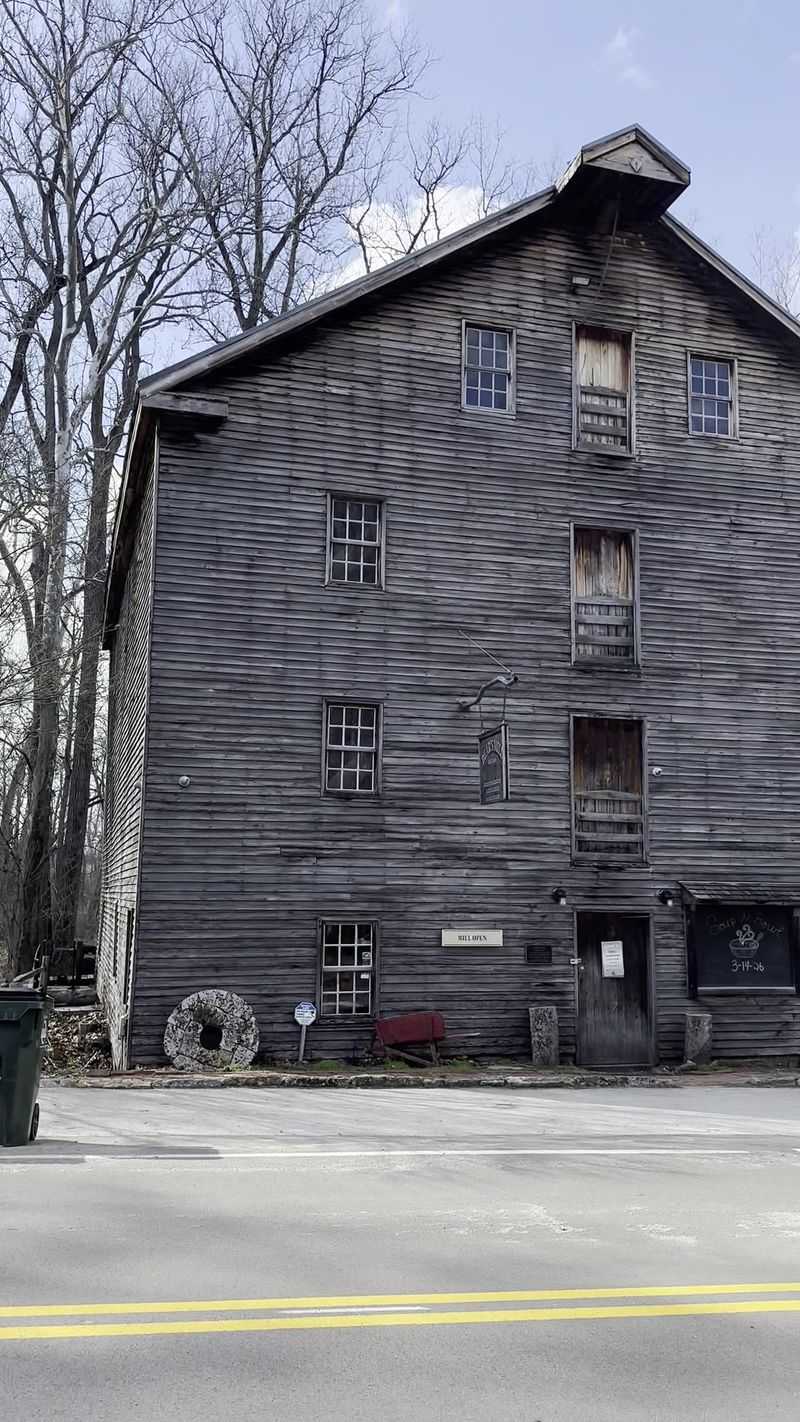
Right when you enter, the first floor greets you with an extensive little store. Shelves hold kitchen wares, coffee, dip mixes, pottery, candy, and plenty of other locally made goods.
The pottery earns special praise for both its quality and its fair prices. Many guests mention snapping up all kinds of great items they did not expect to find.
Fresh ground coffee is another highlight, and the shop keeps out samples of different treats for people to try. It is the kind of cozy spot where browsing turns into buying.
Beyond the food, you will find trinkets and homemade gifts that make thoughtful presents. There is a good mix of practical and charming picks throughout.
The shop rounds out the whole experience nicely, giving you a reason to linger after the tour. Few people walk out empty-handed.
The Covered Bridge and Grounds Outside
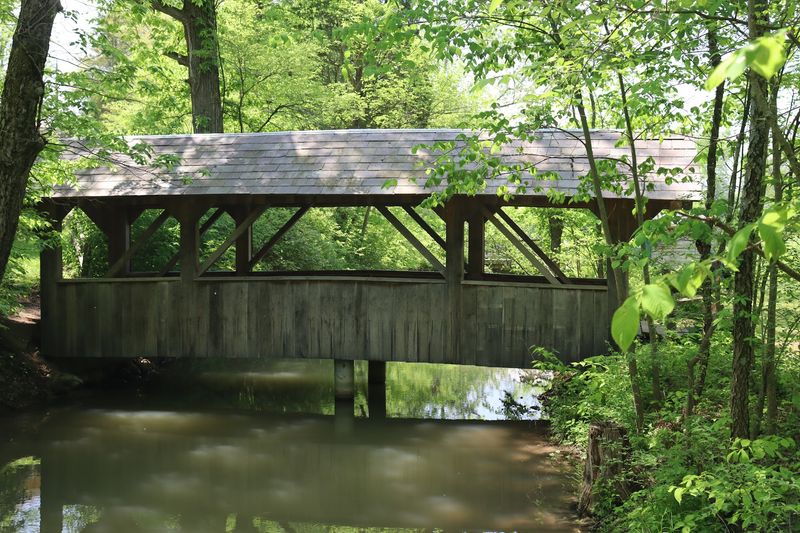
Step outside and the property keeps giving. A covered bridge sits nearby, adding a classic touch to the already scenic grounds.
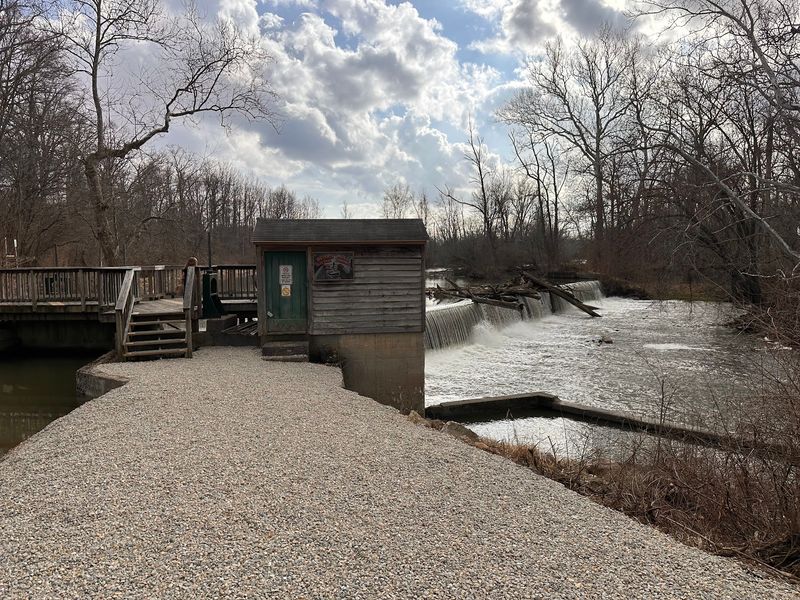
The area around the mill is described as amazing and beautiful, especially good for a slow walk. You can stroll along the creek and take in the view of the old dam space.
A Veterans Memorial also stands on the grounds, including a Vietnam Veterans memorial that draws quiet respect. It gives the outdoor space a meaningful stop beyond the natural scenery.
The combination of water, woods, and the covered bridge makes the exterior every bit as appealing as the mill itself. Many people spend as much time outside as they do inside.
Photographers and casual walkers alike find plenty to enjoy on the grounds. It is the kind of place where you slow your pace without meaning to.
Trails Through the Woods
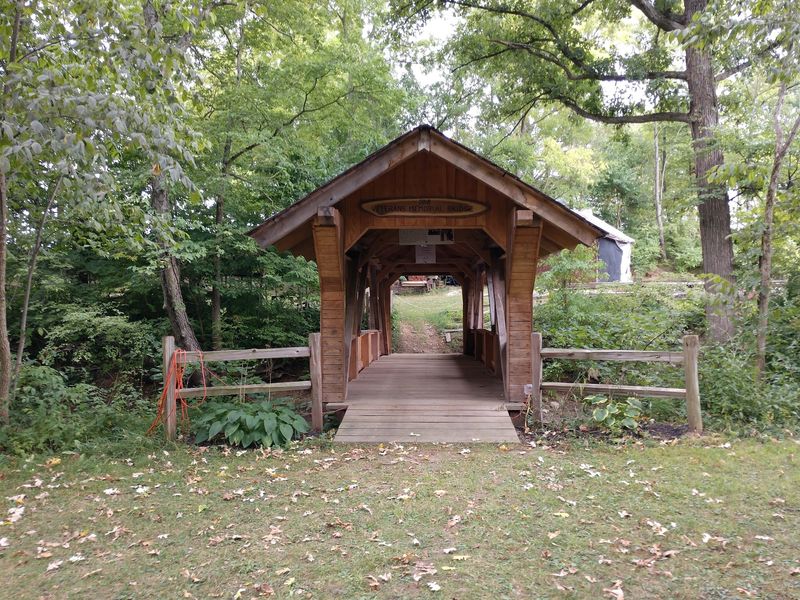
Nature lovers get their fair share of the fun here too. The property includes trails that wind through the woods and lead toward the covered bridge.
These paths make it easy to turn a short mill visit into a longer outdoor outing. A stroll along the creek pairs perfectly with the history inside the building.
Dogs are welcome to come along, and plenty of guests walk the trails with their pets in tow. It is a relaxed, family-friendly setting that works for a range of visitors.
The woods are often called beautiful, and the quiet setting adds to the appeal. You can spend a peaceful afternoon just exploring the natural surroundings.
Trails rank among the most talked-about features of the whole property. They turn a quick stop into a full experience worth planning around.
Guided Tours With Great Storytellers
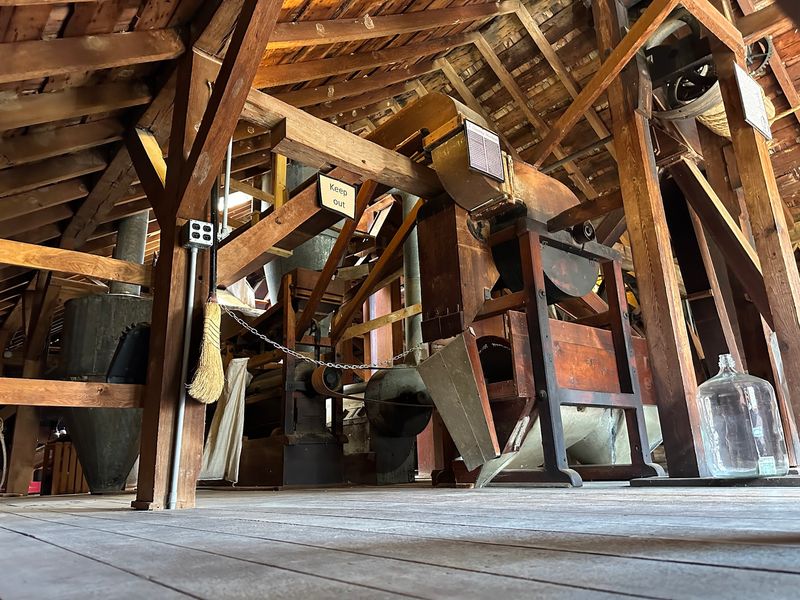
Some of the most memorable moments happen when a guide leads the way. Guided tours walk you through the entire building and explain how everything works.
One of the guides is a former owner of the mill, and he brings the place to life with humor and stories. His knowledge of the building runs deep because he once ran it himself.
Having someone with that kind of firsthand history makes the tour feel personal and rich. The details come from lived experience, not just a script.
Guests come away calling the whole thing an educational experience, and kids soak it up as much as adults. History genuinely comes to life when a good storyteller is at the helm.
Whether you take a guided walk or explore on your own, the mill is set up to teach. The guides simply add an extra layer of charm.
An Art Gallery Tucked Inside
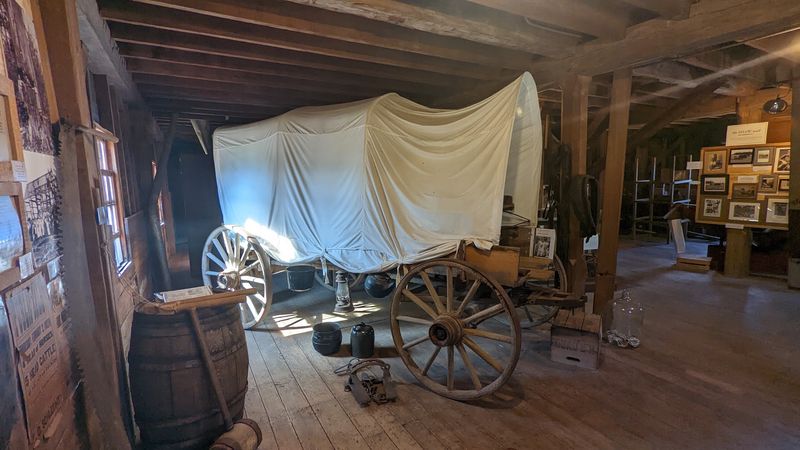
Not everyone expects to find creativity alongside the machinery. An art gallery lives inside the mill, showcasing work from local artisans.
When the gallery is open, it adds a whole new reason to visit. Local art shares the space with the historic exhibits and the shop’s goods.
The artisan offerings mix well with the pottery and handmade items found downstairs. Together they give the mill a strong sense of community craftsmanship.
If you time your visit right and catch the gallery open, consider it a happy bonus. Guests mention feeling lucky when they get to browse it.
The blend of history, art, and handmade goods keeps the mill from feeling like a single-note stop. There is always something a little unexpected waiting.
Friendly Faces Who Make It Feel Welcoming
Warm hospitality is a thread that runs through nearly every visit here. The staff earn steady praise for being friendly, kind, and genuinely helpful.
People often point out how welcoming the folks inside are, whether they are guiding a tour or ringing up a purchase. That friendliness turns a good visit into a great one.
Helpful staff members point guests toward the self-guided tour and share tips on where to start. Their patience and warmth stand out again and again.
The kindness shown by the people running the shop leaves a strong impression on families and travelers alike. It is the human touch that keeps folks saying they will be back.
Friendly staff ranks among the most mentioned qualities of the entire experience. Good history is better when good people share it with you.
A Peaceful Spot for Curious Travelers
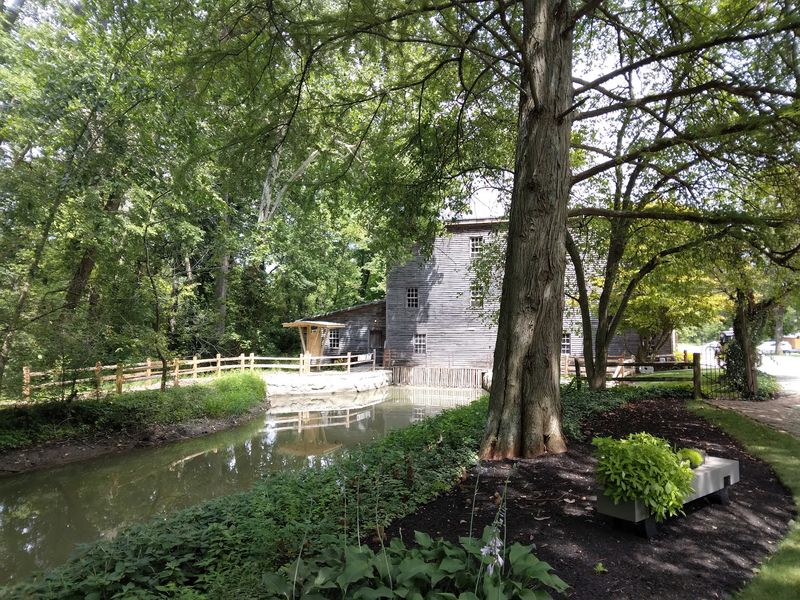
Calm is the mood that defines a day out here. The mill and its grounds are quiet, making it an easy escape for anyone who wants a break from busy places.
Families with children find it especially rewarding, since there is room to explore and history to soak up. Kids enjoy roaming the floors and hunting for old gadgets.
People who love historic finds and roadtrip detours seem to connect with the place most. It rewards the curious traveler who likes to wander off the main route.
The setting suits a leisurely fall drive, with the creek and woods framing the whole scene. It is a stop that fits a slow, unhurried kind of day.
Whether you come for the machinery, the trails, or the shop, the atmosphere stays gentle and unrushed. That peaceful feeling is a big part of the draw.
Hours, Location, and Getting There
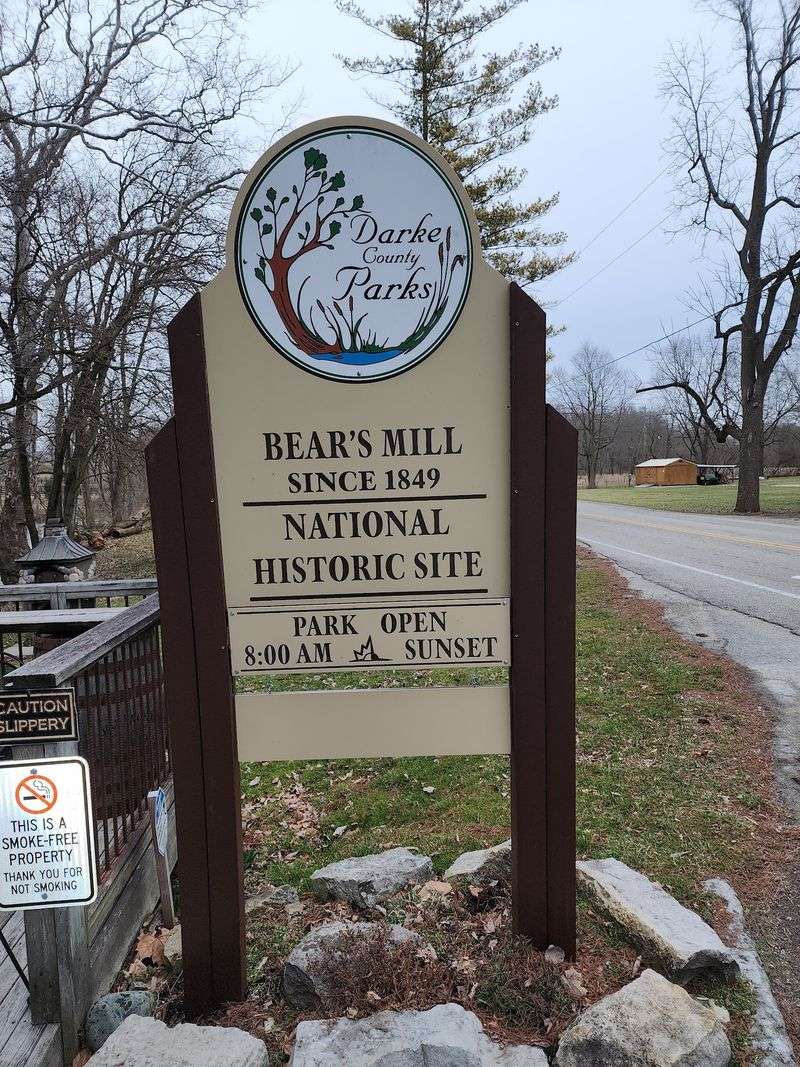
Planning a visit is straightforward once you know the schedule. The mill is open Tuesday through Sunday from 11 AM to 5 PM, and it stays closed on Mondays.
You will find it at 6450 Arcanum Bears Mill Rd in Greenville, Ohio, out in the quiet countryside of Darke County. The setting is rural, so the drive itself is part of the charm.
People travel from as far as Columbus and still call the trip well worth it. Others stumble upon it during a nearby detour and end up glad they turned off the main road.
Because it sits away from the city, giving yourself a little extra travel time makes sense. For the latest details, the mill keeps a website at bearsmill.org.
Once you arrive, plan to spend more time than you expect. Between the floors, the shop, and the trails, there is plenty to fill an afternoon.
Why This Old Mill Still Matters
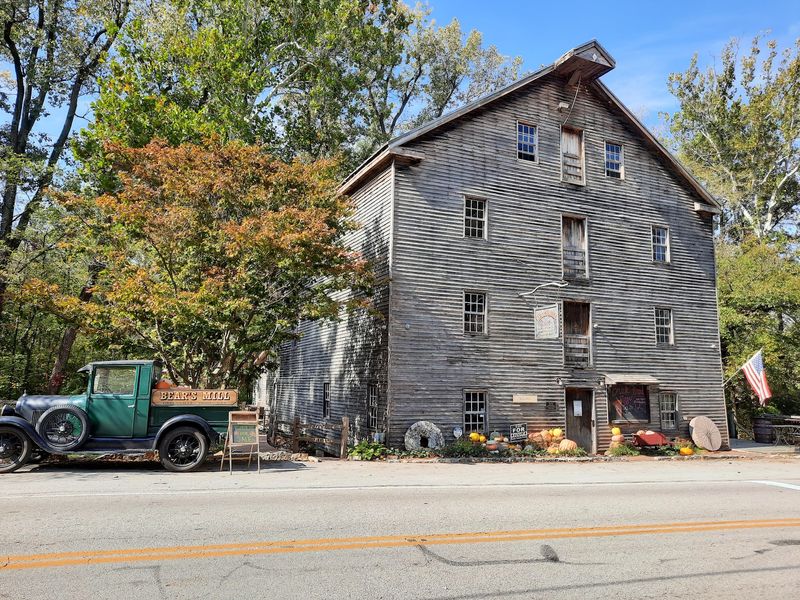
Few places let you watch the past keep working the way this one does. Bear’s Mill remains a rare operating grist mill that still grinds cornmeal by water power and sells it on the very spot where it is made.
The combination is hard to beat: living history inside, scenic trails and a covered bridge outside, and a shop full of local goods to carry home. It manages to be educational, relaxing, and rewarding all at once.
Guests consistently describe it as worth the detour, worth the drive, and worth going back for. That kind of steady enthusiasm speaks to how special the place feels.
For history fans, families, and anyone who enjoys the road less traveled, the mill delivers something genuine. It is a quiet corner of Ohio where old craft still turns with the water.
If a working piece of the past sounds like your idea of a good day, this is a stop worth putting on the map.
Enjoyed this story?
Add Fast Food Club as a preferred source to see more of our reporting on Google.