


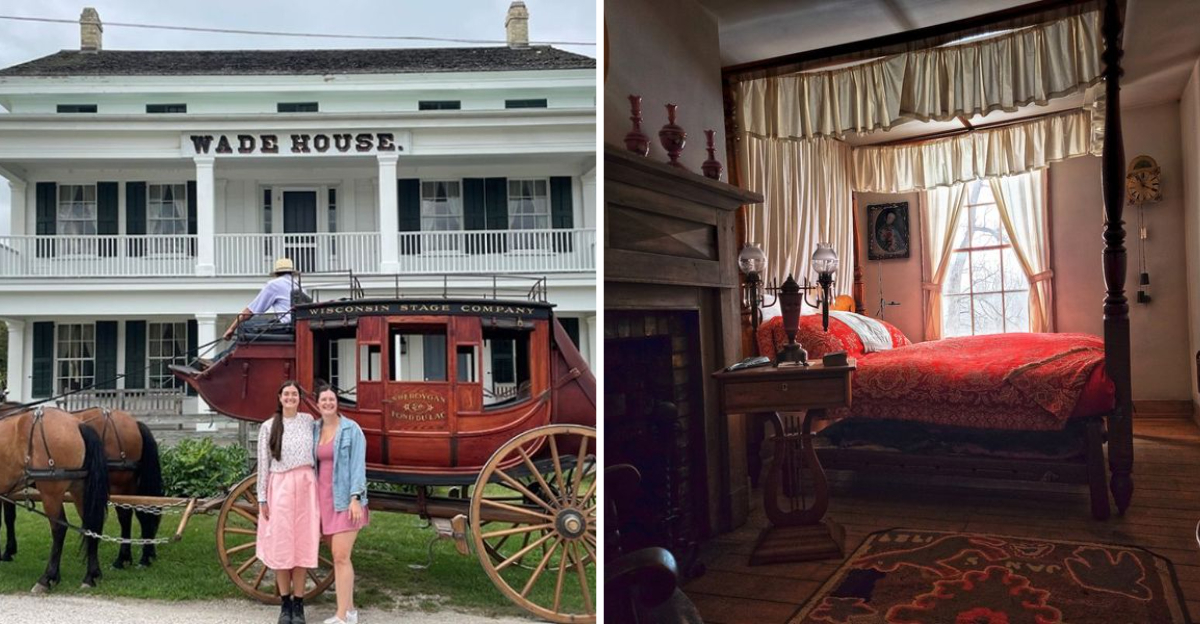
There is a place in rural Wisconsin where horses still pull wagons down quiet lanes and a blacksmith hammers glowing iron just like his counterparts did more than 170 years ago. Travelers once rolled up here weary from long journeys, looking for a warm meal and a bed before continuing down the plank road.
Today the same buildings stand restored and welcoming, filled with original furnishings and staff who bring the past back to life. There is a working sawmill, a museum packed with beautifully restored carriages, and friendly sheep that wander over to greet you at the fence.
If old-time travel and living history spark your curiosity, this spot delivers a full day of discovery. Keep reading to find out exactly where it is and why families keep coming back.
A Roadhouse Frozen in the 1850s
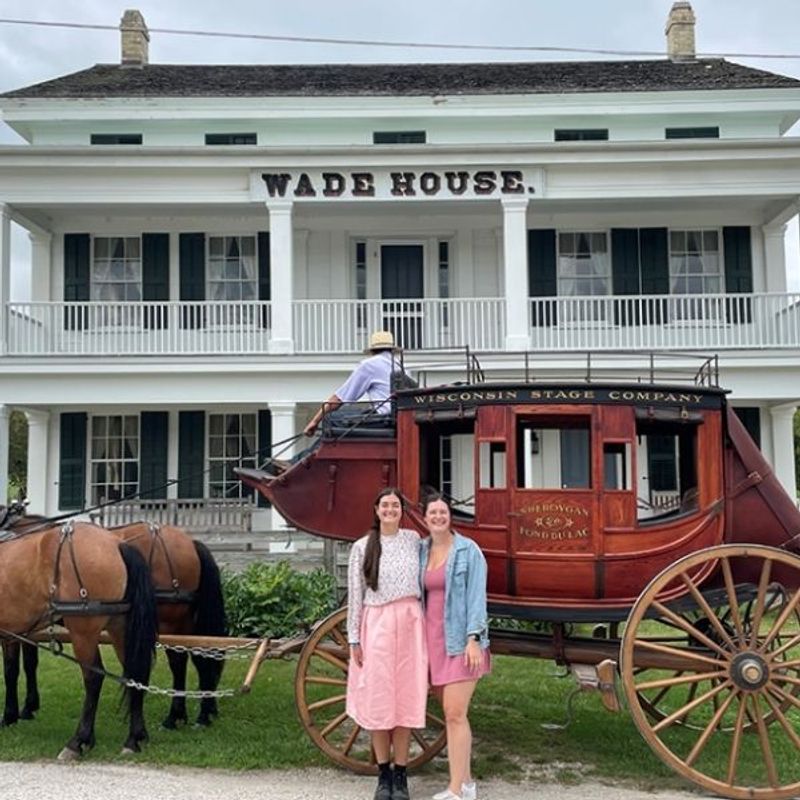
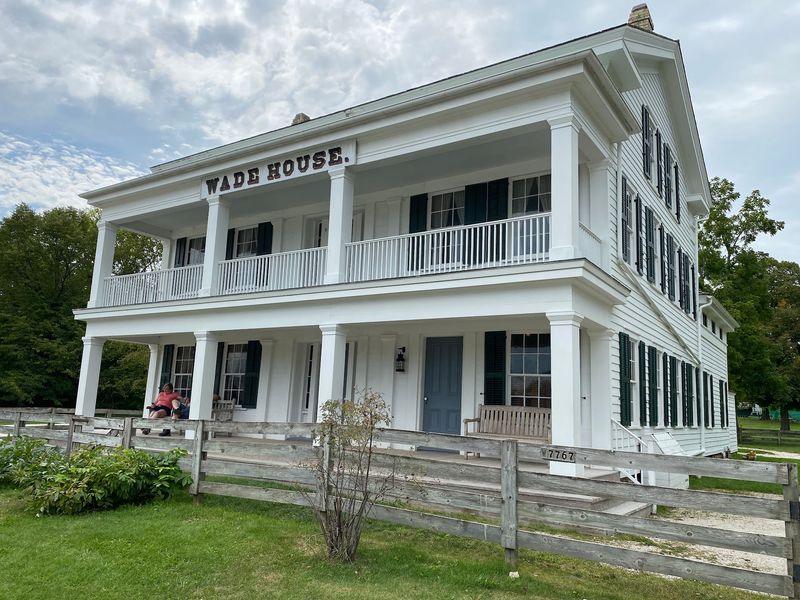
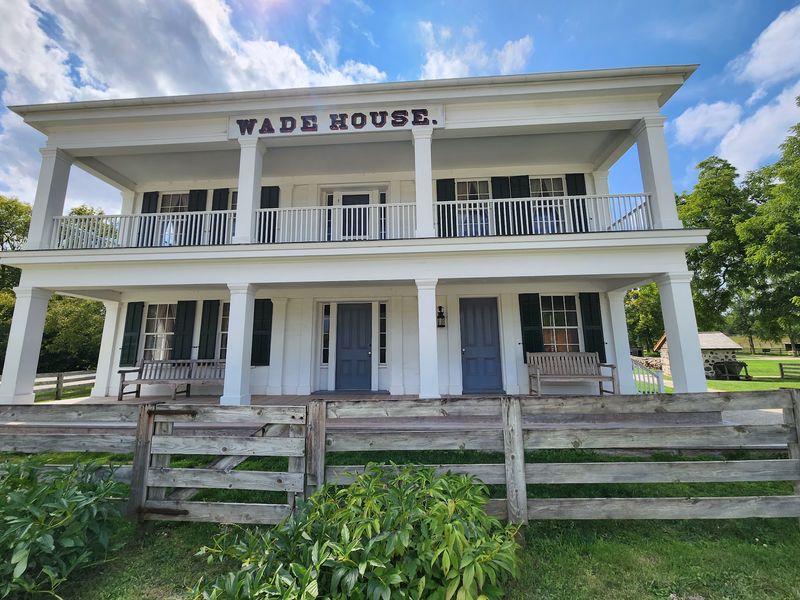
Tucked into the lush green fields of Greenbush, Wisconsin, the Wade House Historic Site sits at W7965 WI-23, Greenbush, WI 53026. The property centers on an inn that once welcomed weary stagecoach passengers traveling the old plank road.
Built in the 1850s, the roadhouse gave travelers a place to rest, refuel, and continue their journeys across early Wisconsin. Much of the original furnishings remain inside, giving the whole place an authentic feel.
The site sits within reach of the Elkhart Lake area and connects to the Plank Road bike trail, so some folks stumble upon it entirely by chance. Run by the Wisconsin Historical Society, it has grown into far more than a single building.
Between the main house, the sawmill, the blacksmith shop, and a carriage museum, there is enough here to fill several hours. Rated 4.7 stars across hundreds of reviews, it has earned a loyal following of families who treat it as a proper day trip.
The Pioneer Family Behind the Walls
Long before this was a museum, it was the ambitious project of the Wade family, true pioneers who left a lasting mark on Greenbush. The scale of what they built in such a short stretch of years is genuinely impressive.
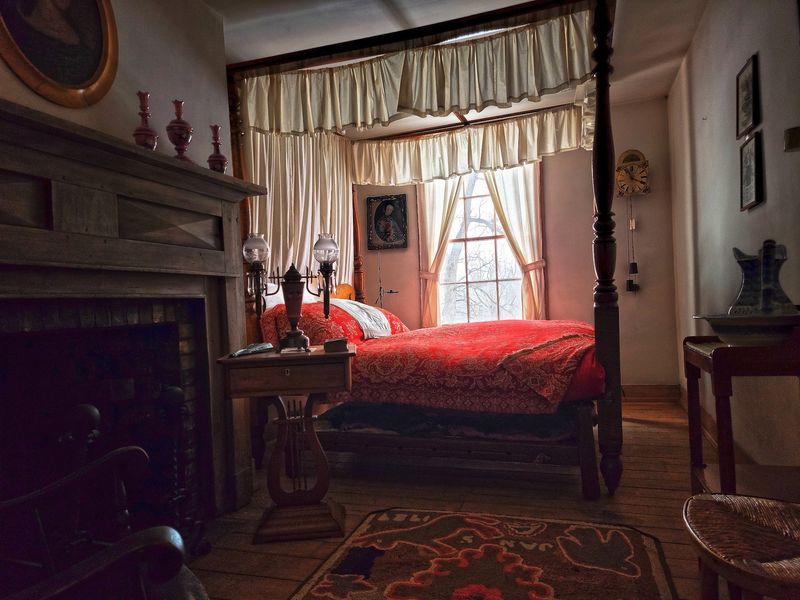
Guided tours of the main house walk you through their story, from the earliest days of settlement to the busy years when travelers filled the rooms. Docents share details about daily life, the family’s connection to the community, and how the inn operated.
Many of the pieces inside are original to the property, which makes the storytelling feel grounded rather than staged. The small-group tours can be surprisingly intimate, sometimes just a couple of people following a single guide from room to room.
Guides here have a reputation for knowing their history cold and delivering it in a personable, engaging way. Some even accommodate young children with shorter versions of the tour so families with toddlers can still enjoy the experience without anyone getting restless.
Riding In on a Horse-Drawn Wagon
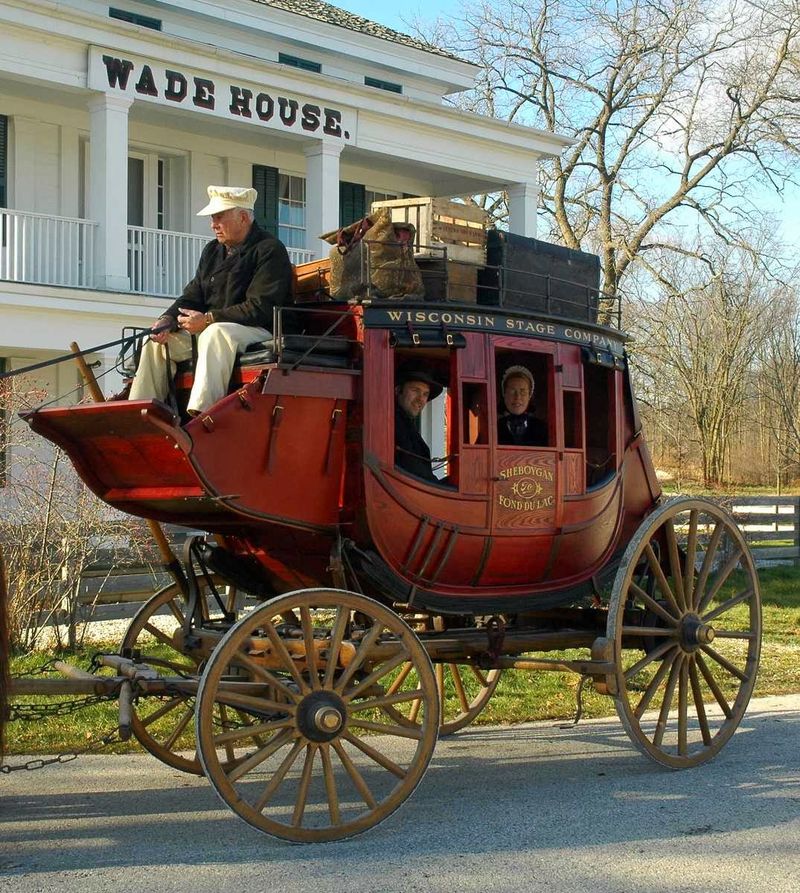
Getting to the roadhouse is half the fun, because a team of horses can carry you there from the visitor center. Riding in a horse-drawn wagon or carriage sets the tone before you even reach the house.
The ride is scenic and informative, with a guide sharing tidbits along the way. It gives you a small taste of how travelers once approached this very inn, and the pace lets you take in the grounds slowly.
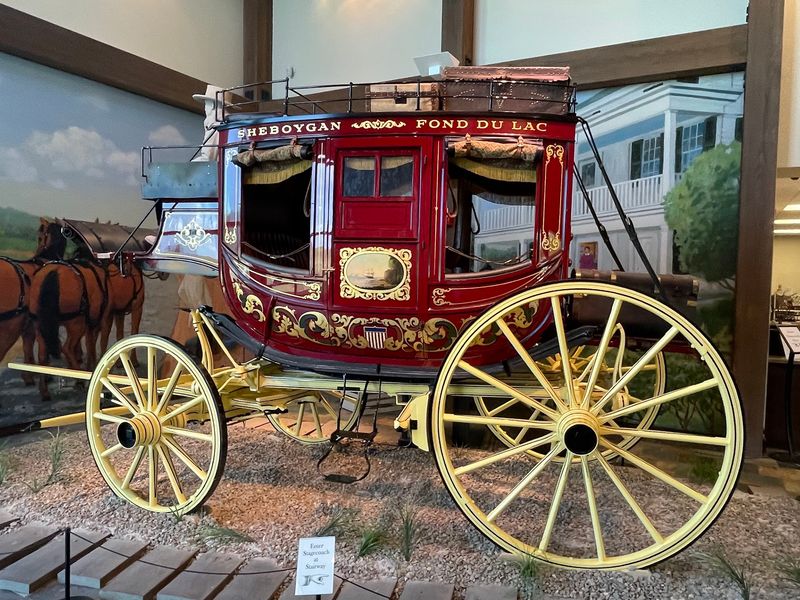
People often mention that the carriages are beautiful and, perhaps unexpectedly, quite comfortable. The stagecoach experience in particular leaves folks with a fresh appreciation for how far transportation has come.
One practical note worth remembering is that the first rides on weekends do not leave right at opening time. If you prefer not to wait, you can walk to the house on foot, though it takes about 15 minutes.
Reserving a stagecoach ride ahead of time is a smart move if it is high on your list. The carriage ride is one of the most talked-about features of the whole visit.
Sparks Fly at the Blacksmith Shop
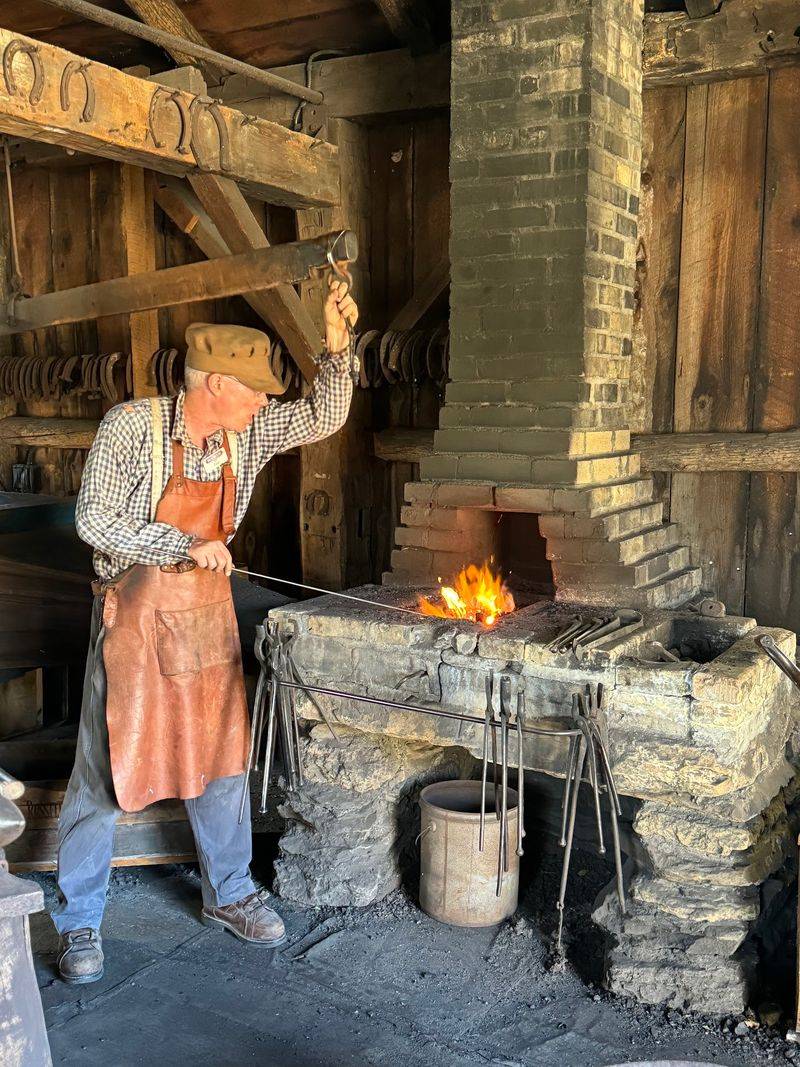
Few stops here spark as much wonder as the blacksmith shop, where iron is shaped much as it was in the 1800s. The smith works the forge while explaining the craft, and the demonstration draws people in every time.
What makes it memorable is the commitment to authenticity. The blacksmith often stays in character throughout, which adds real depth to the whole encounter.
Families frequently point to this stop as the highlight of their day. The person behind the anvil tends to be both knowledgeable and genuinely engaging, happy to answer questions and share how the tools and techniques worked.
Kids seem especially captivated by the process, watching raw metal transform into something useful. It is a hands-on window into a trade that once kept entire communities running.
Between the heat of the forge and the rhythm of the hammer, this little building punches well above its size in the memory department.
The Working Sawmill in Action
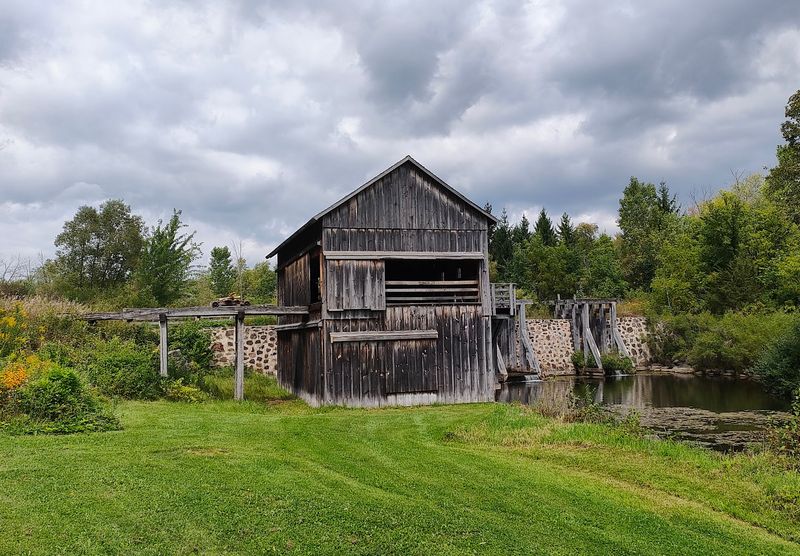
Down near the water, the sawmill runs the way it did generations ago, cutting timber with old machinery that still hums along. Watching it operate is a lesson in early industry that no textbook quite matches.
Guides here explain how lumber was processed and why mills like this were so important to growing Wisconsin towns. The demonstrations connect the dots between the forest, the mill, and the buildings that rose from all that lumber.
The setting adds to the charm, with a creek burbling nearby and green grounds stretching out around it. It rounds out the picture of a self-sufficient community that could build, repair, and supply nearly everything it needed.
Along with the blacksmith shop and the house, the sawmill forms the trio of must-see working demonstrations. Together they show off the practical skills that kept a frontier settlement thriving.
Keep in mind the sawmill and house typically close for the winter season, so plan your visit for the warmer months if these are priorities.
A Museum Full of Restored Carriages
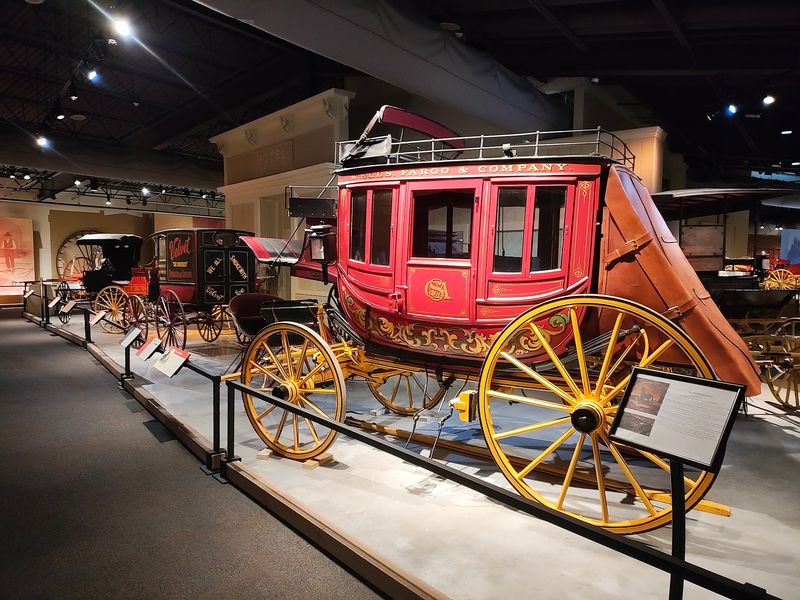
Rainy day or off-season, the carriage museum keeps the good times rolling with plenty to explore indoors. Rows of lovingly restored carriages fill the space, each one a small marvel of craftsmanship.
The signage throughout is thorough, packed with key facts that help you understand how each vehicle was used and why it mattered. It is easy to lose track of time reading your way through the collection.
The museum celebrates a mode of transportation that shaped how society developed, and it does so with real care. Some displays even branch into unexpected territory, including a detailed look at the works of Frank Lloyd Wright.
For those short on time, the museum alone can be a worthwhile stop, and it stays open when other buildings shut for the season. There is also a nice gift shop on the property to browse before you leave.
Whether you arrive by bike trail or car, this building offers a solid dose of history under one roof.
Friendly Faces and Farm Animals
Not every attraction here has wheels or a forge. The property is home to farm animals, including chickens, sheep, and the horses that power those famous wagon rides.
The sheep have a reputation for being social. Stand by the fence for a moment and they tend to wander over to say hello, which delights kids and grown-ups alike.
Animals aside, the people make a huge impression. Docents dress in period clothing and stay in character, weaving learning into the experience in a way that feels natural rather than forced.
Staff across the house, blacksmith shop, and sawmill are consistently described as friendly, patient, and clearly passionate about what they do. That enthusiasm rubs off, especially on younger guests.
Between the woolly greeters and the welcoming crew, the atmosphere here leans warm and unhurried. It is the kind of place where a quick photo stop can turn into a long, happy conversation.
Events, Weddings, and Hearthside Gatherings
The grounds do double duty as a special-event backdrop, and couples have hosted weddings here to glowing results. Guests often remark on how beautiful and well-kept the venue is.
Planning is made easier by an on-site coordinator who helps map out the details. For anyone dreaming of a historic setting with plenty of green space, it makes a memorable choice.
Beyond weddings, the site hosts living-history programming that keeps the calendar lively. Civil War events and reenactments draw crowds who want to see the past come alive in fuller detail.
During the winter months, when the buildings and grounds mostly close, the property offers monthly Hearthside Dinners. These small gatherings let a limited number of guests help prepare a meal much like the ones once served to travelers passing through.
The docents keep the experience close to authentic, and it books up as a favorite cold-weather tradition. It is a clever way to keep history warm even when the sawmill rests for the season.
Planning Your Visit
Ready to go back in time? The Wade House Historic Site sits at W7965 WI-23 in Greenbush, Wisconsin, an easy detour if you are exploring the Elkhart Lake area.
Hours run 9:30 AM to 4:30 PM Thursday through Saturday and again on Wednesday, with Sunday opening a little later at 11 AM. The site is closed Monday and Tuesday, so plan accordingly.
Give yourself time, because most people spend around three to four hours here to see everything at a relaxed pace. If riding the stagecoach matters to you, reserving ahead is the safest bet, and remember the first weekend wagon rides do not leave right at opening.
You can reach the property by car or roll in via the Plank Road bike trail if you are feeling active. A gift shop rounds out the visit, and a short introductory film helps set the stage before you tour.
Between the working demonstrations, the wagon rides, and the friendly crew, this historic stop earns its 4.7-star reputation. For families chasing real living history in Wisconsin, an 1850s stagecoach stop is hard to beat.
Enjoyed this story?
Add Fast Food Club as a preferred source to see more of our reporting on Google.