


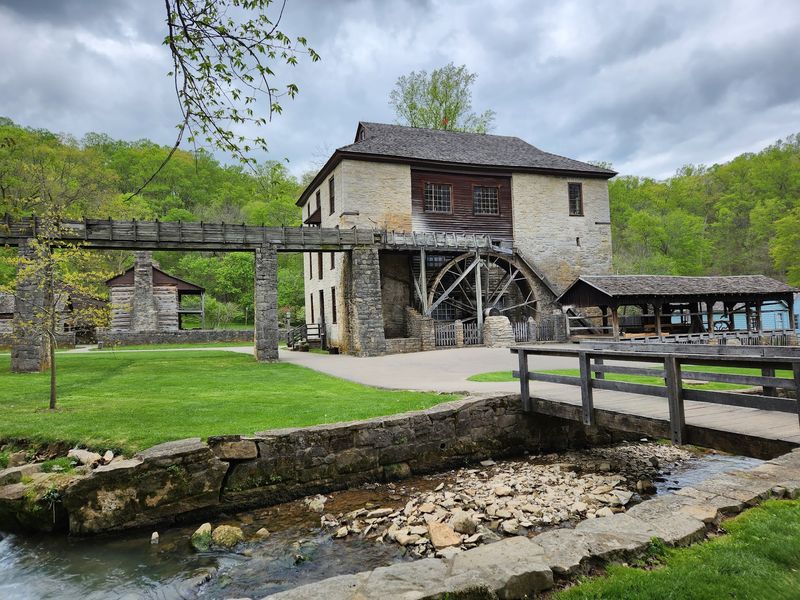
Somewhere in southern Indiana, a working water mill still grinds corn the same way it did two centuries ago, and just a short walk away, a creek slips underground into a cave you can float through by boat. The stone buildings of an entire 1800s village stand fully intact, staffed by people who explain how families once lived, worked, and built a community here.
Add in shaded trails, sinkholes, and a nature center, and you have a place that packs history and outdoor adventure into one green corner of the state. Curious where all of this hides and how to make the most of a visit?
Keep reading, because this park rewards travelers who plan a little and stay a while.
Where the Adventure Begins in Mitchell
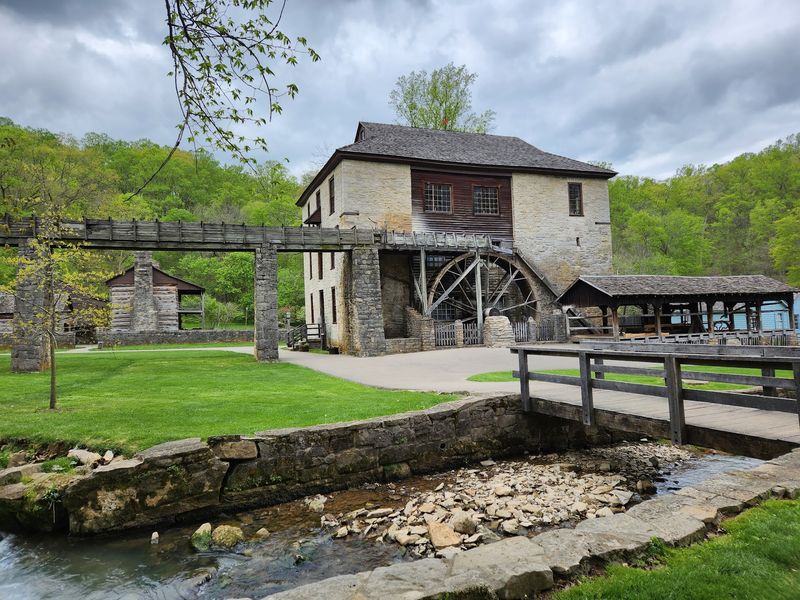
Tucked along State Road 60 near the small town of Mitchell, this southern Indiana park carries the full address of 3333 IN-60 E, Mitchell, IN 47446. The setting is quiet and wooded, the kind of place where the parking lot gives way quickly to trees and trails.
Spring Mill State Park earns a strong 4.8-star reputation across thousands of guest experiences, and that number holds up once you see the range of things packed inside. A restored 1814 village anchors the property, ringed by hiking and biking trails, caves, a nature center, campsites, and an inn.
The layout makes it easy to bounce between attractions in a single day. History buffs, hikers, and families with young ones all find their footing here.
Few parks manage to blend a working piece of the past with genuine outdoor recreation this smoothly.
Whether you arrive for a quick afternoon or a long weekend, the entrance sets the tone for something worth slowing down for.
A Village Frozen in the 1800s
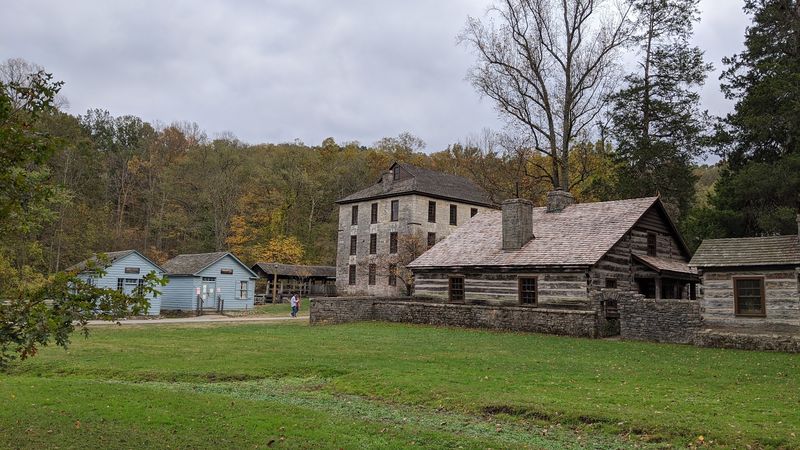
The heart of the park beats loudest in the Pioneer Village, a restored settlement of original stone and timber buildings that have stood since the early 1800s. Walking the paths here feels like touring a small town that simply pressed pause.
Buildings include a leather shop, a blacksmith, an apothecary, a schoolhouse, and a mercantile store, each one telling part of the story. During the warmer months, historic interpreters staff several of the businesses, explaining how daily tasks would have unfolded in that era.
The village suits large groups and all ages, and it works as a relaxed, self-paced stroll rather than a rushed tour. Guests often mention how the staffed buildings deepen the sense of learning and appreciation.
One thing to note for accessibility: most buildings have one to three steps leading up, so parts may be harder to reach for wheelchairs, strollers, or those who prefer flat ground. Dogs are the only guests asked to sit this section out, which keeps the historic spaces protected.
Charming and genuinely educational, the village is the reason many families circle back year after year.
The Grist Mill Still Turning Corn
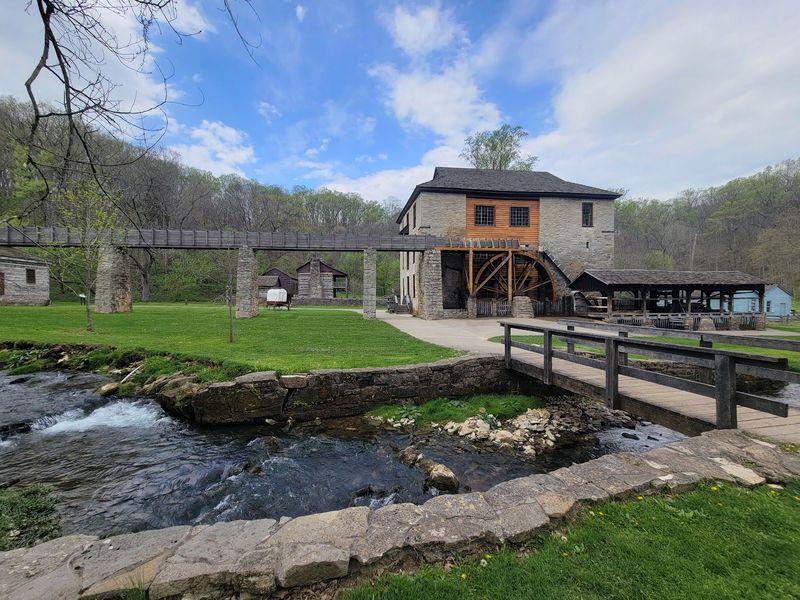
Nothing shows off the village quite like the towering limestone grist mill, the iconic landmark that gives the park its name. The big water wheel still turns, and on active days you can watch the machinery grind corn into meal right in front of you.
The mill building spreads across three levels and houses a museum that traces the entire arc of the village. Exhibits cover the families who settled here, the rise and fall of the community, and its eventual restoration.
Museum items dig into the details of day-to-day life during the time period, making it a solid crash course in local history for students and curious adults alike. The workers running the mill tend to be friendly and attentive, happy to explain each step.
Buying a bag of freshly ground cornmeal has become a small tradition for many who pass through. Watching the mill work live, rather than reading about it on a plaque, is what makes this stop stick in memory.
Descending Into Donaldson Cave
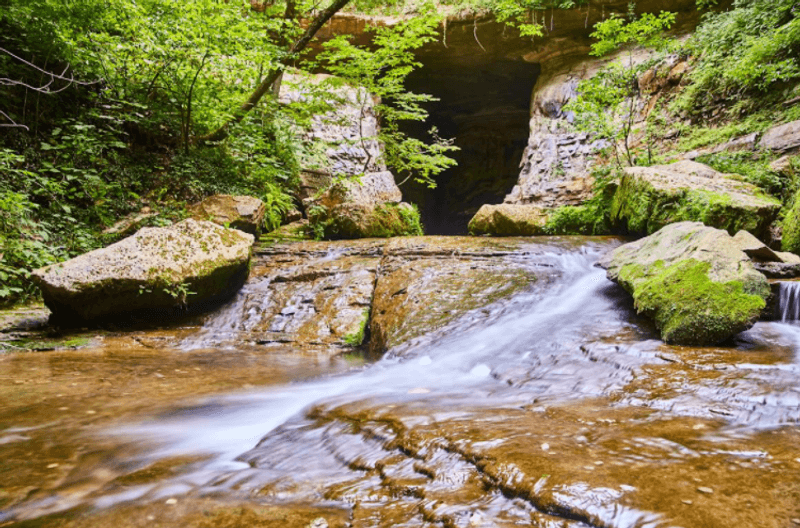
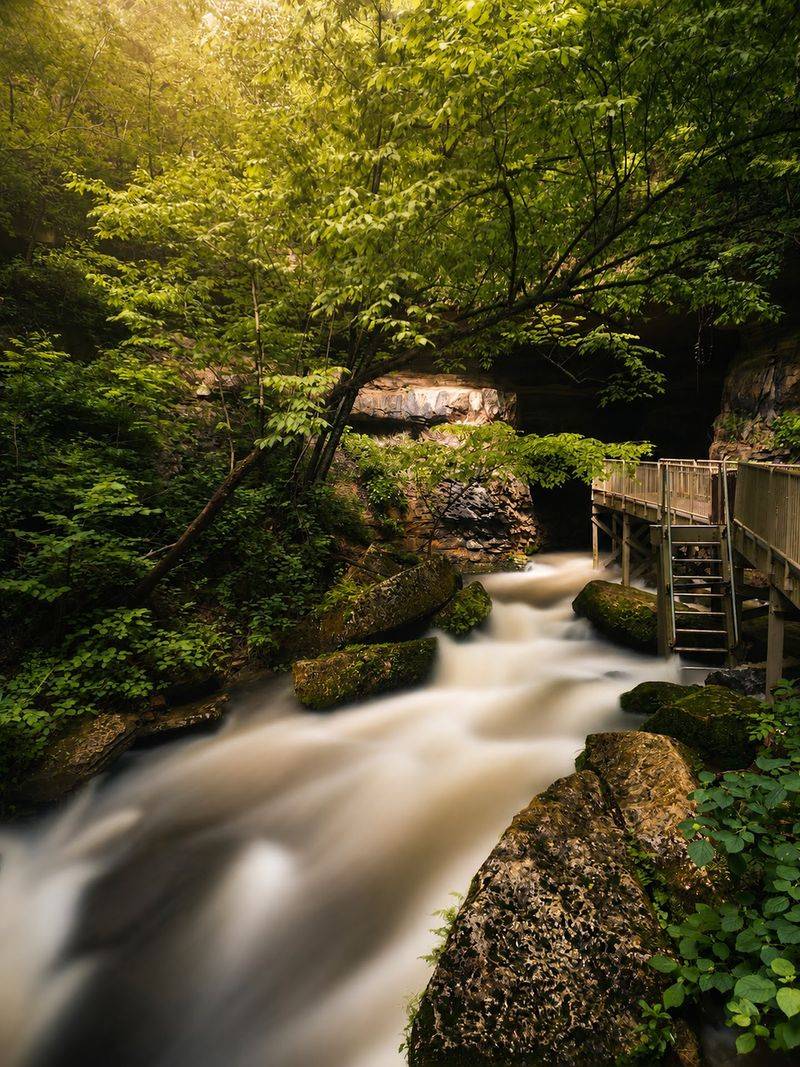
Reaching Donaldson Cave means heading down a set of stairs into a cooler, shadowy pocket of the park, and the payoff is worth every step. A creek runs right out of the cave mouth, and after heavy rain that small stream can swell into a rushing flow.
The descent gets muddy and slippery, which honestly adds to the fun for adventurous families. Kids especially seem to love the challenge of the terrain and the thrill of exploring on their own two feet.
Serious explorers should come prepared. A headlamp and sturdy boots make a real difference, since the interior stays slick and the running water inside can catch you off guard.
Self-led cave exploring is one of the park’s signature draws, and Donaldson delivers it without a ticket or a schedule. Folks who have visited for years say the cave never gets old, no matter how many times they return.
It is a short hike with an outsized sense of discovery.
Floating Through Twin Caves by Boat
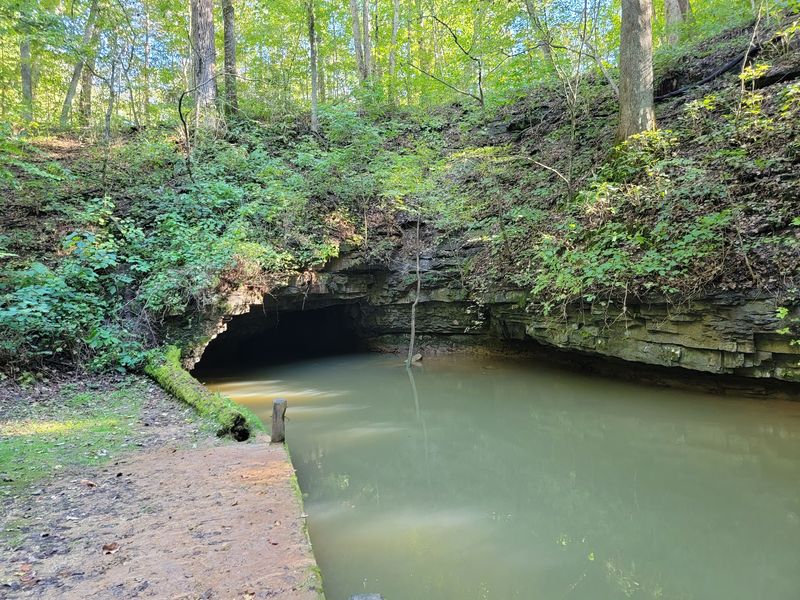
For a cave experience with a paddle instead of a hiking boot, the Twin Caves boat tour is the ticket. Guests glide into the darkness on a guided ride that runs roughly 20 to 30 minutes, all for around three dollars per person.
The tour is a genuine highlight, and one of the memorable moments is spotting the blind cave fish that live in the underground water. Some guests trace their fascination with bats and cave life straight back to this ride.
Popularity has its catch. The boat tours fill up fast, so arriving first thing in the morning to reserve a spot is the smart move.
Weather plays a role too. Too much rain can raise water levels and force the boating to close, so timing matters.
When levels drop very low in the off-season, adventurous guests have sometimes explored one of the Twin Caves on foot while the boat rides pause for the season.
Affordable, quick, and unlike almost anything else in the state, this ride belongs on the must-do list.
Trails Through Woods and Sinkholes
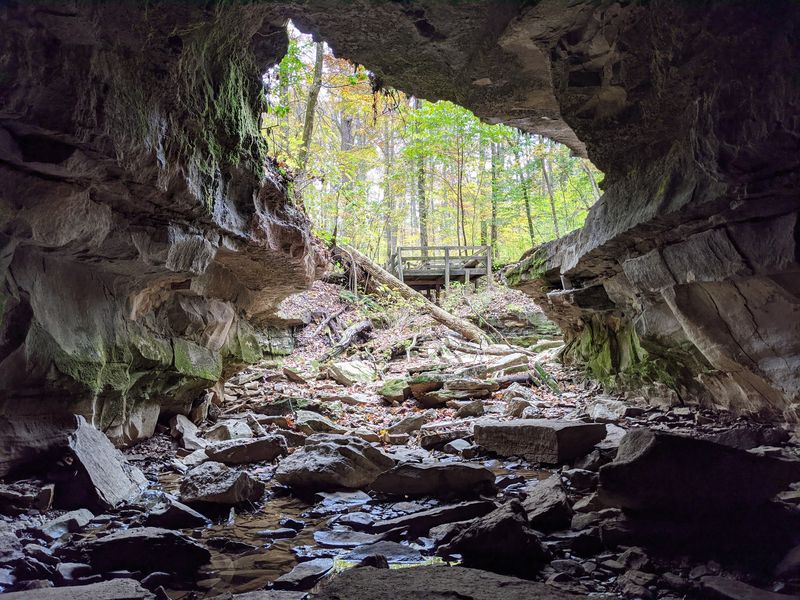
Hikers get a lot to work with here, thanks to a network of trails threading through woods, historic areas, and the region’s distinctive karst landscape. The paths stay well maintained, with clear markers that keep route-finding simple.
What sets these trails apart is the variety along the way. A single hike can string together forest, scenery, sinkholes, and historic sites, which makes the walk more interesting than a plain loop through the trees.
Many of the trails rank as easy, so they welcome casual walkers and families without demanding serious mileage. Even on busy days with plenty of people around and school groups visiting, there is enough space to spread out and find some quiet.
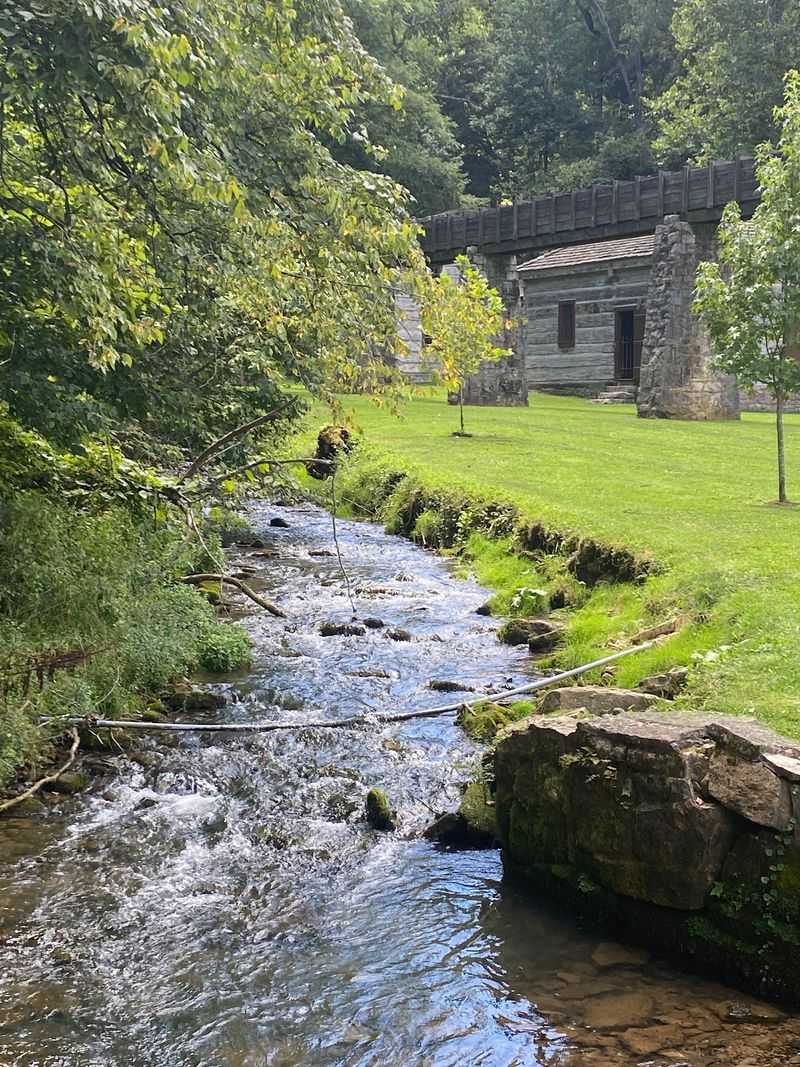
Fresh streams cut through the property, giving hikers spots to pause and wildlife to watch. Autumn brings lovely fall colors, adding another reason to lace up during the cooler months.
Reliable, scenic, and beginner-friendly, the trail system quietly becomes one of the park’s biggest strengths.
The Gus Grissom Memorial and Space History
History at this park does not stop in the 1800s. Tucked among the trees sits the Gus Grissom Memorial, a tribute to one of America’s early astronauts and a surprising leap from pioneer days to the space age.
The exhibit gives guests a chance to explore a very different chapter of the region’s story. Pairing frontier life with rocket-era history under one park makes for an unusually rich visit.
Families who came expecting only caves and cabins often walk away impressed by this stop. It adds depth for older kids and adults who enjoy connecting local roots to national milestones.
Park staff frequently make the difference here too. A knowledgeable ranger in the office can turn a quick walkthrough into a real conversation about the memorial and its significance.
Combining natural views with two wildly different eras of history, the memorial rounds out the park in a way few visitors see coming.
Camping Under the Trees
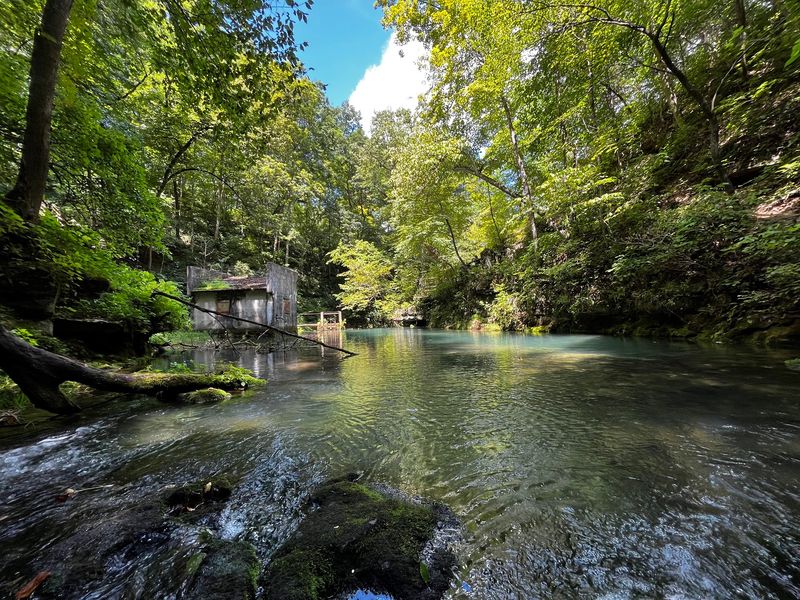
Staying overnight turns a day trip into a full retreat, and the campground here draws repeat guests for good reason. Sites tend to be shaded and spacious, tucked beneath a canopy that keeps things comfortable.
Cleanliness stands out again and again. The restrooms and shower houses stay well kept, and the whole grounds carry a maintained, cared-for feel.
A few honest notes help set expectations. Some sites sit a little close together, and on occasion a shower house may have hot water in only a couple of stalls, so patience helps on busy weekends.
The campground shines during holidays and Fall Break, when guests deck out their spots with seasonal decor and the atmosphere turns festive. Squirrels, butterflies, and general calm make the setting feel restful.
Once you buy a camper pass for your vehicle, you skip paying entry again for the stay, which is a nice bonus. Plenty of families have quietly turned this campground into an annual tradition.
The Spring Mill Inn and Family Fun
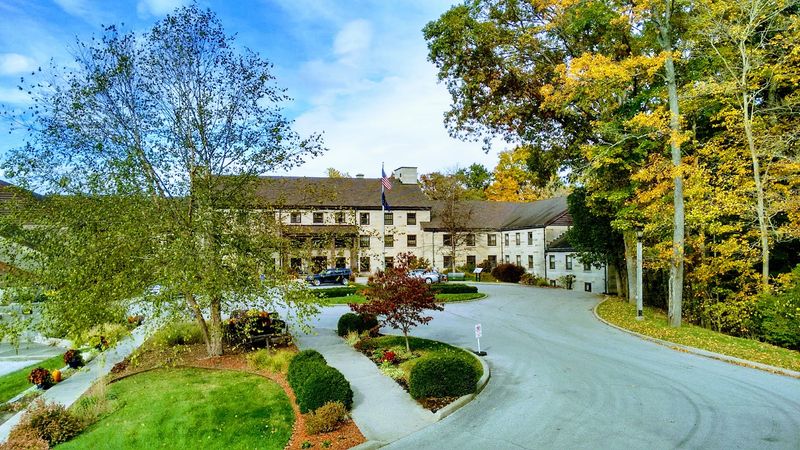
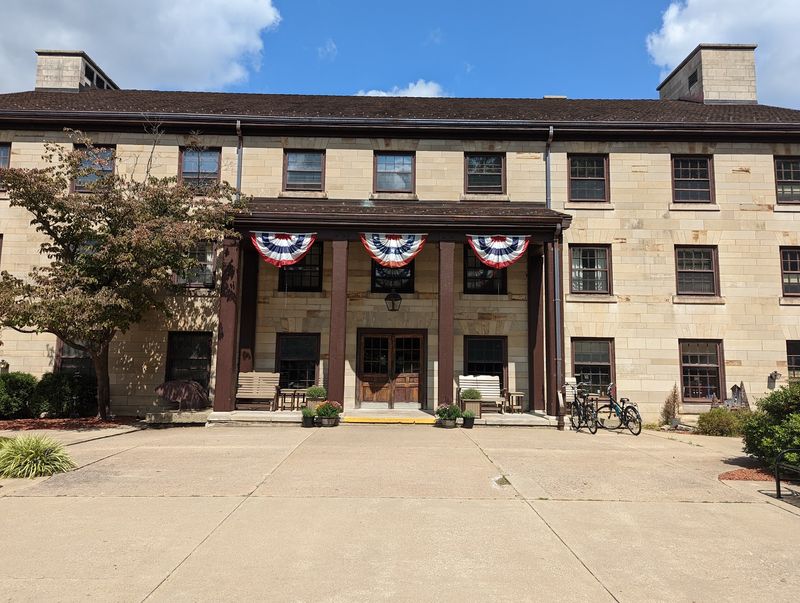
Not everyone wants to sleep in a tent, and that is where the Spring Mill Inn steps in. The lodge offers rooms, a dining room, and a level of comfort that broadens the park’s appeal well beyond hardcore campers.
The inn hides a genuinely fun surprise on its lower level. A game area invites guests to play the piano, watch TV, shoot pool, tackle a chess or board game, or splash around at indoor and outdoor splash pads.
Lunch at the hotel earns steady praise, giving day-trippers a relaxed spot to refuel between adventures. The facilities overall come across as impressive and well designed.
Add in a swimming pool elsewhere in the park, and there is more than enough to keep restless kids and tired grown-ups happy. Rainy afternoons no longer spell trouble when the lodge has this much going on indoors.
Comfortable and packed with extras, the inn makes the park an easy sell for multi-generational trips.
Hours, Fees, and Smart Planning Tips
Timing and budgeting are easy once you know the basics. The park opens at 7:30 AM every day of the week and closes at 11 PM, giving early risers and late-day explorers plenty of room.
Entry runs seven dollars per vehicle for Indiana residents, while out-of-state plates pay a higher fee, reported between nine and fifteen dollars depending on the season. Some out-of-state guests find that gap a bit steep, so factor it into your plans.
A few pointers make the visit smoother. Reserve the Twin Caves boat tour early in the morning, since spots vanish quickly, and keep an eye on the forecast because heavy rain can shut down cave boating.
Bring proper footwear for the muddy, slippery caves, and pack a headlamp for Donaldson. The general store and camp store stay clean and well organized if you forget an essential.
For questions ahead of time, the park website at on.in.gov/springmillsp and the office phone at 812-849-3534 have you covered. A little planning goes a long way toward a full, unhurried day.
Why This Park Keeps Calling People Back
Rarely does a single park manage to fold caves, creeks, trails, a working mill, a full historic village, and space-age history into one visit. That range is exactly why so many guests describe it as a hidden treasure worth the trip.
The park suits a wide crowd. Families with young children, hikers chasing a challenge, history lovers, and travelers looking for a calm getaway all find something that fits.
Guests consistently praise the clean facilities, the friendly and knowledgeable staff, and the well-kept grounds. Those small touches turn a good outing into one people plan to repeat.
Every season offers a slightly different reason to come. Summer brings the pool and full boat tours, autumn paints the trails in warm colors, and holidays fill the campground with festive energy.
Some travelers from far away weigh the out-of-state fee against parks elsewhere, but for Hoosiers and curious road-trippers alike, the mix of history and outdoor fun holds up. This is a place built for return visits, and most guests already know they will be back.
Enjoyed this story?
Add Fast Food Club as a preferred source to see more of our reporting on Google.