


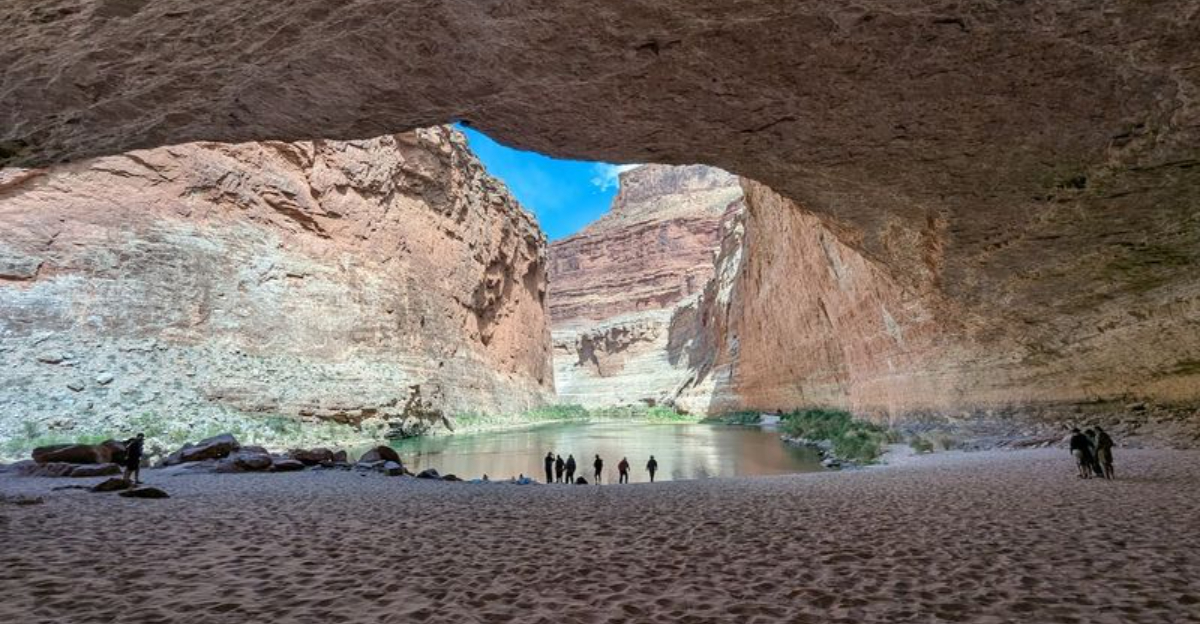
Tucked deep within the walls of the Grand Canyon along the Colorado River, Redwall Cavern is one of Arizona’s most jaw-dropping secrets. This enormous cave stretches wide enough to hold a football field inside, yet most people have never even heard of it.
The only way to reach it is by water, which keeps it beautifully off the beaten path. If you love hidden natural wonders, this guide will walk you through everything that makes Redwall Cavern so unforgettable.
A Cave So Big It Defies Belief
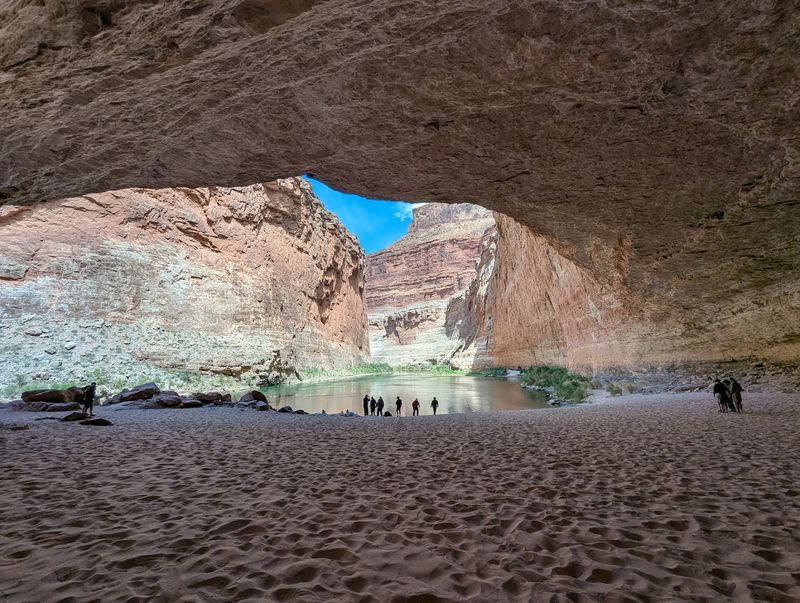
Standing at the entrance of Redwall Cavern, you might think it looks like a narrow slit in the canyon wall. That first impression could not be more wrong.
Once you step inside, the ceiling soars 20 to 30 feet above your head, and the cave stretches dozens of yards wide and deep.
This is a classic scale illusion, one created by the sheer enormity of the Grand Canyon surrounding it. Visitors who have floated down the Colorado River describe the moment of entry as genuinely breathtaking.
One reviewer called it “incredibly deceiving” in the best possible way.
Geologists estimate the cavern was carved over millions of years by ancient water action cutting through the Redwall Limestone layer. The result is a natural amphitheater unlike anything most people will ever walk into.
Seeing it in person changes your understanding of just how powerful nature truly is.
Only Reachable by Water — And That Is the Point
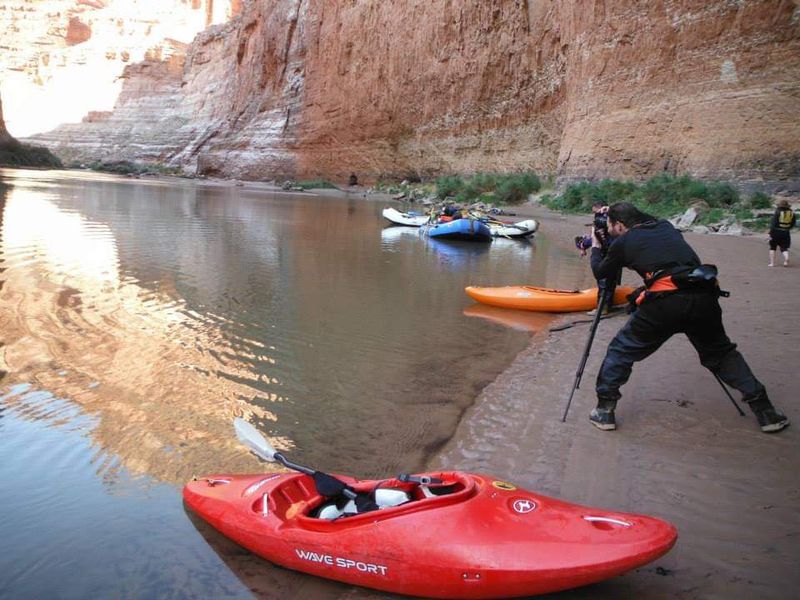
Getting to Redwall Cavern is not as simple as pulling up a parking spot and hiking down a trail. The cave sits along the Colorado River and is only accessible by boat, raft, or kayak.
There are no roads leading there, and attempting to drive to it is a mistake more than one visitor has made and regretted.
One reviewer warned others directly: Google Maps directions on land will lead you into rocky desert with no real path forward. The river is the only route, full stop.
That inaccessibility is actually what keeps the cavern so pristine and crowd-free.
River trips through the Grand Canyon typically pass Redwall Cavern around Mile Marker 33. Most guided rafting tours include a stop here as a highlight of the journey.
Booking a commercial river trip is the safest and most rewarding way to experience this hidden gem firsthand.
The Hidden Sandy Beach Inside the Cave
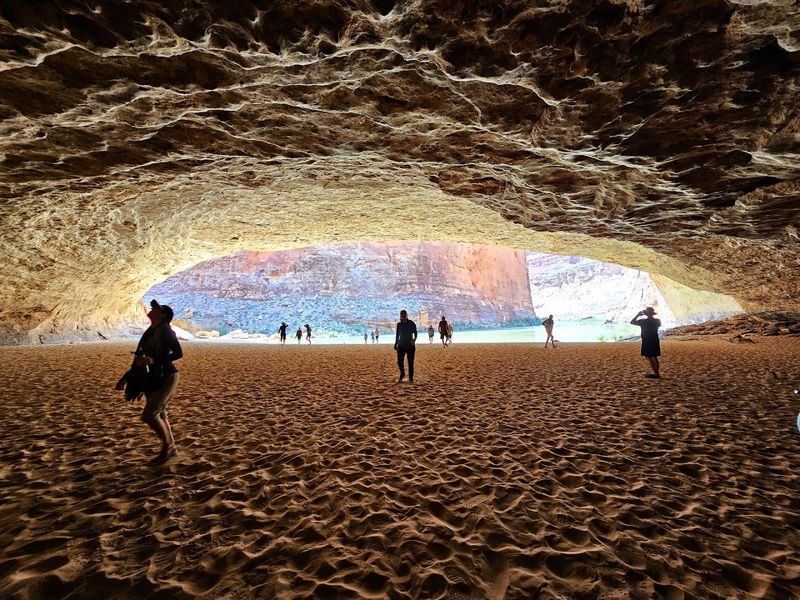
Here is something that surprises almost every first-time visitor: Redwall Cavern has a sandy floor that feels remarkably like a beach. Fine, pale sand covers the ground throughout the cave, making it an unexpectedly comfortable place to sit, explore, or simply take it all in.
That sandy interior is partly what makes this spot so special for lunch breaks during river trips. The cool shade inside the cavern offers welcome relief from the intense Arizona sun beating down on the canyon outside.
Visitors often spread out across the sandy floor, eating and resting before continuing downstream.
The beach-like atmosphere inside a towering limestone cave is a surreal combination that photographs beautifully. Some travelers say it feels like stepping into another world entirely.
Whether you stretch out on the sand or wander toward the back of the cave, the experience stays with you long after you leave.
Cool Shade in the Heart of the Canyon
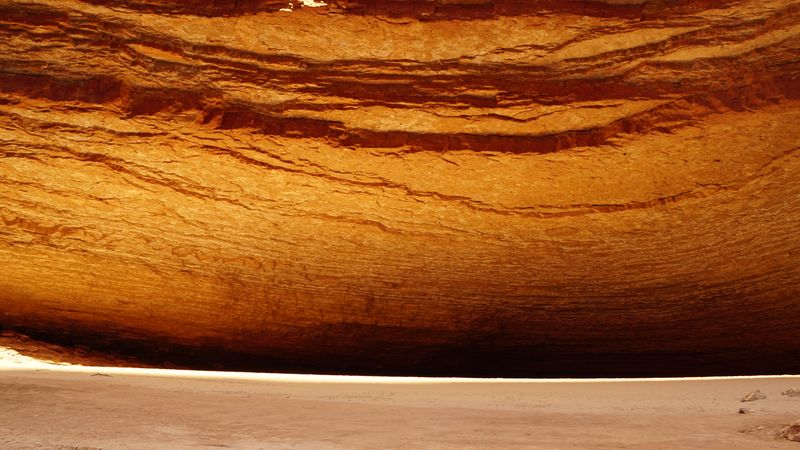
Summer temperatures inside the Grand Canyon can climb well above 100 degrees Fahrenheit, making shade an absolute luxury. Redwall Cavern delivers that luxury on a grand scale, offering a naturally air-conditioned retreat carved right into the canyon wall.
The thick limestone walls keep the interior noticeably cooler than the open riverbank.
Experienced river guides often time their stops at Redwall Cavern during the hottest part of the afternoon for good reason. Sitting inside while the sun blazes outside feels like finding a natural oasis.
The contrast between the scorching canyon exterior and the cave’s cool interior is startling in the best possible way.
Even on milder days, the shade provides a peaceful, almost meditative atmosphere. The sounds of the river echo softly inside, and the temperature drop gives your body a chance to recover.
For multi-day rafting trips, this stop quickly becomes one of the most anticipated moments of the journey.
Fossils Hidden in the Fallen Rocks Nearby
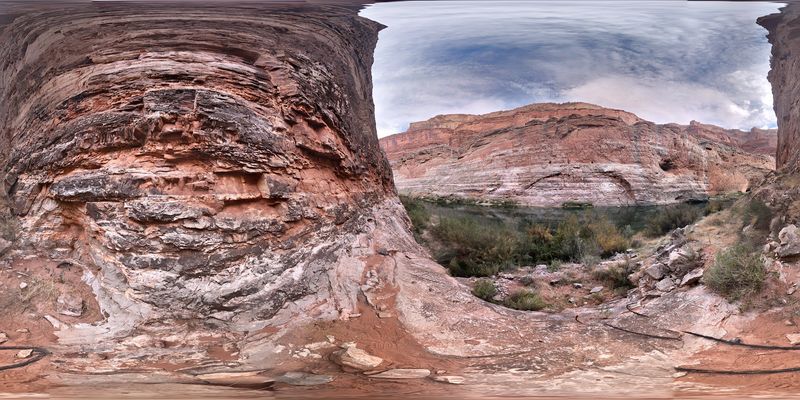
Not many people know that a quick look around the rocks near Redwall Cavern can reveal actual fossils. Chunks of limestone that have broken away from the canyon walls contain remnants of ancient sea creatures that lived hundreds of millions of years ago.
The Grand Canyon’s rock layers are essentially a timeline of Earth’s history, and Redwall Limestone is one of the richest fossil-bearing layers.
One visitor specifically mentioned spotting fossils in fallen rocks near the cavern entrance, which added an unexpected layer of wonder to the stop. You do not need to be a scientist to appreciate seeing a shell or coral fragment locked in stone for 340 million years.
It is a humbling reminder of how ancient this landscape truly is.
Always look without touching or removing anything, since removing fossils from national park land is illegal. Observation is the name of the game here, and the rewards are genuinely remarkable for curious minds of any age.
The Scale Illusion That Fools Everyone
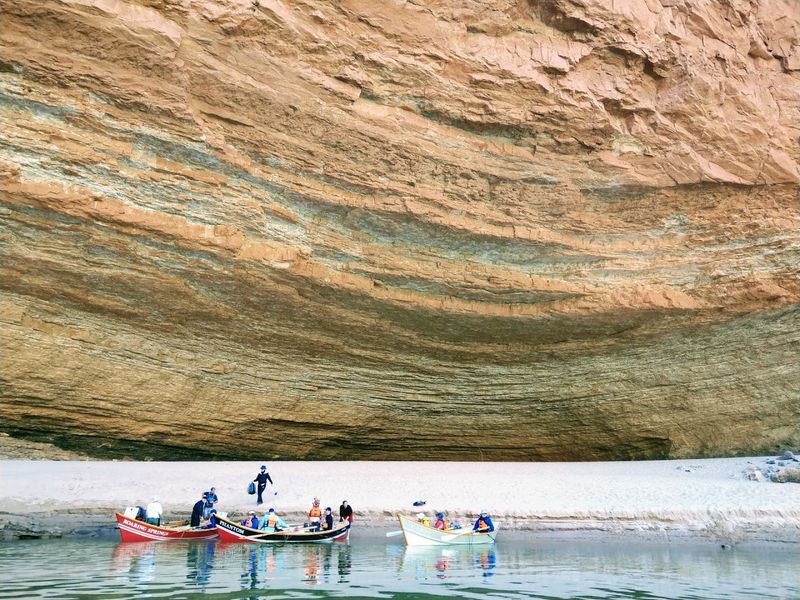
One of the most talked-about aspects of Redwall Cavern is how completely it tricks your eyes from a distance. Floating toward it on the river, the opening looks modest, maybe just a shallow alcove in the cliff face.
Then you paddle closer and the cave keeps growing, and growing, until you realize you are approaching something truly colossal.
This scale illusion happens because the Grand Canyon itself is so overwhelmingly large that everything within it appears smaller by comparison. Your brain simply cannot process the size correctly until you are standing inside.
Experienced river guides love watching first-timers react to that moment of realization.
John Wesley Powell, who led the first recorded expedition through the Grand Canyon in 1869, reportedly estimated Redwall Cavern could seat 50,000 people. Whether or not that number is exact, the sentiment captures just how astonishing the cave’s interior truly feels.
Words rarely do it justice.
A Legendary Stop on Grand Canyon River Trips
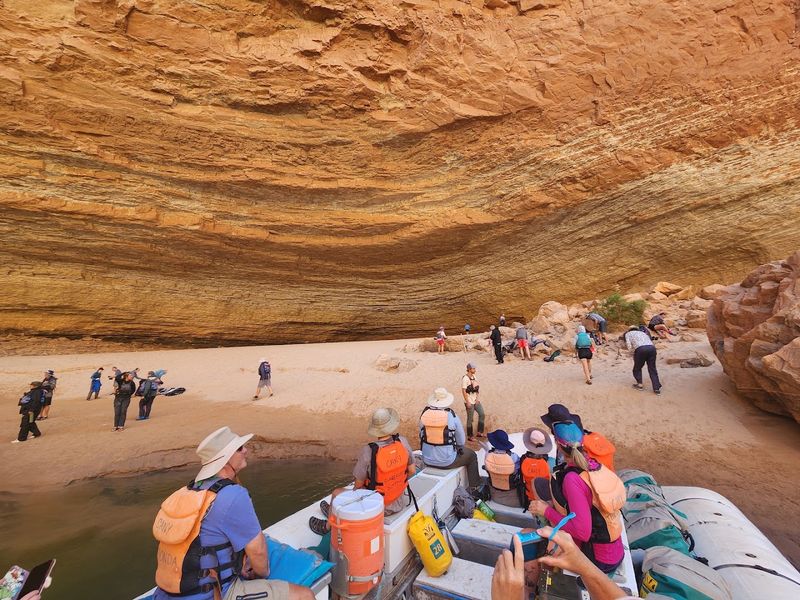
Among the Grand Canyon’s famous river milestones, Redwall Cavern holds a legendary status. Located near Mile 33 on the Colorado River, it has been a celebrated stop for river runners for well over a century.
Commercial and private rafting groups alike consider it one of the crown jewels of any canyon river journey.
Guided tour operators who run multi-day Grand Canyon trips regularly include Redwall Cavern as a scheduled highlight. One recent reviewer described it as a “fabulous stop during your Grand Canyon run,” which pretty much sums up the collective sentiment.
The cave offers enough space for an entire rafting group to spread out comfortably without feeling crowded.
It is worth noting that camping inside the cavern is not permitted. Signs and ranger guidelines make that clear, and guides are quick to remind guests.
The stop is for exploring, resting, and marveling, not overnight stays. Respect those boundaries and the place stays magical for everyone who follows.
What the Redwall Limestone Layer Actually Is
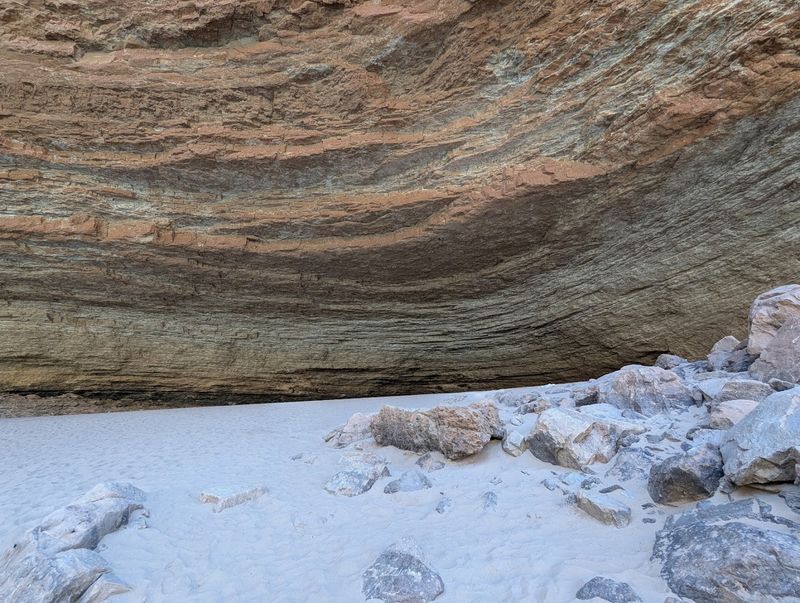
The cave gets its name from the Redwall Limestone, one of the most visually striking geological formations in the Grand Canyon. Despite its name, the limestone itself is actually gray.
The red color you see on the canyon walls comes from iron oxide washing down from the layers above, staining the surface over thousands of years.
The Redwall Limestone layer formed roughly 340 million years ago when the region was covered by a shallow tropical sea. The shells and skeletons of marine organisms accumulated over time and eventually compressed into this dense, hard rock.
Water slowly dissolved pathways through it, creating caverns like the one you can visit today.
Understanding the geology behind Redwall Cavern makes the visit even more meaningful. You are not just standing in a cool cave.
You are standing inside a chapter of Earth’s deep history, one written in stone over hundreds of millions of years. That context transforms a sightseeing stop into something genuinely profound.
How to Book a River Trip to Get There
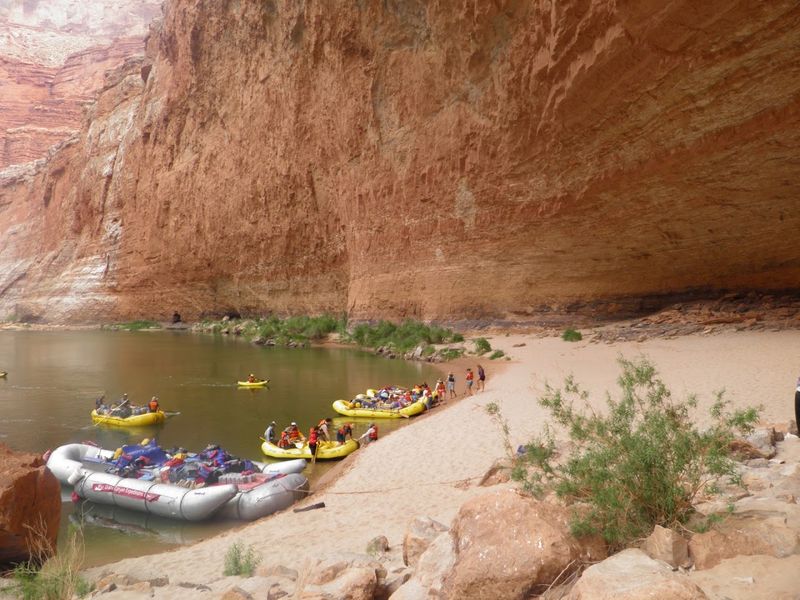
Since Redwall Cavern is only reachable by water, booking a river trip is your starting point. Several licensed outfitters run multi-day Colorado River expeditions through the Grand Canyon, and many of them include a stop at Redwall Cavern as part of the itinerary.
The official website linked to the cavern, gorafting.com, is one resource worth checking for available trips.
Permits for private river trips through the Grand Canyon are notoriously hard to get, often requiring years on a waiting list through the National Park Service lottery system. Commercial guided trips are a much more practical option for most people.
These tours handle permits, equipment, food, and logistics, so you can focus entirely on the experience.
Trip lengths vary from a few days to over two weeks depending on how much of the canyon you want to cover. Booking well in advance is strongly recommended, especially for summer departures.
Spots on popular trips fill up fast, sometimes more than a year ahead of the launch date.
Open Around the Clock, Rain or Shine
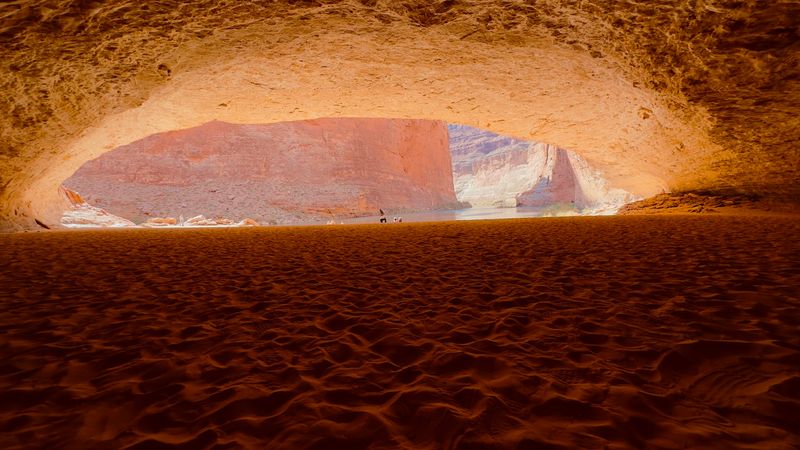
Technically speaking, Redwall Cavern is open 24 hours a day, every day of the year. There are no gates, no ticket booths, and no scheduled closing times.
The cave simply exists as part of the natural landscape within Grand Canyon National Park, available whenever river travelers pass through.
That around-the-clock availability sounds exciting, but practically it means access is entirely tied to when you are on the river. Most river trips pass through during daylight hours, which is ideal for photography and exploration.
Seeing the cavern at sunrise or sunset, when the canyon light shifts dramatically, is said to be especially stunning.
Night visits are theoretically possible for river campers nearby, though hiking to it in the dark from a campsite is not recommended without proper lighting and knowledge of the terrain. The beauty of this place is best appreciated in natural light, when the textures of the limestone walls and sandy floor are fully visible.
Tips for Making the Most of Your Visit
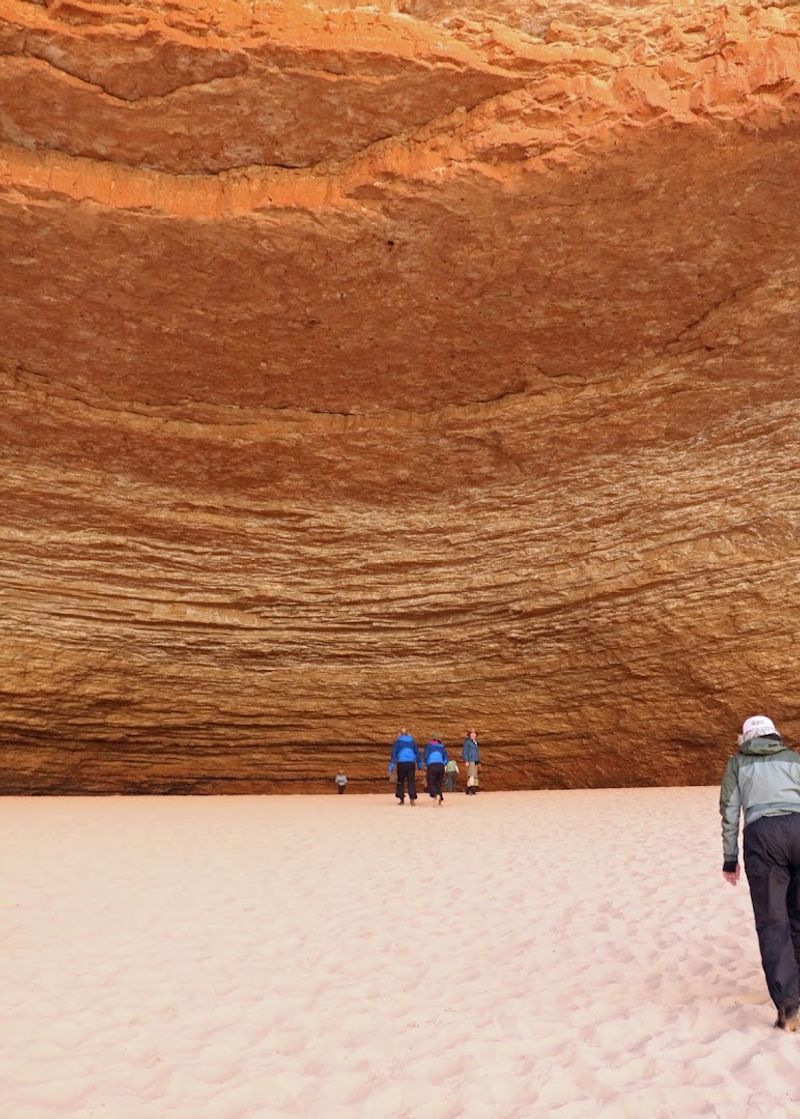
A little preparation goes a long way when visiting Redwall Cavern. Wear water-resistant footwear since you will likely wade or step through shallow river water to land on the sandy shore.
Bringing a dry bag for your camera and phone is smart, because splashes happen even on calm days near the bank.
Give yourself at least 30 to 45 minutes inside the cave if your schedule allows. Many people rush through, but the back corners of the cavern reward those who take time to wander.
Bring snacks and water, since this is a popular lunch stop on guided trips for very good reason.
Leave everything as you found it. No souvenirs, no rock collecting, and absolutely no graffiti on the cave walls.
The cavern has stayed pristine partly because visitors have respected it over the decades. Keeping it that way is a responsibility every visitor carries.
Treat it like the rare treasure it genuinely is.
Photography Opportunities That Are Truly One of a Kind
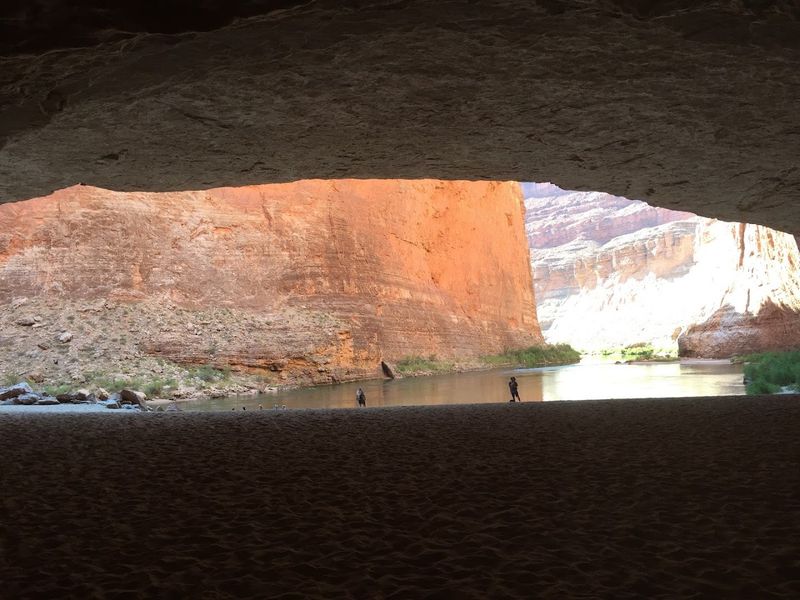
Photographers who visit Redwall Cavern often say it is one of the most challenging and rewarding natural subjects they have ever shot. The contrast between the bright desert light outside and the shadowed interior creates a dramatic interplay that is tricky but stunning when captured correctly.
A wide-angle lens is your best friend here.
The cave entrance frames the Colorado River and canyon walls outside like a living painting. Shooting from deep inside looking outward produces images that feel almost cinematic.
Early morning light tends to pour into the entrance at a beautiful angle, casting golden tones across the sandy floor.
Smartphone cameras have improved enough that casual photographers can still come away with remarkable shots. Experiment with HDR mode to balance the bright exterior and darker interior.
Most importantly, take a moment before you start shooting to simply stand still and absorb the scene. Some experiences deserve to be felt before they are photographed.
Why Redwall Cavern Stays Hidden From Most Travelers
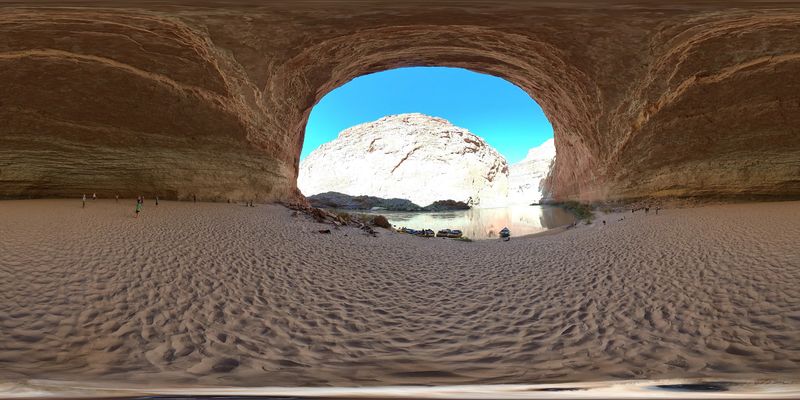
Part of what makes Redwall Cavern feel so magical is how genuinely hard it is to reach. No road leads to it.
No trail connects it to the rim. The only path is the river, and that river demands a permit, a boat, and real commitment.
That barrier filters out casual visitors almost entirely, leaving the cave to those who truly seek it out.
The Grand Canyon receives around six million visitors per year, yet only a tiny fraction ever set foot inside Redwall Cavern. Most tourists see the canyon from the rim overlooks, never knowing that a football-field-sized cave with a sandy beach waits hundreds of feet below.
That kind of secret feels increasingly rare in a world where everywhere seems mapped and crowded.
Preserving that sense of discovery is worth something. The effort required to reach Redwall Cavern is not a barrier, it is part of the reward.
Arriving there after a day on the river makes stepping inside feel earned, and that feeling is something no highway pullout can ever replicate.
Enjoyed this story?
Add Fast Food Club as a preferred source to see more of our reporting on Google.