


If you think rockets are only for astronauts, the Kennedy Space Center in Florida is about to change your mind. Sitting on Florida’s Atlantic coast, this incredible complex is where NASA launches humans into space and welcomes millions of curious visitors each year.
One of its most jaw-dropping features is the Saturn V rocket, the most powerful machine ever built by humans, so tall it dwarfs the Statue of Liberty. Whether you love history, science, or just really cool stuff, this place delivers an experience you will never forget.
The Saturn V Rocket: The World’s Largest Rocket on Display
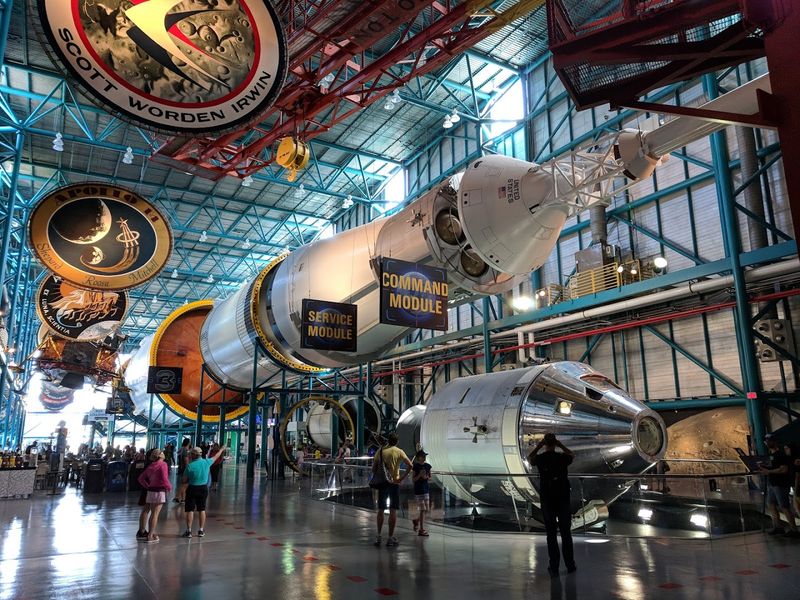
Standing next to the Saturn V rocket feels like standing beside a skyscraper that has been tipped on its side. At 363 feet tall, this engineering giant is longer than a football field and once carried astronauts all the way to the Moon.
No rocket built since has matched its raw power or sheer size.
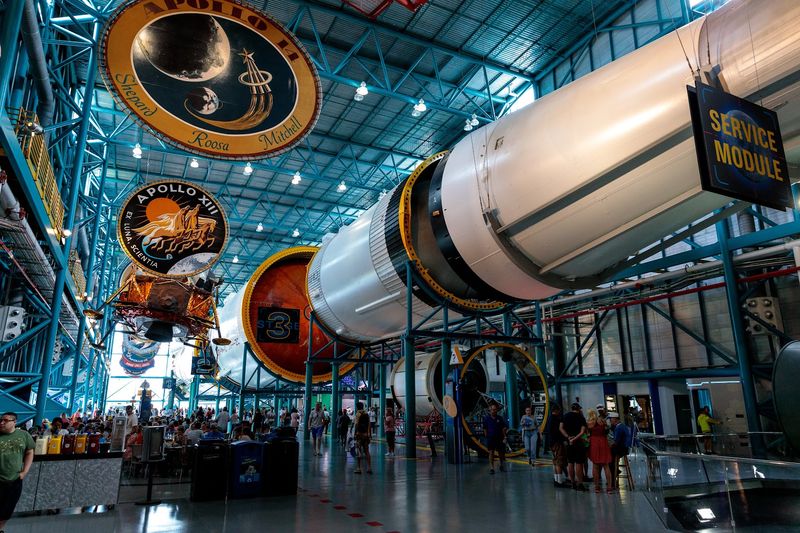
Inside the Apollo/Saturn V Center, the rocket is displayed horizontally so visitors can walk its full length and truly grasp how enormous it is. Every engine, every fuel tank, every rivet tells the story of human ambition at its boldest.
Kids often stop mid-step, mouths open, suddenly understanding why space exploration feels like a superpower.
Fun fact: the Saturn V generated 7.6 million pounds of thrust at liftoff, enough to power a small city. Seeing it up close makes that number feel very, very real.
Space Shuttle Atlantis Exhibition: A Spacecraft That Actually Flew
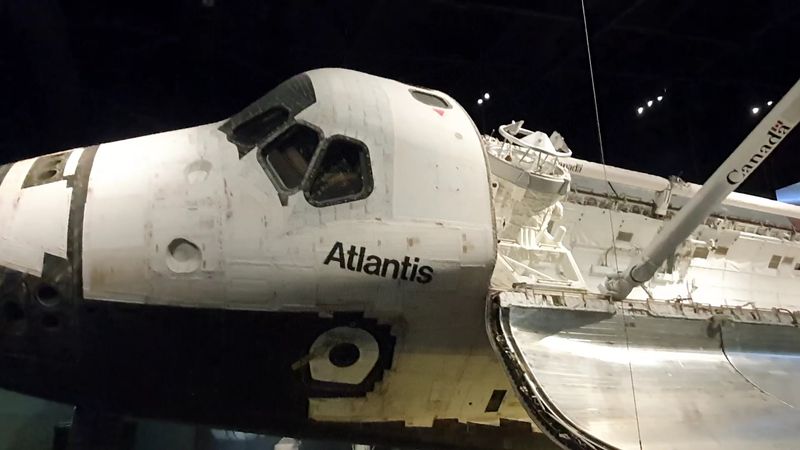
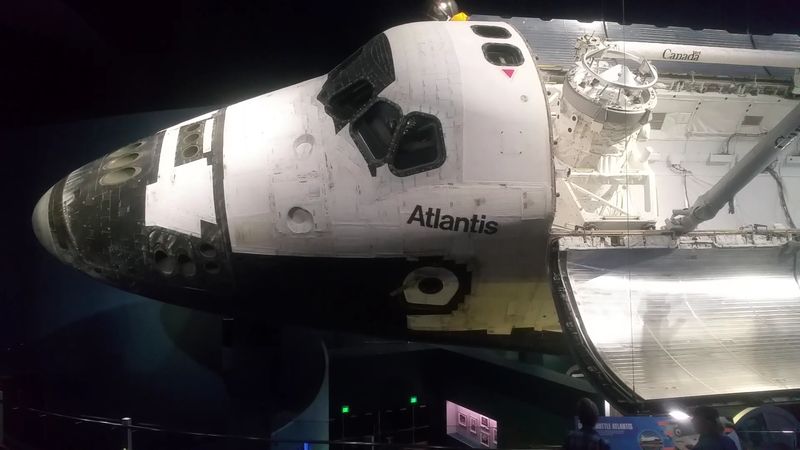
Imagine standing just a few feet from a spacecraft that has actually been to space 33 times. That is exactly what the Space Shuttle Atlantis exhibition offers, and it stops visitors in their tracks every single time.
Atlantis is tilted at a dramatic 43-degree angle, as if it just rolled out of orbit moments ago.
The pavilion surrounding the shuttle is packed with interactive displays, real mission artifacts, and stories of the crews who risked everything to push human knowledge forward. Visitors can explore everything from the robotic arm to the payload bay doors, which are permanently open to show the shuttle’s working guts.
Reviewers consistently call this the highlight of the entire center, and it is easy to see why. The combination of real history, hands-on activities, and stunning presentation makes this exhibit a masterclass in how to bring space exploration to life for everyone.
The NASA Bus Tour: Rolling Through Launch History
Hopping on the NASA bus tour is like climbing into a time machine aimed straight at the golden age of American space history. Included with general admission, the tour takes guests out of the main visitor complex and into the actual operational heart of the space center, where launches still happen today.
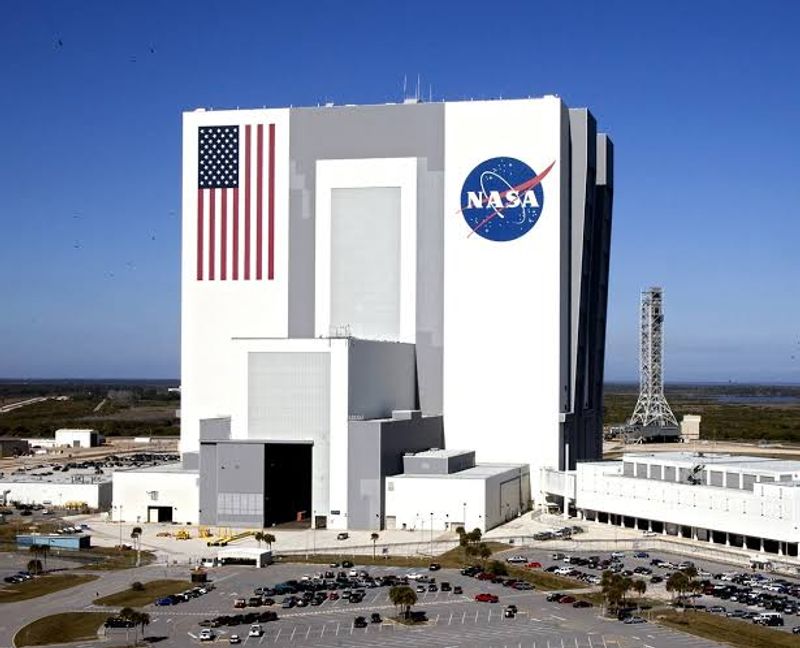
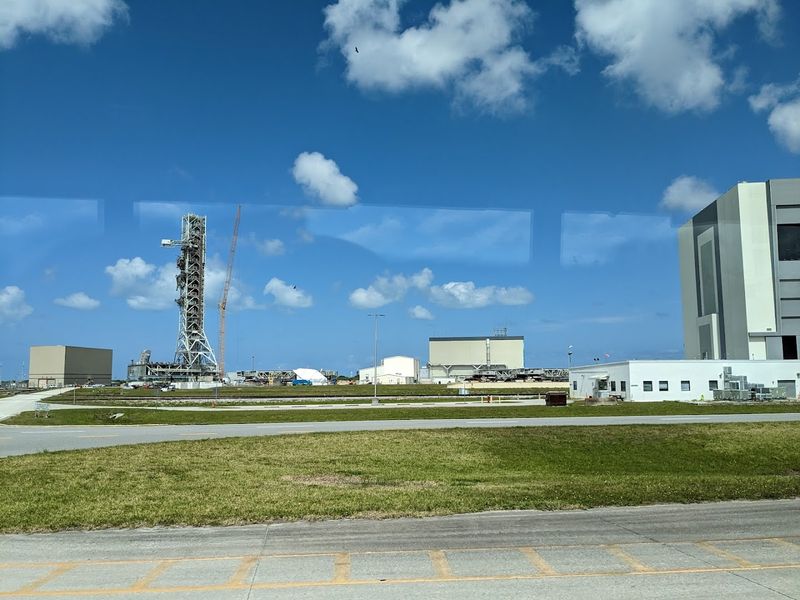
One of the biggest crowd-pleasers on the route is the Vehicle Assembly Building, or VAB. This colossal structure is so large that clouds can form inside it on humid Florida days.
Seeing it loom up through the bus windows genuinely makes your jaw drop.
The tour also passes by Launch Complex 39, the very pad used for Apollo Moon missions and Space Shuttle flights. Multiple reviewers strongly recommend doing the bus tour first thing in the morning to beat the afternoon crowds and better plan the rest of your day at the center.
The Apollo/Saturn V Center: Reliving Moon Mission Magic
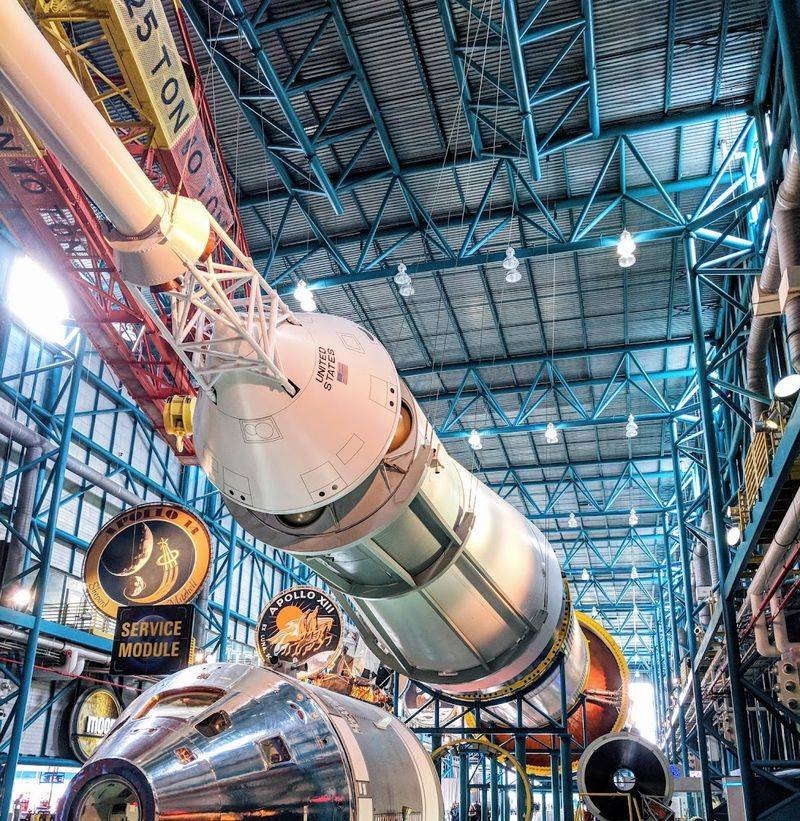
Few places in the world carry the emotional weight of the Apollo/Saturn V Center. Walking in and seeing those original mission control consoles, the ones that guided astronauts to the Moon and back, sends a shiver down your spine regardless of your age.
History feels close enough to touch here.
Beyond the Saturn V rocket itself, the center features a restored firing room from the Apollo era, complete with flickering monitors and dramatic audio recreations of actual countdowns. A short film presentation sets the scene before guests spill into the main hall, so arriving with a little patience pays off.
One reviewer noted that the room housing real mission consoles was genuinely fascinating, even if the overall format could feel rushed when large groups arrive together. Pro tip: hang back a few minutes after the film ends to let the crowd thin out, giving you more breathing room to explore.
Shuttle Launch Experience: Feel the Rumble of Liftoff
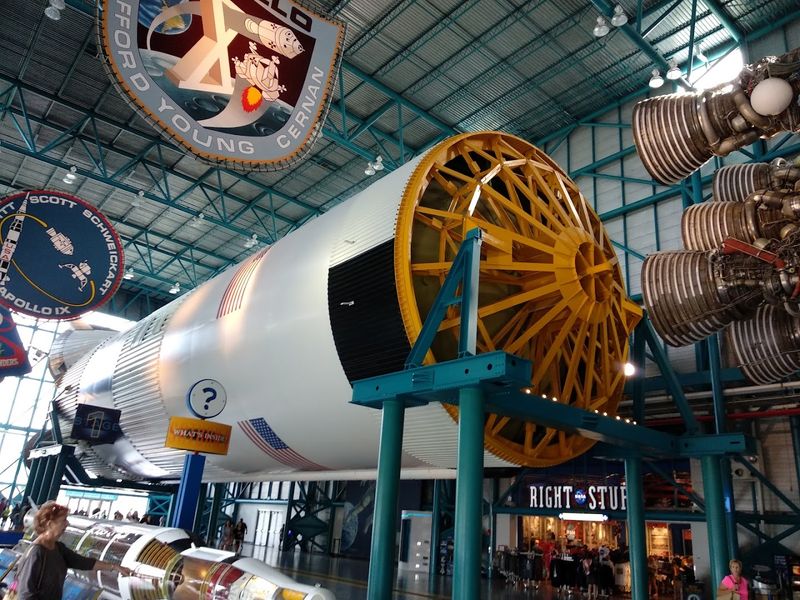
Words cannot fully capture what it feels like to launch into space, but the Shuttle Launch Experience comes impressively close. Built with input from real NASA astronauts, this simulator recreates the sights, sounds, and gut-punch vibrations of a shuttle liftoff with startling accuracy.
First-timers often emerge wide-eyed and breathless.
The experience begins with a pre-show narrated by a veteran astronaut who walks you through what is about to happen. Then the seats tilt back, the engines roar, and suddenly you are pressed into your chair by what feels like genuine g-forces.
Kids and adults alike let out screams that quickly turn into laughter.
Reviewers who did the simulator described it as both exciting and deeply educational, which is a rare combination for a theme park-style attraction. Plan to visit this one early in your day, as lines can build up quickly during peak visiting hours at the center.
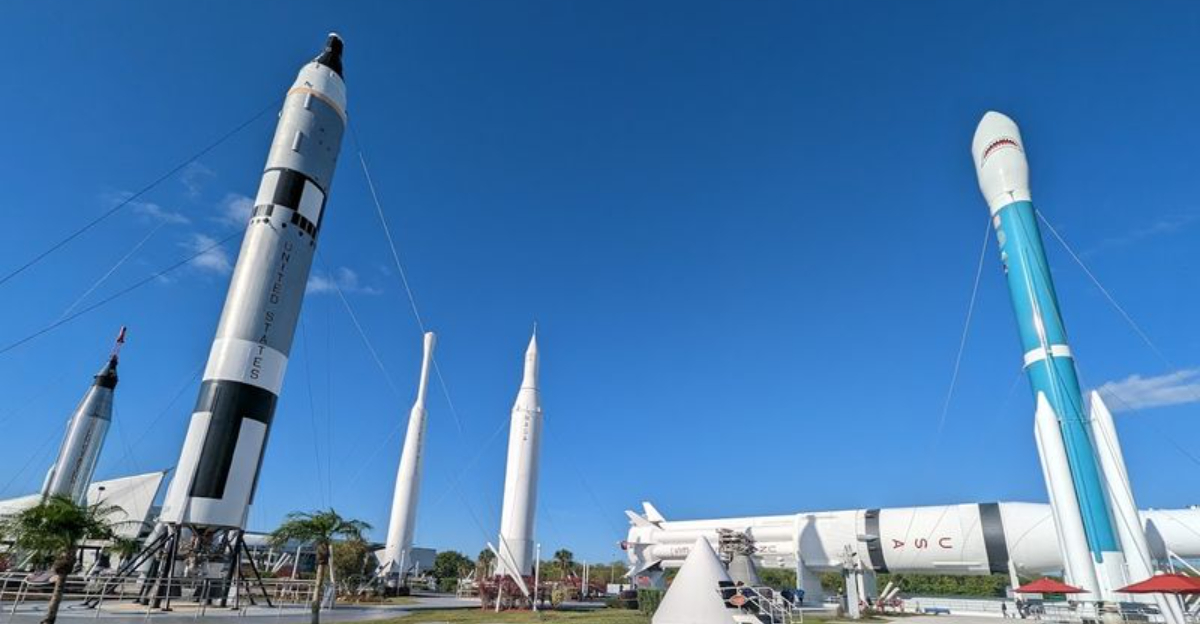
Rocket Garden: An Outdoor Forest of American Space Icons
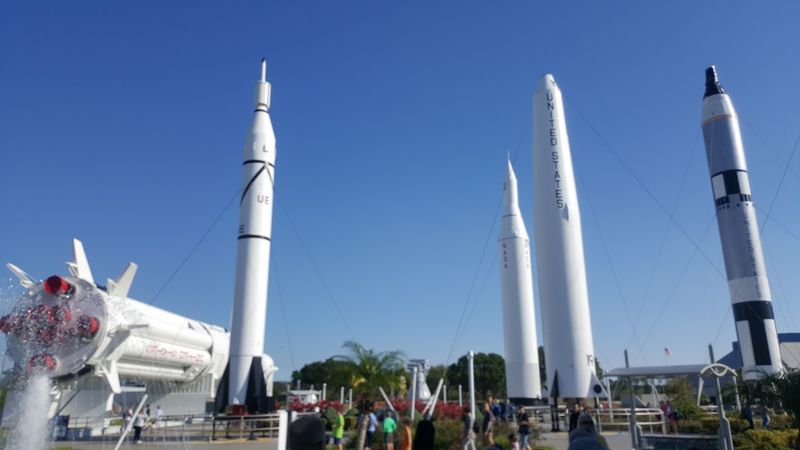
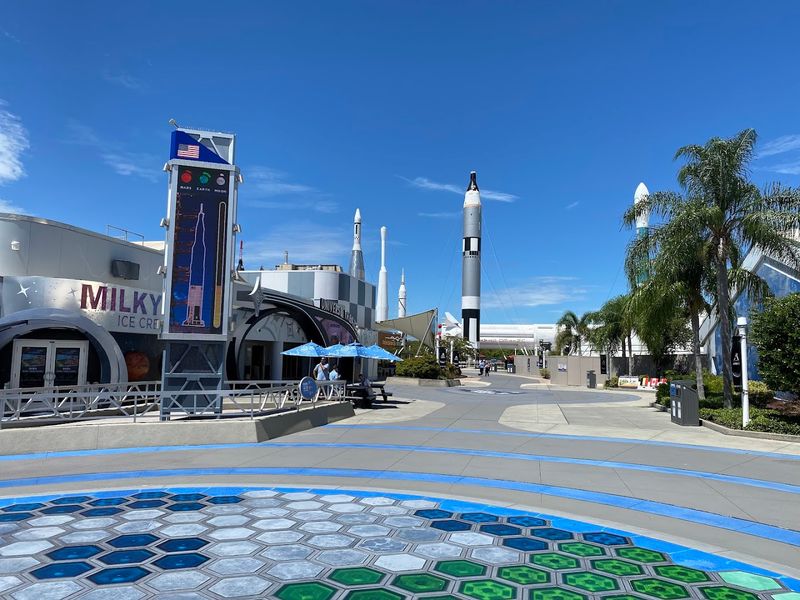
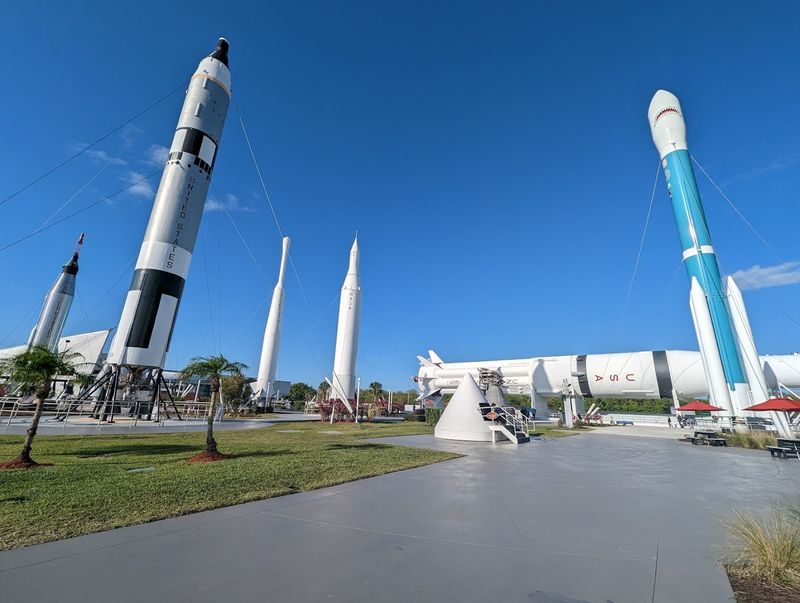
Strolling through the Rocket Garden feels like walking through a forest where every tree is a piece of American history. Clustered across an open outdoor plaza, a collection of authentic rockets from the early days of space exploration stand tall, each one representing a chapter in humanity’s push beyond Earth’s atmosphere.
Rockets from the Mercury, Gemini, and early Saturn programs are all represented here, giving visitors a visual timeline of how launch technology evolved over the decades. Standing next to a Mercury-Redstone rocket, which is barely taller than a two-story house, then looking at the Saturn V nearby, makes the leaps in engineering feel almost unbelievable.
The garden is free to explore as part of general admission and makes a fantastic starting point before heading inside to the bigger exhibits. Photography opportunities abound, and the open sky backdrop creates dramatic shots that look straight out of a NASA archive.
IMAX Theater: Space Stories on a Screen That Fills Your Vision
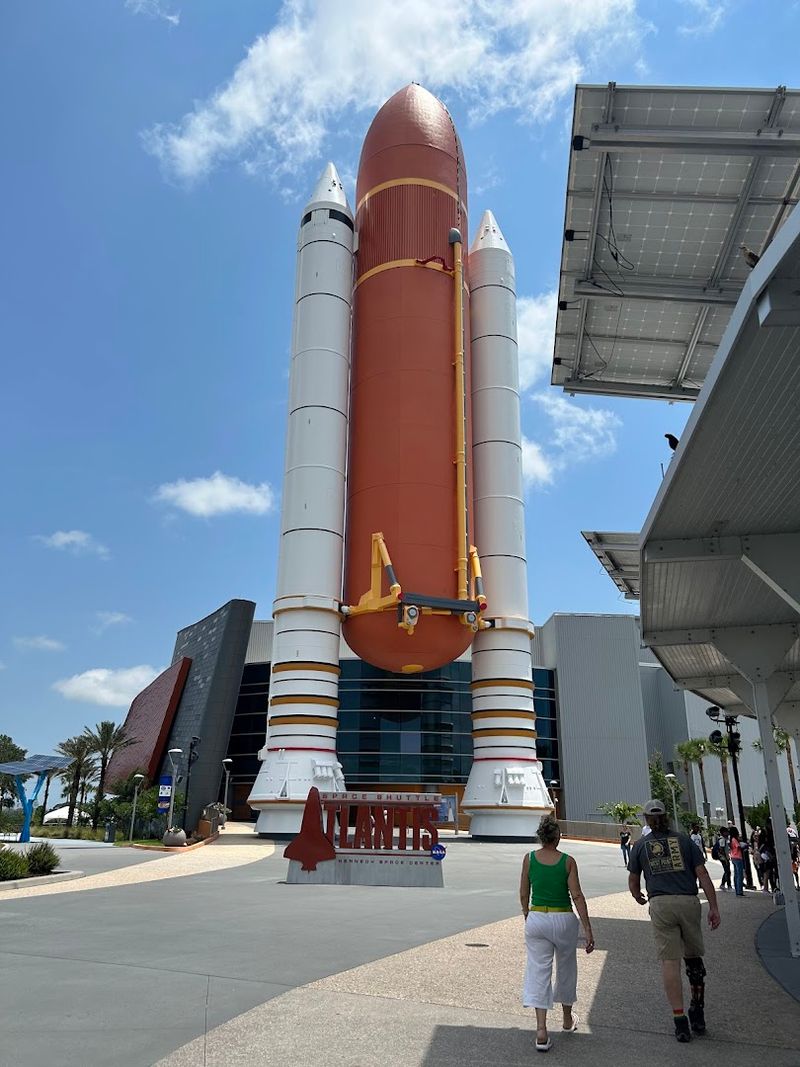
When the lights go down inside the Kennedy Space Center IMAX theater, the screen ahead of you does not just show a movie, it swallows the entire room. The giant curved screen and thunderous surround sound turn space documentary footage into something that feels genuinely immersive, almost like being there yourself.
Films rotate regularly and typically cover topics ranging from life aboard the International Space Station to the latest Mars exploration missions. Even visitors who consider themselves casual space fans tend to walk out feeling newly inspired and eager to learn more.
One reviewer mentioned grabbing popcorn and a drink at the IMAX as a highlight of their day.
Pairing the IMAX with the rest of the center’s exhibits creates a well-rounded visit that balances action, information, and emotional storytelling. Check the schedule when you arrive so you can plan your screening around the bus tour and simulator experiences without missing anything.
Meet a Real Astronaut: Question and Answer Sessions with Space Veterans
Not many places on Earth give you the chance to look a real astronaut in the eye and ask, “What does space smell like?” Kennedy Space Center makes that possible through its astronaut encounter programs, where retired crew members share firsthand stories from their missions. It is the kind of thing you remember for the rest of your life.
One reviewer raved about a session with retired astronaut Steve Smith, describing him as motivating with a genuine sense of humor. These encounters are not stiff or scripted.
Veterans answer real questions from the crowd, sometimes sharing behind-the-scenes details that never make it into textbooks or documentaries.
For kids especially, meeting someone who has actually floated in zero gravity and watched sunrises from orbit can spark a love of science that lasts for years. Check the daily schedule posted at the visitor center entrance to find out when the next session is happening during your visit.
Planet Play: Where Little Explorers Get Their Own Mission
Tiny astronauts deserve their own corner of the space center, and Planet Play delivers exactly that. Designed specifically for younger visitors, this interactive zone turns space science into a full-body adventure where kids can crawl, climb, and problem-solve their way through a world inspired by planets, rockets, and zero gravity.
Parents who visited with toddlers and early elementary-aged children consistently praised Planet Play as a smart addition to the complex. While older siblings tackle the shuttle simulator, little ones can burn off energy in an environment that is safe, stimulating, and packed with learning disguised as pure fun.
The space-themed design keeps even curious grown-ups entertained, and the hands-on activities genuinely teach concepts like gravity, orbit, and planetary science without ever feeling like a classroom. Families with a wide age range will appreciate having an attraction that keeps every member of the group happily engaged at the same time.
Drone Light Show: A Dazzling Finale Under the Florida Sky
Ending the day at Kennedy Space Center with the drone light show is like getting a standing ovation after an already perfect concert. Hundreds of precisely programmed drones lift into the night sky and choreograph themselves into glowing shapes, from rockets and planets to astronaut silhouettes, all set to music that ties the whole day together.
Visitors who stuck around for the show described it as breathtaking, the kind of experience that makes you go quiet and just stare upward. One family noted that their daughter, already inspired by everything she had seen that day, was moved to tears watching the display unfold overhead.
The show runs on select evenings, so checking the schedule before your visit is a smart move. Arriving early to claim a good viewing spot on the lawn pays off.
Bring a blanket if the evening breeze picks up along the Florida coast.
Launch Viewing Opportunities: Watching Real Rockets Blast Off
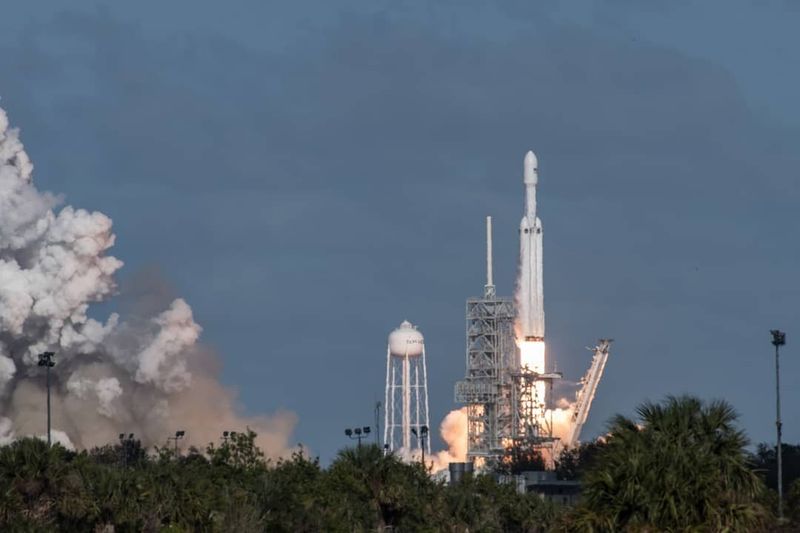
Witnessing a real rocket launch from Kennedy Space Center is the kind of experience that rewires your brain. The ground shakes, the sky turns orange, and a column of fire punches through the atmosphere with a roar that you feel in your chest before you hear it with your ears.
No screen can prepare you for the real thing.
Launches from nearby pads, including SpaceX Falcon 9 missions and NASA’s own vehicles, can sometimes be viewed right from the visitor complex grounds. The center sets up large screens and provides live narration, so even first-time viewers understand what they are watching unfold in real time.
One reviewer called witnessing a Falcon 9 launch the absolute highlight of their entire trip, the icing on the cake after a day already packed with incredible experiences. Always check the launch schedule at nasa.gov before your visit, since launch windows can shift without much warning.
Dining and Practical Tips: Making the Most of Your Full Day
Spending a full day at Kennedy Space Center takes real energy, and fueling up properly makes a noticeable difference. The complex has multiple dining options spread across the grounds, ranging from quick grab-and-go snacks to sit-down cafeteria-style meals.
One savvy visitor tip: look for entry-plus-food bundle packages that include a per-person food credit at two internal cafes.
Parking runs about $15 per day, and checking platforms like Groupon before your visit can sometimes score discounted admission tickets. Weekdays, especially Mondays, tend to be noticeably less crowded than weekends, meaning shorter waits for simulators and more elbow room at popular exhibits.
Comfortable walking shoes are non-negotiable. The complex covers a lot of ground, and most visitors log several miles without realizing it.
Bringing a refillable water bottle is smart, especially in Florida’s heat. There is also a free, climate-controlled pet kennel on site for families traveling with dogs.
Artemis Program Exhibits: The Next Giant Leap in Human Space Travel
NASA is not done reaching for the stars, and the Kennedy Space Center makes sure every visitor knows it. The Artemis program, NASA’s bold plan to return humans to the Moon and eventually send them to Mars, is front and center in new exhibits that blend current mission updates with hands-on learning stations.
One excited reviewer mentioned spotting the actual SLS rocket for the Artemis II mission during their visit, calling it an unexpected bonus that made an already incredible day feel historic. Seeing hardware that will soon carry real astronauts beyond Earth orbit creates a very different feeling than looking at archived relics from decades past.
The Artemis exhibits remind visitors that space exploration is not a chapter that closed in 1969. It is an ongoing story with new heroes, new technology, and new destinations just over the horizon.
Watching it unfold in real time, right here in Florida, is genuinely thrilling.
Enjoyed this story?
Add Fast Food Club as a preferred source to see more of our reporting on Google.