


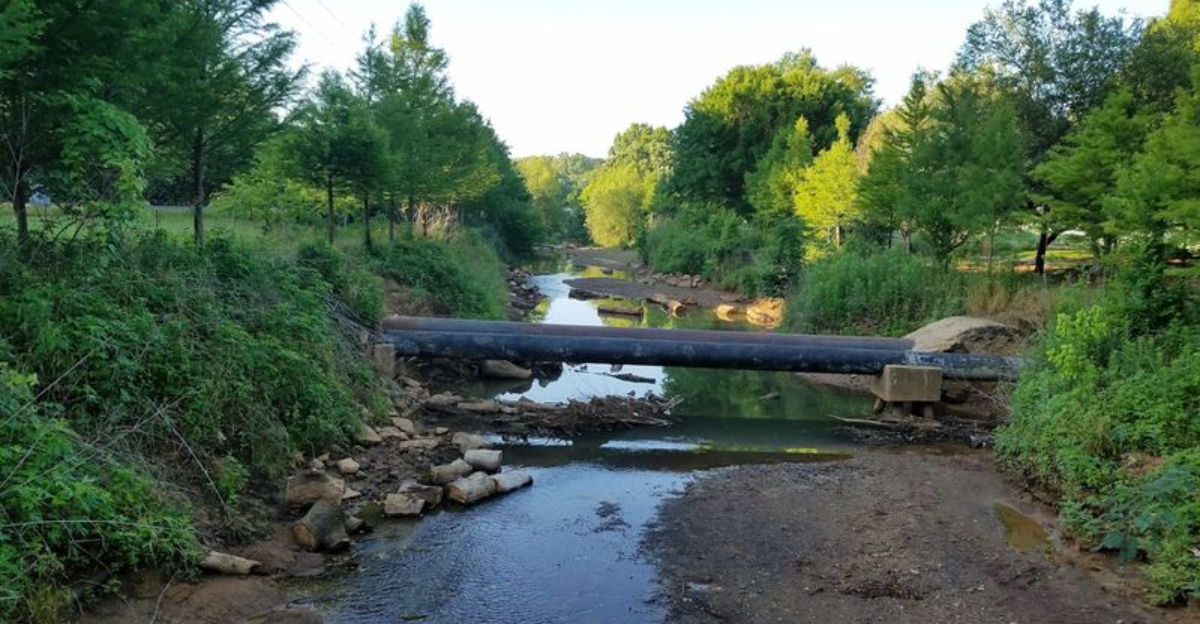
Tucked away in the heart of East Texas, Nacogdoches is a city full of history, nature, and charm that most people have never heard of. Running through this incredible city is a stunning 6.5-mile riverwalk that winds through some of the most beautiful scenery in the Lone Star State.
Whether you love outdoor adventures, peaceful strolls, or soaking up local culture, this trail has something special waiting for you. Get ready to explore everything that makes Nacogdoches and its legendary riverwalk an unforgettable Texas treasure.
The Lanana Creek Trail: Where the Journey Begins
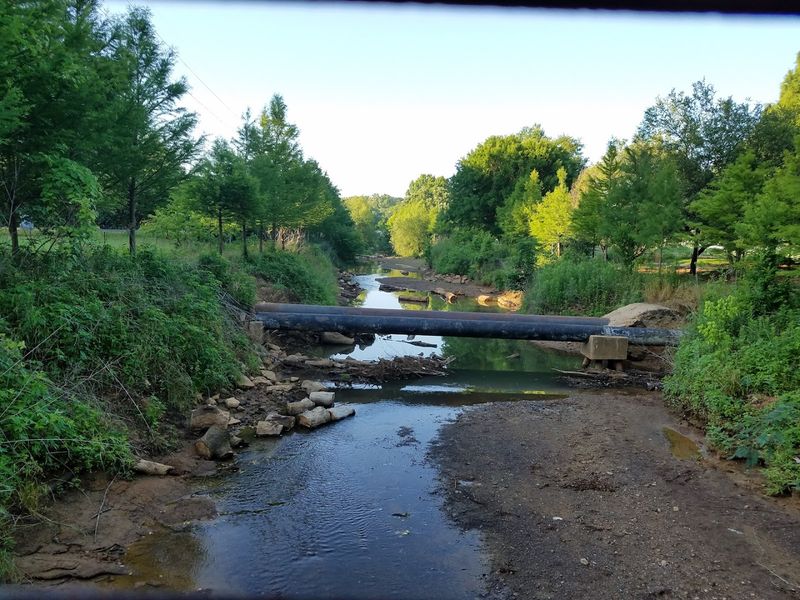
Few trails in Texas greet you quite like the Lanana Creek Trail does — with towering pines, soft creek sounds, and a sense that you’ve stumbled into something truly special. This 6.5-mile paved path follows Lanana Creek through the city of Nacogdoches, offering walkers, joggers, and cyclists a gorgeous escape from everyday life.
The trail connects several parks and neighborhoods, making it as practical as it is beautiful. Families, fitness enthusiasts, and casual strollers all find their own rhythm here.
What makes the starting point so memorable is the way the forest canopy immediately wraps around you, blocking out the noise of the city. East Texas pines stand tall on both sides, and the creek bubbles alongside the path.
It feels less like a city trail and more like a journey through a living postcard of nature.
Ancient Roots: Nacogdoches and Its Rich History
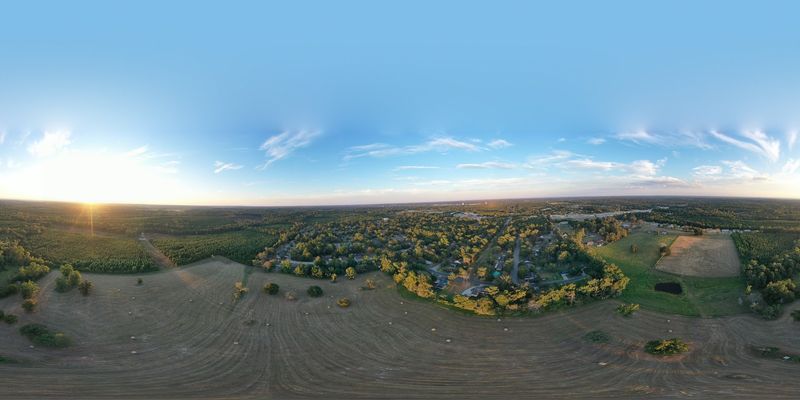
Nacogdoches proudly holds the title of the oldest town in Texas, and that history runs as deep as the roots of its ancient oak trees. Long before European settlers arrived, the Caddo people called this land home, and their legacy is woven into the very soil the riverwalk crosses.
Walking the trail, you pass near sites that have witnessed centuries of change — from Native American villages to Spanish missions to the early days of American settlement. History here is not locked behind glass; it breathes in the open air.
For anyone curious about Texas heritage, the trail becomes more than a walk — it becomes a timeline. Each step connects you to a story older than the United States itself.
Nacogdoches earned its place in history, and the riverwalk is one of the best ways to feel that connection firsthand.
Pine Forest Beauty Along Every Step of the Path

East Texas is famous for its pine forests, and the Lanana Creek Trail puts you right in the middle of that green glory. Tall loblolly pines line much of the route, their straight trunks rising like natural skyscrapers above the trail below.
Stephen F. Austin State University, located right in Nacogdoches, is known for its forestry program — and it’s easy to see why this region inspires such dedication to trees.
The forest along the riverwalk feels healthy, vibrant, and alive in every season.
Spring brings wildflowers poking through the undergrowth. Summer turns the canopy into a thick, cooling green roof.
Fall adds splashes of gold and rust between the evergreens, and winter reveals the elegant structure of bare branches. No matter when you visit, the pine forest offers a backdrop that simply never gets old or ordinary.
Wildlife Encounters That Will Surprise You
You never quite know who you’ll meet on the Lanana Creek Trail — and that’s part of the magic. White-tailed deer are frequent visitors near the creek banks, often grazing quietly just feet from passing walkers.
Squirrels dart between trees, and songbirds fill the air with cheerful noise.
Birdwatchers especially love this stretch of trail. East Texas sits along a major migratory flyway, meaning rare and colorful species show up during spring and fall migrations.
Bring a pair of binoculars and you might spot a painted bunting or a pileated woodpecker hammering away at a pine trunk.
Even turtles sunning themselves on creek rocks add to the experience. The trail reminds visitors that Nacogdoches is not just a city — it’s a living ecosystem where humans and wildlife share the same beautiful space without much fuss or fanfare.
Bridges and Crossings That Frame Perfect Photos

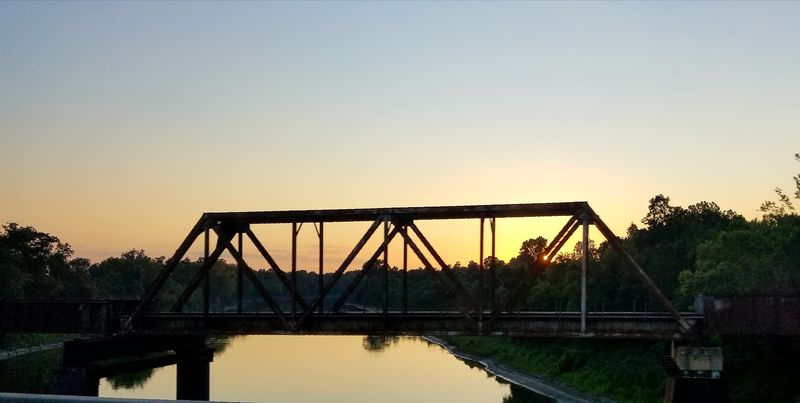
Scattered along the 6.5-mile trail are several bridges that cross Lanana Creek at different points, and each one feels like its own little moment worth pausing for. Whether made of wood or concrete, these crossings offer views up and down the creek that beg to be photographed.
Early morning is the best time to catch the water’s mirror-like surface reflecting the pines above. The light filters through the trees at golden angles, turning even a simple snapshot into something worth framing.
Photographers and casual phone-camera users alike come away with stunning images.
Standing on one of these bridges and just listening — to the water moving below, the wind rustling the treetops, the distant call of a bird — is its own kind of reward. These quiet crossing points are where the riverwalk slows visitors down and reminds them to simply look around and appreciate what’s there.
Stephen F. Austin State University: A Campus Worth Exploring

Stephen F. Austin State University sits right in the heart of Nacogdoches, and the Lanana Creek Trail passes close enough to give walkers a taste of campus life.
Founded in 1923, SFA has grown into a vibrant university known especially for its respected forestry and agriculture programs.
The campus itself is gorgeous — a mix of classic brick architecture and massive shade trees that create a cool, welcoming atmosphere. Students, professors, and community members all mix together here, giving Nacogdoches a lively, youthful energy that balances its deep historical roots.
Visitors who wander near campus after their trail walk often stumble upon outdoor art installations, botanical gardens, and peaceful reading spots. The Ruby M.
Mize Azalea Garden, located on campus grounds, is a jaw-dropping stop in spring when thousands of azalea blooms burst into vivid color. SFA adds real soul to the Nacogdoches experience.
The Azalea Garden: A Springtime Explosion of Color

Every spring, something almost unbelievable happens in Nacogdoches. The Ruby M.
Mize Azalea Garden at SFA erupts into a sea of color so vivid it almost looks painted. Thousands of azalea plants — in shades of deep red, hot pink, soft white, and coral — bloom simultaneously, drawing visitors from across the state.
The garden is one of the largest azalea gardens in the United States, which makes it a remarkable attraction for a city of Nacogdoches’s size. Winding paths lead through the blooms, and the pine trees overhead create a dramatic contrast with all that color below.
Even if you’re visiting primarily for the riverwalk, planning your trip during azalea season — typically late February through March — adds an entirely different layer of beauty to the whole experience. The garden is free to visit and genuinely one of the most spectacular natural displays in all of East Texas.
Local Parks That Connect Along the Trail
One of the smartest things about the Lanana Creek Trail is how it connects several parks throughout the city, turning a simple walk into a full community experience. Pecan Park, Banita Creek Park, and other green spaces link up along the route, giving trail users plenty of places to stop, rest, and recharge.
Families with young children especially appreciate these park connections. Playgrounds, picnic shelters, and open grassy fields pop up at just the right intervals along the trail.
It never feels like you’re too far from a shady bench or a good spot to spread out a blanket.
Locals use these parks for birthday parties, weekend cookouts, and lazy afternoon hangs. Seeing that everyday community life up close is one of the underrated joys of the trail.
The riverwalk isn’t just a nature path — it’s the living room of Nacogdoches, shared by everyone.
The Sound of the Creek: Nature’s Own Soundtrack
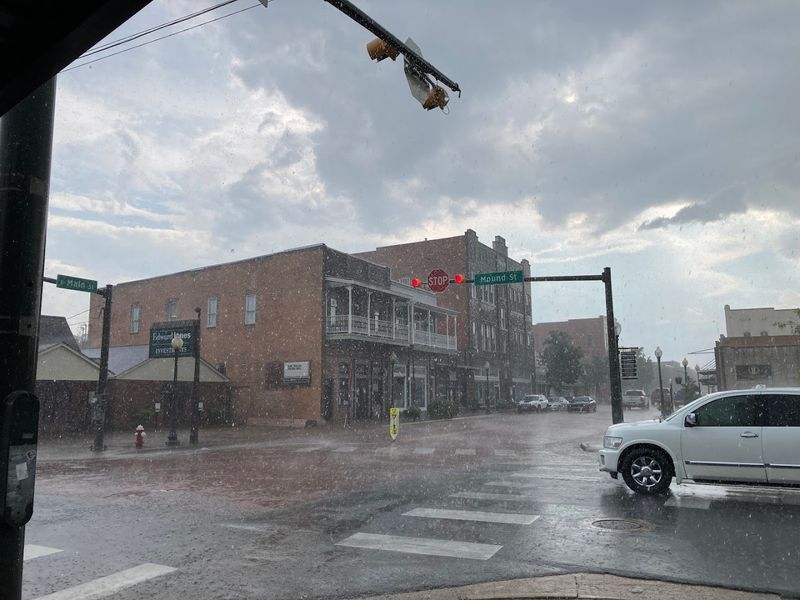
There’s something deeply calming about the sound of moving water, and Lanana Creek delivers that soundtrack for much of the trail’s 6.5-mile length. The creek isn’t a roaring river — it’s more like a steady, gentle conversation between water and stone, always present and always soothing.
After heavy rains, the creek rises and moves with more urgency, and the sound shifts into something more dramatic and powerful. Watching the water change with the seasons and the weather is one of the trail’s quiet pleasures that repeat visitors come back for again and again.
Mental health researchers have long pointed to natural water sounds as one of the most effective stress reducers available. The Lanana Creek Trail essentially offers free therapy.
Slip in your earbuds if you want, but honestly, leaving them out and just listening to the creek might be the best decision you make all day.
Trail Accessibility for Everyone
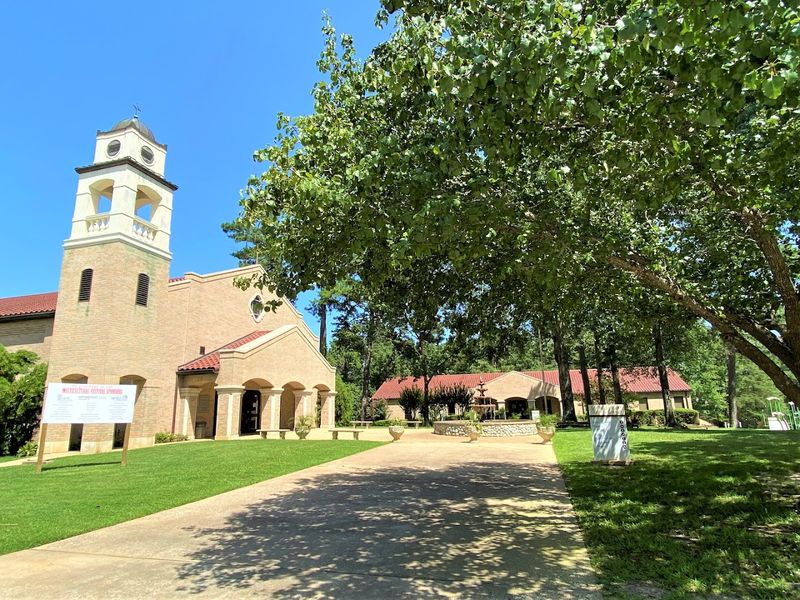
Not every beautiful trail is easy for everyone to use — but the Lanana Creek Trail was designed with accessibility in mind. Much of the route is paved and relatively flat, making it welcoming for people who use wheelchairs, walkers, or strollers.
That inclusive design matters. Grandparents walking with grandchildren, parents pushing infant strollers, and individuals with mobility challenges can all experience the same gorgeous scenery without feeling left out or held back.
That’s a rare and genuinely thoughtful feature for a trail of this length.
Parking areas with accessible spots are available at multiple trailheads throughout the city, making entry easy from several points along the route. You don’t have to commit to the full 6.5 miles to enjoy the trail — even a short stretch delivers the full beauty of Nacogdoches’s natural surroundings.
The trail truly belongs to everyone who wants to use it.
Dining and Downtown Charm After the Walk
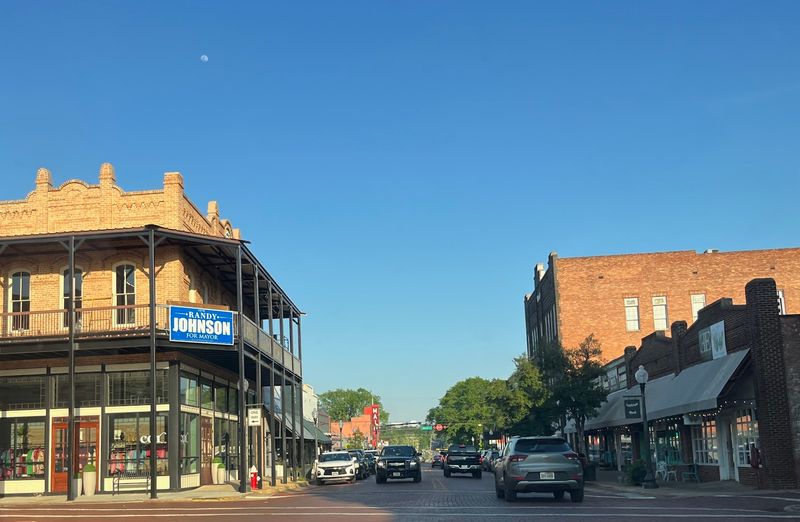
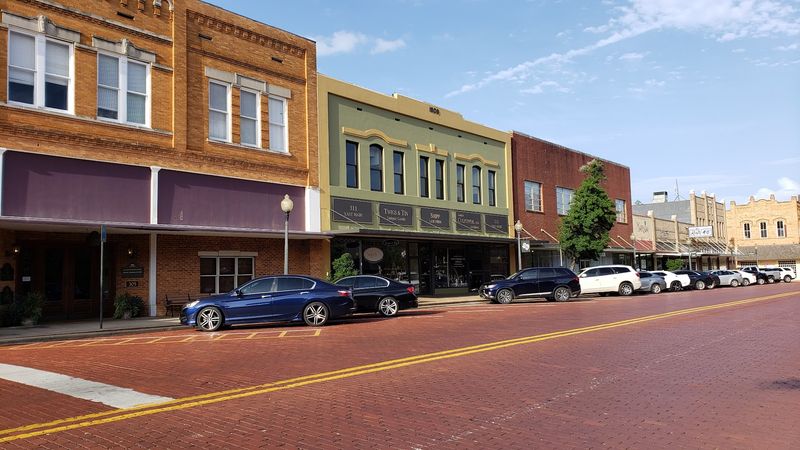
After working up an appetite on the trail, Nacogdoches’s downtown delivers with a satisfying mix of local restaurants, cafes, and shops that feel nothing like a generic strip mall. The historic downtown square, with its old brick buildings and shady oak trees, is just a short drive or walk from several trail access points.
Local favorites range from Southern comfort food to craft burgers to cozy coffee shops where you can sit outside and watch the town go by. The food scene here reflects the community — unpretentious, generous, and full of personality.
Nacogdoches locals are proud of their restaurants, and rightfully so.
Browsing the small boutiques and antique shops downtown after a long trail walk is the perfect way to cap off the day. You might find a handmade piece of Texas art, a vintage treasure, or just a really good slice of pie.
Either way, downtown Nacogdoches never disappoints.
Seasonal Changes That Transform the Trail

One of the most underappreciated things about the Lanana Creek Trail is how dramatically it changes with the seasons. Each visit feels genuinely different depending on when you show up, which gives regulars a reason to keep coming back throughout the year.
Spring is electric — wildflowers bloom along the banks, migratory birds arrive, and the whole forest seems to wake up overnight. Summer wraps the trail in deep green shade, making it surprisingly comfortable even during Texas heat.
Fall brings a patchwork of gold, orange, and red from the hardwood trees mixed among the evergreen pines.
Winter strips the deciduous trees bare, revealing creek views and forest depth that leafy seasons hide. Fog rolls through on cool mornings, giving the trail an almost mystical quality.
Experienced hikers often say winter is their favorite season on the trail for exactly that moody, atmospheric reason.
Why Nacogdoches Deserves a Spot on Your Texas Bucket List
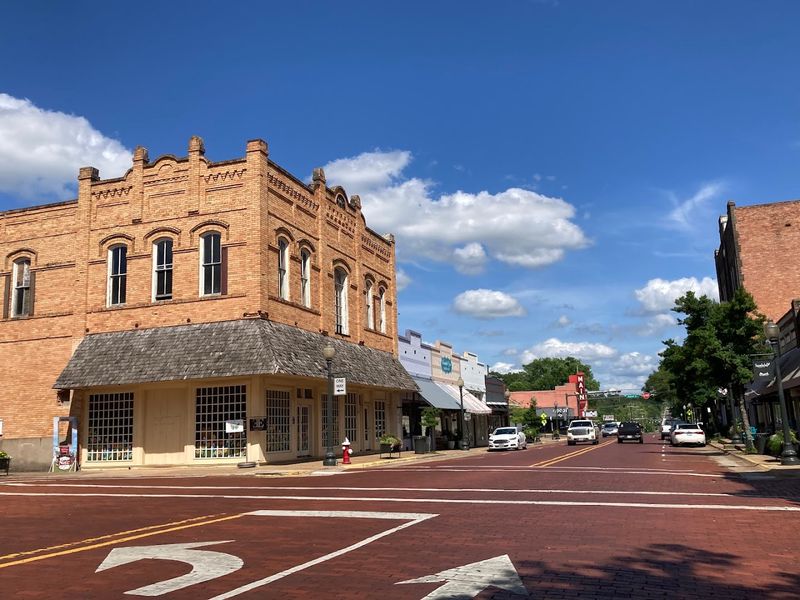
Texas gets a lot of attention for its big cities and wide-open plains, but Nacogdoches proves that the state’s most memorable experiences are sometimes found in smaller, quieter places. With its 6.5-mile riverwalk, ancient history, university culture, and stunning natural beauty, this city punches well above its weight.
People who visit Nacogdoches for the first time are often surprised by how much there is to see, eat, and explore. It doesn’t feel like a place that’s trying too hard — it simply is what it is, and what it is happens to be wonderful.
That authenticity is rare and increasingly hard to find.
Adding Nacogdoches to your Texas travel plans doesn’t require a big budget or a long drive from many parts of the state. It just requires a willingness to slow down, lace up your walking shoes, and let a genuinely special place do what it does best — make you glad you came.
Enjoyed this story?
Add Fast Food Club as a preferred source to see more of our reporting on Google.