


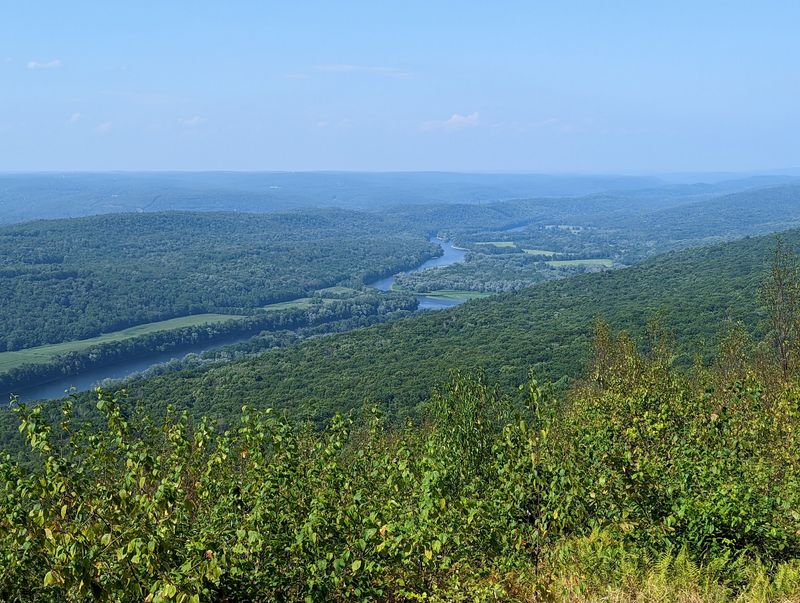
There is a corner of northwestern New Jersey where a river bends past mountains and cold streams tumble over rock ledges. A single trail here climbs roughly a thousand feet to a rocky perch, while another wanders beside a creek clear enough to wade into.
Campers spread tents beneath old trees, kayakers push off from a quiet launch, and hikers chase small waterfalls tucked into the woods. With 26 miles of paths and sites right along the water, this spot has quietly become a weekend favorite for people wanting fresh air without a long haul.
Keep reading to find out where it is, what makes each trail worth the climb, and how to plan a trip that actually works.
A Riverside Forest Tucked Into the Water Gap
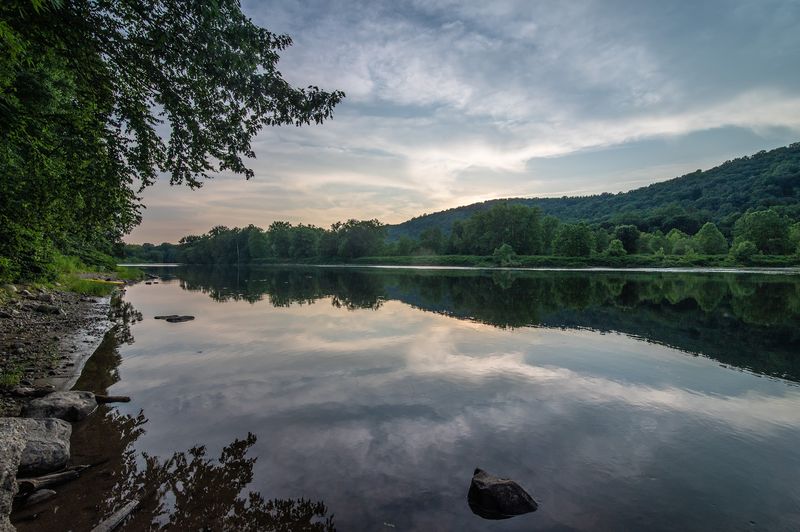
Right at 2 Old Mine Rd in Columbia, New Jersey, sits a state park that packs mountains, a river, and miles of trail into one rugged stretch of land.
Worthington State Forest spreads along the New Jersey side of the Delaware Water Gap, with the Delaware River running its western edge and steep ridges rising to the east. The whole place covers rough terrain and roughly 26 miles of trails.
Regulars come here for a mix of activities that rarely overlap in one park. Camping, fishing, kayaking, and hiking all live side by side, and you bring your own gear for the water sports.
The forest carries a strong 4.7-star standing across hundreds of accounts, which tells you plenty of people leave happy. Much of that praise circles back to how clean the grounds stay and how much scenery you get for the effort.
Getting here puts you close to the larger Delaware Water Gap National Recreation Area, so the trail options stretch well beyond the park boundary. That neighboring access is part of why people plan return trips.
What ties it together is the setting itself, a working balance of ridge and water that gives every visit a slightly different feel depending on where you point your boots.
Mount Tammany and Its Thousand-Foot Climb
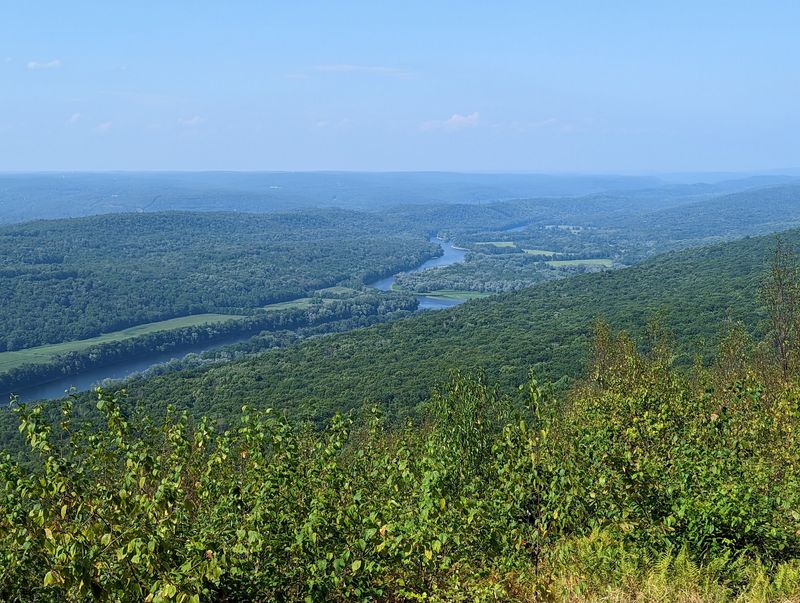
Ask around about the toughest payoff in the park, and the same name keeps coming up: Mount Tammany.
The climb runs about a thousand feet up to a rocky lookout, and it earns its reputation as a challenging ascent. People who tackle it describe a rocky trail that keeps you working the whole way.
Space at the top is tight. The summit does not offer much room to spread out, so on busy days hikers take turns settling in for the wide view over the gap.
That view is the reason folks push through the effort. The lookout frames the river and the surrounding mountains, and it lands high on almost everyone’s list of highlights.
One detail makes the whole thing sweeter: the hike is free. You can drive in, lace up, and take on one of the region’s signature climbs without paying a trail fee.
Come with sturdy footing and a little patience for the rocks. The reward at the top has a way of erasing the burn in your legs.
Dunnfield Creek and Its Cool, Clear Water
Not every path here points uphill. Some of the best hours in the park happen beside a stream.
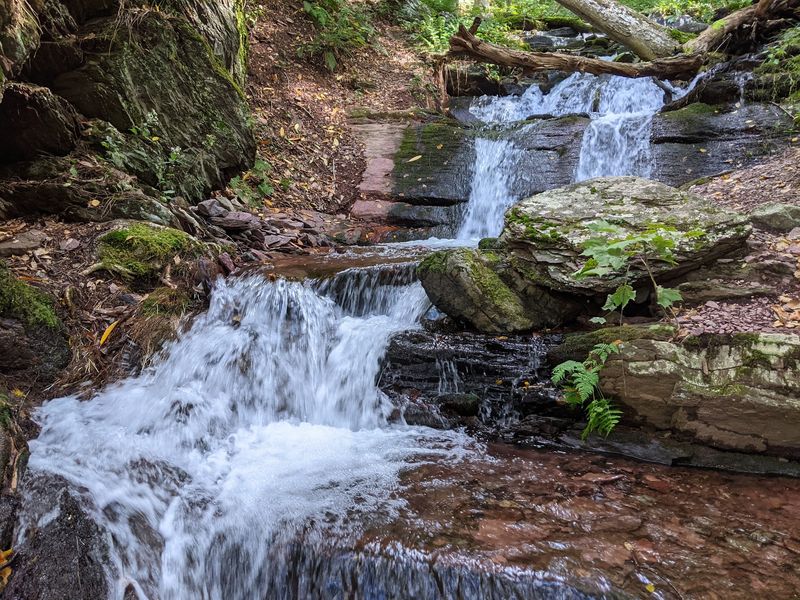
Dunnfield Creek trail draws hikers who want a gentler wander with water close at hand. The creek runs cool and clear, and people mention stopping for a dip along the way.
The blue trail connects into this same creek area, and it has a quiet fan club. Folks who follow it talk about a very cool creek where you can splash around and take a break from walking.
Compared to the ridge climbs, this stretch feels more relaxed. It suits families and anyone looking to trade a steep grind for the sound of moving water.
The creek also feeds into the park’s small waterfalls, which turn a simple walk into a mild treasure hunt. You keep rounding bends wondering what shows up next.
For a hot afternoon, few spots in the forest beat it. A shady creekside path with a place to cool your feet is an easy sell.
Camping Along the Banks of the Delaware
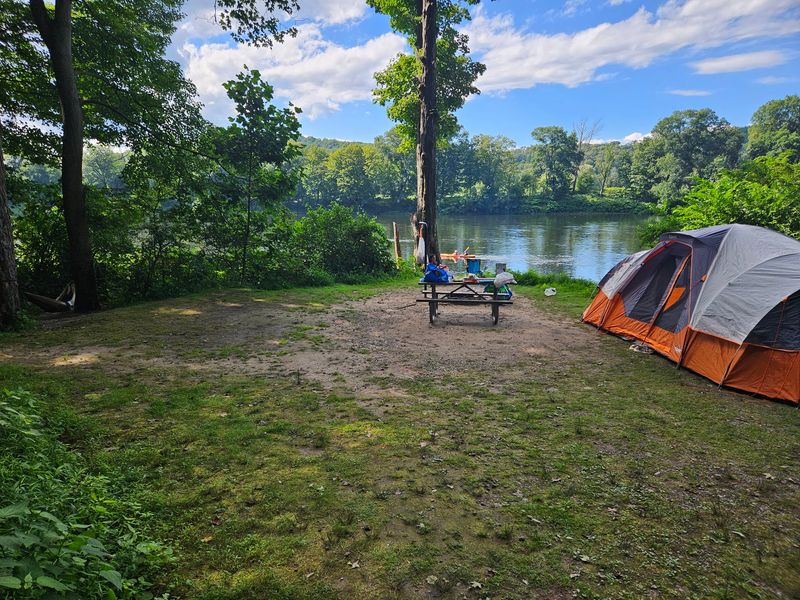
Mention this forest to anyone who has stayed overnight, and the conversation almost always turns to the campsites.
Camping is the headline activity here, with more mentions than anything else, and it runs the show for good reason. The tent sites south of the office along the river get singled out as some of the finest, generally well spaced with river views.
Each site comes stocked with the basics that make a night outdoors work. A designated fire pit, a grill, and a picnic table sit ready at your spot.
Privacy shifts depending on where you land. Drive-in sites tend to run generous in size with room for two tents and plenty of buffer, while the open field sites are huge but leave privacy up to how you park and pitch.
Some sites even have their own little path leading down to the riverside. That kind of access turns a campsite into a private launch point for the morning.
Booking is flexible too. You can reserve online, call ahead, or in some cases show up and pick a spot, though checking the rules first saves headaches.
Kayaks, Canoes and the Boat Launch
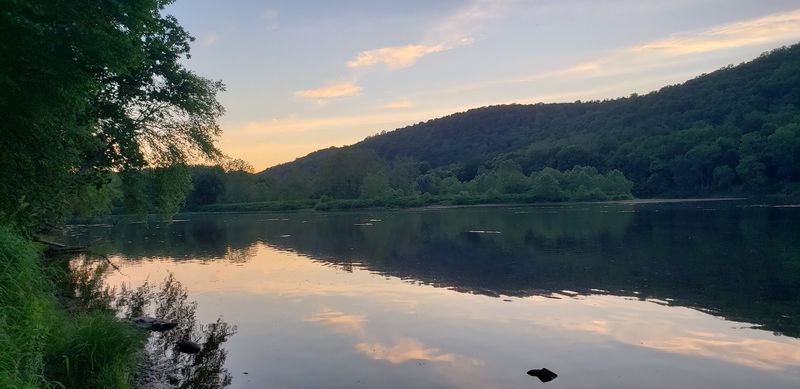
The river does more than look good from a campsite. It invites you onto the water.
A boat and kayak launch sits within the park for anyone hauling their own craft. Kayaking comes up often among the things people love, and canoeing and boating join the list right beside it.
The launch area also hosts a number of water activities, and some come with a fee. Options like guided paddling and other organized outings give newcomers a way in.
Swimming rules can change, so it pays to check at the entrance. Park rangers near the gate keep the canoeing and paddling details handy for visitors who ask.
Anglers should know the water gets busy. Fishing is permitted, though people who fish from shore sometimes find the boaters crowd them, so bringing a boat or kayak makes the day smoother.
A weekend float on the Delaware ranks among the park’s most repeated plans. Pack the paddles, and the river handles the rest.
Waterfalls and Wildlife Around Every Bend
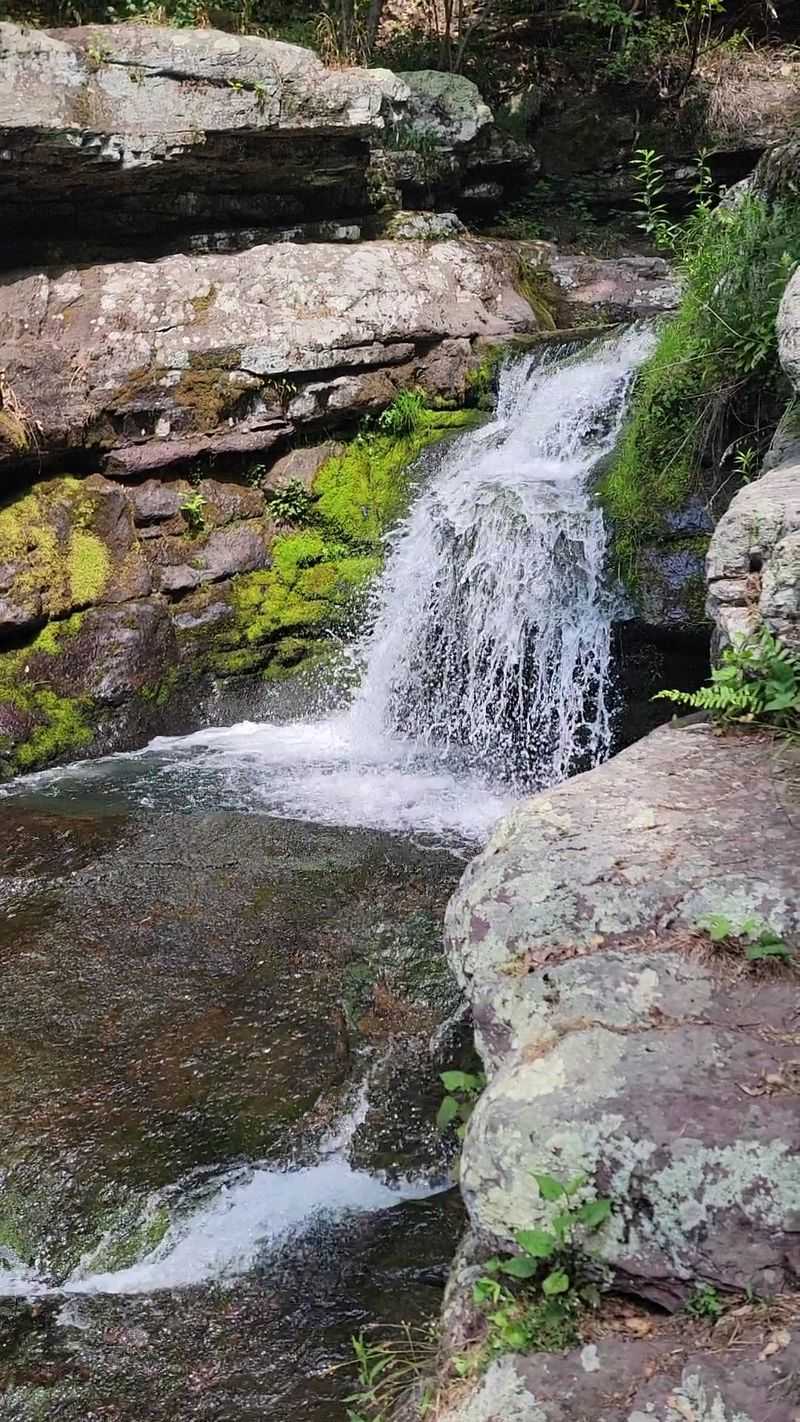
Beyond the big-name climbs, the forest hides small surprises for people who slow down.
Several waterfalls tuck into the trails, and they turn an ordinary walk into a scenic loop. Hikers point to rivers coming down from the mountain and pretty falls as part of the appeal.
The animal life keeps things lively too. Chipmunks, raccoons, birds, and rabbits move through the campground, and bird watching is a favorite quiet pastime here.
Bears live in the area as well, and the park does not hide it. Bear signs stand posted throughout, along with instructions on handling food, so you know how to camp responsibly.
That mix of small critters and larger residents gives the place a genuinely wild feel. You are sharing the woods, not just visiting them.
For photographers and nature lovers, the payoff is steady. Between the falls, the foliage, and the wildlife, there is always something worth pausing for.
When the Fall Colors Take Over
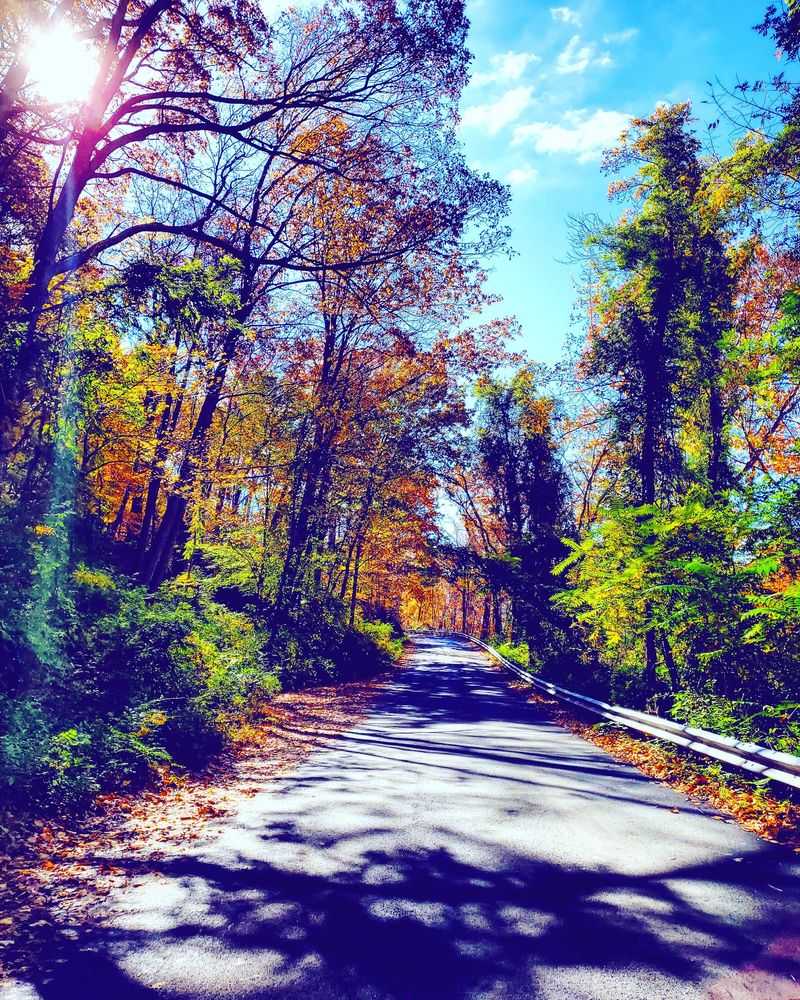
Every season here has its fans, but autumn stirs the most excitement.
Fall foliage gets called the best around, with vibrant reds, oranges, and yellows spreading across the mountains and along the river. People plan whole trips just to catch the color at its peak.
The timing lines up nicely with camping season, so overnight guests get the show at both ends of the day. Waking up to that palette beside the water is a big draw.
Foliage-covered trails also change the hiking mood. The same paths that feel green and shaded in summer take on a completely different character once the leaves turn.
Cooler air makes the ridge climbs more comfortable too. A challenging ascent goes down easier when the temperature drops and the views stretch across a colored valley.
If you can only visit once, aiming for fall is a smart bet. The forest saves some of its finest scenery for the shorter, crisper days.
Facilities, Fees and Fair Warnings
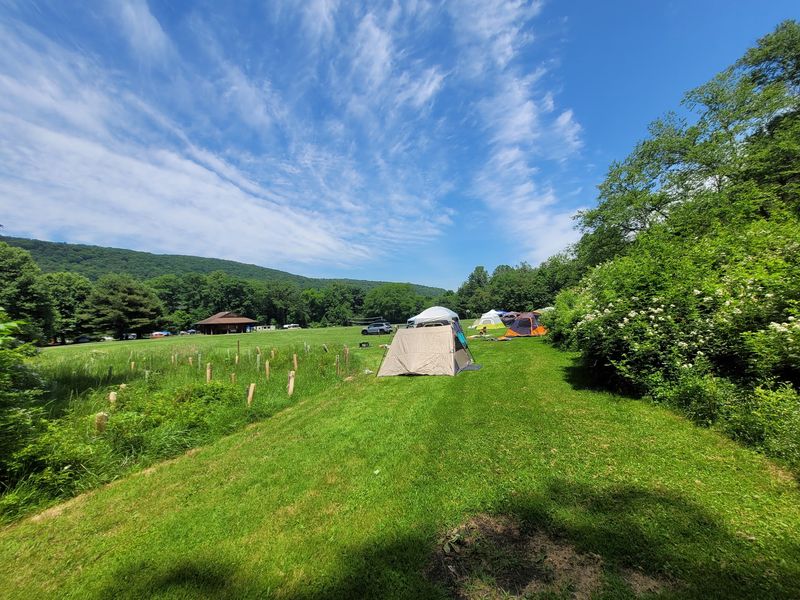
A great setting still needs working amenities, and this park comes reasonably equipped.
Overnight guests get access to free hot water showers and restrooms, plus a dishwashing station and a playground for kids. Firewood sells at the office, running around seven dollars a bag.
Campsites keep things simple and consistent. Rules generally cap sites at six people with two tents, and each spot includes a table, a fire ring, and a grill.
Cleanliness earns steady praise. Staff tidy sites, mow the grass, and clean fire areas before new guests arrive, and recycling bins and secure trash cans help keep the grounds neat.
A few honest snags are worth knowing. Some restrooms use compost toilets rather than flush, the access road carries deep potholes that have caused flat tires, and fire pit use can be restricted during dry stretches for safety.
Water is not available at every site, so bringing your own containers saves back-and-forth trips. Alcohol and smoking are not permitted.
Go in prepared for the rough road and the basic toilets, and the rest of the stay tends to land well.
Getting There and Why It Sticks With You
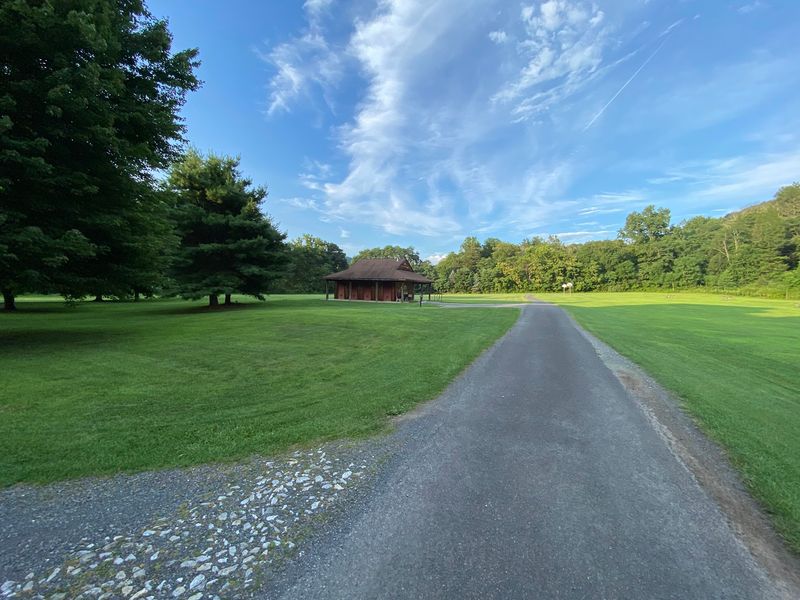
Reaching the forest turns out to be part of the fun.
The park sits at 2 Old Mine Rd in Columbia, New Jersey, not far from I-80, which keeps the drive convenient for a quick getaway. The approach road itself gets high marks for scenery, so the trip in sets the tone.
The gate stays open 24 hours, seven days a week, giving you real flexibility on arrival and departure. Supplies sit close by too, with gas stations and stores about five to seven minutes out and a Walmart roughly ten minutes away.
That nearness to town means you do not have to overpack. Forget something, and a store run barely dents your day.
The staff experience adds to the appeal. People describe helpful phone service and friendly workers at the office who make check-in painless.
Between the ridge trails, the creek walks, the river, and the tidy campsites, Worthington State Forest gives you a full outdoor weekend without a marathon commute. Come for the climb up Tammany, stay for the water, and you will likely start planning the next visit before you leave.
Enjoyed this story?
Add Fast Food Club as a preferred source to see more of our reporting on Google.