


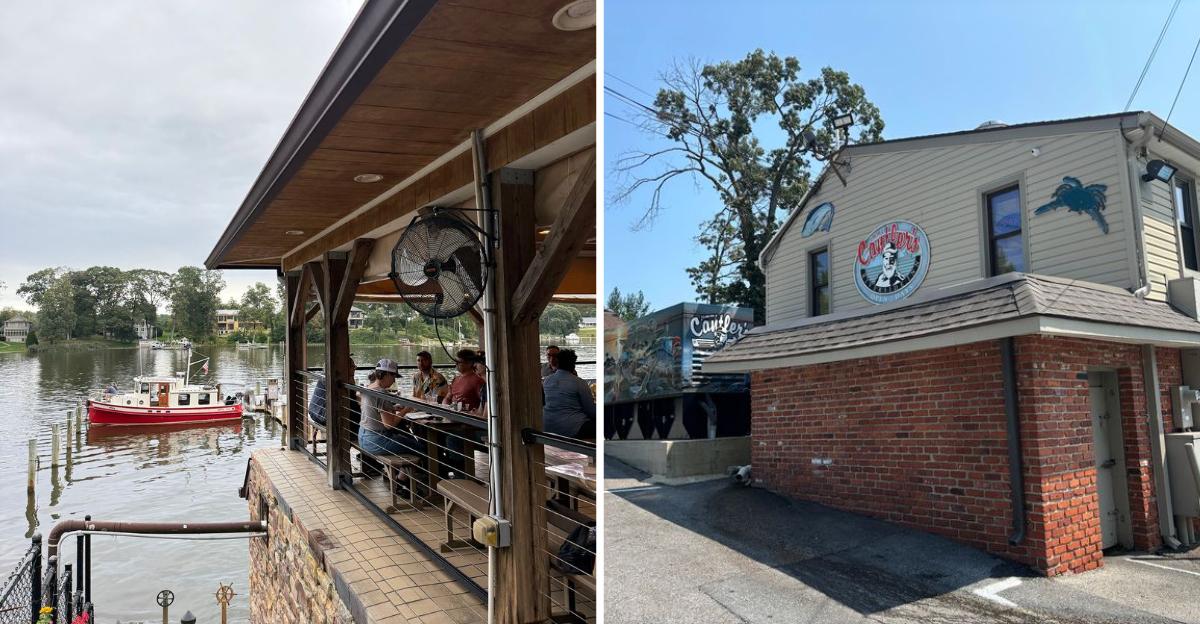
Down a winding road that seems to lead nowhere, boats pull right up to a back door and unload baskets of blue crab into rows of covered tanks. Locals have been making the awkward drive for decades, and they keep coming back with wooden mallets in hand and paper-covered tables at the ready.
There is nothing fussy here, just water views, casual seating, and the honest work of picking crab. Some folks call it an Annapolis tradition, while others simply call it the place they take out-of-town friends who want the real Maryland experience.
The following sections walk through the story, the setting, the standout dishes, and the practical details you will want before you go. Consider this your guide to a spot where the shells outnumber the frills.
A River Address That Hides in Plain Sight
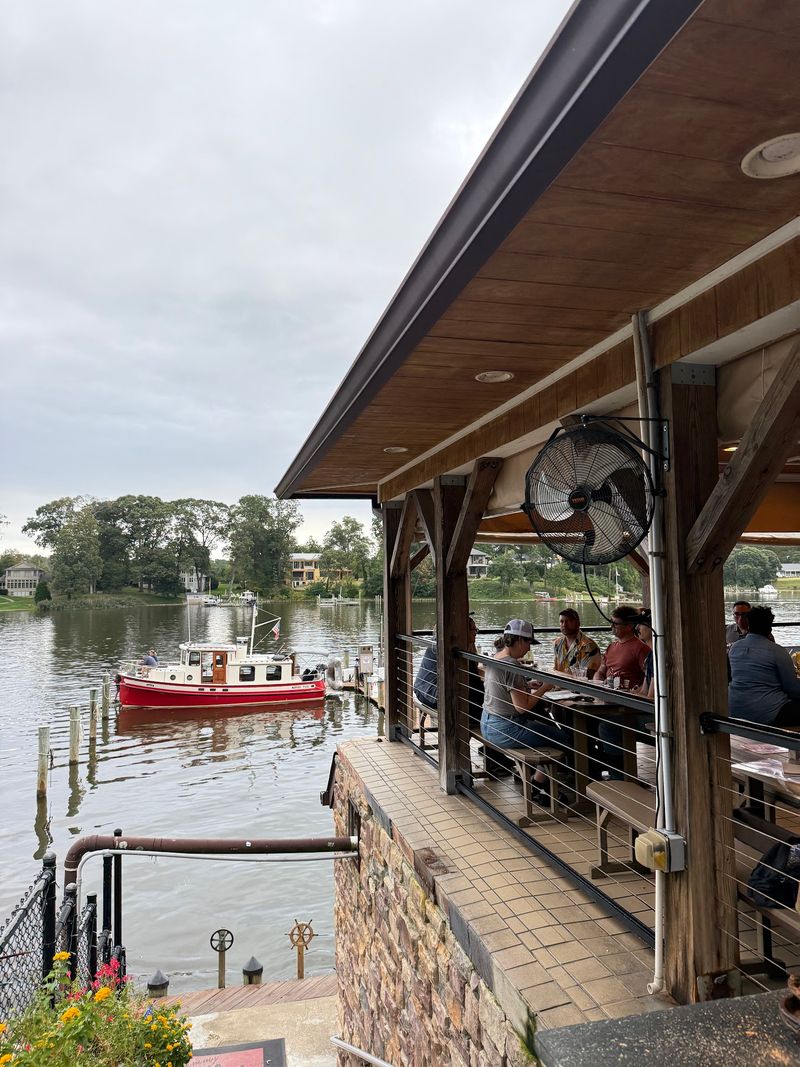
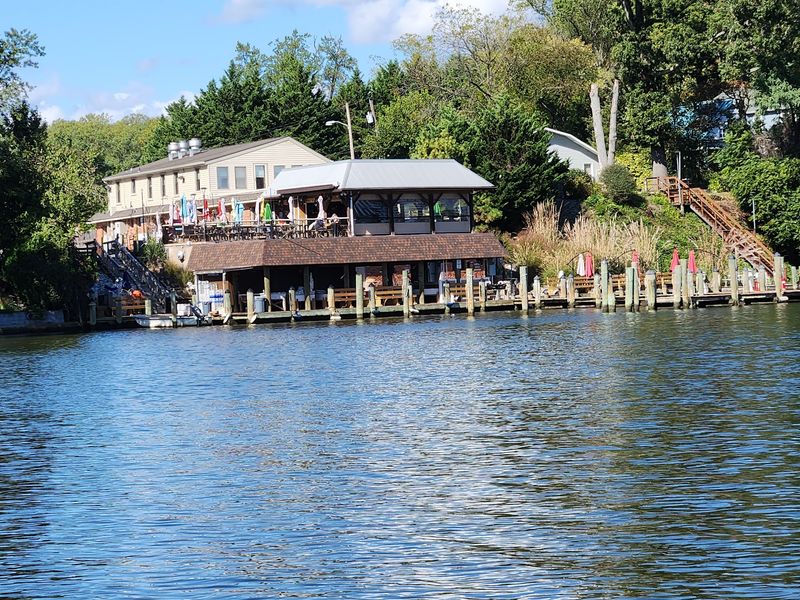
Tucked at 458 Forest Beach Rd in Annapolis, Maryland, this crab house sits directly on the water where Mill Creek widens toward the Chesapeake. The building keeps a low, rustic profile that fits the working shoreline around it.
Getting there takes a little patience. The drive winds along a long, narrow road with only one way in and out, and first-timers often describe the approach as a bit awkward before the reward comes into view.
Boats can motor right up and unload fresh blue crab into a large covered area lined with many tanks. That direct pipeline from water to table is part of what makes the location feel genuine rather than staged.
The setting reads as classic Chesapeake, from the creek view to the relaxed pace. Regulars sail up to the back door, and locals still treat it as a neighborhood spot even though word has traveled far beyond the county line.
Once you find it, the payoff is a seat near the river and the sense that you have arrived somewhere with real roots.
An Annapolis Classic With Local Roots
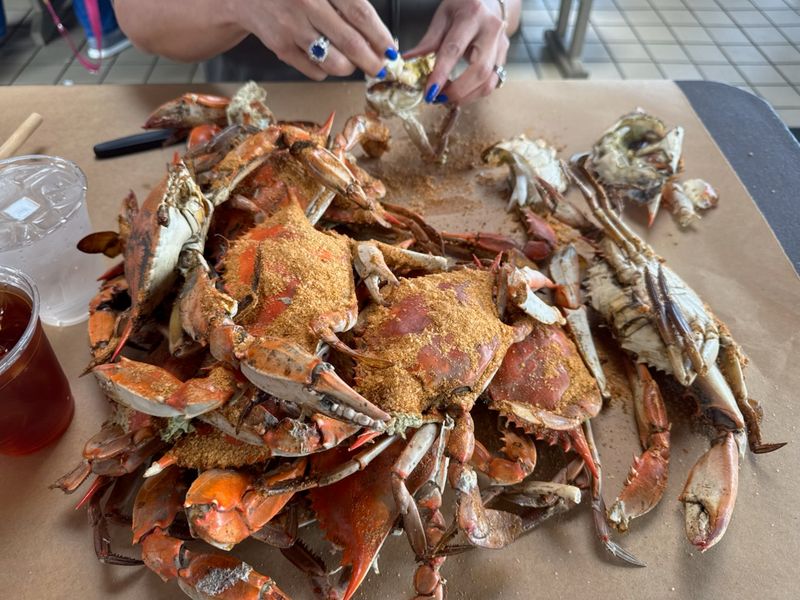
Some places earn the word tradition, and this one has spent years doing exactly that. Families who grew up nearby still return, sharing the ritual of a crab feast with friends from out of state.
Longtime patrons describe it as an Annapolis classic and a locals favorite, the kind of spot passed down through generations. People bring dates here, gather for family celebrations, and mark milestones at the long tables.
The old-school character is a feature, not a flaw. Butcher paper covers the tables, mallets stand ready, and the focus stays squarely on the seafood rather than on decor.
That heritage also means expectations run high. Because so many guests carry memories of past visits, they notice when a batch of crabs runs light or when a busy holiday stretches the staff thin.
Still, the loyalty runs deep. For plenty of Marylanders, a trip back to this creekside shack is less about trying something new and more about returning to something familiar and dependable.
Steamed Blue Crabs, the Main Event
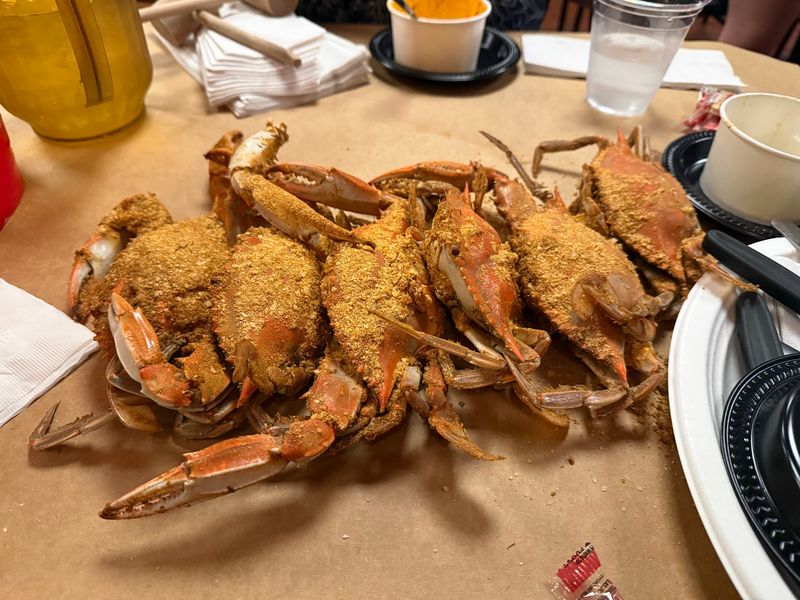
Crab is the reason most people make the drive, and it dominates nearly every conversation about this place. Steamed hardshell blue crabs arrive well seasoned and, on the best days, heavy and full of meat.
Portions come by the dozen, and sizing matters. Larges and mediums are the usual offerings, and when jumbo or extra large sell out, the kitchen works with what the water provided that day.
Freshness is a clear point of pride. Crabs delivered by boat into the on-site tanks tend to reach the table quickly, seasoned generously and ready for a mallet.
Consistency can wobble, though. A batch might include a couple of lighter crabs mixed in with the heavy ones, which some guests notice given the price of a full dozen.
When the crabs land right, the experience delivers exactly what people hope for from a Maryland crab house. Cracking shells on paper-covered tables, working out every morsel, is the whole point of showing up.
Crab Cakes Worth the Fork
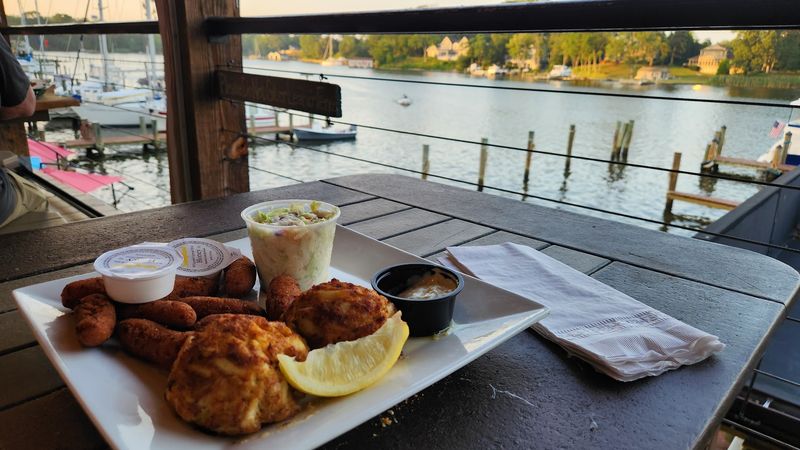
Not everyone wants to wield a mallet, and the crab cakes give those guests a reason to smile. Built with lump crab and very little filler, they carry real flavor once you press them out.
The presentation can fool you at first. The cakes may look small on the plate, but flattening them reveals more crab than expected, held together with a light hand rather than heavy binder.
A squeeze of fresh lemon is the move here. Served alongside tartar and cocktail sauce, the citrus lifts the sweetness of the meat and rounds out the dish.
Pairings help too. A two-lump crab cake meal often comes with sides like hush puppies and slaw, making for a filling plate that satisfies without piling on gimmicks.
Warm and broiled versions have drawn mixed notes on busy days, so timing your visit outside the biggest rushes tends to serve the cakes well.
Soft Shell Crabs and Seasonal Catches
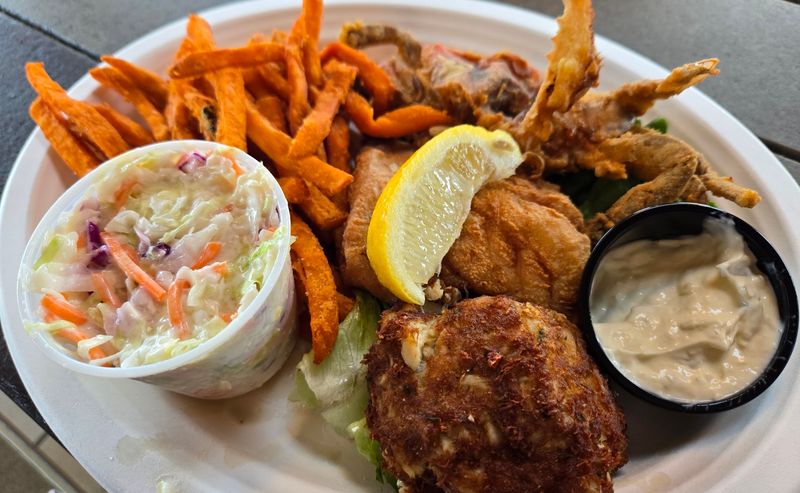
Craving something you can eat shell and all? Soft shell crabs give this menu a seasonal star that regulars watch for.
Served as a sandwich or on their own, they draw people who plan trips around them.
The variety extends well past crab. Rockfish, oysters, shrimp, and blackened tuna all appear, giving groups plenty of directions to explore beyond the mallet-and-paper routine.
Seafood pasta rounds out the options for anyone who wants a hearty plate. Shrimp pasta has landed well with guests looking for something beyond the classic feast.
Seasonality shapes the experience. Because the kitchen leans on what the bay provides, certain items shine at particular times of year, and a return visit can look different from the last.
For newcomers unsure where to start, the mix of fried, broiled, and steamed choices means you can build a spread that suits the whole table. There is room here for the crab devotee and the fish fan alike.
Soups and Starters That Set the Tone
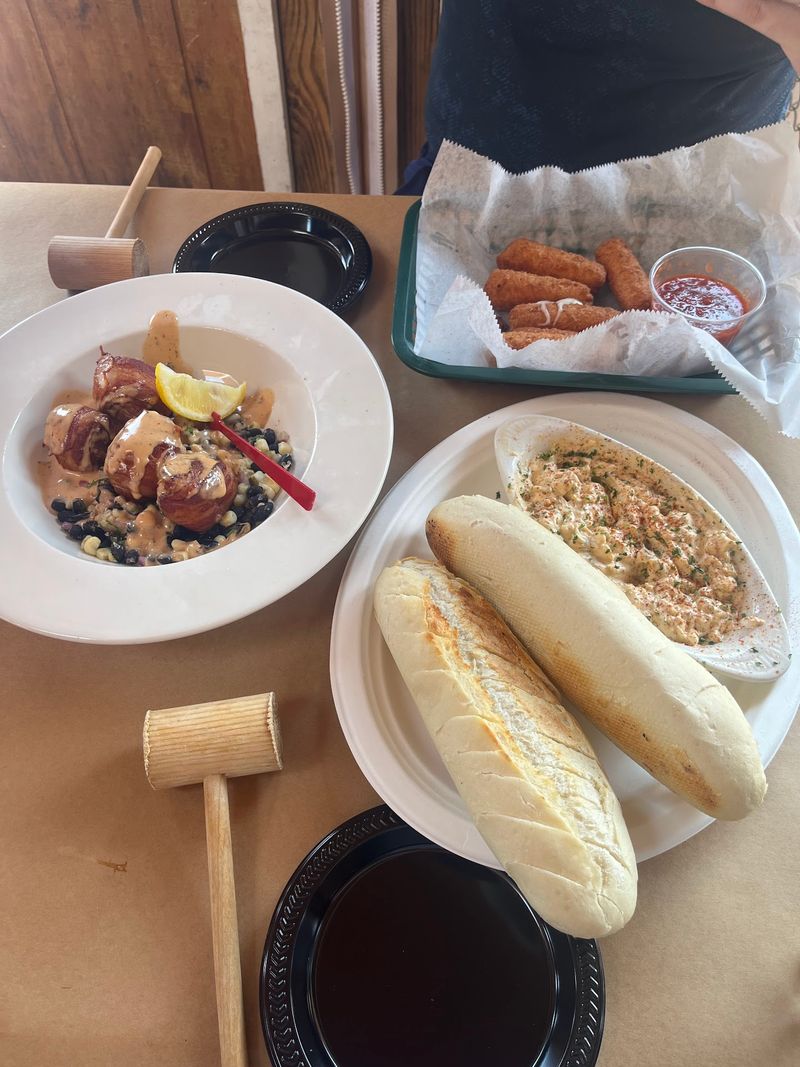
Before the main haul arrives, the soups do a lot of quiet work. Cream of crab reads rich and crab forward, a hearty opener for anyone who wants a warm start.
Clam chowder is another popular pick. Guests describe it as flavorful, though the seasoning can lean salty, so a light hand at the table helps balance it.
Crab dip earns steady mentions as a shareable starter. It is the kind of thing a table passes around while waiting for the crabs to hit the paper.
Slaw deserves a nod too. Made in-house and free of a heavy vinegar bite, it works as a cooling counterpoint to seasoned seafood rather than an afterthought.
Sides can vary in execution. Some batches of fries or vegetables land better than others, so mixing a soup or dip into your order gives you a reliable anchor while the rest of the table sorts itself out.
The Deck Where the Water Steals the Show
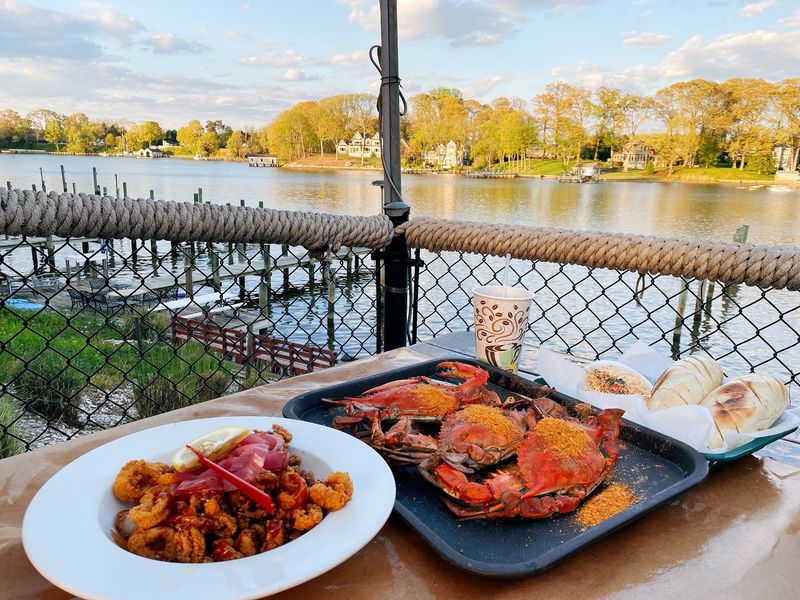
The creek view carries this place as much as the crab does. A large covered porch sits right on the water, and picking crabs with the river in front of you is the setting people remember.
Seating spreads across both indoor and outdoor areas, giving groups flexibility depending on the weather. On warm days, the deck fills with parties working through baskets of blue crab.
Comfort details help. Fans on the outdoor patio keep flies at bay while you eat, a practical touch for a working waterfront spot.
Cold weather does not shut things down. An enclosed, heated deck stays comfortable in the off-season, so the water view remains part of the meal even when the temperature drops.
Staff also adapt on the fly. When rain rolls in, the team moves outdoor guests inside quickly, keeping the meal on track without much fuss.
The setting, more than anything, is the feature guests praise most consistently.
Crab Tanks and a Working Waterfront
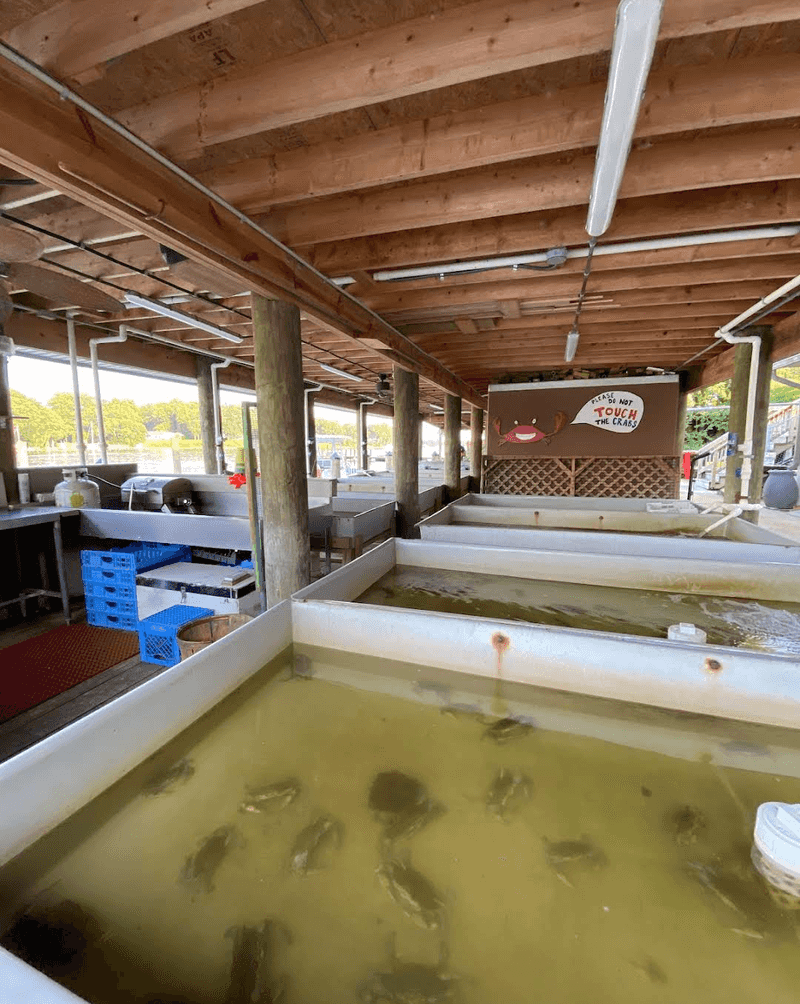
Below the dining area sits a feature that turns kids into instant fans. A massive covered space holds many large tanks where fresh crab waits, and checking them out becomes part of the outing.
The tanks are not just for show. Boats pull up and unload blue crab directly into the covered area, giving guests a look at the working side of a real Chesapeake operation.
Families lean into this. Little ones love peering at the crab tanks down below, and it gives restless kids something to explore while the table waits on food.
The visible supply chain also builds trust. Seeing crab arrive by water reinforces the sense that what lands on your paper came from nearby rather than a distant freezer.
For anyone curious about how a Maryland crab house actually runs, this behind-the-scenes glimpse is a small but memorable perk. It quietly explains why the place feels so tied to the bay.
A Casual Crowd With a Family Streak
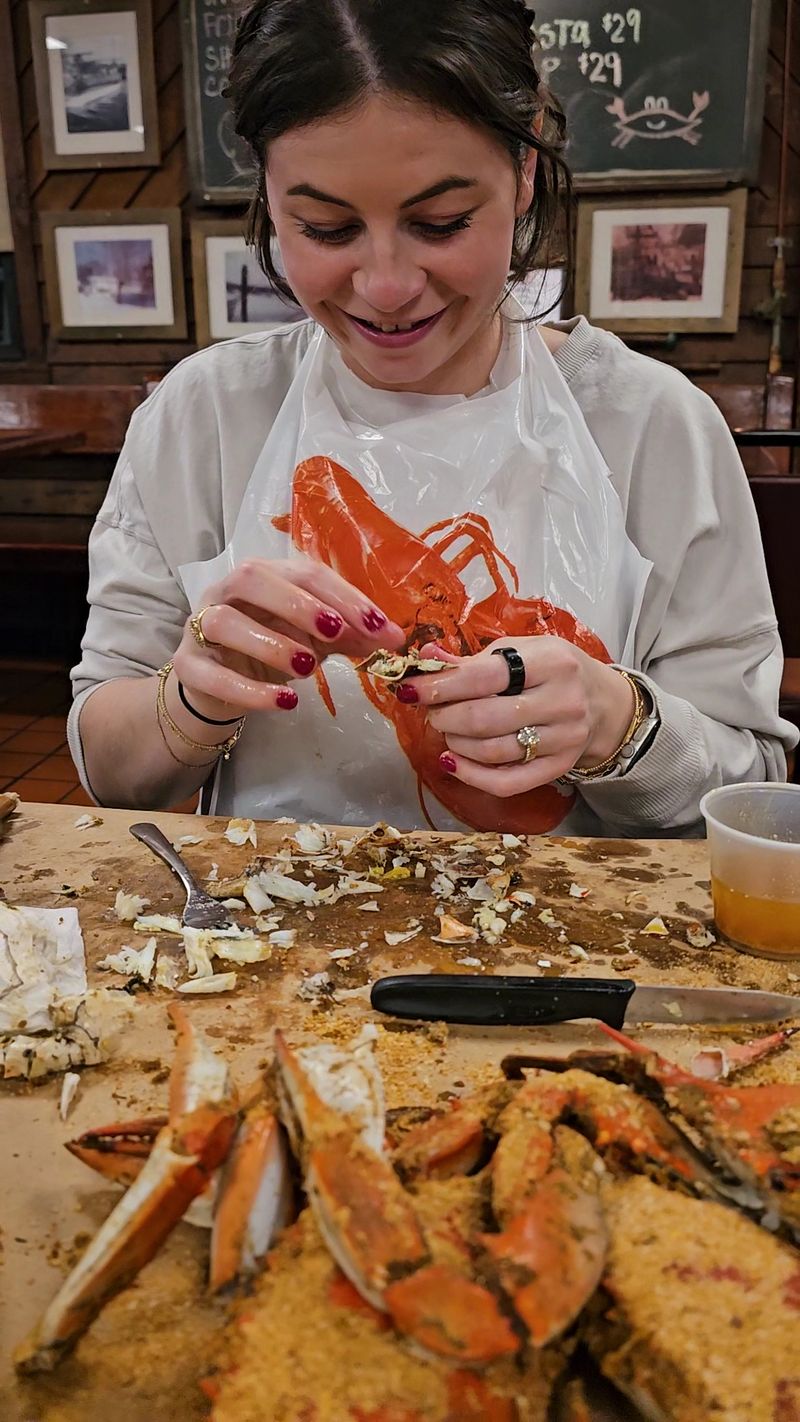
Loud, lively, and unpretentious describes the vibe on a busy afternoon. The banging of shells and steady chatter fill the covered porch, and the energy leans festive.
The seating model favors togetherness. Long tables sometimes bring different parties side by side, which suits big groups and family gatherings but can feel tight for smaller parties on packed holidays.
Kids are very much part of the picture. A well-priced kids menu with solid options keeps younger guests happy, and the crab tanks give them a built-in distraction.
The staff skews young and plentiful, with lots of servers moving between tables. On a slower lunch shift, the room can feel like a gathering of regulars settling into their usual spots.
Celebrations happen here too. On the right day, a table might break into a round of happy birthday for a server, and the whole room joins in.
It is that kind of easygoing, come-as-you-are place.
What a Crab Feast Will Cost You
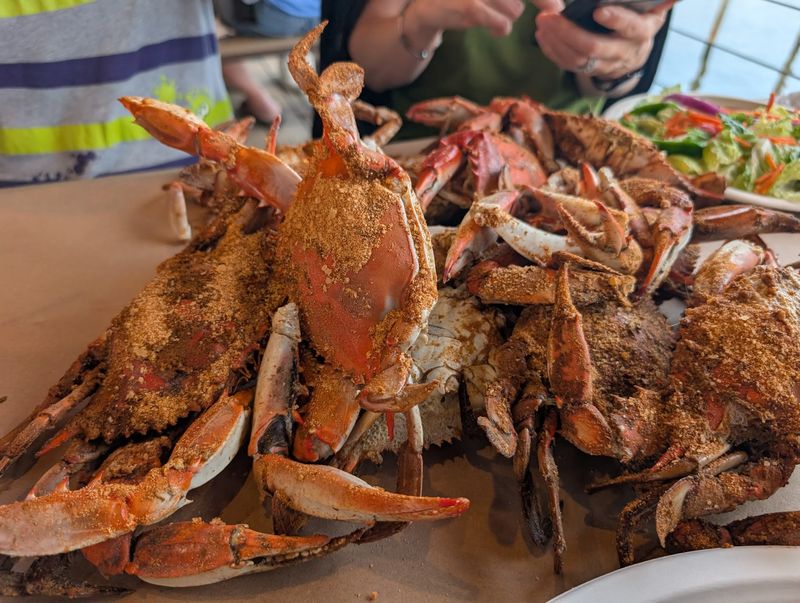
Crab is a seasonal, market-priced treat, and the bill reflects that. A dozen large crabs has landed around 125 to 130 dollars, while mediums have run closer to 90 dollars per dozen.
Smaller orders add up too. A half dozen large crabs has been priced near 80 dollars, and a two-lump crab cake plate has come in around 50 dollars.
Group dinners can reach real numbers. A large party ordering crabs and sides has spent in the range of 450 dollars, which fits the standard for Annapolis-area crab houses.
Value opinions vary. Some guests feel the seafood justifies the price, especially given the setting, while others find portions modest for the cost, particularly on non-crab plates.
The honest takeaway is that Maryland blue crab is a splurge here, as it tends to be across the region. Coming with the right expectations, and ordering the crabs the place is known for, gives you the best shot at feeling the money was well spent.
Hours, Parking, and Getting There
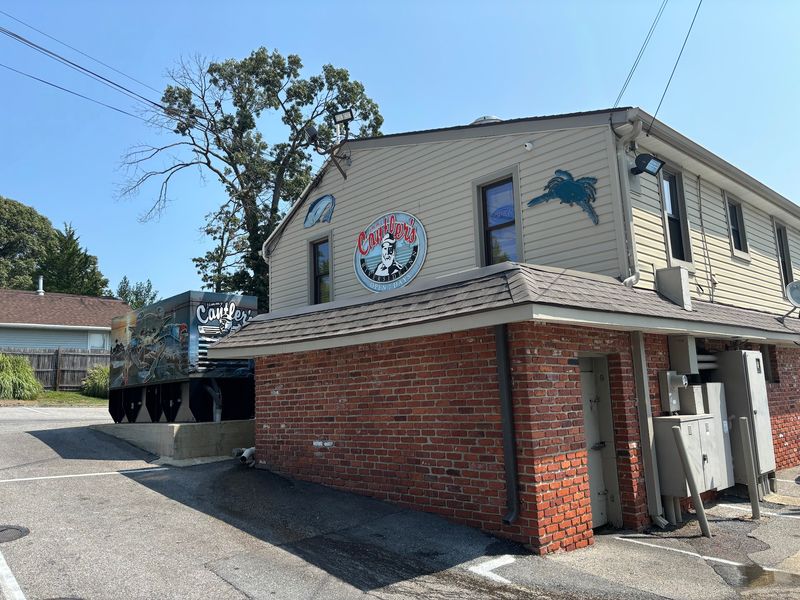
Planning ahead pays off at a spot this popular. The kitchen opens at 11 AM daily, closing at 10 PM Sunday through Thursday and staying open until 11 PM on Friday and Saturday.
The drive is the first hurdle. A long, winding road with a single way in and out leads to the restaurant, and most people would not recommend arriving late at night given the route.
Parking is generally ample out front, which is a relief after the approach. On the busiest days, though, the lot can get tight, so patience helps during peak hours.
Cell service is spotty near the water. That can be a minor headache or, as some guests joke, a welcome excuse to unplug during the meal.
Wait times swell on holidays and weekends. Big crowds can mean a long line for a table, and on rare occasions crabs sell out late in the day, so arriving earlier improves your odds.
Is It Worth the Drive
So does this creekside shack live up to its long-running reputation? For most people who make the trip, the answer leans yes, thanks to a strong 4.5-star standing across nearly four thousand opinions.
The high points are clear and consistent. Water views, fresh crab from on-site tanks, and a genuinely casual atmosphere give it a real sense of place that plenty of Annapolis spots cannot match.
The trade-offs are worth knowing. Prices run high, the occasional light crab slips through, and holiday crowds can strain the pace, so timing and expectations matter.
Guests who plan around the crab, visit outside the busiest rushes, and settle in for the deck view tend to walk away pleased. Those looking for polish or bargain pricing may find it uneven.
At its heart, this is an old-school Maryland crab house that keeps drawing locals and travelers alike. For a paper-covered table, a mallet, and a river breeze, it remains a Chesapeake outing worth the winding road.
Enjoyed this story?
Add Fast Food Club as a preferred source to see more of our reporting on Google.