


Some towns hide their best stories inside old brick buildings on the courthouse square, and this one is no exception. Tucked away in a small Texas town about half an hour south of Dallas sits a spot where World War veterans, cotton kings, a groundbreaking female aviator, and even an abandoned science project all share the same roof.
Admission costs nothing, the volunteers behind the desk are quick with a friendly word, and the local history runs deeper than most folks ever expect. Older kids find plenty to explore, road-trippers duck in for a quick stop and stay far longer, and people researching their own historic homes walk out with surprising discoveries.
Curious what makes this little building such a favorite corner of Ellis County? Keep reading, because the story only gets better.
A Historic Building on the Waxahachie Square
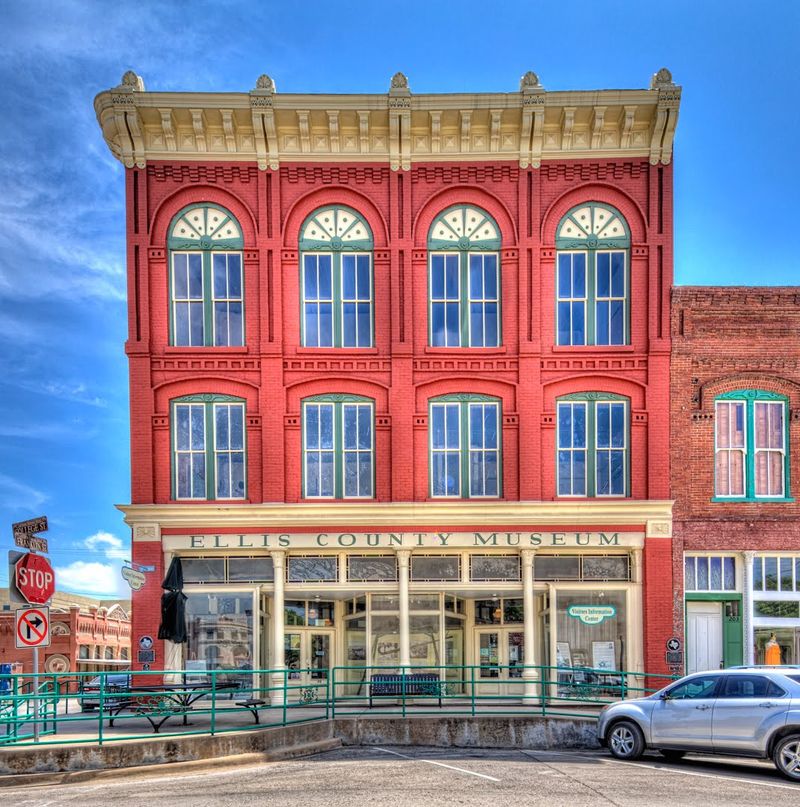
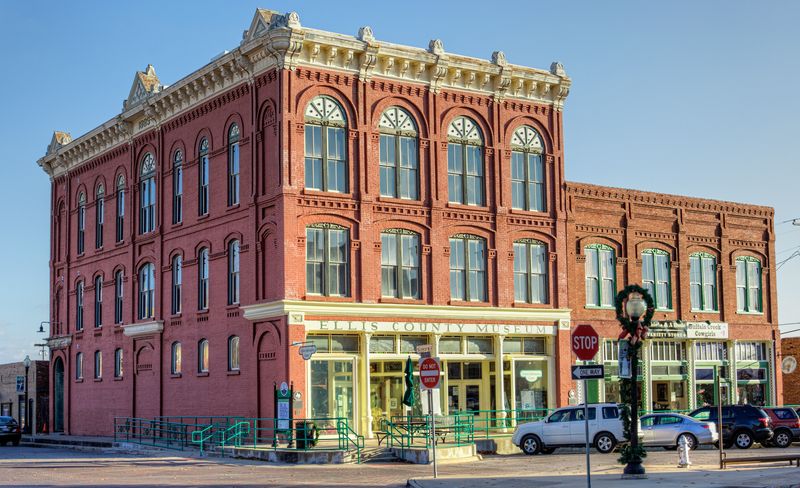
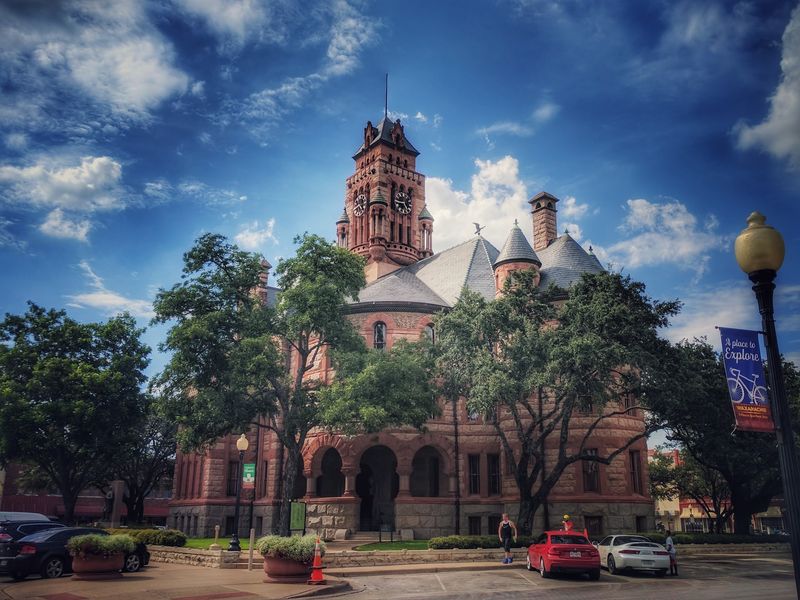
Right on the corner of the courthouse square, the Ellis County Museum makes its home at 201 S College St in Waxahachie, Texas. The building itself is a beautifully cared for piece of local architecture, and it fits perfectly into one of the most active courthouse squares in the state.
The museum sits within easy walking distance of the famous Ellis County Courthouse, so many people pair the two into a single afternoon of history hunting. Both landmarks anchor the downtown area and give the square its old-fashioned charm.
What began as a simple local history museum has grown into a genuine hub for all things Waxahachie and Ellis County. The staff take pride in keeping the county’s past alive and, remarkably, keeping it free of charge for everyone who walks in.
The location makes it an easy first stop when exploring town. Get your bearings here, learn a little context, and the rest of the square starts to make a lot more sense.
Free Admission and a Warm Welcome
Not many places let you walk through decades of history without asking for a dime, but that is exactly the deal here. Admission is completely free, a point that comes up again and again among people who have stopped by.
The museum operates on donations, and while nobody pressures you, plenty of guests happily leave a little something behind to help keep the doors open. It is a gentle, no-strings kind of generosity that visitors appreciate.
The welcome is just as memorable as the price. Friendly greetings meet folks at the door, and the staff genuinely seem glad to see new faces.
That combination of free entry and southern hospitality sets the tone for everything that follows. You arrive as a stranger and leave feeling like you have made a few friends who happen to know a lot about Texas.
The Story of Bessie Coleman and the Women of Ellis County
Among the many exhibits, one story tends to stop people in their tracks. The museum honors Bessie Coleman, the first Black female aviator in the United States, as part of a broader tribute to the Women of Ellis County.
Coleman’s connection to the area adds real weight to the display, turning a national milestone into a local point of pride. Her story sits alongside other remarkable women who shaped the county’s history.
The museum has been building on this theme with additional exhibits. Michelle Carter, an Olympic gold medal winner, and Josie Briggs Hall, recognized as the first Black female author published in Texas, both earn their place in the county’s story.
There is also a tribute to Ruthie Sutton, one of the first Black teachers at Waxahachie ISD, remembered as a mentor to many. Together these displays show a museum working to tell a fuller, richer version of local heritage.
Knowledgeable Docents Who Love to Share
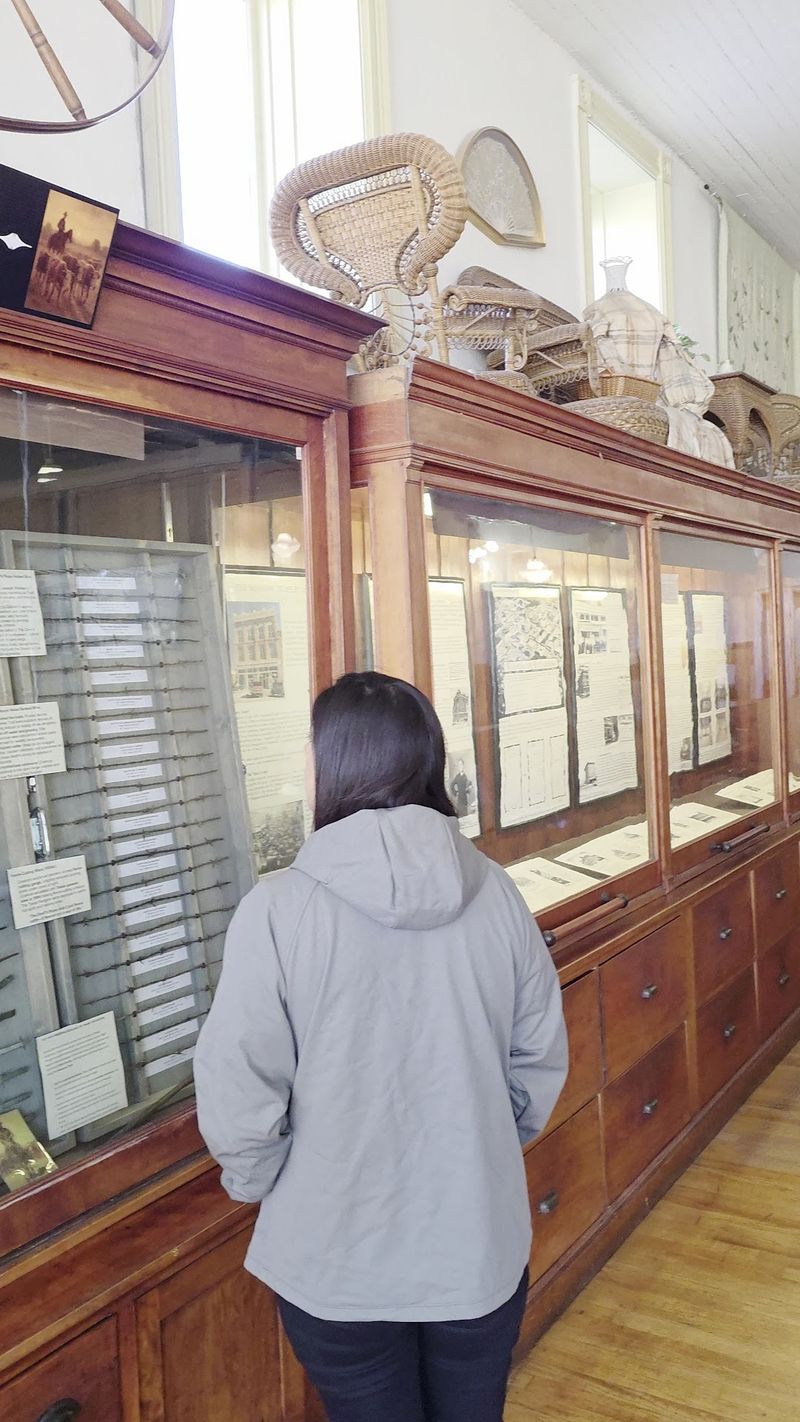
Ask a question here and you might get a full history lesson wrapped in a friendly conversation. The volunteer docents are one of the biggest reasons people leave with a smile.
One longtime volunteer, a retired teacher originally from upstate New York, has become something of a fixture. With more than twelve years at the museum, he knows Ellis County inside and out and has been known to play a little banjo while manning the front desk.
Guests often mention how much these docents add to the experience. They point out details you might otherwise miss and answer questions with real enthusiasm.
The staff double as unofficial town ambassadors, offering suggestions on what else to see and where to go. That personal touch turns a quick museum stop into a guided introduction to the whole community.
Cotton, Boom Times, and the 1800s
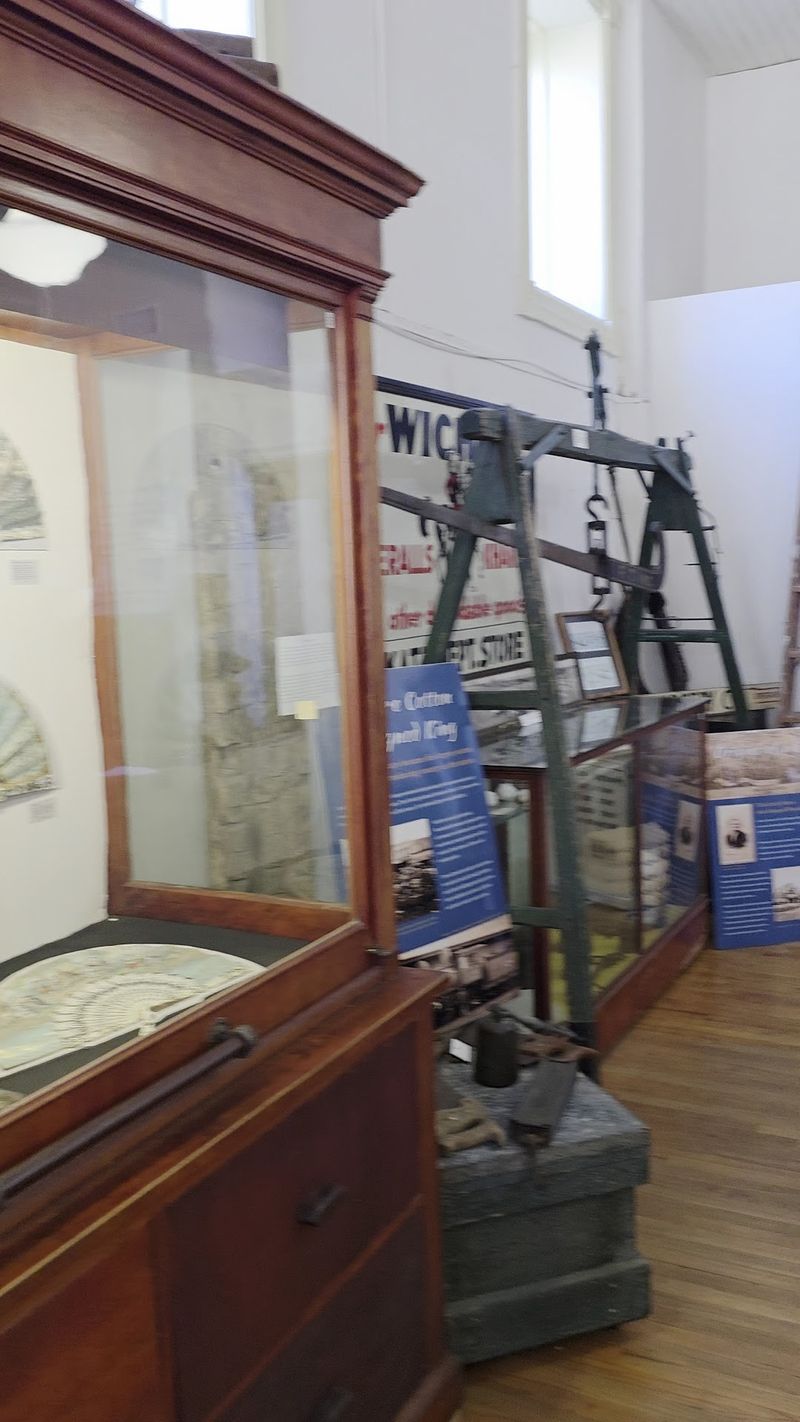
Long before the courthouse square became a tourist favorite, cotton ruled this corner of Texas. The museum devotes attention to the 1800s cotton boom and the production that once drove the county’s economy.
These displays help explain how Waxahachie grew into the town it is today. The wealth from cotton shaped everything from the grand homes to the ornate downtown buildings.
Historic artifacts from the old downtown and the courthouse round out the picture. Piece by piece, the exhibits connect the dots between farming fortunes and the architecture people still admire today.
It is a reminder that every beautiful old building on the square has an economic story behind it. Learning that backstory makes a stroll through downtown feel entirely different.
Honoring the Great Generation
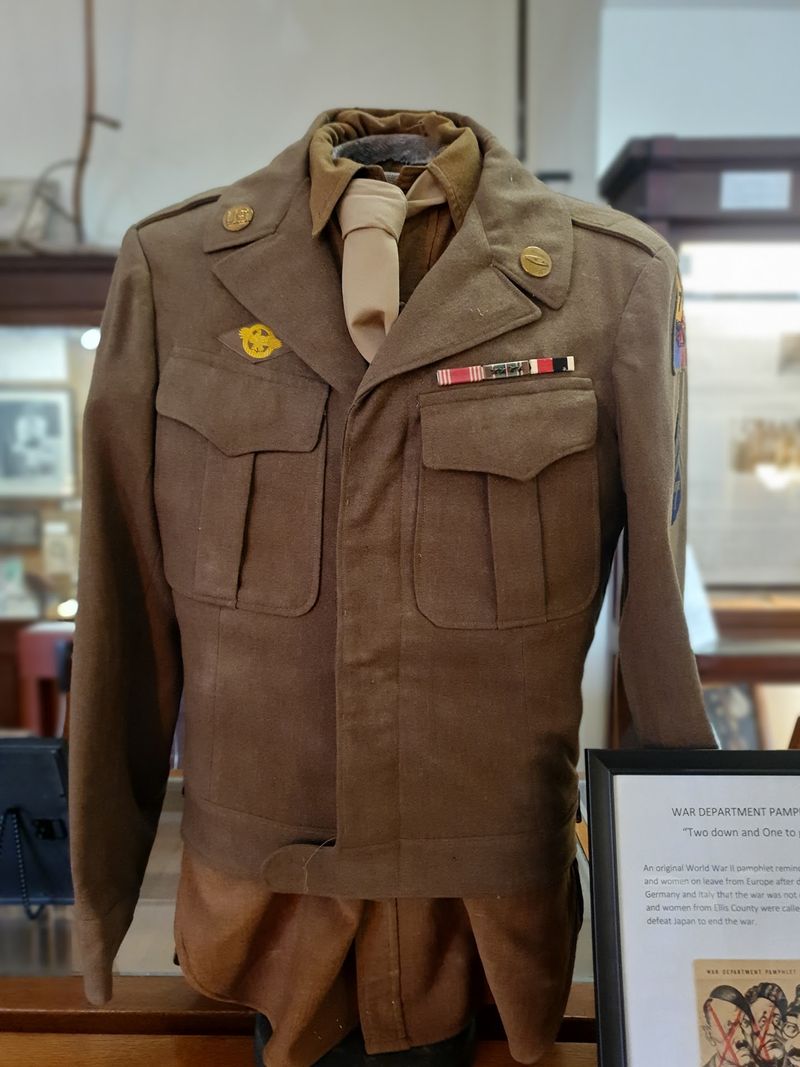
A good portion of the museum pays tribute to the men and women who served during World War I and World War II. Many brave Ellis County citizens fought in those years, and the museum works to keep their memory alive.
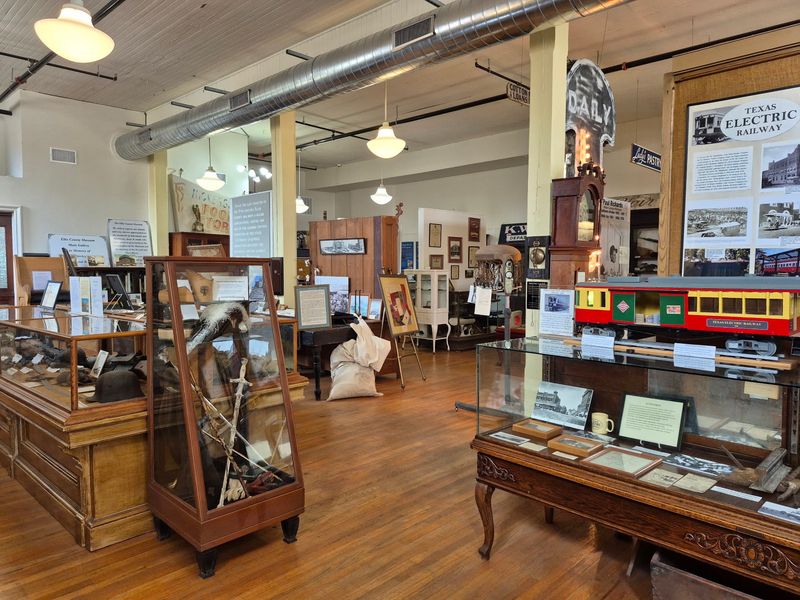
The displays go beyond battlefields to show what home life looked like back then. Exhibits illustrate how families supported the troops and kept things running during difficult times.
School children make up a big part of the audience for this history. Hundreds of field trips arrive each year to learn about that chapter of the county’s past.
Honoring the Great Generation gives the museum a heartfelt, personal quality. These are local families and local sacrifices, not distant names in a textbook.
When Hollywood Came to Ellis County
Few people expect a small Texas museum to have a movie connection, yet here it is. Exhibits highlight the films shot right here in Ellis County, giving the area a surprising brush with the big screen.
Waxahachie’s picturesque square and historic homes have long attracted filmmakers. The museum captures that slice of local fame with displays that trace the county’s on-screen appearances.
It is the kind of unexpected detail that makes a visit fun. You come for county history and stumble onto a cinema story you never knew existed.
For film fans, it adds a whole new reason to wander the square afterward. Suddenly those familiar-looking buildings might feel like they belong in a movie you have seen.
The Super Collider That Almost Was
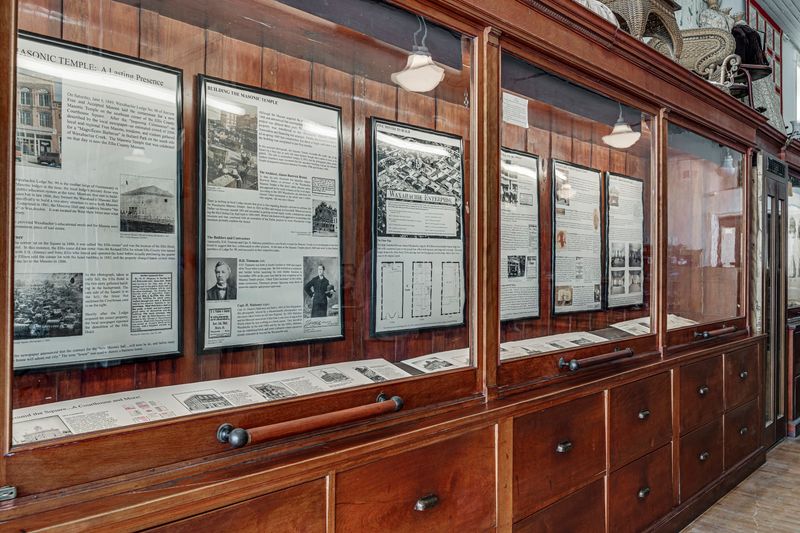
One of the museum’s most fascinating stories involves a giant science project that never reached the finish line. Archival pictures document the Superconducting Super Collider, an ambitious effort begun in this very area.
The project was designed to be a massive particle physics facility, and its history in Ellis County remains a curious footnote in the region’s past. The museum preserves that unusual chapter for anyone interested in what might have been.
It is a striking contrast to cotton fields and vintage toys. This corner of the museum leans into big science and even bigger ambition.
The Super Collider exhibit reminds visitors that history is not only about the distant past. Sometimes it is about bold ideas from just a few decades ago that left a lasting mark.
Baseball, Hotels, and Everyday Texas Life
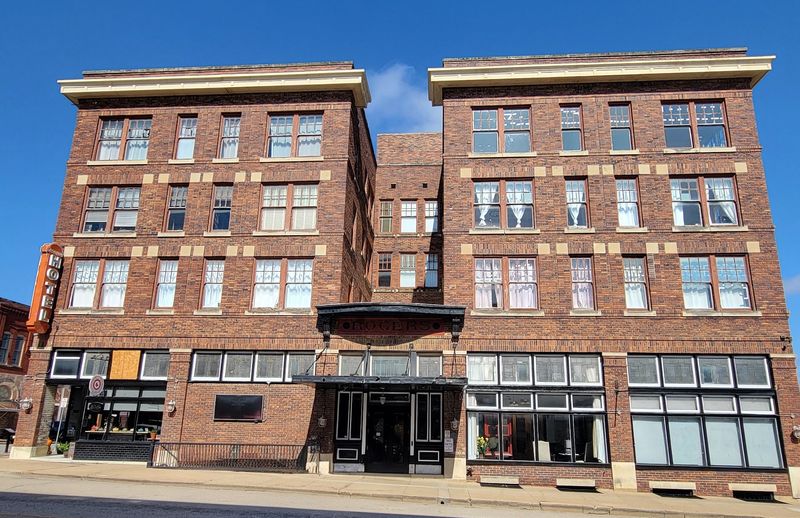
Sports fans have their own corner to enjoy here. The museum tells the story of 1920s professional spring baseball training that took place right in the area.
Alongside the baseball history sit artifacts from the old Rogers Hotel, offering a window into how travelers and locals once lived. These pieces bring everyday Texas life into sharp focus.
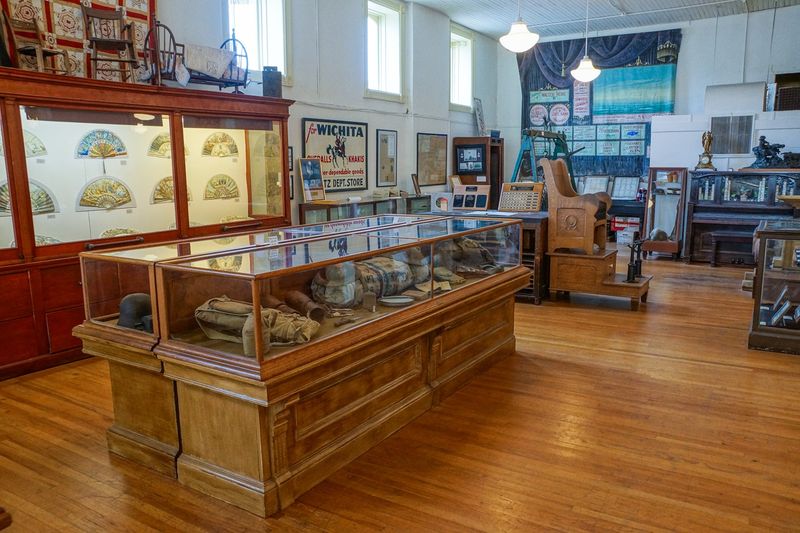
There is even an extensive collection of fans, some dating all the way back to the 17th century. It is the kind of unexpected specialty collection that gives the museum its charm.
Small details like these keep the experience varied and lively. Just when you think you have seen it all, another quirky slice of history appears.
A Children’s Activity Center Full of Surprises
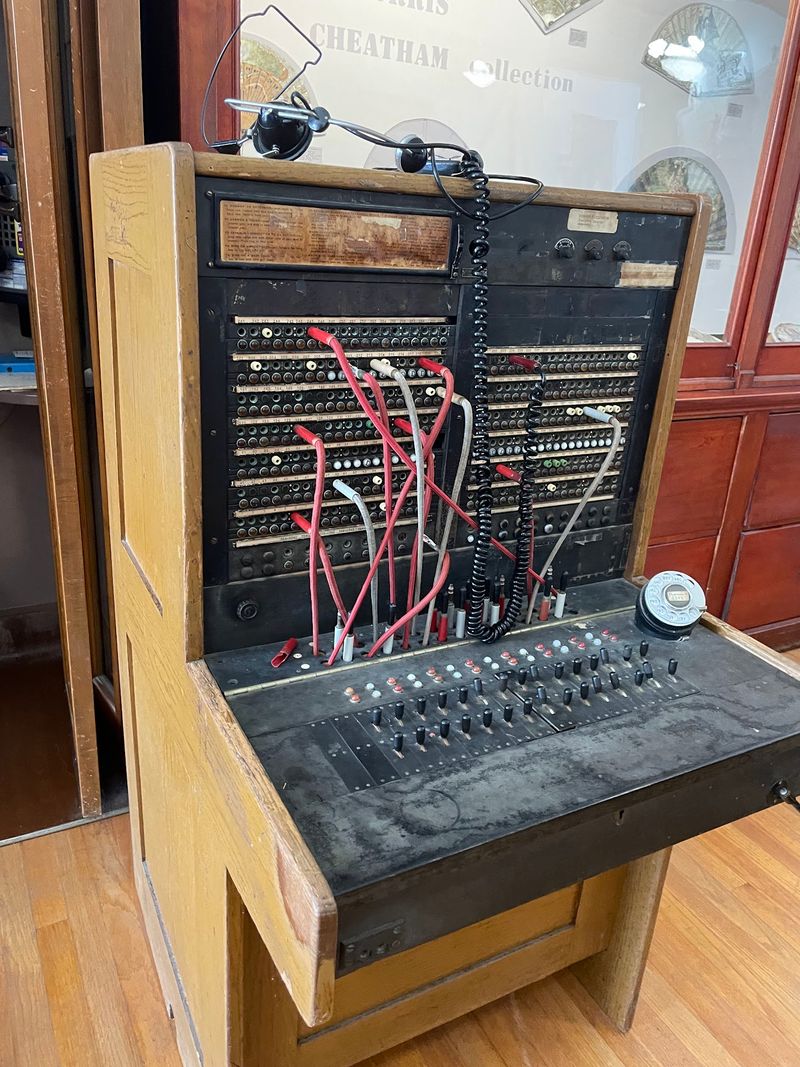
Families traveling with kids have a spot made just for them. The children’s activity center features an antique toy collection that delights younger visitors and nostalgic grown-ups alike.
Vintage circus posters and a colorful diorama add to the playful atmosphere. It is a welcome change of pace tucked among the more serious historical exhibits.
Older kids in particular tend to have a great time here, and the staff genuinely welcome them. The museum has become a favorite for family outings and school groups.
Having a dedicated kids’ area means the whole family can stay engaged. Nobody gets left twiddling their thumbs while the history buffs read every plaque.
Native Tribes and the Ancient Landscape
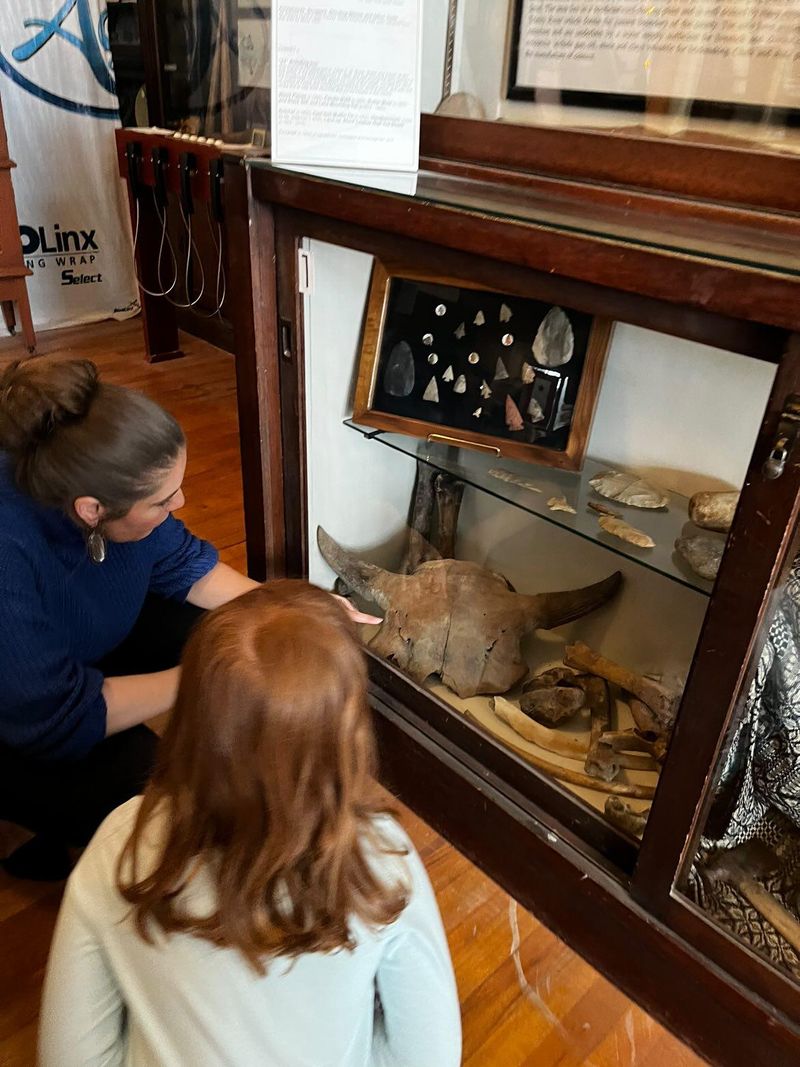
The land here has a story that stretches back long before any town existed. The museum shares information about the five tribes who once used this area as their buffalo hunting grounds.
That deep history gives context to everything that came later. It grounds the county’s more recent chapters in a much longer human timeline.
The museum has also been expanding into natural history. Planned additions explore the era roughly 265 million years ago when the area lay beneath ocean water, which explains all the fossil finds nearby.
A Shawnee Trail exhibit has been in the works as well. With new displays arriving every quarter or so, there is always a fresh reason to return.
A Resource for Historic Home Research
Owners of old homes have discovered a hidden benefit to visiting. The museum can help people research the history of their historic properties using surveys, slides, and archival records.
One family looking into their Victorian home learned that their address had actually changed four times over the years. Staff pulled out historical surveys and slides to help them piece the story together.
Beyond the records themselves, the staff offer practical tips on where to look for more information. That guidance can save home researchers hours of guesswork.
It transforms the museum from a place you look at into a place you actually use. For anyone curious about the bones of their old house, it is a genuine treasure trove.
Planning Your Visit
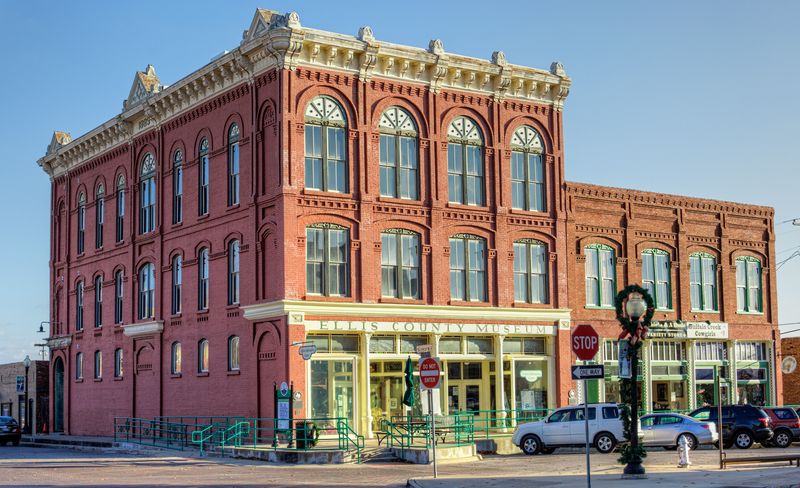
Getting here is simple, with the museum sitting at 201 S College St right on the Waxahachie square. It is open Monday through Saturday from 10 AM to 5 PM, and on Sunday from 12 to 4 PM.
Admission is free, though donations are always welcome and help keep the exhibits growing. Most people spend somewhere around 30 to 40 minutes, though history lovers can easily linger longer.
The museum also serves as Waxahachie’s Visitor Center, making it a smart first stop for restaurant tips and local recommendations. The staff are happy to point you toward the best of the square.
With a strong reputation and steady praise for its friendly service, this little museum earns its spot on any Waxahachie itinerary. Free, welcoming, and packed with surprises, it is an easy yes for curious travelers and locals who have never quite gotten around to visiting.
Enjoyed this story?
Add Fast Food Club as a preferred source to see more of our reporting on Google.