


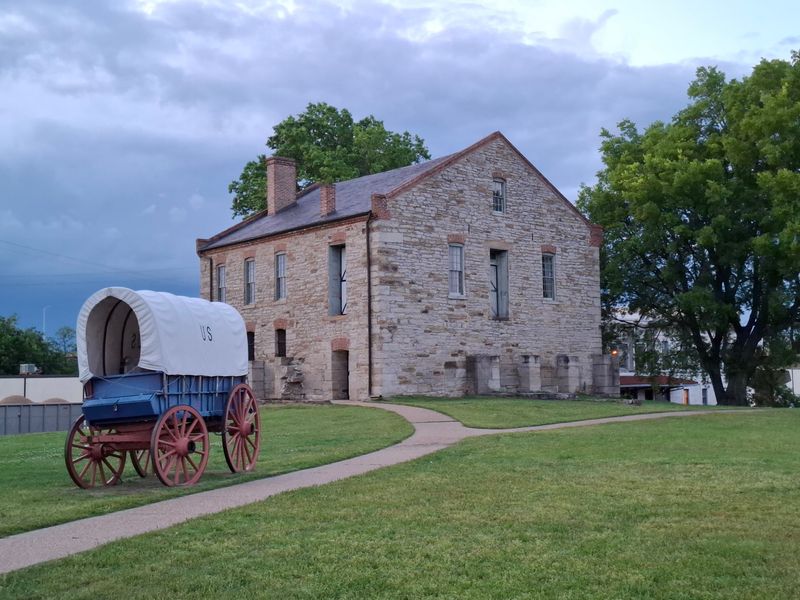
There is a place along a quiet Arkansas river where courtrooms, jail cells, and a working set of gallows still stand after more than a century. It served as the meeting point between settled towns and the untamed western frontier, and the stories tied to its walls run deeper than most people expect.
Walking trails wind past reconstructed barracks and preserved brick buildings, with plaques that turn a simple stroll into a lesson on frontier law and order. Best of all, admission costs nothing, so curiosity is the only ticket you need.
Read on to find out where this historic spot sits, what waits inside its old walls, and how to plan a visit that could easily fill an afternoon.
Where Frontier History Still Stands
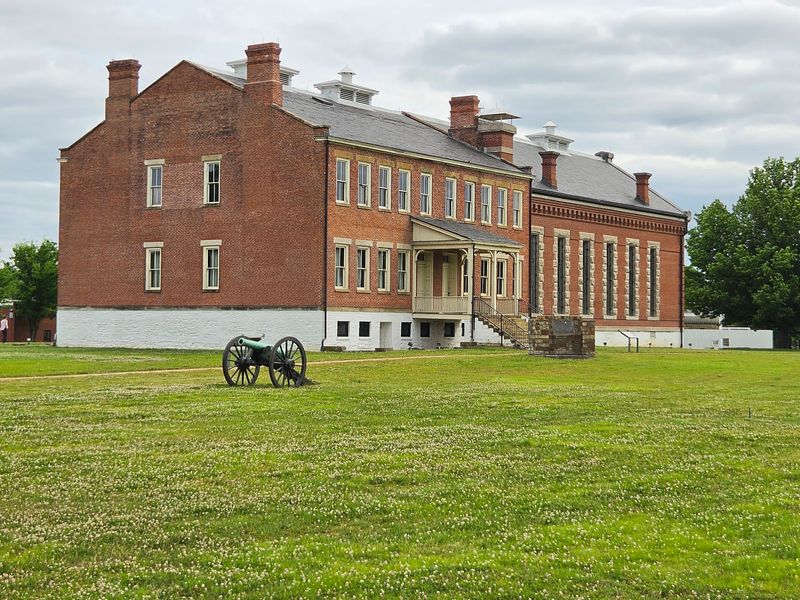
Right at 301 Parker Ave in Fort Smith, Arkansas, sits a preserved 19th-century fortress complex that once marked the dividing line between organized towns and the wild western territory.
Fort Smith National Historic Site protects buildings, ruins, and trails that tell the tale of frontier justice and the many peoples who passed through this corner of the state.
The grounds rest close to the river, which gives the whole property a calm feeling despite the heavy history packed into every corner. Old plaques stand scattered across the lawns, each one adding another piece to the puzzle of what life here was really like.
Managed by the National Park Service, the site carries a strong reputation, holding a 4.7-star rating across more than 2,500 reviews. Regulars mention that it is well kept and easy to explore at your own pace.
For a place that many travelers stumble upon by accident, it delivers far more than a quick roadside stop. It rewards anyone willing to slow down and read the signs.
The Gateway To The Wild West
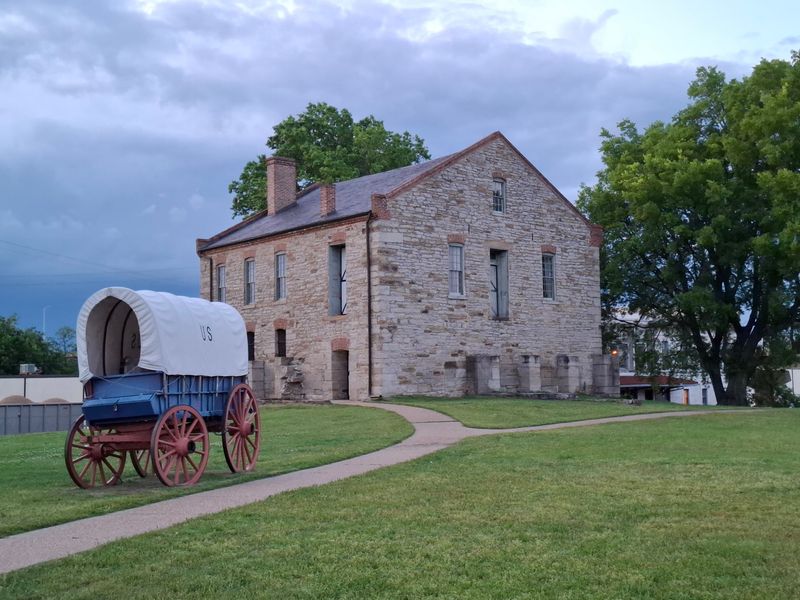
Long before highways crossed the state, this fort acted as the doorway between modern civilization and the untamed lands to the west.
Established in the early 1800s, the post grew from a military outpost into a center of law for a vast and lawless territory. Its story stretches from those first frontier days through the era of outlaws and the judges who tried to bring order.
The exhibits inside trace that whole timeline, and many people find it easier to follow when they move through everything in chronological order. Each stop builds on the last, so the history feels connected rather than scattered.
What makes it stick is how real it all feels. The buildings are not copies tucked behind glass but preserved and reconstructed structures you can walk right up to.
History nerds tend to lose track of time here, and even those who never heard of the place before arriving often leave surprised by how much they learned in a single visit.
The Gallows That Made It Famous
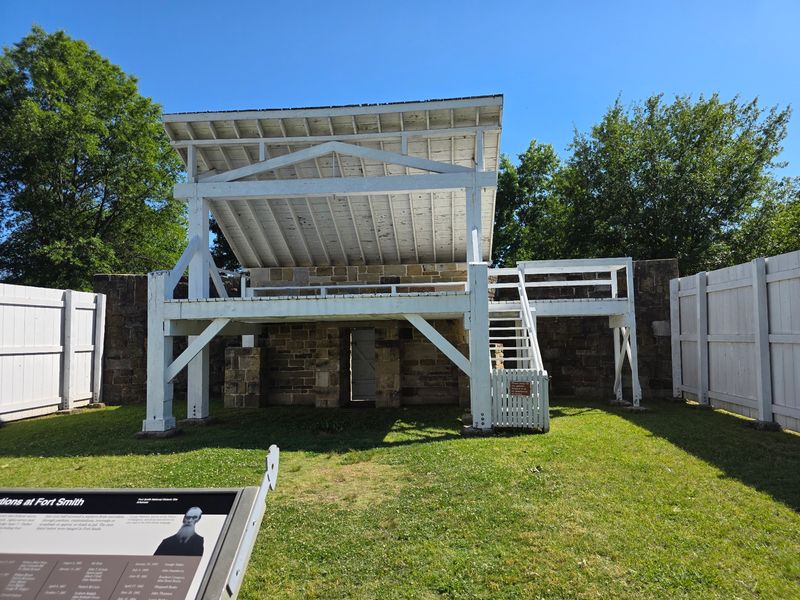
Few features draw as much attention as the reconstructed gallows standing on the grounds.
Back in the 1800s, this exact spot was where frontier justice was carried out, and the numbers tied to it are sobering. Records note that 83 men and 3 women faced the ultimate sentence here during the fort’s most active era.
The structure has been rebuilt to show how it once looked, and it remains one of the most talked-about stops on the whole property. It gives weight to the idea that this was not a gentle place, but a hard edge of a growing nation.
Standing near it invites deep thought about the judge’s reasoning and the sacrifices woven into the region’s past. Many people pause here longer than anywhere else.
When the site is fully open, the gallows can be viewed up close, though during past closures people have peeked between the fence to catch a glimpse. It stands as a stark reminder of how order was once kept on the frontier.
Inside Judge Parker’s Courtroom
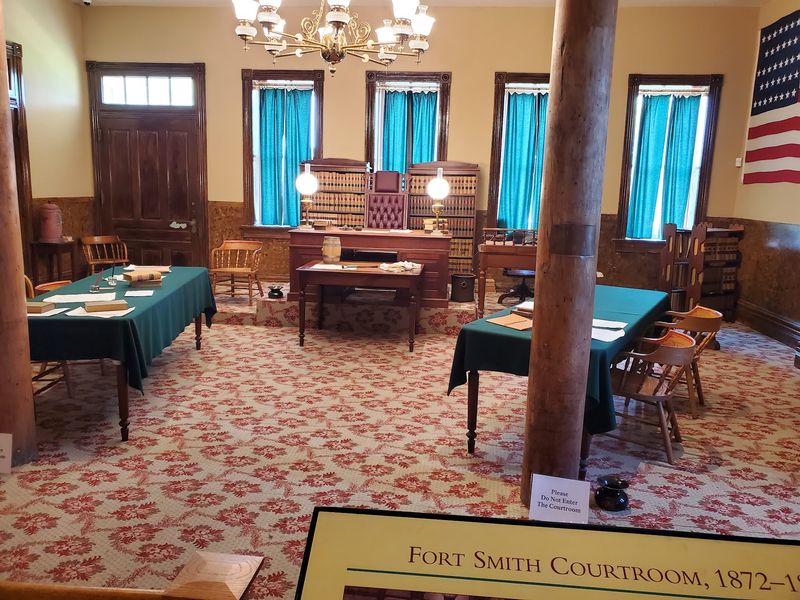
A restored courtroom sits at the heart of the fort’s story, and it carries the name of the judge who once presided over the territory.
Judge Parker’s historic courtroom gives a powerful look at how law and order worked on the western frontier. The room has been preserved so that the setting feels close to how it appeared during his time on the bench.
Alongside the courtroom, exhibits share tales of the Three Guardsmen and the notorious outlaws who once faced justice here. The mix of lawmen and lawbreakers keeps the storytelling lively.
People often describe the courtroom as the moment the whole visit clicks into place. It ties the buildings, the jail, and the gallows into one complete picture of frontier justice.
Set aside a few minutes to read the details here, because the room holds more than furniture. It holds the weight of decisions that shaped the region.
The Old Jail And Its Hard Stories
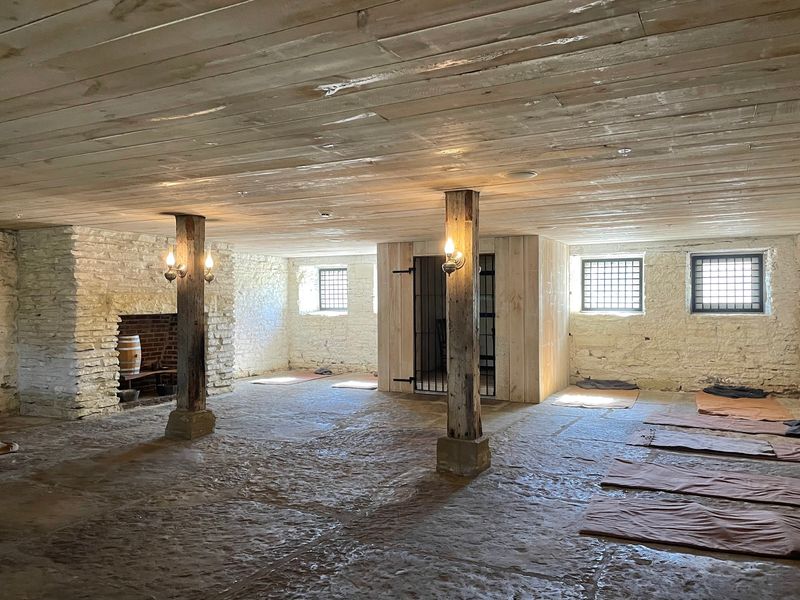
Down beneath the courthouse waits one of the most memorable stops on the grounds, the old jail.
The cells here reveal the tougher side of frontier life, where those awaiting trial were held under harsh conditions. Exploring it makes the complicated history of law and order in the territory feel very real and immediate.
The jail has become a favorite among people touring the buildings, earning steady mentions for how much it adds to the experience. It pairs naturally with the courtroom above, showing both sides of the justice system.
Signs and displays help explain what daily life inside these walls involved. That context turns cold stone rooms into a window on the past.
Together with the reconstructed commissary and prison, the jail rounds out a set of structures that are widely praised as well done. It leaves a lasting impression on anyone who takes the time to look closely.
Trails Along The River
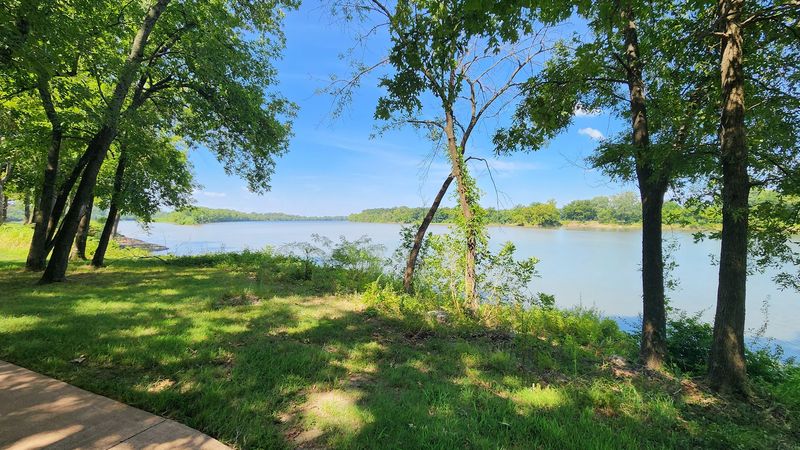
Beyond the buildings, a network of walking paths invites a slower kind of exploration.
Several trails wind through the grounds, and one easy stroll runs along the river with wide views of the water. That riverside route also overlooks the area tied to the Trail of Tears, adding a solemn note to the walk.
The grounds are spacious and beautifully maintained, with historic plaques and description boards placed along the way. Reading them turns a simple walk into a guided history lesson.
People often note that comfortable shoes make a big difference, since there is a good deal of ground to cover. The paths reward those who take their time.
The river views and open landscape give the site a peaceful, thought-provoking feel. It is the kind of place where you can breathe easy while still learning something new around every bend.
The Trail Of Tears Connection
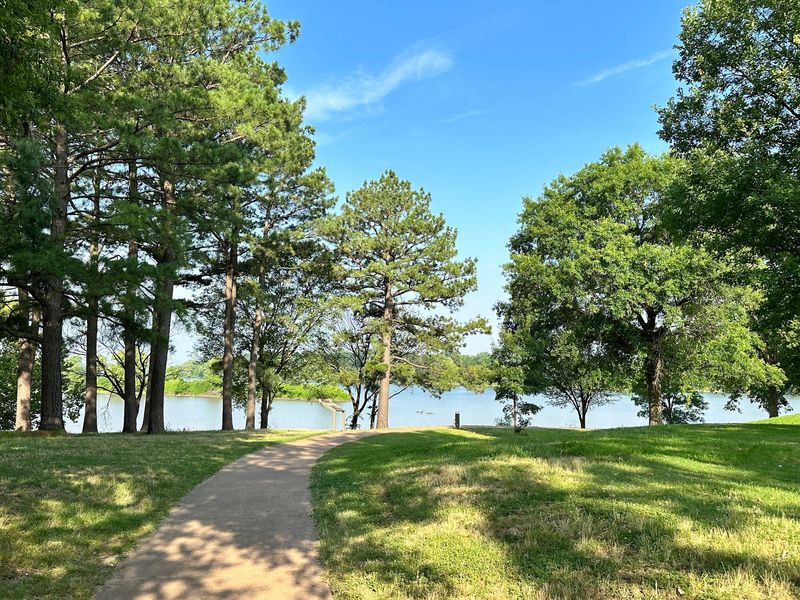
Woven into the site’s story is a chapter that reaches far beyond the fort walls, the Trail of Tears.
This corner of Arkansas played a role in the forced movement of Native peoples across the region, and the historic site chronicles that Indian history alongside its tales of frontier law.
The riverside path overlooks ground linked to that journey, giving visitors a quiet spot to reflect. The subject comes up often among those touring the grounds, marking it as one of the most meaningful parts of the visit.
Interpretive signs help explain the many paths that crossed here to shape the country. Considering them side by side makes the history feel layered and complex.
It is a heavy topic handled with care, and it reminds guests that this place holds more than one story. The fort’s meaning shifts depending on which trail you follow.
A Visitor Center Packed With Exhibits
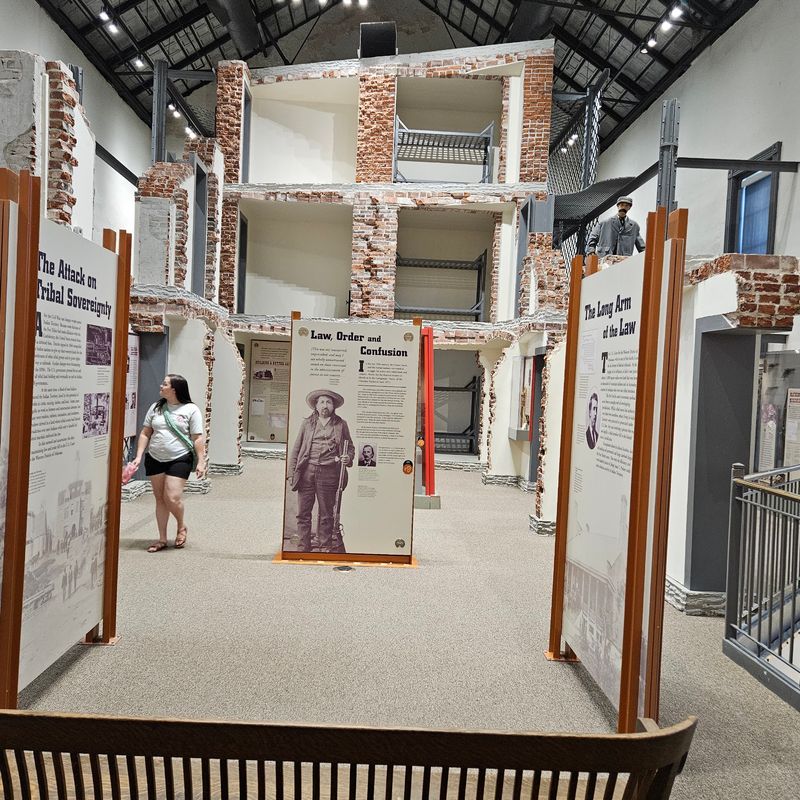
The main visitor center anchors the whole experience, and it holds far more than a front desk.
Spread across two floors, the exhibits cover the early 1800s founding of the fort through the days of outlaws and frontier justice. There is so much information that many people find themselves reading longer than planned.
An orientation video sets the stage, while photos, artifacts, and easy-to-follow displays fill out the rest. The layout earns steady praise for being well organized and simple to explore.
Staffed by National Park employees, the center offers a welcome break indoors between walks around the grounds. The building itself is part of the newer fort structure.
Plan to spend a good chunk of time here if you want to see it all. The depth of the exhibits is a big reason people describe the site as worth the detour off the interstate.
Friendly Rangers And Junior Ranger Fun
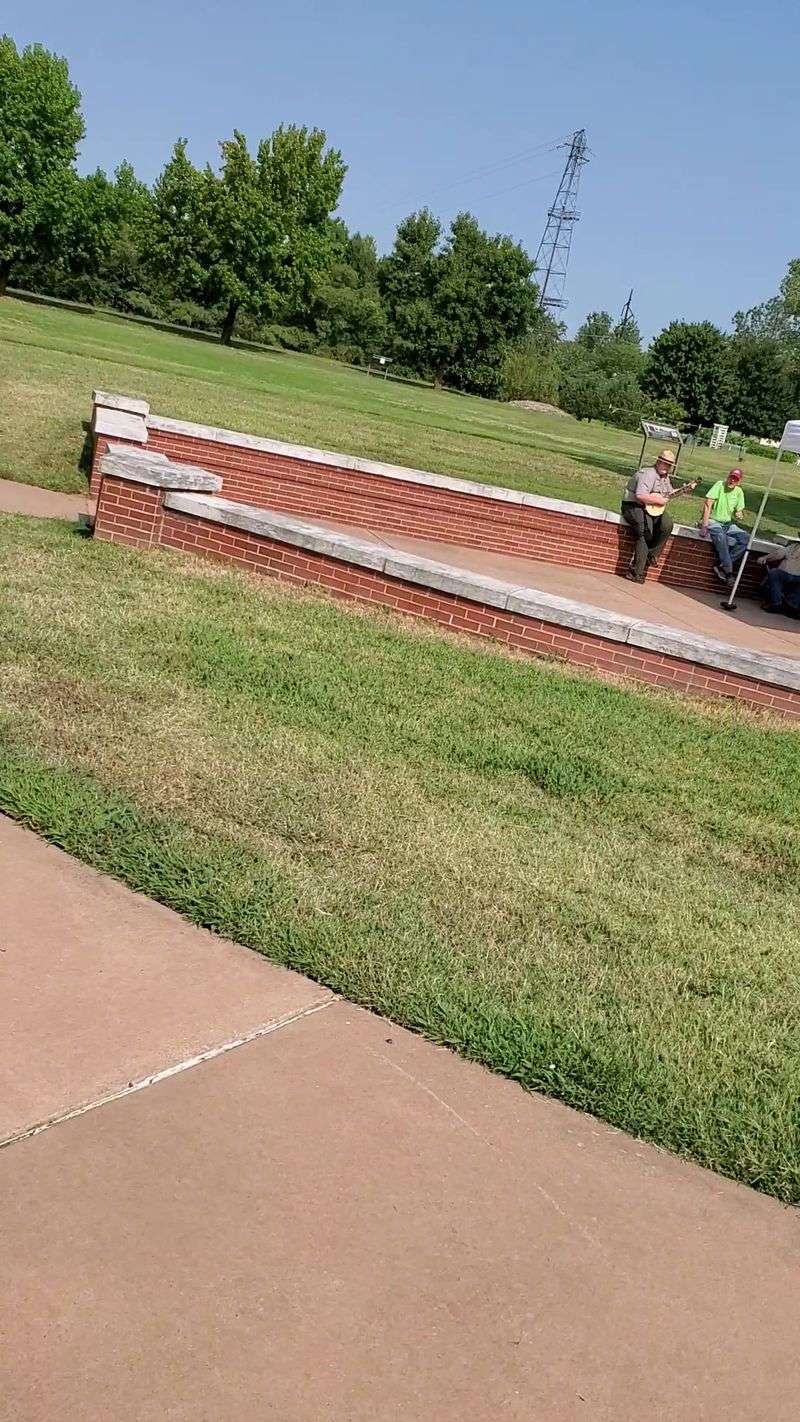
Warm, knowledgeable staff turn a good visit into a memorable one at this fort.
The park rangers here come up again and again as a highlight, described as super nice and happy to answer questions about the site’s unique past. Their knowledge helps bring the frontier stories to life.
Families get a special treat with the Junior Ranger program, which keeps younger explorers busy and engaged. Kids working through the activities tend to have a blast while learning along the way.
That mix makes the fort a solid pick for a family day trip. Grandparents and grandchildren alike find something to enjoy, and the friendly atmosphere ties it all together.
Having the grounds staffed by park employees adds a layer of trust and care. Guests leave feeling looked after and better informed than when they arrived.
Hours, Admission, And Getting There
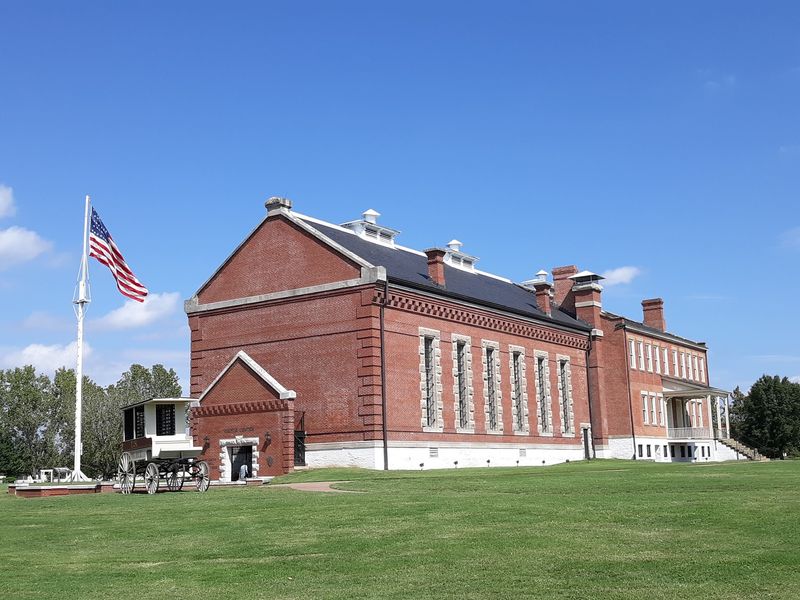
Planning a stop here is refreshingly simple, starting with the price of entry.
The site is fee-free, so admission costs nothing, which surprises many first-time guests. That makes it an easy addition to any road trip through the region.
Hours run from 9 AM to 5 PM, and the grounds are open across the week. Still, schedules can shift, so a quick check before heading over is smart.
Some past guests arrived after the buildings had closed and had to settle for the outdoor areas.
The address is 301 Parker Ave in Fort Smith, Arkansas, and it sits just over a bridge that feels closer than expected. There is plenty of parking on site.
Travelers in larger vehicles have found room too, with RV parking noted near the 3rd Street lot. For questions, the National Park Service website and phone line at 479-783-3961 can help.
Why This Fort Earns Its Reputation
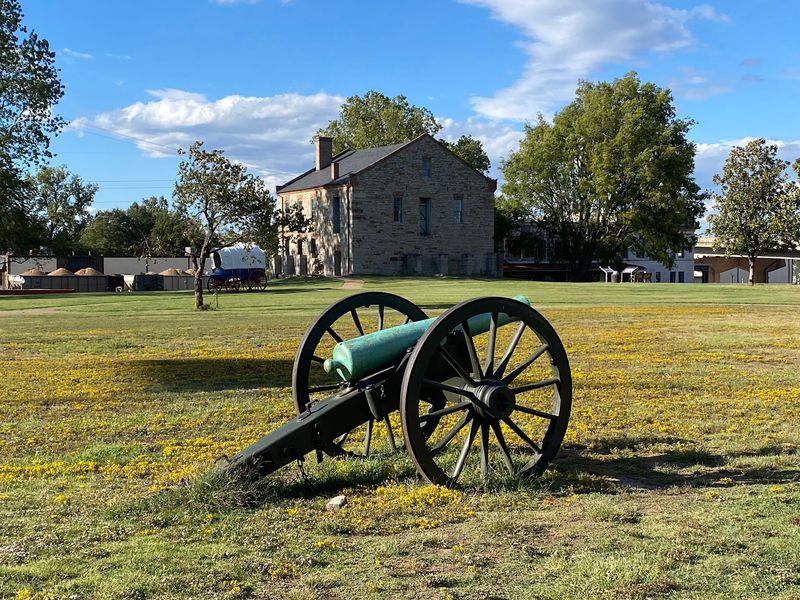
Some historic stops feel like a quick photo and nothing more, but this one keeps people lingering.
Between the courtroom, the jail, the gallows, and the riverside trails, the fort packs an impressive amount of history into a walkable space. Many arrive expecting a short visit and end up staying for an hour or more once they start reading everything.
The strong 4.7-star standing across thousands of reviews reflects how well the site balances natural beauty with deep historical meaning. It suits history fans, families, and curious road trippers alike.
What lingers is the sense that real lives shaped this ground, and that care has gone into preserving those stories. The peaceful setting only deepens that feeling.
For anyone traveling through Arkansas with an afternoon to spare, this old fort makes a rewarding and thought-provoking stop. It proves that free admission and rich history can go hand in hand.
Enjoyed this story?
Add Fast Food Club as a preferred source to see more of our reporting on Google.