


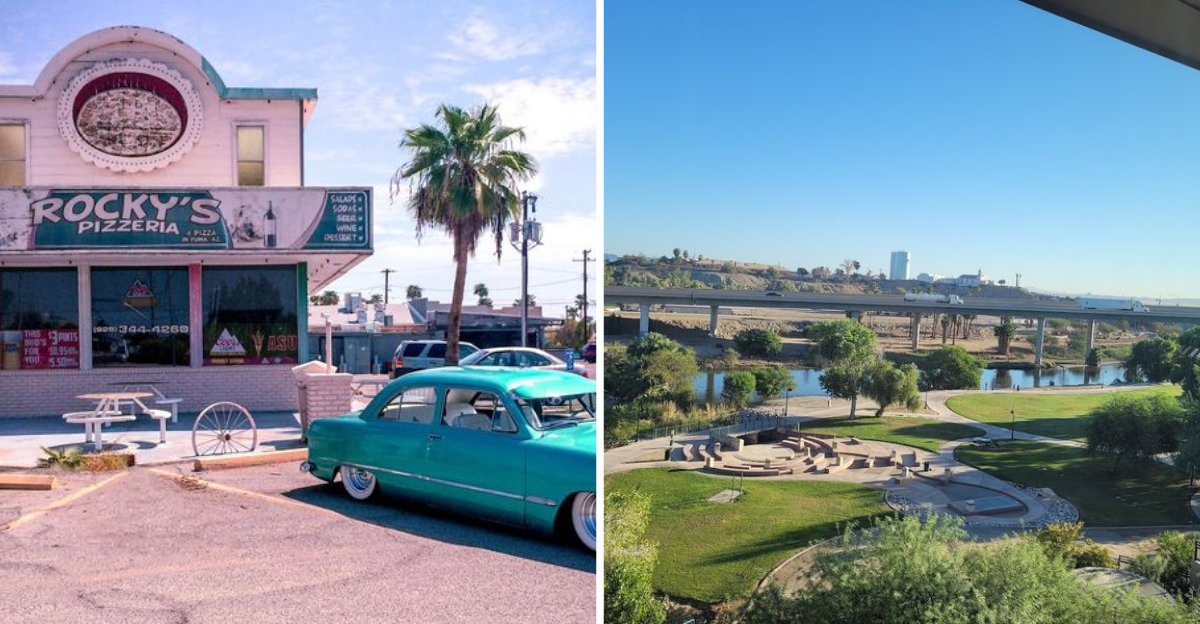
Tucked away in the southwestern corner of Arizona, Yuma is a city that most travelers drive right past without a second glance. But those who stop discover something truly special — a place where sunny skies, rich history, and a slow, comfortable pace of life come together beautifully.
Yuma gets more sunshine than almost any other city in the entire world, yet it remains refreshingly uncrowded and affordable. If you have been searching for a destination that feels genuine and unhurried, Yuma just might be the hidden gem you never knew you needed.
More Sunshine Than Almost Anywhere Else on Earth
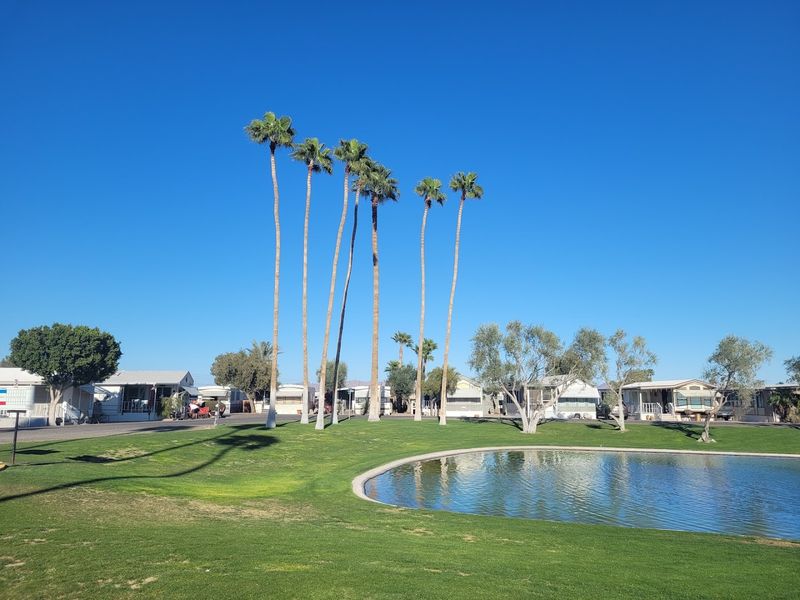
Yuma holds a world record that sounds almost unbelievable — it is officially recognized as the sunniest city on the planet. With an average of about 4,015 sunshine hours every single year, the sun shines here roughly 90 percent of the time.
That is more sunny days than Miami, Los Angeles, or even parts of the Sahara Desert.
For visitors and residents alike, all that sunshine means outdoor plans rarely get rained out. Morning walks, afternoon bike rides, and evening strolls by the river become reliable daily rituals rather than hopeful guesses.
The warmth here feels generous and steady.
Winters are especially magical in Yuma. While much of the country bundles up under snowstorms, Yuma enjoys mild temperatures in the 60s and 70s.
That is a big reason why thousands of snowbirds flock here every year to soak up the light and warmth.
Yuma Territorial Prison State Historic Park
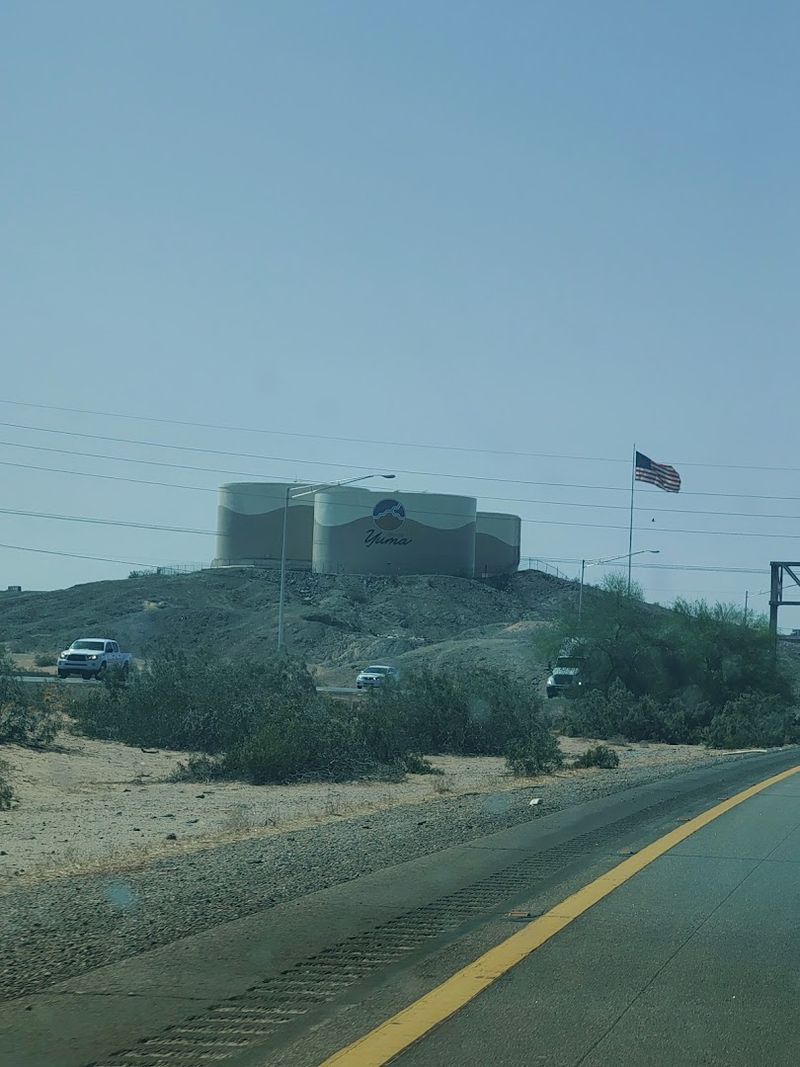
Few places in the American Southwest carry as much raw, frontier-era drama as the old Yuma Territorial Prison. Built in 1876 and perched dramatically above the Colorado River, this facility once housed some of the most notorious outlaws of the Wild West era.
Today, it stands as one of Arizona’s most fascinating historic parks.
Walking through the preserved cells, you can almost feel the weight of the stories trapped inside those thick stone walls. The dark, cramped conditions give visitors a sobering glimpse into what frontier justice actually looked like.
The guard tower offers sweeping views of the river and surrounding desert.
History buffs will love the detailed exhibits, original artifacts, and photographs that bring the prison’s colorful past to life. Kids find it thrilling in a spooky, adventurous way.
Admission is affordable, making it a great stop for families exploring Yuma on a budget.
Quartermaster Depot State Historic Park
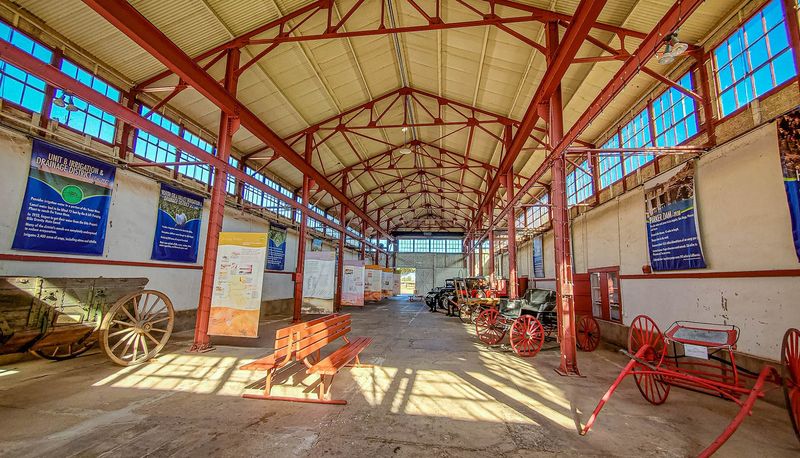
Back in the 1860s and 1870s, the U.S. Army needed a reliable base to supply its southwestern forts, and Yuma became that crucial hub.
The Quartermaster Depot served as a massive warehouse, telegraph station, and military command center all rolled into one. Today, the site has been beautifully preserved as a state historic park.
Strolling through the grounds feels like stepping into a 19th-century military operation. The restored buildings, vintage equipment, and informative displays paint a vivid picture of what frontier army life looked like.
Rangers on site are genuinely enthusiastic about sharing the stories behind every artifact.
What makes this park especially appealing is how peaceful and uncrowded it tends to be. You can take your time reading each display without feeling rushed or overwhelmed by large crowds.
For anyone curious about Arizona’s military heritage and the role Yuma played in shaping the Southwest, this park is an absolute must-visit.
The Colorado River Offers Calm and Natural Beauty
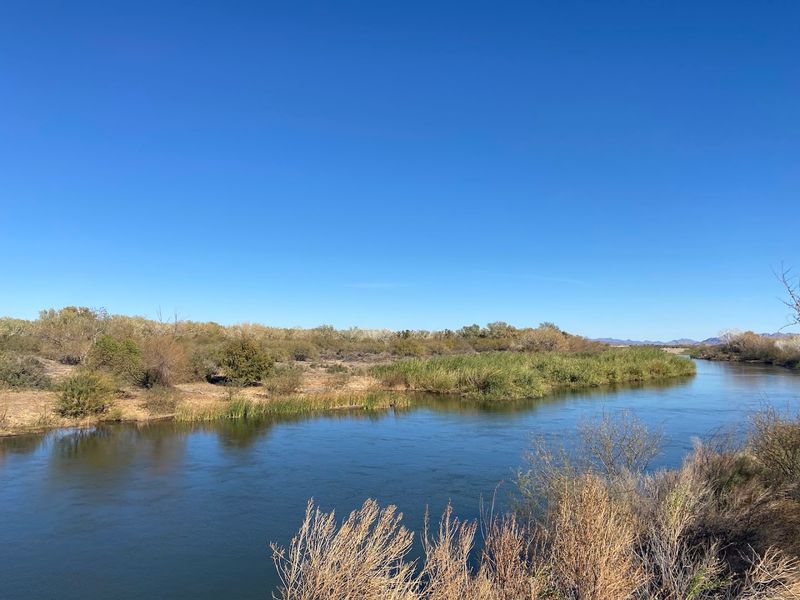
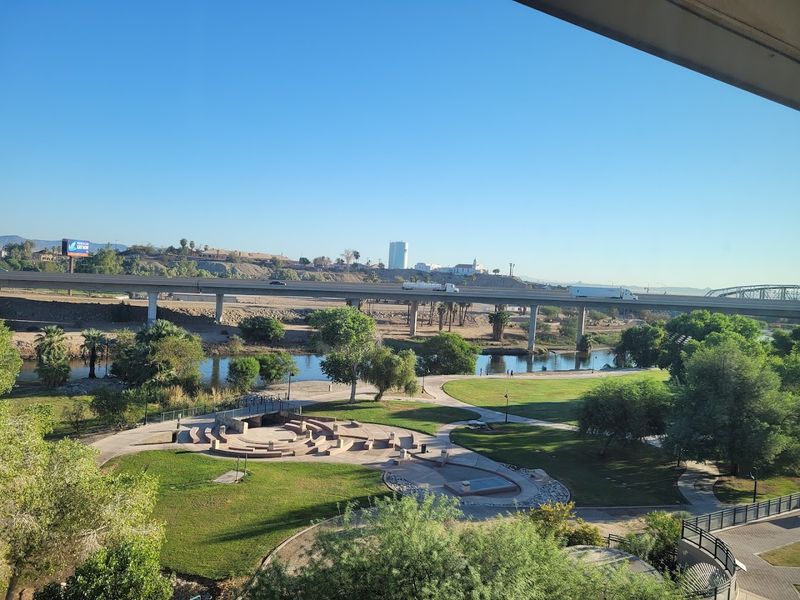
Running right along the edge of Yuma, the Colorado River has been the lifeblood of this region for thousands of years. Native communities, Spanish explorers, and American settlers all depended on its waters to survive in this sun-baked desert landscape.
Today, the river remains one of Yuma’s greatest natural treasures.
Kayaking, fishing, and simply sitting along the riverbank watching the water drift by are all popular ways to enjoy this natural resource. The contrast between the lush green vegetation hugging the shoreline and the dry desert stretching beyond it creates a striking and almost dreamlike visual.
Mornings along the river are particularly serene. Birdsong fills the air, and the light hits the water in a way that makes the whole scene glow softly.
If you are looking for a quiet place to reset your mind and slow down, the Colorado River in Yuma delivers that experience effortlessly.
Gateway Park and Pivot Point Plaza
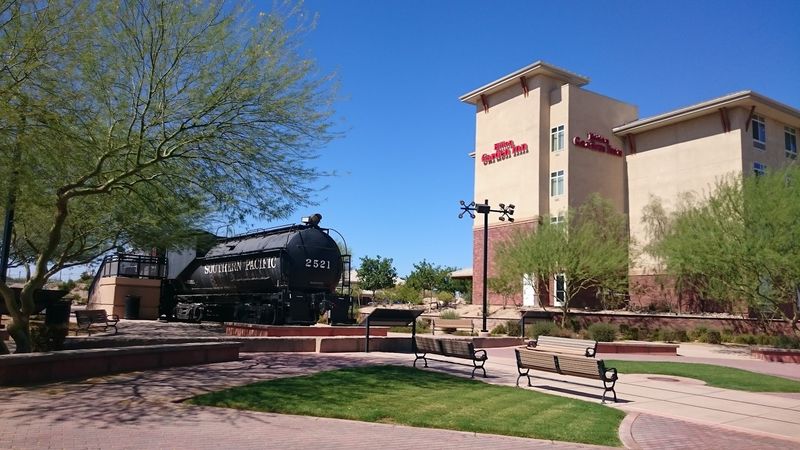
Right in the heart of downtown Yuma, Gateway Park and Pivot Point Plaza offer a charming mix of history and outdoor relaxation. The centerpiece is a beautifully restored 1907 steam locomotive that once carried passengers along the Southern Pacific Railroad through this very stretch of Arizona.
Standing next to it, you feel the weight and wonder of an earlier era of American travel.
The plaza itself is well-maintained and inviting, with shaded areas perfect for a leisurely afternoon picnic or a casual stroll. Local families gather here regularly, and there is a friendly, community-oriented energy that makes visitors feel immediately welcome.
The nearby Colorado River adds a scenic backdrop that elevates the whole experience.
Events and festivals are occasionally held in this area throughout the year, giving the park an extra layer of life and energy. For a quick, meaningful stop that captures Yuma’s character beautifully, this plaza is hard to beat.
Affordable Cost of Living Makes Life Feel Lighter
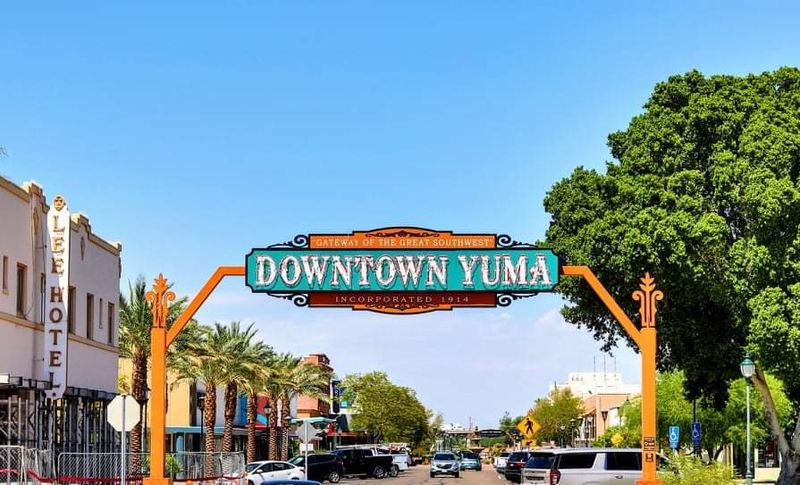
One of the most practical reasons people fall in love with Yuma is simply how far a dollar goes here. Compared to major Arizona cities like Phoenix or Scottsdale, Yuma offers noticeably lower housing costs, cheaper groceries, and more affordable everyday expenses.
Life here does not require a massive paycheck to feel comfortable and full.
Retirees especially appreciate this quality. Stretching a fixed income becomes far less stressful when rent is reasonable and utilities are manageable.
Many snowbirds who first visited Yuma as tourists eventually made it their permanent home precisely because of how financially freeing the lifestyle felt.
Younger families benefit too. Lower housing costs mean more room in the budget for experiences, savings, and building a stable future.
There is something genuinely refreshing about living in a place where financial pressure feels a little lighter, and Yuma delivers that sense of breathing room in a way that bigger Arizona cities simply cannot match.
Sand Dunes and Desert Adventures at Imperial Sand Dunes
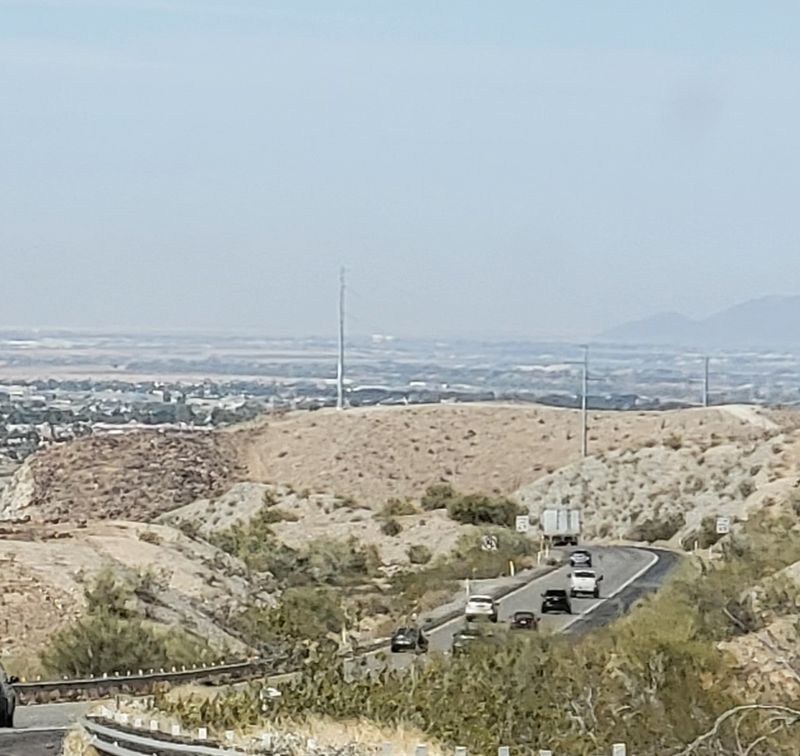
Just a short drive west of Yuma lies one of the most dramatic natural landscapes in the entire American Southwest — the Imperial Sand Dunes. Stretching over 40 miles long and reaching heights of nearly 300 feet, these towering golden dunes feel like something out of a movie set.
In fact, several Hollywood films have used this very location as a stand-in for the Sahara.
Off-road enthusiasts treat this area like a paradise. Dune buggies, ATVs, and dirt bikes roar across the sand on weekends, creating an exciting, high-energy atmosphere.
But even if motorized adventure is not your style, simply hiking up the dunes and watching the sunset paint the sand in shades of amber and rose is a breathtaking experience.
The dunes are especially magical in the cooler winter months when temperatures are perfect for outdoor exploration. Camping under a sky packed with stars here is an experience that stays with you long after you leave.
Rich Native American Heritage Worth Exploring
Long before Spanish missionaries or American settlers arrived, the Yuma area was home to the Quechan people, also known as the Yuma tribe. Their history along the Colorado River stretches back thousands of years, and their cultural presence continues to shape the identity of this region in meaningful ways today.
The Quechan Tribe Museum, located just across the river in Fort Yuma, offers a thoughtful and respectful look at this heritage. Visitors can explore traditional crafts, historical photographs, and artifacts that tell the story of a resilient and resourceful people who made the harsh desert their flourishing home.
Understanding this history adds a deeper layer of appreciation to everything you see in Yuma. The river, the land, and even the city’s name itself all carry connections to the Quechan legacy.
Spending even a few hours learning about this heritage turns a casual visit into something genuinely enriching and memorable.
Farm Fresh Food From the Lettuce Capital of the World
Here is a fun fact that surprises most people: during winter months, Yuma produces roughly 90 percent of all the leafy greens consumed in the United States and Canada. That means the salad on your plate at a restaurant across the country very likely grew right here in the sunny fields surrounding Yuma.
The region’s rich soil and year-round sunshine make it an agricultural powerhouse.
Local farmers markets in Yuma are a genuine delight. Fresh vegetables, citrus fruits, and locally grown produce fill the stalls with color and incredible aroma.
Shopping at these markets feels less like a chore and more like a celebration of the land’s incredible generosity.
For food lovers, Yuma’s agricultural identity adds a layer of authenticity to every meal. Farm-to-table is not a trendy marketing phrase here — it is simply the way things have always been done.
Eating in Yuma connects you directly to the earth in the most satisfying way possible.
Marine Corps Air Station Yuma Brings an Exciting Energy
Yuma is home to one of the busiest military air stations in the entire country. Marine Corps Air Station Yuma serves as a premier training facility for military pilots from the United States and allied nations around the world.
The sight and sound of fighter jets screaming across the brilliant blue sky is something Yuma residents experience regularly — and most of them would not trade it for anything.
The air station also plays a significant role in the local economy, supporting thousands of jobs and contributing millions of dollars to the community each year. The military presence gives Yuma a sense of pride and purpose that locals openly embrace.
Every spring, the Yuma Air Show draws enormous crowds eager to watch jaw-dropping aerial performances by military pilots and precision flying teams. It is one of the most exciting free events in the entire region, and it perfectly captures the bold, spirited character that makes Yuma so uniquely memorable.
Birding Paradise Along the Lower Colorado River Valley
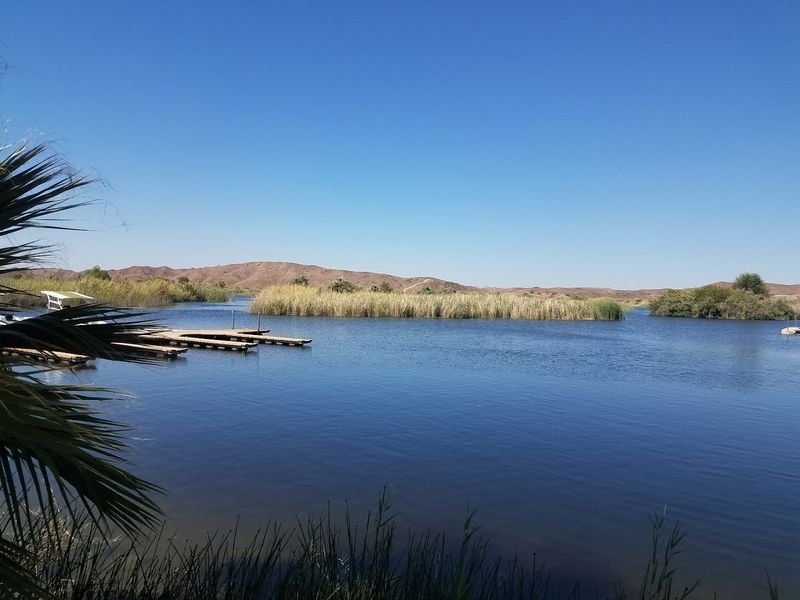
Yuma sits at the heart of one of North America’s most important bird migration corridors. The Lower Colorado River Valley attracts hundreds of bird species throughout the year, making it a destination that serious birders travel from across the continent to experience.
Over 400 species have been recorded in the region — a number that makes any bird enthusiast’s heart race.
Rare and unusual species show up here regularly, including birds that are almost never seen elsewhere in North America. Sunrise mornings along the river, binoculars in hand and a thermos of coffee nearby, have a meditative quality that is hard to replicate anywhere else.
Even casual nature lovers find the birding scene in Yuma surprisingly engaging. Seeing a great blue heron standing perfectly still at the water’s edge or watching a flock of sandpipers dart along the shoreline creates moments of quiet wonder that remind you how beautiful the natural world truly is.
A Small-Town Warmth That Big Cities Simply Cannot Fake

There is a certain quality to life in Yuma that is genuinely difficult to put into words but instantly felt when you arrive. Strangers wave at each other.
Shop owners remember your name after your second visit. Neighbors actually talk to each other across the fence.
That old-fashioned sense of community that many people mourn losing in modern life — it still very much exists here.
Downtown Yuma has been steadily growing with new restaurants, local boutiques, and community gathering spaces that reflect the city’s warm, welcoming spirit. The Yuma Art Center and various local galleries add a creative pulse to the community that feels organic and genuine.
What makes Yuma’s small-town character so special is that it does not feel performative or staged for tourists. It is simply how people live here.
For anyone exhausted by the anonymous rush of city life, spending time in Yuma feels like finally exhaling after holding your breath for far too long.
Yuma Crossing National Heritage Area Tells a Bigger Story
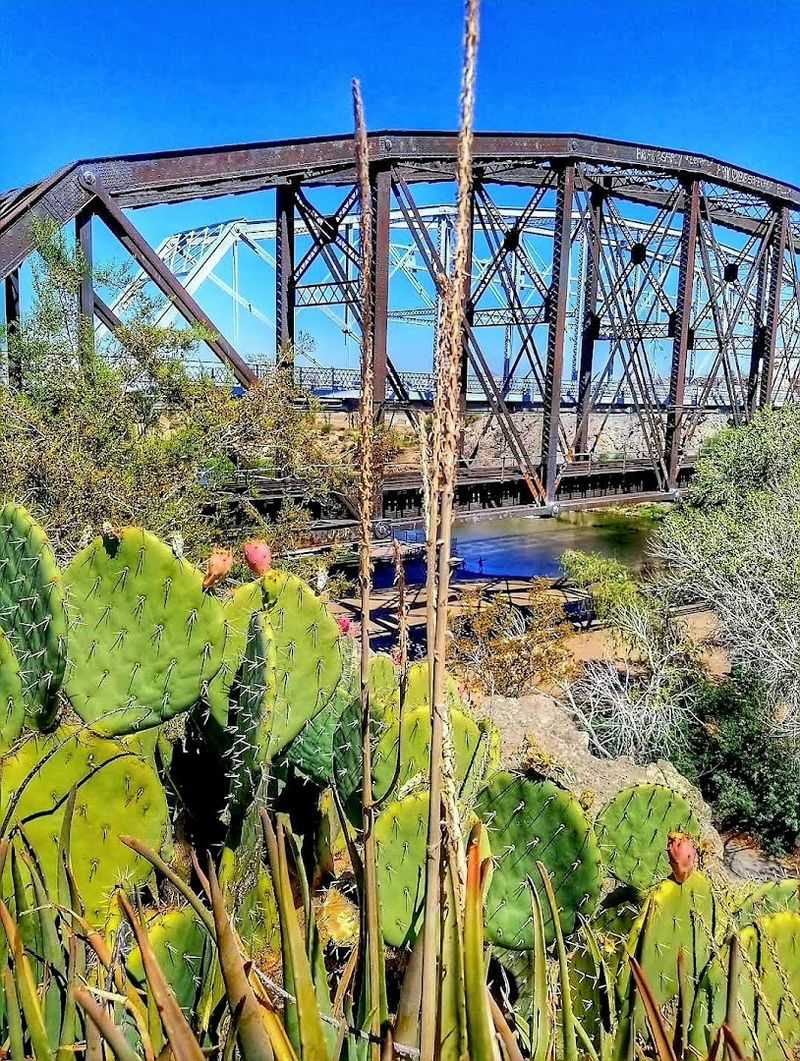
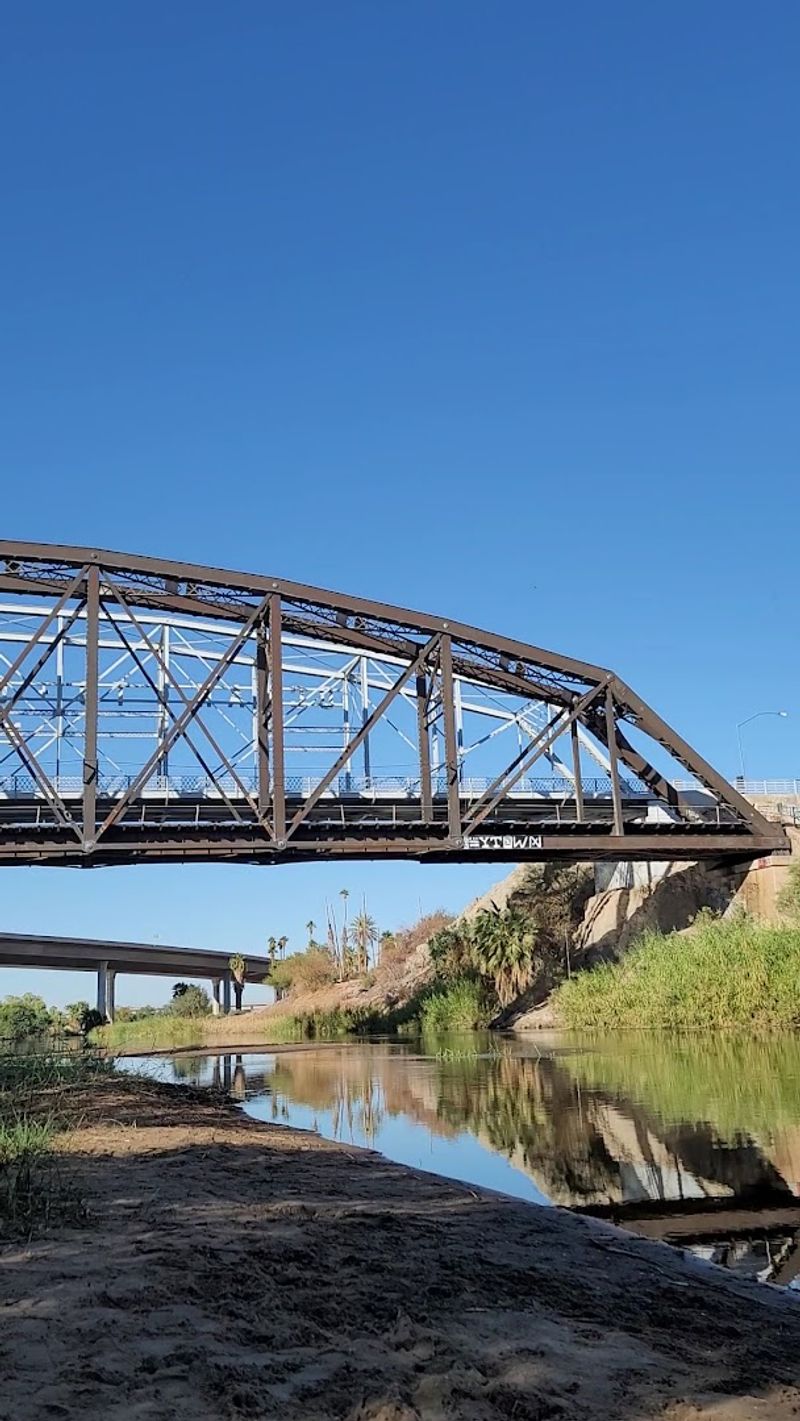
The spot where Yuma now stands was one of the most strategically important river crossings in all of North American history. For centuries, this narrow point along the Colorado River served as a critical passage for Native Americans, Spanish explorers, Gold Rush travelers, and eventually the transcontinental railroad.
The Yuma Crossing National Heritage Area honors all of those layered stories in one remarkable place.
Walking through this heritage area, you begin to understand why Yuma exists where it does. Every era of American expansion passed through this very ground, leaving traces that are still visible today.
The interpretive trails and informative displays make the history feel alive rather than distant.
The Colorado River adds a living, moving element to the experience that no museum exhibit can fully replicate. Watching the water flow past the same banks that generations of travelers once crossed is a quietly powerful reminder of how much human history this unassuming city has witnessed and shaped.
Enjoyed this story?
Add Fast Food Club as a preferred source to see more of our reporting on Google.