


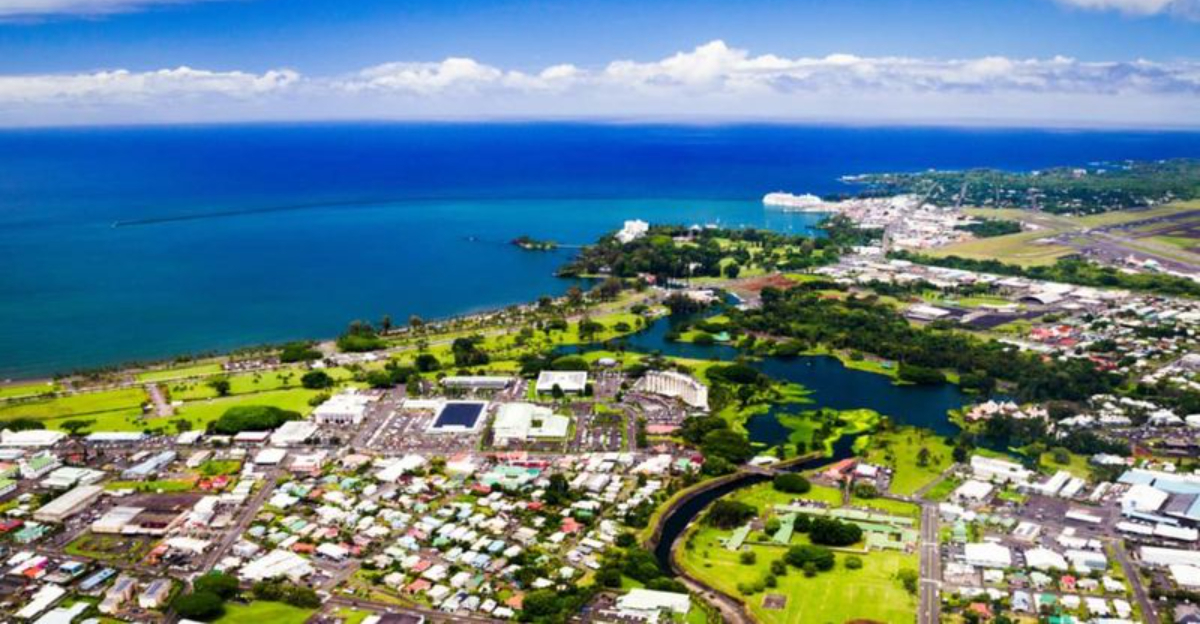
Retirement dreams often collide with sky-high price tags, especially when Hawaii enters the conversation. Yet one town on the eastern edge of the Big Island quietly rewrites that script, offering waterfalls, rainforests, and a slower rhythm without the resort-town markup that defines much of the islands.
Housing costs here run lower than the glossy coastal getaways, farmers markets keep grocery bills reasonable, and the natural scenery costs nothing at all. The result is a place where a fixed income still stretches far enough to enjoy morning walks past rushing rivers and afternoons under swaying palms.
What follows is a closer look at the location, its history, its standout attractions, and the everyday practicalities that make comfortable retirement genuinely possible on the island most people assume they could never afford.
Where This Rainforest Town Sits On The Map
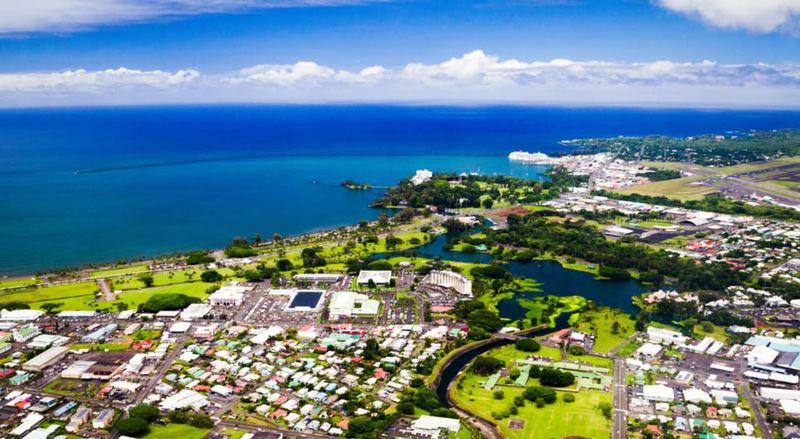
Tucked along the northeastern shore of the Big Island, Hilo carries the zip code Hawaii 96720 and serves as the largest town on the island’s windward side. It rests where lush hillsides tumble down toward Hilo Bay, backed by the towering slopes of Mauna Loa and Mauna Kea.
The town anchors the county seat of Hawaii County, giving it services and infrastructure that many smaller island communities lack. Government offices, a hospital, and a university campus all keep the area busy year round.
Rain is part of daily life here, and that steady moisture is exactly what keeps the surrounding landscape green and thriving. The dampness also helps explain why real estate has stayed more affordable than the sun-drenched resort corridors on the Kona side.
Getting oriented is simple once the bay comes into view, since much of the older town wraps around the waterfront. From that central point, waterfalls, parks, and markets all sit within an easy drive.
For retirees weighing a move, the layout offers a rare mix of small-town ease and genuine access to essentials.
A Town Shaped By Water And Time
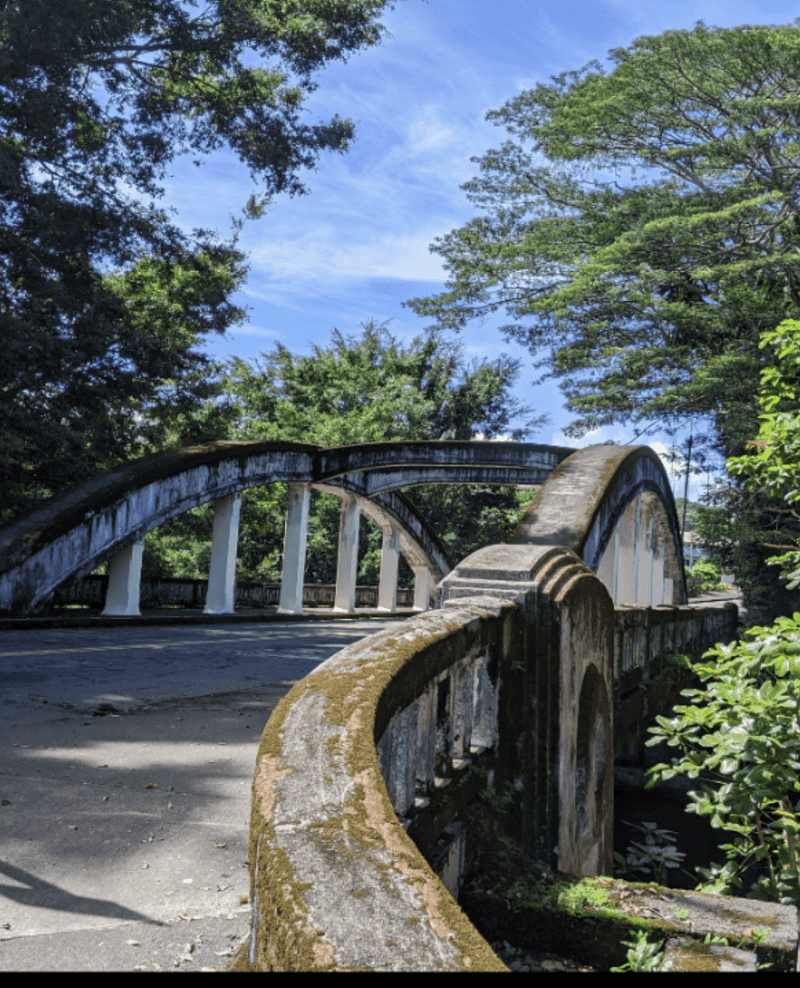
Long before it became a retirement possibility, this stretch of coast grew into an important hub for Hawaiian communities drawn to its fertile land and reliable freshwater. The Wailuku River, the longest in the state, has flowed through the heart of the area for centuries.
Waves of change swept through as sugar plantations rose across the island, bringing workers from many corners of the world and giving the town its layered cultural roots. That mix still shows up in local festivals, family-owned shops, and neighborhood traditions.
Historic buildings along the bayfront hint at earlier decades when commerce clustered near the water. Many of those storefronts now house small businesses that keep the district lively.
The town has weathered its share of natural events tied to the sea, and rebuilding shaped the way certain areas were laid out. Parks and open green spaces near the shoreline reflect that thoughtful planning.
Understanding this backstory helps newcomers appreciate why the community feels grounded rather than manufactured. Retirees often find comfort in a place with genuine roots and a story worth learning.
Rainbow Falls And Its Colorful Mist
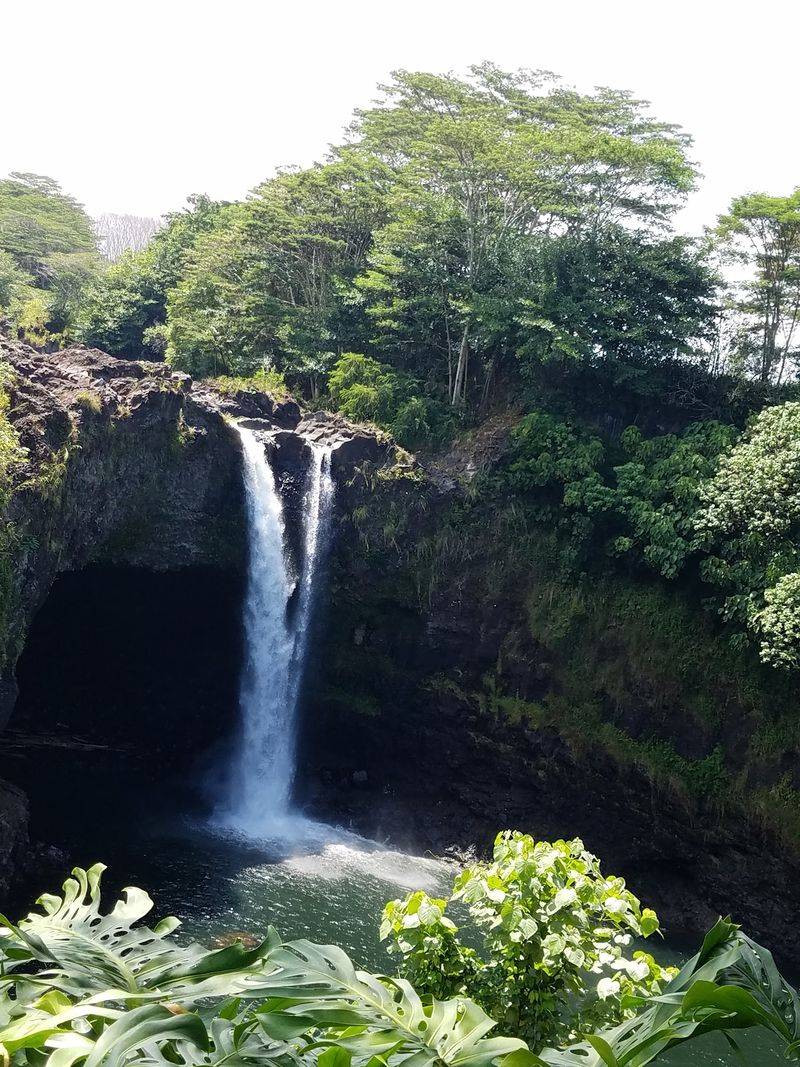
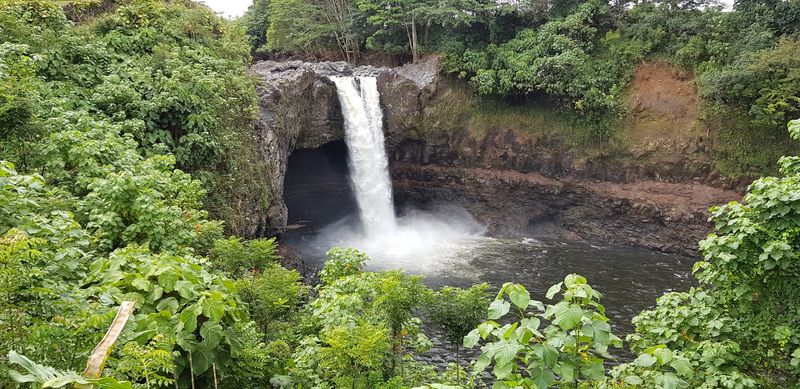
Few natural attractions define the town quite like Waianuenue, better known as Rainbow Falls, set within Wailuku River State Park. The name translates to rainbow seen in water, a nod to the colorful mist effects that appear when sunlight meets the spray.
The waterfall drops into a wide pool below, framed by thick greenery and a large cave tucked beneath the ledge. Morning tends to be the best window for catching the color show, since the angle of light plays a major role.
Access is refreshingly easy, with a short paved path leading from the parking area to the main viewpoint. That convenience makes it a favorite stop for those who prefer scenery without a strenuous trek.
Above the falls, a modest trail winds toward giant banyan trees and additional views of the river. The whole area invites unhurried exploration rather than a rushed photo stop.
For retirees who want beauty close to home, a free public waterfall just minutes from town is hard to beat. Regular visits become an effortless part of the weekly routine.
The Bubbling Basalt Of The Boiling Pots
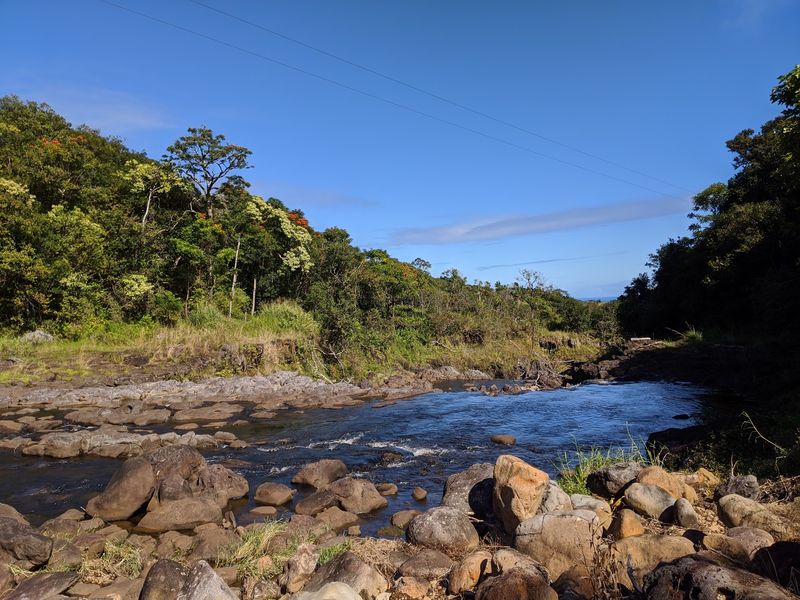
Not far from Rainbow Falls, the Boiling Pots offer a geological curiosity carved by the same river. These basalt-lava rock pools appear to churn and bubble as water surges through and over them, especially after heavy rain upstream.
The effect comes from underground flow moving between the pools, creating the illusion of a rolling boil at the surface. It is a fascinating stop for anyone curious about how volcanic islands shape their rivers.
A viewing area lets people take in the scene from a safe distance above the rocks. The setting stays quieter than some of the busier attractions, which suits those who enjoy a calm outing.
Water levels shift dramatically depending on recent weather, so the pools look different from one visit to the next. That ever-changing quality keeps the spot interesting even for frequent returners.
Because it sits so close to town and costs nothing to enjoy, the location fits neatly into a budget-friendly lifestyle. Retirees looking for gentle outdoor variety tend to appreciate having it nearby.
Living Next Door To Active Volcanoes
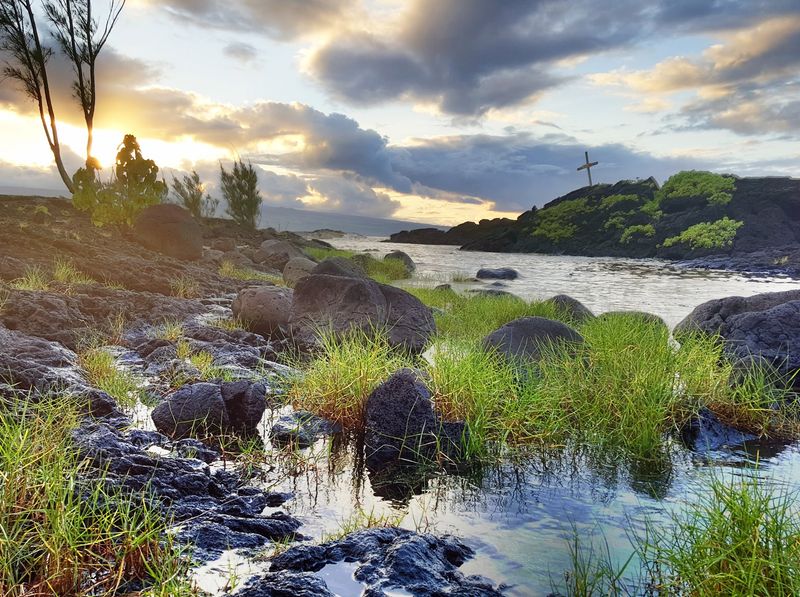
South of town lies one of the most remarkable natural neighbors imaginable, Hawaii Volcanoes National Park. The park protects rainforests along with the active Kilauea and Mauna Loa volcanoes, making it a world-class destination just a manageable drive away.
Kilauea has long ranked among the most active volcanoes on the planet, and its shifting landscape draws curious travelers from around the globe. For local residents, that global attraction sits practically in their backyard.
Trails, overlooks, and scenic drives fill the park, giving visitors many ways to explore at their own pace. Some routes are gentle and accessible, while others reward those seeking a longer walk.
The rainforest sections showcase native plants and birds thriving in the volcanic soil. That biodiversity turns an ordinary afternoon into a genuine learning experience.
Retirees who settle in the area often become regulars, since a park pass makes repeat trips affordable. Having a national treasure within reach adds enormous value to daily life without straining the wallet.
Why The Cost Of Living Stays Reasonable
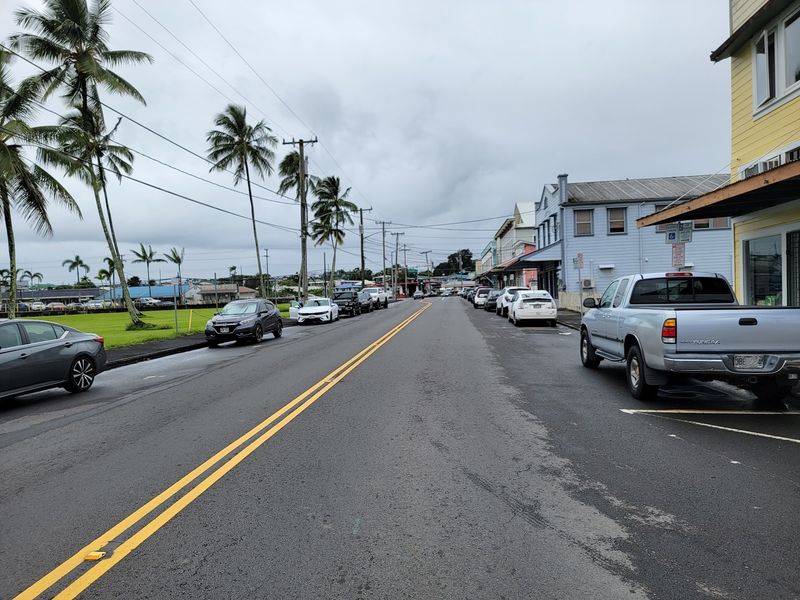
Affordability is the quiet headline that separates this town from the glossier corners of the islands. Housing prices on the windward side generally run lower than the resort-heavy Kona coast, which opens the door for people on fixed incomes.
The steady rainfall that keeps the region green also tempers demand from luxury buyers chasing endless sunshine. That trade-off works in favor of anyone hunting for value rather than glamour.
Everyday shopping benefits from local agriculture, with fresh produce grown across the surrounding countryside. Buying seasonal fruits and vegetables close to the source helps trim grocery costs.
Free attractions like waterfalls, parks, and shoreline paths mean entertainment does not have to drain savings. A rich outdoor lifestyle here can cost almost nothing beyond gas and good walking shoes.
None of this erases the reality that island living carries certain expenses, since goods still travel a long way to reach the shelves. Even so, careful budgeting stretches further here than in most Hawaiian communities, which is precisely why the town keeps drawing thoughtful retirees.
The Farmers Market At The Heart Of Town
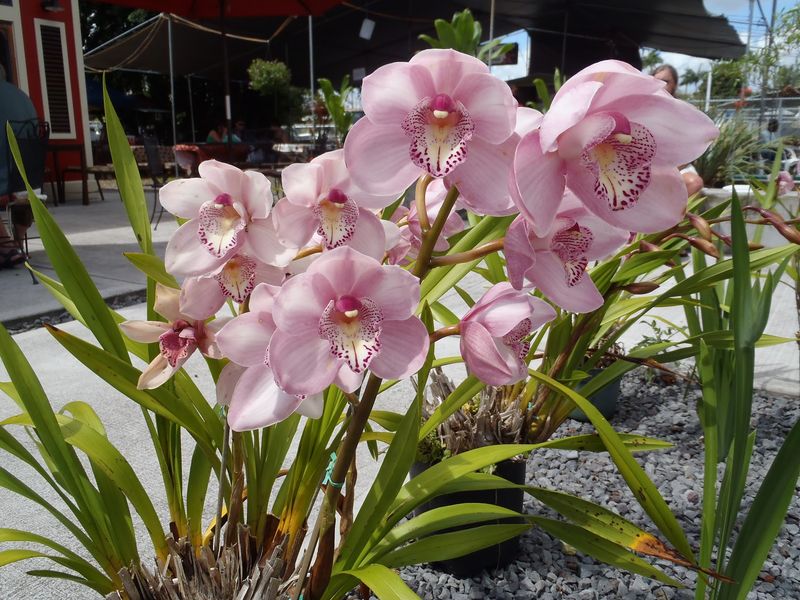
Vibrant stalls and homegrown goods make the local farmers market a cornerstone of everyday life. Vendors bring tropical fruits, vegetables, flowers, and handmade items grown or crafted across the island.
Shopping here keeps money circulating within the community while offering fresher options than long-shipped imports. For budget-minded residents, that combination is genuinely practical.
The market also doubles as a social hub where neighbors catch up and newcomers meet longtime locals. Casual conversation flows as easily as the exchange of produce.
Prices tend to be friendly, especially for seasonal items harvested nearby. Regular shoppers learn which days and hours bring the widest selection.
Beyond the food, the market reflects the cultural blend that shaped the town, with offerings that span many traditions. That variety turns a simple errand into a small cultural outing.
For retirees building a comfortable routine, a reliable market within reach becomes a weekly anchor. It supports both the grocery budget and the sense of belonging that makes a place feel like home.
A Bayfront Made For Slow Mornings
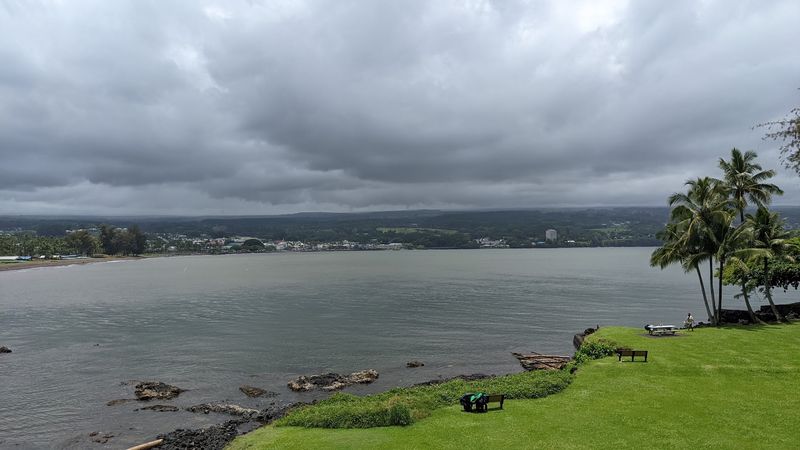
Gentle and unhurried, the waterfront along Hilo Bay sets the tone for the entire community. Wide green parks line the shore, offering open space for walking, resting, and taking in the water views.
Early hours draw joggers, dog walkers, and people simply enjoying the calm before the day picks up. The relaxed energy suits a retirement lifestyle built around comfort rather than rush.
Banyan Drive, a scenic stretch near the bay, is famous for its towering banyan trees planted by notable figures over the years. Strolling beneath their sprawling canopy has become a beloved local tradition.
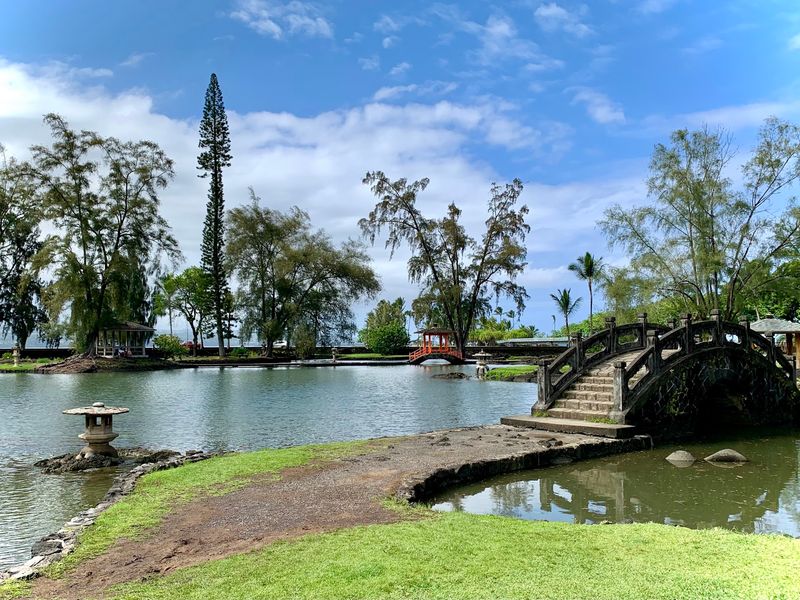
Nearby Liliuokalani Gardens brings a peaceful Japanese-style landscape complete with ponds, bridges, and stone lanterns. The setting honors the island’s deep cultural ties and provides a serene place to unwind.
Benches and shaded spots invite lingering rather than hurrying along. Time seems to slow down for anyone willing to sit and stay awhile.
For those trading a fast-paced past for a gentler chapter, the bayfront delivers exactly the kind of ease they came searching for.
The Weather You Should Plan Around
Rain defines the local climate more than almost any other factor, and understanding that reality matters before making a move. The town ranks among the wetter communities in the country, with frequent showers throughout the year.
That moisture is the reason the surrounding landscape stays so lush and the waterfalls run so full. What looks like a drawback to some becomes a gift to the scenery and gardens.
Temperatures remain mild and steady, avoiding the harsh swings found in mainland climates. Warm days and comfortable evenings roll on with pleasant consistency.
Rain often arrives in bursts rather than all-day downpours, leaving plenty of breaks for outdoor plans. Locals simply learn to keep a light jacket handy and adjust as needed.
The reliable green surroundings mean home gardens flourish with minimal effort, a bonus for anyone who enjoys growing their own food. Fresh herbs and produce become an easy hobby.
Retirees who embrace the wet-weather rhythm often grow fond of it, finding the freshness and quiet a welcome change from busier, drier places.
Getting There And Getting Around
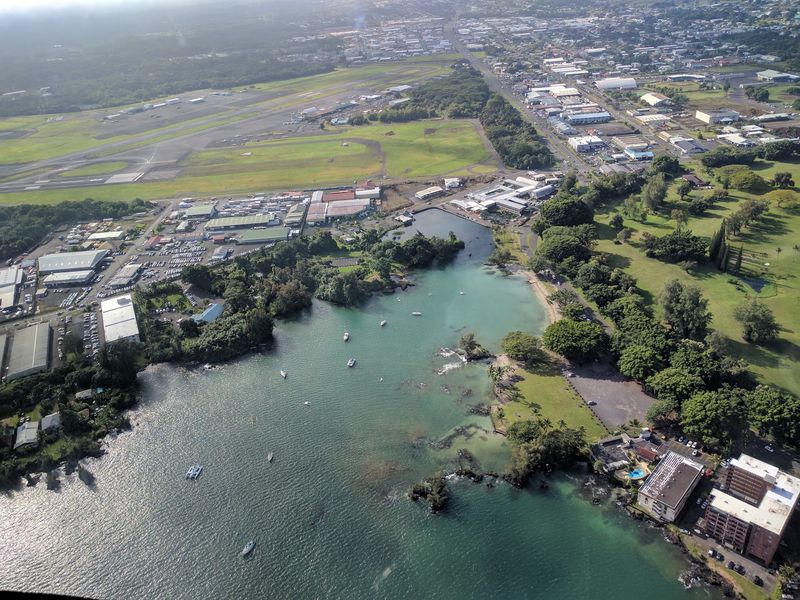
Reaching the town is more straightforward than many mainlanders expect, thanks to its own airport serving the eastern side of the Big Island. Flights connect through hubs on other Hawaiian islands, making travel to and from the community manageable.
Once settled, a personal vehicle remains the most practical way to explore, since attractions spread across the wider area. Roads are generally calm compared with big-city traffic, easing the transition for older drivers.
The compact core means many daily errands stay close together, cutting down on long drives. Grocery stores, medical services, and shops cluster within a reasonable radius.
Waterfalls, parks, and the national park all sit within comfortable driving distance, keeping weekend outings simple. No lengthy expeditions are required to reach genuine natural beauty.
Public services and a university presence give the town a steady, functional feel rather than a sleepy backwater vibe. That balance appeals to those who want quiet without isolation.
For retirees weighing logistics, the combination of an accessible airport and an easy local layout removes much of the friction from island living.
Culture, Community And Everyday Belonging
Beyond the scenery, the town’s greatest strength may be its welcoming, close-knit character. Generations of families from many backgrounds have blended into a community that values connection over flash.
Local festivals celebrate the island’s heritage, drawing residents together around music, food, and shared traditions. Newcomers quickly discover chances to join in and feel included.
The presence of the University of Hawaii campus keeps the atmosphere lively and intergenerational. Lectures, events, and cultural programs add depth to daily life.
Small businesses and family-run shops give the town personality that chain-heavy areas often lack. Supporting them becomes a natural part of settling in.
Volunteer groups, gardening clubs, and community gatherings offer easy ways for retirees to build friendships. Purpose and companionship come without much effort here.
The pace encourages genuine relationships rather than passing acquaintances. Neighbors tend to know one another and look out for the community as a whole.
For anyone worried that affordable living might mean a lonely existence, the reality proves the opposite, since belonging comes built into the fabric of the place.
Is This The Right Place To Retire
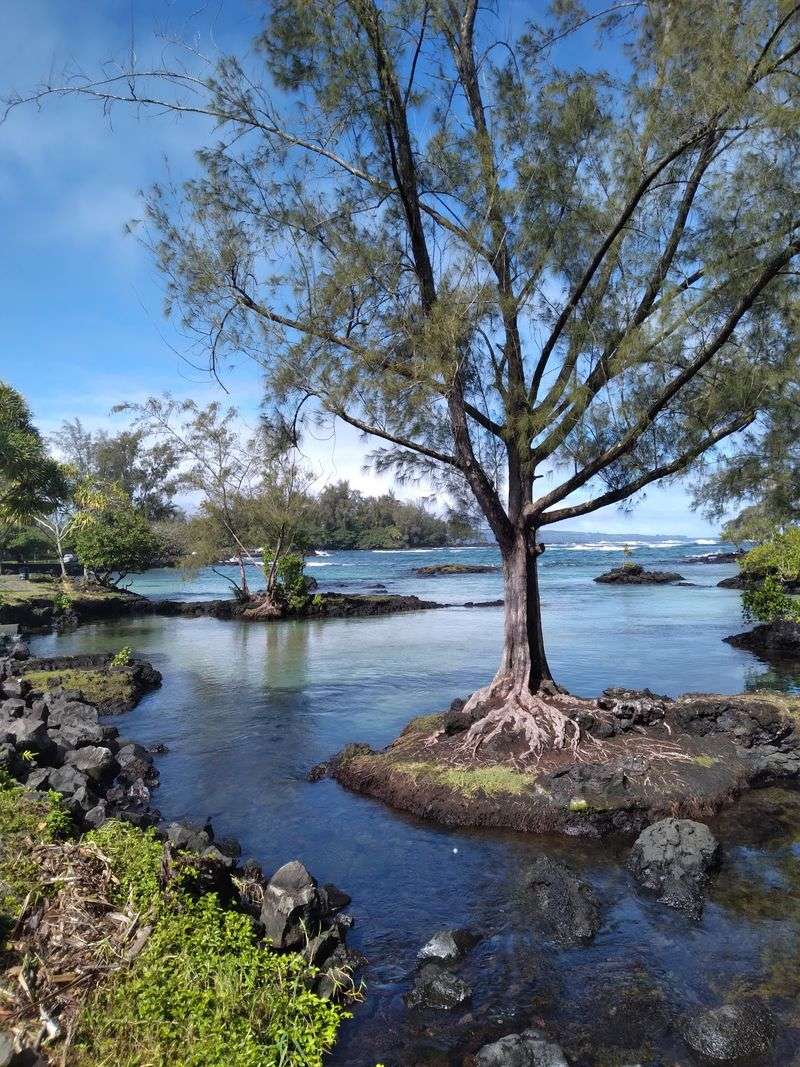
Weighing everything together, this eastern Big Island town makes a compelling case for retirees who value nature and community over resort glitz. Lower housing costs, free outdoor attractions, and a genuine sense of belonging combine into a lifestyle that a modest budget can actually support.
The frequent rain will not suit everyone, and honest self-reflection about that climate is worth the effort. Those who welcome the greenery it produces tend to fall in love with the setting.
Access to waterfalls, a national park, and a functional town center delivers rare balance between adventure and convenience. Daily life stays interesting without becoming complicated.
Island living still carries real costs, so careful planning remains essential before any move. Even so, few places in Hawaii let savings stretch this comfortably.
For people ready to trade hurry for calm and expense for value, the town rewards that choice generously. A retirement filled with natural beauty and warm community feels within reach here, and that promise is what keeps drawing thoughtful newcomers to its shores.
Enjoyed this story?
Add Fast Food Club as a preferred source to see more of our reporting on Google.