


Tucked away about 25 minutes north of Winslow, Arizona, the Little Painted Desert is one of those rare places that stops you in your tracks the moment it comes into view. Most people drive right past it without ever knowing it exists, which makes discovering it feel like finding buried treasure.
With sweeping badlands scenery, vivid layers of color, and almost no crowds, this spot offers something truly special for anyone willing to take the detour. Whether you are a road tripper, a nature lover, or just someone looking for a quiet escape, the Little Painted Desert deserves a spot on your Arizona bucket list.
A Landscape That Looks Like Another Planet
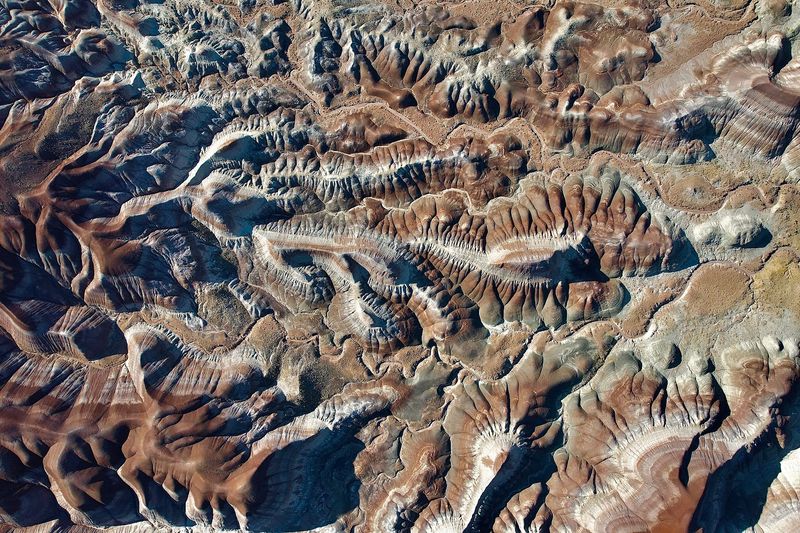
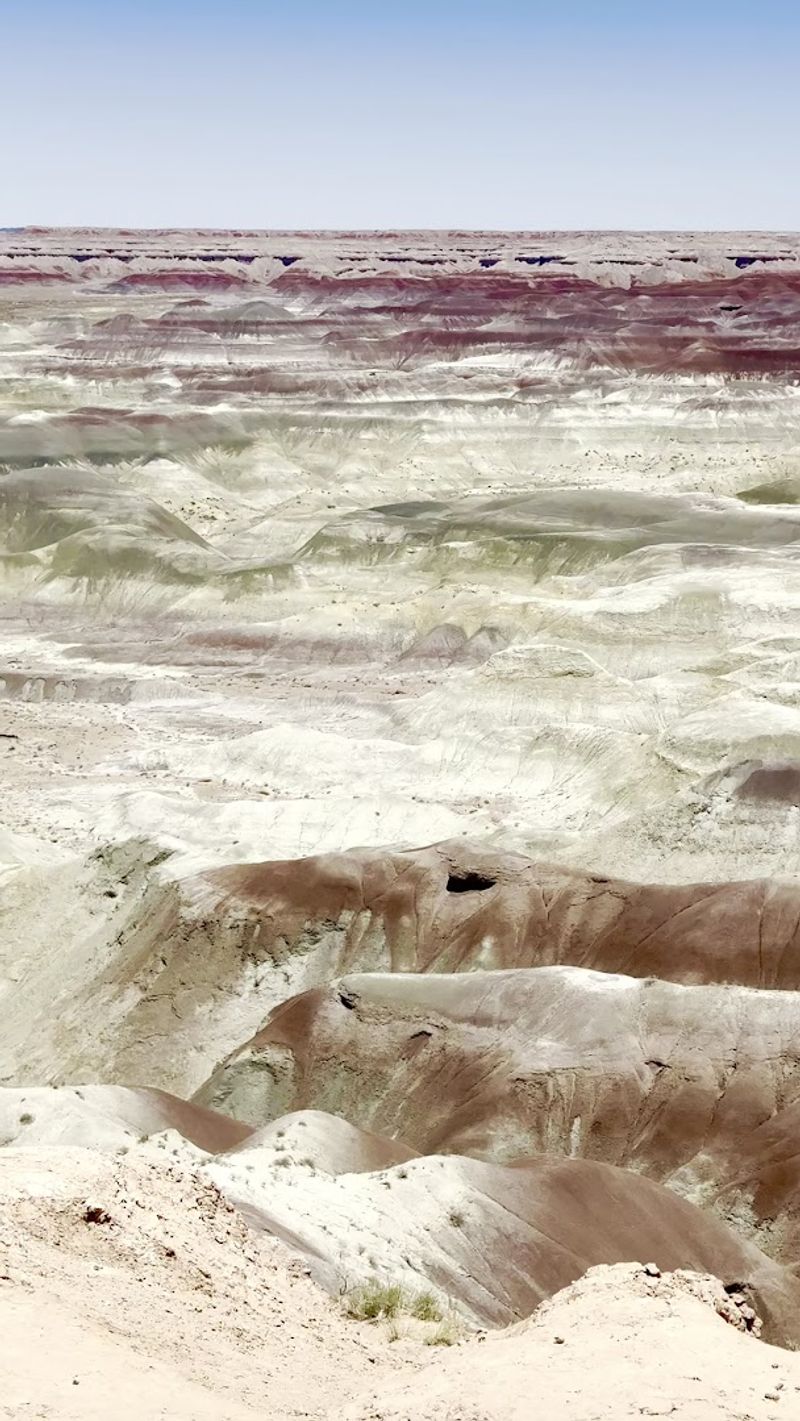
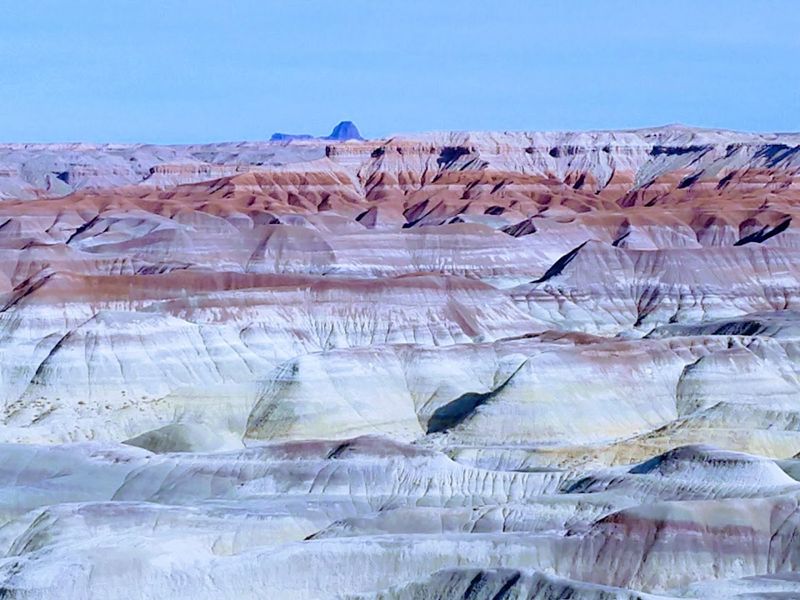
Standing at the rim of the Little Painted Desert feels like stepping onto the surface of Mars. The landscape below stretches out in sweeping waves of rust, purple, orange, and cream — colors so vivid they almost seem fake.
It is the kind of view that makes you reach for your camera before you even realize you have stopped walking.
The formations here are the result of millions of years of sediment layering and erosion, creating a terrain unlike almost anything else in the American Southwest. Visitors often compare it to the Badlands of South Dakota, but with a warmer, more sun-drenched color palette.
You do not need to hike miles to appreciate it. Just pulling up to the rim and looking out is enough to leave a lasting impression.
First-timers and seasoned travelers alike tend to react the same way: complete, speechless awe.
Getting There Without Getting Lost
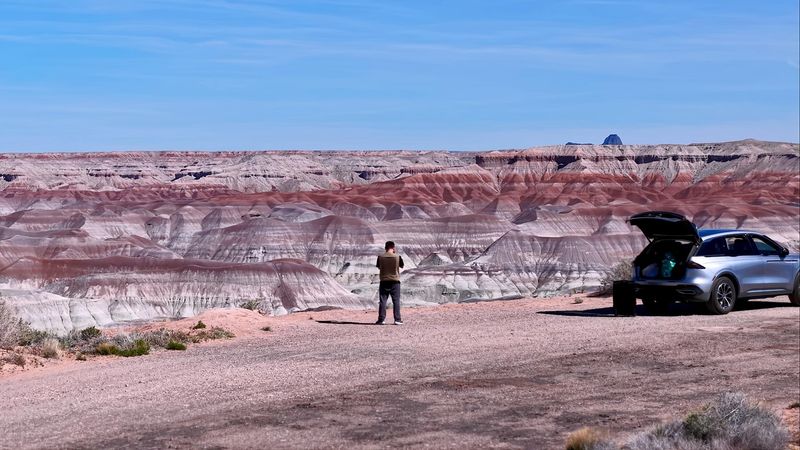
Finding the Little Painted Desert is half the adventure. There are almost no signs pointing the way, which means you really do need to come prepared.
The entrance is located near mile marker 360 on Arizona Highway 87, west of the highway on an unmarked side road.
Google Maps is your best friend here. Plug in “Little Painted Desert” before you leave and keep an eye on your location as you approach, because it is easy to blow right past the turnoff if you are not paying attention.
The road itself is unpaved and dotted with potholes, so slow down and take it easy.
Most standard sedans can handle the road just fine as long as you drive cautiously. Plan for about a 15-minute drive from Interstate 40, and give yourself extra time to enjoy the journey once you arrive.
Sunrise vs. Sunset: Picking Your Perfect Visit Time
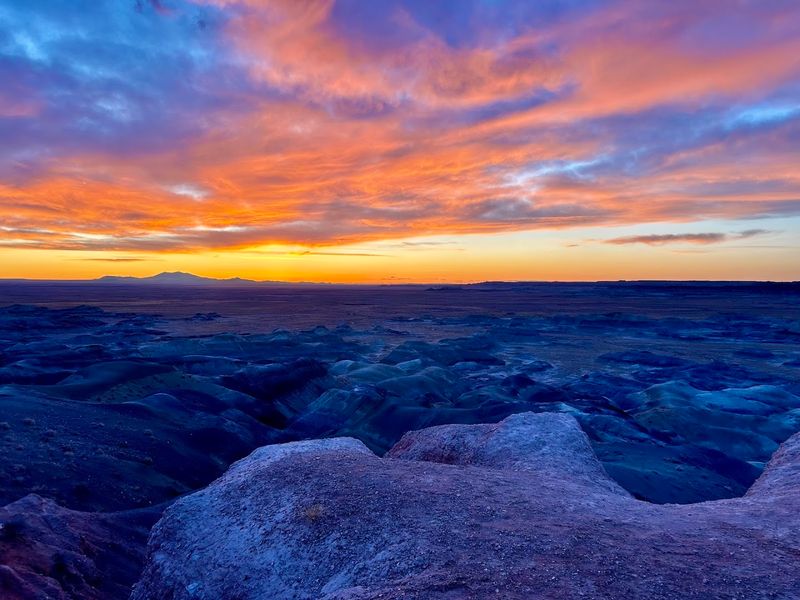
Timing your visit to the Little Painted Desert can make a huge difference in what you see. Sunset is widely considered the best time to go, and for good reason.
The Arizona sky turns shades of pink, peach, and gold, and those colors bounce off the desert formations below in a way that feels almost magical.
One visitor described arriving near sunset and being greeted by a backdrop of pink and orange sky against the otherworldly sediment — a moment that felt like standing in a painting. Early morning visits have their own quiet charm, though the colors tend to appear less vivid without direct sunlight hitting the formations.
Midday works too, especially if you want softer shadows for photography. Whatever time you choose, avoid going after dark since there is no lighting at the site.
Always check sunset times before heading out.
What To Pack Before You Head Out
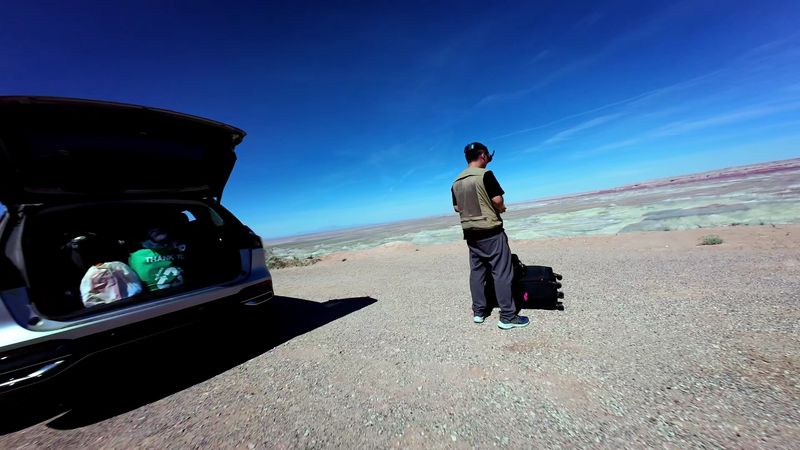
Here is something every visitor learns quickly: the Little Painted Desert has zero amenities. No vendors, no restrooms, no snack stands, and no shade.
Coming prepared is not just a good idea — it is essential, especially in warmer months when Arizona temperatures can be brutal.
Pack plenty of water for every person in your group. Bring snacks and a small cooler if you plan to stay for a while.
Sunscreen, a wide-brimmed hat, and sunglasses are must-haves since the open desert provides no natural cover from the sun.
If you are visiting in winter, mid-February visitors have reported very comfortable temperatures without needing heavy coats. Still, layers are smart since desert temperatures can shift quickly.
A camera or phone with a good camera is obviously a must. Leave the trash bags at home and instead bring a bag to pack out any waste you generate.
The Road Conditions You Need To Know About
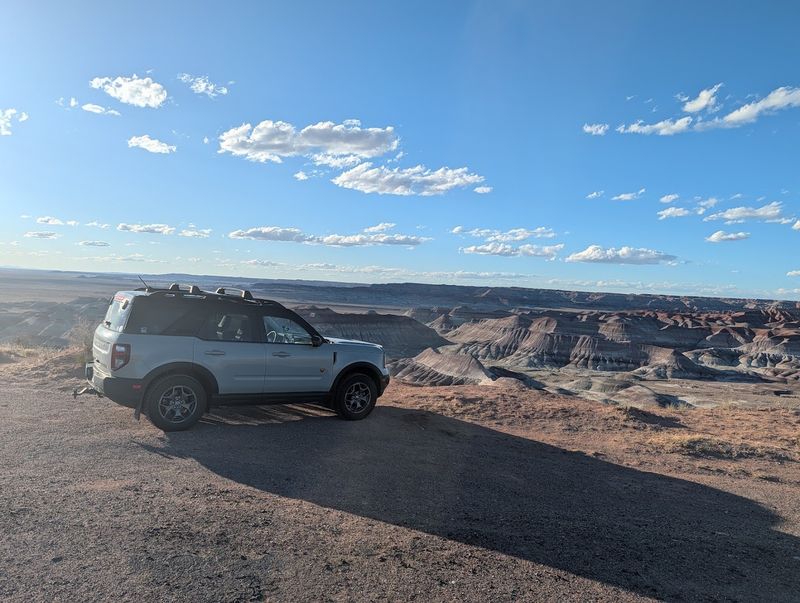
The road leading to the Little Painted Desert is one of the most talked-about parts of the trip — and not always in a flattering way. Rim Drive, as it is called, is unpaved, bumpy, and filled with potholes that range from annoying to genuinely car-threatening if you are moving too fast.
The good news is that most regular passenger vehicles can make it through just fine. The key is to drive slowly and stay alert.
Visitors in family sedans have reported no issues as long as they took their time and avoided rushing over rough patches.
The road runs along the rim and eventually reaches a turnaround point further north where some of the best views can be found. No four-wheel drive is required, but higher clearance certainly does not hurt.
Think of the bumpy ride as part of the experience — it adds to the sense of discovery.
Exploring the Rim Trail and Overlook Points
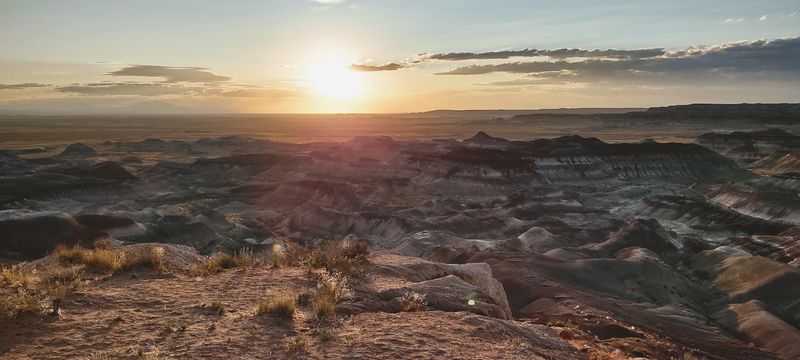
Once you reach the rim, the views open up in a way that is genuinely breathtaking. Walking along the edge gives you shifting perspectives of the formations below, with each step revealing new angles and color combinations.
Some sections of the rim are more dramatic than others, so it pays to walk a bit rather than staying in one spot.
There is a trailhead further along the rim where old railroad tie stairs once led down into the formations. Those stairs are no longer safe or usable, so descending into the canyon is not recommended without serious caution and solid footwear.
The steep slopes can be deceptive, and loose gravel makes footing unpredictable.
Most visitors find the rim itself more than satisfying. The overlook points offer jaw-dropping photo opportunities without requiring any strenuous effort, making this a surprisingly accessible destination for people of all fitness levels.
Photography Tips for Capturing the Colors
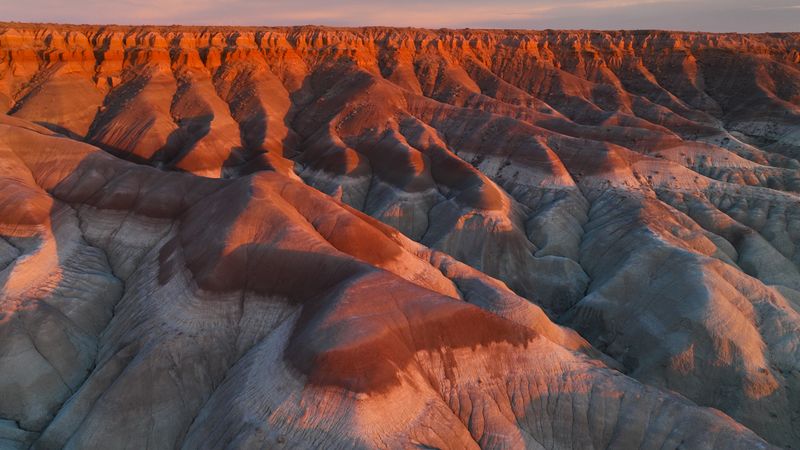
Few places in Arizona reward photographers quite like the Little Painted Desert. The layered sediment formations produce colors that shift dramatically depending on the time of day and weather conditions.
Overcast skies can actually enhance the color saturation, making cloudy days surprisingly great for photography.
One visitor noted that even without any photo filters, the colors in their images were stunning and vibrant. Shooting during the golden hour — roughly 30 to 60 minutes before sunset — gives you warm, directional light that makes the formations glow.
Adjusting your ISO and shutter speed settings can help bring out even more detail in the layers.
Wide-angle lenses work beautifully here to capture the full scale of the landscape. If you only have a smartphone, get low to the ground for more dramatic compositions.
The depth of the formations is hard to convey in photos, so try shooting from multiple angles to tell the full story.
The History and Geology Behind the Colors
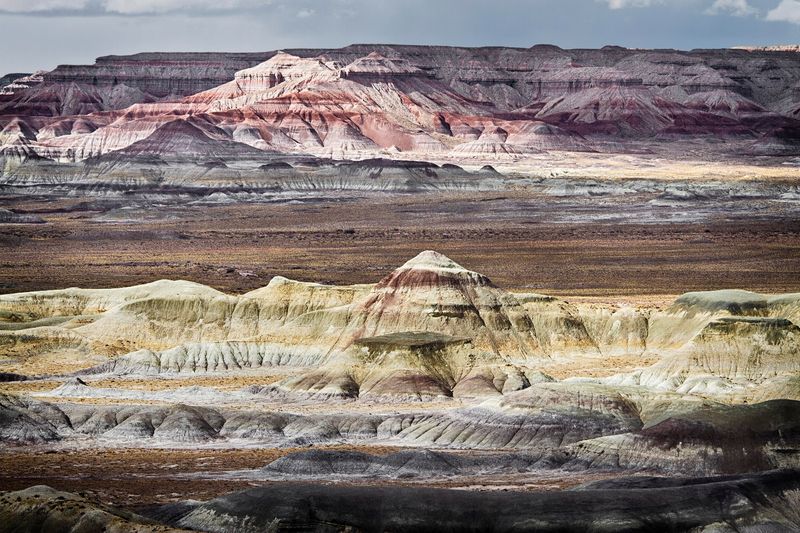
The vivid stripes of color that make the Little Painted Desert so visually stunning are not just beautiful — they are a record of ancient history written in rock. Each distinct band of color represents a different layer of sediment deposited over millions of years, with variations in mineral content creating the range of reds, purples, oranges, and creams.
Iron oxides are largely responsible for the warm reds and oranges, while manganese and other minerals contribute to the cooler purple and blue-gray tones. The area sits within the broader Painted Desert region of northeastern Arizona, which has been shaped by erosion from wind and water over an enormous span of time.
Visitors have also reported finding pieces of petrified wood scattered across the landscape — a reminder that this area was once a very different environment. Those ancient tree fragments are fascinating to look at, though they should always be left in place out of respect for the land.
Respecting the Land: Navajo Nation Etiquette
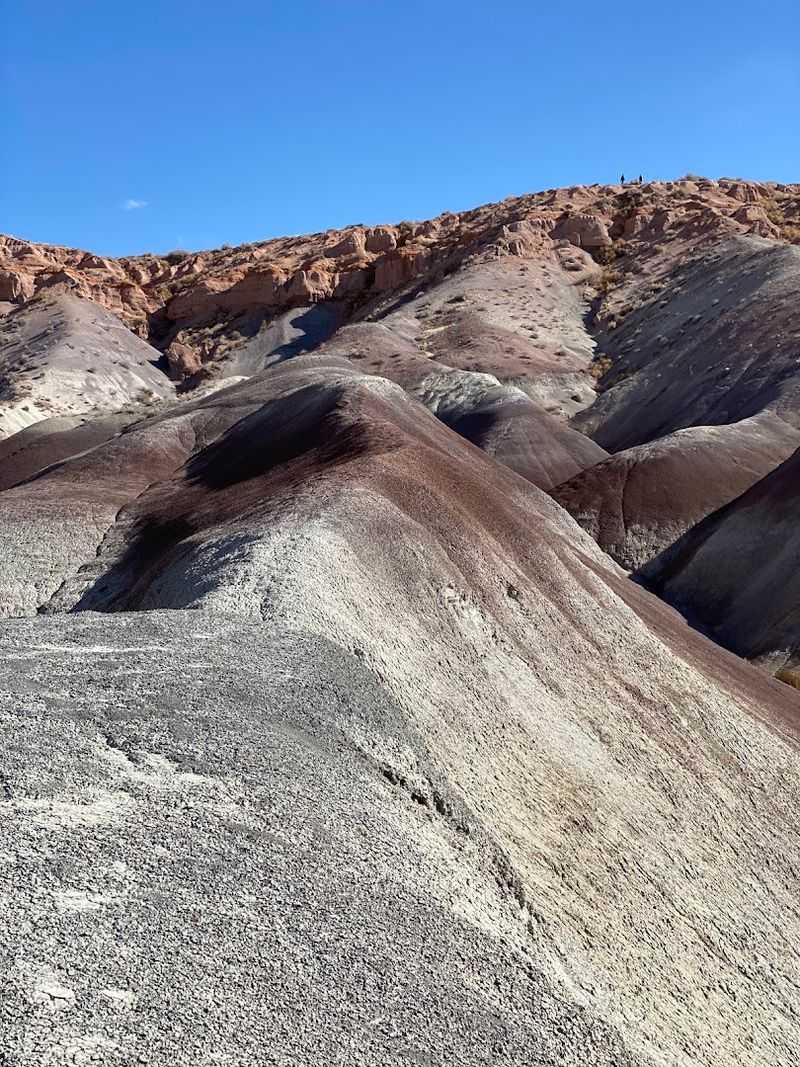
Something many first-time visitors do not realize is that the Little Painted Desert sits on private land within the Navajo Nation. The community has generously allowed public access, which means visitors carry a real responsibility to treat the space with care and respect.
This is not a managed state or national park — it is someone’s land.
Leaving no trace is not optional here; it is a matter of basic decency. Pack out everything you bring in, including food wrappers, water bottles, and any other waste.
Graffiti has already left visible marks on some of the structures at the site, which is deeply disrespectful to the land and its owners.
Walking down onto the formations should also be avoided since foot traffic causes erosion and lasting damage to the fragile landscape. Treat this place the way you would want someone to treat your own backyard — with care, gratitude, and genuine respect.
How It Compares to Petrified Forest National Park
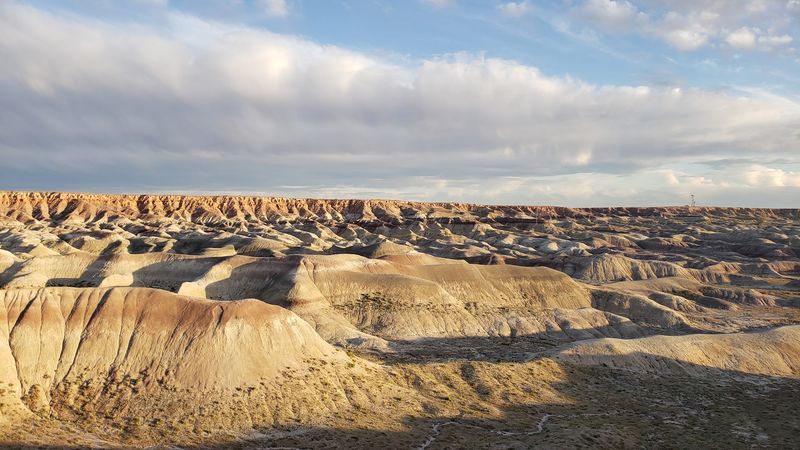
The Petrified Forest National Park is one of Arizona’s most visited destinations, drawing hundreds of thousands of tourists each year. The Little Painted Desert, just a short drive away, offers a remarkably similar visual experience — some visitors argue it is even more stunning — without the crowds, entrance fees, or busy parking lots.
One reviewer went so far as to say the views here surpass those at the national park, calling it a hidden gem with far fewer people and far more freedom to explore. At the national park, you stay on designated paths and viewpoints.
Here, the experience feels more raw and personal.
Of course, the national park offers interpretive signs, ranger programs, and maintained facilities that the Little Painted Desert simply does not have. But if you are after pure, unfiltered scenery without the tourist infrastructure, this quiet spot wins hands down every single time.
Wildlife and Unexpected Surprises Along the Way
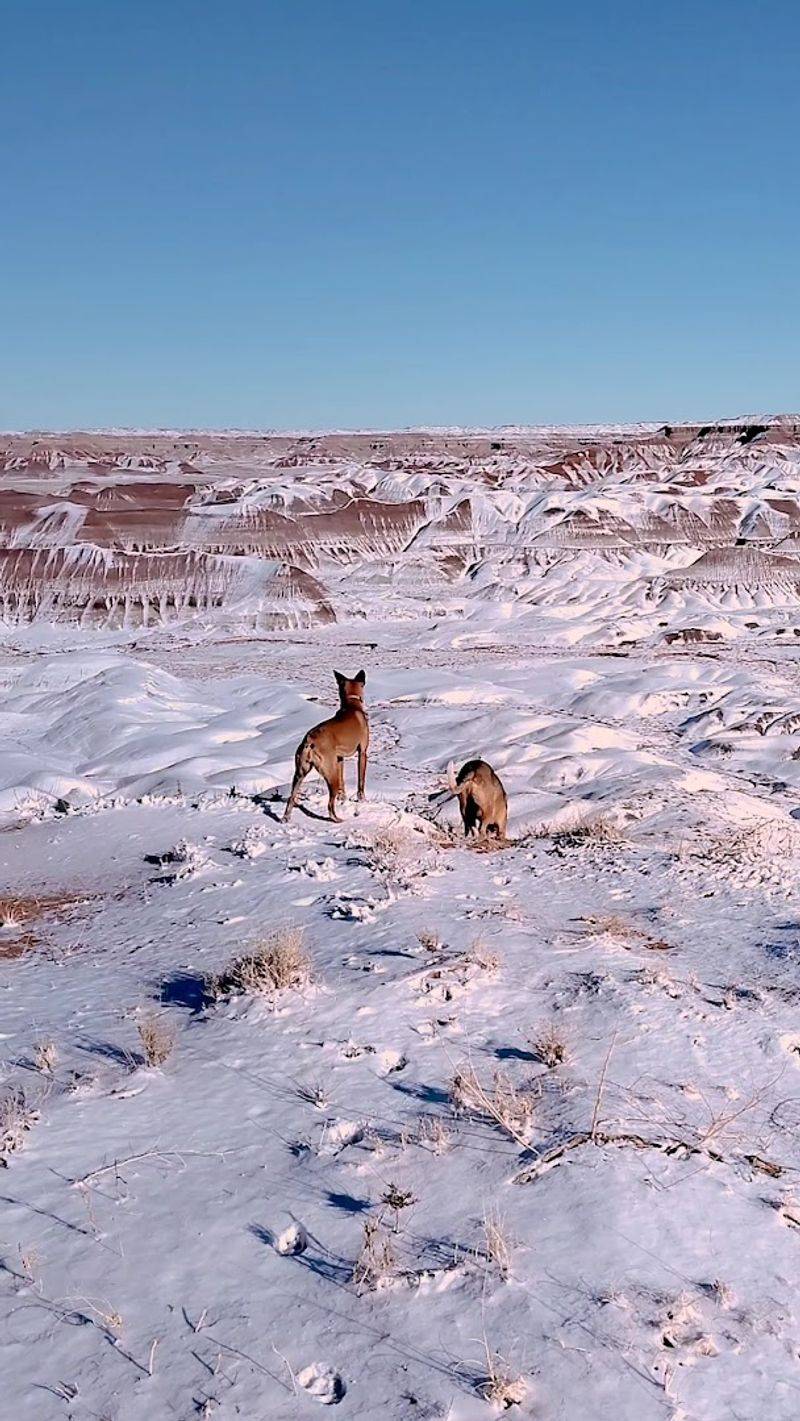
The Little Painted Desert may feel remote and quiet, but it is far from lifeless. Visitors have reported some charming and unexpected wildlife encounters that add a memorable layer to the experience.
One of the most talked-about is the pair of crows that apparently greet arrivals at the site, following visitors around with curious, watchful eyes.
Beyond the birds, the surrounding high desert landscape supports a variety of wildlife including lizards, hawks, and the occasional coyote. If you are quiet and observant, you may spot more than you expect.
Early morning visits tend to offer the best wildlife activity before the heat of the day sets in.
Petrified wood is another surprise that explorers sometimes come across while walking the rim area. These ancient fragments are heavy, colorful, and surprisingly beautiful up close.
Remember to admire them in place — taking natural objects from Navajo Nation land is not permitted and should never be done.
Combining the Visit With a Winslow Road Trip
The Little Painted Desert pairs perfectly with a broader road trip through the Winslow area, making it easy to pack an entire day full of memorable stops. Winslow itself is famous for being immortalized in the Eagles song “Take It Easy,” and the town’s Standin’ on the Corner Park is a fun and quick photo stop right off Route 66.
From there, the Meteor Crater — one of the best-preserved meteorite impact sites on Earth — is just a short drive away and well worth the entrance fee. Combining the crater, a Winslow stroll, and the Little Painted Desert gives you a full day of distinctly Arizona experiences without driving enormous distances.
Sedona is also reachable on the same route if you are planning a multi-day trip. The variety of landscapes you pass through on this stretch of Arizona is genuinely remarkable, from red rock country to open painted desert to ancient impact craters.
Why This Spot Deserves More Recognition
Places like the Little Painted Desert are becoming increasingly rare. In a world where every scenic spot seems to have a gift shop and a parking attendant, finding somewhere this raw, this quiet, and this genuinely stunning feels like a gift.
The fact that it remains largely unknown outside of road trip circles is both its greatest charm and its biggest vulnerability.
Visitors consistently describe the experience as awe-inspiring, spiritual, and unforgettable. Words like “holy land” and “pilgrimage site” have appeared in reviews from people who stumbled across it entirely by accident.
That kind of spontaneous wonder is hard to manufacture and impossible to replicate once a place gets overrun with crowds.
Sharing the Little Painted Desert responsibly — encouraging others to visit but also to respect it — is the best way to protect what makes it special. Go, be amazed, take nothing but photos, and leave nothing but footprints.
Arizona deserves that kind of stewardship.
Enjoyed this story?
Add Fast Food Club as a preferred source to see more of our reporting on Google.