


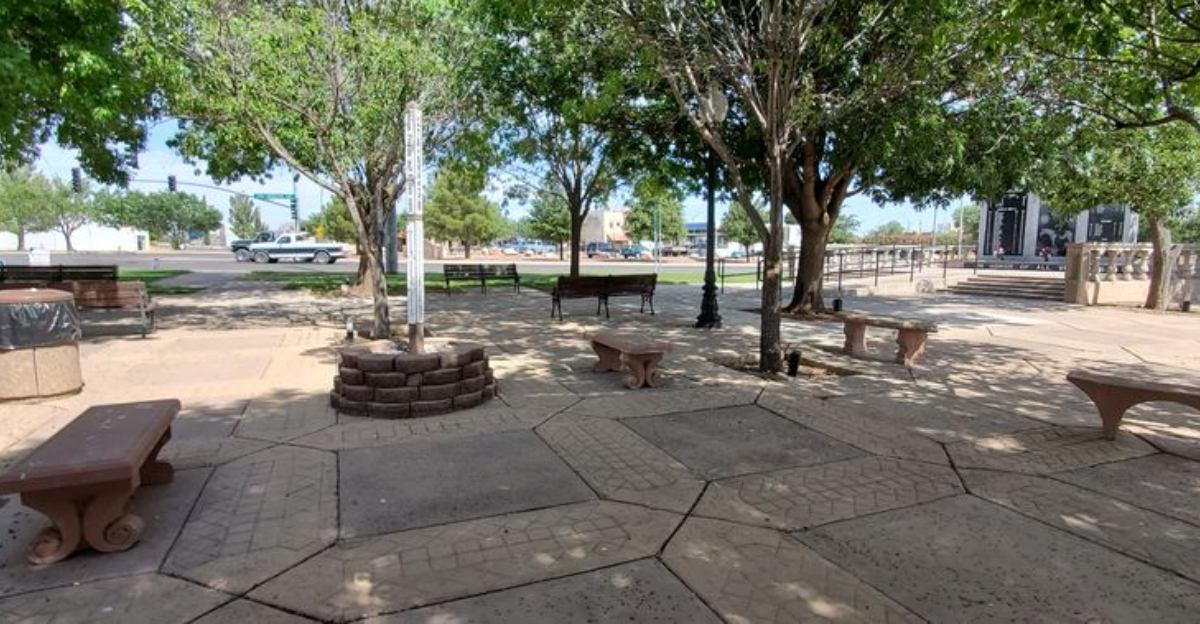
Tucked along the Arizona-Mexico border in Cochise County, Douglas is one of those rare towns where your dollar genuinely stretches and your stress quietly disappears. With a population of just over 16,000 people, this small city offers affordable living, rich history, and a community feel that bigger cities simply cannot replicate.
Life here moves at a pace that lets you actually enjoy it, rather than just survive it. If you have been searching for a place where rent stays under $800 and the sunsets over the Sulphur Springs Valley take your breath away, Douglas might just be your answer.
Rent That Actually Makes Sense
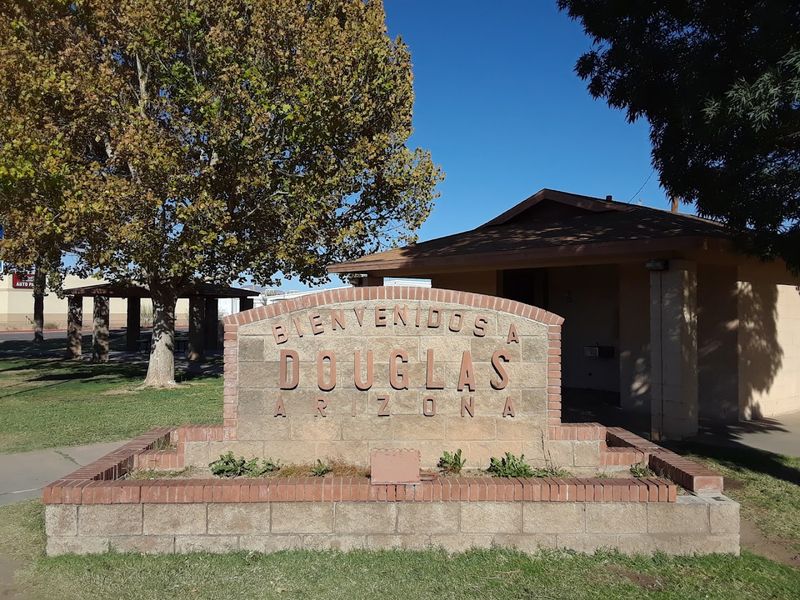
Somewhere between the rising cost of city living and the dream of financial breathing room, Douglas quietly offers something remarkable: rent that most Americans have not seen in years. Average monthly rent in Douglas hovers well under $800, making it one of the most affordable places to live in the entire Southwest.
For a one-bedroom apartment, you might pay anywhere from $500 to $700 per month. That kind of savings adds up fast, freeing money for travel, savings accounts, or simply stress-free living.
Families looking for a full house are often pleasantly surprised to find three-bedroom rentals for what city dwellers pay for a studio. Douglas proves that affordable housing does not have to mean sacrificing comfort or community.
If budget-friendly living is your priority, this border town deserves a serious look.
A Border Town With Deep Cultural Roots
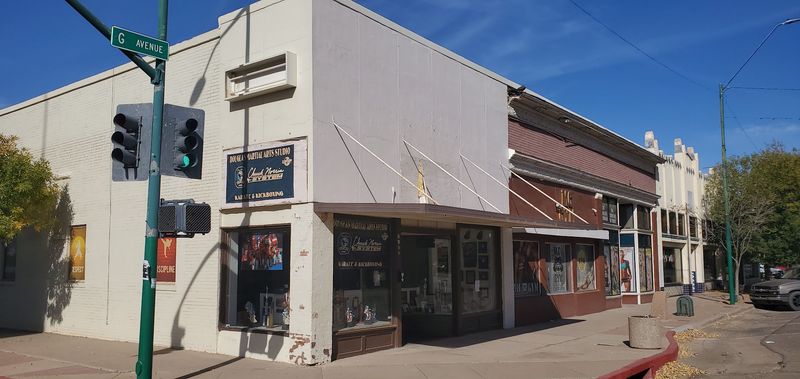
Douglas sits right at the border with Agua Prieta, Mexico, and that proximity has shaped the town into something genuinely unique. The cultural blend here is not a tourist attraction, it is simply everyday life, woven into the food, the music, the architecture, and the people.
Spanish is spoken as freely as English, and many residents move fluidly between both languages and both sides of the border for work, family, and shopping. Local restaurants serve authentic Sonoran-style Mexican food that you simply cannot find in chain restaurants anywhere else.
Festivals, traditions, and community events reflect both American and Mexican influences, creating a rich cultural tapestry that feels warm and welcoming to newcomers. Living in Douglas means experiencing a bicultural lifestyle that broadens your perspective every single day.
Few small towns in America can offer that kind of genuine, lived-in cultural richness.
Wide Open Spaces And Stunning Desert Scenery
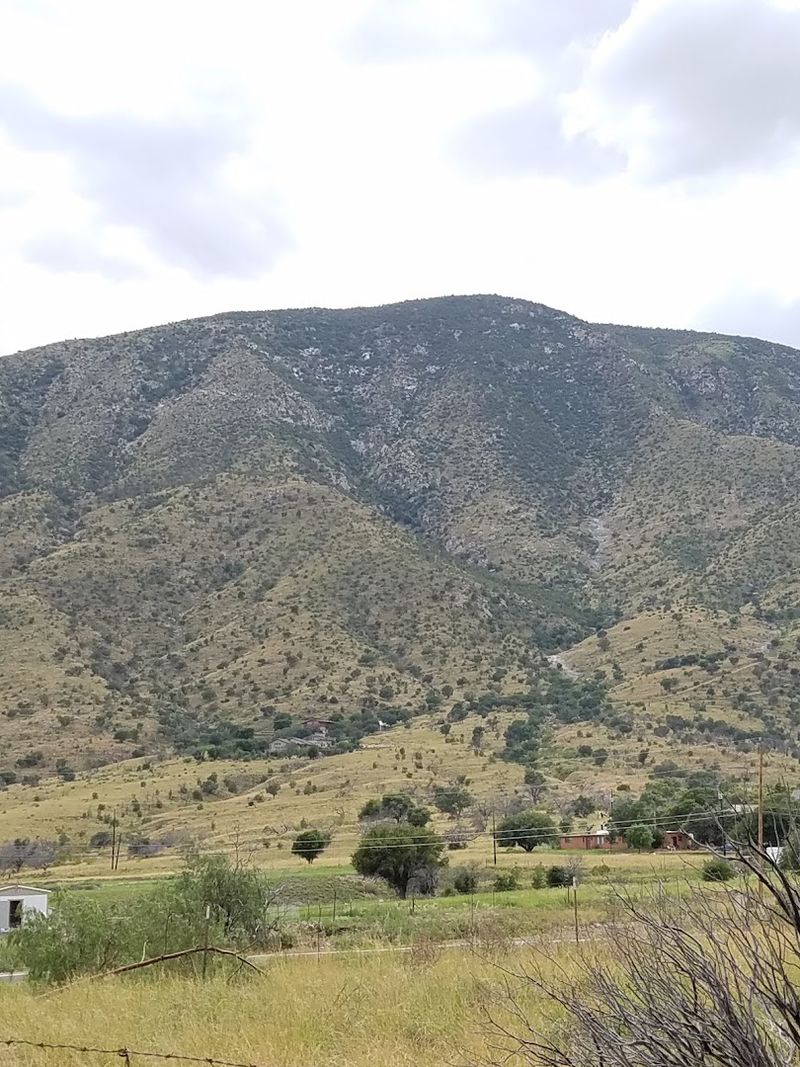
Picture waking up every morning to unobstructed views of sweeping grasslands and rugged mountain ranges stretching as far as the eye can see. That is just a regular Tuesday in Douglas.
The Sulphur Springs Valley surrounding the town is one of southeastern Arizona’s most breathtaking landscapes.
The Chiricahua Mountains to the northeast and the Mule Mountains to the northwest frame the valley in a way that feels almost cinematic. Hiking trails, open plains, and wide desert skies give outdoor lovers an endless playground right outside their front door.
Birdwatchers from across the country make special trips to this region because southeastern Arizona is considered one of the top birding destinations in North America. For anyone who finds peace in nature rather than noise, Douglas delivers scenery that city residents pay thousands of dollars in vacation costs just to visit briefly.
Low Cost Of Living Beyond Just Rent
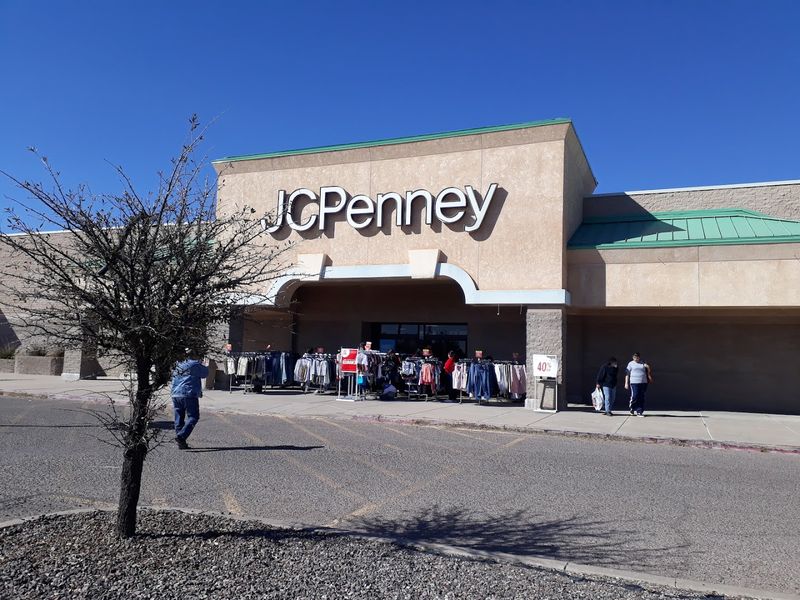
Rent is just one piece of the affordability puzzle in Douglas, and the rest of the picture looks just as appealing. Groceries, utilities, gas, and everyday goods tend to cost noticeably less here than in larger Arizona cities like Tucson or Phoenix.
Many residents also take advantage of cross-border shopping in Agua Prieta, where certain goods and services can be even more budget-friendly. Pharmacy costs, dental care, and some food items draw Douglas residents across the border regularly, stretching their dollars even further.
Property taxes in Cochise County are relatively low compared to other parts of the state, which benefits both homeowners and renters indirectly. When you add it all up, a household in Douglas can live comfortably on an income that would barely cover rent alone in a major metropolitan area.
That financial freedom changes daily life in meaningful ways.
The Historic Gadsden Hotel
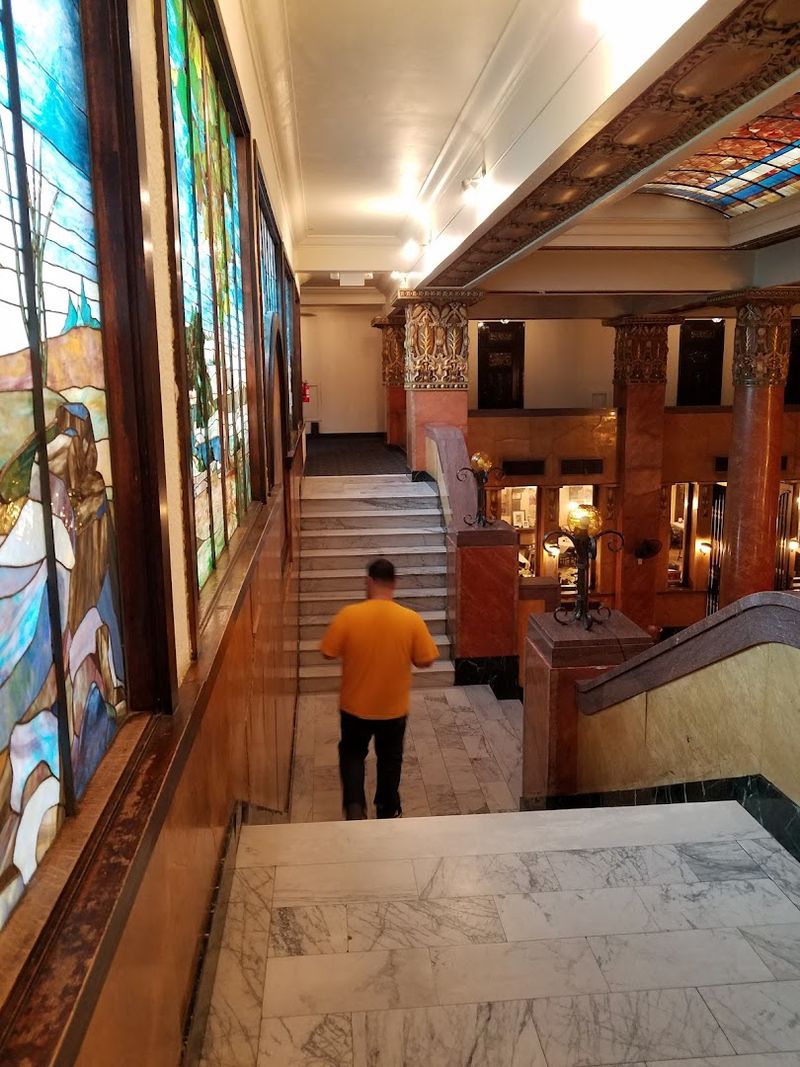
Built in 1907 and rebuilt after a fire in 1929, the Gadsden Hotel is one of the most stunning historic buildings in all of Arizona, and it sits right in the heart of Douglas. The lobby alone is worth the visit, featuring Italian white marble columns, a sweeping marble staircase, and a stunning stained glass skylight that floods the space with color.
Legend has it that Pancho Villa once rode his horse up those marble stairs during the Mexican Revolution, leaving a chip in the step that locals still point out today. The hotel has been designated a National Historic Landmark and continues to operate, offering guests a genuine step back in time.
For residents, the Gadsden is a source of local pride and a reminder that Douglas carries real historical weight. Staying or dining here feels less like a tourist experience and more like honoring a living piece of American history.
A Genuinely Slower, Simpler Daily Rhythm
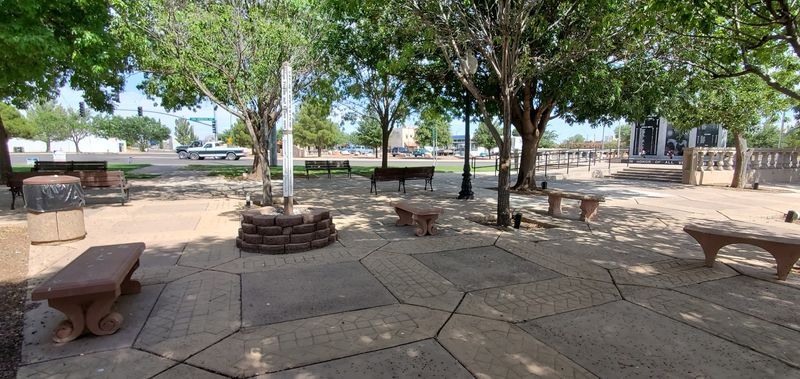
There is something almost countercultural about choosing slow. In Douglas, slow is not a choice you have to fight for, it is simply the natural rhythm of the place.
Traffic jams are nearly nonexistent, lines at local shops are short, and neighbors still wave from their porches.
Without the constant noise and urgency of a big city, daily life in Douglas takes on a more intentional quality. Mornings feel less rushed, evenings feel longer, and weekends actually feel like weekends.
People tend to know their neighbors here, which creates a sense of security and belonging that is increasingly rare.
Mental health researchers consistently link slower-paced environments with lower stress levels and better overall well-being. For families, retirees, or remote workers craving a life that feels human-sized again, Douglas offers exactly that.
Sometimes the best upgrade you can make is simply slowing everything down.
Rich Mining History That Shaped The Town
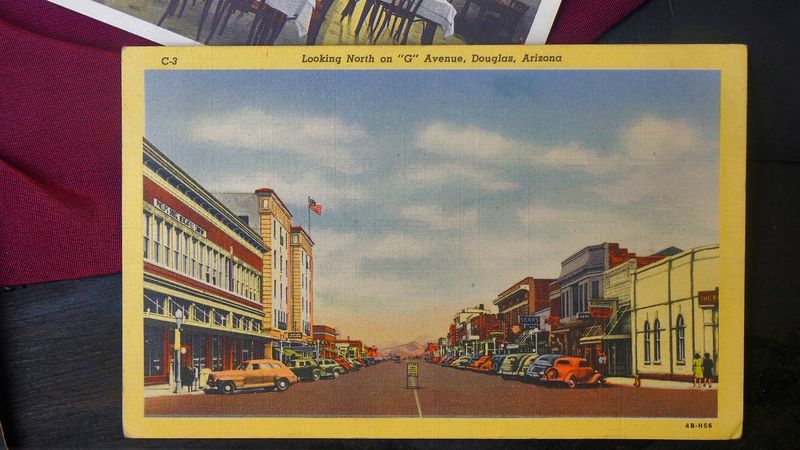
Douglas did not appear out of nowhere. It was born from copper.
Founded in 1901 as a smelter town to process ore from the nearby Bisbee mines, Douglas grew quickly into a bustling industrial hub that played a significant role in Arizona’s territorial economy.
The Phelps Dodge Corporation, one of the largest copper mining companies in American history, operated a massive smelter here for decades. At its peak, the Douglas smelter was one of the largest in the world, and the town swelled with workers, businesses, and ambition.
That industrial heritage left behind a fascinating layer of history visible in the town’s architecture, its street grid, and its community identity. History buffs will find plenty to explore, from old photographs at the Douglas Historical Society to the physical remnants of an era when this small border town was a genuine economic powerhouse.
It is a past worth knowing.
World-Class Birding Right At Your Doorstep
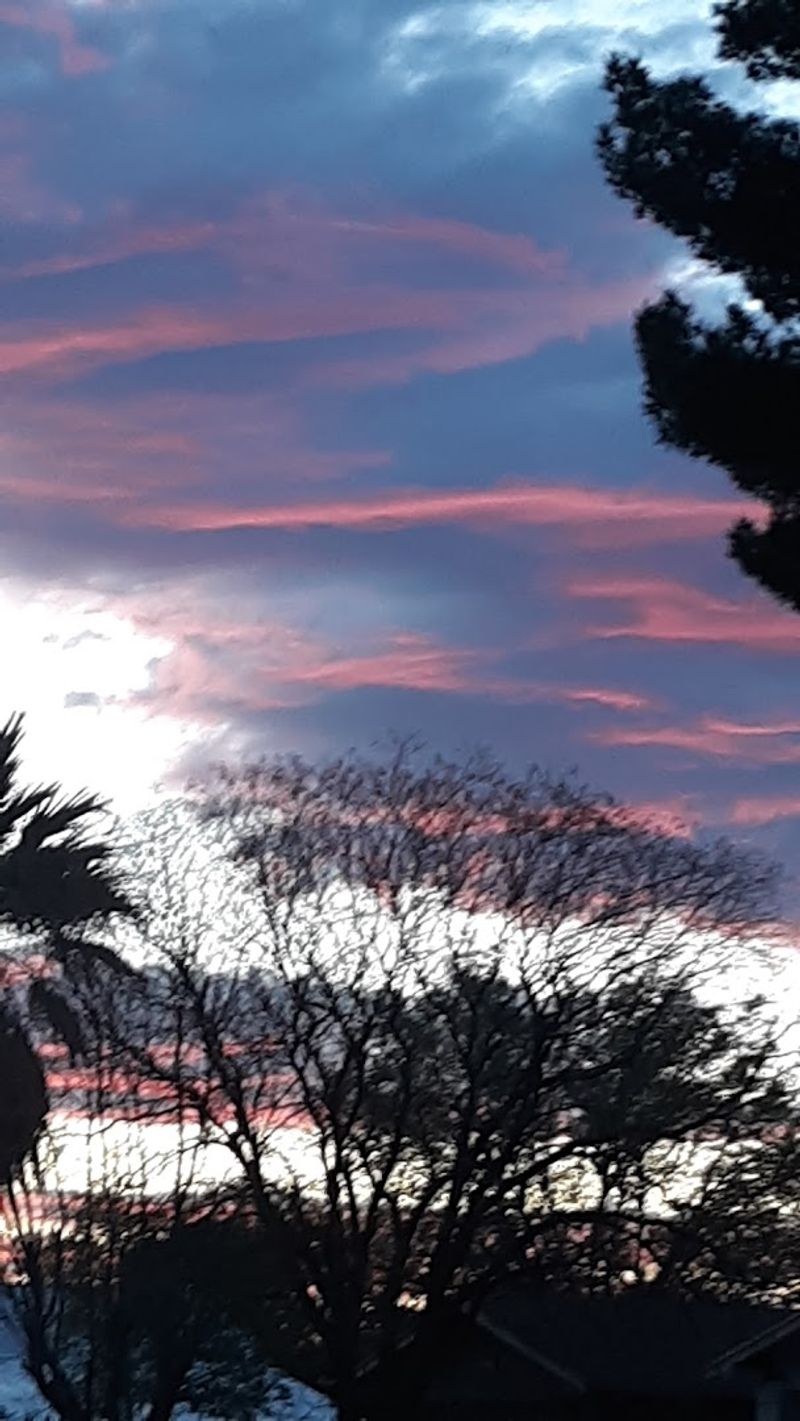
Birders travel from across the globe to southeastern Arizona, and Douglas sits at the center of one of the most species-rich birding corridors in North America. The nearby Chiricahua Mountains and San Bernardino National Wildlife Refuge attract rare and exotic species that simply do not appear anywhere else in the United States.
Elegant trogons, thick-billed kingbirds, and various hummingbird species draw serious birders who treat a sighting here like a major event. The region sits along a migratory flyway where Mexican and American bird populations overlap, creating extraordinary diversity.
For residents, this means world-class wildlife watching is not a weekend trip but a backyard reality. You do not need expensive equipment or guided tours to enjoy it, just patience and a decent pair of binoculars.
Douglas genuinely earns its reputation as a birding paradise, and that natural richness adds immeasurable quality to everyday life here.
A Strong And Welcoming Community Spirit
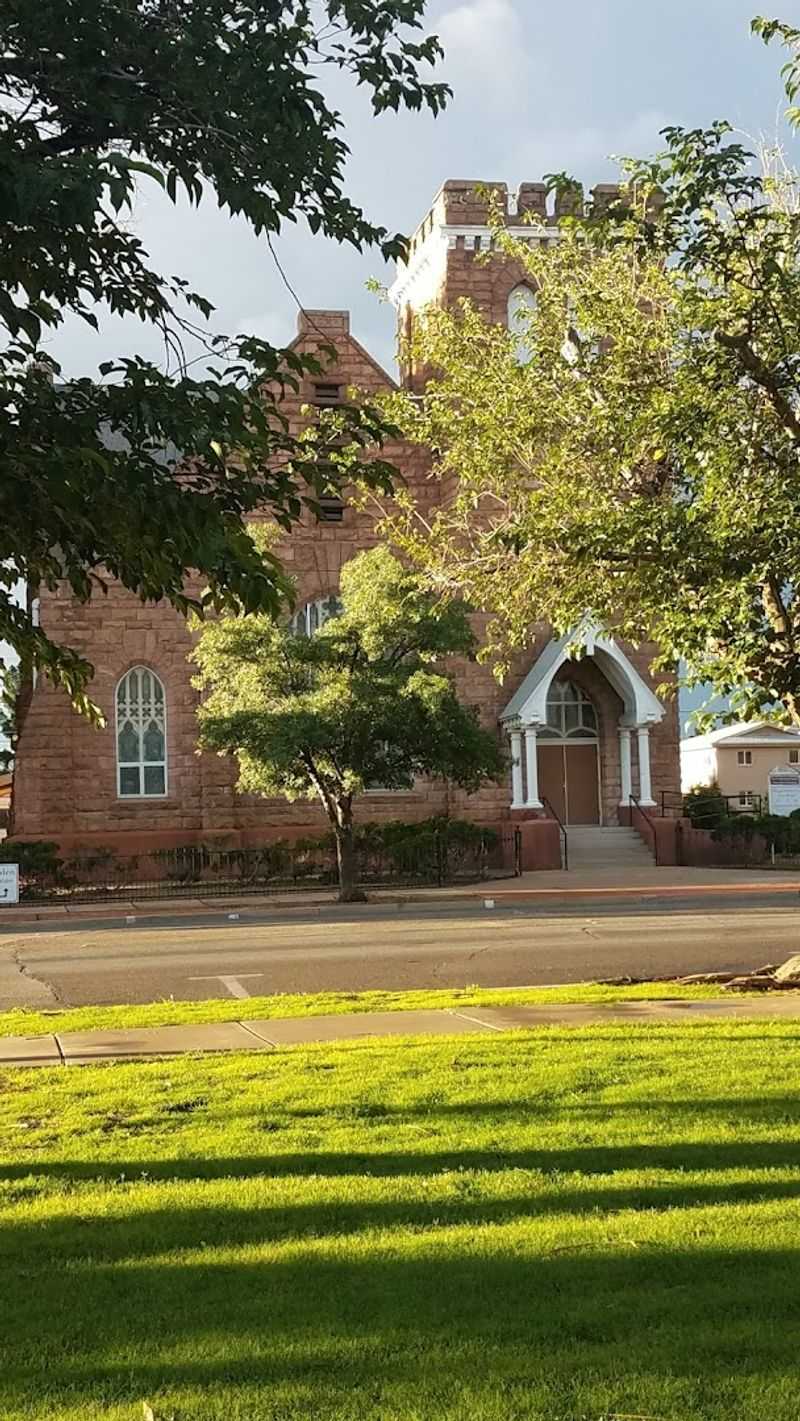
Ask anyone who has moved to Douglas from a larger city, and they will likely tell you the same thing: the people here made all the difference. There is a warmth in small border towns that is hard to manufacture and impossible to fake.
Neighbors show up for each other in Douglas.
Community events, local fundraisers, school activities, and cultural celebrations bring residents together throughout the year. The town has a strong sense of shared identity, shaped by its bicultural heritage, its working-class roots, and its pride in persisting through economic challenges.
New residents are generally welcomed rather than ignored, especially those who make an effort to engage with the community. Whether you join a local church, volunteer at a school, or just show up regularly at the same coffee shop, connections form naturally and quickly.
That kind of belonging is something money cannot buy, but Douglas offers it freely.
Proximity To Bisbee And Tombstone
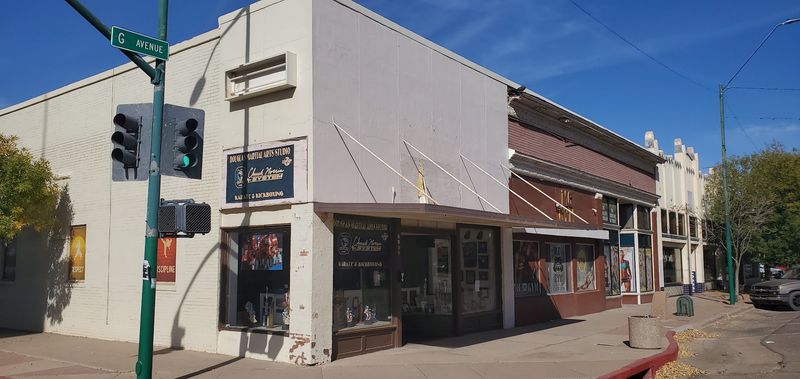
Living in Douglas does not mean being isolated from interesting places. Within an hour’s drive, residents have access to some of the most historically fascinating and visually striking towns in the entire American Southwest.
Bisbee, just 25 miles to the northwest, is a former copper mining town turned artsy enclave perched in the Mule Mountains. Its colorful Victorian buildings, independent galleries, and eclectic restaurants make it a favorite weekend destination.
Tombstone, famous for the Gunfight at the O.K. Corral, is roughly 30 miles away and draws history enthusiasts year-round.
Tucson, a full-sized city with major hospitals, universities, shopping, and airports, is about two hours north. Having that urban access while living in a small, affordable town is genuinely the best of both worlds.
Douglas residents enjoy the quiet of small-town life without ever feeling cut off from the broader world around them.
Affordable Homeownership Is Still Possible Here
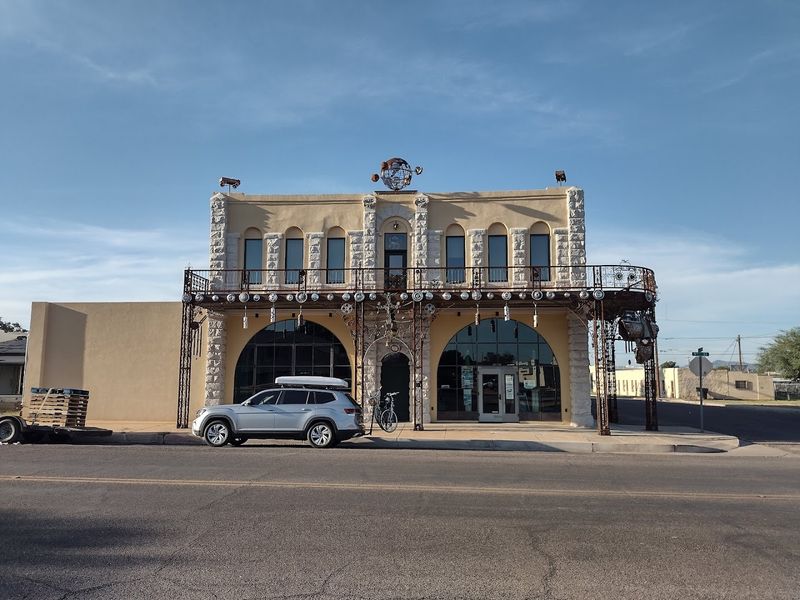
Homeownership has become a distant dream for millions of Americans priced out of overheated real estate markets. Douglas is one of the few places left where that dream still feels reachable.
Median home prices in Douglas are significantly below state and national averages, with many properties available well under $150,000.
For first-time buyers, that affordability changes everything. A modest down payment and a reasonable mortgage can put you in a real house with a yard, something that costs ten times more in cities like Scottsdale or Denver.
Fixer-uppers with genuine character and good bones appear on the market regularly for under $100,000.
Real estate investors have also started taking notice, though the market remains far less competitive than in larger Arizona cities. Whether you are buying your first home or looking for a rental property, Douglas offers entry points that have essentially vanished elsewhere in the country.
That window may not stay open forever.
Mild Weather And Sunshine Year-Round
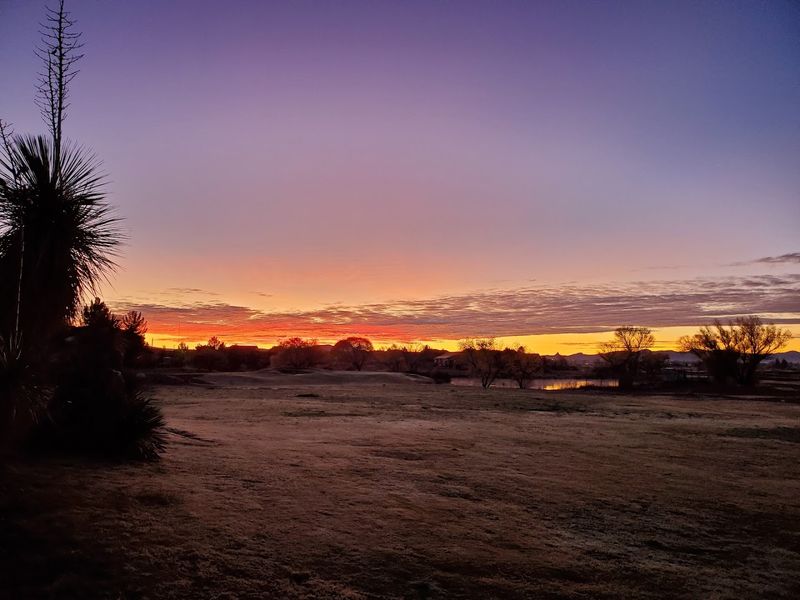
At an elevation of around 4,000 feet, Douglas enjoys a climate that surprises most newcomers expecting brutal desert heat. Summers are warm but rarely the scorching triple-digit temperatures that punish lower-elevation Arizona cities.
Afternoon monsoon rains in July and August bring dramatic skies and welcome relief.
Winters are mild by most standards, with daytime temperatures often reaching the 60s and snowfall being a rare novelty rather than a seasonal burden. Spring and fall are genuinely lovely, with crisp mornings, comfortable afternoons, and spectacular sunsets that paint the valley in deep oranges and purples.
For people who love sunshine without the extreme heat, Douglas hits a sweet spot that many Arizona residents actively seek out. Outdoor activities remain enjoyable for most of the year, which means the natural beauty surrounding the town is not just a fair-weather privilege.
Good weather here is practically a year-round resident too.
Remote Work Friendly With A Meaningful Backdrop
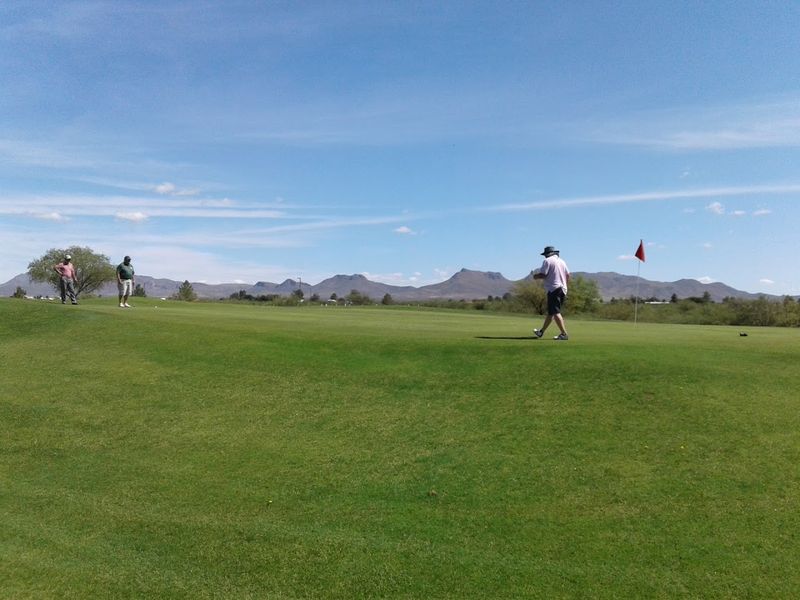
Remote work changed the geography of possibility for millions of people, and Douglas is quietly becoming a smart choice for location-independent workers. Reliable internet access is available throughout the town, and the dramatically lower cost of living means remote workers can save a substantial portion of their income simply by relocating here.
Imagine doing the same job you do now but paying $650 a month for a comfortable home instead of $2,000. That difference compounds fast, turning into emergency funds, early retirement contributions, or the freedom to work fewer hours.
Life in Douglas gives remote workers something many co-working spaces charge premium prices to simulate: genuine peace and focus.
The surrounding landscape, the slower pace, and the cultural richness provide a meaningful backdrop that makes work feel less like a grind and more like part of a fuller life. Douglas rewards those willing to look beyond the obvious choices.
Enjoyed this story?
Add Fast Food Club as a preferred source to see more of our reporting on Google.