


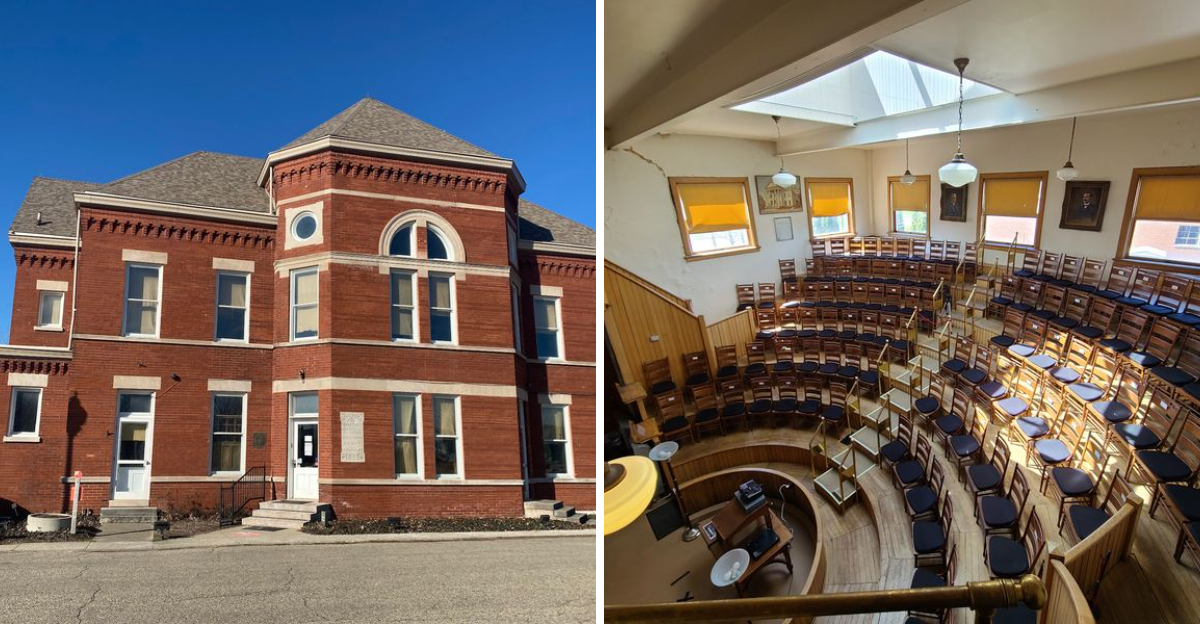
Tucked away in Indianapolis, the Indiana Medical History Museum is one of those rare places that stops you in your tracks and makes you say, “I had no idea this existed.” Housed inside a beautifully preserved 1890s pathology building, this small but mighty museum gives visitors a front-row look at how medicine and mental health treatment evolved over a century ago. From brain specimens in jars to a fully intact operating theater, every corner holds something that will leave you wide-eyed.
Whether you are a history lover, a science nerd, or just someone looking for a truly one-of-a-kind adventure, this hidden gem in central Indiana is absolutely worth your time.
The Historic 1890s Old Pathology Building
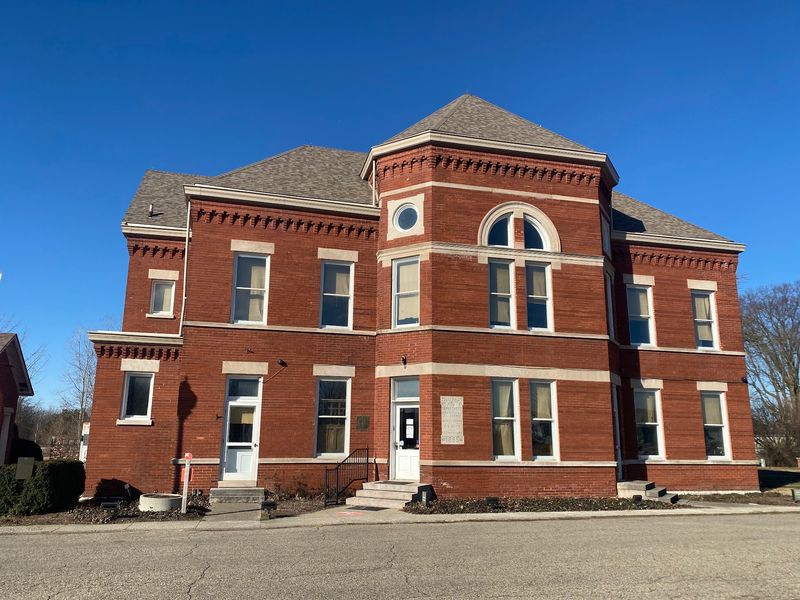
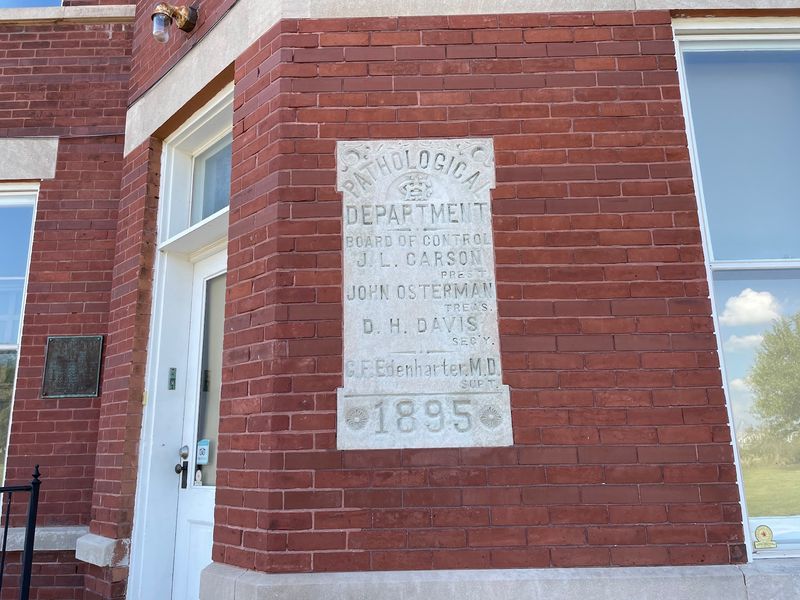
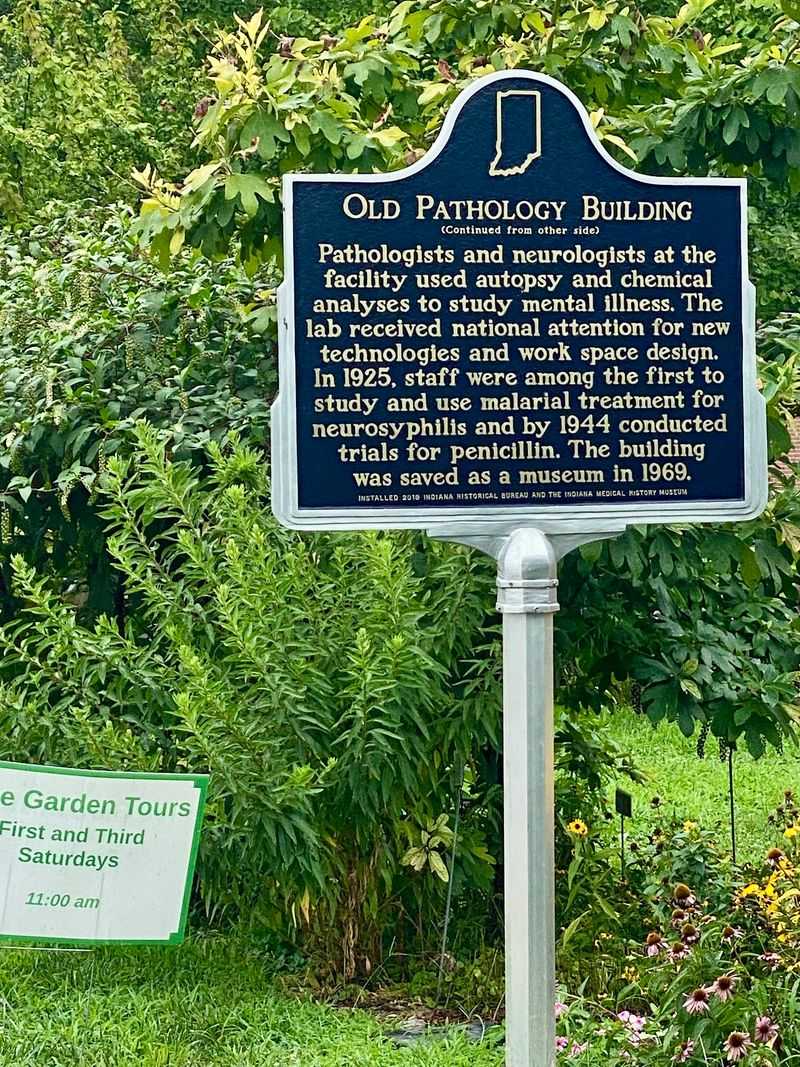
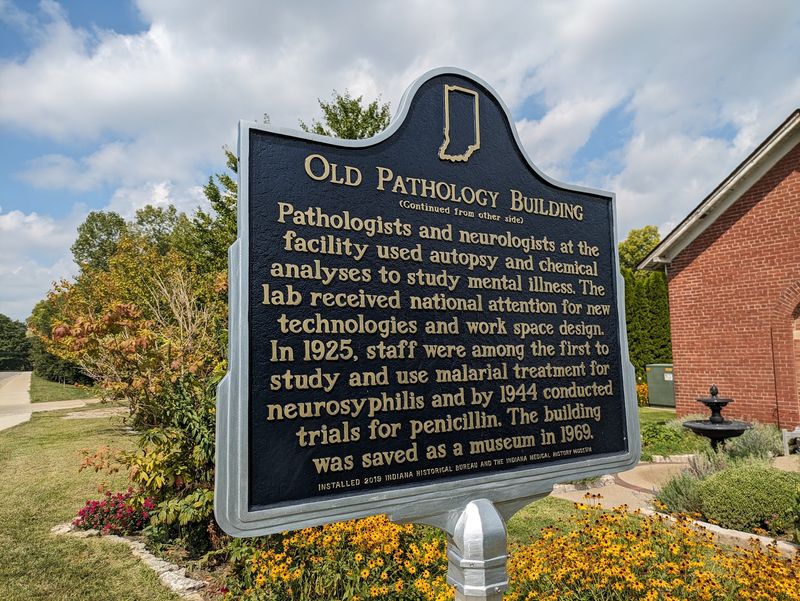
Some buildings just have a story written into their walls, and the Old Pathology Building at the Indiana Medical History Museum is exactly that kind of place. Built in the 1890s, this stunning structure served as a working pathology lab for Central State Hospital, and it has been preserved almost entirely in its original form.
Walking up to the building feels like stepping back in time. The Victorian-era brick exterior, detailed woodwork, and aged tile work inside speak to an era when craftsmanship was taken seriously.
Visitors consistently mention being blown away before they even step through the front door.
The building itself is a registered historic landmark, which means everything you see is as close to original as possible. No reconstructions, no replicas.
What stands today is the real deal, making every visit feel genuinely authentic and deeply connected to Indiana history.
Guided Tours That Bring History to Life
Forget wandering around with a map and no context. At the Indiana Medical History Museum, every visit is led by a guided tour, and that makes all the difference.
Visitors rave about how knowledgeable and enthusiastic the guides are, turning what could be a confusing collection of old stuff into a genuinely gripping story.
Tour guides here answer questions with patience and real excitement, making the experience feel personal rather than scripted. Even visitors with zero background in medicine or science walk away feeling like they learned something meaningful and memorable.
Tours run about one hour and cover multiple rooms both upstairs and downstairs. Because the building and its contents are largely original, guides are essential for providing the context that makes everything click.
Book your spot in advance since tour groups are kept intentionally small to preserve the space and the experience.
Brain Specimens With Real Human Stories
Here is something you will not find at your average museum: rows of preserved human brain specimens, each one accompanied by the personal story of the patient it came from. Visitors learn about the symptoms each person experienced, how they were admitted to Central State Hospital, and what doctors discovered during examination.
It is intense, yes. But it is also deeply humanizing.
Rather than feeling like a science exhibit, the brain collection feels like a tribute to real people whose lives and conditions helped advance medical understanding for future generations.
Photography is allowed, so many visitors spend extra time reading the accompanying histories and capturing the details. Several reviewers mentioned wishing they had more time in this room alone.
If you have any interest in neurology, psychology, or just the remarkable complexity of the human brain, this section of the museum will genuinely fascinate you.
The Autopsy Room That Feels Frozen in Time
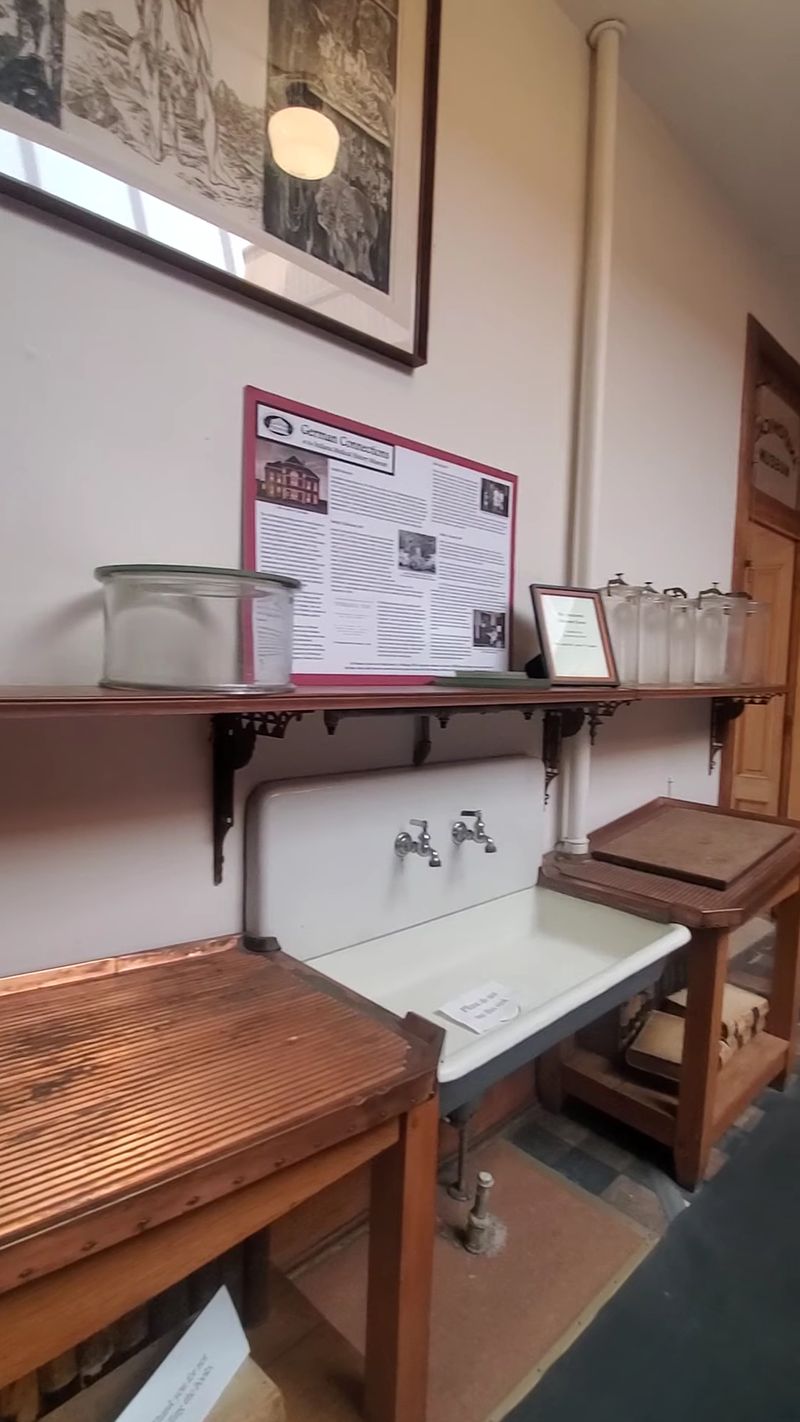
Stepping into the autopsy room at the Indiana Medical History Museum is one of those moments where you genuinely feel the weight of history. The original autopsy table is still there, surrounded by period tools and fixtures that have not been replaced or modernized.
It is eerie, fascinating, and completely unforgettable.
Visitors who have a background in medicine, like trauma nurses or doctors, often describe this room as the highlight of the entire tour. The layout and equipment reflect how autopsies were actually performed in the late 1800s, giving a clear picture of how far forensic medicine has come since then.
Tour guides explain the procedures that took place here and the role they played in advancing medical knowledge at Central State Hospital. Many of the techniques developed in this very room, though primitive by today’s standards, laid important groundwork for modern pathology practices used around the world today.
The Teaching Theater That Looks Straight Out of a Classic Horror Film
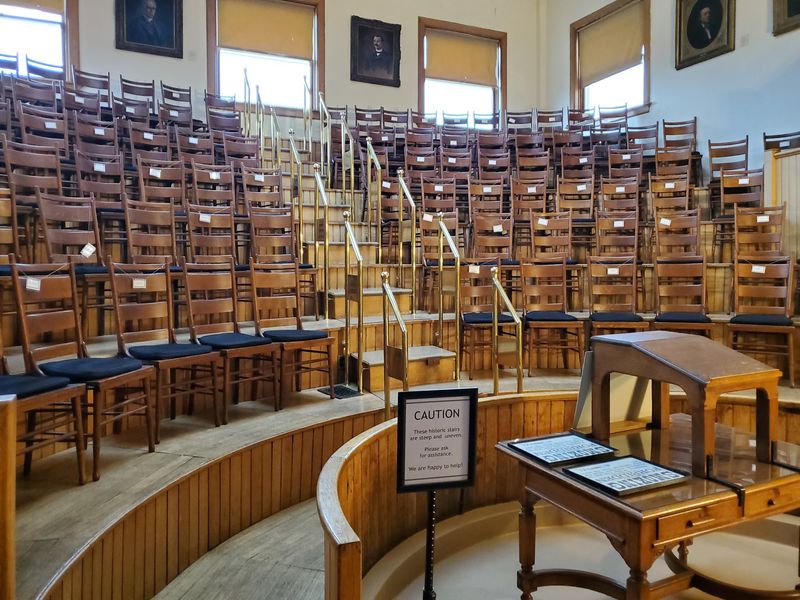
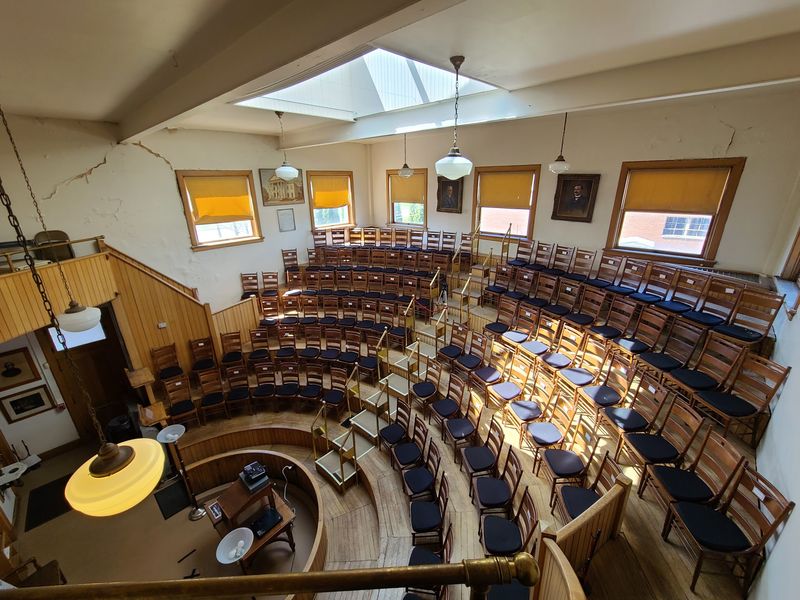
One visitor described it best when they compared the teaching theater to something straight out of a Sammy Terry horror show. The circular, tiered seating surrounds a central examination area, and the whole setup is so well preserved that it genuinely looks like class could start at any moment if you squinted hard enough.
Back in the hospital’s active years, this theater was used to train medical students and staff by demonstrating procedures and discussing cases in real time. It was a practical, hands-on approach to education that was considered quite advanced for the era.
Sitting in those original wooden seats during the tour gives visitors a tangible sense of what early medical education actually looked like. It is atmospheric, a little spooky, and completely unlike anything you would find in a modern museum.
Honestly, it might be the single most memorable room in the entire building.
Antique Medical Instruments and Equipment on Display
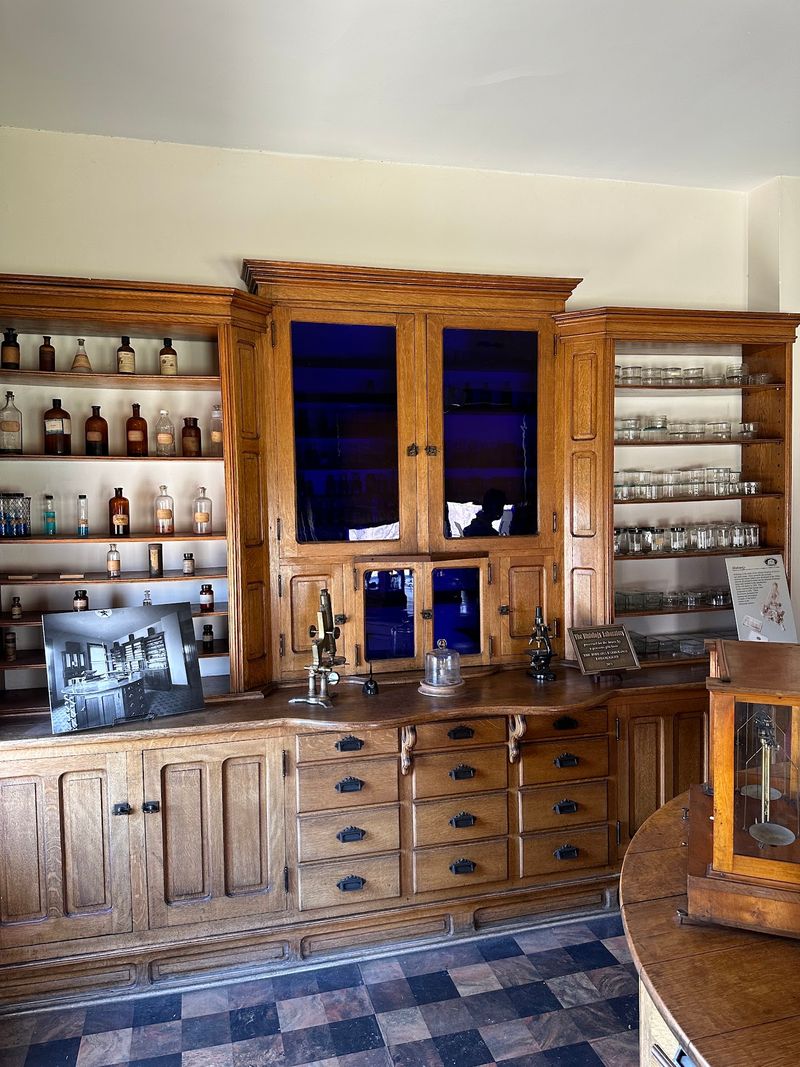
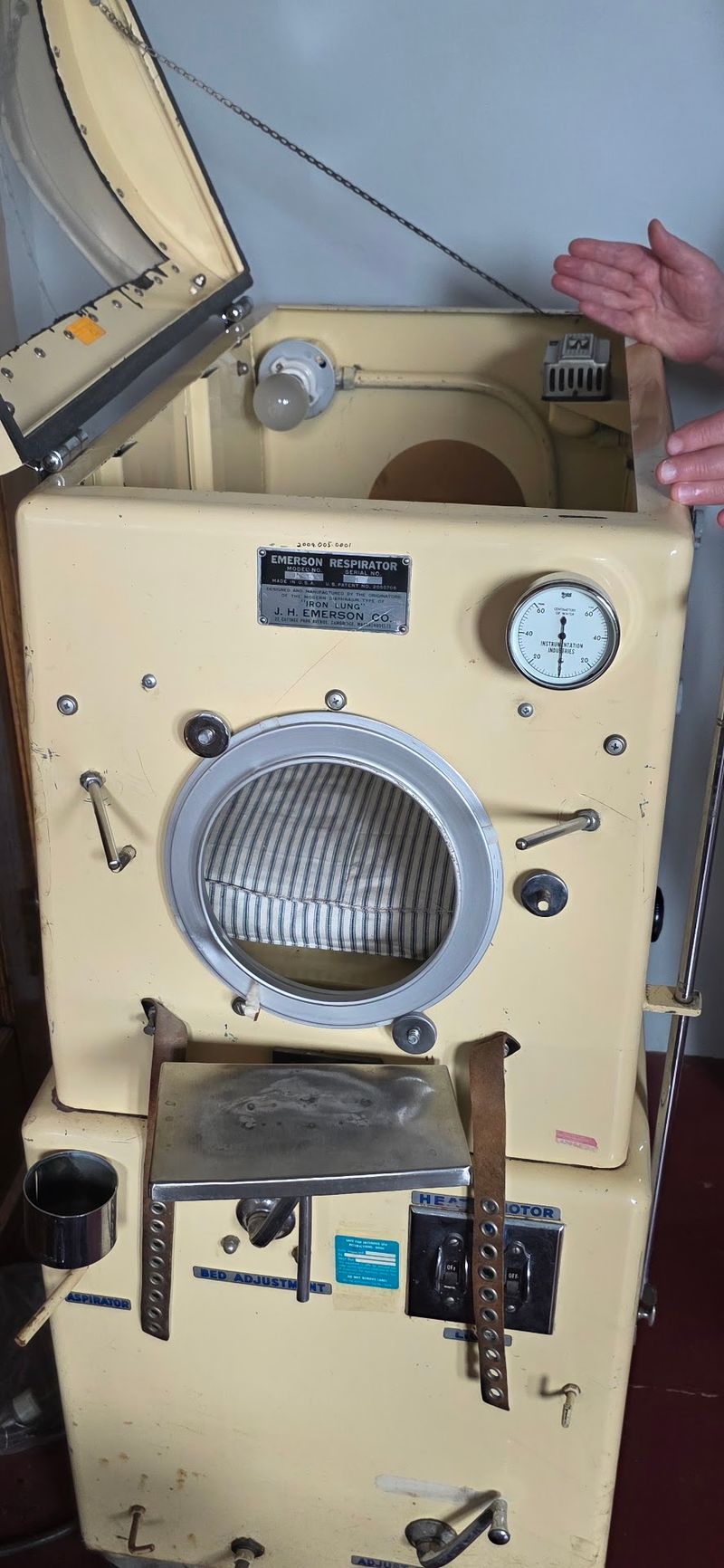
Long before disposable syringes and digital diagnostics, doctors relied on a collection of handcrafted tools that look almost unrecognizable today. The Indiana Medical History Museum has an impressive array of original medical instruments on display, many of them dating back to the earliest days of Central State Hospital’s operation.
Surgical tools, early chemical equipment, diagnostic devices, and pharmaceutical containers line the original wood and tile cabinets throughout the building. The cabinetry itself is a work of art, and guides often point out how the functional design of the storage spaces was as deliberate as the instruments inside them.
What makes this display especially powerful is that many of these tools were actually used on real patients in this very building. They are not reproductions sourced from a catalog.
Seeing them up close, you start to appreciate both how resourceful early doctors were and how dramatically medicine has transformed over the past 130 years.
Original Books and Research Archives
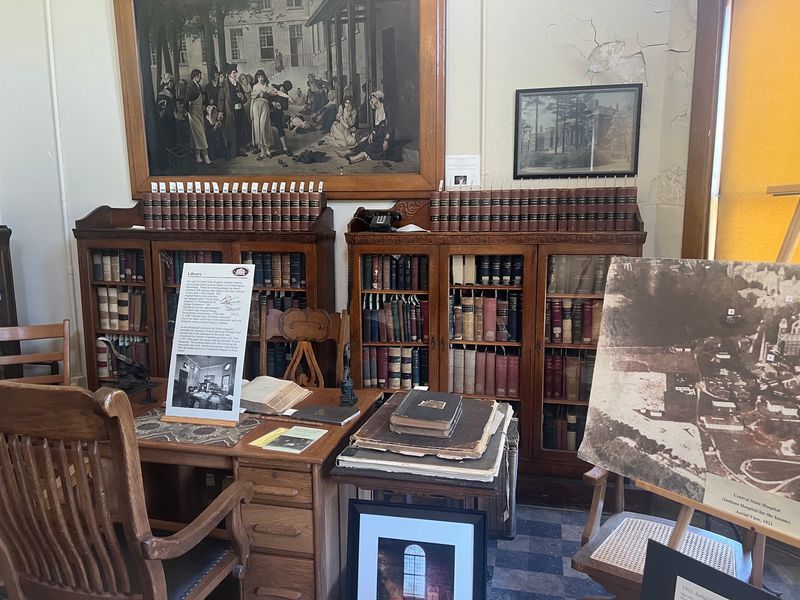
For anyone who loves getting lost in old documents, the original books and research archives at the Indiana Medical History Museum are a treasure worth savoring. Leather-bound volumes, handwritten case notes, and early medical research journals line the shelves throughout the building, offering a direct window into how doctors thought and worked in the 1800s.
One reviewer joked that their spouse, a trauma nurse, could have spent ten to twenty more hours in the museum if they were allowed to read every book on display. The depth of material here is genuinely remarkable for a building of this size.
Visitors are encouraged to look but not touch the original materials, which is understandable given their age and fragility. Tour guides do a wonderful job of highlighting key texts and explaining their significance during the tour, so even non-readers walk away with a solid sense of what these archives reveal about early American medical history.
The Medicinal Herb Garden Outside
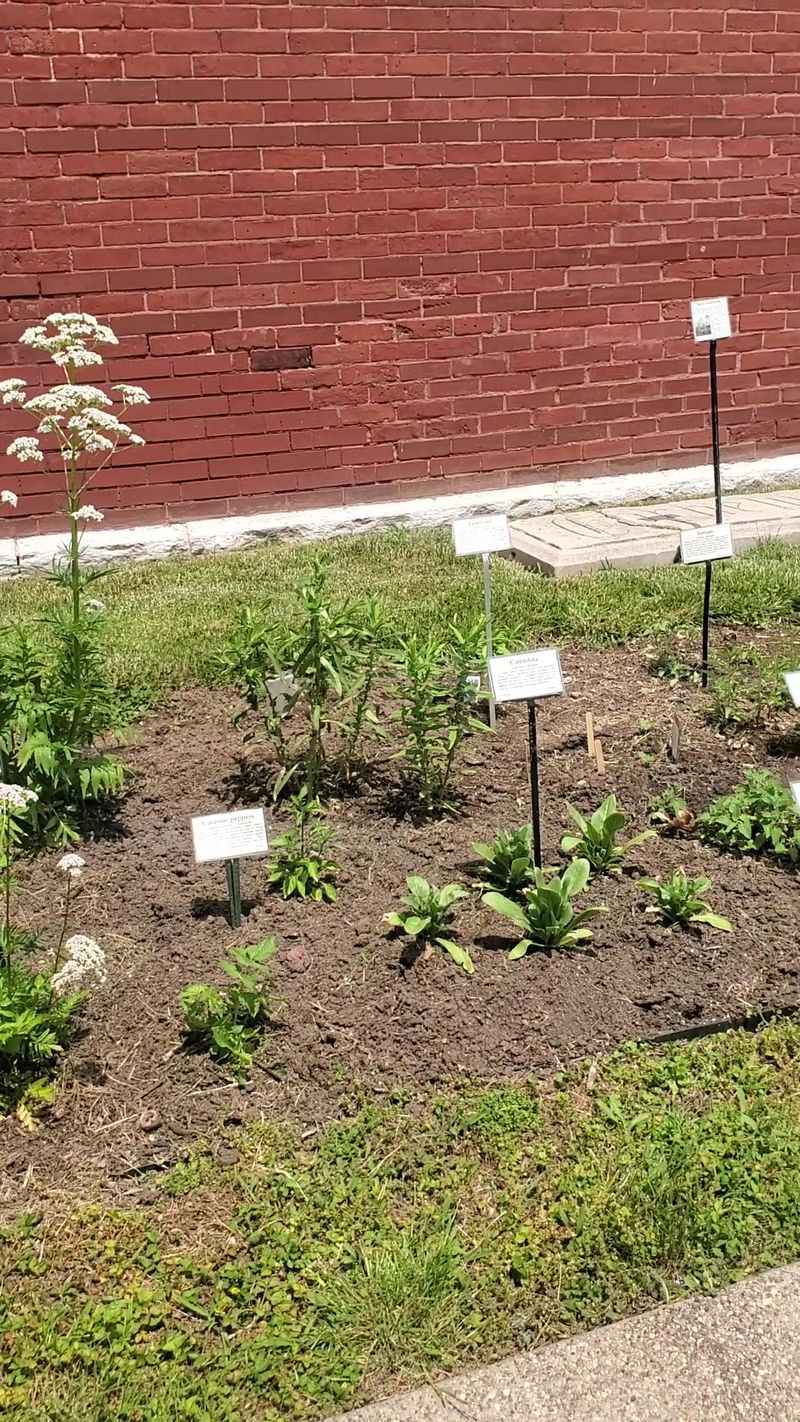
Not everything fascinating about the Indiana Medical History Museum is tucked inside the building. Just outside, a beautifully kept medicinal herb garden offers a completely different kind of educational experience, one that is peaceful, fragrant, and surprisingly detailed.
The garden is organized into sections based on the body systems the plants were historically used to treat. One area focuses on respiratory health, another on cardiovascular support, and so on.
Each plant comes with a small sign explaining its traditional medicinal use, making it easy to browse at your own pace without a guide.
Several visitors have mentioned spending 45 minutes or more exploring the garden before or after their indoor tour. One reviewer even said it sparked ideas for their own home garden.
Whether you are into herbal medicine, botany, or just enjoy being outside in a thoughtfully curated green space, this garden is a wonderful bonus that many visitors do not expect to love as much as they do.
The Fascinating History of Syphilis Research at Central State Hospital
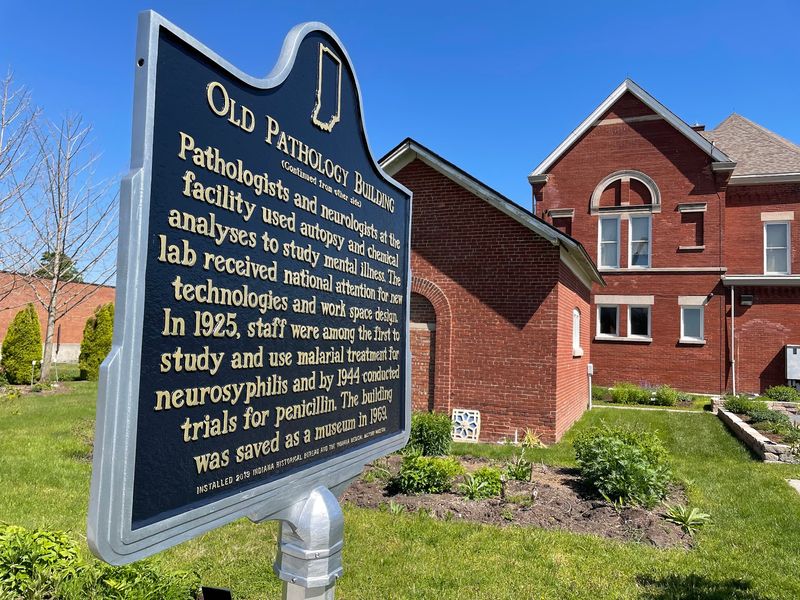
One of the more sobering and eye-opening sections of the museum covers the extensive syphilis research conducted at Central State Hospital. At a time when the disease was devastating communities and poorly understood, doctors here were doing serious, methodical work to document its progression and effects on the human body.
Archival photographs, case records, and research materials from that era are preserved and displayed in a way that is respectful yet unflinching. A longtime visitor who had access to the original research photo collection described the experience as sobering but incredibly illuminating, showing just how destructive the disease could be and still is today.
This part of the museum connects medical history to broader social history in a way that feels relevant and important. Understanding how past researchers approached infectious disease helps put modern public health efforts in perspective.
It is a challenging section to absorb, but absolutely one of the most educational parts of the entire visit.
Advance Ticket Booking and Tour Logistics
Planning a visit to the Indiana Medical History Museum requires a little extra preparation, and knowing that ahead of time will save you a lot of frustration. All tours are guided, and all tours must be booked in advance.
Walk-ins are not accommodated, and several reviewers mentioned seeing other visitors turned away at the door because they did not know this ahead of time.
Tickets open up on the first of each month for that month only, so keeping an eye on availability is key if you have a specific date in mind. Tour groups are intentionally kept small to protect the building and give everyone a quality experience.
The museum is open Wednesday through Saturday from 10 AM to 4 PM, and tours run on the hour. Arriving right at your tour time is recommended since visitors are typically not admitted early.
Call ahead at 317-635-7329 or visit imhm.org to secure your spot before the slots fill up.
Accessibility and Visitor Considerations
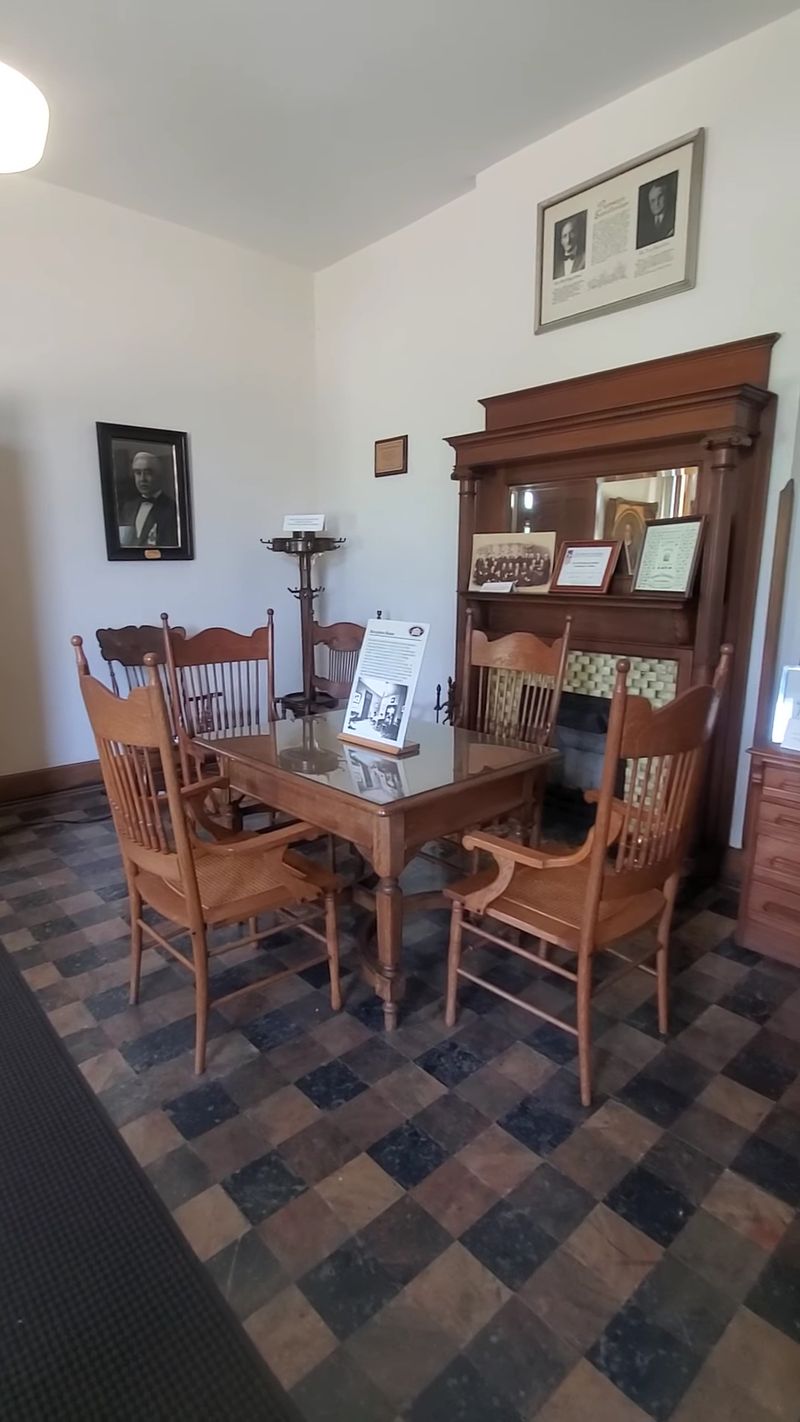
Before you head out, there are a few practical things worth knowing about visiting the Indiana Medical History Museum. The building is almost entirely original, which means it has not been retrofitted with modern accessibility features.
There is a main staircase with at least one sharp turn, making it difficult or unsafe for visitors with significant mobility challenges.
The museum is also not recommended for very young children, though one reviewer did bring a 4 and 7 year old who managed the hour-long tour reasonably well. The content can be intense, particularly the specimen rooms, so use your best judgment based on your family’s comfort level.
Parking is available on-site, and the location is just a few minutes from downtown Indianapolis. Photography is welcome throughout the museum, but video and audio recording are not permitted.
Keep these details in mind as you plan, and you will be set up for a smooth and enjoyable visit from start to finish.
What Makes This Museum a True Hidden Gem
Ask anyone who lives in Indianapolis about the Indiana Medical History Museum and there is a decent chance they have never heard of it. Multiple reviewers noted that even longtime local residents had no idea the place existed, which makes discovering it feel like stumbling onto a secret the city has been keeping to itself.
That sense of surprise and delight is part of what makes the experience so special. There is no flashy signage or heavy marketing.
What you get instead is a genuinely preserved piece of history that rewards curious visitors who seek it out.
Rated 4.7 stars across hundreds of reviews, the museum consistently earns praise for its knowledgeable guides, authentic artifacts, and the sheer uniqueness of the experience. People who visit on a whim often describe it as the best unexpected discovery of their trip to Indiana.
That kind of word-of-mouth reputation is earned, not manufactured, and it says everything.
Why You Should Make the Trip to Indianapolis for This Museum
Some places are worth a detour, and the Indiana Medical History Museum is absolutely one of them. Visitors have driven over two hours specifically to see it, and the overwhelming majority say it was completely worth every mile.
That kind of loyalty from visitors speaks loudly about the quality of the experience waiting inside.
Whether you are passing through Indianapolis on a road trip, planning a day trip from a nearby city, or just looking for something genuinely different to do on a weekend, this museum delivers in a way that few attractions can match. One reviewer called it the only landmark they visited on an entire road trip through Indy, and they had zero regrets.
With free parking, affordable admission, a medicinal garden, and one of the most authentically preserved historic buildings in the state, the value here is extraordinary. Plan your visit at imhm.org and give yourself something truly unforgettable to talk about long after you get back home.
Enjoyed this story?
Add Fast Food Club as a preferred source to see more of our reporting on Google.