


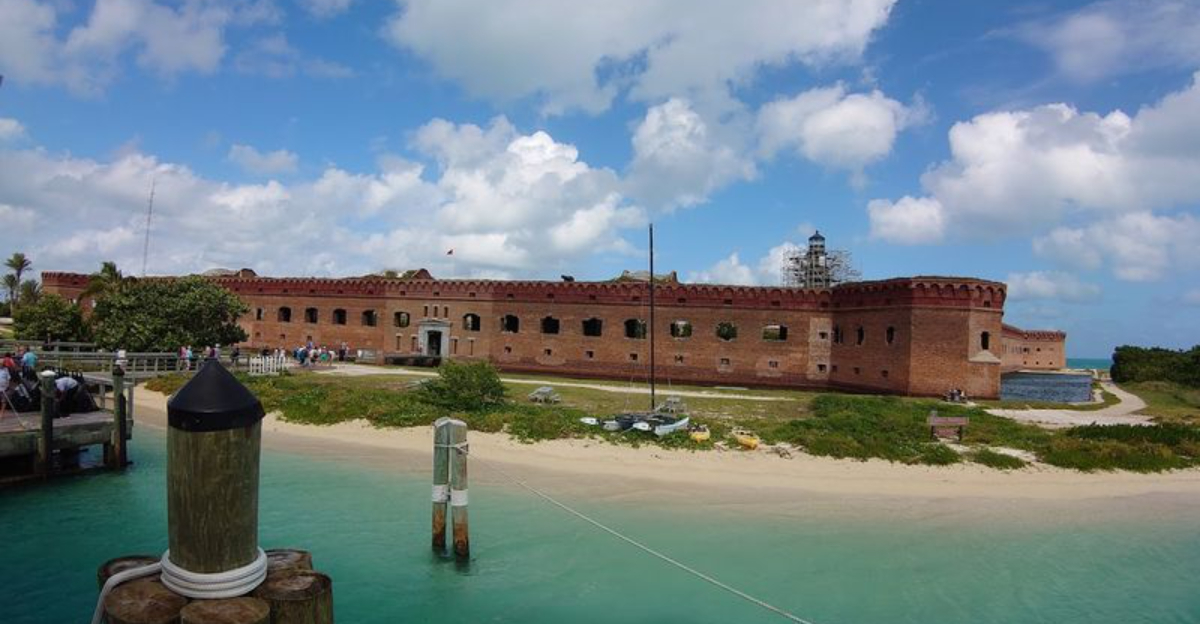
Sitting alone in the middle of the Gulf of Mexico, Fort Jefferson is one of the most jaw-dropping places you can visit in all of Florida. Built between 1846 and 1875, this massive Civil War-era fort stands on a tiny island about 70 miles west of Key West, surrounded by crystal-clear turquoise water.
Getting there is half the adventure, and once you arrive, the history, scenery, and marine life will leave you completely speechless. Whether you love history, snorkeling, or just incredible views, Fort Jefferson delivers an experience unlike anything else.
The Ferry Ride Out to Dry Tortugas
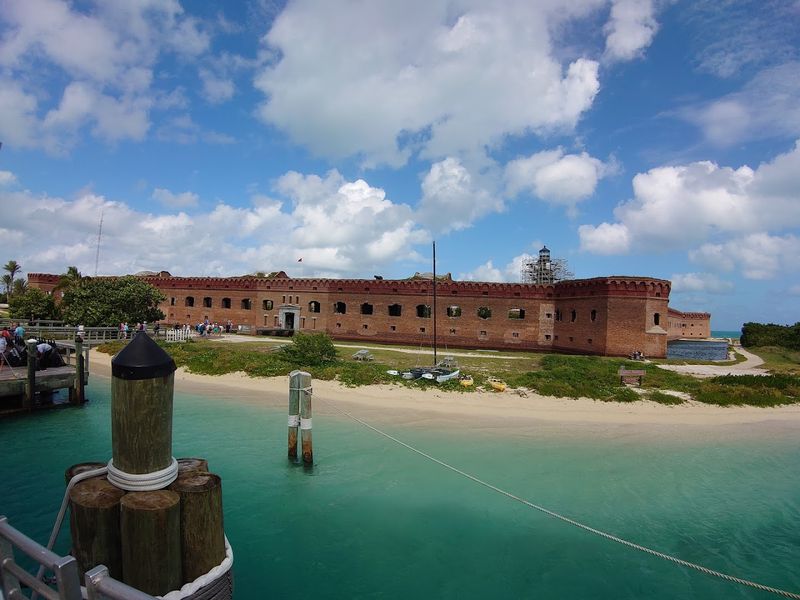
Buckle up, because the journey to Fort Jefferson is an adventure all on its own. The Yankee Freedom Ferry departs from Key West and takes about two and a half hours each way across open ocean waters.
Some days the ride is smooth and breezy, while other days the waves can reach nearly eight feet high.
Dramamine is sold onboard, so if you get seasick easily, grab some before you board. The ferry includes a tasty bagel breakfast and Jersey Mike’s subs for lunch, all wrapped into your ticket price.
Cocktails and extra snacks are also available for purchase at very reasonable prices.
Many visitors say the boat ride itself is part of the magic. Watching Key West shrink behind you while the open sea stretches ahead builds serious excitement.
Families, couples, and solo travelers all agree: the trip is absolutely worth every wave.
Arriving by Seaplane for a Bird’s-Eye View
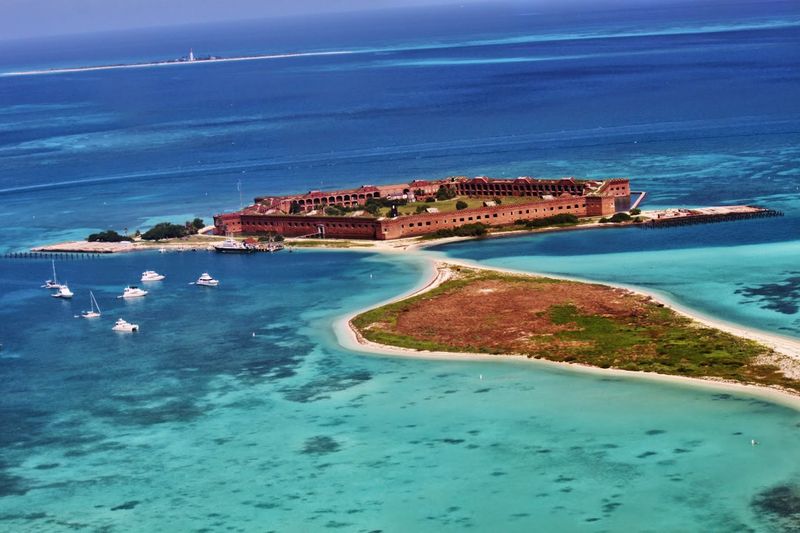
If you want to arrive in the most unforgettable way possible, skip the ferry and book a seaplane. Flying in low over the crystal-clear water gives you a perspective of Fort Jefferson that very few people ever get to experience.
From above, the fort looks like a massive brick hexagon floating in the middle of nowhere.
The seaplane option is faster and costs more, but many visitors say it was the best splurge of their entire vacation. One traveler snagged a last-minute seat and arrived just as the ferry was leaving, practically having the whole island to herself for hours.
Arriving early by seaplane means you can explore the fort in peaceful quiet before the ferry crowd shows up. Pro tip: book your seaplane seat well in advance during peak season, because those spots fill up fast.
The views alone make it completely worth it.
Walking the Massive Fort Walls
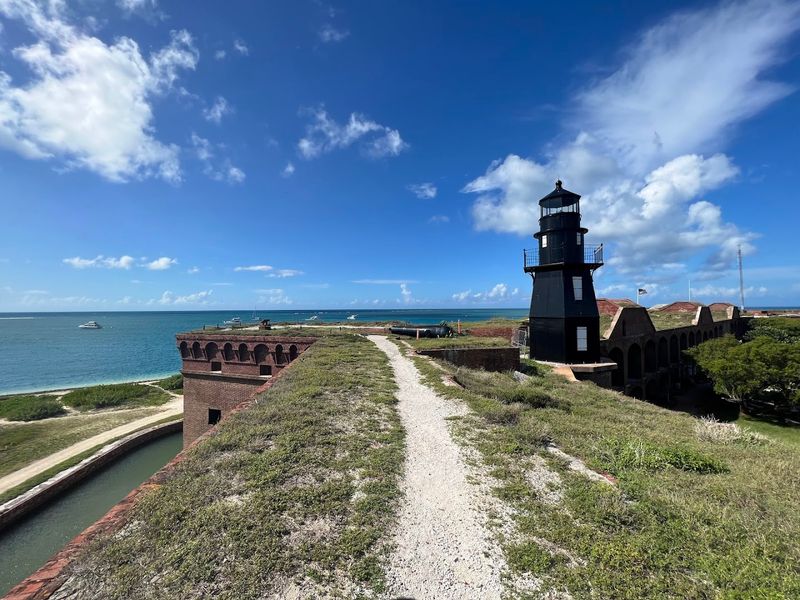
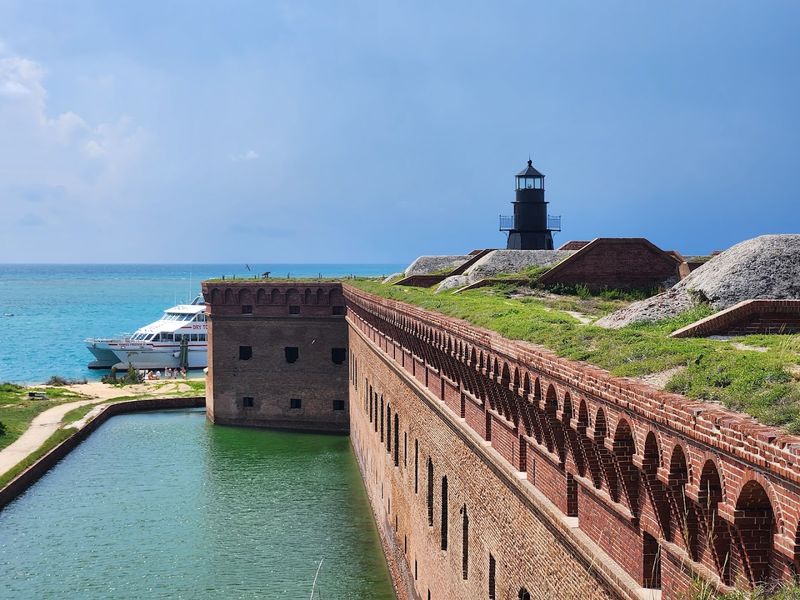
Standing on top of the fort walls at Fort Jefferson feels like stepping into another world entirely. The walls stretch for nearly half a mile around the entire structure, and walking them gives you sweeping 360-degree views of the Gulf of Mexico that are simply breathtaking.
On a clear day, the turquoise water seems to go on forever in every direction.
One thing worth knowing before you head up: there are no railings along the top of the walls. Parents should keep a close eye on young children, and anyone nervous about heights should take their time.
The brick surface can also get slippery, so wear good shoes.
Most visitors say the wall walk was their absolute favorite part of the entire trip. The combination of ocean breeze, open sky, and endless blue water creates a feeling that photographs can barely capture.
Go slow and soak every moment in.
Exploring the Fort’s Fascinating History
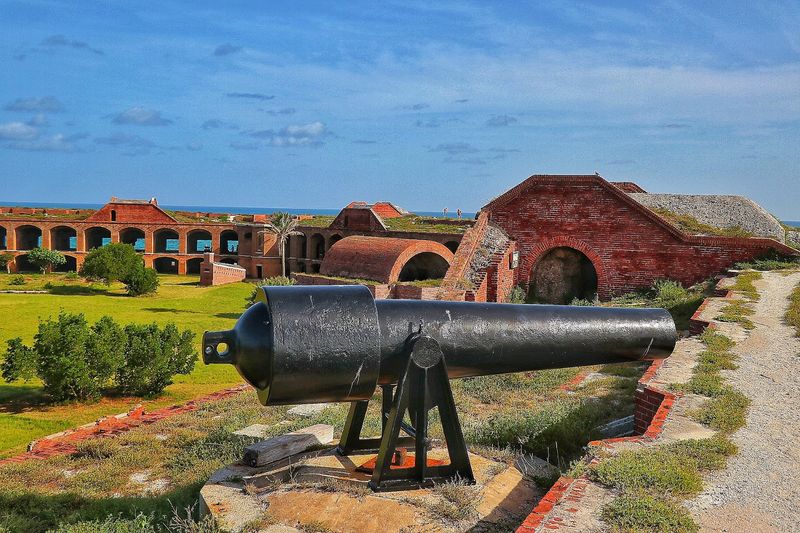
Fort Jefferson has a story that reads like something straight out of a history book. Construction began in 1846, and the fort was designed to be the largest brick structure in the Western Hemisphere.
It took nearly 30 years and over 16 million bricks to build, yet it was never fully completed.
During the Civil War, the fort served as a military prison. Its most famous inmate was Dr. Samuel Mudd, the physician convicted of helping John Wilkes Booth after the assassination of President Abraham Lincoln.
His cell is one of the most visited spots inside the fort today.
A self-guided walking tour with informative plaques leads you through the most historically significant areas. The plaques are detailed but easy to understand, making the history accessible for visitors of all ages.
History lovers will find themselves completely absorbed for hours inside these remarkable walls.
Snorkeling Around the Fort’s Underwater World
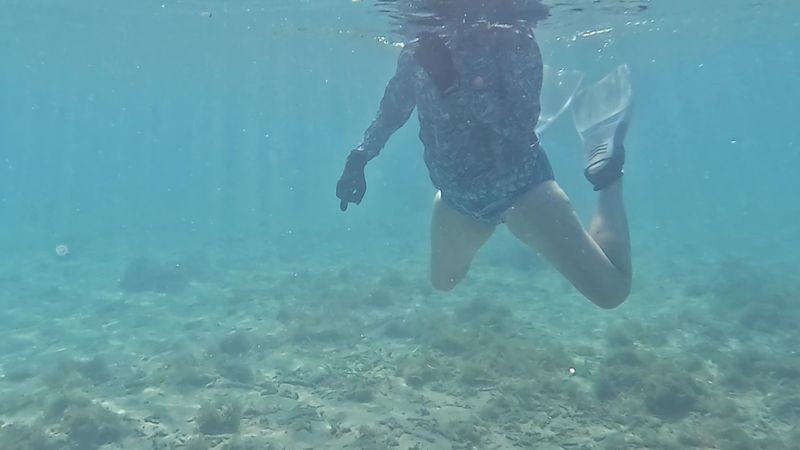
Strap on a mask and fins, because the snorkeling around Fort Jefferson is genuinely spectacular. The water surrounding the fort is incredibly clear, and the old brick walls create a natural underwater habitat teeming with marine life.
Schools of colorful parrot fish, barracuda, and even baby squid have all been spotted here.
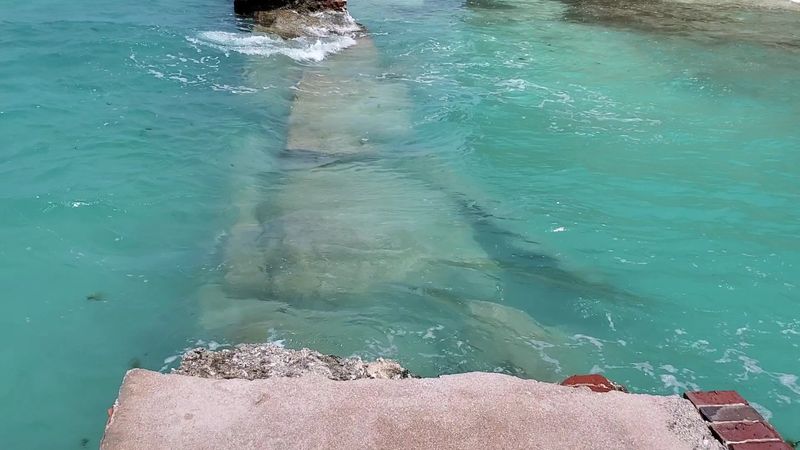
One of the best snorkeling spots is near the old coal dock pylons on the west side of the island. The coral growing on the fort walls is another highlight, offering a surreal mix of history and nature in the same glance.
The water depth stays around six to eight feet in most areas, making it accessible even for beginners.
A few giant pink jellyfish occasionally gather near the dock side, but they have very short stingers and rarely cause more than a mild tickle. Head to the opposite side of the island if you prefer to avoid them altogether.
The Stunning Turquoise Waters and White Sand Beaches
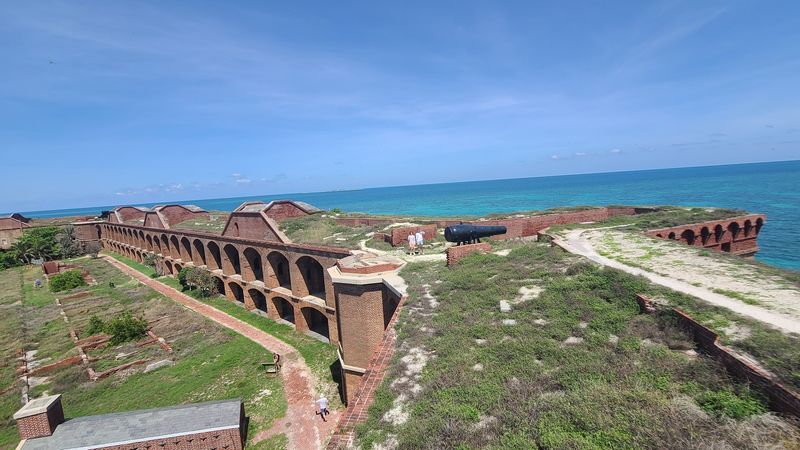
Even if you never set foot inside the fort itself, the beaches surrounding Fort Jefferson would make the entire trip worthwhile. The sand is brilliantly white, and the water shifts between shades of aqua, turquoise, and deep blue depending on where you look.
Swimmers and sunbathers alike absolutely love this stretch of shoreline.
One important detail: shade is extremely limited outside the fort walls. Sunscreen is non-negotiable, and bringing a beach umbrella or sun hat is a seriously smart move.
The sun reflects off the water and sand with intense brightness, especially between 10 a.m. and 3 p.m.
Visitors consistently describe the water here as some of the most beautiful they have ever seen anywhere in the world. Walking along the moat, you can see straight to the sandy bottom as clearly as if you were looking through glass.
Pack a towel, bring plenty of water, and enjoy every second of it.
The Self-Guided Walking Tour Inside the Fort
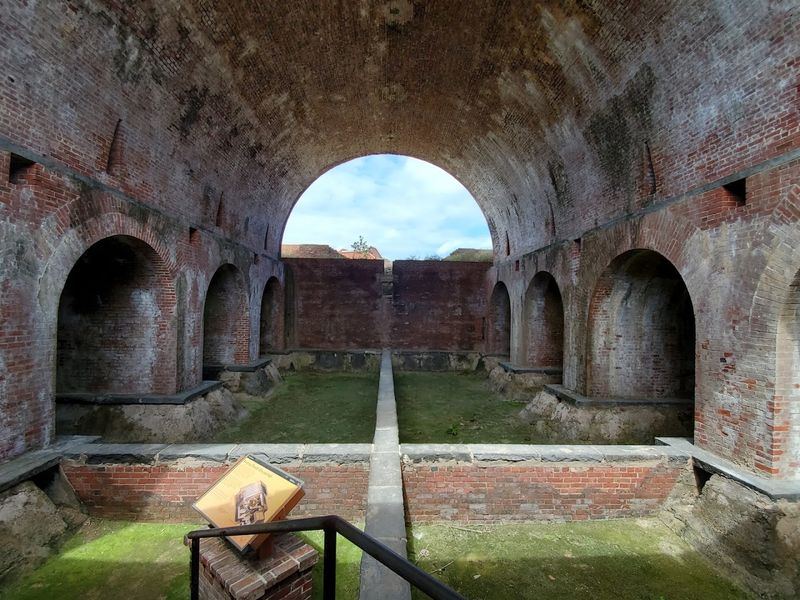
One of the best things about visiting Fort Jefferson is that you can explore almost entirely at your own pace. A well-marked self-guided walking tour winds through the most important parts of the fort, with plaques explaining what each room and building was originally used for.
The tour is free and incredibly informative.
The tour covers everything from the old bakery and cisterns to the officer quarters and prison cells. Junior ranger booklets are also available at the visitor center, making the experience extra engaging for kids.
There are even four different passport cancellation stamps to collect, including one for the Dry Tortugas National Park and one for the Loggerhead Lighthouse.
Some areas of the fort are currently closed off due to falling bricks, so keep an eye out for barriers and respect the boundaries. The park staff is friendly and always happy to answer questions if you want to learn even more along the way.
Incredible Wildlife and Bird Watching Opportunities
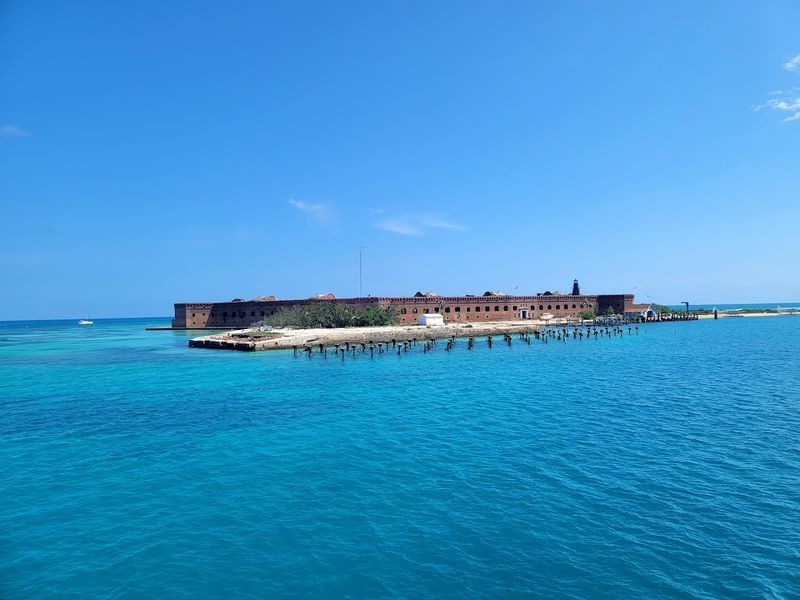
Fort Jefferson sits right in the middle of one of the most active wildlife corridors in North America. Every spring and fall, thousands of migratory birds stop here to rest during their long journeys across the Gulf of Mexico.
Birdwatchers from all over the country make special trips just to spot rare and colorful species perched on the old brick walls.
Beyond the birds, the waters around the fort are alive with sea turtles, rays, and dolphins. Sea turtles nest on the nearby beaches during warmer months, and lucky visitors sometimes spot them gliding through the shallow water near shore.
The entire area feels like a living nature documentary.
Even visitors who have never been interested in wildlife find themselves completely captivated by what they see here. Bring a pair of binoculars if you have them, because the variety and density of wildlife at Dry Tortugas is genuinely remarkable.
Nature lovers will be in absolute heaven.
Camping Overnight at Garden Key
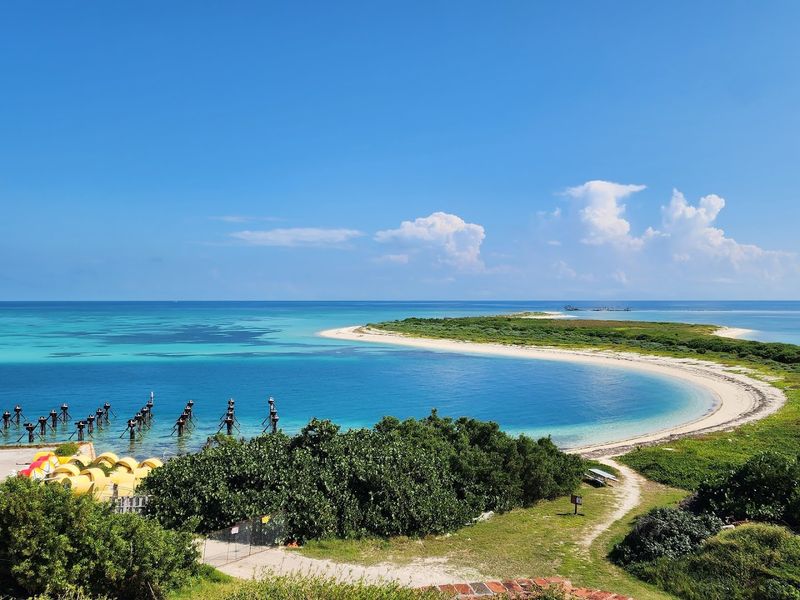
Most visitors spend just four to six hours at Fort Jefferson before the ferry heads back to Key West. But those who camp overnight unlock a completely different experience that day-trippers never get to see.
Once the ferry leaves and the crowds disappear, the island transforms into one of the most peaceful places on earth.
Campers must bring absolutely everything they need, including food, fresh water, and all camping gear. There are no stores, vending machines, or running water on the island.
Everything you bring in must also come back out with you, so pack light but pack smart.
Waking up inside a national park with the fort glowing in the morning light and nothing but ocean surrounding you is a memory that sticks with you forever. Stargazing from Garden Key is also extraordinary, since there is almost zero light pollution this far from the mainland.
Book your campsite early.
The Garden Key Lighthouse and Loggerhead Light
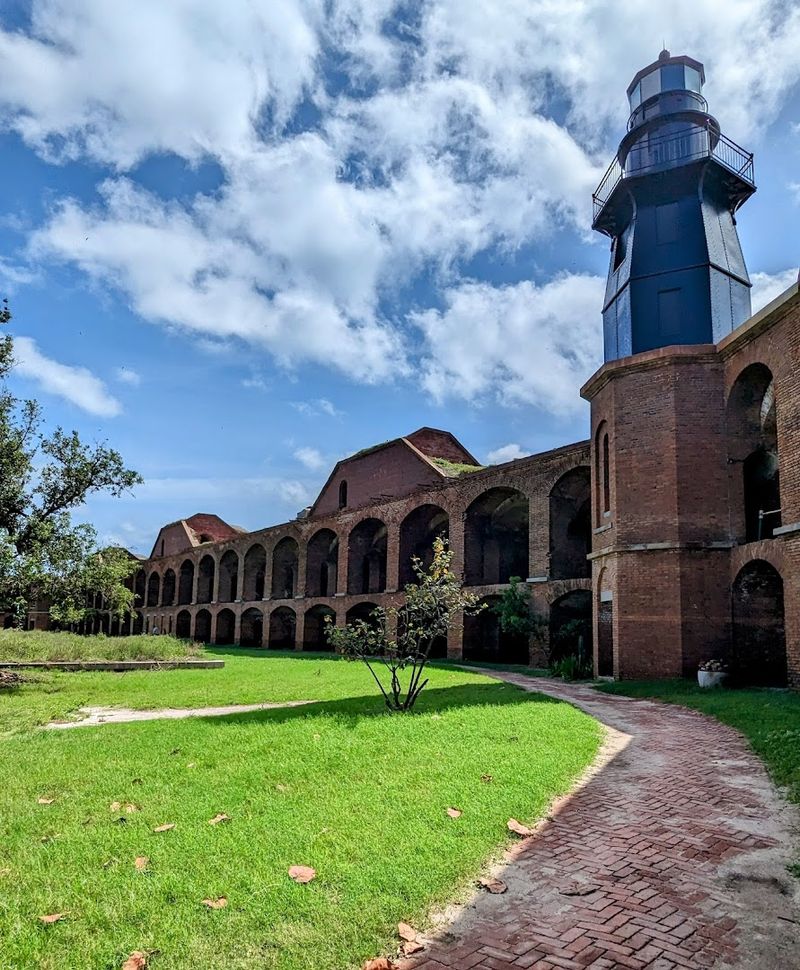
Tucked inside the fort walls, the Garden Key Lighthouse is a charming piece of history that many visitors say is their favorite detail of the entire island. The lighthouse has been guiding ships through these treacherous waters since 1825, long before the fort itself was even built.
Standing next to it gives you a real sense of how remote and important this location has always been.
The view from the top of the fort looking out toward the Loggerhead Lighthouse in the distance is another highlight that visitors rave about. On a clear day, you can see the smaller lighthouse rising above the horizon with nothing but blue water surrounding it.
It looks almost dreamlike.
Passport stamp collectors will be happy to know that both lighthouses have their own unique cancellation stamps available at the visitor center. Picking them all up is a fun little mission that adds extra purpose to your exploration of the island.
Photographing Fort Jefferson Like a Pro
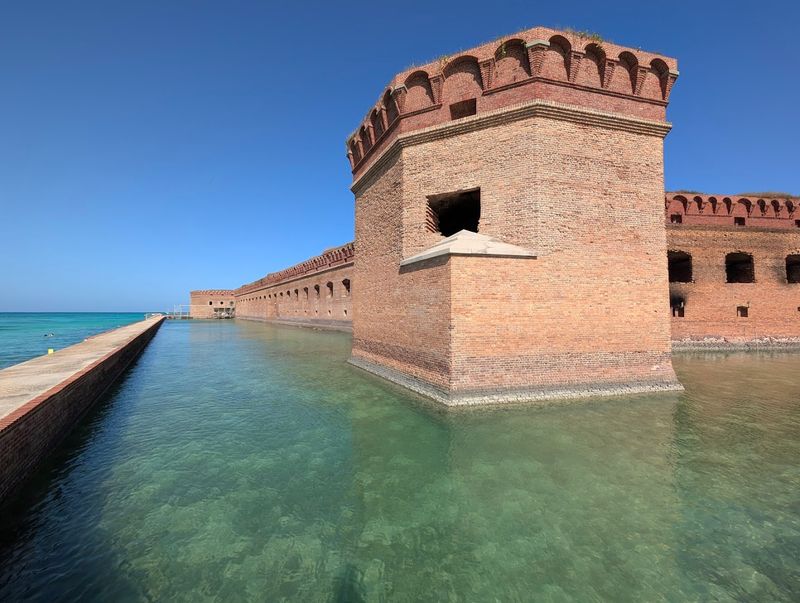
Fort Jefferson might be the most photogenic place in all of Florida, and that is saying something. The contrast between the ancient red brick walls and the impossibly blue water creates a visual combination that looks almost too beautiful to be real.
Every angle offers a new and stunning composition worth capturing.
Early morning light is especially magical here, casting warm golden tones across the brick and reflecting off the calm moat water. Arriving by seaplane means you can get those gorgeous shots before the ferry crowd arrives and fills the walkways.
Sunset from the top of the walls is equally spectacular.
Drone photography is subject to National Park Service regulations, so check the rules before bringing one. Even with just a smartphone, you can capture absolutely stunning images here.
One visitor described the photographic opportunities as endless, and after just one look at this place, it is very easy to understand why.
What to Pack for Your Fort Jefferson Day Trip
Packing the right things for Fort Jefferson can make or break your entire visit. Sunscreen is at the very top of the list, because the sun on this open island is relentless and shade outside the fort walls is almost nonexistent.
A wide-brimmed hat and UV-protective clothing are also smart choices for a full day in the sun.
Bring your own snorkel gear if you have it, along with a beach towel, water shoes, and plenty of drinking water. While the ferry provides meals, extra snacks and personal drinks are always a good idea.
Remember that everything you bring onto the island must leave with you, so avoid single-use packaging when possible.
A waterproof phone case or dry bag is worth bringing to protect your electronics near the water. Comfortable walking shoes are essential for exploring the fort and climbing the staircases.
Pack light, plan ahead, and you will have a smooth and enjoyable day from start to finish.
Tips for Making the Most of Your Visit
A little planning goes a long way when visiting Fort Jefferson. Ferry tickets sell out quickly, especially during winter and spring break season, so book as far in advance as possible.
Arriving early on the ferry gives you a head start on exploring before the crowds spread throughout the fort and beaches.
If you want to skip the large group guided tour that arrives with the ferry, the self-guided option is just as rewarding and lets you move at your own pace. The visitor center is a great first stop to grab junior ranger booklets, browse the small gift shop, and get your bearings before heading out.
Four and a half hours goes by faster than you think, so prioritize what matters most to you early on. Whether your focus is snorkeling, history, photography, or just relaxing on the beach, having a loose plan means you leave without feeling like you missed something important.
Enjoyed this story?
Add Fast Food Club as a preferred source to see more of our reporting on Google.