


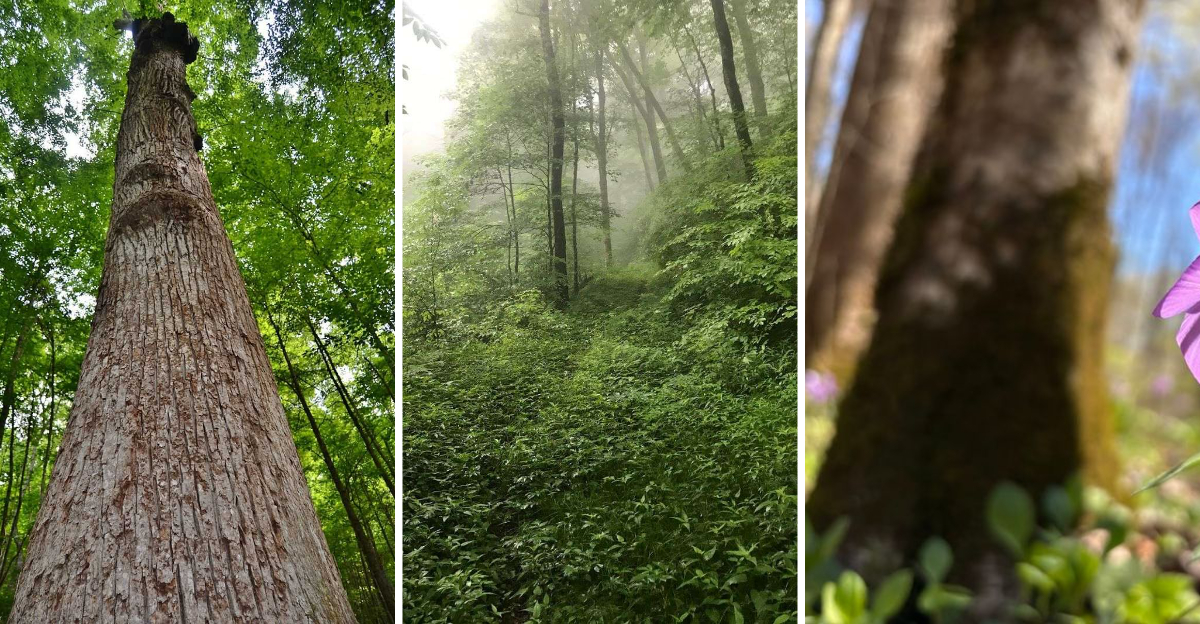
Tucked away in the mountains of western North Carolina near Robbinsville, the Joyce Kilmer-Slickrock Wilderness is one of the most awe-inspiring natural areas in the entire eastern United States. This remote wilderness protects ancient trees that have been growing for hundreds of years, some towering so tall they seem to touch the sky.
Covering over 17,000 acres across the Nantahala and Cherokee National Forests, this place feels like stepping back in time. Whether you love hiking, nature photography, or simply standing beneath giants, Joyce Kilmer-Slickrock has something truly unforgettable waiting for you.
Ancient Trees That Have Stood for Centuries
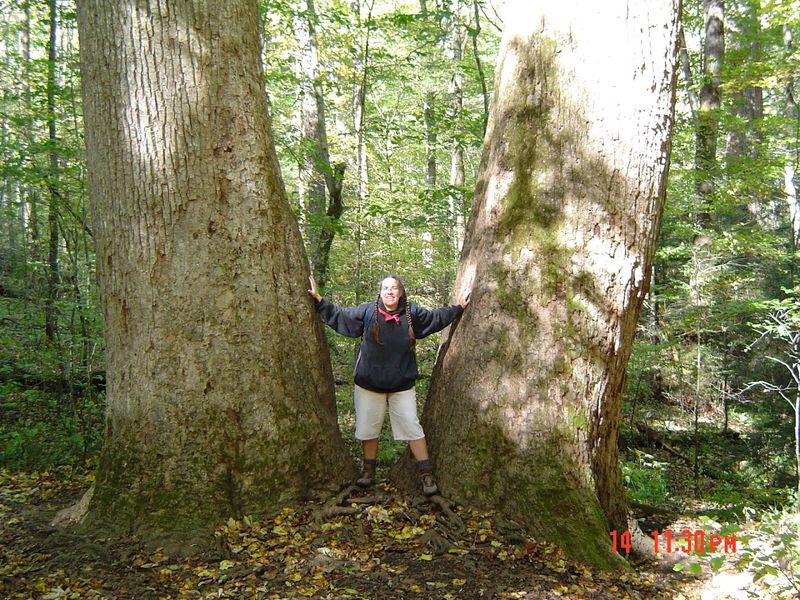
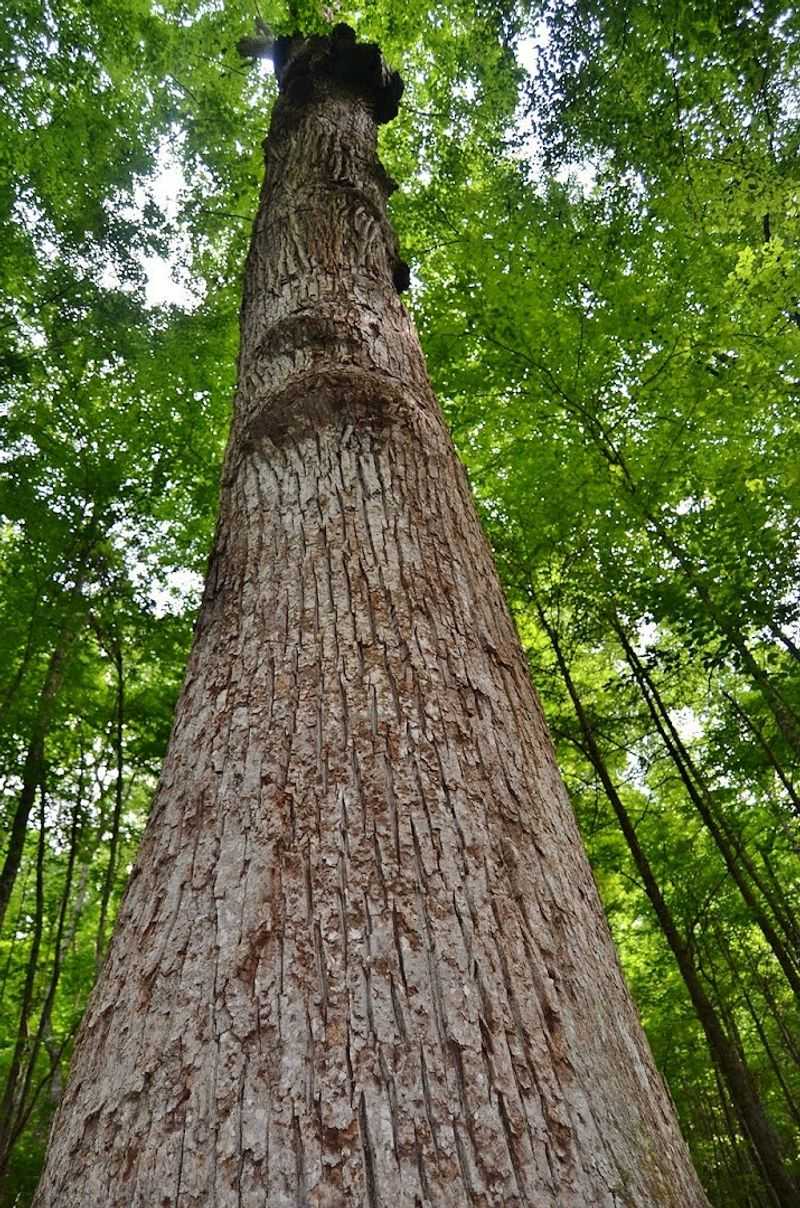
Some of these trees were already hundreds of years old before the United States even existed as a country. The Joyce Kilmer Memorial Forest section of the wilderness is home to towering tulip poplars and hemlocks that can reach over 100 feet tall, with trunks so wide that several people holding hands could barely wrap around them.
Walking among these ancient giants feels almost sacred. Many of the trees here are estimated to be between 300 and 400 years old, making them some of the oldest living things in the eastern U.S.
The forest was never logged commercially, which is exactly why these incredible specimens survived.
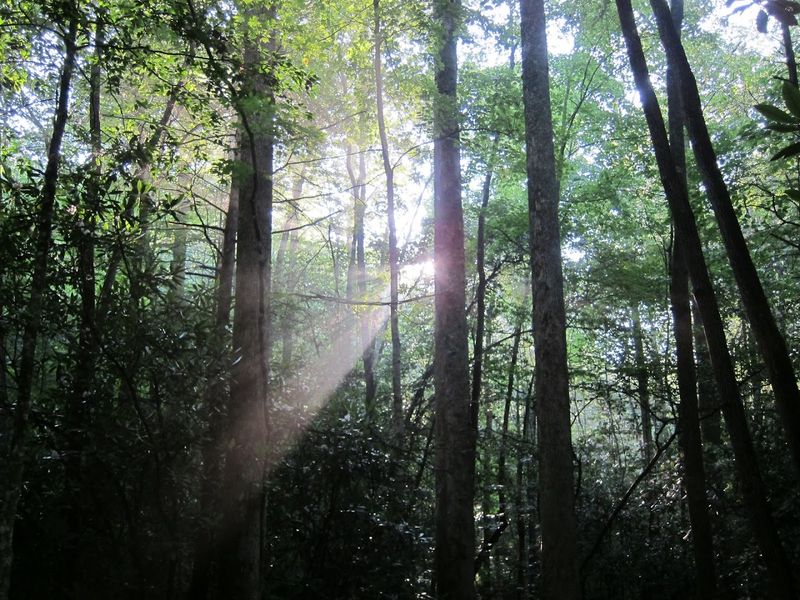
Visiting in spring or early summer gives you the best light filtering through the canopy. Come prepared with comfortable shoes and take your time soaking in the sheer scale of these magnificent living monuments.
Joyce Kilmer Memorial Forest: A Living Tribute
Named after the poet Joyce Kilmer, who wrote the famous poem “Trees,” this memorial forest was dedicated in 1936 as a tribute to his love of nature. Kilmer was killed in World War I at just 31 years old, and preserving this forest in his honor feels like the perfect legacy for someone who celebrated trees in verse.
The memorial forest covers about 3,800 acres within the larger wilderness area. A loop trail of roughly two miles winds through the heart of the old-growth forest, making it accessible even for casual hikers who want to experience something extraordinary without a grueling trek.
Informational signs along the trail share details about the tree species and forest history. Even visitors who have never heard of Joyce Kilmer before often leave feeling a deep connection to both the poet and this breathtaking place.
The Loop Trail: Perfect for All Experience Levels
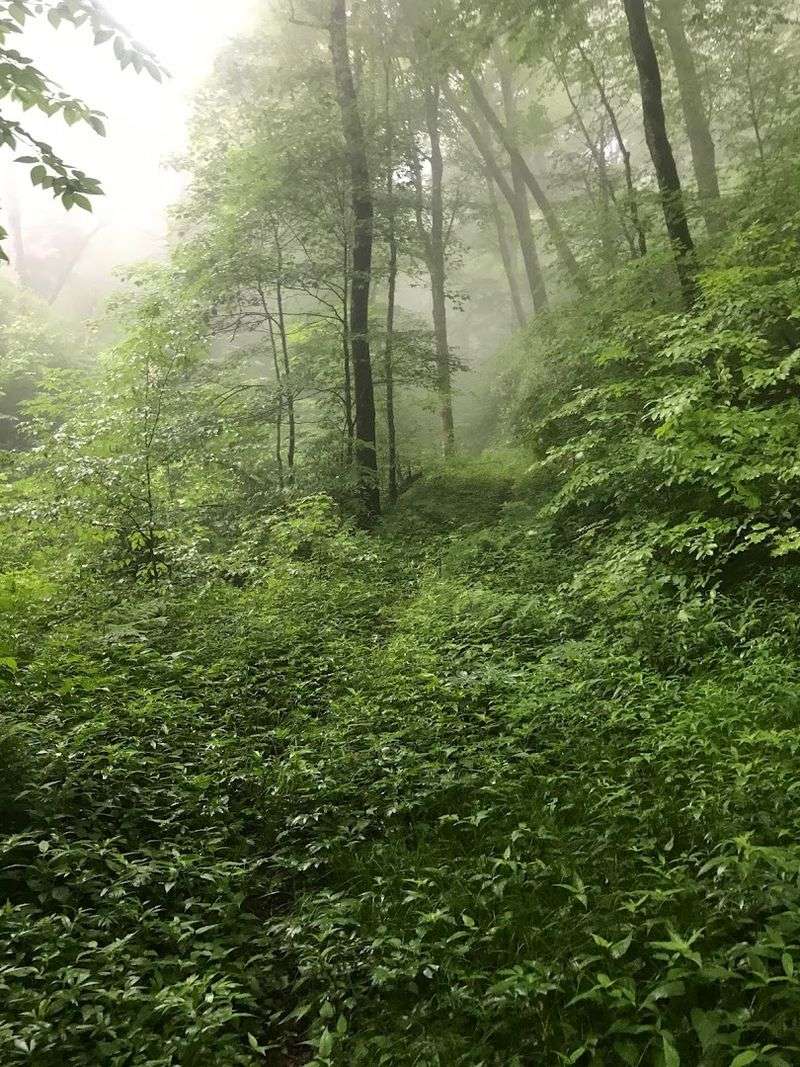
Not every great wilderness experience requires extreme fitness or expert navigation skills. The Joyce Kilmer Memorial Trail is a two-mile loop that winds through the most spectacular section of the old-growth forest, and it is genuinely manageable for most hikers, including families with older kids.
The trail is relatively flat and well-marked compared to the rugged backcountry routes deeper in the wilderness. You can complete the loop in about an hour or two, depending on how often you stop to stare upward in amazement at the massive trees overhead.
Ferns carpet the forest floor, and the whole scene feels like something from a fantasy novel.
One reviewer noted it as a “nice easy but beautiful hike” that requires no reservations. Arriving early on weekday mornings gives you the best chance of having the trail mostly to yourself for a peaceful experience.
Slickrock Creek: A Wild and Beautiful Waterway
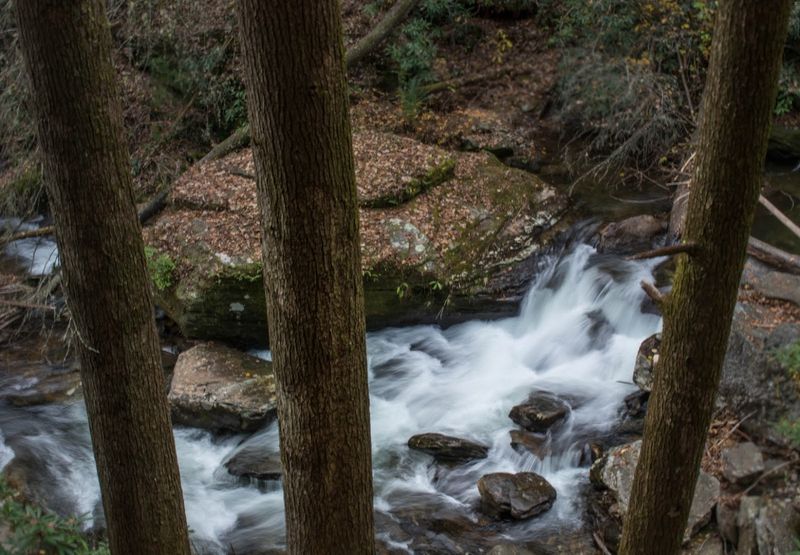
Slickrock Creek is the kind of stream that makes you want to kick off your boots and wade right in. Running through the heart of the wilderness, this creek earned its name from the smooth, slippery rock surfaces worn down by centuries of flowing water.
On a warm day, it is absolutely refreshing to swim in the crystal-clear pools.
One hiker who visited in spring described swimming in the river after a sunny, warm week of hiking, calling it a highlight of the entire trip. The creek also serves as a natural landmark for navigating the backcountry trails that crisscross the wilderness.
Be cautious during early spring when water levels can rise quickly after snowmelt or rain. Water crossings along some trails can be tricky, and wet boots in cold temperatures can become a real safety concern, as some past visitors have learned the hard way.
Backcountry Hiking for the True Adventurer
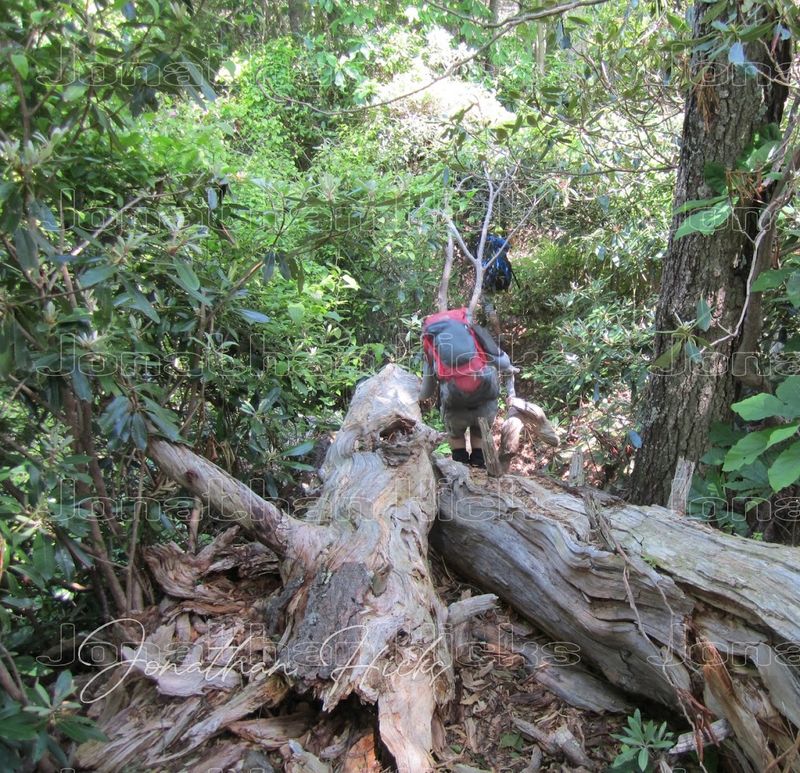
Beyond the gentle loop trail lies a vast network of backcountry routes that will challenge even experienced hikers. One adventurous visitor hiked 32 miles through the wilderness and did not encounter a single stranger the entire time, which tells you just how remote and uncrowded this place truly is.
Trails here are far less maintained than those in the nearby Great Smoky Mountains National Park. That raw, rugged quality is exactly what draws serious wilderness enthusiasts who want a real challenge.
Expect steep climbs, muddy sections, stream crossings, and plenty of route-finding along the way.
Going with more experienced hiking companions is strongly recommended if you are new to backcountry travel. Carrying a detailed topographic map and knowing how to use a compass can make the difference between an epic adventure and a dangerous situation deep in the mountains.
Stratton Bald: A Rewarding High-Elevation Destination
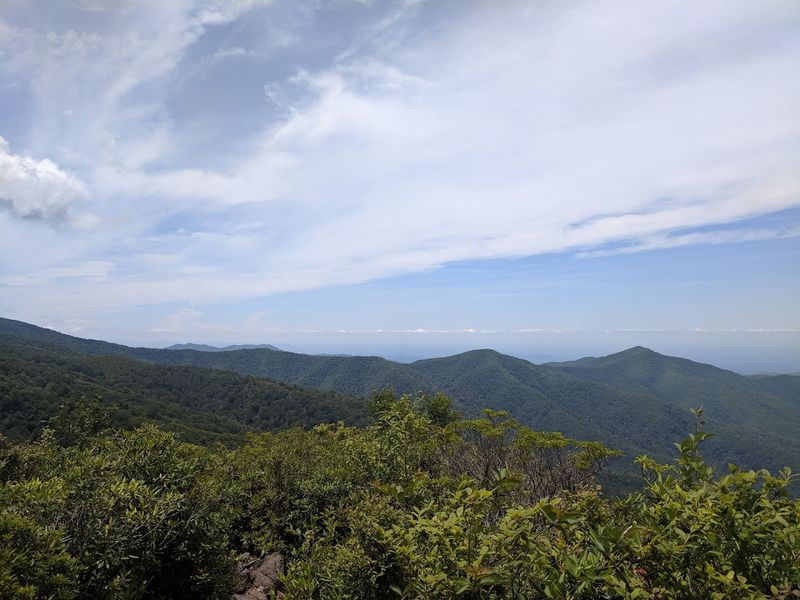
Stratton Bald sits high in the wilderness and rewards those willing to put in the effort to reach it. The hike up starts with about 1.85 miles of old logging road before turning into a steady, relentless uphill climb through muddy ruts and dense forest.
For anyone not used to steep mountain terrain, this section can feel never-ending.
Once you arrive, though, the payoff is real. The bald offers a lovely open area with secluded camping spots and a fairly reliable spring for water.
Hikers have reported wandering around the edges of the bald to find better views of sunrises and sunsets that the tree line sometimes blocks from the main clearing.
Keep your food properly hung from high branches at camp, as the area has wildlife. Some campers have reported hearing large animals moving through the bushes at night, adding a thrilling edge to the overnight experience.
The Hangover: One of the Most Dramatic Overlooks Around
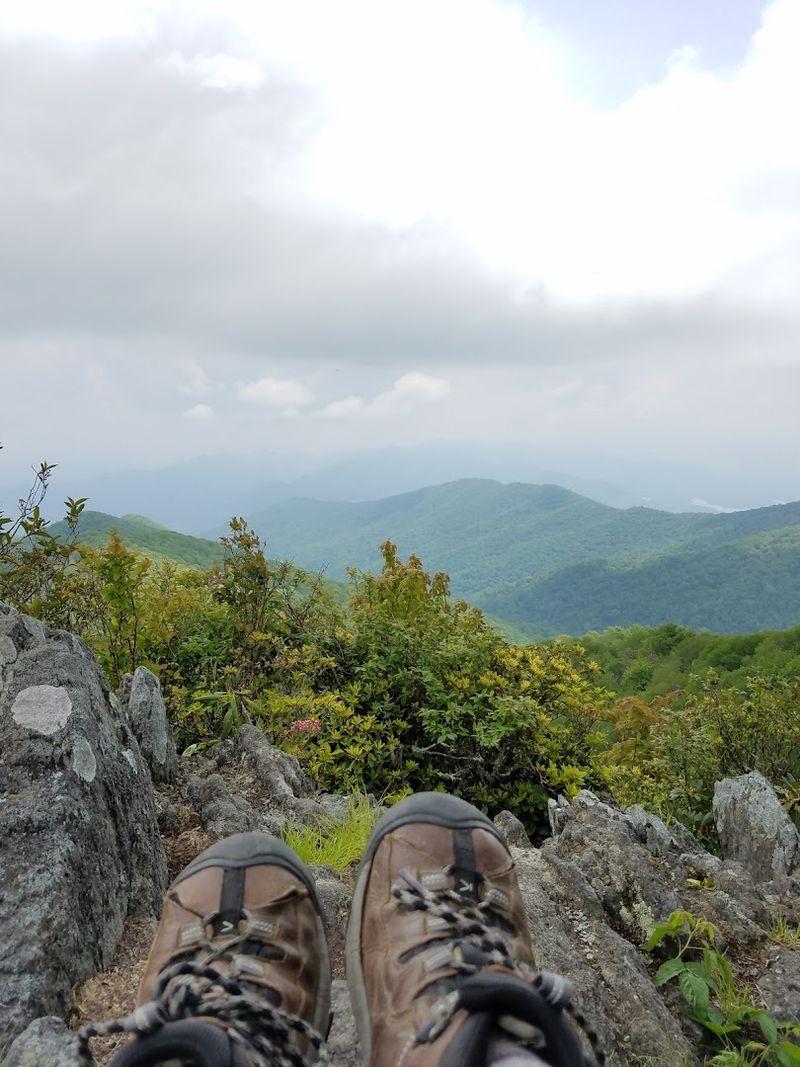
“The Hangover” might sound like an unusual name for a mountain feature, but one look at this dramatic rocky outcrop and the name starts to make perfect sense. Jutting out over the wilderness below, this overlook delivers some of the most jaw-dropping views you can find anywhere in the southern Appalachians.
Reaching The Hangover requires serious effort. The trail gains significant elevation and passes through dense, wild forest before opening up to the exposed rock face.
Hikers who have made the journey describe it as one of the most memorable destinations in the entire wilderness area.
Sunrise and clear autumn days offer the most spectacular visibility from the top. Pack layers because temperatures at elevation can shift quickly, especially in shoulder seasons.
Standing on the edge and looking out over miles of unbroken forest is the kind of moment that makes all the effort completely worth it.
Wildflowers and Trilliums: A Spring Spectacle
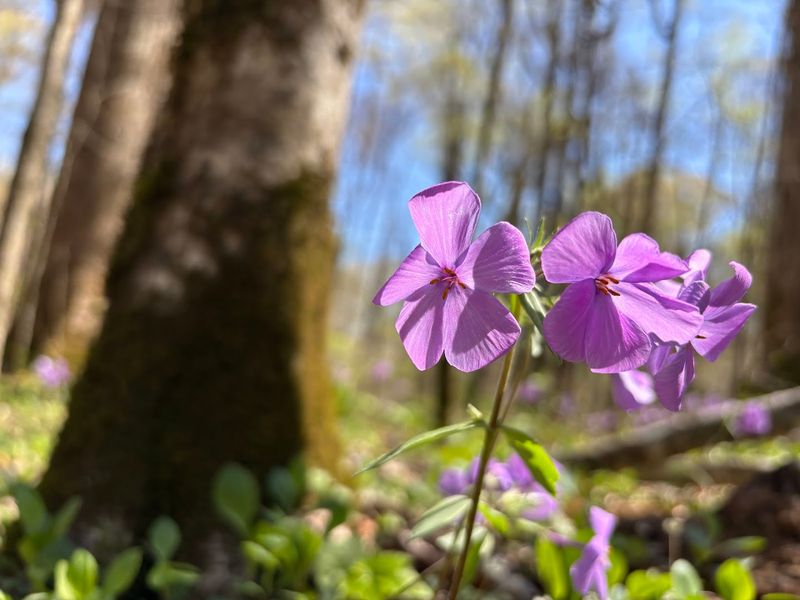
Spring in this wilderness is something out of a dream. One visitor described the forest floor as covered with “millions of trilliums,” the delicate three-petaled wildflowers that bloom in great waves across the Appalachian Mountains each April and May.
Seeing them carpet the ground beneath ancient trees is genuinely breathtaking.
Beyond trilliums, the forest bursts with a wide variety of wildflowers during the spring season. Wake robin, bloodroot, wild ginger, and hepatica are just a few of the species that put on a show before the tree canopy leafs out and shades the forest floor.
This window of early spring light is when wildflowers thrive.
Photographers especially love this time of year for the combination of blooms and dramatic old-growth backdrops. Bring a macro lens if you have one, and plan your visit for mid-April to catch the peak of the trillium display at its most spectacular.
Weather Surprises: Always Come Prepared
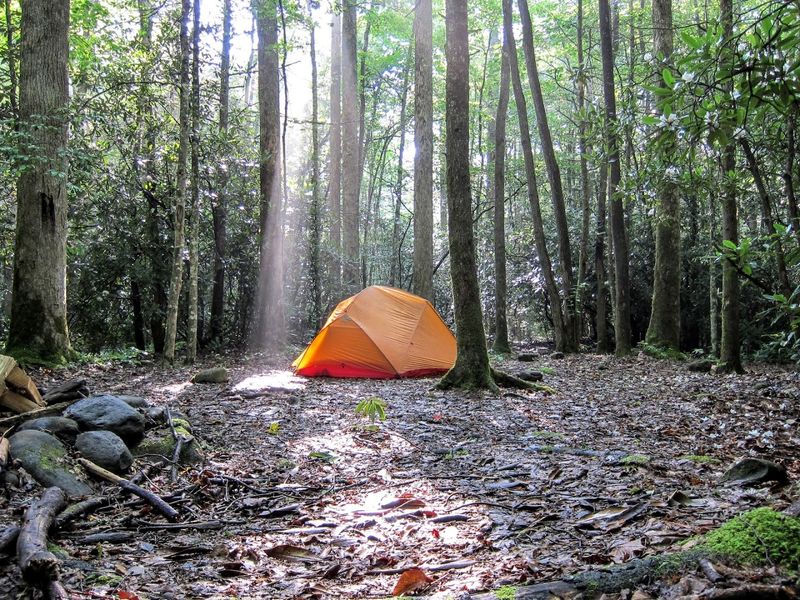
Mountain weather in this part of North Carolina can be wildly unpredictable, and the Joyce Kilmer-Slickrock Wilderness is no exception. One hiking group experienced over 13 inches of unexpected snow during a spring trip in March, leading to frostbite and hypothermia that forced an emergency evacuation.
Their boots froze solid after river crossings.
The very next year, the same group returned during the same week and enjoyed sunny, warm weather perfect for swimming. Local mountain man “TeePee,” who has spent countless trips in the wilderness, has noted that conditions can swing dramatically from year to year, with cold snaps hitting some years harder than others.
Always check the forecast before heading out, but know that mountain weather can change faster than apps can predict. Packing extra dry socks, a waterproof layer, and emergency gear is non-negotiable for anyone planning an overnight or multi-day trip here.
Water Sources on the Ridge Trails: Plan Carefully
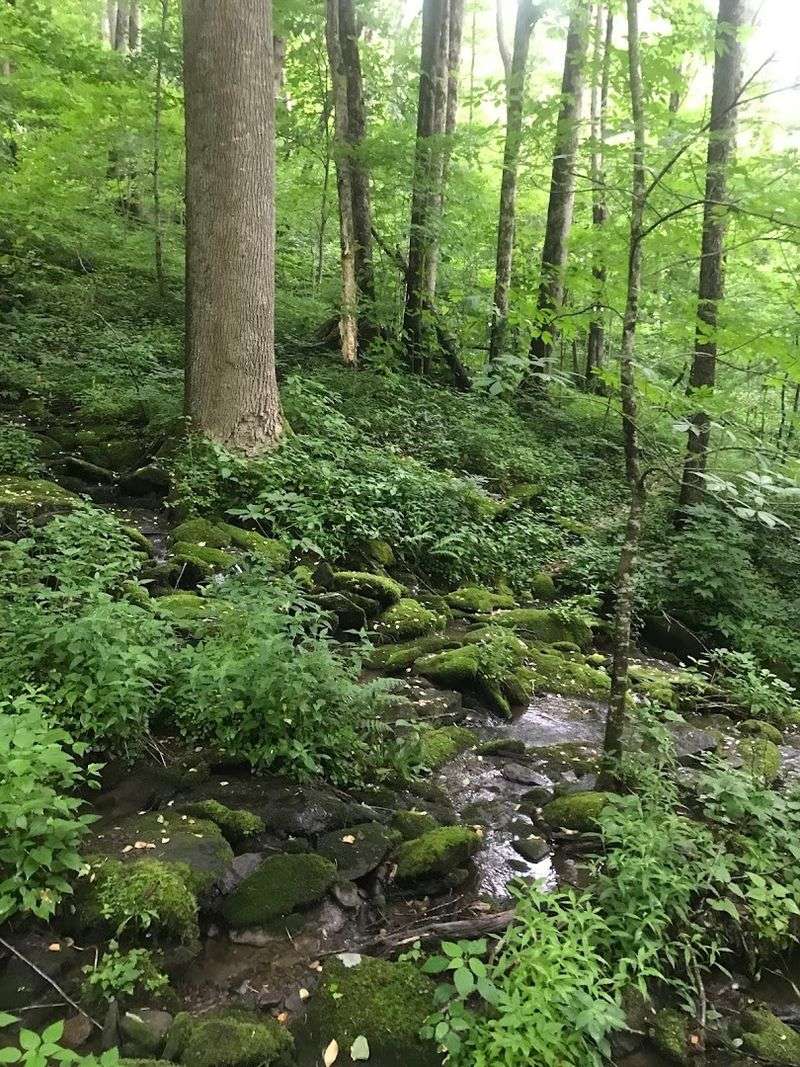
Water might seem easy to find in a lush mountain wilderness, but the ridge trails in Joyce Kilmer-Slickrock tell a different story. Experienced hikers have noted that it is entirely possible to spend a full day on the higher ridge routes without finding any fresh water, which can become a serious problem in warm weather.
Carrying more water than you think you need is the smartest strategy here. A good rule of thumb in dry ridge terrain is to top off every container whenever you do find a reliable source.
A quality water filter or purification tablets are also essential gear for any overnight trip in this wilderness.
Planning your route around known water sources like Slickrock Creek and its tributaries can prevent dehydration. Study your topo map before setting out and mark the locations of streams so you never find yourself running low in the backcountry.
Wildlife Encounters in a True Wilderness Setting

This is genuine wilderness, and the animals here know it. Black bears are present throughout the area, and proper food storage is essential for anyone camping overnight.
Hanging food from high, sturdy branches away from your sleeping area is the standard practice, and some campers have reported that finding suitable branches at spots like Stratton Bald can actually be a challenge.
Other wildlife in the area includes white-tailed deer, wild turkey, salamanders, and a rich variety of bird species. The old-growth forest provides habitat that simply does not exist in younger, more disturbed woodlands, making this a genuinely special place for wildlife observation.
Some hikers have reported hearing large animals crashing through the bushes at night, though no definitive sightings were confirmed. Staying calm, making noise on the trail, and knowing basic bear safety protocols will keep both you and the wildlife out of trouble during your visit.
No Reservations Required: A Refreshingly Accessible Wilderness
In an era when popular outdoor destinations require booking permits weeks or months in advance, Joyce Kilmer-Slickrock stands out as a wonderfully accessible place. No reservation is required to hike the Joyce Kilmer Memorial Trail or to enter the wilderness area, which means spontaneous trips are completely possible without any planning headaches.
This accessibility makes it a fantastic option for travelers passing through western North Carolina who want to experience something genuinely spectacular without jumping through bureaucratic hoops. Just show up, lace up your boots, and walk among trees that have been growing since before European settlers arrived in these mountains.
Parking at the trailhead is free and generally uncrowded compared to more famous spots in the region. Weekday visits almost guarantee a peaceful, quiet experience.
The combination of easy access and extraordinary scenery makes this wilderness one of the best-kept secrets in the entire Appalachian region.
A Place That Inspires Awe and Deep Respect for Nature
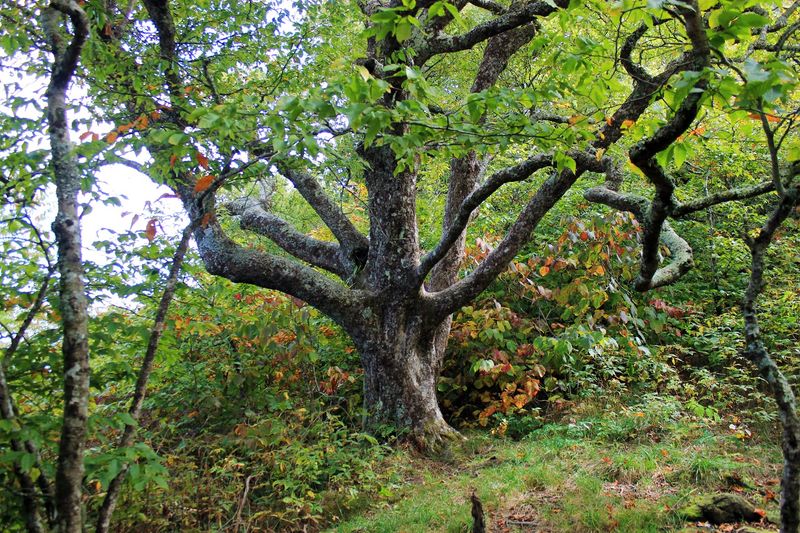
Standing beneath a 400-year-old tree has a way of putting everything in perspective. Visitors consistently describe the Joyce Kilmer-Slickrock Wilderness as one of the last places on the East Coast where you can truly feel the weight of deep, undisturbed natural history all around you.
One reviewer called it “one of the last old grove trees on the eastern seaboard.”
The wilderness earned a near-perfect 4.8-star rating from visitors, and the enthusiasm in every review reflects something beyond ordinary trail satisfaction. People leave this place changed in small but meaningful ways, carrying a renewed appreciation for what old forests looked like before most of them were cut down.
Whether you spend two hours on the loop trail or five days in the backcountry, the experience stays with you. Few places in the eastern United States offer this kind of raw, humbling connection to the natural world, and that is exactly what makes it worth protecting.
Enjoyed this story?
Add Fast Food Club as a preferred source to see more of our reporting on Google.