


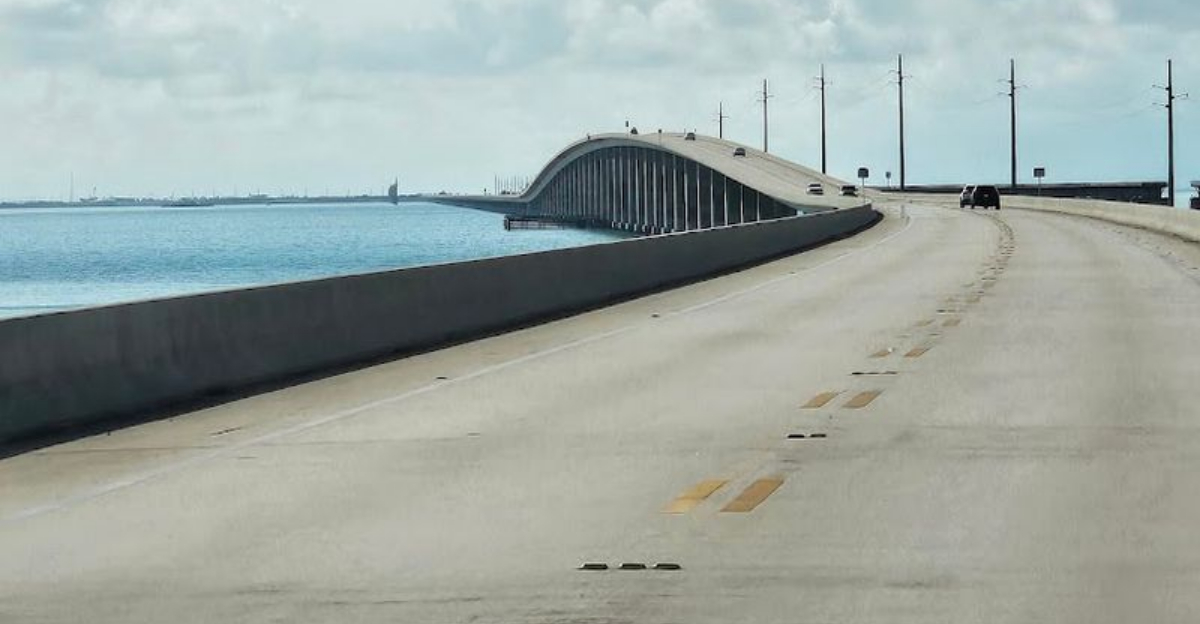
Few road trips in America can match the sheer magic of driving the Overseas Highway through the Florida Keys. Stretching 113 miles from Key Largo all the way to Key West, this legendary route puts the sparkling ocean on both sides of your car for miles at a time.
Whether you’re a first-time visitor or a seasoned traveler, this drive offers stunning scenery, hidden gems, and unforgettable stops that most tourists completely overlook. Pack your bags, roll down the windows, and get ready for one of the most breathtaking rides the Sunshine State has to offer.
The Starting Point: Key Largo Sets the Tone
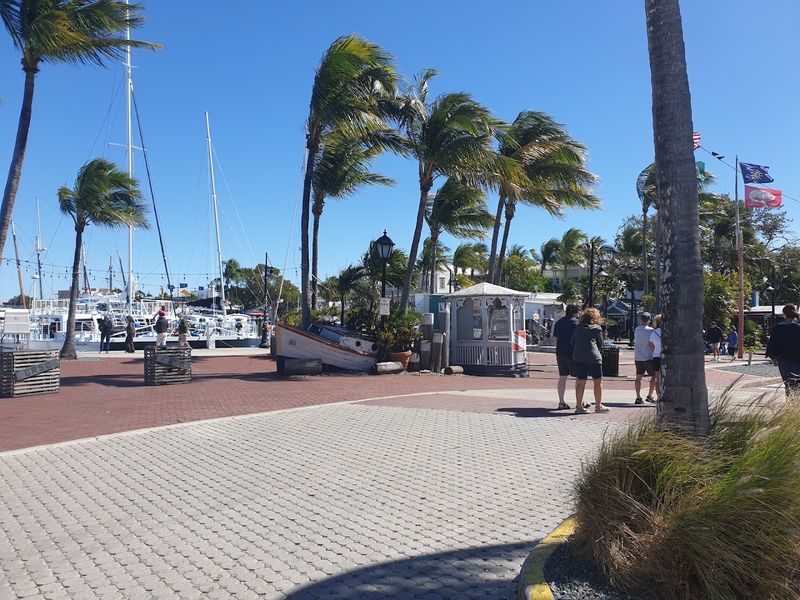
Pull into Key Largo and you’ll instantly understand why people keep coming back. Known as the “Dive Capital of the World,” this first stop on the Overseas Highway practically announces itself with the smell of salt air and the shimmer of blue-green water on the horizon.
Key Largo is packed with waterfront restaurants, dive shops, and boat tours that make it easy to spend a full day before you even hit the open road. Sundowners restaurant, mentioned by real travelers, is a local favorite worth every bite.
Arriving by 10 a.m. on weekends is smart planning. Traffic can slow near the Jewish Creek Bridge when boaters head to nearby beaches, turning a quick stretch of road into a scenic but slow crawl.
Getting there early means smoother sailing and more time to enjoy everything this charming island town has waiting for you.
Ocean on Both Sides: A View Like Nowhere Else
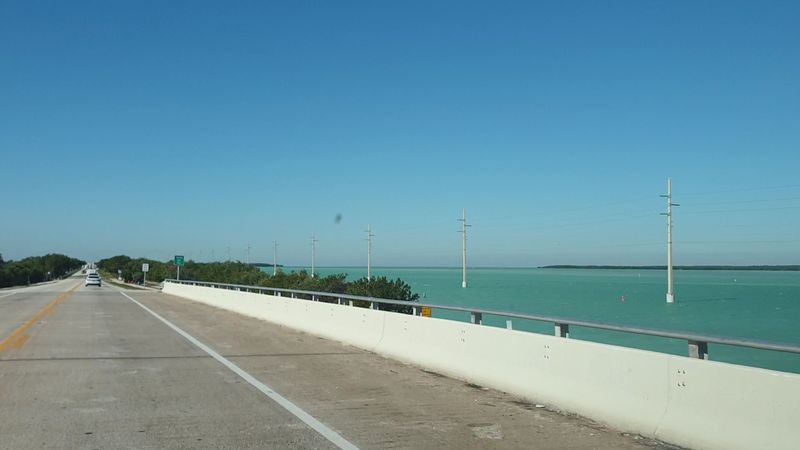
Imagine driving down a road where the ocean stretches endlessly on your left and your right at the same time. That’s exactly what happens on long stretches of the Overseas Highway, and it never gets old no matter how many times you’ve seen it.
The Atlantic Ocean runs along the eastern side while the Gulf of Mexico flows on the west. Both bodies of water offer slightly different shades of blue and green depending on the time of day, the weather, and the season.
Passengers with sharp eyes have spotted dolphins playing in the waves alongside the highway. Keeping a camera ready is always a good idea because wildlife appearances are completely unplanned and totally unforgettable.
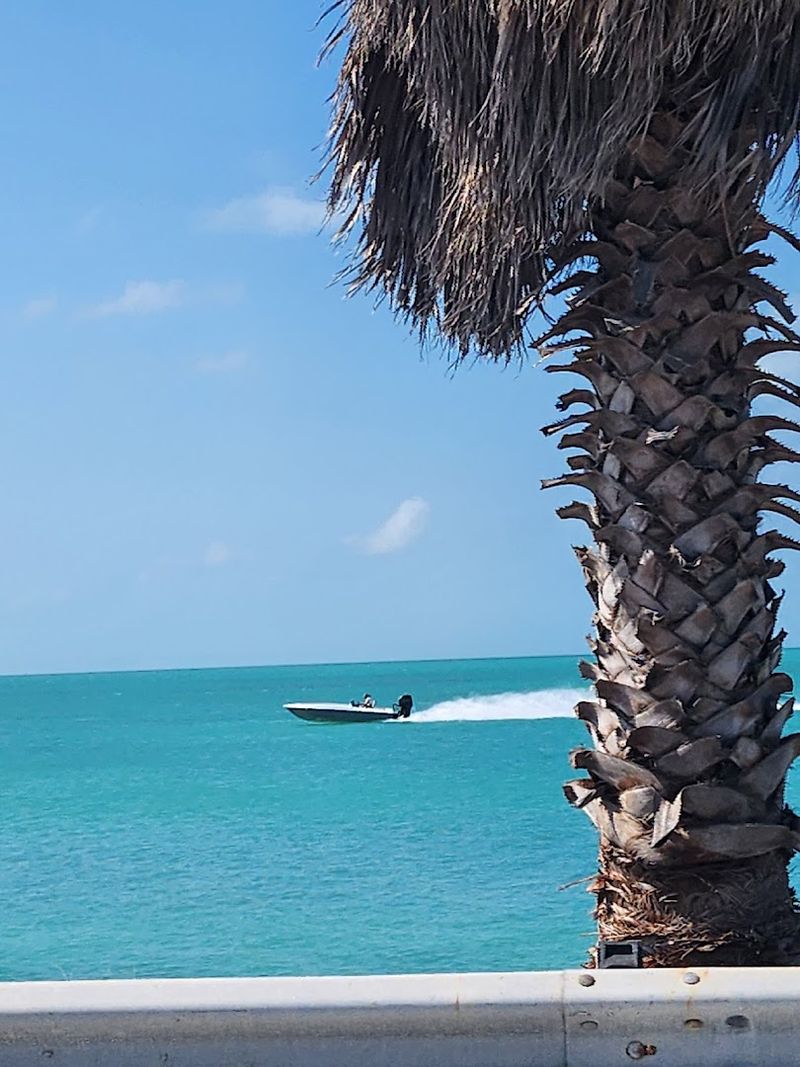
One traveler captured a boat sailing right beside the road, a moment that perfectly sums up just how uniquely close the water feels on this one-of-a-kind American drive.
The Seven Mile Bridge: Engineering Meets Natural Beauty
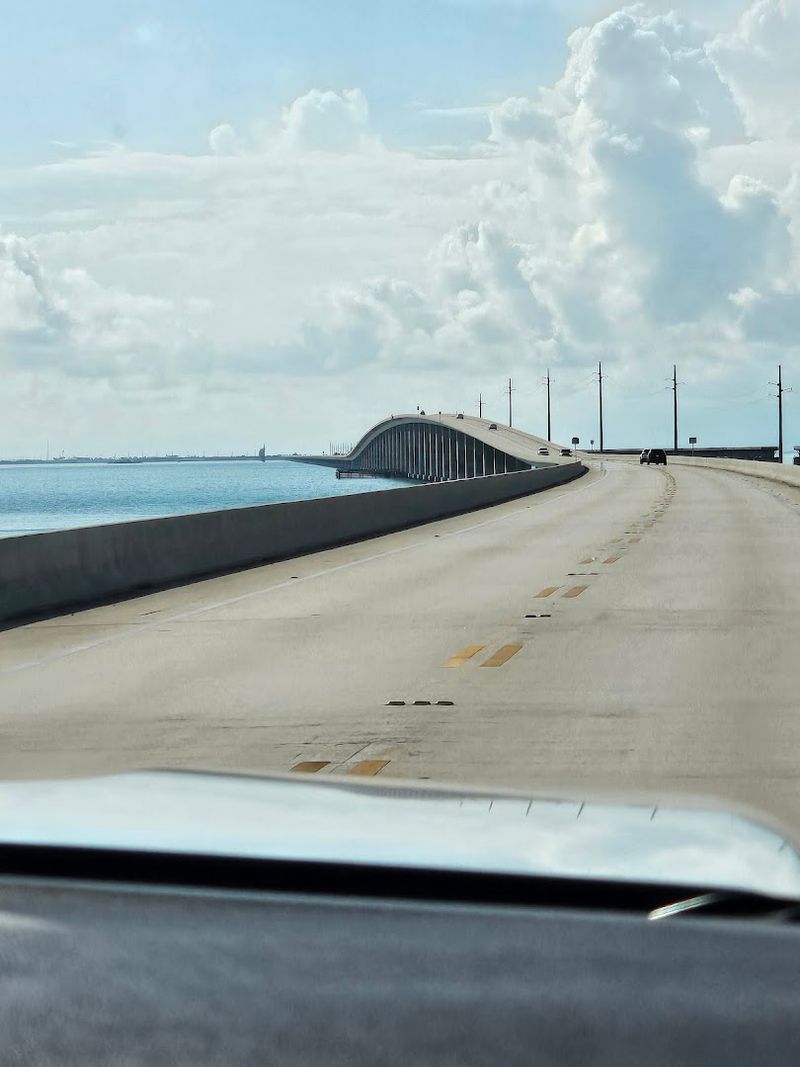
Few man-made structures feel as awe-inspiring as driving across the Seven Mile Bridge. Stretching over open water with no land in sight, it creates a floating sensation that makes even nervous drivers stop holding their breath long enough to stare in wonder.
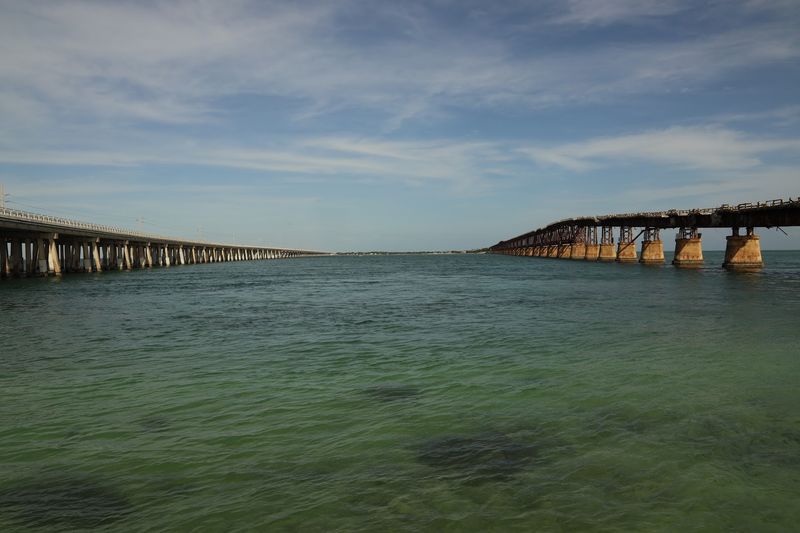
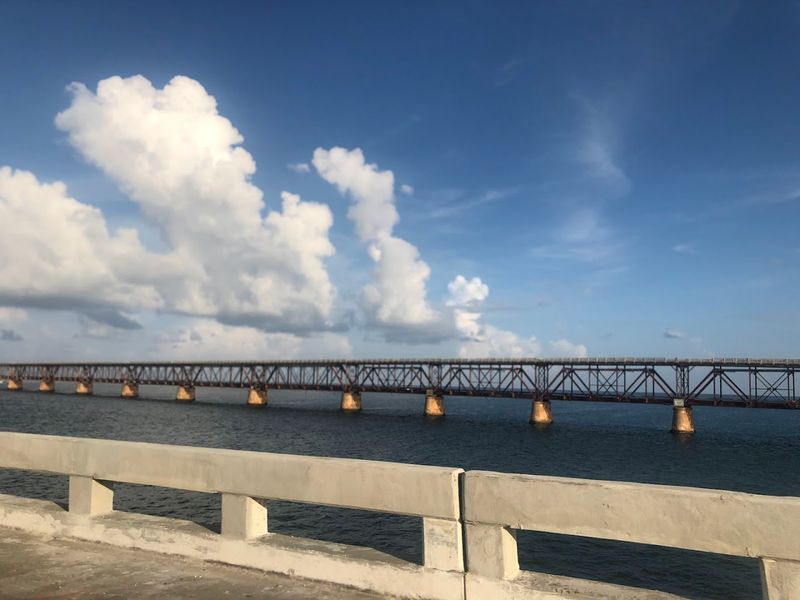
Built in the 1980s to replace the original 1912 railroad bridge, this modern span carries travelers over the Gulf of Mexico with stunning, uninterrupted views. The old bridge still runs parallel, now used as a fishing pier and walking path, giving history lovers something extra to admire.
One reviewer described the feeling perfectly: blue-green sea on both sides, no sight of land, just open sky and open water. Crossing the Seven Mile Bridge feels like the highway briefly forgets it belongs to the land.
It’s the single most talked-about moment on the entire 113-mile journey, and it absolutely lives up to the hype.
Speed Limits Matter More Here Than Almost Anywhere
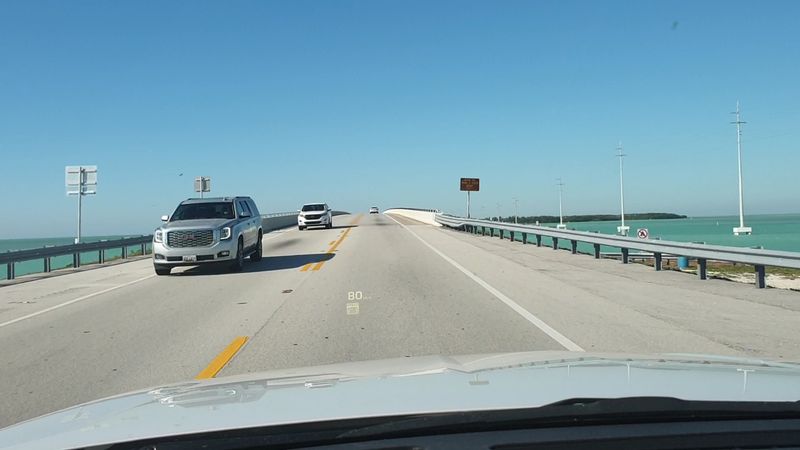
Here’s a piece of advice that every traveler who has driven this road will tell you without hesitation: follow the speed limits strictly. Law enforcement along the Overseas Highway is serious about keeping speeds in check, and tickets are handed out without much sympathy for tourists.
Multiple reviewers warned that exceeding the posted limit by even 2 mph can result in a fine that quickly ruins the vacation mood. Speed limits vary along the route, dropping through towns and rising slightly on open stretches, so paying attention to signs is genuinely important.
Beyond the legal reasons, slowing down just makes sense here. The scenery rewards patience.
Rushing through a bridge crossing or a coastal stretch means missing dolphins, fishing boats, pelicans, and a hundred other small details that make this drive special. Think of the speed limit as an invitation to enjoy the ride rather than a restriction holding you back.
Pullover Spots Worth Every Minute You Stop
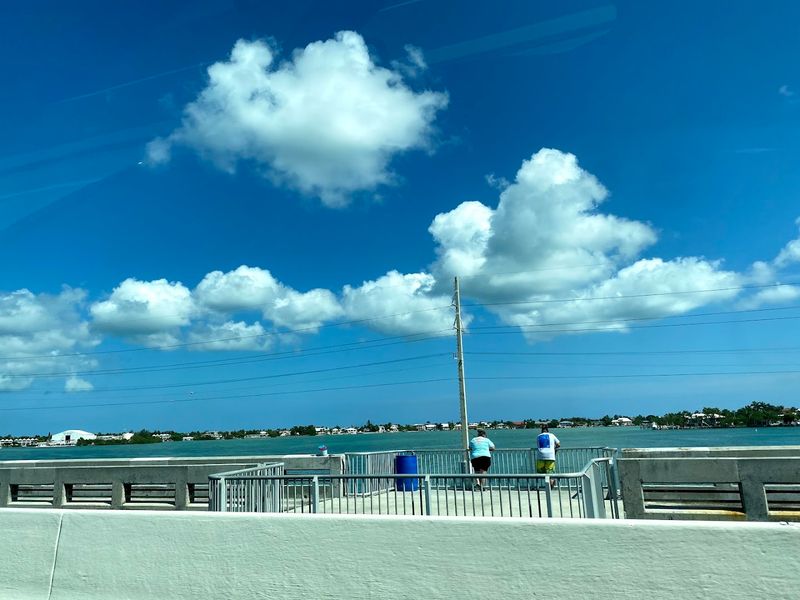
One of the best-kept secrets about the Overseas Highway is how rewarding it is to simply pull over and stop. Designated parking areas dot the route, and each one offers a slightly different view, a different mood, and a different reason to breathe it all in.
Some spots are calm and quiet, perfect for sitting on a cooler and watching the tide move. Others draw anglers casting lines off small concrete ledges right next to the road.
A few overlooks offer unobstructed panoramic views that feel almost too beautiful to be real.
Travelers who plan ahead bring snacks, folding chairs, and binoculars to make the most of these stops. Rushing from Key Largo to Key West without pausing is technically possible, but it completely misses the point.
The Overseas Highway rewards those who treat it as the destination itself, not just the road between two places on a map.
Fishing from the Bridges: A Beloved Local Tradition
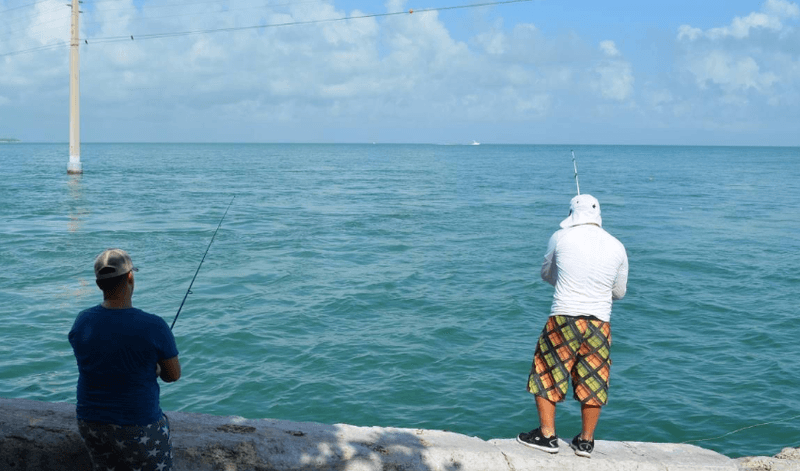
Fishing from the bridges along the Overseas Highway isn’t just an activity, it’s practically a way of life down here. Locals and visitors alike grab their rods, find a good spot on one of the older bridge structures, and spend hours waiting for something exciting to bite.
The old Seven Mile Bridge, now converted into a fishing pier, is one of the most popular spots. Other bridges and causeways along the route offer similar access, making it easy to combine a road trip with a spontaneous fishing session at almost any point on the drive.
One enthusiastic reviewer called bridge fishing the second-best part of visiting the Keys, right behind the drive itself. No boat required, no expensive charter needed.
Just a rod, some bait, salty wind, and the sound of water moving beneath your feet. It’s the kind of simple pleasure that feels tailor-made for a Florida Keys afternoon.
Islamorada: The Village of Islands Deserves a Detour
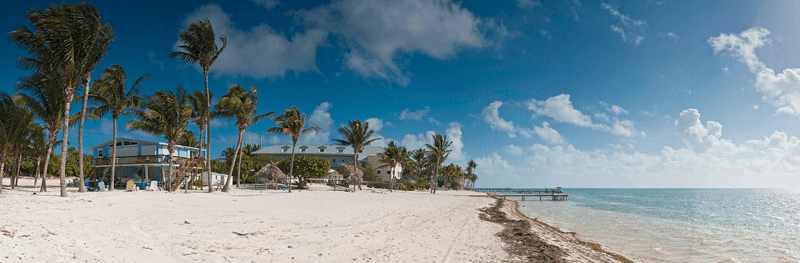
About 20 miles down the highway from Key Largo, Islamorada announces itself with a burst of color, flavor, and character that feels like a small town that knows exactly what it’s doing. Known as the Village of Islands, this stretch of the Keys packs incredible seafood, art galleries, and sport fishing culture into a surprisingly compact area.
Stopping here breaks up the drive in the best possible way. Fresh fish tacos, waterfront tiki bars, and charming boutiques line the main road, giving travelers plenty of excuses to linger longer than planned.
Robbie’s Marina, a beloved local landmark, lets visitors hand-feed giant tarpon right off the dock, which is as wild and fun as it sounds.
Many road-trippers name Islamorada as their favorite stop on the entire highway. The laid-back energy feels genuinely unhurried, like the island itself is reminding everyone that there’s no rush to get anywhere when you’re already somewhere this good.
Marathon and the Middle Keys: The Quiet Heart of the Drive
Sitting roughly in the middle of the Overseas Highway, Marathon has a calmer, more residential feel compared to the tourist-heavy towns on either end. That’s actually what makes it worth a stop.
Real Keys life happens here, away from the crowds and closer to the water in ways that feel genuinely local.
The Turtle Hospital in Marathon is one of the most unique attractions on the entire route, offering tours where visitors learn about sea turtle rescue and rehabilitation. It’s educational, emotional, and surprisingly moving for travelers of all ages.
Crane Point Hammock, a nature preserve right in town, offers hiking through rare tropical hardwood forests that feel completely different from the open-water scenery dominating most of the drive. Marathon also sits right at the northern end of the Seven Mile Bridge, making it the perfect place to park, breathe, and prepare for one of the most iconic crossings in American road-trip history.
Big Pine Key: Where Wildlife Takes Center Stage
Big Pine Key is the kind of place that makes you slow down for reasons that have nothing to do with traffic. Home to the National Key Deer Refuge, this island is where you’re most likely to spot the famously tiny Key deer, a subspecies of white-tailed deer that stands barely two feet tall and looks like something out of a storybook.
These miniature deer wander near roadsides, especially at dawn and dusk, and wildlife officials ask drivers to reduce speed significantly through the refuge area. It’s not just a courtesy, it’s the law, and locals take it seriously.
Beyond the deer, Big Pine Key offers access to the Great White Heron National Wildlife Refuge and some of the best backcountry kayaking in the entire Keys. The island feels quieter and wilder than most stops on the highway, a welcome contrast to the busier, more commercial stretches closer to Key Largo.
Nighttime Driving: Surprisingly Beautiful After Dark
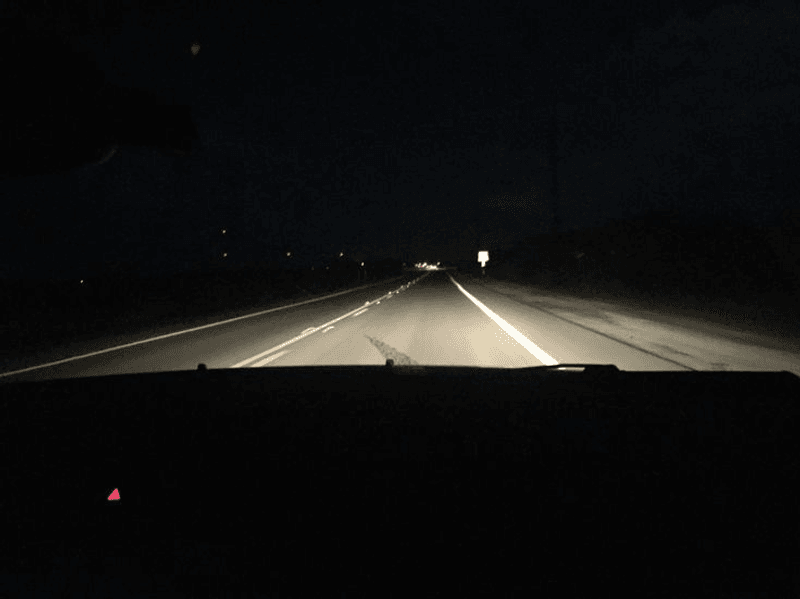
Most people assume the Overseas Highway is a daytime-only experience, but driving it after sunset offers something completely different and surprisingly magical. The road is well-lit along most stretches, and reviewers consistently praise how safe and easy nighttime navigation feels.
With the stars overhead and the dark water shimmering on both sides, the highway takes on an almost dreamlike quality after dark. One astronomy-loving traveler specifically recommended pulling over after sunset to look up at the sky, noting that stargazing from the Keys is genuinely spectacular away from city light pollution.
Buttonwood sunsets, raved about by multiple visitors, transition into vivid twilight skies that paint the water in shades of pink, orange, and deep purple before full darkness settles in. Driving through that color show with the windows down and good music playing is the kind of experience that becomes a core memory almost immediately.
Night driving here is absolutely worth trying at least once.
Dolphins, Pelicans, and the Wildlife You Didn’t Expect
Wildlife sightings along the Overseas Highway feel less like lucky accidents and more like regular features of the trip. Dolphins are perhaps the most exciting, often spotted playing in the wake of passing boats or surfacing near bridge pilings close enough to the road that passengers can see them clearly from the car.
Pelicans are practically everywhere, perched on bridge railings, gliding low over the water, or diving dramatically into the shallows after fish. Great blue herons stand perfectly still along the shoreline, looking like they’ve been posing for photographs their entire lives.
Manatees occasionally surface in the calmer channels between islands, especially in cooler months when they seek warmer water near boat traffic. Ospreys, roseate spoonbills, and even the occasional frigate bird round out the aerial cast.
Keeping binoculars in the car transforms a scenic drive into something closer to a wildlife safari with better road conditions and no dust.
The History Behind the Highway: A Railroad Turned Road
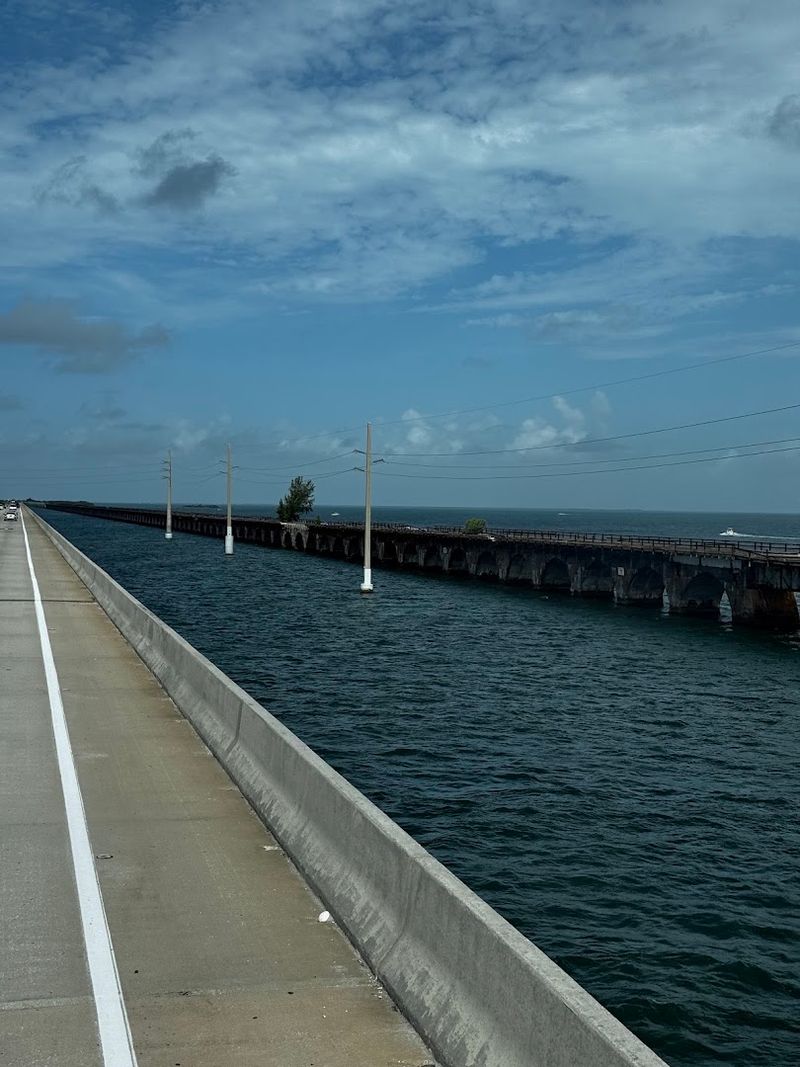
Long before the Overseas Highway existed, railroad tycoon Henry Flagler built what many called the Eighth Wonder of the World: a railroad stretching from the Florida mainland all the way to Key West, completed in 1912. It was an engineering achievement so bold that most people thought it was impossible.
The Labor Day Hurricane of 1935 destroyed much of the railroad, killing hundreds of workers and leaving the tracks in ruins. Rather than rebuild the rail line, engineers converted the remaining bridges and causeways into the roadway that became the Overseas Highway, officially opening in 1938.
Pieces of the original Flagler railroad infrastructure are still visible today, running parallel to the modern road in several places. The old Seven Mile Bridge is the most famous surviving section.
Knowing this history adds a completely different layer of meaning to every bridge crossing, turning a scenic drive into a quiet tribute to one of America’s most audacious construction projects.
Practical Tips for Making the Most of Your Drive
Getting the most out of the Overseas Highway comes down to a handful of smart choices made before you even leave the driveway. Starting early in the morning, especially on weekends, helps avoid the slowdowns near Key Largo that build up as beach crowds arrive by boat and car throughout the day.
Bringing plenty of water, sunscreen, and snacks makes a big difference because gas stations and convenience stores can be spread out along certain stretches. A good playlist or audiobook, as one traveler specifically recommended, makes the longer open-water segments feel even more cinematic and enjoyable.
Booking accommodations in advance is essential during holidays and peak season, when every island town fills up fast. Cell service can be spotty in places, so downloading offline maps before departure is genuinely useful.
Most importantly, build in extra time. The Overseas Highway is not a road to rush.
Every mile has something worth slowing down to see.
Enjoyed this story?
Add Fast Food Club as a preferred source to see more of our reporting on Google.