


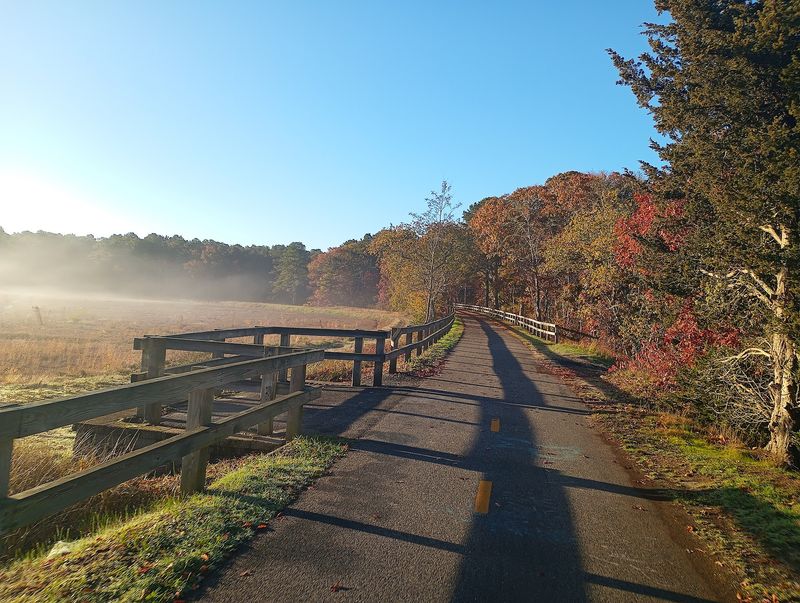
Long before cyclists rolled along this smooth ribbon of pavement, trains once rumbled across the same route, carrying goods and passengers across the sandy Cape. Today that old rail corridor has a second life, stretching for miles past glassy ponds, quiet marshes, and small New England towns that seem frozen in a friendlier time.
Families pedal side by side, joggers keep steady rhythms, and horseback riders trot along without a car in sight. The best part is how easy it feels, with almost no hills to slow anyone down.
Curious where this route goes and what waits around each bend? Keep reading, because this trail has more character than its flat surface suggests, and every mile offers a fresh reason to slow down and look around.
Where the Old Rails Now Run
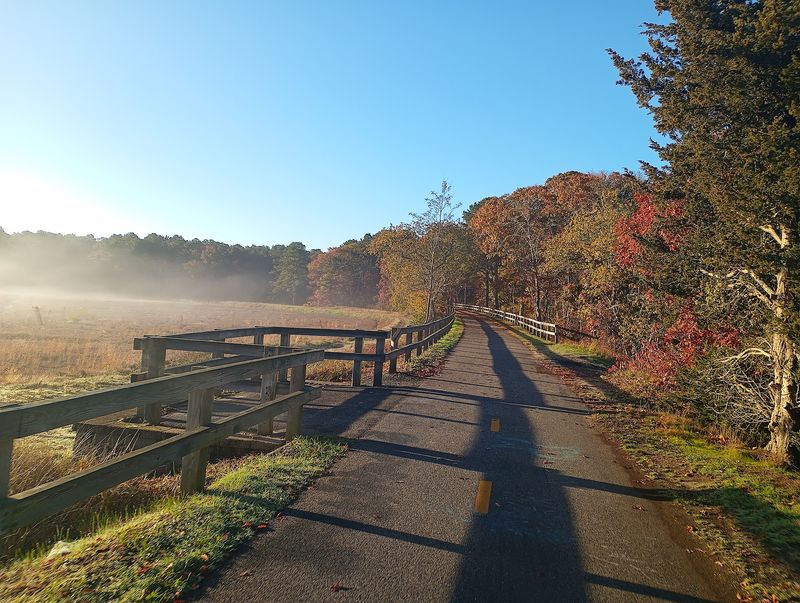
Anyone hunting for a low-stress outdoor route in Massachusetts eventually finds their way to the Cape Cod Rail Trail. The path runs across Cape Cod, following a former railroad line that once linked several towns.
The full route covers about 22 miles of paved surface. That length makes it one of the longer developed trails in the region, and it connects a string of communities as it goes.
Built on the bed of an old rail line, the trail keeps the gentle grade that trains once needed. That history is the reason the whole thing feels so flat and forgiving underfoot.
Marshes, ponds, and stretches of parkland line much of the way. The scenery shifts often enough that no two miles feel quite the same.
Because it passes through parks and links local towns, the trail works as both a nature escape and a practical way to travel between neighborhoods. That dual purpose gives it a steady flow of people at almost any hour.
A Railroad Reborn as a Pathway
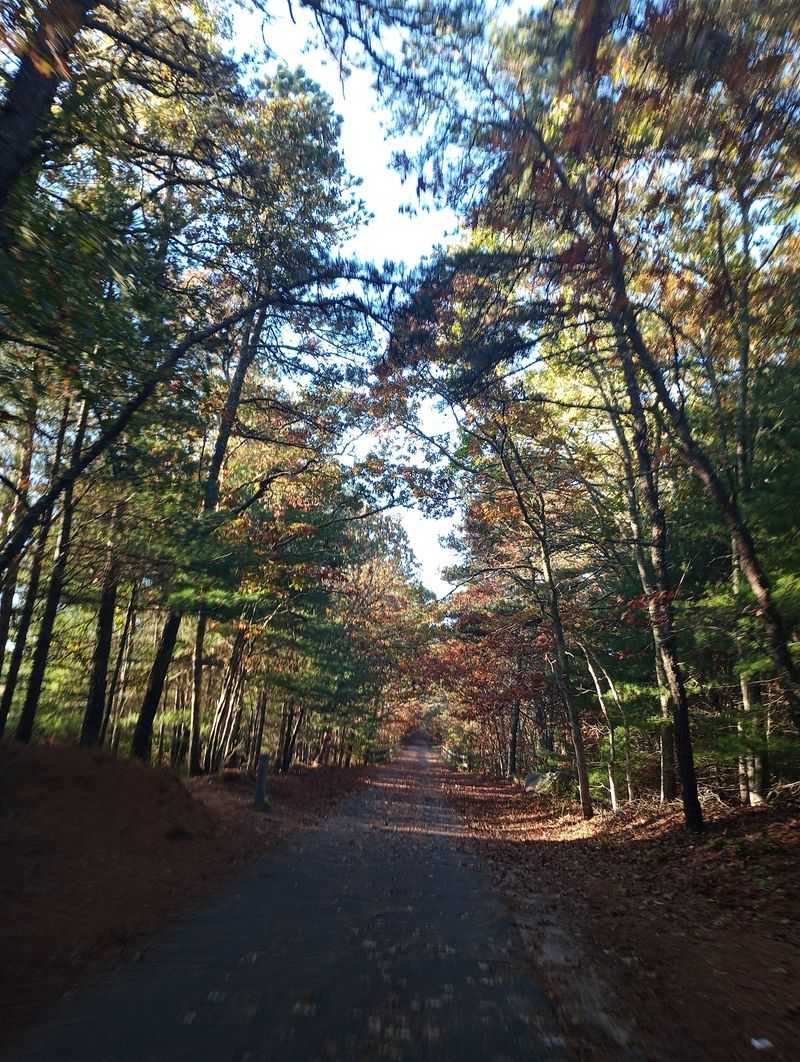
Trains, not bikes, first carved this route across the Cape. The corridor served as a working rail line before it was reimagined for people on foot, wheels, and hooves.
When the rails were retired, the flat, straight bed left behind turned out to be ideal for a recreational path. Converting it saved the route from being lost and gave the land a whole new job.
The result is a trail that carries a quiet sense of the past. Even paved and modern, the corridor still traces the same course the railroad once followed.
That heritage shows up in the way the trail moves in long, easy lines rather than sharp twists. Railroads needed gentle curves, and walkers today get to enjoy that same smooth flow.
Turning old rail lines into trails has become popular across the country, and this one stands as a well-loved example. It proves that a retired route can become one of the busiest and most cheerful spots around.
Marshes, Ponds, and Open Water
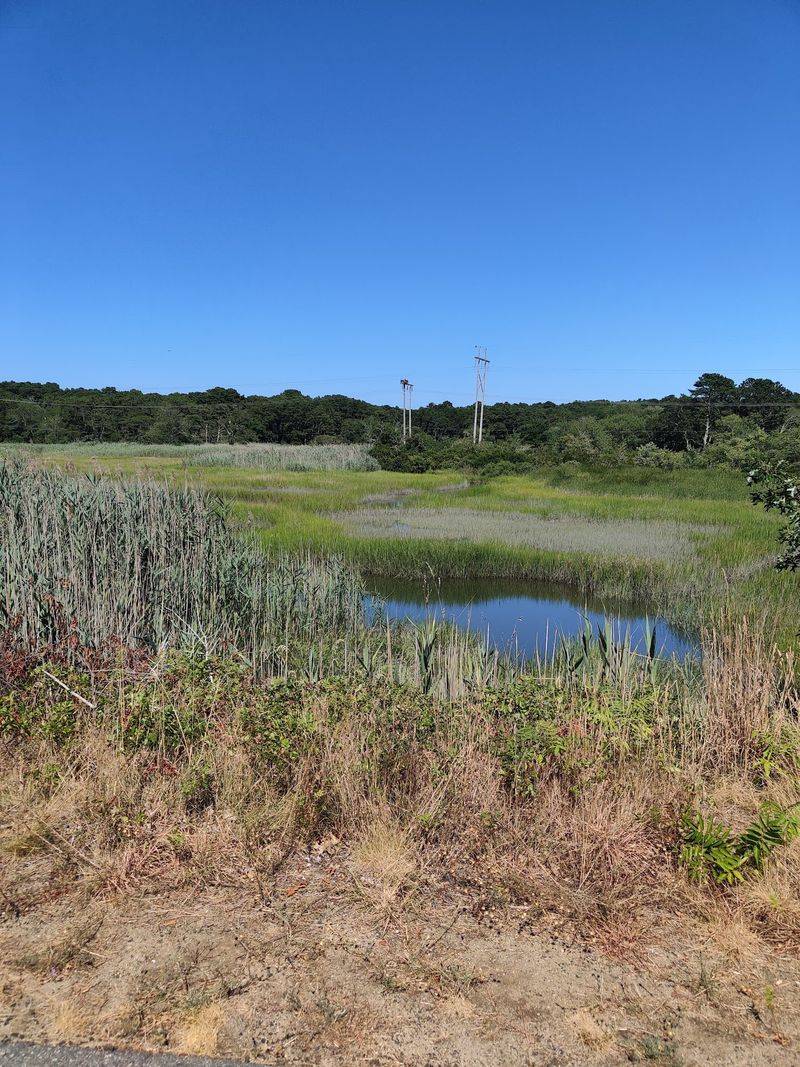
Water is the real headliner along much of this route. The trail slides past marshes and ponds that give the whole ride a distinctly Cape Cod character.
Freshwater ponds appear again and again, some tucked behind trees and others sitting right beside the pavement. They offer natural resting points where people pause to take in the view.
Marshland stretches out in other sections, flat and green and full of quiet movement. These wetlands are home to birds and small creatures that make the trail feel alive.
The mix of open water and low grasses keeps the scenery bright and airy. Sunlight tends to spread across these spots, making them favorites for photos and short breaks.
Because the corridor threads between so many watery landscapes, the route rarely feels monotonous. Each pond and marsh adds another postcard-worthy moment to the journey.
Flat, Friendly, and Easy to Ride
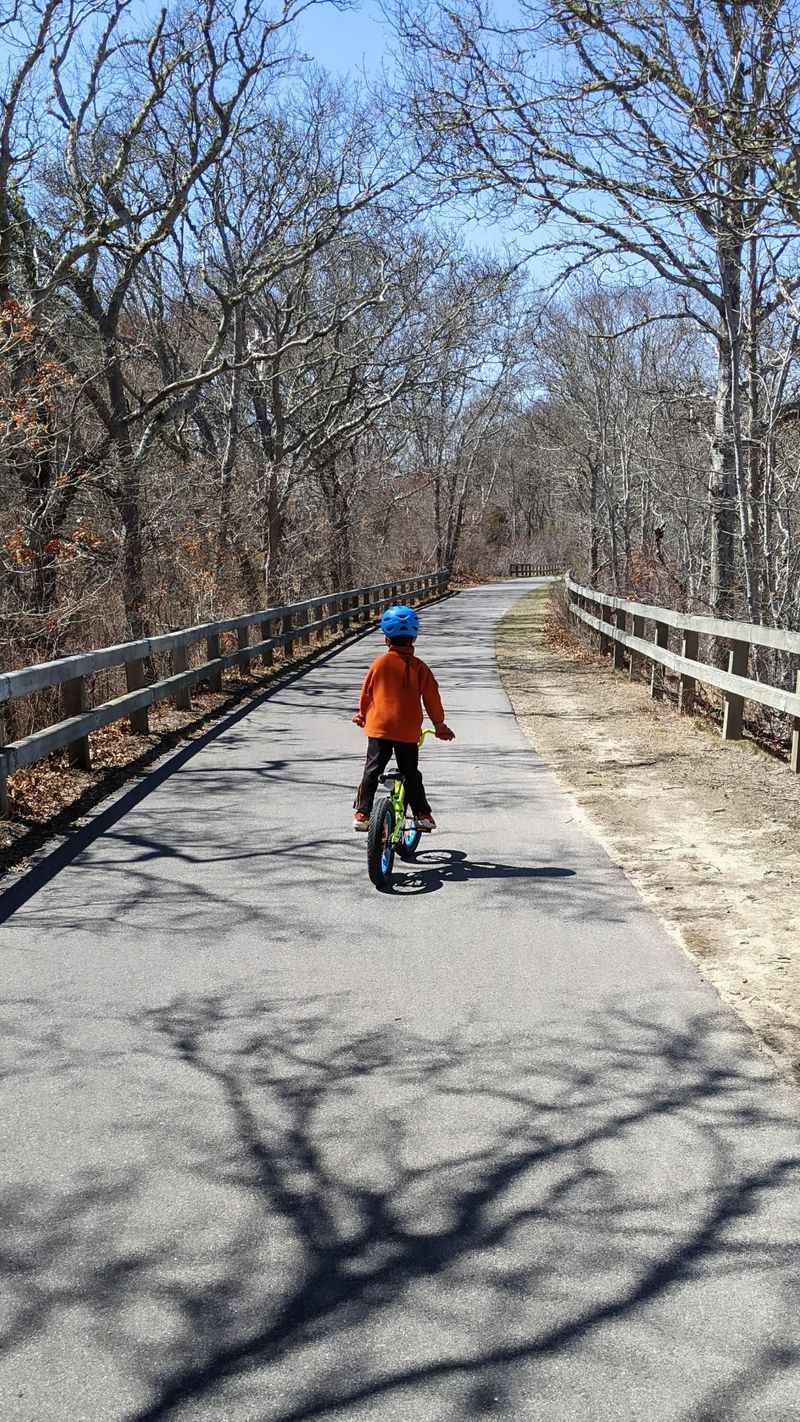
Steep climbs are simply not part of the deal here. The trail keeps the gentle grade of its railroad past, which means the whole route stays comfortably flat.
That easy surface makes it welcoming for riders who are just building confidence. Beginners can settle into a rhythm without fighting hills or tricky terrain.
The pavement itself is smooth and well suited for casual cycling. Wheels roll along without much effort, which keeps energy levels high even over longer distances.
Families with children find the mellow layout especially handy. Kids can pedal freely while parents keep pace without much stress.
Longtime users often mention how relaxing the ride feels compared to busy roads. With no traffic to dodge, the focus stays on the scenery and the simple pleasure of moving forward.
More Than Just Bikes
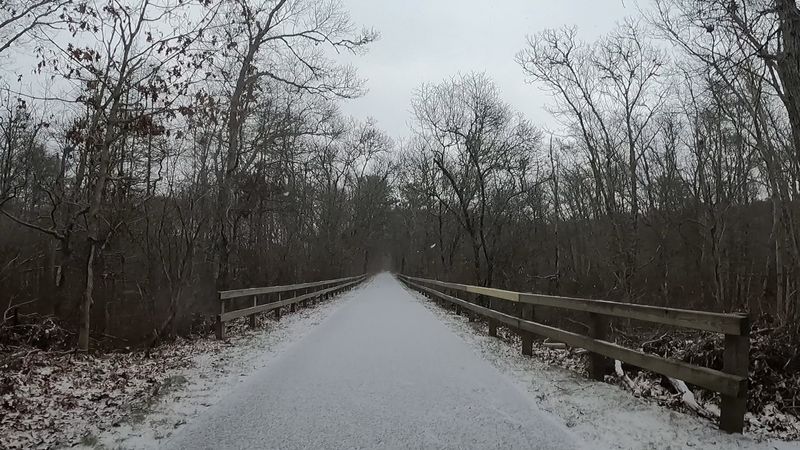
Bicycles may dominate the trail, but they are far from the only way to enjoy it. The path welcomes hikers, joggers, skiers, and even horseback riders along its length.
Walkers make up a big share of the crowd, especially those out for an easy stroll. The flat surface suits a slow pace just as well as a brisk one.
In colder months, the corridor takes on new life for those on skis. The same route that carries bikes in summer becomes a winter path when conditions allow.
Horse riders also find room here, using designated sections to trot along the old rail bed. Their presence adds a touch of old-fashioned charm to the scene.
Having so many ways to travel keeps the trail lively and diverse. People of all interests share the route, each finding their own way to enjoy the miles.
Linking Town to Town
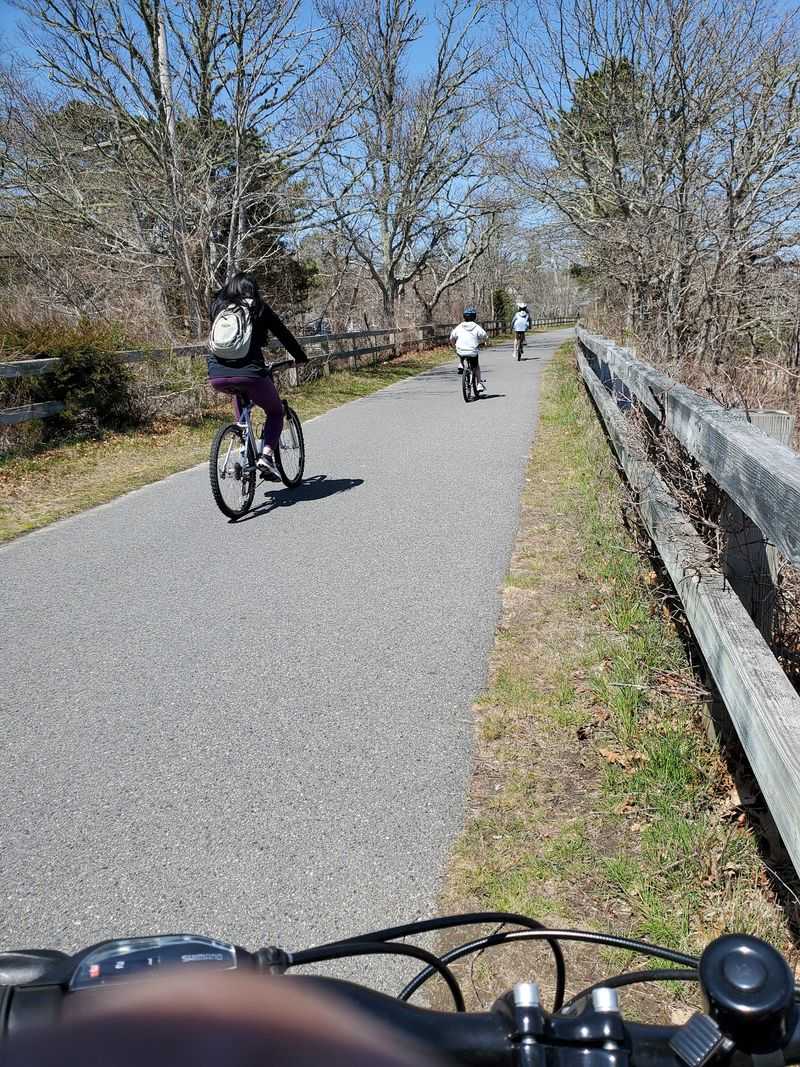
Rather than looping through empty countryside, this trail stitches together a series of local towns. The route acts like a green thread connecting one community to the next.
Riders can start in one town and finish in another without ever touching a highway. That connection makes the trail useful for errands and visits, not just recreation.
Small shops and eateries pop up near several access points along the way. Those stops give travelers a reason to pause and explore the towns they pass through.
The links between communities also mean plenty of places to hop on or off. Nobody has to ride the full distance to enjoy a meaningful stretch.
By tying neighborhoods together, the trail becomes part of daily Cape Cod life. It serves locals and visitors alike, blending travel with leisure in a single smooth route.
Parkland Along the Way
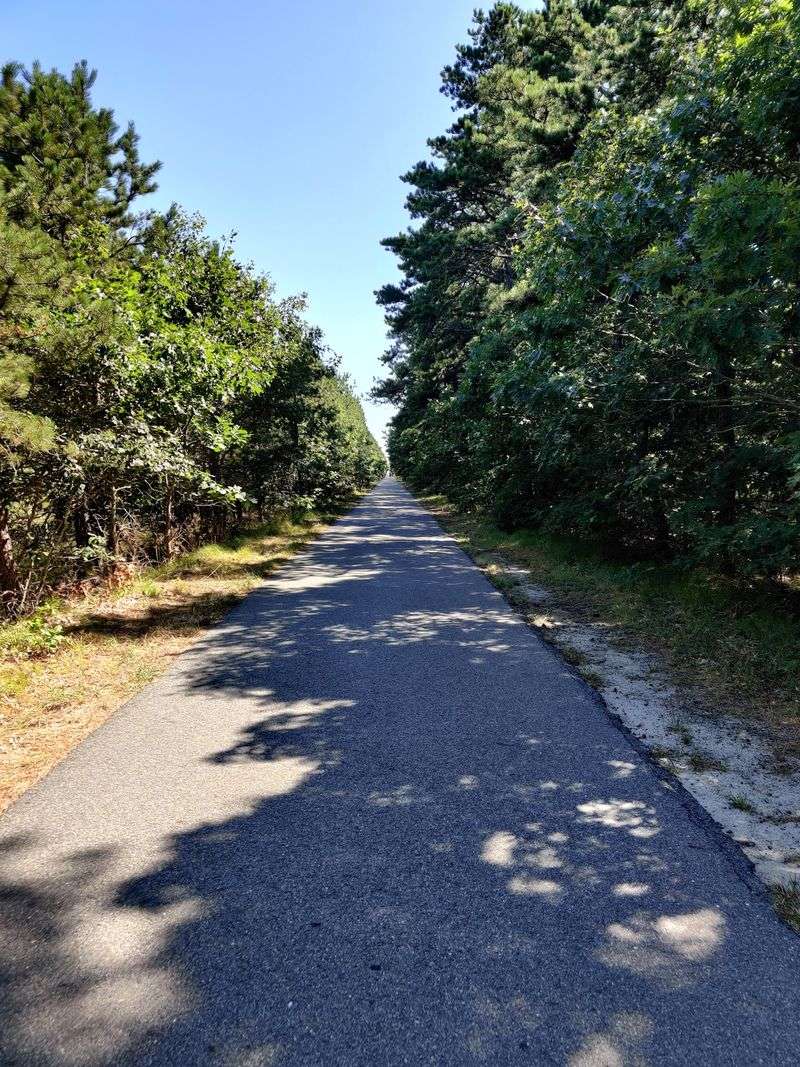
Green space follows the route almost from start to finish. The trail runs through parkland that shields it from busy roads and adds a natural border on both sides.
Trees line long portions of the path, offering welcome cover on brighter days. That leafy edge keeps the corridor feeling secluded even near populated areas.
The parkland setting also creates room for wildlife to thrive close to the trail. Birds and small animals move through the greenery just steps from passing travelers.
Open clearings break up the wooded stretches now and then. These pockets of space let the sky open up and give the eyes a change of scenery.
All that protected land gives the trail a peaceful, unhurried mood. It feels far removed from traffic even when a town sits just beyond the trees.
A Full 22 Miles to Explore
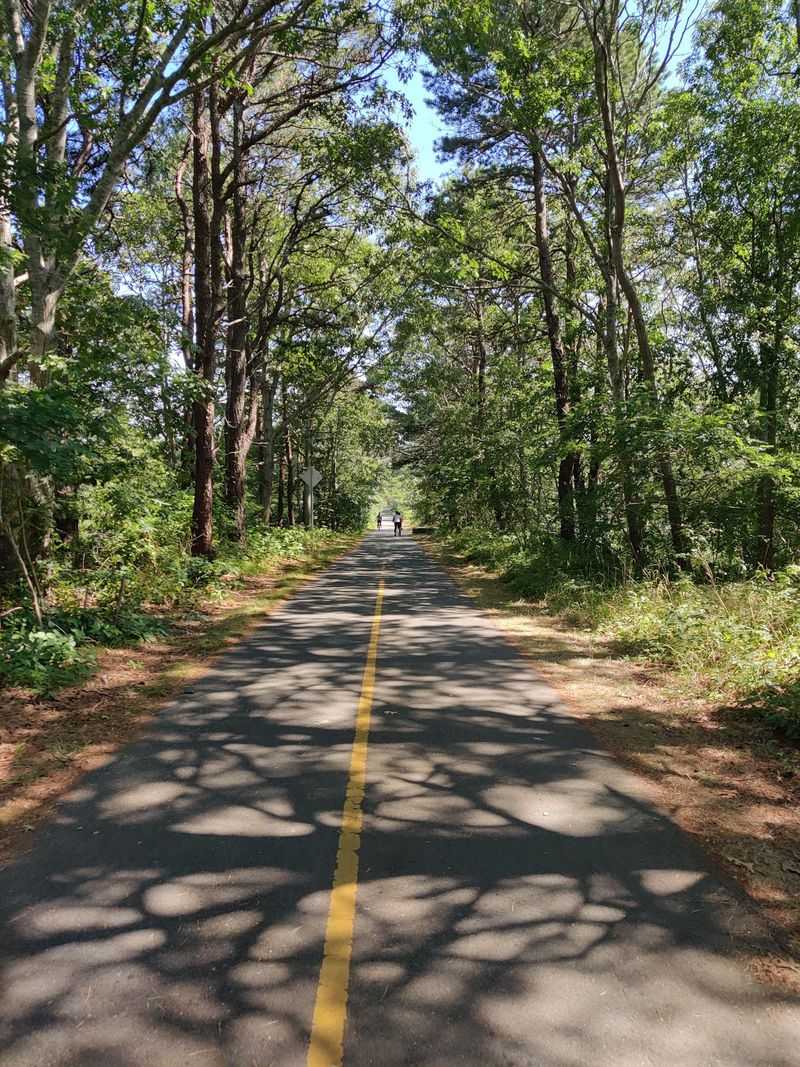
Distance is one of this trail’s proudest features. The full route stretches for roughly 22 miles, giving riders and walkers plenty of ground to cover.
That length means a person could spend an entire day working through the whole thing. It also allows for shorter outings that still feel rewarding.
Longer rides reward those who want a real journey rather than a quick loop. The miles add up to a genuine sense of accomplishment by the end.
Because the trail is so long, the scenery has plenty of time to change. Ponds, marshes, woods, and towns all take their turns as the miles roll by.
Whether tackled in pieces or all at once, the 22 miles offer flexibility for every schedule. There is always another section waiting for the next visit.
Choosing Your Season
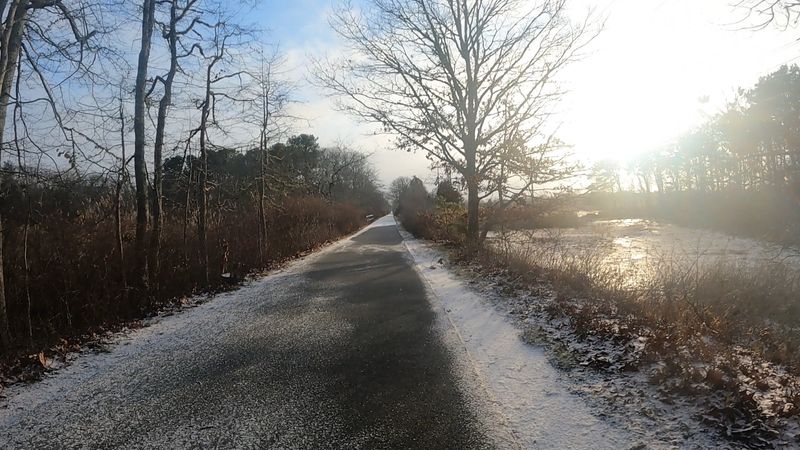
Every season paints the trail a little differently. The route stays open through the year, with each stretch of months bringing its own reason to visit.
Warmer months draw the biggest crowds, when cyclists and walkers fill the path. Green surrounds the corridor, and the ponds shine under longer days.
Cooler weather thins out the traffic and offers quieter outings. Those who prefer solitude often favor these calmer stretches of the calendar.
When snow arrives, the trail shifts toward skiing for those equipped for it. The flat rail bed makes an easy surface once winter settles in.
No single season claims the trail as its own. Each one reshapes the experience, so returning at different times reveals a whole new version of the same route.
Tips Before You Set Out
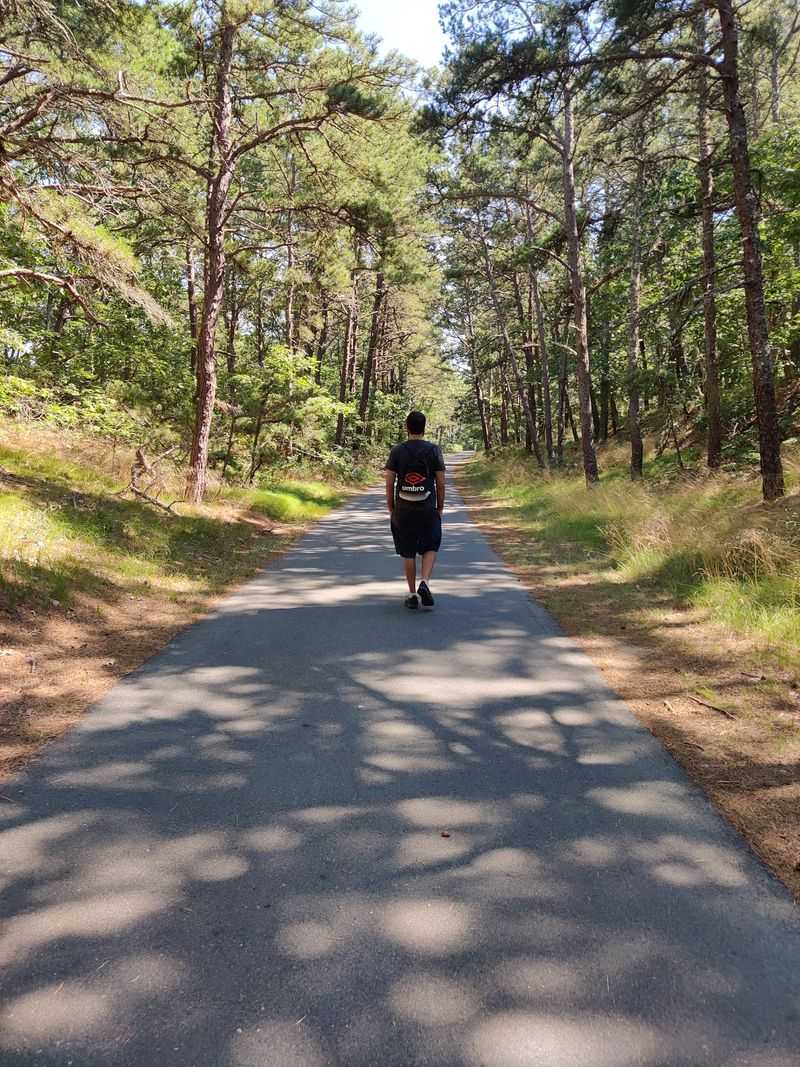
A little planning goes a long way on a trail this long. Deciding on a starting point and a turnaround spot helps keep any outing manageable.
Since the route links several towns, choosing an access point near a town makes it easy to grab supplies. Those stops are handy for water and a quick rest.
Bringing your own bike is the classic approach, though the flat surface welcomes many styles of travel. Walkers and joggers need little more than good footwear.
Weather matters for a full day out, so checking conditions ahead is wise. Comfortable clothing and sun protection make the longer stretches easier.
Sharing the path politely keeps things pleasant for everyone. With cyclists, walkers, and riders all present, a bit of courtesy helps the miles flow smoothly.
Why the Trail Keeps Calling People Back
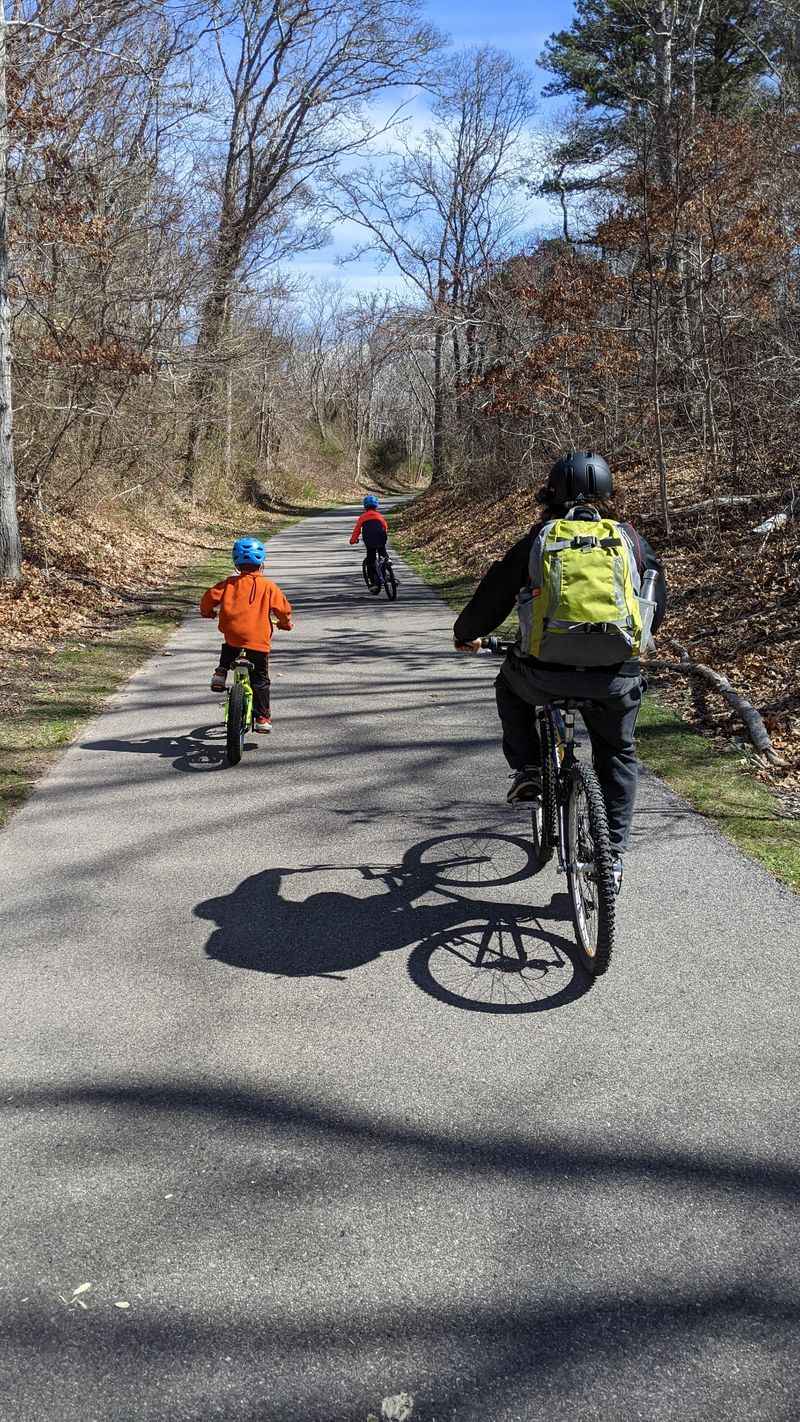
Few routes manage to feel both easy and full of variety, yet this one pulls it off. The old rail line turned trail gives Cape Cod a path that suits nearly everyone.
Its flat surface welcomes beginners while still rewarding those chasing distance. That balance keeps the route popular with a wide mix of people.
The scenery earns much of the affection, with marshes, ponds, and parkland trading places mile after mile. There is always something fresh around the next bend.
Linking town to town, the trail blends recreation with real usefulness. It carries commuters and wanderers alike across a beloved corner of Massachusetts.
For a relaxed day outdoors that never feels dull, the Cape Cod Rail Trail delivers again and again. Once someone rides it, the flat miles have a way of drawing them right back.
Enjoyed this story?
Add Fast Food Club as a preferred source to see more of our reporting on Google.