


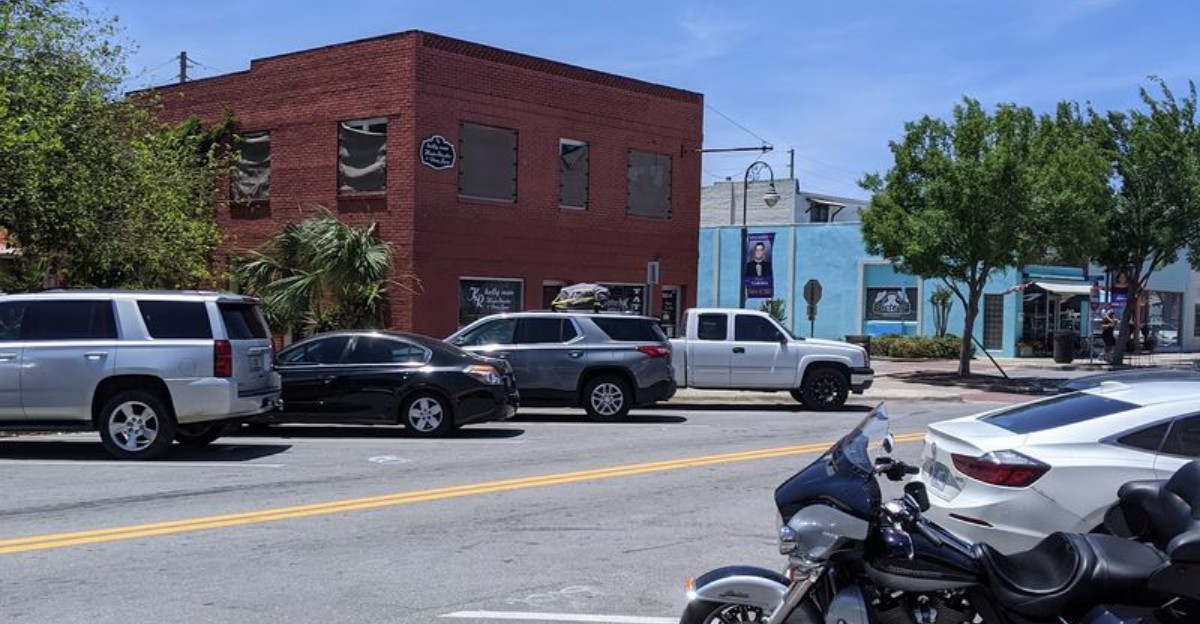
Tucked along a quiet stretch of the Florida panhandle sits a small town where the pace slows down and the waterfront feels within reach for regular families. Home to only a few thousand residents, this county seat holds onto an old-Florida charm that bigger beach cities lost years ago.
Buyers looking for calm water views without a sky-high price tag keep finding their way here, drawn by wide open bay scenery and a friendly main street. What makes this place worth a closer look, and why do people who stumble across it tend to stay longer than planned?
The next sections walk through its story, its setting, and the practical details that make it stand out on the Gulf Coast map.
Where This Quiet County Seat Sits
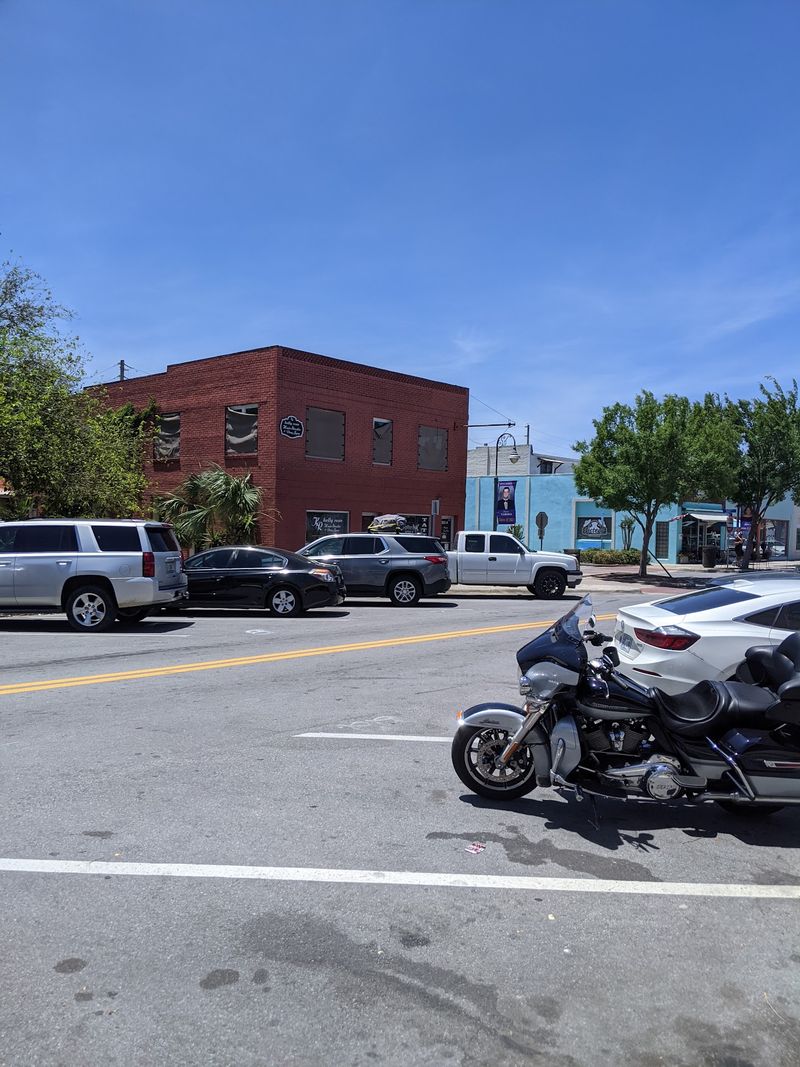
Set along the northern Gulf Coast of Florida, Port St Joe carries the simple mailing area of Florida 32456. The town serves as the county seat of Gulf County, and it sits right where U.S.
Highway 98 meets State Road 71.
That intersection matters more than it sounds. Highway 98 hugs the coastline, so getting into town means following the water for miles before the small skyline appears.
The population sat at 3,357 as of the 2020 census, which keeps things refreshingly uncrowded. You will not find sprawling traffic or towering resorts crowding the shore here.
Because it functions as the county seat, the town holds government offices and services that larger communities in the area rely on. That role gives it a steady backbone beyond tourism.
The city keeps an official presence online at cityofportstjoe.com, where local information stays available for anyone planning a move or a visit. For a place this size, that kind of organized front door helps newcomers get their bearings.
What really sets the location apart is the combination of small numbers and big water access, a pairing that keeps drawing people who want the coast without the crowds.
A Town Built Around Its Working Past
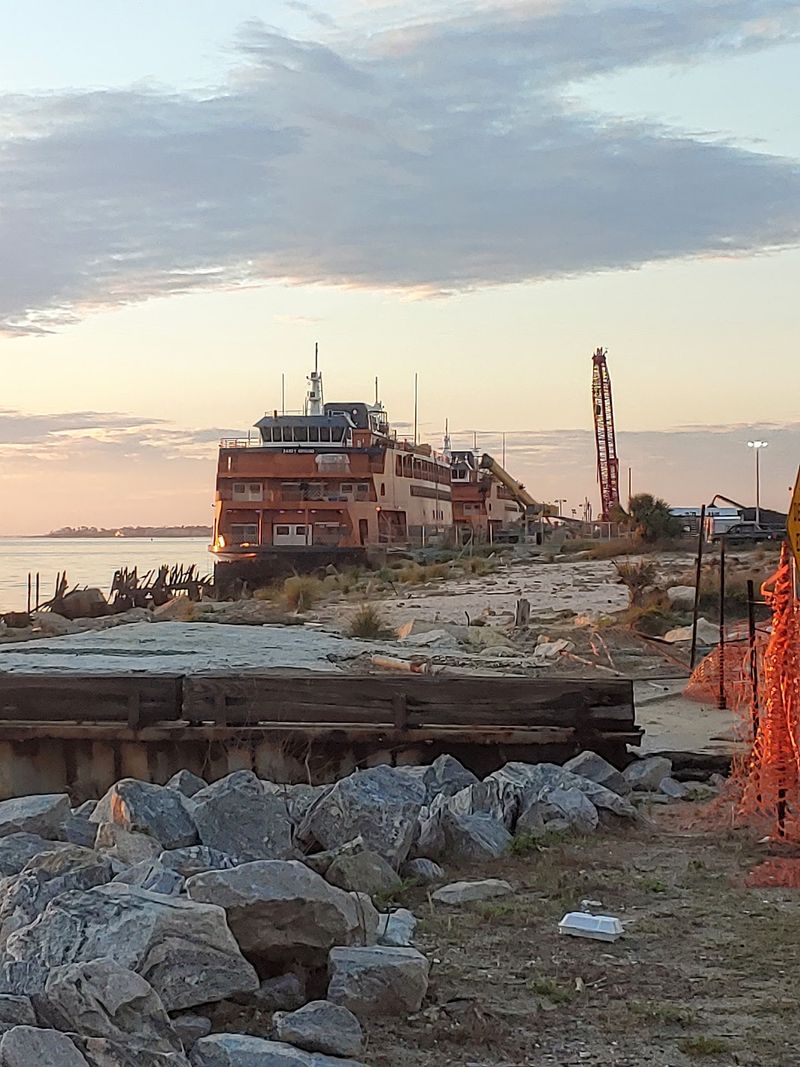
Long before it became a quiet retreat, this corner of the panhandle earned its keep through industry and shipping. The word Port in the name is no accident, since the location grew around its connection to the water and trade.
Gulf County itself formed around this community, cementing its role as the administrative center. Being the seat of county government gave the town a purpose that outlasted the ups and downs of any single trade.
Over the decades, the character shifted from busy port hub toward a calmer residential and coastal identity. That change is part of why prices along the water stayed more approachable than in flashier beach towns nearby.
The old bones still show in the layout, where the main routes funnel toward the bay and the town center. History lingers in the way the streets meet the shoreline.
People who study small Gulf towns often point to places like this as examples of communities that reinvented themselves without losing their footing. The steady population count reflects a town that grew slowly and deliberately.
Understanding that backstory helps explain the modern appeal, because a town shaped by real work tends to keep a grounded, unpretentious feel that money cannot manufacture.
The Waterfront That Draws Buyers
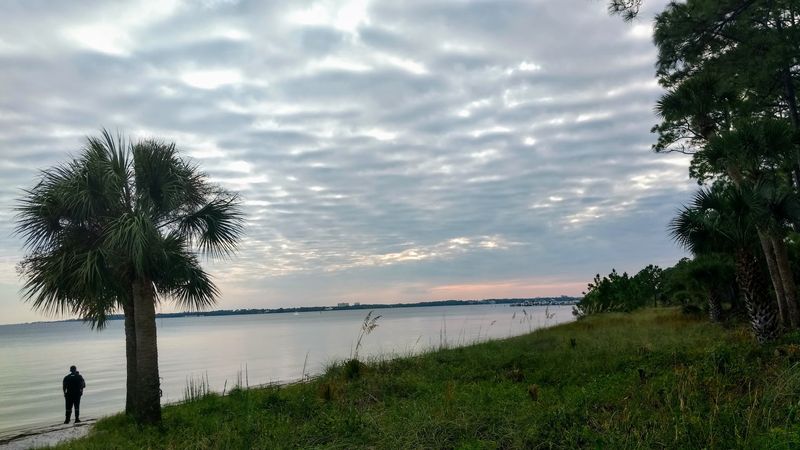
Water sits at the heart of what makes this town so appealing to house hunters. The bayfront stretches wide and calm, offering the kind of coastal setting that usually comes with a much steeper price tag elsewhere in Florida.
Buyers keep noticing that a waterfront home here does not require the fortune that similar spots along the state demand. That gap between scenery and cost is the whole draw.
The bay location means many properties enjoy views without facing the full force of open ocean. Sheltered water tends to feel more relaxed and manageable for everyday living.
Because the town stayed small, there is less competition pushing prices skyward compared to crowded resort strips. Supply and quiet demand keep things reasonable.
For families who always assumed a coastal home was out of reach, the math here often surprises them in a good way. The dream stops feeling like fantasy.
People searching for that balance of affordability and shoreline access tend to circle back to this town again and again. The waterfront is not just a nice feature here, it is the main reason the place keeps showing up on so many wish lists.
How The Two Highways Shape Daily Life
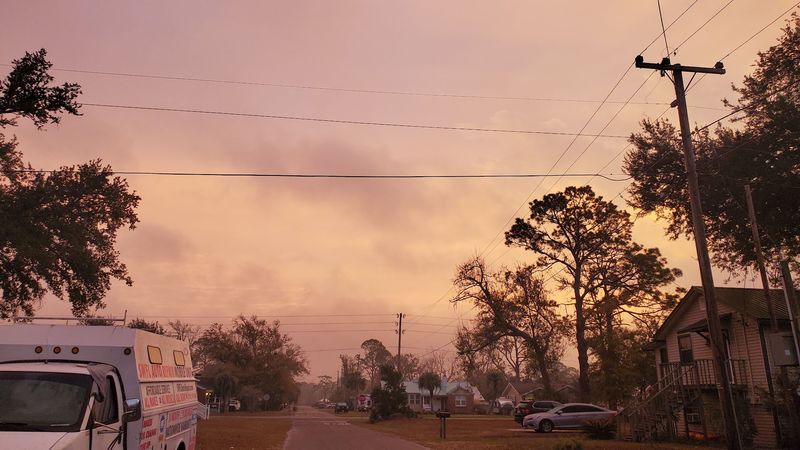
Getting around starts with two roads that define the town’s connection to the wider region. U.S.
Highway 98 runs the coastal corridor, while State Road 71 heads inland toward the north.
The meeting point of these two routes creates a natural hub for the community. Most comings and goings pass through this junction at some point.
Highway 98 links the town to other Gulf communities along the panhandle, making day trips and errands straightforward. Following the coast road keeps the water in view for much of the drive.
State Road 71 offers the route inland, tying the town to interior parts of the state and points beyond. That connection matters for supplies, services, and travel that does not involve the coastline.
Having both a coastal artery and an inland road gives residents flexibility that some isolated beach towns lack. You are not boxed in by a single way out.
The road setup also keeps the town accessible without turning it into a pass-through for heavy traffic. It sits close enough to major routes to stay convenient, yet far enough to keep its calm.
For anyone weighing a move, that balance of access and quiet counts as a genuine advantage.
Small Population, Big Sense Of Community
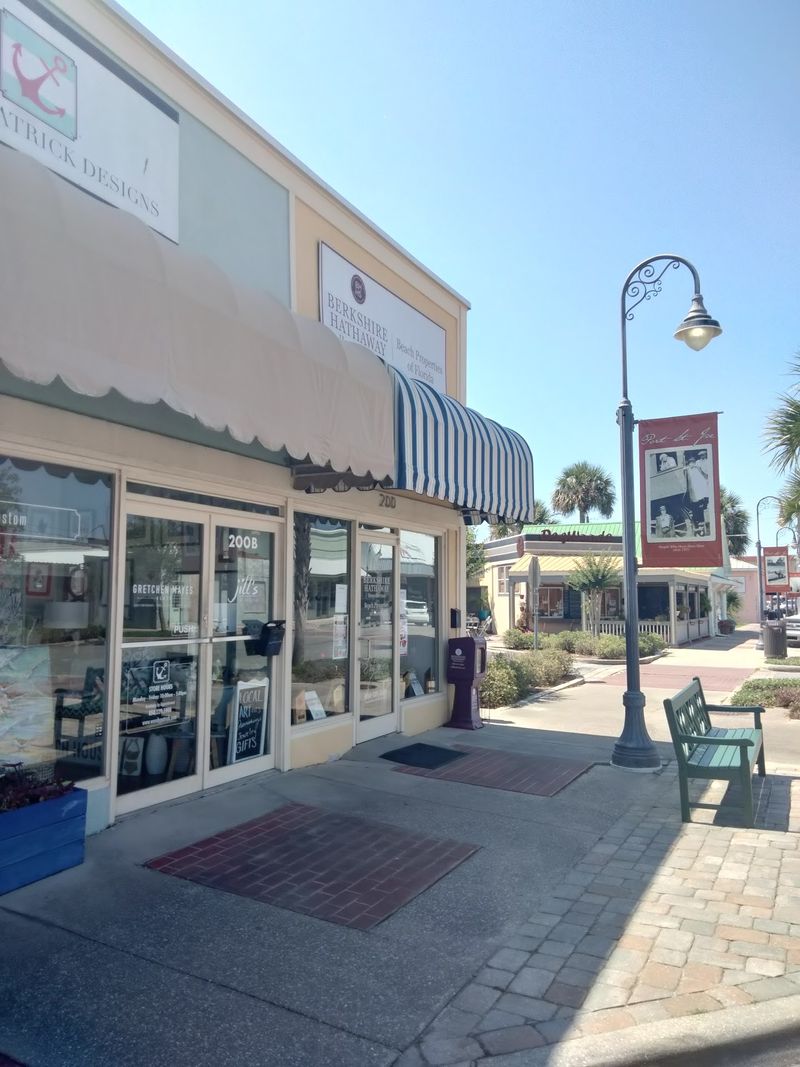
Numbers tell part of the story, and 3,357 residents is a figure that changes how a town feels day to day. With so few people, faces become familiar and the community leans tight-knit.
Small population counts often translate into shorter lines, easier parking, and a slower rhythm overall. Life here does not rush the way it does in dense coastal cities.
Being the county seat means the town punches above its weight in terms of services and civic activity. Government functions bring a steady flow of people and purpose to the center.
That combination of small size and official importance creates an interesting mix. The town stays intimate while still offering the anchors of a working community.
Newcomers often find it easier to settle in when the community is this compact. Getting to know neighbors happens naturally rather than through effort.
The modest census figure also hints at why the housing market stays calmer than in booming areas. Fewer people chasing homes keeps the pressure low.
For those craving a place where they can actually belong rather than blend into a crowd, the scale of this town becomes one of its quiet selling points.
Who Fits Best In This Coastal Town
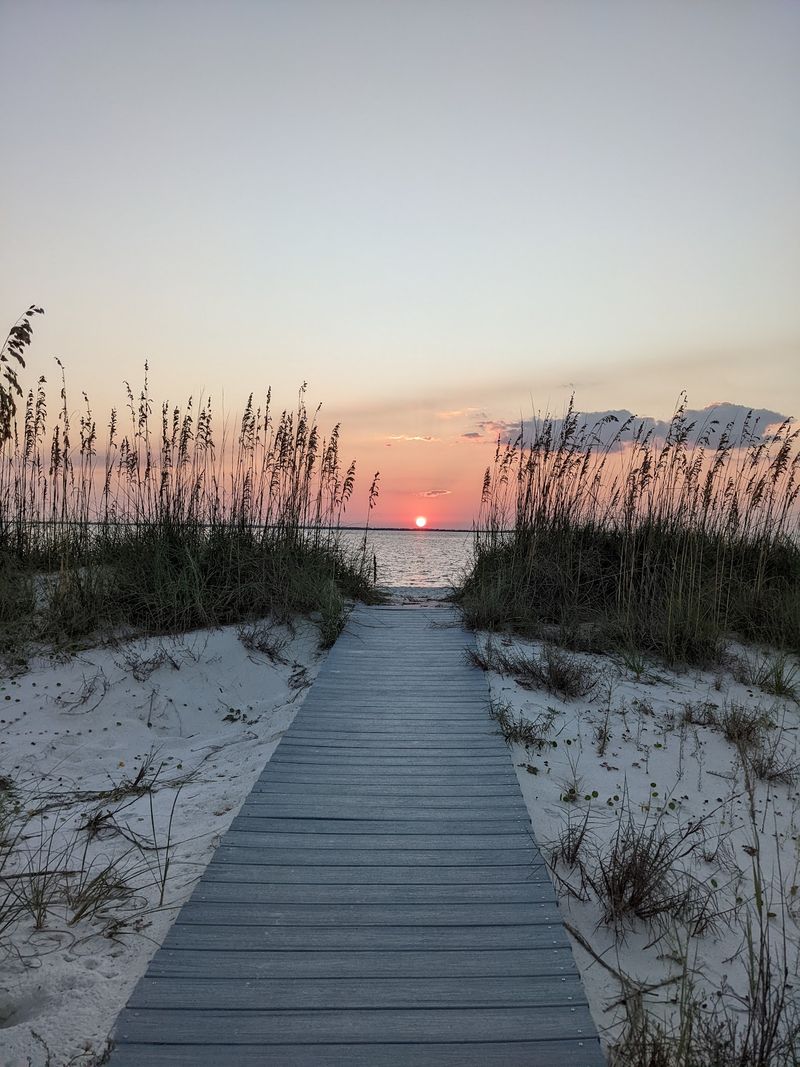
Not every place suits every person, and this town speaks loudest to those who value calm over commotion. People tired of crowded, expensive coastal markets tend to feel right at home.
Families searching for an affordable waterfront lifestyle make up a natural fit. The combination of reachable home prices and bay access answers a very specific wish.
Those who work remotely or plan for retirement often find the pace matches what they want. A quiet county seat offers steadiness without total isolation.
People who prefer a strong sense of place over flashy amenities also settle in well here. The town trades glitz for genuine small-community living.
Buyers who did the math on pricier Florida beach towns and walked away frustrated frequently discover this spot fits their budget. The affordability angle keeps pulling in practical planners.
Anyone who enjoys being near open water without wanting the chaos of a tourist strip will appreciate the setup. The bay delivers the scenery minus the frenzy.
In short, this is a town for people who measure a good life in peace, water views, and a home they can actually afford, rather than in square footage they will never use.
Getting There Without The Hassle
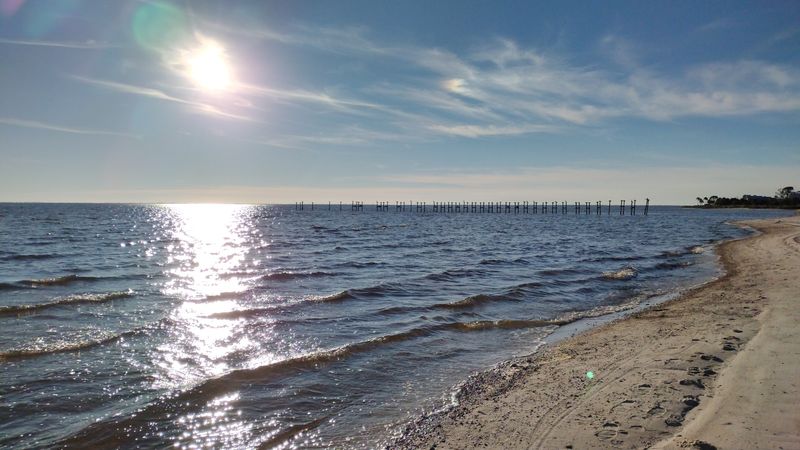
Reaching the town is more straightforward than its quiet reputation might suggest. Since it sits at the crossing of U.S.
Highway 98 and State Road 71, drivers have clear routes from several directions.
Coming along the Gulf Coast, Highway 98 carries travelers directly into the community. The coastal drive doubles as a scenic approach that eases you into the slower pace.
Arriving from the north, State Road 71 delivers you down toward the water. That inland route works well for anyone coming from central parts of the state.
The town’s position within Gulf County keeps it connected to the broader panhandle without feeling remote. Neighboring communities along 98 stay within easy reach.
Because traffic stays light, the final stretch into town rarely turns stressful. You trade highway congestion for open road well before you arrive.
Planning a first visit works best with a simple map check of where 98 and 71 meet, since that junction marks the heart of things. Everything spreads out from there.
Once you learn the two-road system, moving in and out of town becomes second nature, which is exactly the kind of simplicity that fits a place this size.
The Appeal Of Old-Florida Calm
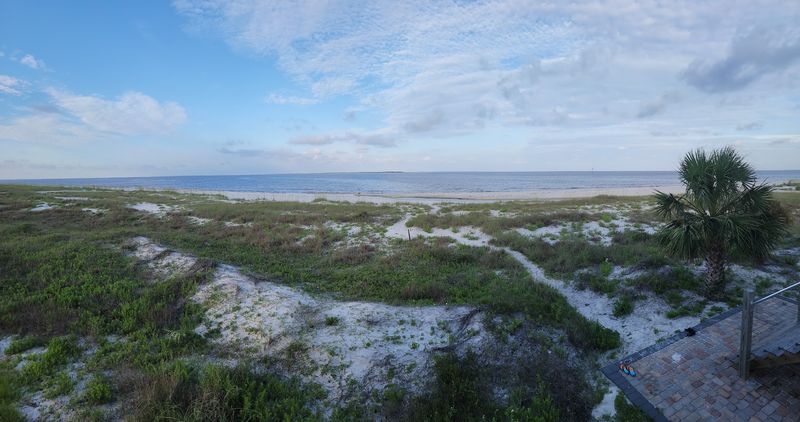
Something about a town of this scale keeps the frantic energy of modern coastal development at bay. The atmosphere leans toward the unhurried, a quality that grows rarer along the Gulf every year.
Without towering resorts or endless commercial sprawl, the town holds onto a lower-key character. That restraint is part of the charm rather than a shortcoming.
A population in the low thousands means the streets never overwhelm and the shoreline stays uncluttered. Breathing room comes standard here.
The steadiness of a county seat adds a reassuring layer to that calm. Civic life gives the quiet a sense of purpose rather than emptiness.
People who remember a simpler version of coastal Florida often recognize that feeling in this town. It carries echoes of an era before every beach turned into a tourist machine.
The measured pace suits those who want their days to feel spacious rather than packed. Time seems to stretch a little further here.
For buyers weighing where to plant roots, that intangible sense of calm often tips the scale as much as any price figure. A peaceful setting is hard to put a number on, yet it shapes everyday living in the biggest ways.
Why The Bay Setting Stands Out
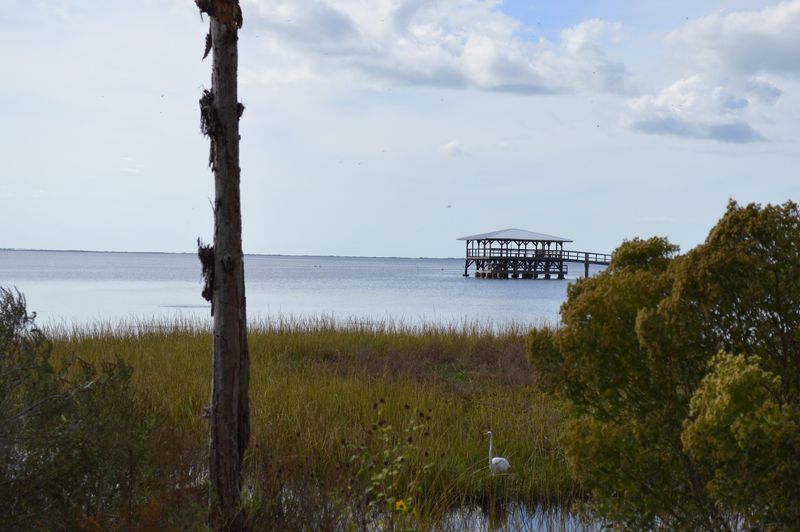
Coastal towns come in many shapes, and this one owes much of its identity to sitting on a bay rather than facing raw open ocean. Sheltered water shapes both the scenery and the lifestyle.
The bay setting tends to keep the shoreline gentler and more usable day to day. Calm water opens up easygoing possibilities close to home.
Homes positioned near the bay enjoy views that feel expansive yet peaceful. The water reads more as a serene backdrop than a churning frontier.
Because the town grew around its port and waterfront, the connection to the bay runs deep in its layout. Streets and life alike orient toward the water.
That geographic setup helps explain the affordability angle too. A bayfront location can offer coastal beauty at a friendlier price than premier ocean strips.
The wide, calm water also gives the town a distinct look compared to the surf-heavy image many people carry of Florida. It reads as gentle and inviting.
Anyone drawn to the idea of living beside the water without the intensity of full ocean exposure finds the bay setting appealing. It is the kind of coastal experience that rewards the everyday, not just the vacation.
Practical Notes Before You Go
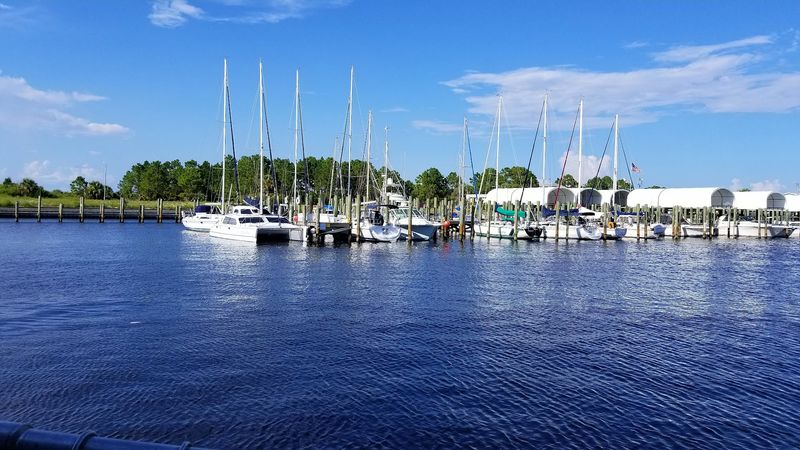
Planning a trip or a scouting visit here calls for a few simple pointers. The town falls under the Florida 32456 area, which helps when mapping directions or looking up local details.
The city maintains its official website at cityofportstjoe.com, a handy starting point for current information. Checking there before arriving saves guesswork.
Since the community serves as the county seat of Gulf County, government and civic offices operate in town. That makes it a practical base for handling local matters.
Driving remains the clear way to get around, given the town’s placement at the meeting of Highway 98 and State Road 71. A vehicle unlocks the surrounding coast and interior with ease.
The compact size means you can get a feel for the whole town in a single unhurried visit. There is no need to rush from one end to the other.
For house hunters, spending time driving the waterfront areas gives the best sense of what the town offers. Seeing the bay firsthand tells you more than any listing.
Keeping expectations tuned to a small, quiet community rather than a bustling resort will make any visit more rewarding. Come for the calm and the water, and the town delivers.
A Coastal Town Worth A Closer Look
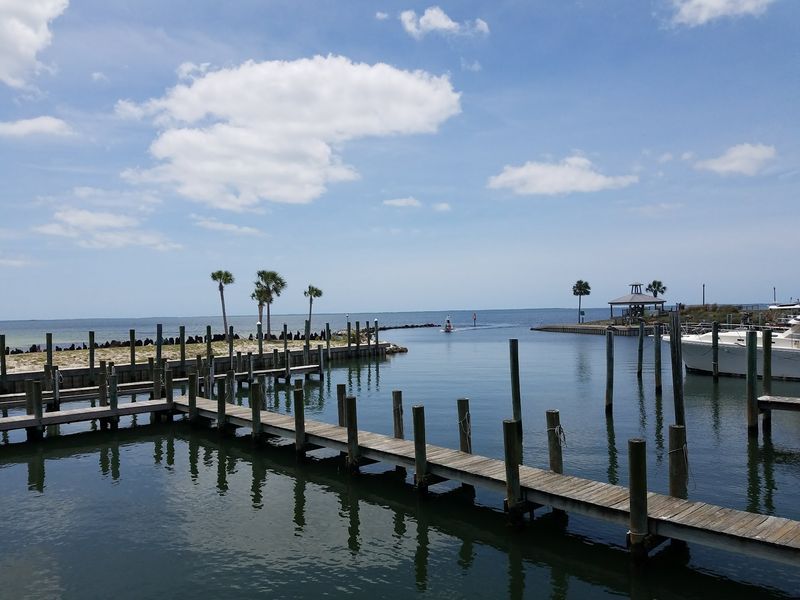
Everything about this small Gulf County community points toward the same conclusion. A town where waterfront living stays within reach is a rare find along Florida’s coast.
With a population of just a few thousand and a role as the county seat, it blends intimacy with steady purpose. That mix keeps the place grounded and welcoming.
The bay setting, the affordable shoreline, and the unhurried pace form a package that speaks to people worn out by pricier, busier coastal markets. The value here is real, not imagined.
Its position at the crossing of two well-traveled roads keeps it accessible without stealing its quiet. You get connection and calm in the same address.
For families, planners, and anyone chasing a coastal home without emptying the bank, the town answers a wish that once felt out of reach. The dream turns practical here.
A visit tends to leave people thinking harder about what really matters in a place to live. Sometimes the smaller town holds the bigger reward.
Those curious about a gentler slice of the Gulf Coast will find plenty of reasons to give this town a serious look, and maybe a longer stay than they first planned.
Enjoyed this story?
Add Fast Food Club as a preferred source to see more of our reporting on Google.