


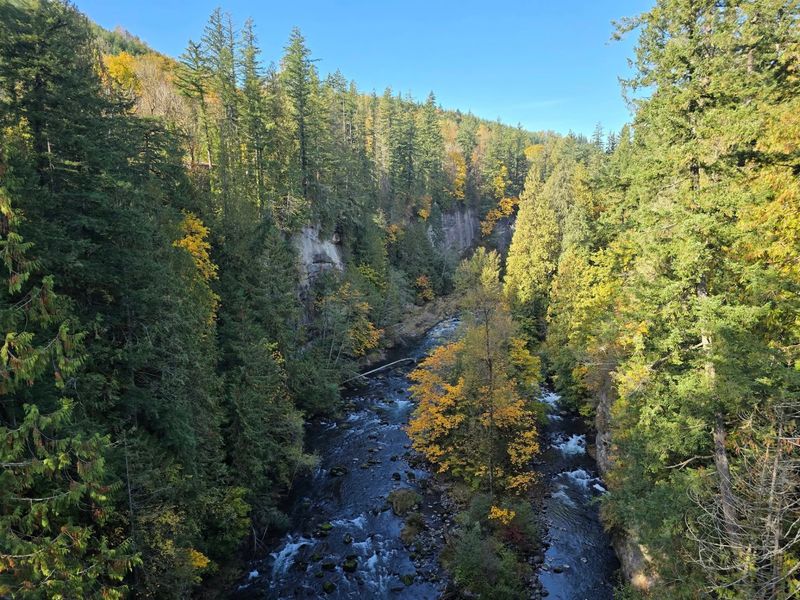
Tucked into the forested backcountry southeast of Seattle sits a river canyon that most people drive right past without ever knowing it exists. The trails are short, the drop to the water is steep, and the payoff is a carved gorge that looks nothing like the mellow roadside scenery leading up to it.
There are ghost town remnants, an old mine shaft, a quiet cemetery, and a swimming hole that draws warm-weather crowds. It carries a bit of an offbeat reputation too, with a small cash fee and rough, unmarked paths that ask a little effort of anyone curious enough to explore.
Stick around and you will learn exactly where it is, what makes it worth the drive, and the practical details that will keep your visit smooth and safe.
Where the Gorge Actually Hides
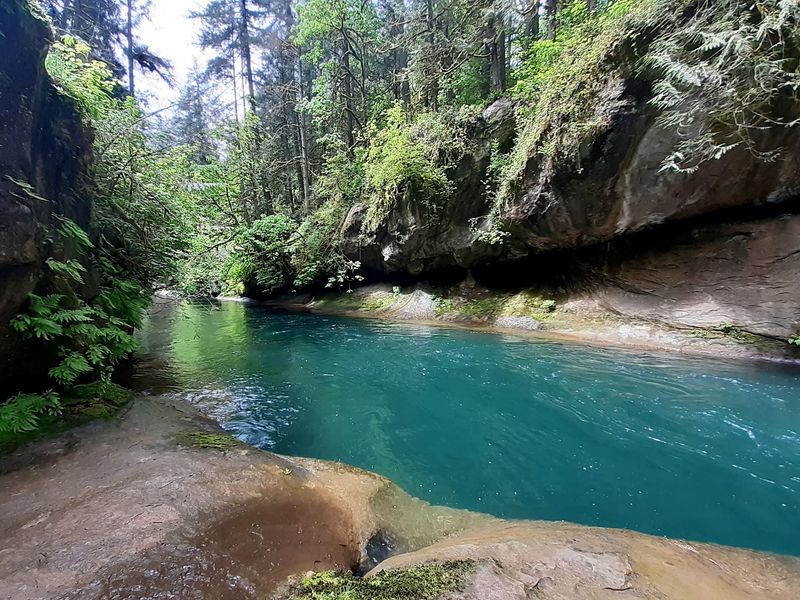
Finding this place takes a little patience, which is part of its charm. The Green River Gorge Conservation Area sits at 34401 Enumclaw Black Diamond Rd SE in Black Diamond, Washington, about an hour southeast of Seattle in King County.
The address does not always drop you at an obvious gated entrance, and that trips up first-timers. Several people mention parking near the Franklin ghost town access spot or along the roadside instead.
What waits below the road is a narrow canyon the Green River carved over centuries. The bridge crossing the gorge gives a strong first look before you ever set foot on a trail.
Classified as a state park, it does not behave like the polished ones with paved lots and ranger booths. That rougher character is exactly why the gorge stays quiet and uncrowded.
With 138 ratings averaging a solid 4.6 stars, plenty of folks clearly think the hunt is worth it. Come with a sense of adventure and a willingness to slow down on the drive in.
A Canyon Carved Deep and Green
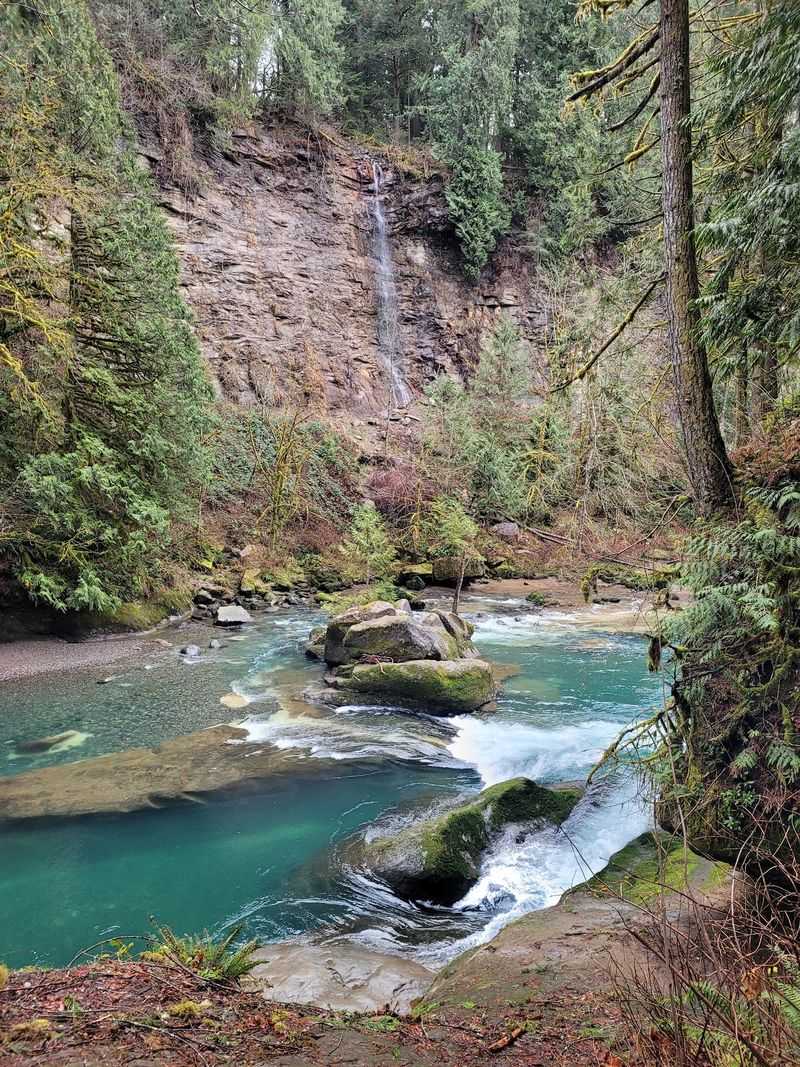
Long before hikers arrived, the Green River went to work slicing through rock, and the result is the star of the whole area. The gorge itself earns the highest praise, described as one of the most visually striking spots in this part of Washington.
Steep walls frame water that runs remarkably clear at the bottom. In season, salmon fill the current, adding motion to an already dramatic scene.
The view works from two angles. You can take it in from up on the bridge, then hike down for an entirely different perspective at the water’s edge.
Even people who grumble about the trails and the fees tend to circle back to the same admission: the gorge is genuinely beautiful. That agreement across very different opinions says a lot.
It feels tucked away yet still relatively close to town, a rare combination. The canyon delivers big scenery without demanding a full expedition to reach it.
Short Trails With a Serious Tilt
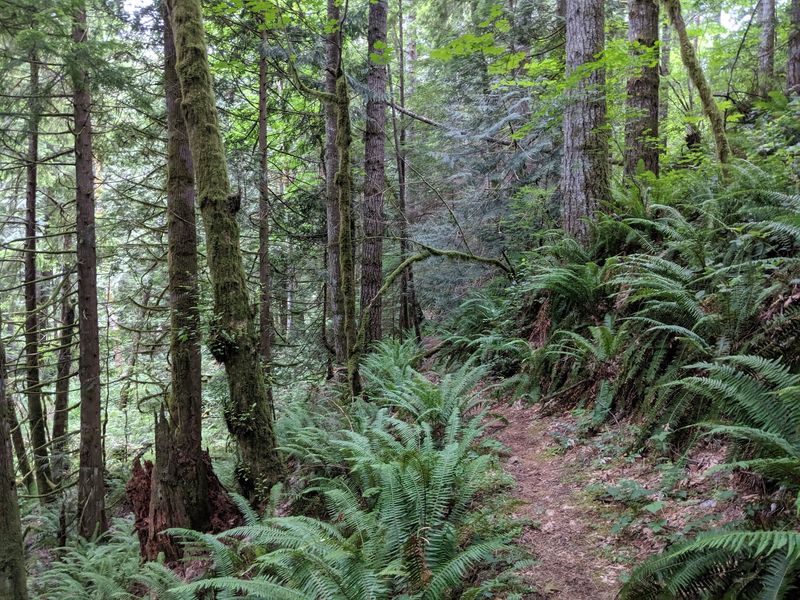
Do not pack your endurance snacks expecting a marathon. Most trails here are short, and mentions of the compact paths come up more than any other topic.
Short does not mean easy, though. Several routes tilt sharply, with steep and rocky footing showing up in account after account.
The descent to the river rewards the effort with direct water access. The climb back out is where the real workout hides, and folks joke that anyone who dislikes uphill walking should reconsider.
Footing can be uneven in spots, so sturdy shoes make a real difference. Ankle-testing sections near the water are common, and hands may come in handy on the way down.
The trade is simple. A little scrambling buys you a front-row seat to the gorge that longer, flatter hikes elsewhere simply cannot match.
The Hanging Gardens Route
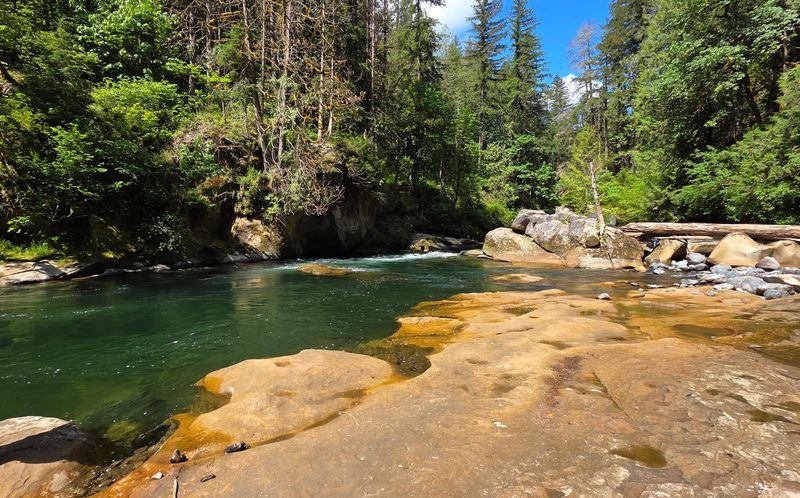
Ask around about the best stretch of canyon and one name keeps surfacing: the hanging gardens trail. It is a favorite among those who have explored more than one part of the gorge.
Getting to it is half the puzzle. The access is basically a gate off the road, with parking on the opposite side, and no tidy sign pointing the way.
The path runs overgrown, so expect to push through some brush. That wildness keeps foot traffic light and the atmosphere quiet.
What waits at the end justifies the scruffy approach. The trail leads right down to the river, and many consider this one of the finest views the whole gorge offers.
Because it is not marked on the map, it stays a bit of an insider tip. Anyone who prefers discovering a spot over following a crowd will appreciate the mystery.
Franklin Ghost Town and Mining Echoes
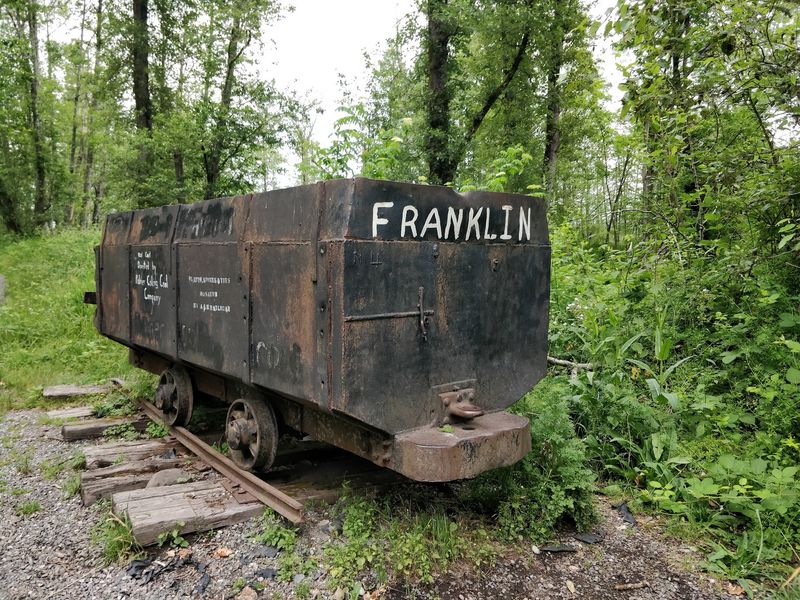
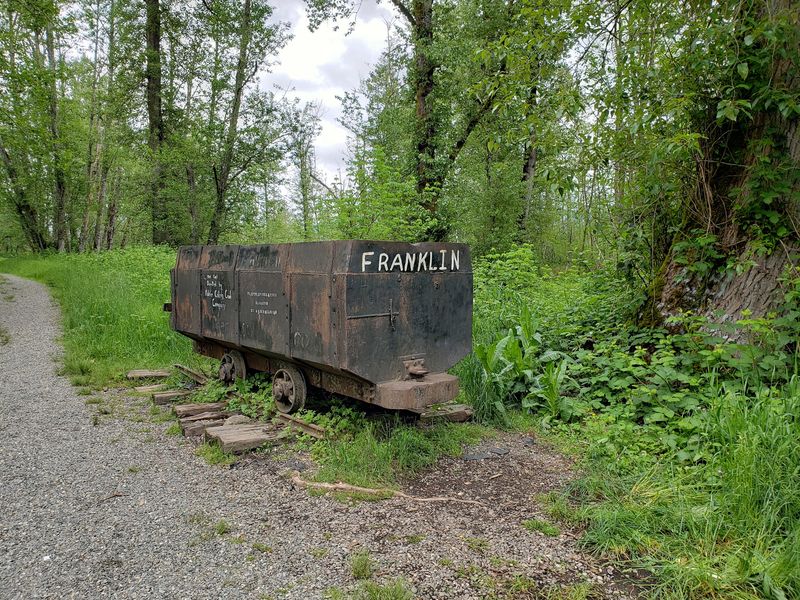
History runs quietly under all that greenery. The Franklin ghost town nearby offers an alternative for anyone not in the mood for a river descent.
The whole area was once heavily mined, and evidence still lingers if you know where to look. Much of it hides beneath thick undergrowth, giving the place a lost-in-time quality.
The walk out to Franklin is described as pleasant if low-key, more about atmosphere than grand vistas. Signs of the old industry keep popping up along the way.
It doubles as a practical parking area too, since many people access the wider gorge from this spot. That makes it a natural starting point for a longer wander.
For history-minded explorers, the layered past adds another reason to visit. The forest has reclaimed most of it, but the story is still readable to a patient eye.
The Abandoned Mine Shaft Surprise
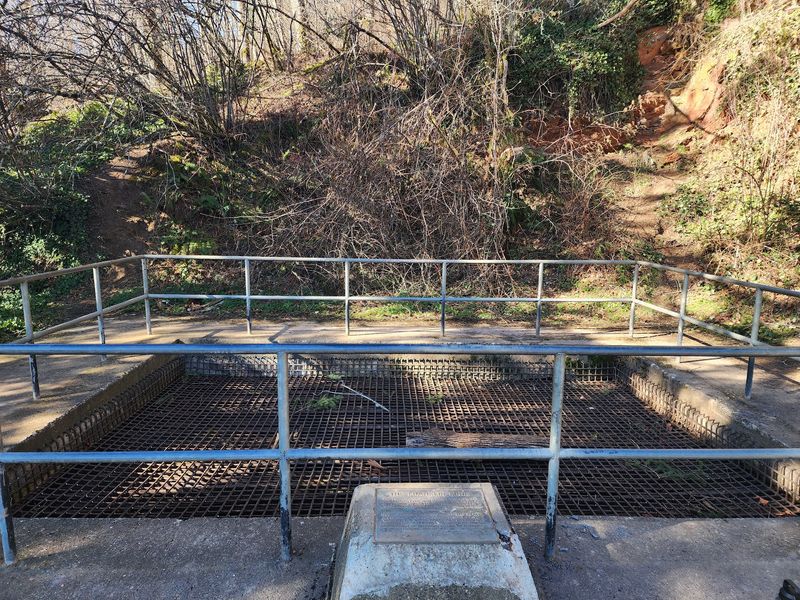
A gravel path with a gradual grade leads to one of the area’s most talked-about oddities. The abandoned mine shaft ranks as a genuine highlight for many who make the trek.
The route out to it is described as well brushed and steady, roughly a 20 to 30 minute walk, though distances are not marked. Along the way, unmarked side paths branch off for the curious.
The shaft comes covered with a grate, and a small tradition has grown around it. Dropping a rock through gives you a sense of just how deep the thing goes.
Families with kids and dogs have made this an easygoing outing, treating it as a look back through time. The gentle grade helps compared to the steeper river routes.
It is the kind of feature you do not expect from a quiet state park. That element of surprise keeps the walk memorable.
A Quiet, Overgrown Cemetery
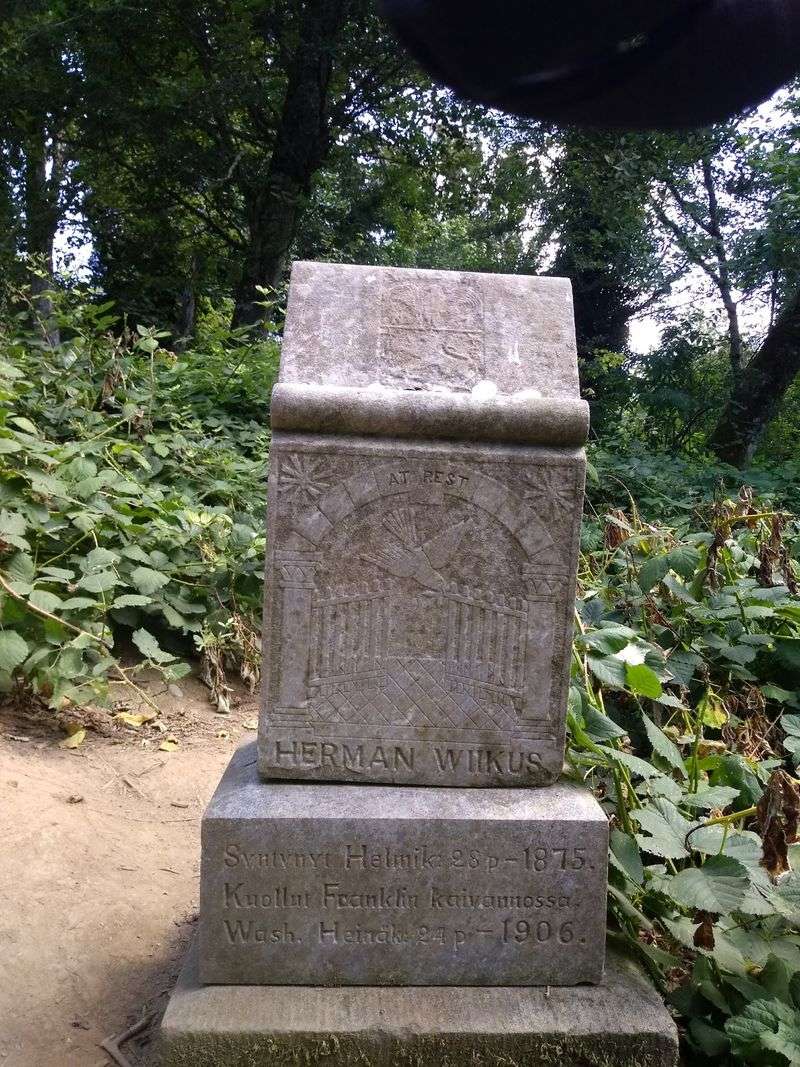
Beyond the mine shaft lies a solemn little corner most people miss. The old cemetery makes for an intriguing, if bittersweet, destination for those who keep hiking.
Getting there is famously confusing. The route runs uphill past the mine shaft, then past a ruined building, a small waterfall, and a mine cart bridge before finally reaching the graves.
Blackberry and other overgrowth crowd the site heavily. That wild reclamation gives it a quiet, forgotten feeling that some find genuinely moving.
Signage is sparse, and a single marker is often all that confirms you are on the right path. Wandering is practically expected on the way.
It reads as quaint and a touch melancholy, a snapshot of the area’s mining-era community. History lovers willing to navigate the brush will find it worth the detour.
The Swimming Hole and Water Safety
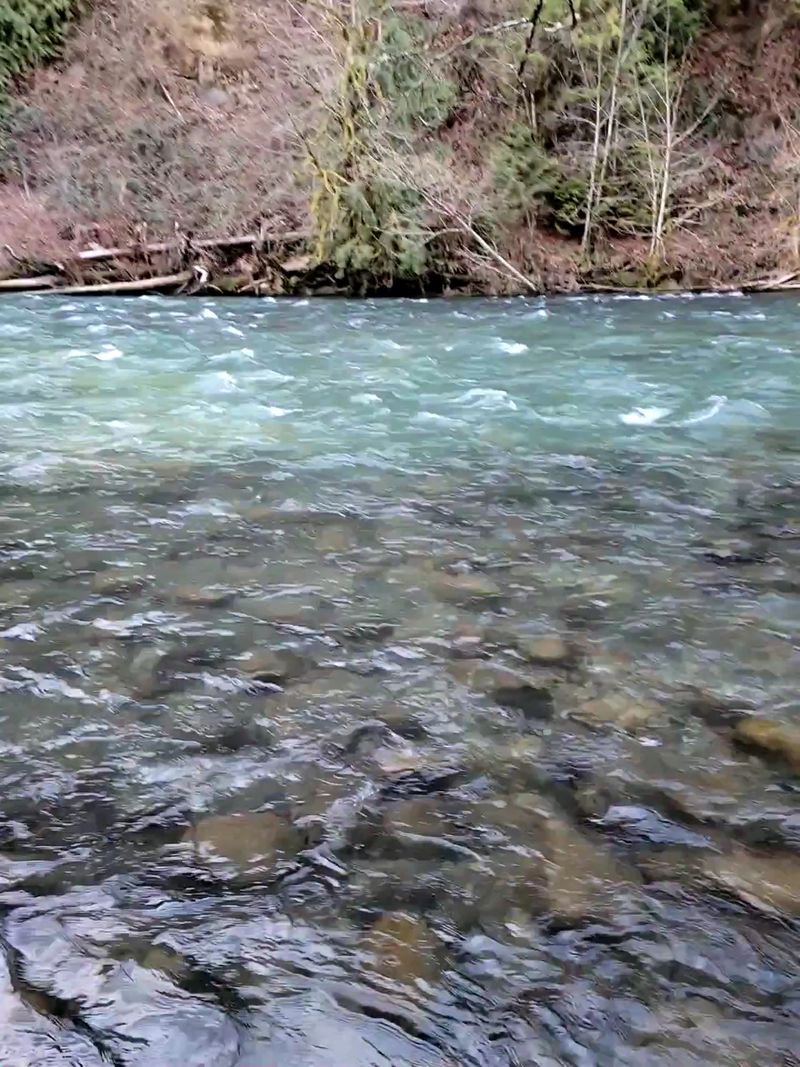
Warm days draw people down to the water, and it is easy to see the appeal. The swimming hole beneath the bridge is a well-known draw, with clear water in a striking canyon setting.
Here comes the serious part. The current picks up speed and carries a strong undertow, and the water can turn dangerous quickly.
Because of that, caution is not optional. Anyone who is not a confident, strong swimmer would be wise to enjoy the view rather than get in.
The hike down is steep, and the climb back up tests the legs, so plan energy accordingly. A chair and a packed lunch turn it into a relaxed afternoon on shore.
Respecting the river is the whole message. The scenery is spectacular, but it demands smart, careful choices every single time.
Wild, Ungroomed Character
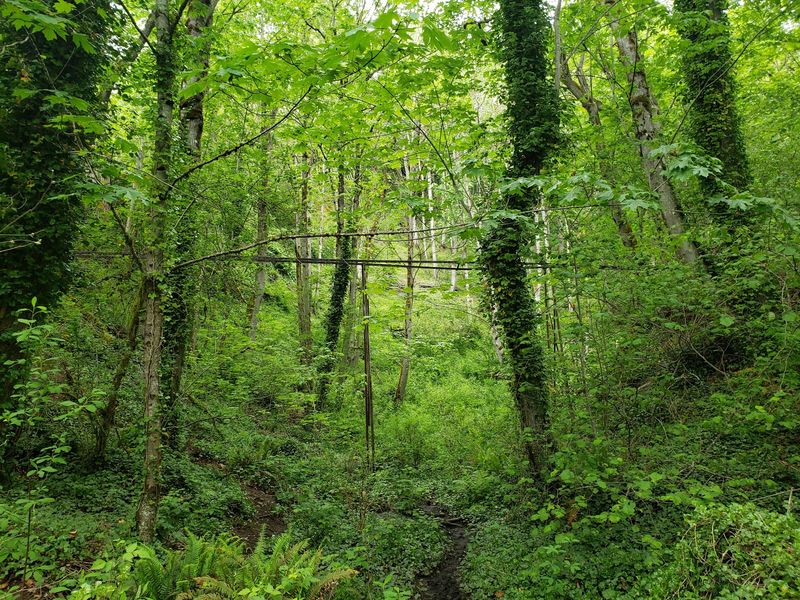
Anyone expecting manicured paths should recalibrate. The trails here run ungroomed, and that raw quality shapes the entire experience.
Invasive plants press in from the edges, with Himalayan blackberry, canary reed grass, and teasel among the most prominent. It is a common story across many Washington parks.
Signage is minimal, and more than one person has taken a wrong fork and wandered longer than planned. A little navigation patience goes a long way.
Some older structures like bridges and stairs show real wear, so watch your step near them. Litter left by careless visitors also turns up, and carrying out a bag helps everyone.
Going near the end of the day tends to mean fewer people and more room to explore at your own pace. The untamed feel is either a drawback or the whole point, depending on your mood.
Hours, the Cash Fee, and Getting In
A few logistics will save you a headache on arrival. The area keeps generous hours, open daily from 8 AM to 8 PM every day of the week.
There is a small charge to sort out. A fee of about 5 dollars per person is collected at the parking area, with kids 12 and under free, and it is worth knowing this is a privately handled arrangement rather than a standard state fee.
Payment is often cash, so bring some along just in case, though card acceptance has been mentioned too. A couple of basic snacks may be available on site.
The access road runs a little rough, so drive slowly. Regular cars manage it fine with a careful touch.
Since the address does not always lead straight to an obvious entrance, aim for the Franklin ghost town access and follow the parking cues. A bit of prep makes the whole visit smoother.
Enjoyed this story?
Add Fast Food Club as a preferred source to see more of our reporting on Google.