


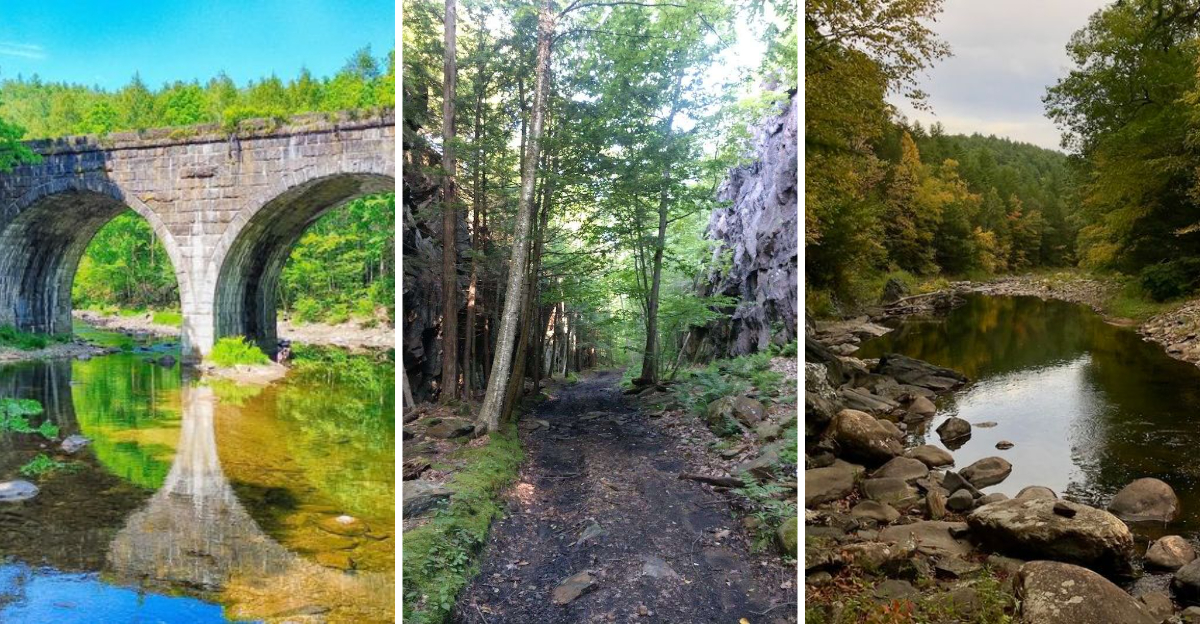
Tucked away in the quiet hills of Chester, Massachusetts, the Keystone Arch Bridges Trail feels like something straight out of a fairy tale. Ancient stone arches rise above a winding river, surrounded by dense forest and the sounds of rushing water.
Built in the 1840s as part of the first railroad to cross a mountain range in the world, these bridges are both a history lover’s dream and a hiker’s paradise. Whether you are bringing the family, walking the dog, or just looking for a peaceful escape, this trail has something truly special waiting around every bend.
The Legendary Stone Arch Bridges Themselves
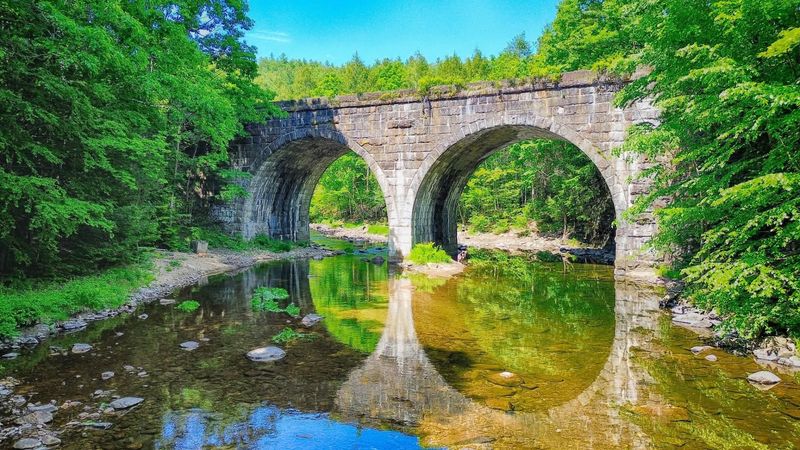
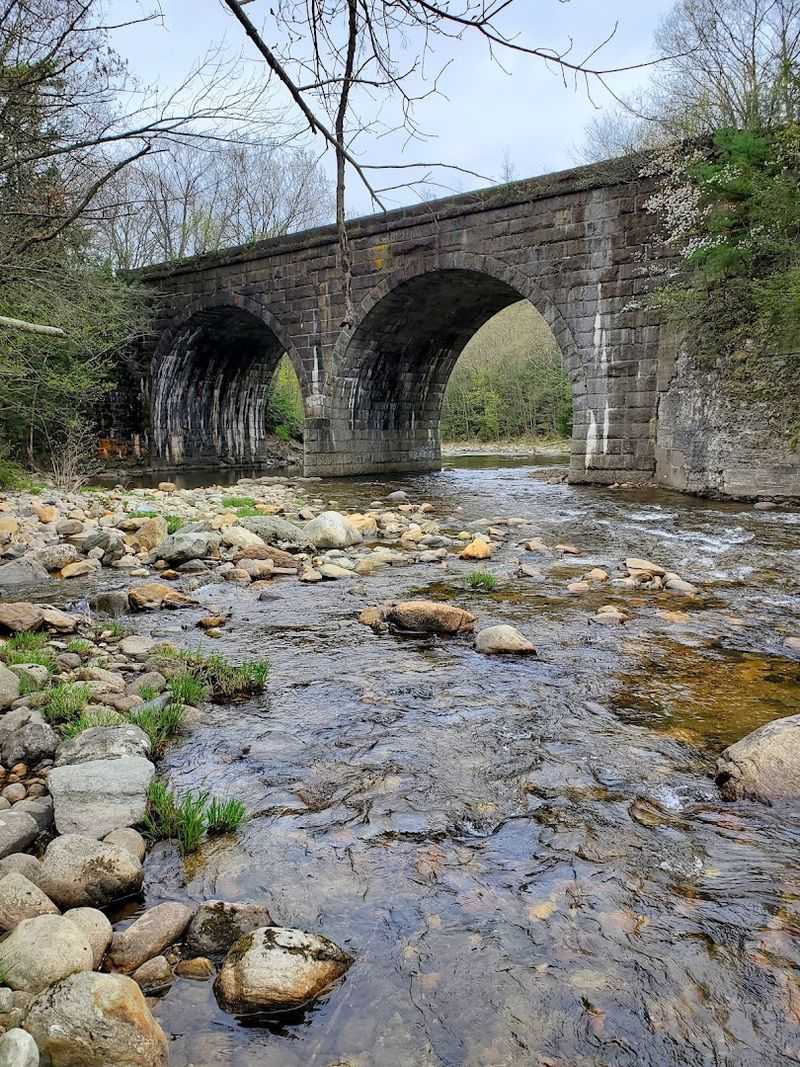
Few things stop hikers in their tracks quite like rounding a bend and suddenly seeing a massive stone arch bridge rising above a rushing river. At the Keystone Arch Bridges Trail in Chester, MA, that moment hits hard.
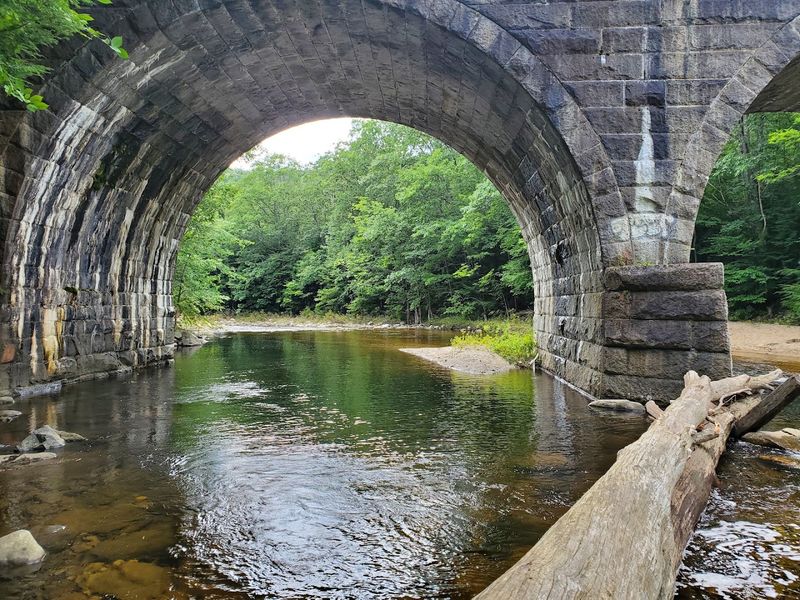
Built in the 1840s, these engineering marvels were constructed entirely by hand using locally quarried granite.
There are three extant stone arch bridges still standing strong today. Near the parking area, you will find a stunning double arch bridge, and two more single arches await further up the trail.
Each bridge tells a story of human determination and old-world craftsmanship that modern construction simply cannot replicate.
Walking beneath them and looking up at those perfectly fitted stones is genuinely awe-inspiring. Many visitors say the bridges alone are worth the entire trip, and honestly, it is hard to argue otherwise.
A Railroad History That Changed the World
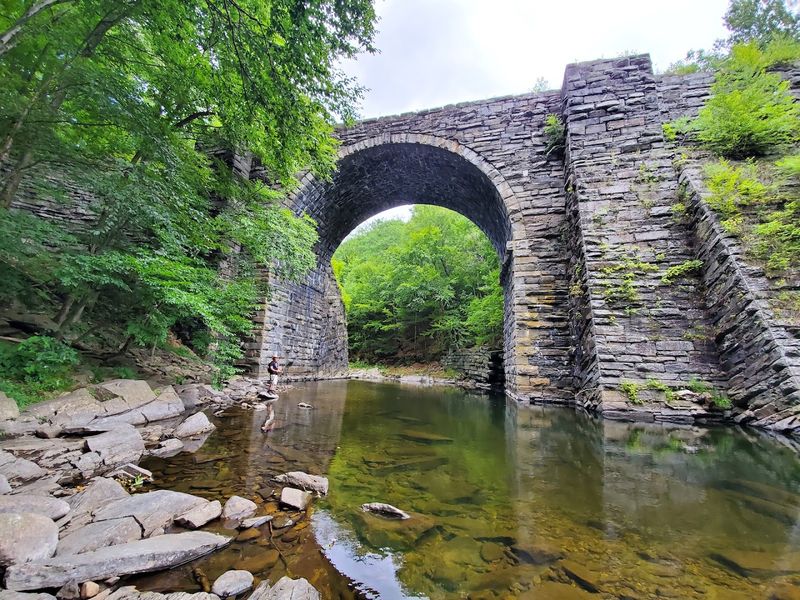
Here is a jaw-dropping fact: the railroad that once ran over these bridges was the first in the entire world to cross a mountain range. That is not a small claim.
The Western Railroad, completed in 1841, connected Boston to Albany and proved that trains could conquer serious terrain.
Along the Keystone Arch Bridges Trail, multiple informational kiosks line the path, each packed with fascinating facts and figures about this incredible engineering achievement. Kids and adults alike tend to stop and read every single one.
Learning about the hundreds of Irish immigrants who hand-built these structures with nothing but muscle and basic tools adds a deeply human layer to the experience. Standing where history was literally made gives the whole hike a weight and meaning that most trails simply cannot offer.
The Westfield River Running Alongside the Path
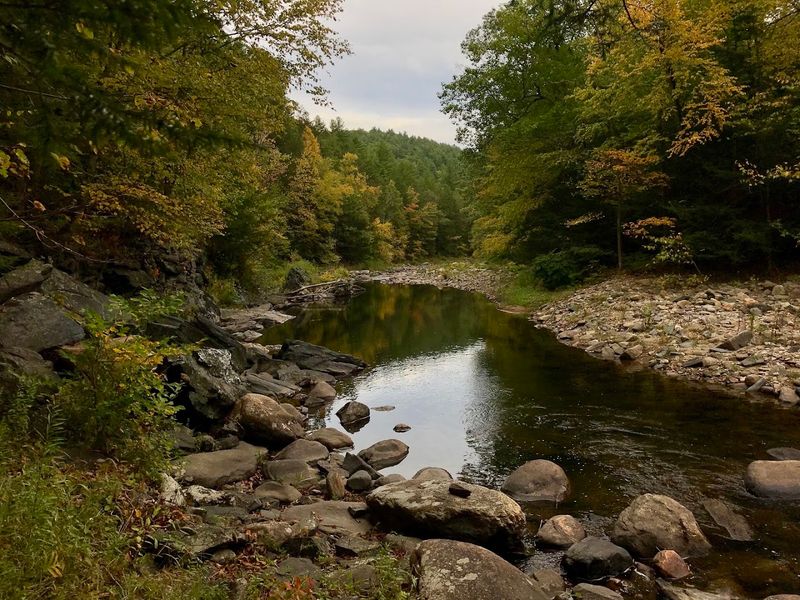
Even if you set the legendary bridges aside for a moment, the Westfield River alone makes this trail worth visiting. The path follows the river for most of its length, treating hikers to a continuous soundtrack of rushing water over smooth rocks.
On a warm day, the cool air near the water is an absolute gift.
Several natural swimming holes appear along the route, giving brave visitors a chance to take a refreshing dip. Anglers will also appreciate this stretch, since the Westfield River is a well-known trout fishing destination that draws fly fishers from across the region.
Watching the river change character as you move upstream, sometimes calm and glassy, other times churning over boulders, keeps the scenery fresh and engaging throughout the hike. The river is honestly one of the trail’s most underrated highlights.
Trail Difficulty and What to Expect on the Ground
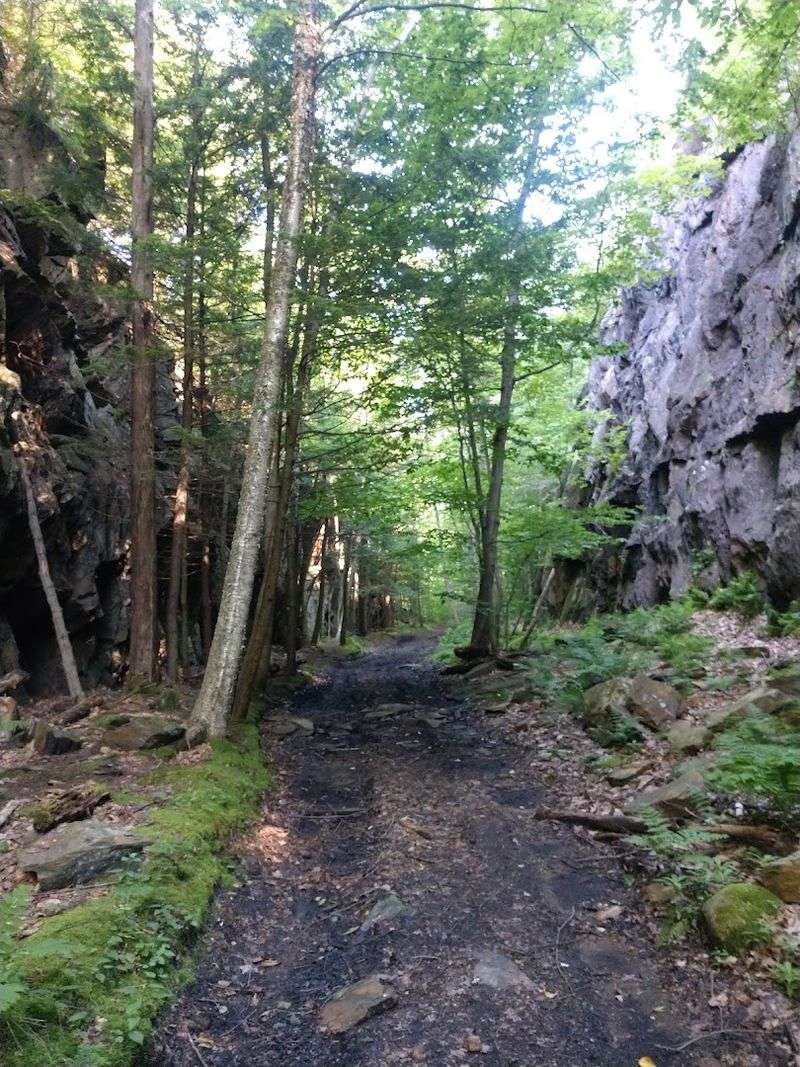
Most hikers describe the Keystone Arch Bridges Trail as fairly easy, but a few surprises along the way keep things interesting. The full out-and-back route covers about five miles with roughly 600 feet of total elevation gain, which is manageable for most fitness levels.
The uphill stretch is gradual rather than punishing.
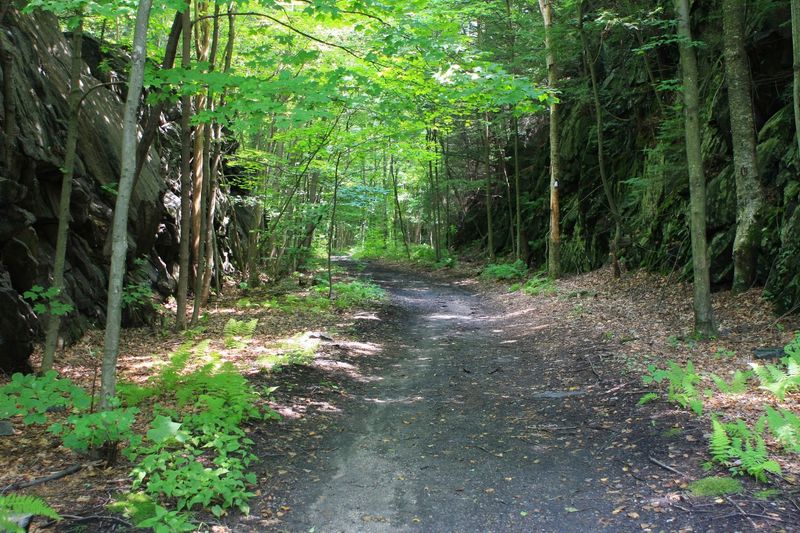
That said, the ground itself deserves some attention. Sections of the path feature sand, rocks, mud, and tree roots, so solid footwear is a smart call.
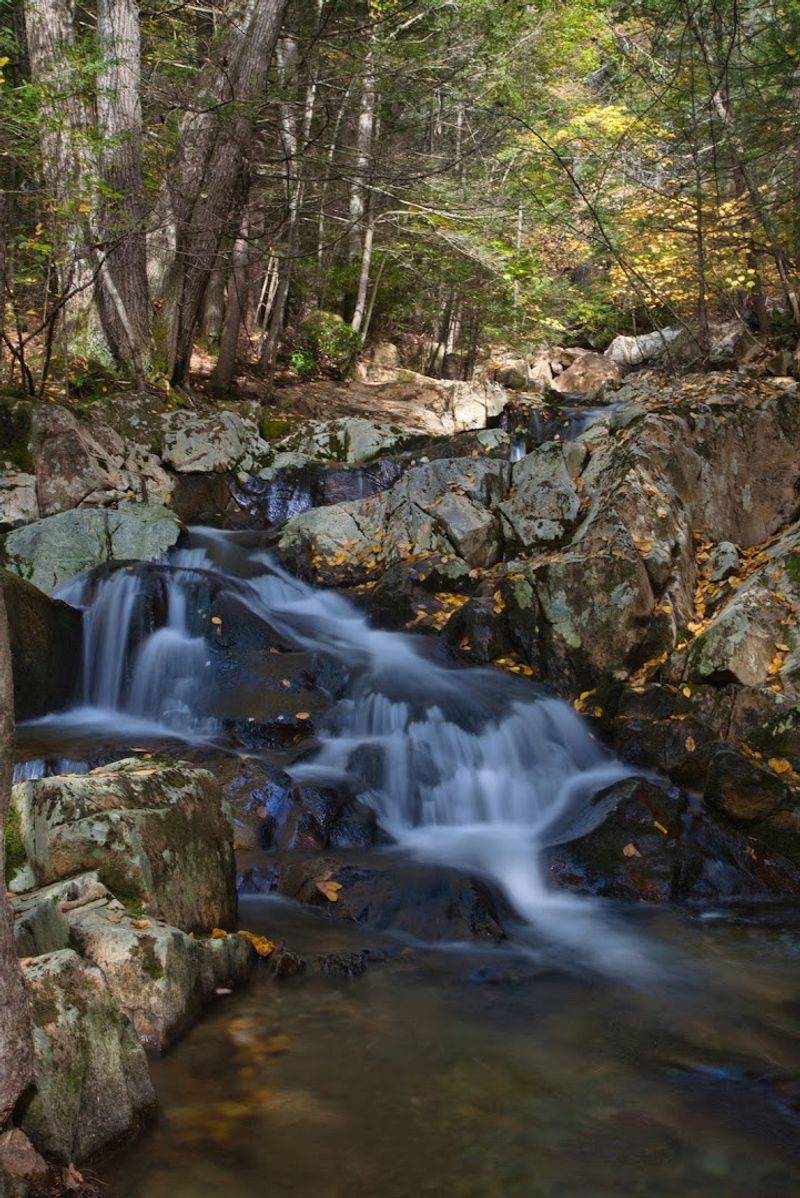
One portion narrows noticeably, gains a bit of elevation, and crosses a small footbridge over a cascading stream before dropping back down to the river.
People with limited mobility may find the uneven terrain challenging. Overall though, the trail rewards effort generously, offering beautiful views and historic landmarks at a pace that feels comfortable rather than exhausting.
Family-Friendly Fun for All Ages
Bringing the whole family on a hike can feel risky sometimes, but the Keystone Arch Bridges Trail tends to win everyone over. The combination of interesting history, river views, and impressive stone structures gives kids something to genuinely engage with rather than just walking through trees.
The informational kiosks scattered along the route work especially well for curious young minds. Parents have found that reading the signs together sparks great conversations about engineering, history, and what life was like for workers in the 1800s.
It transforms the hike into an outdoor classroom.
Swimming holes along the river add a playful bonus during warmer months. Several reviewers have specifically called this trail perfect for kids of all ages, and the manageable distance means even younger children can complete the full route without too much trouble.
Dog-Friendly Adventures on the Trail
Good news for dog owners: the Keystone Arch Bridges Trail welcomes four-legged hikers enthusiastically. The wooded path, river access, and open stretches make it an ideal outing for energetic dogs who love to sniff, splash, and explore.
Many reviewers mention bringing their pups along and having a wonderful time.
The river provides natural water stops for thirsty dogs on warm days, which is always a bonus. Just keep your dog leashed near the steeper sections and around other trail users to make sure everyone stays safe and happy.
One thing worth noting is that some trail sections get muddy, so plan for a potentially dirty dog by the end. A towel in the car is a wise addition to your gear bag.
Overall, this trail earns high marks as one of western Massachusetts’s most dog-welcoming outdoor destinations.
Parking Tips and Getting to the Trailhead
Getting to the Keystone Arch Bridges Trail requires a little planning, and parking is one of the most important things to sort out before you go. The entrance sits at the end of a bumpy dirt road, and the lot near the double arch bridge holds only about five or six cars.
A second lot at the top accommodates six to eight vehicles.
Arriving early on weekends is strongly recommended, especially during peak foliage season when this trail becomes noticeably busier. Some visitors have noted that GPS directions can be unreliable in this area, so checking the official website at keystonearches.com for detailed directions before leaving home is a genuinely useful step.
One important tip from fellow hikers: make sure you select the correct trailhead in your navigation app, since one approach has no parking at all. A little preparation goes a long way here.
The Magical Experience of Watching a Train Pass By
One of the most unexpectedly thrilling moments a visitor can experience on this trail is watching a real freight train rumble by overhead. Active rail lines still run through this valley, and with a bit of lucky timing, you might catch a modern train passing near the same corridor where 19th-century locomotives once steamed through.
One reviewer described this as a highlight of their entire visit, calling it a moment of pure serendipity. The contrast between the ancient stone arches and a modern freight train rolling past is genuinely striking and a little surreal.
You cannot predict when a train will appear, which somehow makes the experience even better. Standing on the trail and feeling the rumble before you hear the horn is one of those spontaneous outdoor moments that sticks with you long after the hike is over.
Best Seasons and When to Visit
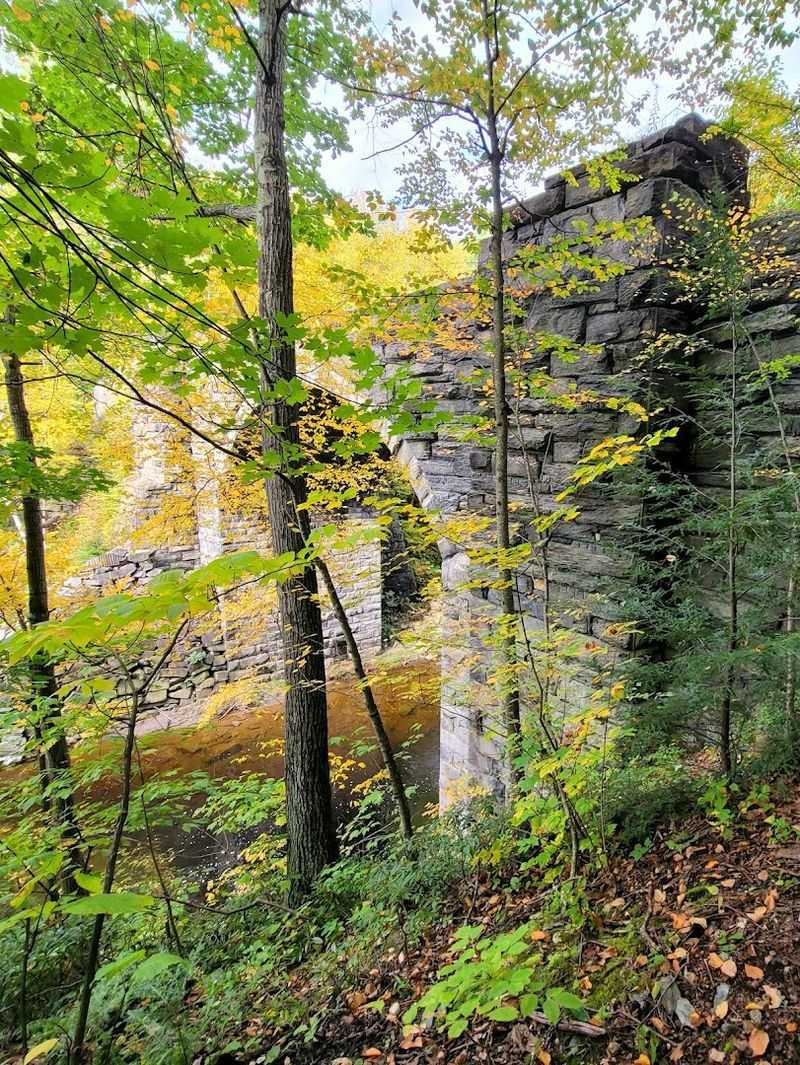
Every season brings something different to the Keystone Arch Bridges Trail, which is part of what makes it so rewardingly replayable. Fall is arguably the showstopper, when the surrounding hardwood forest erupts in fiery reds, oranges, and golds that frame the gray granite bridges in a truly painterly way.
Spring brings rushing water and the sound of small waterfalls along the route, especially after snowmelt. Summer offers cool river breezes and swimming hole opportunities that make the heat manageable.
Winter visits are possible for adventurous hikers, though ice on the rocky sections demands extra caution and traction devices on footwear.
One seasonal note worth mentioning: fallen leaves in autumn can hide trail markers, so paying extra attention to the blue metal blazes on trees becomes especially important. Morning visits tend to offer quieter conditions and better lighting for photography.
The Informational Kiosks Along the Route
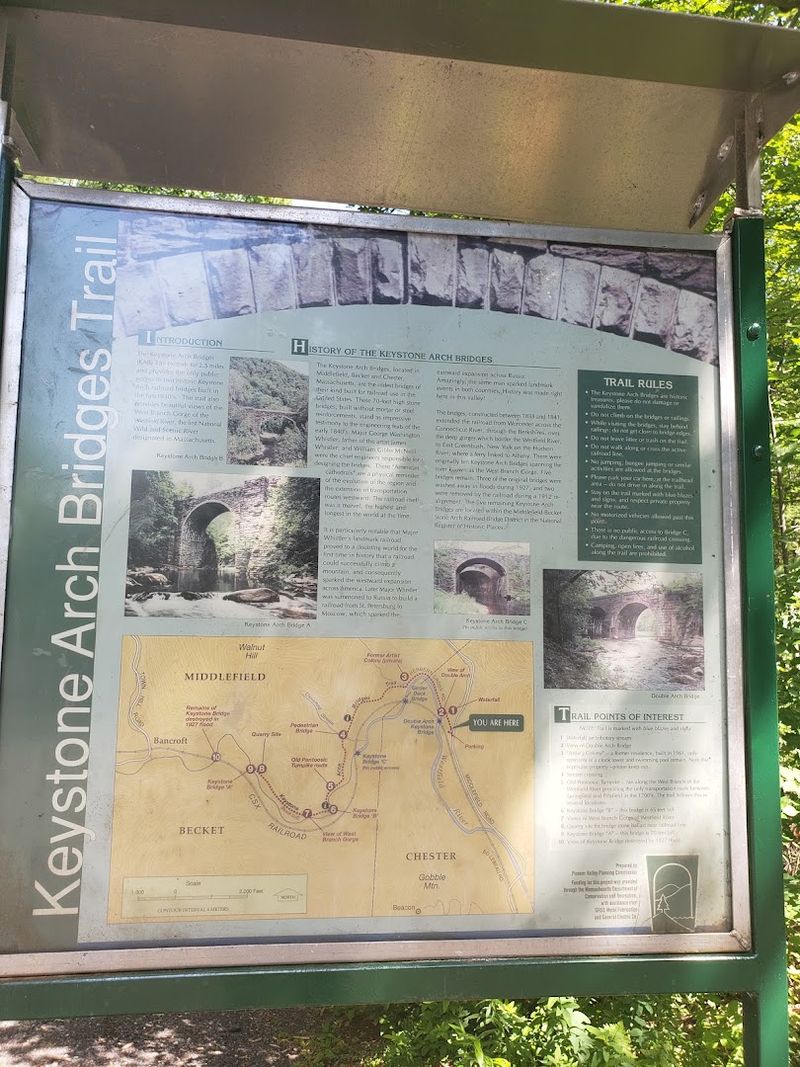
Not every hiking trail doubles as an outdoor museum, but the Keystone Arch Bridges Trail pulls it off beautifully. Multiple kiosks are positioned at key points along the route, each containing detailed information about the bridges, the railroad, and the workers who built them.
They are genuinely interesting reads rather than dry historical plaques.
The kiosks cover topics ranging from construction techniques and engineering challenges to the economic impact of the Western Railroad on Massachusetts. For curious visitors of any age, they add real depth to the experience and help you appreciate what you are looking at.
Teachers and parents have found these signs particularly valuable for sparking discussions with children about history and problem-solving. The trail essentially gives you a self-guided historical tour at no extra cost, which makes the whole experience feel surprisingly rich and educational without ever feeling like homework.
Swimming Holes and Cool-Down Spots
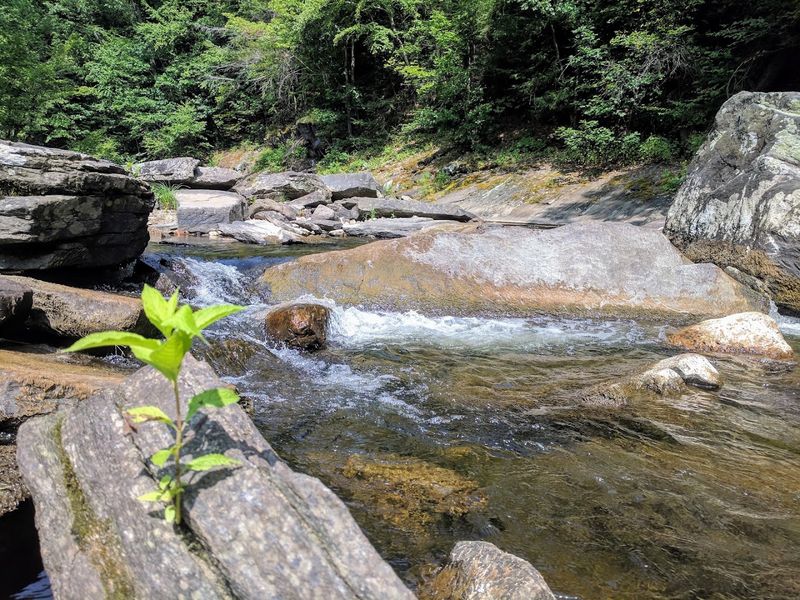
On a hot summer afternoon, stumbling upon a swimming hole mid-hike feels like finding a treasure. The Keystone Arch Bridges Trail delivers exactly that, with several natural pools along the Westfield River where the water slows, deepens, and becomes perfectly inviting for a quick cool-down.
These spots are completely natural, formed by the river’s own flow around large boulders, which gives them a wild and unspoiled character that man-made swimming areas simply cannot match. Families with kids especially love these moments, since splashing in a cold mountain river is the kind of memory that lasts for years.
Always check current water conditions before wading in, and be mindful of slippery rocks near the water’s edge. Bringing a small dry bag for your phone and valuables is a smart move if you plan to take advantage of these refreshing riverside stops.
Photography Opportunities Around Every Bend
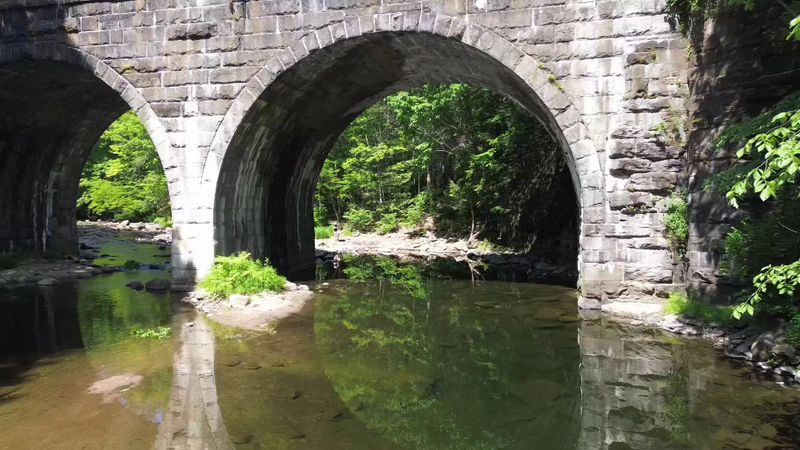
Photographers tend to fall hard for the Keystone Arch Bridges Trail. The combination of ancient stonework, flowing water, dense forest canopy, and dramatic arch shapes creates compositions that practically beg to be captured.
Every turn in the path seems to reveal a new angle worth shooting.
Some of the best bridge views actually come from short offshoot paths that branch away from the main blue-blazed trail. These side routes bring you closer to the base of the arches, where you can look straight up through the curved stonework or capture reflections in the river below.
Golden hour light filtering through the trees in early morning or late afternoon adds a genuinely magical quality to shots of the bridges. Even smartphone photographers consistently come away with stunning images that earn serious attention on social media.
Bring extra battery power because you will use it.
Picnicking and Relaxing Along the River
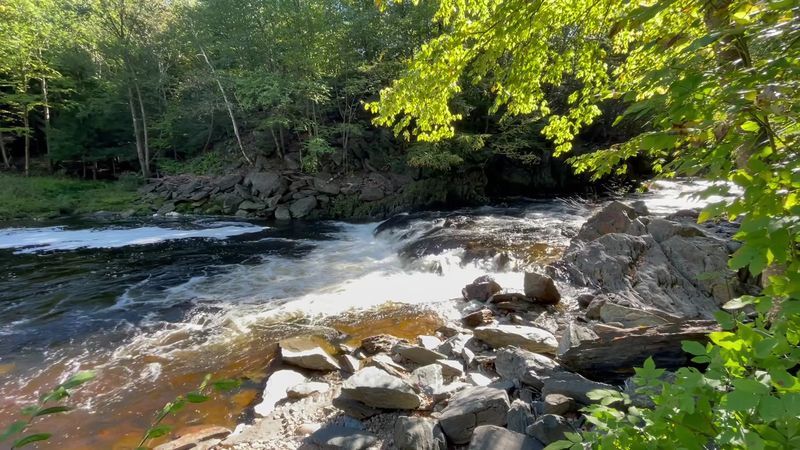
One reviewer perfectly summed up a beloved trail moment: stopping at the bridge near the end of the route for a lunch break with a long view downriver. That image captures something genuinely special about the Keystone Arch Bridges Trail as a destination for slowing down and savoring the surroundings.
Flat rocks along the riverbank serve as natural picnic tables throughout the hike, and the sound of moving water makes for an incredibly relaxing backdrop. Packing a simple lunch or snack to enjoy riverside turns a good hike into a full afternoon experience worth lingering over.
Bug spray is a practical recommendation from regular visitors, especially during warmer months when insects can be persistent near the water. Beyond that, all you really need is food, water, and a willingness to sit still for a few minutes and let the beauty of this hidden gem actually sink in.
Enjoyed this story?
Add Fast Food Club as a preferred source to see more of our reporting on Google.