


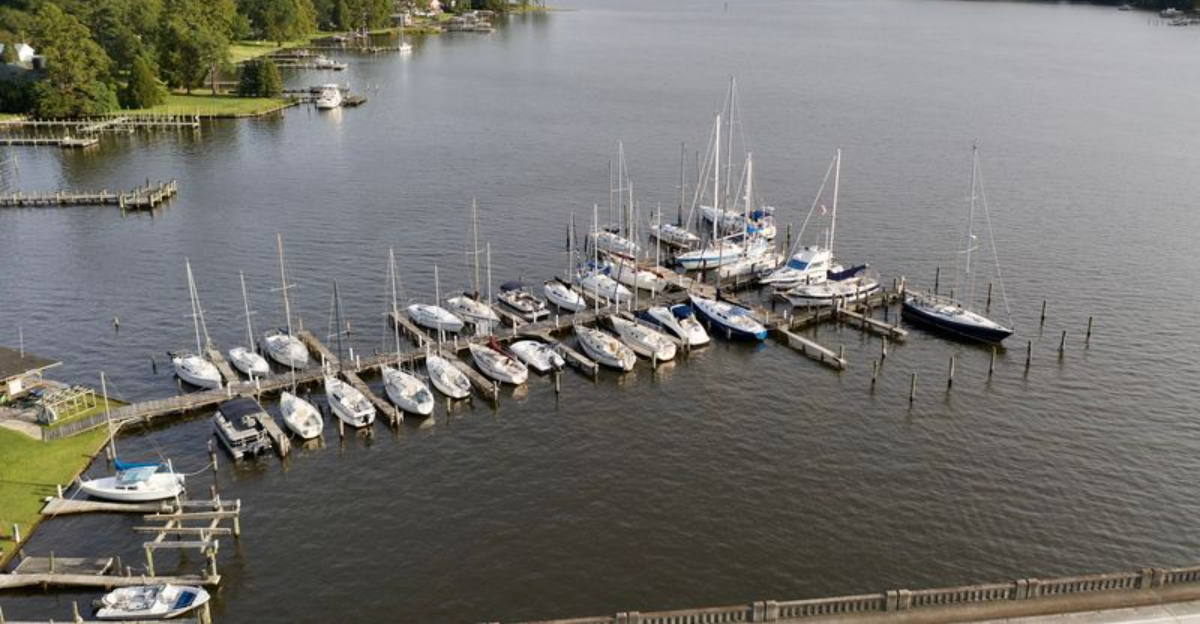
Tucked along the peaceful banks of the Pamlico River, Bath, North Carolina looks like it was lifted straight from the pages of a history book. Founded in 1705, it holds the proud title of North Carolina’s very first town, and somehow it has stayed beautifully preserved through the centuries.
With a population of just a few hundred people, Bath feels like a quiet secret that most travelers have yet to discover. If you love history, charm, and the kind of beauty that doesn’t need a spotlight, this little town is absolutely worth the trip.
North Carolina’s Oldest Town
Long before Raleigh or Charlotte became household names, Bath was already making history. Chartered on March 8, 1705, it earned the remarkable distinction of being North Carolina’s very first incorporated town.
That means Bath has been around for more than 300 years, quietly holding its place while the rest of the state grew up around it.
Walking through Bath today feels like stepping into a living timeline. The streets are unhurried, the buildings carry stories, and the air seems to hum with centuries of memory.
Very few places in America can claim this kind of uninterrupted historical presence.
For history lovers, that alone makes Bath worth visiting. You are not just seeing old buildings — you are standing on the ground where North Carolina’s earliest chapters were written, one slow and purposeful day at a time.
The Pamlico River Setting
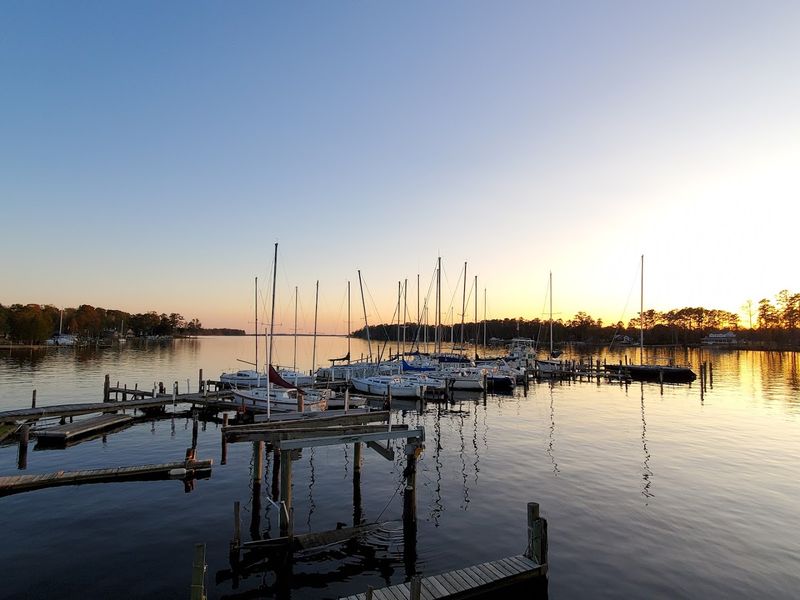
Imagine waking up to glassy water stretching as far as your eyes can follow. Bath sits right along the Pamlico River, and that waterfront setting gives the town a dreamlike quality that photographs barely do justice.
The river has always been central to Bath’s identity — it was the reason settlers chose this spot in the first place.
Back in the colonial days, ships loaded with tobacco, furs, and naval stores sailed these very waters. Today, the river is quieter, but no less beautiful.
Kayakers, anglers, and peaceful afternoon walkers all share the shoreline with equal appreciation.
Sunsets over the Pamlico are the kind that make you stop talking mid-sentence. The water turns shades of copper and rose, and for a few minutes, the whole world feels perfectly still.
It is one of those natural gifts that Bath offers completely free of charge.
St. Thomas Episcopal Church
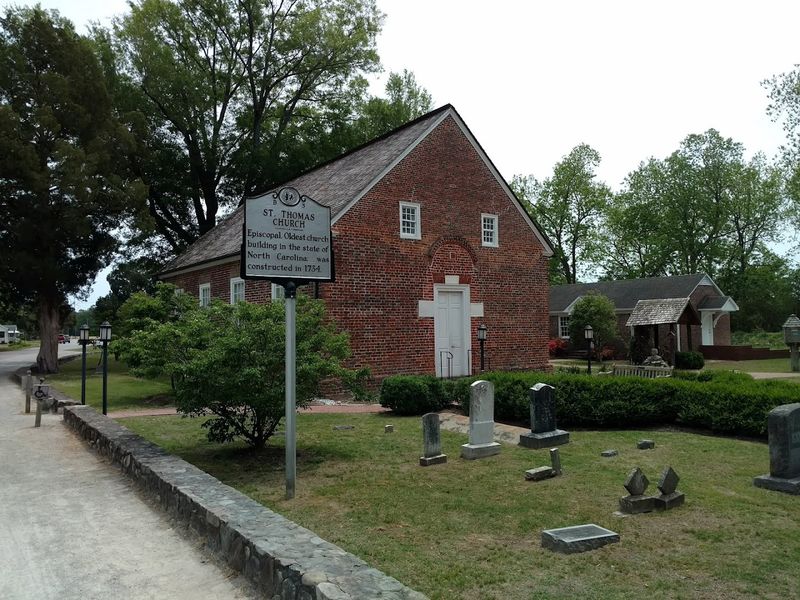
Built around 1734, St. Thomas Episcopal Church is the oldest surviving church building in all of North Carolina. That fact alone tends to stop visitors in their tracks.
The simple, sturdy structure has weathered hurricanes, wars, and centuries of change — yet here it still stands, offering Sunday services just as it always has.
The church’s interior is refreshingly unadorned. Wooden pews, plain walls, and natural light filtering through aged windows create an atmosphere that feels genuinely reverent.
There is no flashiness here, just history layered over history in the most honest way possible.
The surrounding churchyard holds grave markers dating back hundreds of years, each one a quiet testament to the people who built this community from scratch. Visiting St. Thomas feels less like a tourist stop and more like paying respectful attention to something truly irreplaceable in American history.
The Blackbeard Connection
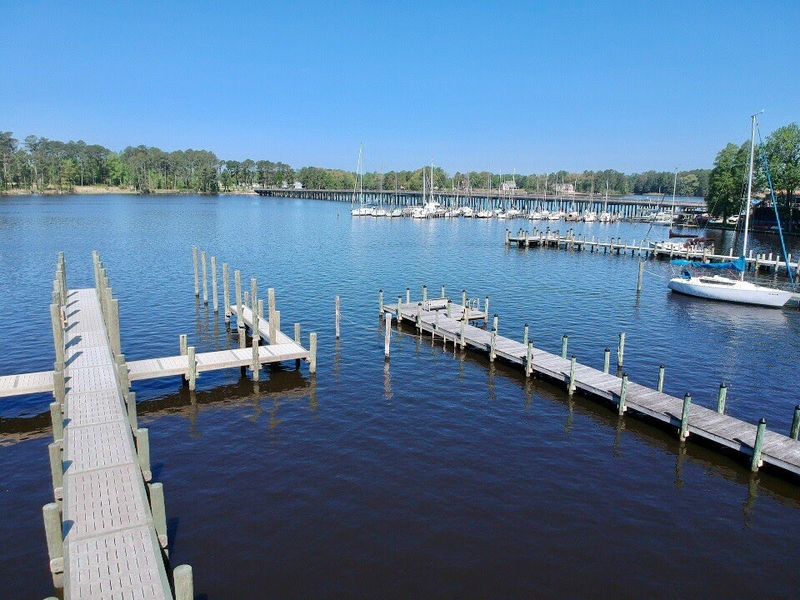
Few historical footnotes are as thrilling as this one: the infamous pirate Blackbeard once called Bath home. Edward Teach, better known by his fearsome nickname, reportedly settled here between voyages and even received a pardon from the colonial governor.
For a brief, strange moment in history, one of the world’s most notorious pirates was a legal resident of this tiny town.
Bath’s connection to Blackbeard adds a swashbuckling layer to its already rich story. Local lore suggests he docked his ship here, mingled with residents, and enjoyed the comforts of settled life — at least temporarily.
Whether every detail is perfectly accurate or slightly embellished by time, the legend is irresistible.
History enthusiasts and pirate fans alike get a genuine thrill from knowing they are walking the same waterfront that Blackbeard once strolled. Not many towns can claim that kind of colorful past with a straight face.
Historic Bath State Historic Site
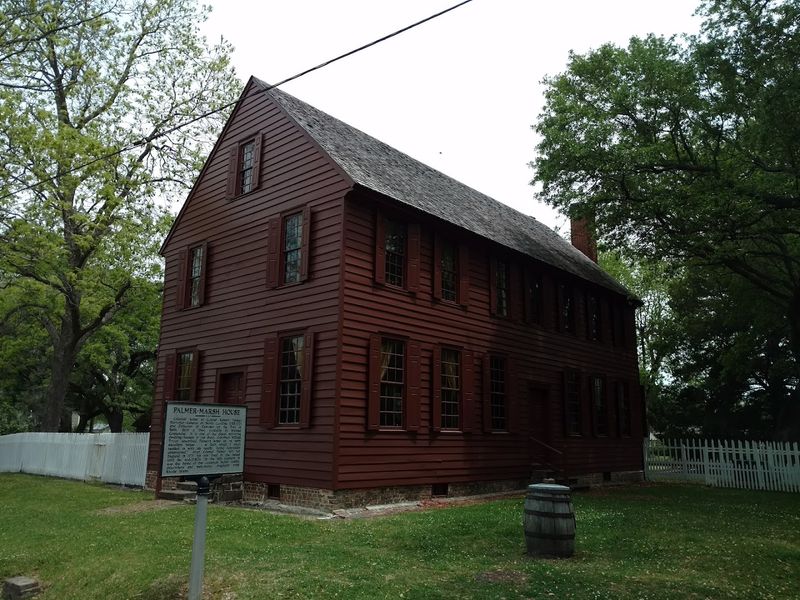
North Carolina’s official Historic Bath State Historic Site does a wonderful job of bringing the town’s layered past to life. Managed by the state, the site includes several restored colonial-era buildings, guided tours, and exhibits that walk visitors through Bath’s remarkable story from its founding days through the colonial period and beyond.
Rangers and interpreters here are genuinely passionate about what they share. They do not just recite facts — they tell stories.
You leave with a real sense of the people who lived here, the challenges they faced, and the community they somehow built along a remote river in the early 1700s.
Admission is affordable, and the experience is suitable for all ages. Families with curious kids, solo history buffs, and couples looking for a meaningful day trip all find something worthwhile here.
Plan to spend at least a couple of hours exploring the grounds properly.
The Palmer-Marsh House
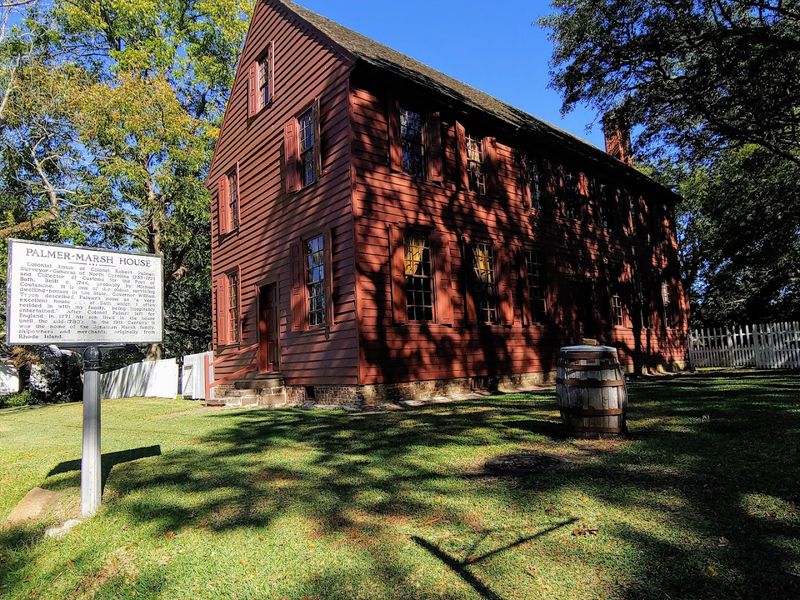
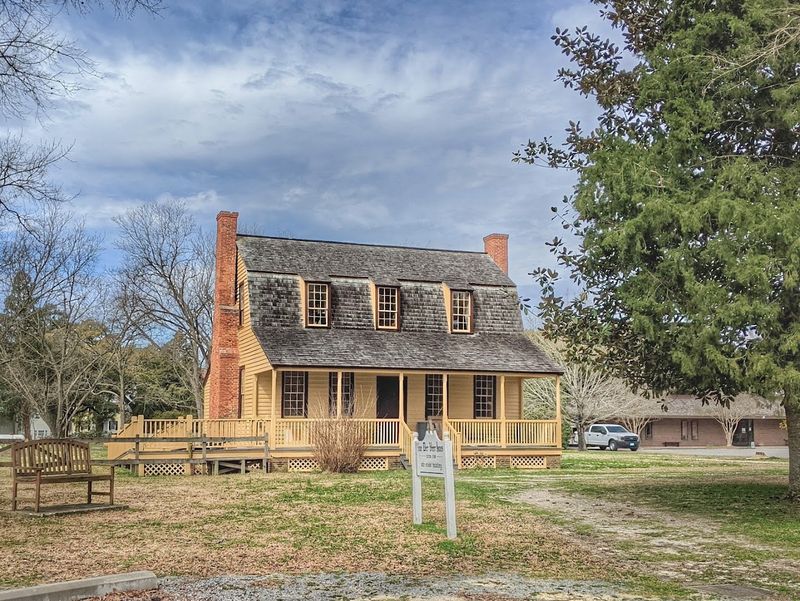
Dating back to around 1751, the Palmer-Marsh House is one of Bath’s most impressive surviving colonial structures. Built by merchant Robert Palmer, this sturdy two-story home has remarkably original architectural features that historians and architecture lovers find genuinely exciting.
The massive exterior chimney alone tells you this was a home built to last generations.
Inside, the house reflects what life looked like for a prosperous colonial family in coastal North Carolina. Period furnishings, wide-plank floors, and carefully preserved details paint a vivid picture of 18th-century domestic life.
It is the kind of place where you can almost hear the creak of boots on old wood floors.
The Palmer-Marsh House is part of the Historic Bath State Historic Site tour, so you will not miss it if you visit. Getting a guided walk-through adds so much context that exploring it on your own simply cannot replicate.
Bonner House
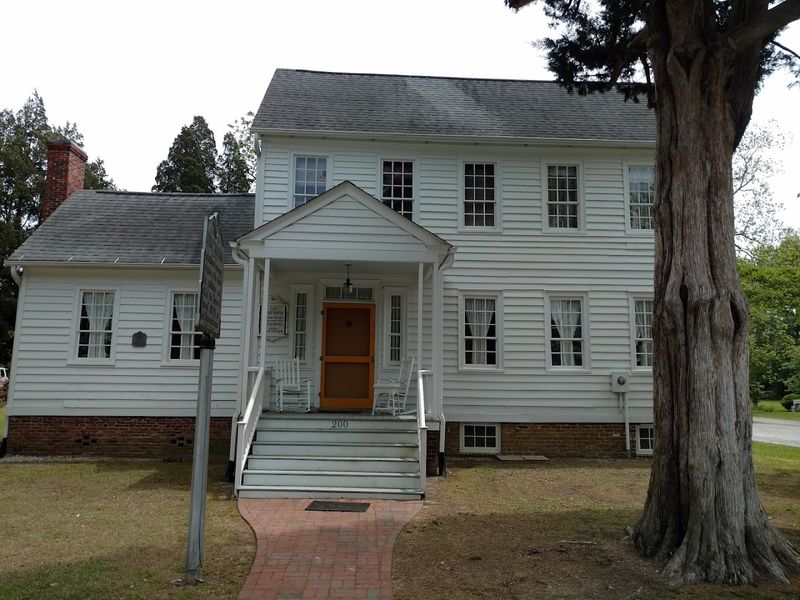
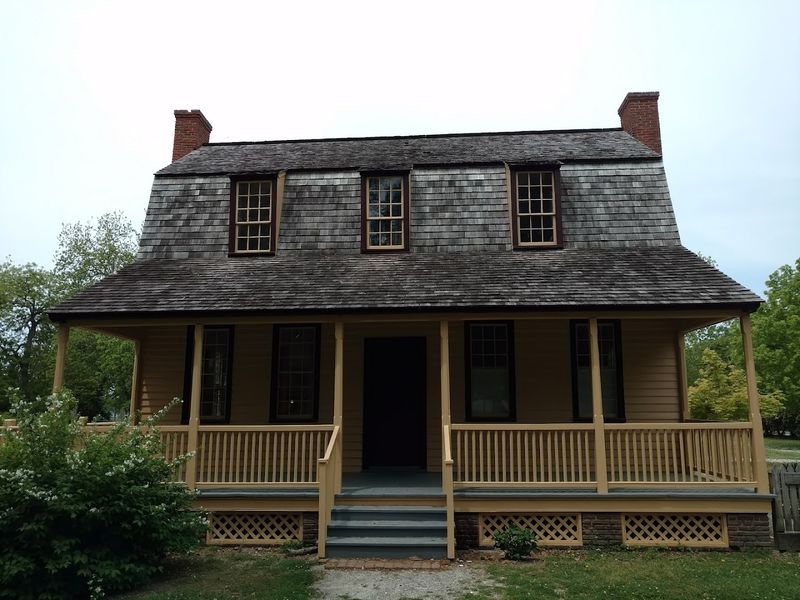
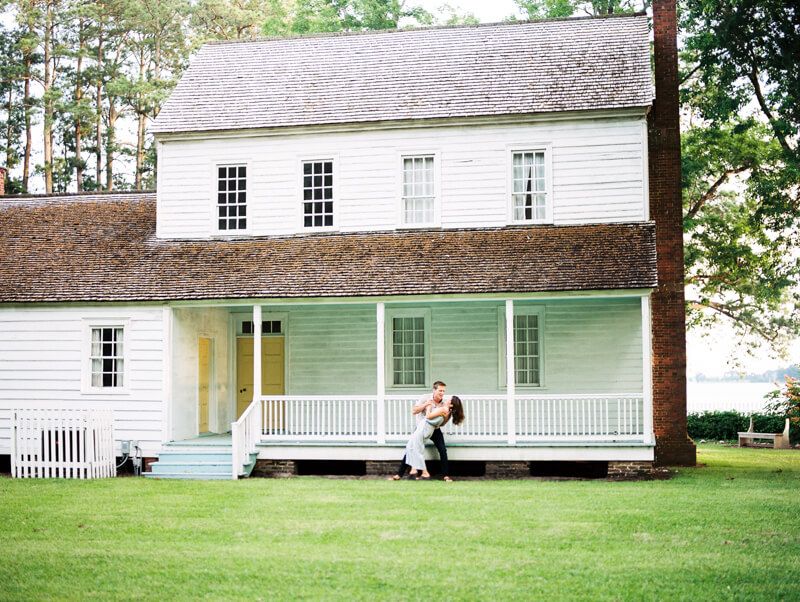
Cheerful, welcoming, and full of character, the Bonner House is one of Bath’s most photographed landmarks for good reason. Built in the early 1800s, this lovely Federal-style home features a wide front porch that practically begs you to slow down and stay awhile.
It has been carefully restored and stands as a beautiful example of early American domestic architecture.
The Bonner House is also part of the Historic Bath State Historic Site, making it easy to include in your visit without extra planning. Guided tours offer fascinating details about the families who lived here and how everyday life evolved in this small river town over the decades.
What makes the Bonner House especially appealing is how livable it still looks. Unlike some historic homes that feel cold and museum-like, this one radiates warmth.
Standing on the front steps, you can easily imagine children playing in the yard on a long summer afternoon.
Small-Town Charm and Population
With just 245 residents counted in the 2020 census, Bath is about as small as a town can get while still technically being a town. That tiny population is actually one of its greatest charms.
There are no traffic jams, no crowded sidewalks, and no noise beyond birdsong and the occasional boat engine on the river.
Visitors often describe Bath as feeling frozen in a gentler era, where neighbors wave from porches and strangers greet each other without hesitation. That unhurried pace is increasingly rare in modern life, which makes it feel almost radical in its simplicity.
People come here to breathe a little slower.
For anyone tired of over-touristed destinations packed with souvenir shops and long lines, Bath is a genuine antidote. The town does not perform its charm — it simply lives it, day after quiet day, the same way it always has.
Naval Stores and Colonial Trade History
Bath grew wealthy on a trade most people have never heard of: naval stores. Pine tar, pitch, and turpentine harvested from North Carolina’s vast longleaf pine forests were essential for waterproofing wooden ships.
Bath became a key port for shipping these goods, along with tobacco and furs, to markets across the Atlantic world.
Understanding this trade helps explain why Bath mattered so much in the early 1700s. It was not just a settlement — it was a critical economic hub connecting the Carolina backcountry to European markets.
Ships from England and beyond docked here regularly, making Bath surprisingly cosmopolitan for its size.
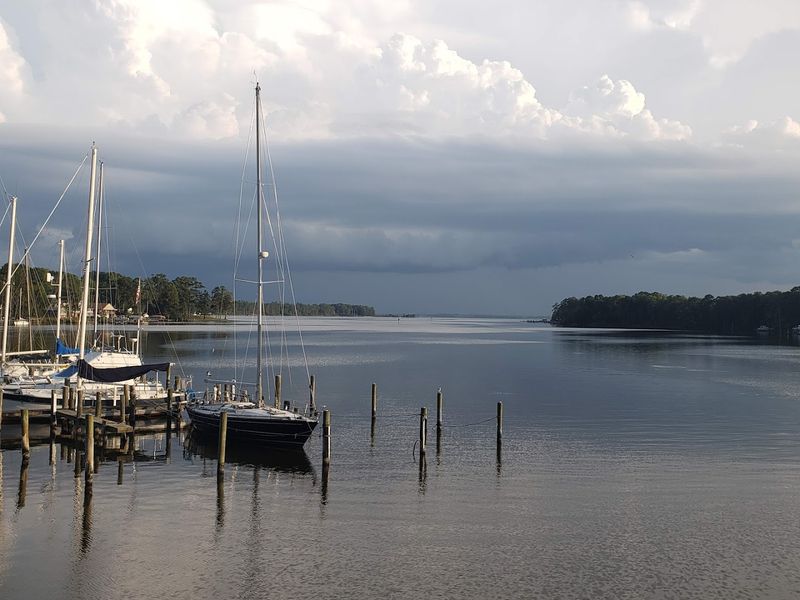
That history gives the town’s quiet riverfront a whole new dimension when you visit. Standing at the water’s edge, knowing that sailing vessels once loaded cargo right here, transforms a peaceful afternoon stroll into something genuinely thought-provoking.
Bath’s past was far busier than its present suggests.
Bath as North Carolina’s First Port of Entry
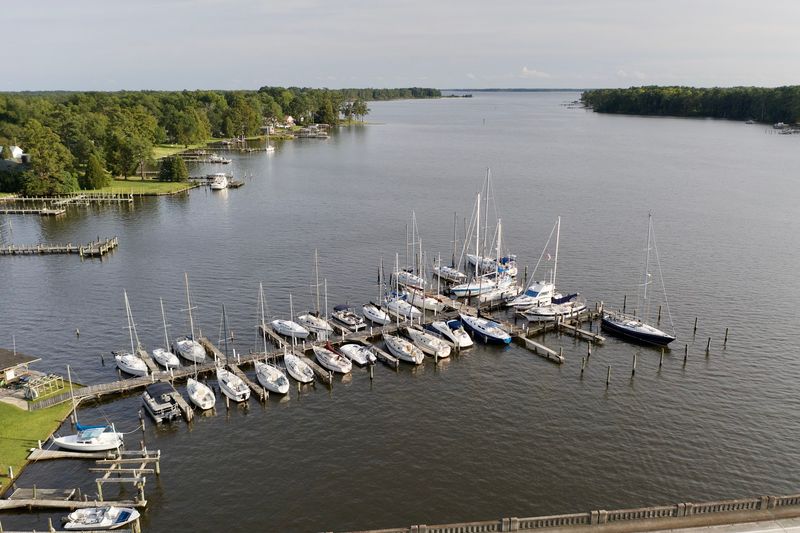
Here is a fact that deserves more recognition: Bath was not only North Carolina’s first town but also its first official port of entry. That designation meant all ships arriving from foreign ports were required to check in here before unloading goods anywhere else in the colony.
It was the legal and commercial gateway to the entire region.
That role gave Bath enormous importance in its early years. Customs officials, merchants, sea captains, and travelers from across the Atlantic world passed through this small river settlement.
For a few decades, Bath was the beating commercial heart of colonial North Carolina.
History shifted, as it always does, and other ports eventually overtook Bath in size and importance. But knowing what this town once represented makes visiting feel surprisingly significant.
You are not just seeing a pretty historic town — you are standing at what was once the front door of an entire colony.
Gorgeous Natural Surroundings
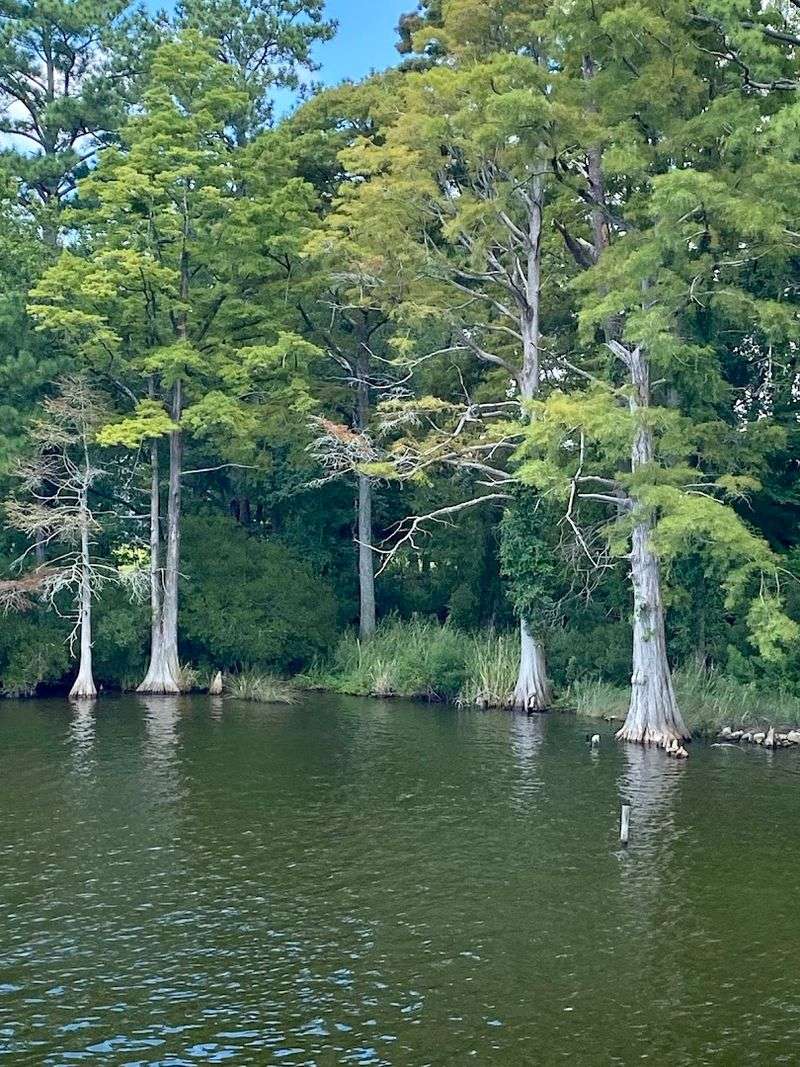
Beyond the history books, Bath sits in a region of North Carolina that is simply gorgeous to look at. The surrounding landscape features tidal creeks, dense coastal woodlands, and the broad expanse of the Pamlico River and nearby Pamlico Sound.
Nature here feels big, wild, and unhurried in the best possible way.
Birdwatchers will find plenty to get excited about. The wetlands and waterways around Bath attract herons, ospreys, egrets, and a rotating cast of migratory species throughout the year.
Bring binoculars — you will use them more than you expect.
Kayaking or canoeing the creeks near Bath offers a perspective on this landscape that you simply cannot get from the road. Paddling through quiet water surrounded by cypress trees and reflected sky is one of those experiences that stays with you long after you have driven home.
Nature here is not a backdrop — it is the whole show.
A Day Trip Worth Every Mile
Bath is located in Beaufort County, tucked into the Inner Banks region of eastern North Carolina. It is not exactly on the way to anywhere, which is precisely what keeps it so wonderfully unspoiled.
Getting there requires a bit of intention, but travelers who make the effort consistently say the same thing: absolutely worth it.
The drive itself is scenic, passing through flat farmland, pine forests, and small coastal communities that feel far removed from interstate highway culture. By the time you arrive, you have already begun to decompress.
Bath has a way of meeting you halfway on that front.
Pack a picnic, wear comfortable walking shoes, and give yourself a full day to wander without rushing. Stop at the historic site, walk down to the river, read the historical markers, and find a shady spot to just sit for a while.
Some places reward patience, and Bath is absolutely one of them.
Why Bath Deserves a Spot on Your Travel List
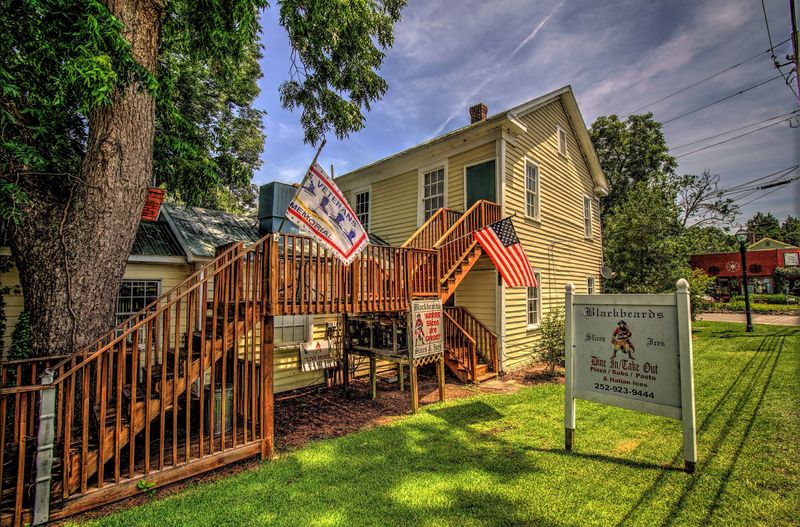
There is a certain kind of travel magic that only tiny, overlooked places can offer, and Bath has it in abundance. No crowds, no commercialization, no Instagram-optimized tourist traps — just genuine history, beautiful scenery, and the kind of quiet that reminds you why you wanted to travel in the first place.
Bath rewards curious visitors who appreciate depth over spectacle. Every building here has a story.
Every street corner connects to a larger narrative about how this country began. That kind of layered meaning is rare, and it does not cost much to experience it firsthand.
Whether you are a history enthusiast, a nature lover, a photographer chasing light on old buildings, or simply someone looking for a weekend escape that feels genuinely different, Bath delivers. North Carolina has no shortage of beautiful places, but few carry the quiet, storybook magic of this remarkable little town on the Pamlico River.
Enjoyed this story?
Add Fast Food Club as a preferred source to see more of our reporting on Google.