


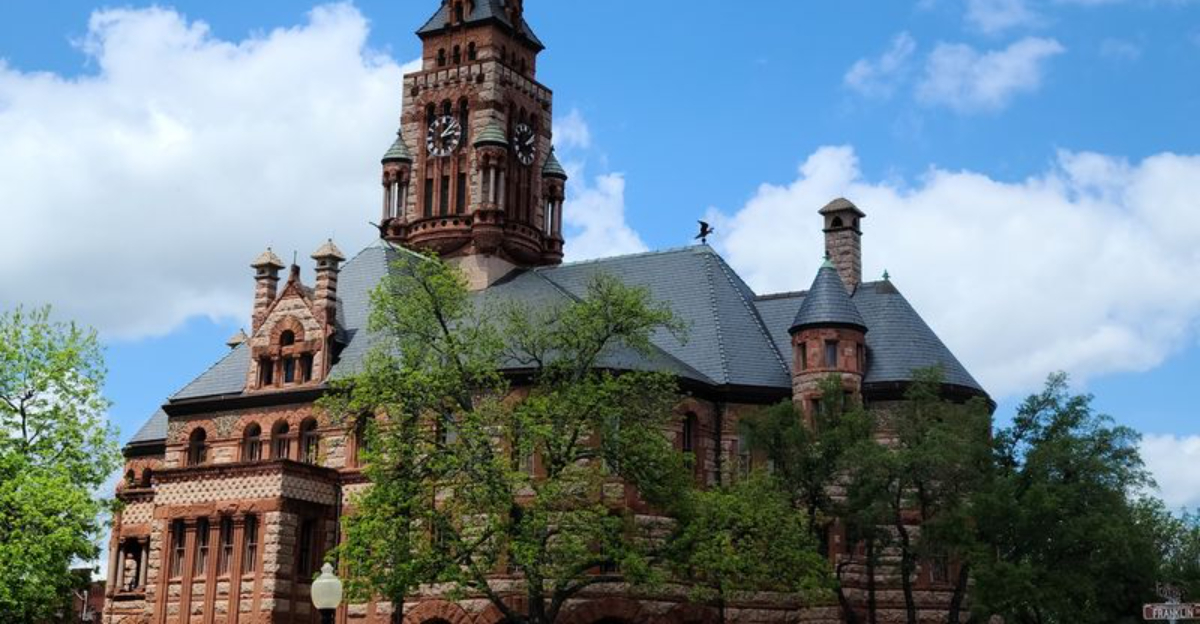
Tucked just south of Dallas, Waxahachie, Texas is one of those rare places where the past feels alive and breathing. The town is packed with stunning historic buildings, Victorian homes, and old courthouses that look like they belong on a Hollywood film set.
In fact, several movies and TV shows have actually been filmed here over the years. Whether you love history, architecture, or just a good old-fashioned small-town adventure, Waxahachie has something special waiting for you.
Ellis County Courthouse
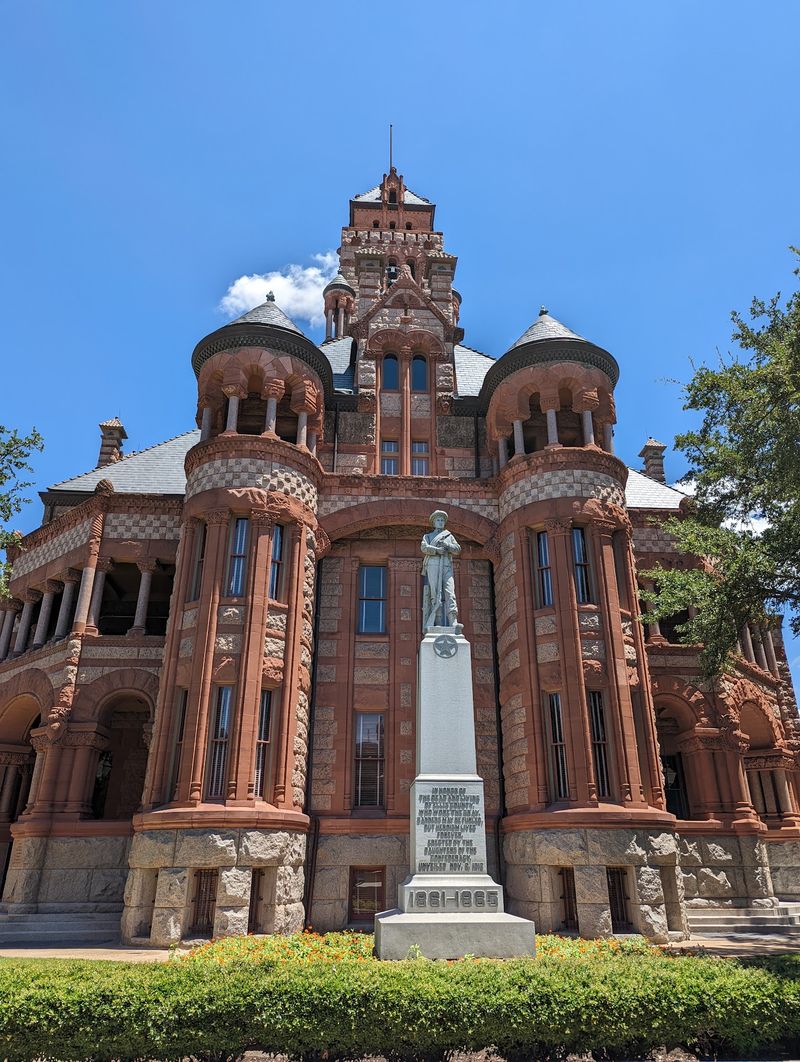
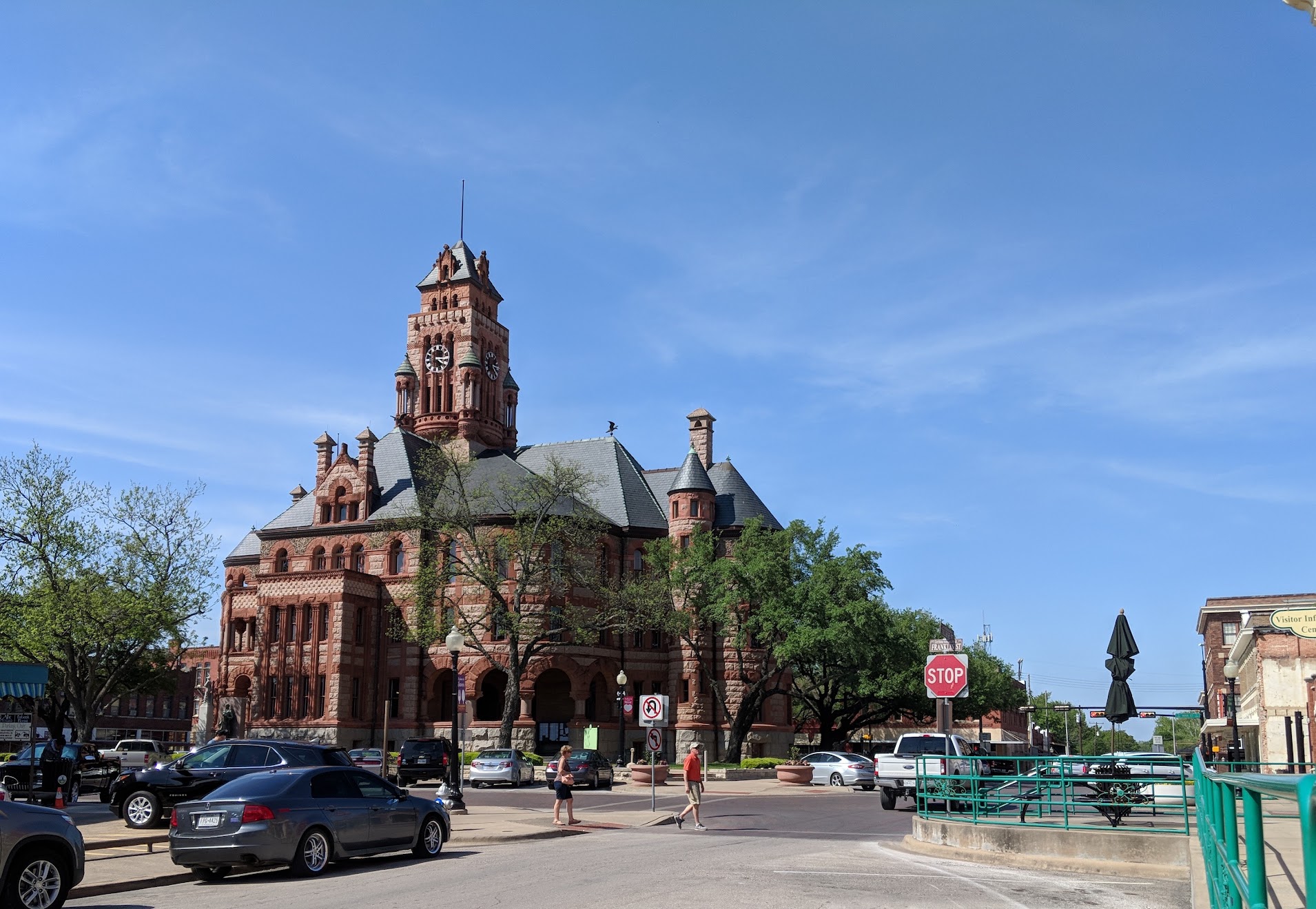
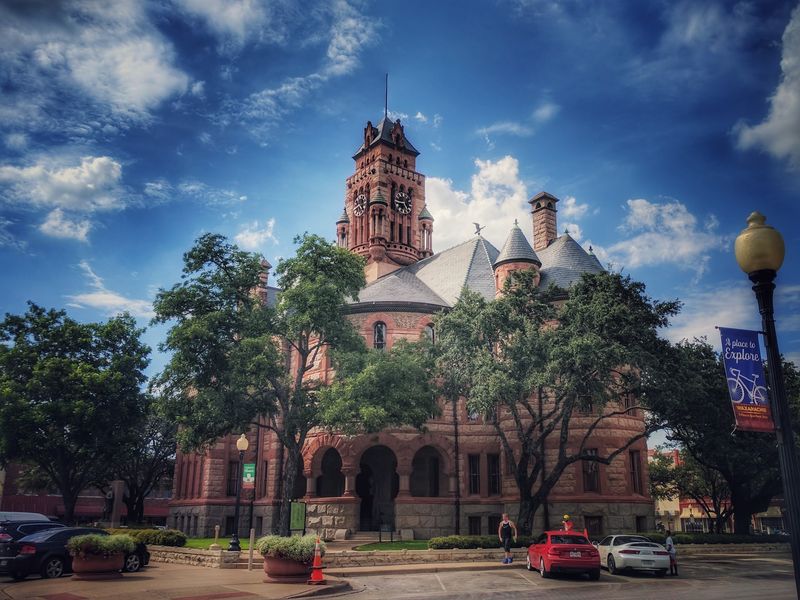
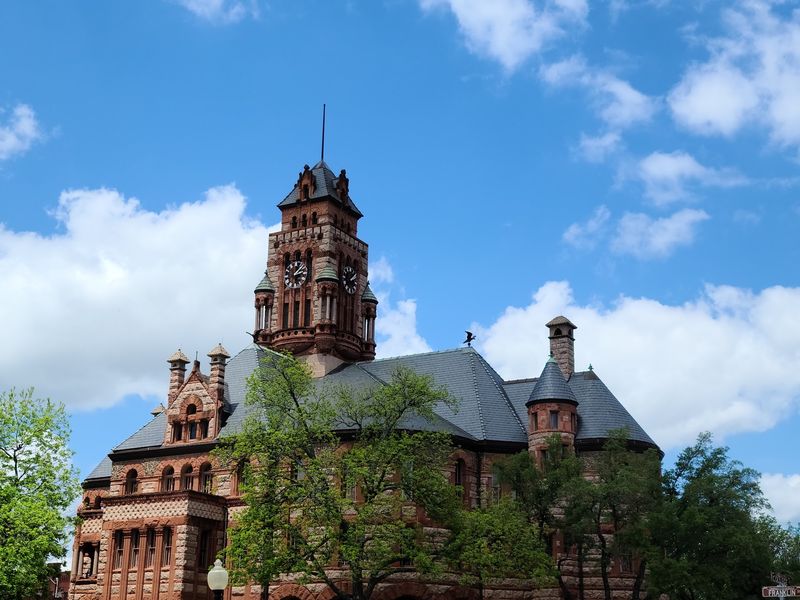
Standing tall at the heart of Waxahachie’s town square, the Ellis County Courthouse is one of the most jaw-dropping buildings in all of Texas. Built in 1897, this red sandstone beauty was designed by architect James Riely Gordon in the Romanesque Revival style.
Its towering clock tower and detailed stone carvings make it look like something straight out of a fairy tale.
The courthouse is listed on the National Register of Historic Places, and for good reason. Visitors from across the country come just to photograph it.
Up close, you can spot hundreds of hand-carved faces and decorative stonework that took skilled craftsmen years to complete.
Many people are surprised to learn this courthouse is still fully operational today. It serves Ellis County while also doubling as a beloved tourist landmark.
Truly, no visit to Waxahachie is complete without stopping here first.
Chautauqua Auditorium
Back in the late 1800s, Waxahachie became a major stop on the Chautauqua circuit, a traveling educational and cultural movement that brought speakers, musicians, and performers to towns across America. The Chautauqua Auditorium built to host these events still stands today, and it carries a quiet, nostalgic charm that is hard to find anywhere else.
Walking inside feels like stepping back into a time when community gatherings were the highlight of the season. The wooden structure and open-air design give it a warm, welcoming atmosphere that modern venues simply cannot replicate.
Local historians consider this auditorium a rare surviving example of Chautauqua architecture in Texas. Events are still held here occasionally, connecting today’s residents with a rich cultural tradition.
If you enjoy places where history literally surrounds you, this auditorium will leave a lasting impression on your visit to Waxahachie.
Catfish Plantation Restaurant
Few restaurants in Texas come with a ghost story as well-known as the one attached to the Catfish Plantation. Housed in a Victorian home built in 1895, this beloved eatery has been featured on national television shows about haunted places.
Guests have reported strange smells, moving objects, and unexplained sounds during their meals.
But even if you are a complete skeptic, the food and atmosphere make this spot absolutely worth a visit. Southern-style catfish, crawfish, and classic comfort dishes are served in rooms that still look much as they did over a century ago.
The antique furniture and original woodwork add to the old-world feel.
Locals and tourists alike line up for the experience of dining somewhere so steeped in history and mystery. Whether the ghosts show up or not, you will leave with a great story and a full stomach.
Gingerbread Trail of Historic Homes
Every spring, Waxahachie hosts its famous Gingerbread Trail, a self-guided tour through some of the most gorgeous Victorian homes in the entire state of Texas. The name comes from the intricate decorative woodwork, known as gingerbread trim, that adorns the porches and rooflines of these stunning 19th-century houses.
Walking or driving through these neighborhoods feels like flipping through the pages of an architectural history book. Many homes have been lovingly restored by their current owners and painted in vibrant period-accurate colors that make each one pop against the Texas sky.
The trail typically runs in June and draws thousands of visitors each year. Some homeowners open their doors to the public, giving guests a rare peek inside these beautifully preserved spaces.
If you love architecture, design history, or simply beautiful neighborhoods, the Gingerbread Trail belongs at the top of your Waxahachie itinerary.
Waxahachie Downtown Historic District
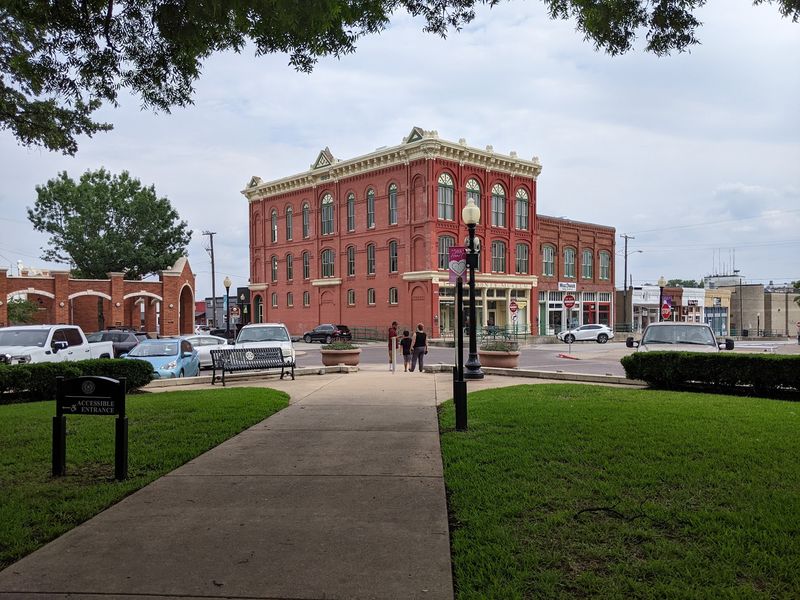
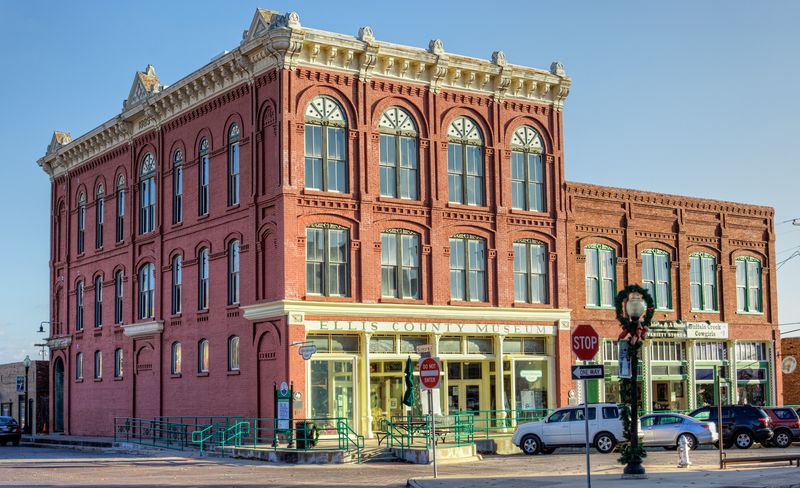
Step onto the streets of downtown Waxahachie and you will immediately feel like you have traveled back in time. The historic district is lined with well-preserved brick buildings from the late 1800s and early 1900s, many of which still house thriving local businesses.
Antique shops, boutiques, and cozy cafes fill storefronts that have stood for more than a century.
The layout of the downtown square, centered around the iconic courthouse, gives the whole area a classic small-town Texas feel that is becoming increasingly rare. Strolling here on a weekend afternoon is one of those simple pleasures that reminds you why people fall in love with historic towns.
The district has been carefully maintained through years of preservation efforts by local organizations and the city itself. It has also served as a filming location for several Hollywood productions.
That cinematic quality is something you can genuinely feel the moment you arrive.
Sims Library (Old Carnegie Library)
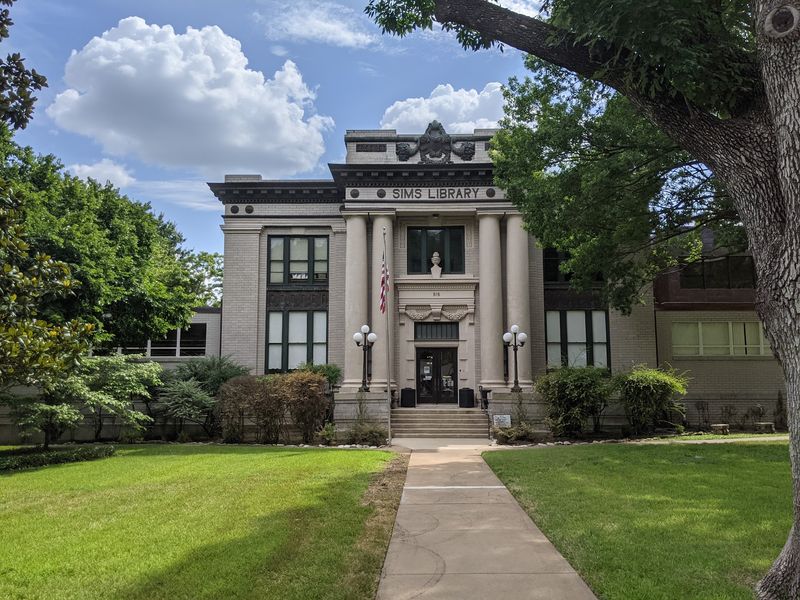
Libraries funded by industrialist Andrew Carnegie were built across America in the early 1900s, and Waxahachie received one of these beautiful gifts in 1904. Now known as the Sims Library, the building is a wonderful example of classical architecture with its brick facade, arched windows, and dignified proportions.
It has served the community for well over a century.
Carnegie libraries were designed to inspire a love of learning, and this one still does exactly that. The building has been updated over the years to meet modern library needs while carefully preserving its historic exterior and original character.
Visitors often pause outside just to admire how well it has aged.
For history lovers, visiting a Carnegie library is like touching a piece of American cultural heritage. There were once nearly 2,500 of them built worldwide.
Waxahachie’s version remains one of the most charming small-town examples you will find anywhere in Texas.
Waxahachie City Hall
Waxahachie’s City Hall is another example of how seriously this town takes its architectural heritage. The building carries the dignified look of early 20th-century civic design, with solid brick construction and classical detailing that communicates permanence and community pride.
It fits right in alongside the other historic structures that define this remarkable town square.
Municipal buildings like this one are often overlooked by tourists, but in Waxahachie, even the government offices are worth a second look. The careful upkeep of the structure reflects the city’s broader commitment to honoring its past while continuing to serve its growing population.
Waxahachie has grown significantly in recent decades as people move south from the Dallas metro area. Yet the city has managed to balance that growth with a genuine respect for what makes it unique.
City Hall stands as a quiet symbol of that balance, rooted in history but very much alive in the present.
Rogers Hotel
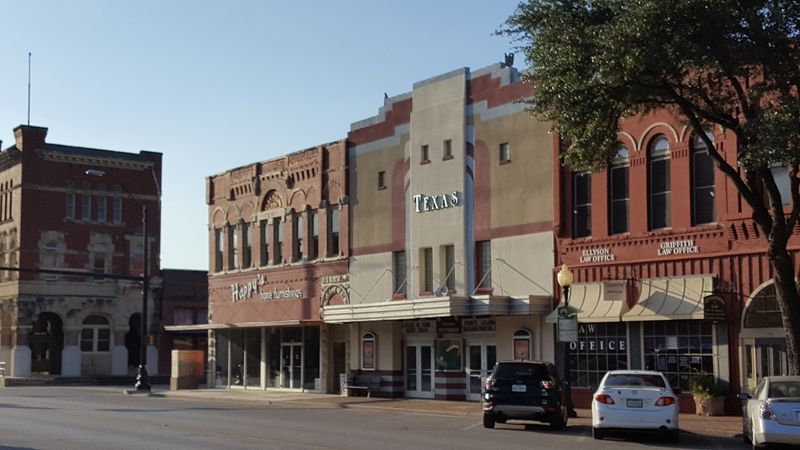
Once the grandest place to stay in all of Ellis County, the Rogers Hotel has a storied past that mirrors the rise and evolution of Waxahachie itself. Built in the early 1900s, the hotel hosted traveling businessmen, politicians, and notable figures passing through the region during a time when the town was a bustling economic hub.
Its multi-story brick facade still commands attention on the downtown streetscape.
Over the decades, the Rogers Hotel went through various phases of use and decline, as many historic hotels across small-town America did. Preservation advocates in Waxahachie have worked to keep the building’s memory and structure intact, recognizing it as an irreplaceable piece of local history.
Walking past it today, you can almost imagine the sounds of a busy lobby from a century ago. Buildings like the Rogers Hotel remind visitors that Waxahachie was never just a quiet little town.
It was once a place where big things happened.
Scarborough Faire Renaissance Festival Grounds
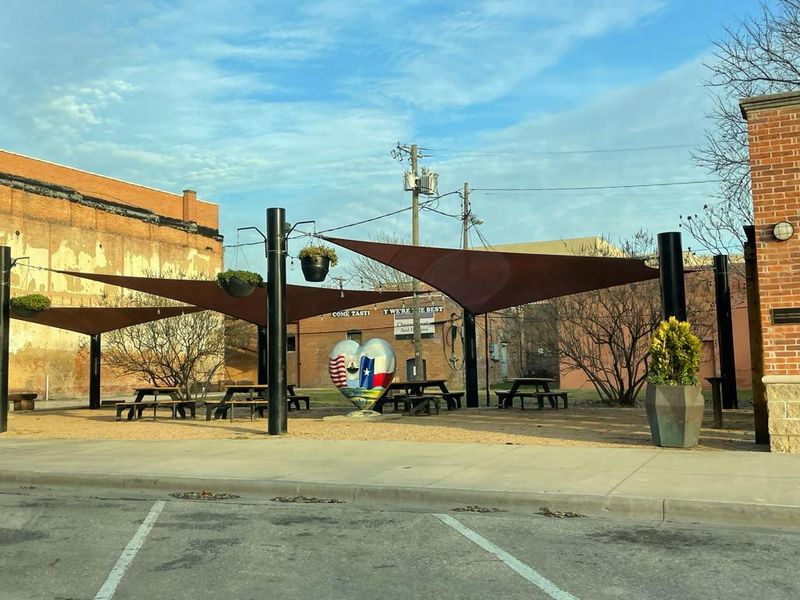
Just outside of Waxahachie, the Scarborough Faire Renaissance Festival creates an entirely different kind of historic atmosphere each spring. Running for several weekends from April through June, this beloved event transforms a sprawling outdoor venue into a living, breathing version of a 16th-century English village.
Permanent wooden structures built in period style give the grounds a remarkably authentic look.
Costumed performers, jousting knights, artisan vendors, and live entertainment fill the space with energy and color. Families, history buffs, and costume enthusiasts all find something to love here.
The festival draws tens of thousands of visitors each season and has become one of the most well-attended Renaissance fairs in the entire country.
Even outside of festival season, the permanent structures on the grounds are fascinating to see. They represent years of careful craftsmanship and dedication to creating an immersive historic environment.
Scarborough Faire adds yet another layer to Waxahachie’s already impressive historic identity.
Waxahachie Creek Greenway
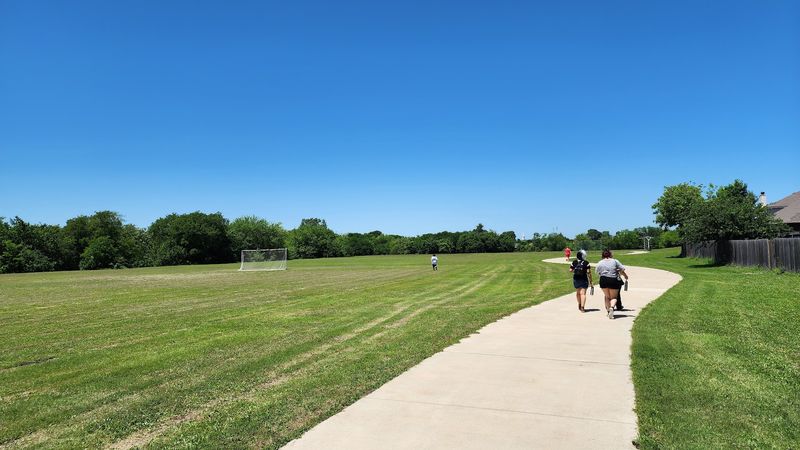
Not every historic treasure in Waxahachie is made of brick and stone. The Waxahachie Creek Greenway offers a natural escape that has been part of the town’s landscape since long before the city was founded in 1850.
The creek and its surrounding greenway provide a peaceful contrast to the architectural wonders found in the downtown area.
The trail system winds through shaded areas filled with native Texas trees and wildlife, making it a favorite spot for walkers, joggers, and families looking for a relaxing outdoor outing. Bridges and rest areas along the route offer great spots to pause and take in the scenery.
Local conservation efforts have helped protect and expand the greenway over the years, ensuring it remains accessible to future generations. Pairing a walk along the creek with a tour of the historic downtown gives you the perfect full-day experience of everything Waxahachie has to offer.
Historic Interurban Railway Depot
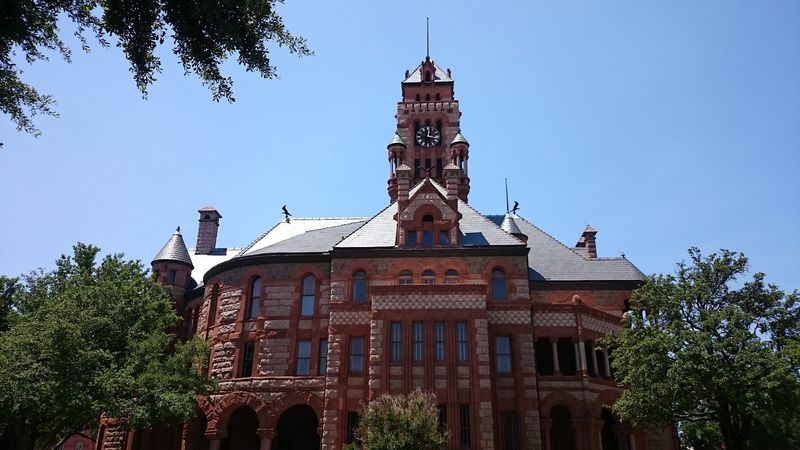
Before highways and automobiles took over, electric interurban railways connected Texas towns in ways that transformed daily life. Waxahachie was part of this network, and its old railway depot stands as a quiet reminder of an era when train travel was the primary way people moved between communities.
The depot’s brick architecture reflects the optimism and ambition of early 20th-century Texas.
The interurban line connecting Waxahachie to Dallas and other nearby cities was a major economic lifeline for the region. It allowed residents to access larger markets and brought visitors and commerce into town.
When the lines eventually shut down, they left behind a legacy that is still visible in the built environment today.
Preserving structures like the old depot helps Waxahachie maintain a physical connection to that transformative period in transportation history. For anyone interested in how American towns grew and changed, this building is a fascinating stop on any historic tour.
St. Paul Episcopal Church
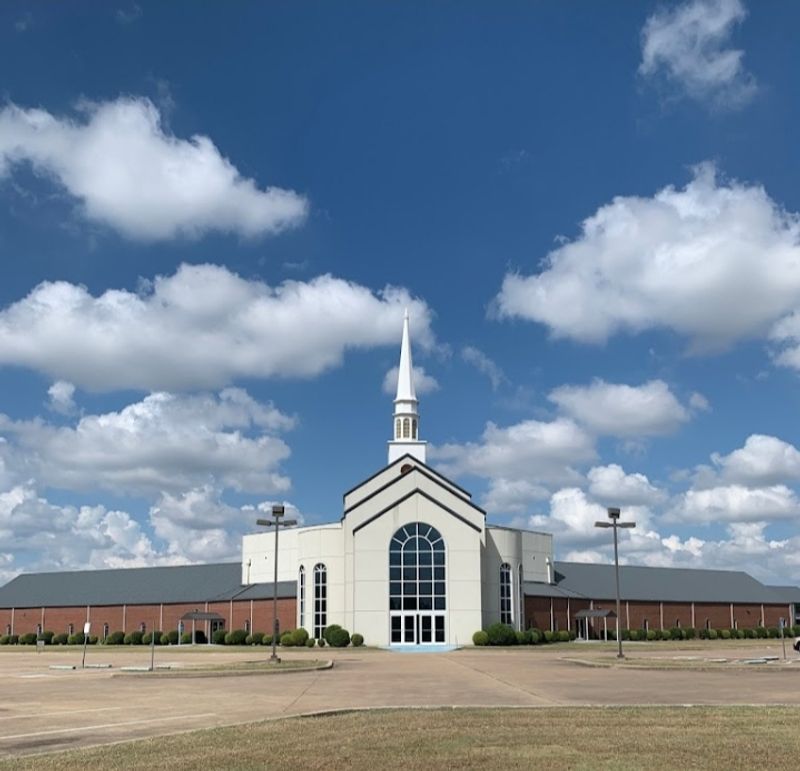
Established in the 1850s, St. Paul Episcopal Church is one of the oldest congregations in Waxahachie and its historic building is among the most visually striking in the entire town. The Gothic Revival architecture, with its pointed arches, stone construction, and luminous stained glass windows, gives the church an otherworldly beauty that stops passersby in their tracks.
Churches like St. Paul played a central role in early Texas community life, serving not just as places of worship but as gathering spaces for education, social events, and civic activities. The building reflects the deep roots the congregation has put down over more than 150 years in this community.
Visitors who appreciate religious architecture will find St. Paul particularly rewarding to photograph and explore. The careful maintenance of the original structure over generations speaks to the dedication of its congregation.
Few buildings in Waxahachie carry as much quiet spiritual and historical weight as this one.
Waxahachie as a Movie Filming Location
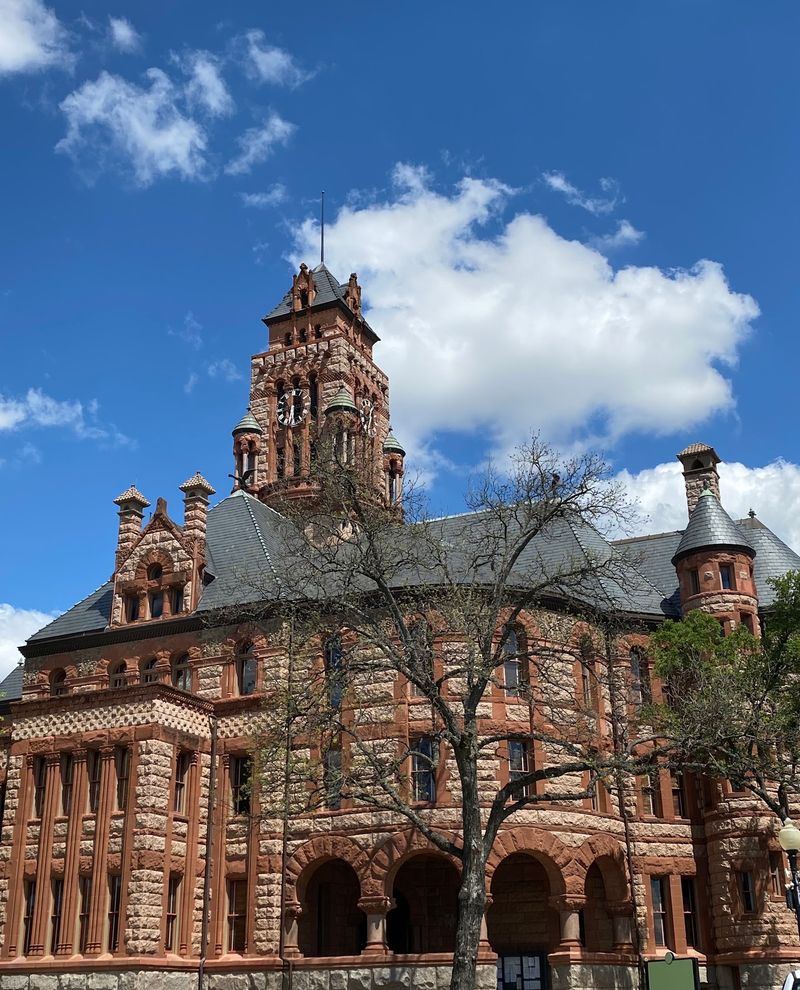
Hollywood discovered Waxahachie a long time ago, and the town has played host to a surprisingly impressive list of film and television productions. Movies like “Tender Mercies,” “Places in the Heart,” and “Leap of Faith” were filmed here, drawn by the town’s remarkably preserved historic streetscapes that can convincingly portray earlier eras of American life.
The ability to step onto a Waxahachie street and feel transported back in time is not just a feeling for visitors. It is something that professional filmmakers have recognized and capitalized on for decades.
The authentic architecture requires very little set dressing to become a convincing period backdrop.
For movie fans, walking through downtown Waxahachie carries an extra layer of excitement. You might recognize a storefront from a scene you watched years ago.
That connection between real history and cinematic storytelling is exactly what makes this Texas town so uniquely special and endlessly fascinating to explore.
Enjoyed this story?
Add Fast Food Club as a preferred source to see more of our reporting on Google.