


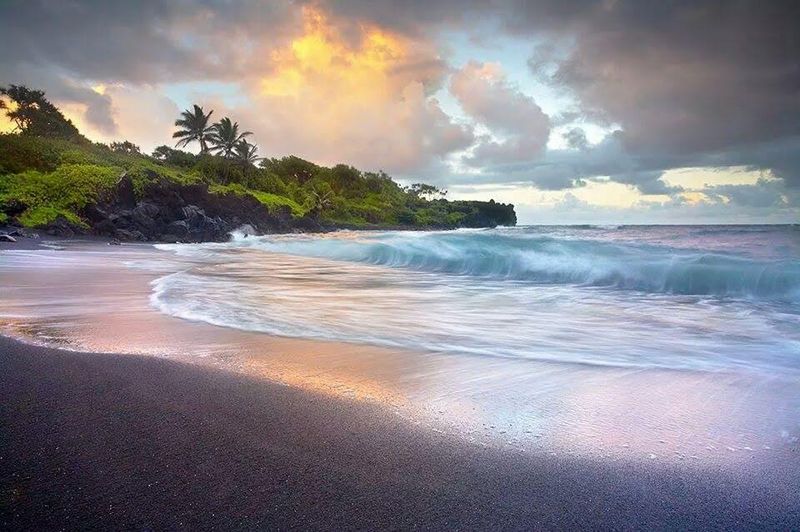
Somewhere along one of Maui’s most winding roads, a shoreline of pitch-black sand meets bright surf and towering trees. It covers just 122 acres, yet many travelers rank it as the single best stop on their entire island trip.
There are hidden freshwater caves tied to old Hawaiian legend, coastal cliffs where locals fish from high above the water, and a natural arch that has been photographed more times than almost anywhere else in the state. Getting in requires a little planning, a reservation, and an early alarm, but the reward is a place that feels far larger than its size.
Keep reading to learn where it is, what makes it special, and exactly how to visit without the stress.
Where the Black Sand Begins
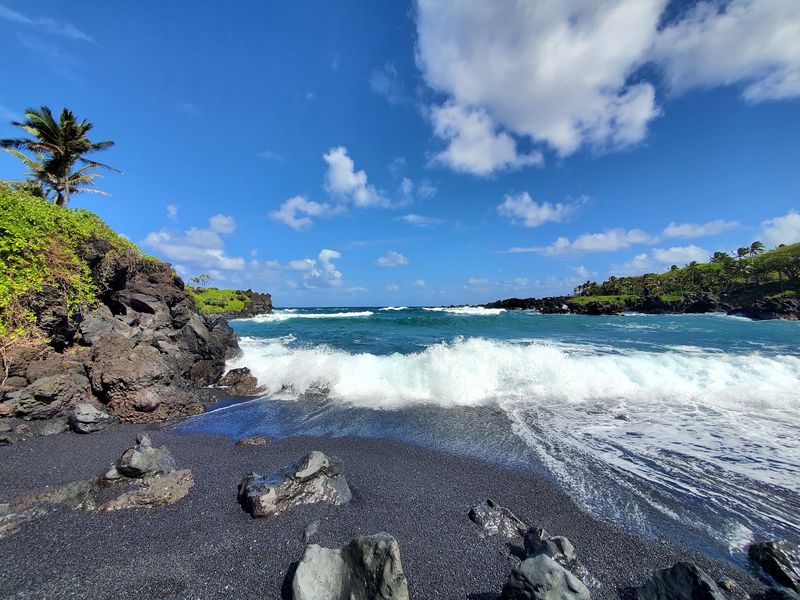
Tucked along the Hana Highway on the eastern coast of Maui, Waiʻānapanapa State Park sits in Hana, HI 96713. The address sounds simple, but the drive to reach it is famous in its own right, threading through the lush windward side of the island.
Covering 122 acres, the park earns a 4.7-star rating across nearly 5,000 pieces of feedback, which is remarkable for a spot this compact. Most travelers fold it into a full day exploring the road to Hana.
The centerpiece is a coastal landscape shaped by fire and water, with black lava sand, tidal caves, and native plants all packed into a walkable area. Cabins are available for rent for those who want to linger.
What sets it apart is how much variety fits into so little space. You can stand on a dark beach, peer into a sea cave, and follow a cliff trail all within an easy stroll.
That density of scenery is exactly why it punches so far above its acreage.
Pailoa Beach and Its Famous Dark Shore
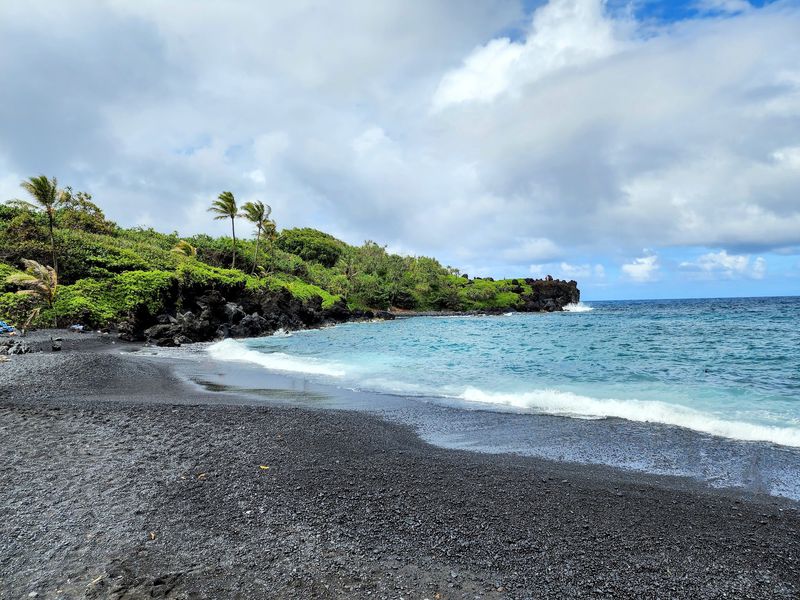
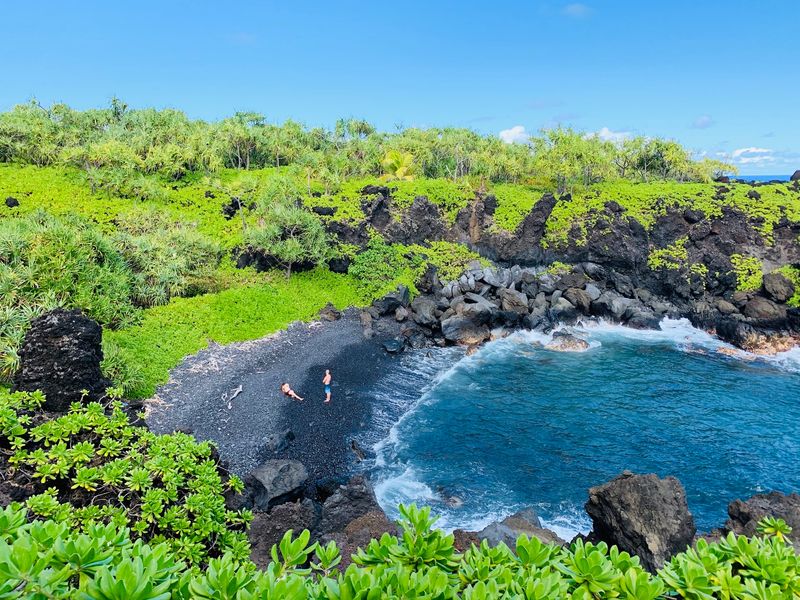
The star of the whole park is Pailoa Beach, the black sand shoreline that draws hundreds of mentions from travelers. The dark color comes from volcanic rock broken down over time, and it stands in sharp contrast against the bright white surf and blue water.
Calling it sand is a bit generous. Much of it is made of small, smooth basalt pebbles and coarse volcanic grains, so the texture shifts depending on where you stand and the day you arrive.
Some travelers describe it as soft underfoot, while others find it more rocky and pebbly. Either way, the sight of a pitch-black beach is the kind of thing many people call once in a lifetime.
Reaching the water means taking a set of stairs down from the parking area, which most find easy enough to manage. Bringing water shoes or slippers is a smart move, since the surface can be rough on bare feet and warm in strong sun.
Sea Caves and the Natural Arch
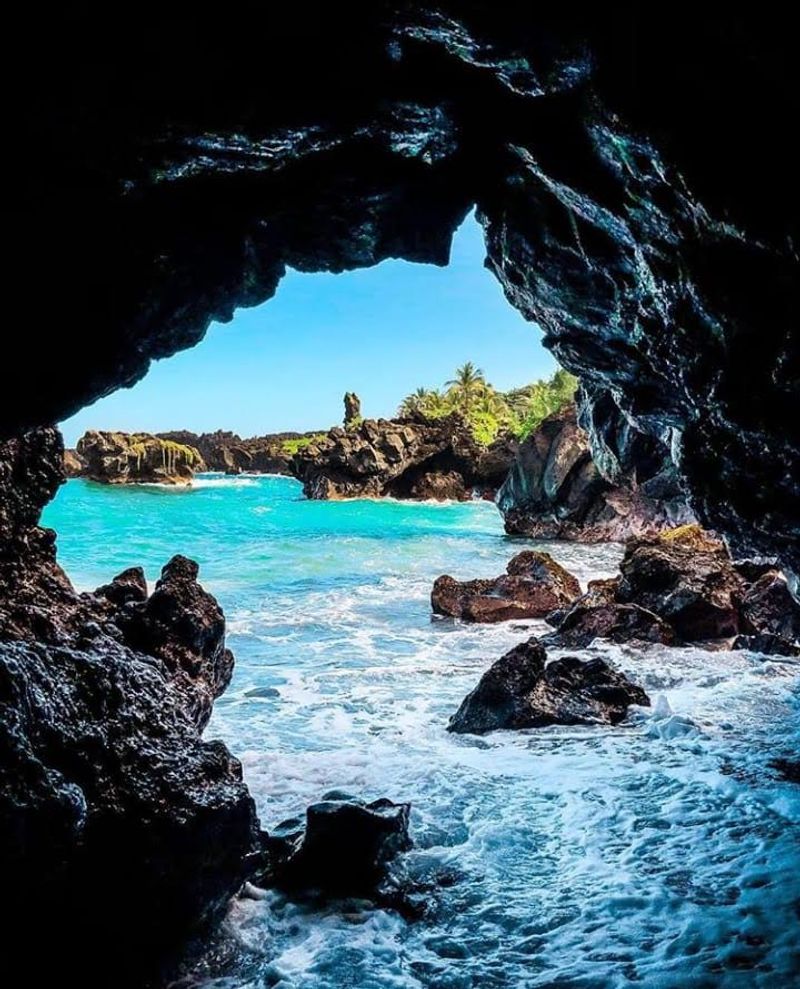
Just to the right of the beach, a small sea cave invites a bit of gentle exploring. It is one of those features that makes the park feel like a place built for curiosity rather than just lounging.
Look out toward the open ocean and you will spot a natural basalt arch, carved slowly by erosion over countless years. It ranks among the most photographed vistas in all of Hawaii, and it is easy to see why.
The arch frames the churning water in a way that feels almost designed, though nature gets all the credit. Many travelers plan their visit around catching this view in good light.
Beyond the main beach, a second beach area offers tidal pools where crabs scuttle across the rocks. Little discoveries like these keep visitors moving from one corner of the park to the next, always wondering what waits around the next bend.
The Freshwater Caves and an Old Legend
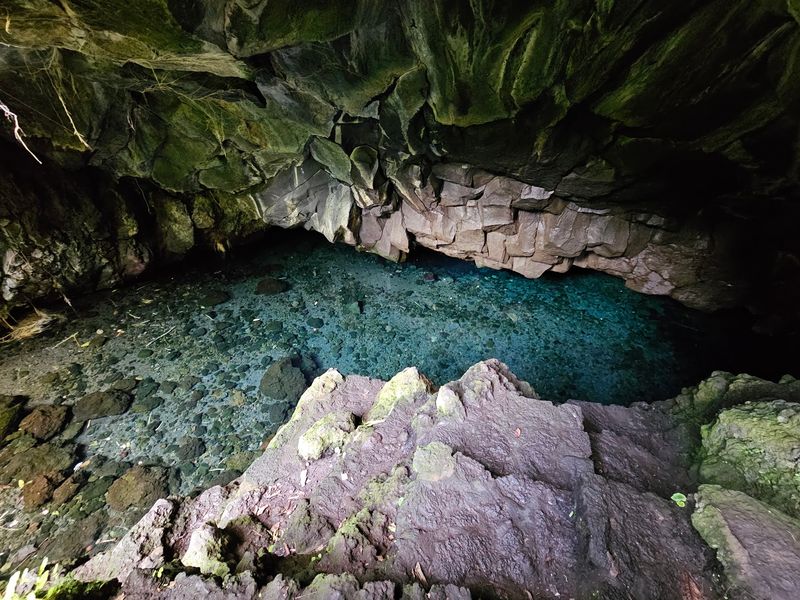
A short hike inland leads to something unexpected: hidden caves filled with crystal-clear freshwater. These anchialine pools sit tucked into the greenery, a quiet counterpoint to the crashing waves outside.
Local legend gives the pools a haunting backstory. The name is tied to the story of Princess Popoalaea, and tradition holds that the water turns red at certain times of the year.
The color is said to come from tiny shrimp that live in the pools. Whether you see the shift or not, the tale adds a layer of history that most beaches simply cannot match.
Standing near these caves gives a real sense of why the park is considered sacred. It is not only scenery here, but stories passed down through generations, woven right into the landscape.
The Coastal Trail Above the Waves
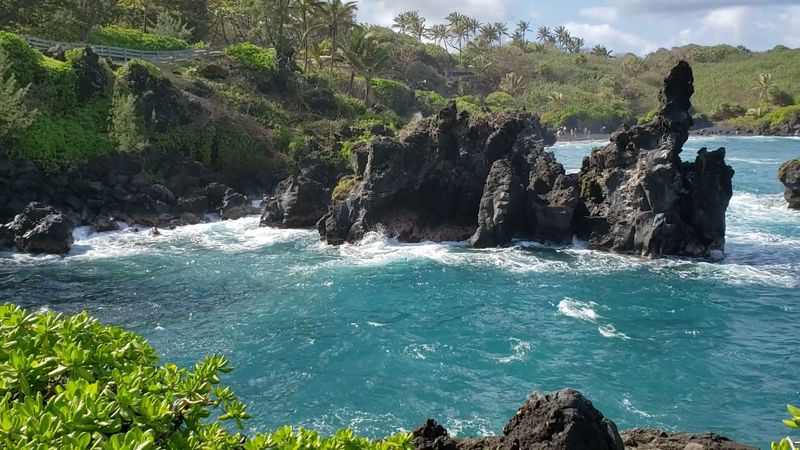
For anyone hoping to leave the beach crowds behind, the coastal trail is the answer. Known as Ke Ala Loa O Maui, it winds along rugged lava cliffs with sweeping views of the shoreline.
The path runs in both directions from the beach, and even a short walk rewards you with the sight of waves crashing hard against black rock. A popular overlook stretch clocks in at about half a mile round trip.
Travelers often mention spotting sea turtles along the Piʻilani portion of the trail, an easy highlight that feels like a bonus. Locals can sometimes be seen fishing from cliffs high above the water.
The trail also passes ancient Hawaiian burial and ancestral grounds, so walkers are asked to stay respectful and mindful of where they step. Paved pathways in parts make access easier, and the elevated vantage points give the whole coastline a dramatic frame.
Blowholes and Crashing Surf
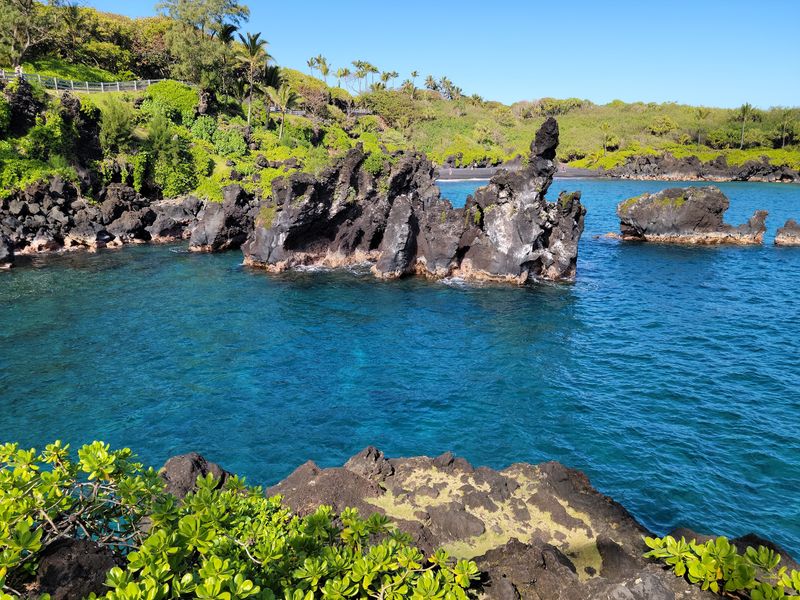
Water pressure and lava rock team up here to create blowholes, one of the park’s most talked-about features. A short climb up a path from the beach brings you within view of the action.
The surf can be forceful, sending spray upward through gaps in the volcanic stone. On rougher days, the waves put on a genuinely powerful show against the dark cliffs.
Along the trails, more spots let you scramble down to lava rock tide pools, where the water pools calmly between bursts of surf. It is a mix of gentle and wild, all within a few minutes of each other.
The contrast is part of the appeal. One moment you are peering into a still pool, and the next you are watching the ocean slam into the coast with real energy.
Swimming, With a Word of Caution
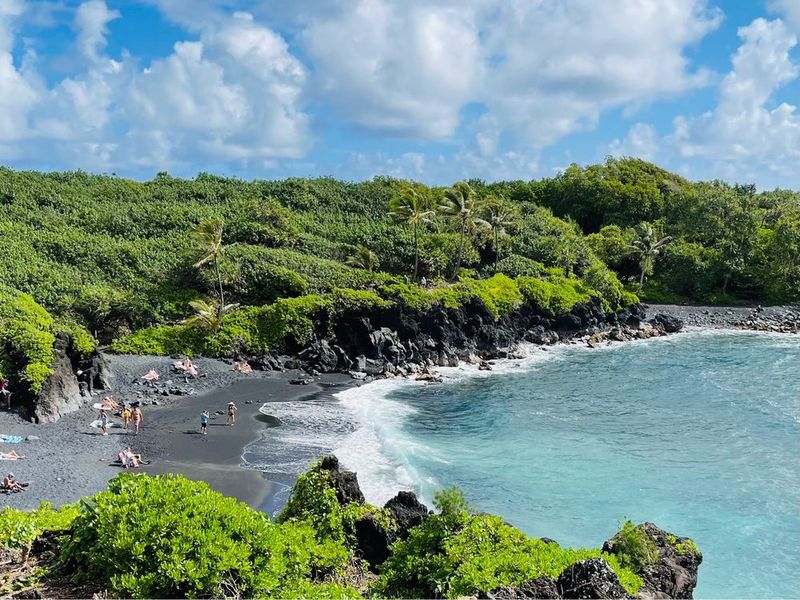
Getting in the water tops the list for many travelers, and on calmer days the shoreline can feel like a large, gentle pool since the waves break very close to the sand. It can be a genuinely fun place to cool off.
Conditions change fast, though. On rougher days the surf turns aggressive, and strong currents can pull swimmers if they venture too far out.
A practical tip comes up again and again: keep loose items on the beach. The waves have a habit of claiming jewelry, glasses, and even parts of swimsuits, so tighten up before you wade in.
Water shoes help protect feet from the pebbly bottom, and staying close to shore keeps the experience safe and enjoyable. Respecting the ocean’s mood is the key to a good day here.
Picnics and Easygoing Downtime
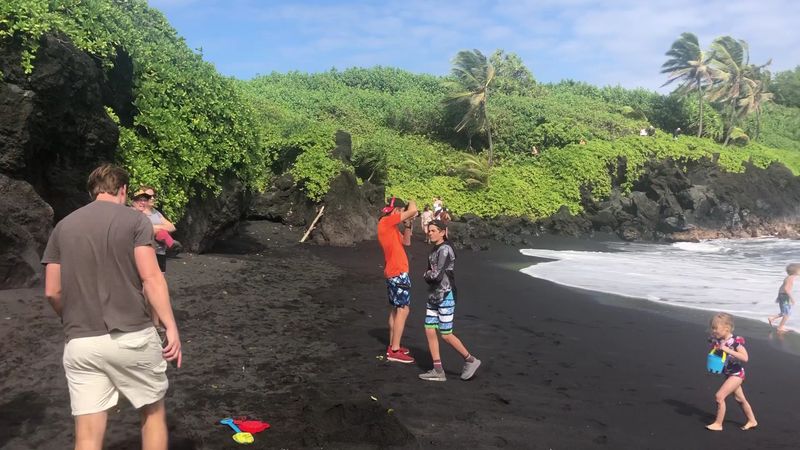
Not every visit needs to be action-packed. Plenty of travelers pack a lunch, claim one of the many bench tables, and simply relax after a hike or a dip in the water.
The picnic setup is one of the park’s quiet strengths. Tables are usually available, making it an easy spot to refuel before continuing along the road to Hana.
Some visitors even get company. Friendly cats have been known to wander over and lounge nearby while people eat, adding a bit of charm to the break.
Bringing your own food and water is smart, since options in the area are limited. A packed meal turns a quick photo stop into a comfortable half-day, and the setting makes ordinary sandwiches feel like a treat.
Sunrise, Cabins, and Camping
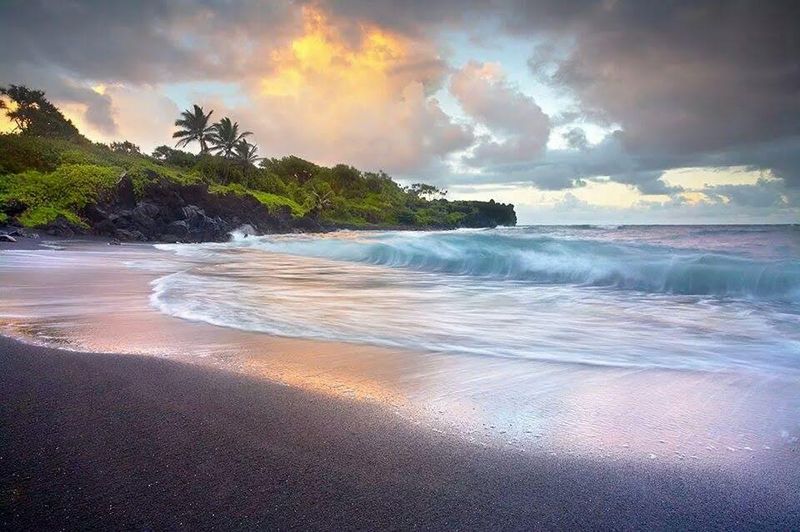
Waking up here is its own kind of magic. Watching the sun rise over the black sand ranks among the most memorable moments travelers describe, and staying overnight is what makes it possible.
The park offers cabins for rent as well as tent camping, plus space that some use for camper vans. Campers get a handy bonus: access to showers on site.
Overnight guests also enjoy a rare perk. The park closes to outside visitors at 6 PM, which means a quieter evening for dinner before the morning brings fresh arrivals.
The campground can be on the busier side, and early mornings fill up again as day guests roll in. Still, for those willing to plan ahead, camping doubles as a clever way to secure a spot when parking is tight.
Reservations, Timing, and Costs
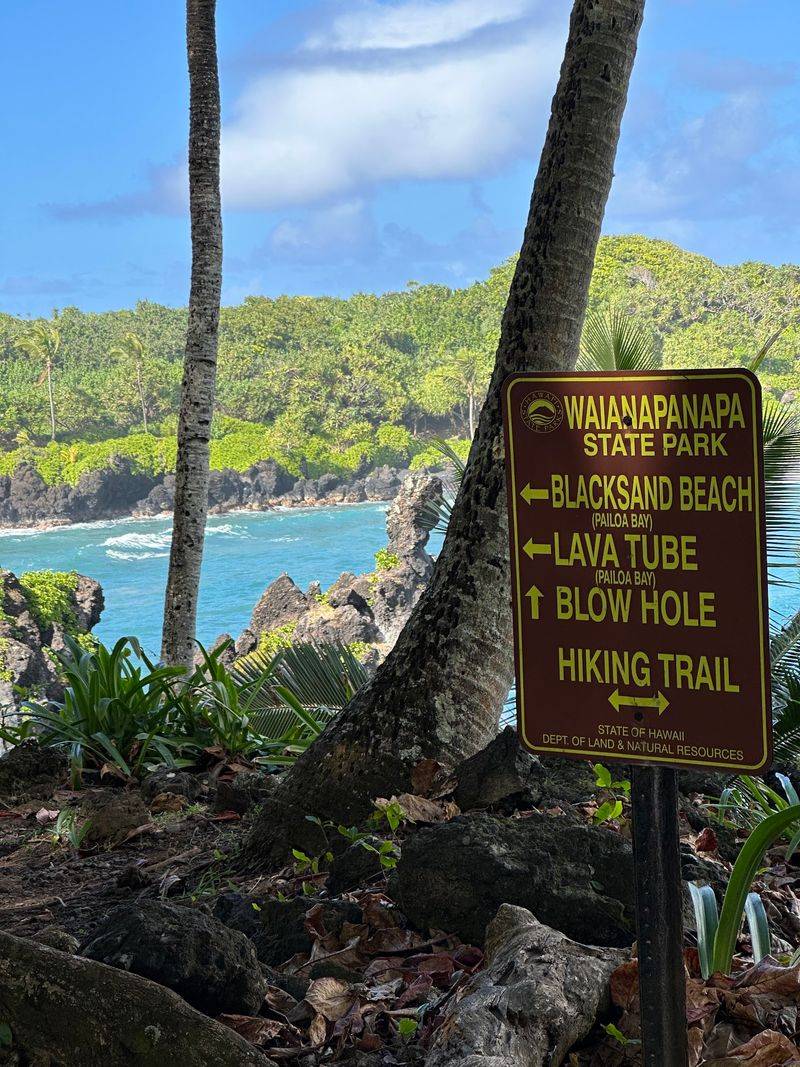
Here is the single most important planning note: entry is by reservation only, and slots fill up fast. Booking well in advance is strongly advised so you do not miss out.
The cost runs around twenty dollars for two people, and timed entries generally span about two and a half hours. Hawaii residents are exempt from the online booking requirement.
Punctuality matters. Visitors are typically asked to arrive within a short window of their reserved time, so leave buffer for the long drive.
The reservation system does double duty by controlling crowds and easing the parking crunch. With limited parking spaces available, the timed slots make the whole visit far smoother than it would be otherwise.
Booking early is the difference between a relaxed day and a scramble.
Beating the Crowds and Facilities
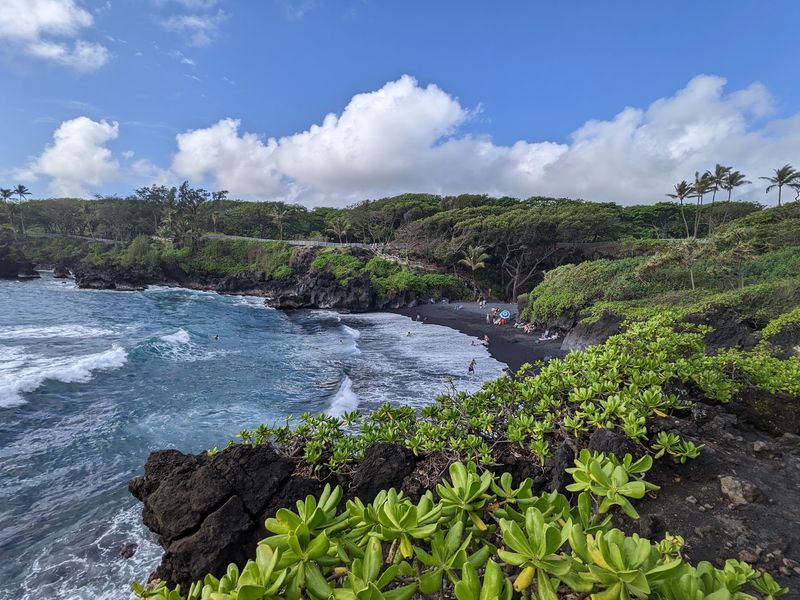
Crowds are the one recurring gripe about this otherwise beloved spot. The beach can get loud and busy, especially as the morning wears on.
The workaround is simple: go early. The earliest time slots see the fewest people, though they sit a couple of hours from most lodgings, so an early start is a must.
A smart plan is to visit first, then hit the other road to Hana stops on the way back.
Facilities generally hold up well. Bathrooms and showers are kept clean and are often better than others in the area, with paved pathways making access easier for many.
Fair warning on the restrooms, though: the ladies room can be tight, with only two stalls and little space to change. Packing light and planning around peak hours keeps the day pleasant.
Why This Small Park Wins Big
Rain is part of the deal on this side of Maui, so packing for wet weather is wise. Even so, the changing skies rarely dull the experience.
What lingers is the sense that a tiny park delivered more than places many times its size. Between the black beach, sea caves, freshwater pools, blowholes, and cliff trails, the variety is hard to beat.
Many travelers call it the highlight of their entire trip, and plenty vow to return. The combination of natural drama and deep Hawaiian history gives it a weight that stays with people.
Book your slot early, arrive with the sunrise, bring water shoes and a packed lunch, and treat the sacred grounds with care. Do that, and 122 acres near Hana will likely earn a permanent place in your travel memories.
Enjoyed this story?
Add Fast Food Club as a preferred source to see more of our reporting on Google.