


Tucked away in Henry County, Illinois, the tiny village of Bishop Hill holds more history than most towns ten times its size. Founded in 1846 by Swedish immigrants seeking religious freedom, this remarkable community tells a story of courage, faith, and community spirit.
With a population of just over 100 people today, Bishop Hill has somehow managed to preserve its 19th-century charm in a way that feels almost magical. Whether you love history, architecture, or just a great road trip, this little gem is absolutely worth a visit.
The Swedish Immigrant Founding Story
Back in 1846, a bold Swedish religious leader named Erik Jansson led over 1,000 followers across the Atlantic Ocean to escape persecution in Sweden. They landed in Illinois and carved out a community from raw prairie land with nothing but determination and faith.
That founding story alone makes Bishop Hill one of the most compelling small towns in all of America.
The group called themselves the Janssonists, and they believed in a simple, communal way of life. They built their own buildings, grew their own food, and shared everything equally.
Imagine starting a whole town from scratch in the middle of nowhere!
Learning about this founding story gives visitors a deep appreciation for what the settlers sacrificed. Interpretive signs and museum exhibits throughout the village bring this incredible journey to life in vivid detail.
Bishop Hill State Historic Site
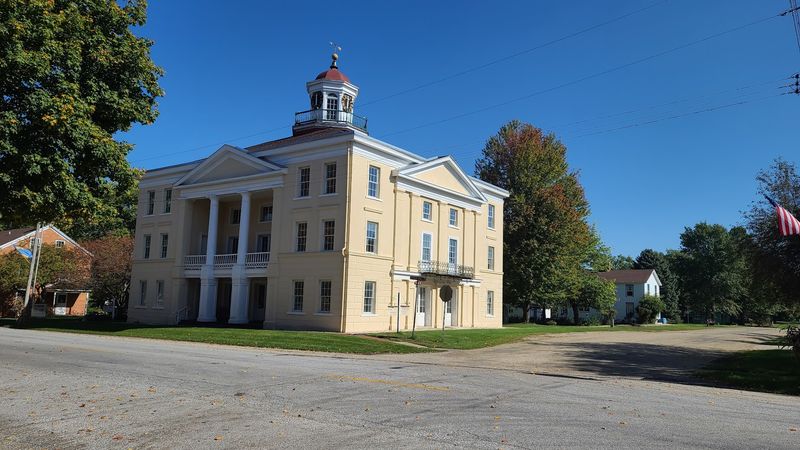
Operated by the Illinois Historic Preservation Agency, the Bishop Hill State Historic Site is the beating heart of this tiny village. The site includes several original colony buildings that have been lovingly restored and turned into interactive museums and galleries.
Walking through them feels like stepping directly into the 1800s.
Visitors can explore exhibits about the colony’s daily life, religious practices, and the challenges the settlers faced on the open prairie. The attention to historical detail is genuinely impressive, especially for such a small town.
Each building tells a different chapter of the Bishop Hill story.
Admission is free for many of the site’s attractions, making it an accessible adventure for families and history lovers on any budget. Plan to spend at least half a day here because there is simply so much to absorb and enjoy.
The Steeple Building
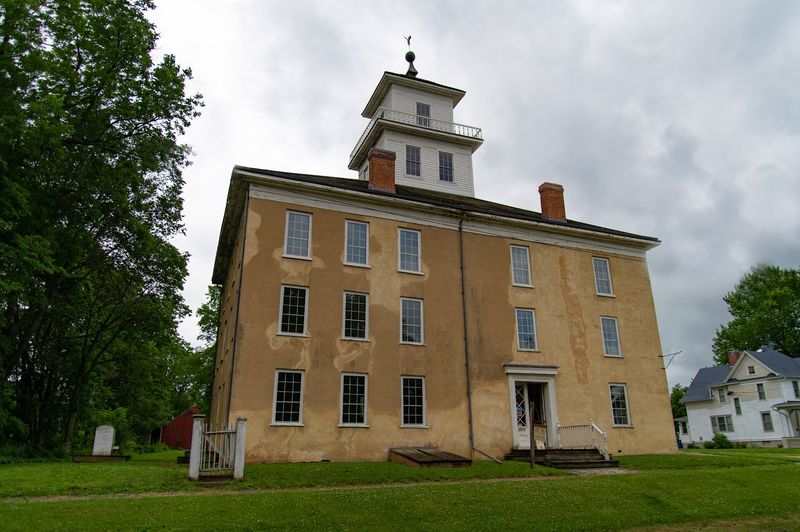
One of the most iconic structures in Bishop Hill is the Steeple Building, completed in 1854. Standing tall with its distinctive clock tower, it was once the colony’s main meeting house and served as the social and spiritual center of daily life.
Even today, it commands attention from every corner of the village square.
The building now houses a museum that showcases artifacts, photographs, and personal belongings from the original colonists. Seeing everyday items like hand-sewn clothing and old farming tools creates a surprisingly emotional connection to people who lived nearly 200 years ago.
It makes history feel personal rather than distant.
Fun fact: the Steeple Building is listed on the National Register of Historic Places. Photographers especially love capturing its beautiful brick facade during golden hour, when the warm light makes the old structure glow like something from a painting.
Olof Krans and His Folk Art Paintings
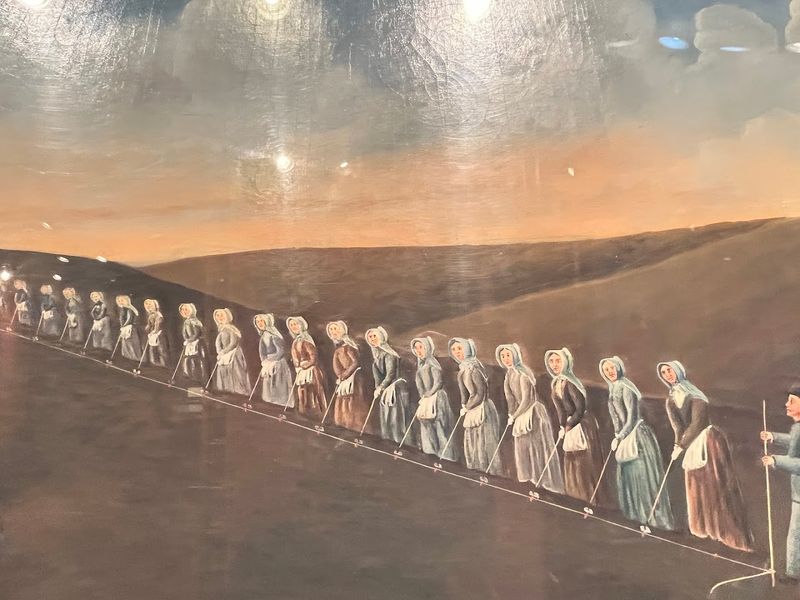
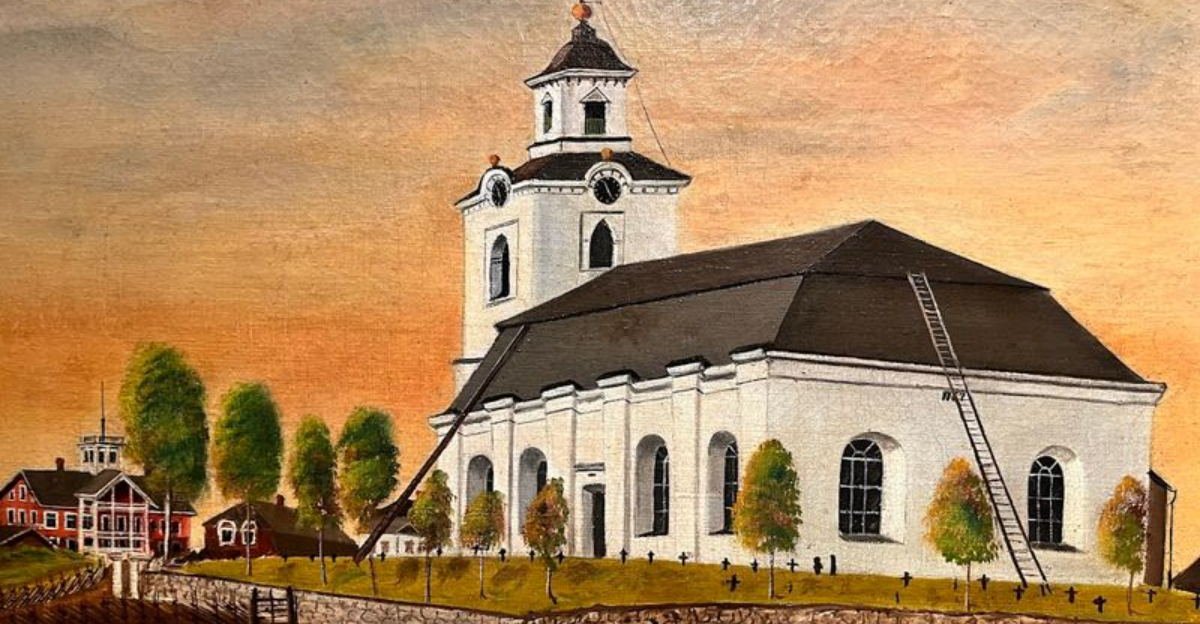
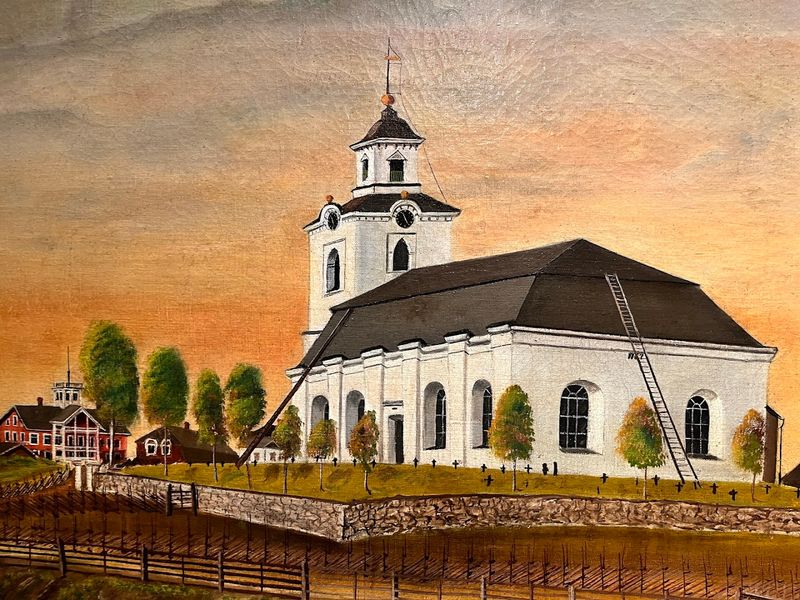
Olof Krans was a Swedish-born painter who grew up in Bishop Hill and dedicated much of his life to documenting the colony through folk art. His vivid, flat-style paintings capture everything from communal farm work to religious gatherings with a warmth and sincerity that is hard to forget.
He started painting seriously in his 60s, proving it is never too late to share your story.
Many of his works are displayed at the Bishop Hill State Historic Site, and they serve as one of the most valuable visual records of 19th-century Swedish-American life anywhere in the country. Art historians and casual visitors alike find themselves completely drawn in by his honest, detailed scenes.
Krans painted from memory, which adds an extra layer of emotion to every brushstroke. His work is quirky, heartfelt, and deeply human, making it one of the most unexpected highlights of any visit to Bishop Hill.
The Colony Church
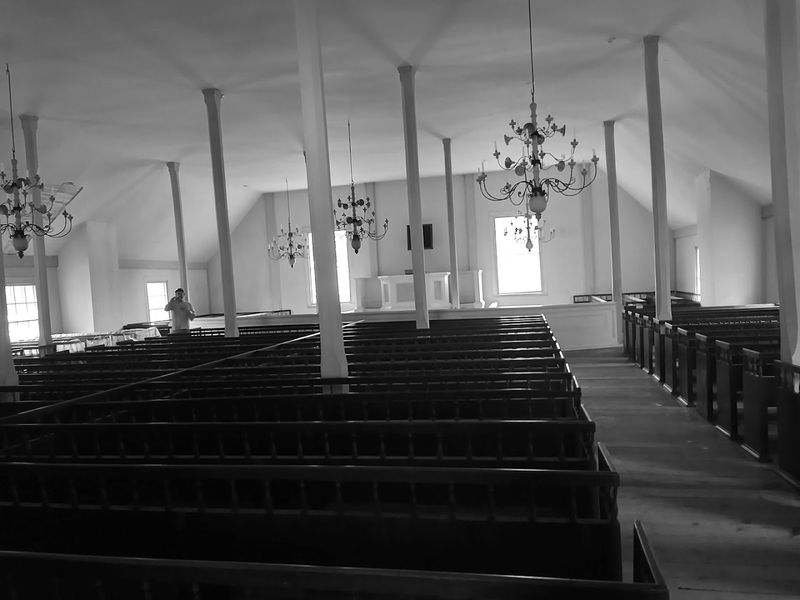
Religion was the entire reason Bishop Hill existed, so it makes perfect sense that the Colony Church remains one of the most emotionally powerful spots in the village. Built by hand using locally made bricks, the church reflects the settlers’ deep spiritual commitment and their skill as craftsmen.
Standing inside, you can almost hear the echoes of Sunday hymns sung in Swedish.
The interior is beautifully simple, with plain wooden pews and minimal decoration that perfectly reflects the Janssonist belief in humble worship. Restoration efforts have kept the space remarkably true to its original appearance, which makes the experience feel genuinely authentic rather than staged.
Visitors often describe the Colony Church as one of the most peaceful spots in all of Henry County. Whether you are religious or not, there is something quietly moving about standing in a space that meant so much to so many people who gave up everything for their beliefs.
The Bishop Hill Museum
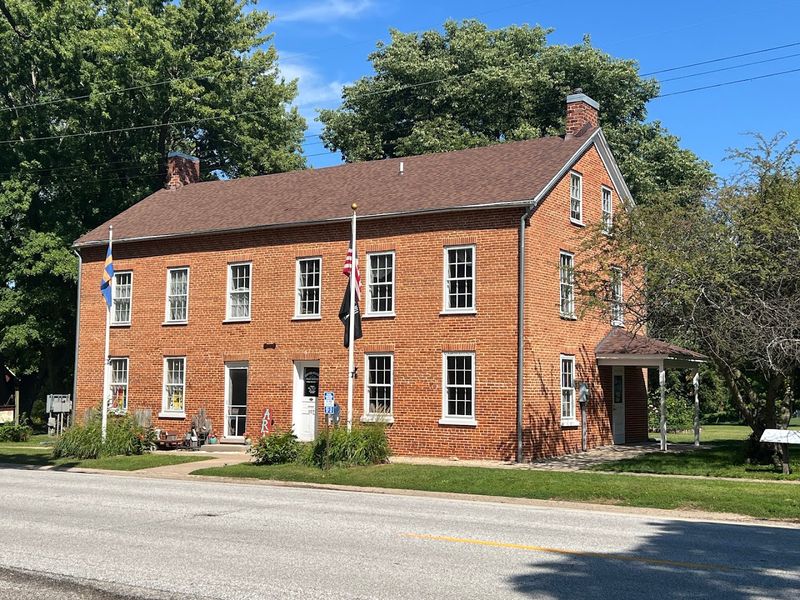
The Bishop Hill Museum packs an enormous amount of history into a relatively small space, and that is genuinely part of its charm. Curated collections cover everything from the colony’s founding in Sweden to its growth and eventual dissolution in Illinois.
Even visitors who are not huge history fans tend to leave feeling genuinely fascinated.
Exhibits are organized in a way that is easy to follow, making the complex political and religious history of the Janssonist movement accessible to all ages. Children especially enjoy the hands-on elements and the vivid storytelling approach used throughout the displays.
It is the kind of museum that sparks real conversations on the drive home.
The staff are knowledgeable and enthusiastic, often sharing little-known stories that are not written on any placard. Stopping to chat with them can turn a quick museum visit into a full-blown history adventure you will be talking about for weeks.
The Annual Midsommar Festival
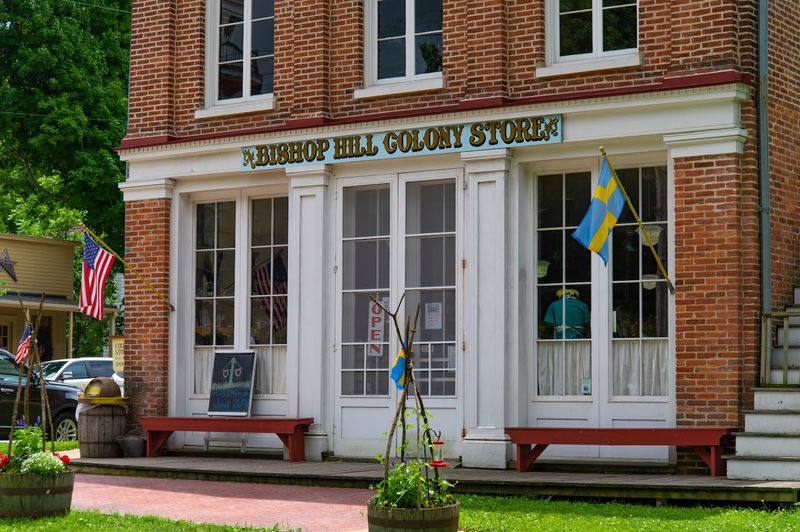
Every June, Bishop Hill transforms into a celebration of Swedish heritage with its beloved Midsommar Festival. Colorful traditional costumes, folk dancing around a maypole, and the smell of Scandinavian food fill the village square in a way that feels genuinely festive and totally unique to this corner of Illinois.
It is one of those events you stumble upon once and then plan your calendar around every year after.
The festival draws visitors from across the Midwest who come to experience Swedish culture in an authentic American setting. Live music, craft vendors, and storytelling sessions make it a full-day experience for families and solo travelers alike.
Kids especially love the traditional dances and the chance to try on historic costumes.
Attending Midsommar is one of the best ways to truly understand what Bishop Hill is all about. The community pride on display during this festival is infectious and genuinely moving to witness firsthand.
The South Edwards River Trail
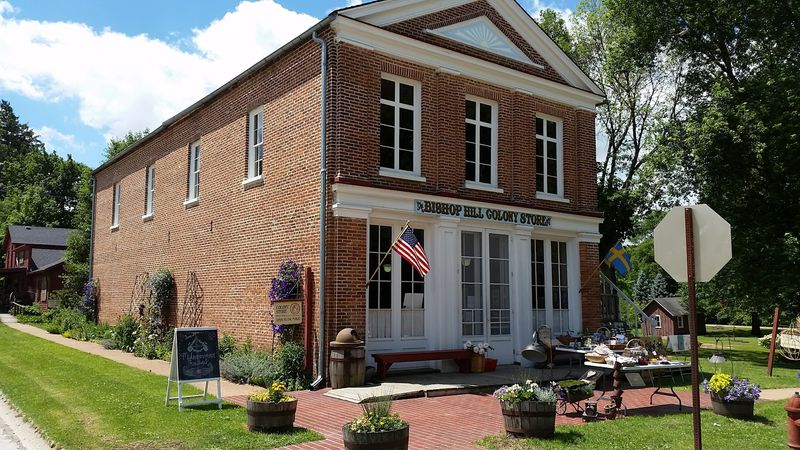
Not everything in Bishop Hill is about brick buildings and museum exhibits. The South Edwards River, which winds along the edge of the village, offers a lovely natural escape for visitors who want to stretch their legs and breathe in some fresh prairie air.
The gentle trail along its banks is perfect for a slow, relaxing walk at any time of year.
Spring and fall are especially beautiful, when the trees along the riverbank burst with color and the water catches the light in a way that makes everything look like a postcard. Birdwatchers have spotted a surprising variety of species along this stretch, adding an extra layer of adventure for nature lovers.
After a morning of exploring historic buildings, a quiet walk along the South Edwards River is the perfect way to decompress. The contrast between the human history of the village and the quiet, timeless nature of the river is genuinely refreshing.
The Bjorklund Hotel
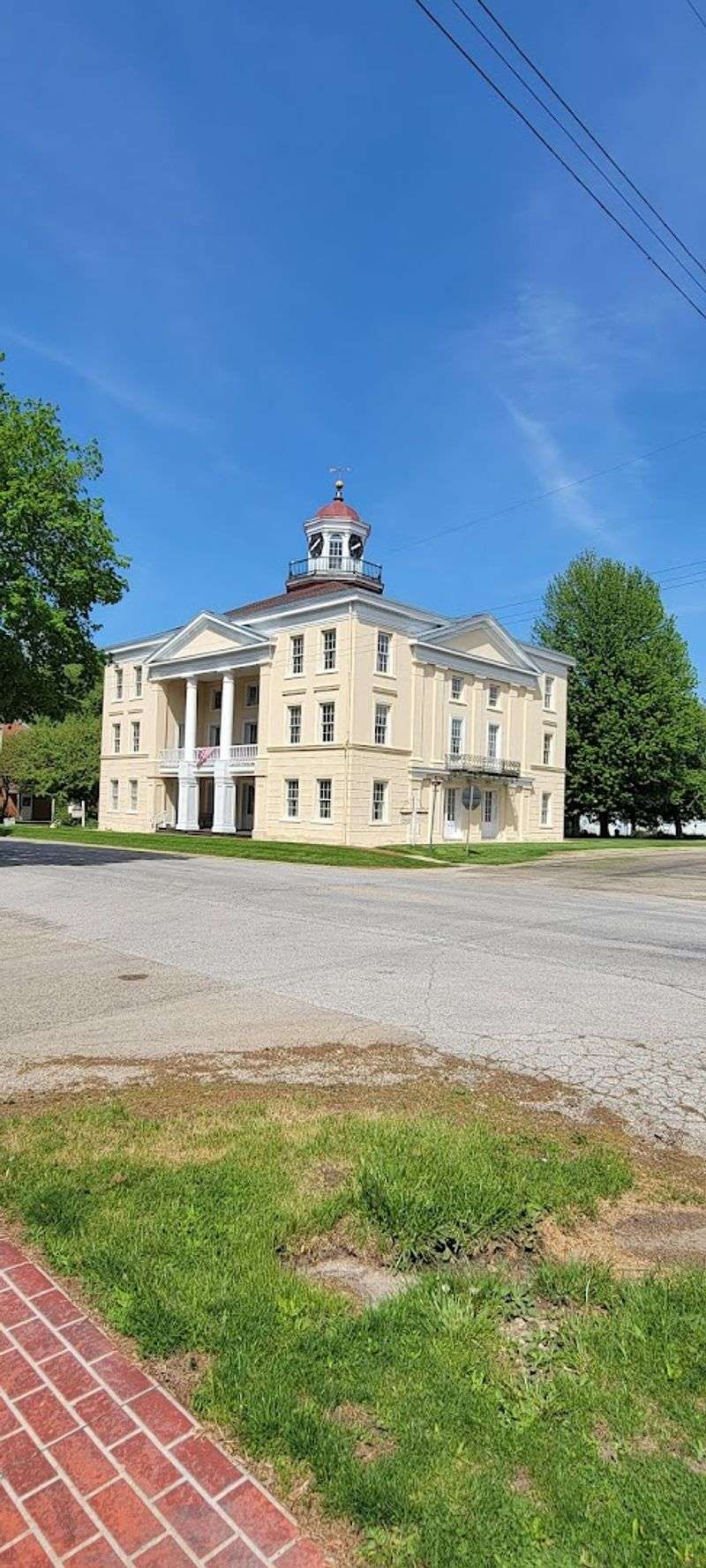
Named after a prominent figure in the colony’s history, the Bjorklund Hotel is one of the most charming places to stay in all of rural Illinois. Originally built during the colony era, the building has been carefully restored while keeping its historic personality fully intact.
Staying here feels less like checking into a hotel and more like sleeping inside a living museum.
Guests rave about the warm, welcoming atmosphere and the attentive hospitality that seems to reflect the community spirit Bishop Hill was founded on. The rooms are cozy and thoughtfully decorated with nods to the village’s Swedish heritage.
Waking up here, surrounded by history, is a genuinely special experience.
The hotel is also conveniently located right in the heart of the village, so everything worth seeing is just a short walk away. For anyone planning an overnight trip to Bishop Hill, this is absolutely the place to book first.
The Dairy Building and Colony Crafts
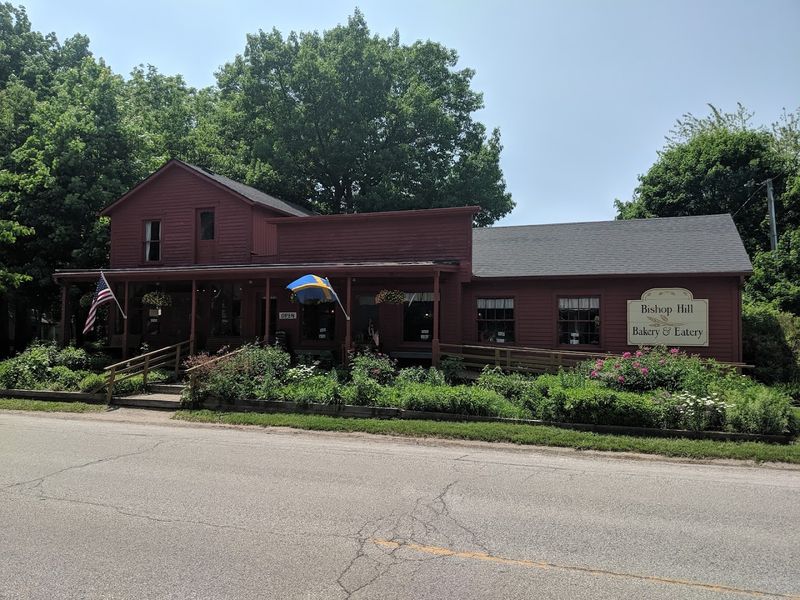
The original colonists were remarkably self-sufficient, and the Dairy Building stands as a testament to that industrious spirit. Once used to produce and store food for the entire community, the building now serves as a space celebrating the handmade crafts and artisan traditions that have always been central to Bishop Hill’s identity.
It is a surprisingly fun stop for shoppers and history lovers alike.
Local artisans sell hand-thrown pottery, woven textiles, and woodcrafts that echo the skills of the original settlers. Picking up one of these items makes for a meaningful souvenir that connects you directly to the village’s story.
Everything here feels intentional and made with genuine care.
The building itself is worth visiting just for its architecture. The thick stone walls and original wooden beams give it a rustic, grounded atmosphere that feels completely different from anything you would find in a modern shopping experience.
The Autumn on the Prairie Festival
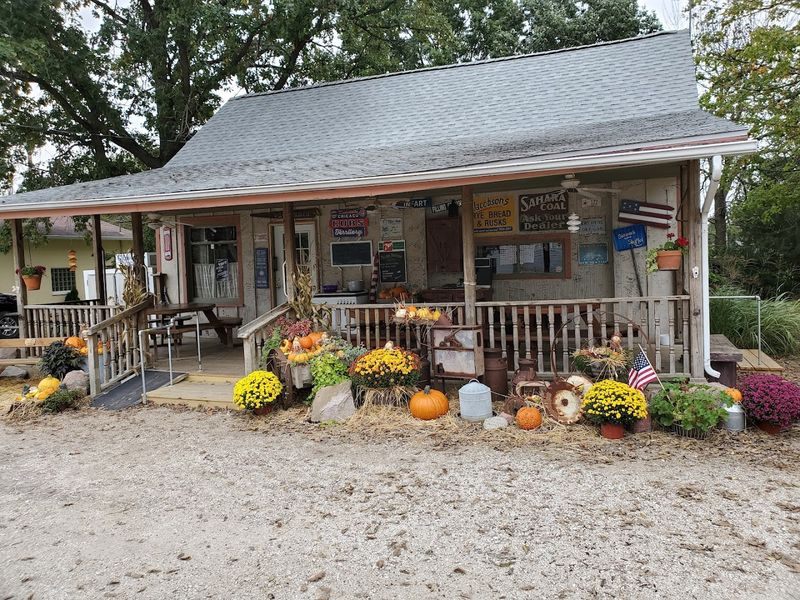
When the leaves start turning golden and the air gets crisp, Bishop Hill becomes the setting for one of Illinois’s most beloved fall events: Autumn on the Prairie. Held each October, this festival fills the village with craft vendors, live entertainment, seasonal food, and the kind of wholesome autumn energy that is increasingly hard to find anywhere else.
It draws thousands of visitors to a town of barely 100 residents, which says everything about how special the event truly is.
Handmade quilts, carved wooden items, and homemade jams are among the most popular finds at the vendor booths. The smell of warm apple cider and freshly baked goods drifts through the village square all weekend long.
It is the kind of sensory experience that stays with you long after you have driven home.
Families, couples, and solo travelers all find something to love here. Autumn on the Prairie is essentially the perfect fall day wrapped up in one tiny historic village.
The Significance of the Communal Living Experiment
Bishop Hill was not just a religious community; it was one of the most ambitious communal living experiments in American history. For over a decade, everyone in the colony shared property, labor, and resources equally.
No one owned anything personally, and decisions were made collectively, which was a radical concept in 19th-century America.
The experiment worked surprisingly well for a time, producing thriving farms, successful businesses, and impressive buildings that still stand today. But internal conflicts and financial mismanagement eventually led to the colony’s dissolution in 1861.
The rise and fall of this communal society is a genuinely compelling story about human ambition and its limits.
Understanding the communal structure of Bishop Hill adds incredible depth to a visit here. Every building you walk through and every artifact you see represents not just one person’s effort, but an entire community working together toward a shared dream.
That is something worth reflecting on.
Why Bishop Hill Deserves a Spot on Your Illinois Bucket List
Some places just have a way of making you slow down and pay attention, and Bishop Hill is absolutely one of them. With fewer than 150 residents, it punches so far above its weight in terms of history, culture, and charm that most visitors leave genuinely surprised by how much the village offers.
It is the kind of place that quietly earns a permanent spot in your memory.
From world-class folk art to Swedish festivals, communal history to peaceful river trails, Bishop Hill delivers a layered experience that rewards curious travelers. Every corner of this village has a story to tell, and the people who live here are passionate about sharing those stories with anyone who shows up with an open mind.
Road trips through Illinois often skip right past Henry County, but those who stop in Bishop Hill always seem glad they did. Add it to your list now, because this tiny town is far too special to keep overlooking.