


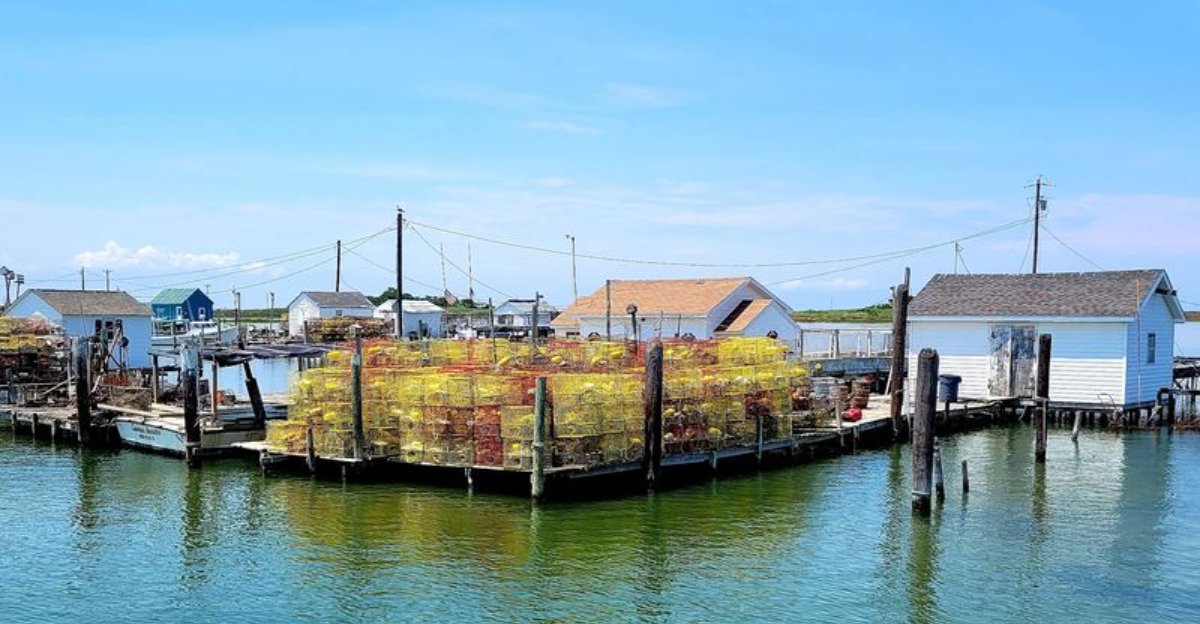
Tucked along the shores of Tangier Sound on the Chesapeake Bay, Crisfield, Maryland is a small but mighty town with a big reputation. With a population of just over 2,500 people, this Somerset County gem has earned the legendary title of the Blue Crab Capital of the World.
For generations, the blue crab has been the heartbeat of this community, shaping its culture, economy, and identity in ways few places can claim. If you have ever wondered what life looks like when an entire town revolves around one iconic seafood, Crisfield is your answer.
The Blue Crab Legacy That Defines Crisfield
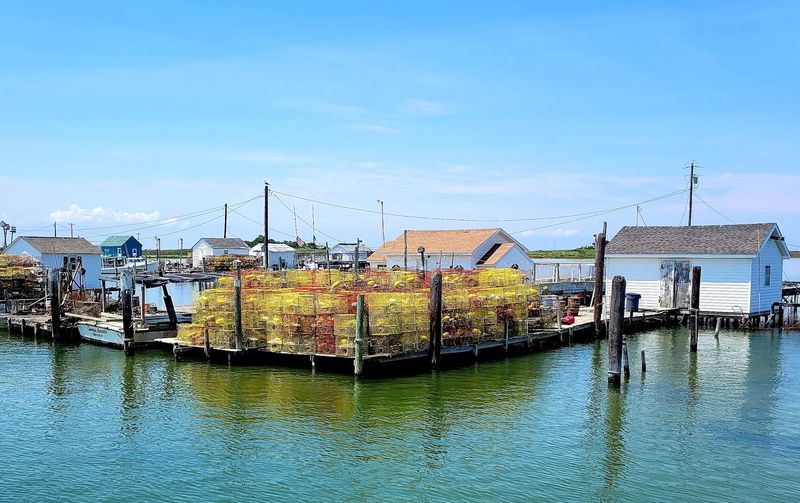
Long before the phrase “farm-to-table” became trendy, Crisfield was living it — crab-to-table, every single day. The blue crab is not just a meal here; it is a way of life that has shaped this town for well over a century.
Watermen rise before dawn, heading out onto Tangier Sound to haul in their catch with practiced hands and weathered patience.
The blue crab’s importance to Crisfield cannot be overstated. At its peak, the town processed more crab than almost anywhere else in the United States, earning its world-famous title with pride.
Local picking houses once lined the waterfront, humming with activity from sunup to sundown.
Even today, that legacy runs deep. Visitors who come expecting just a seafood meal often leave with a profound respect for the hardworking watermen who keep this tradition alive generation after generation.
Watermen: The Unsung Heroes of Crisfield
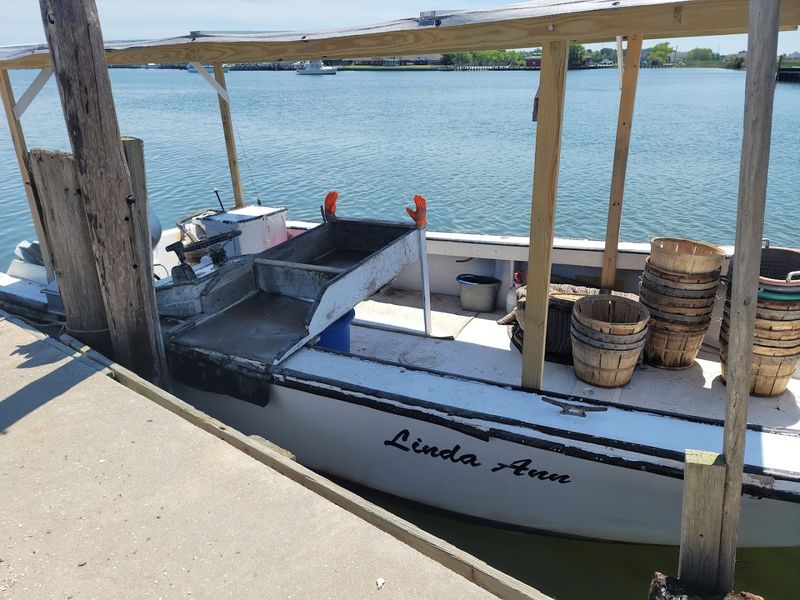
Ask anyone in Crisfield who keeps this town running, and the answer will always be the same: the watermen. These are the men and women who head out onto the Chesapeake Bay and Tangier Sound before most people have even thought about breakfast, working in conditions that would send the average person running for dry land.
Their knowledge of the water is almost supernatural. They read tides, weather patterns, and crab migration routes the way others read a map.
This wisdom is not learned in a classroom — it is passed down from parent to child, preserved through decades of hands-on experience and quiet observation.
Crisfield’s watermen have faced real challenges in recent years, including declining crab populations and rising costs. Yet they persist, driven by a love of the water and a fierce pride in carrying on one of Maryland’s oldest and most respected traditions.
The National Hard Crab Derby: Crisfield’s Wildest Celebration
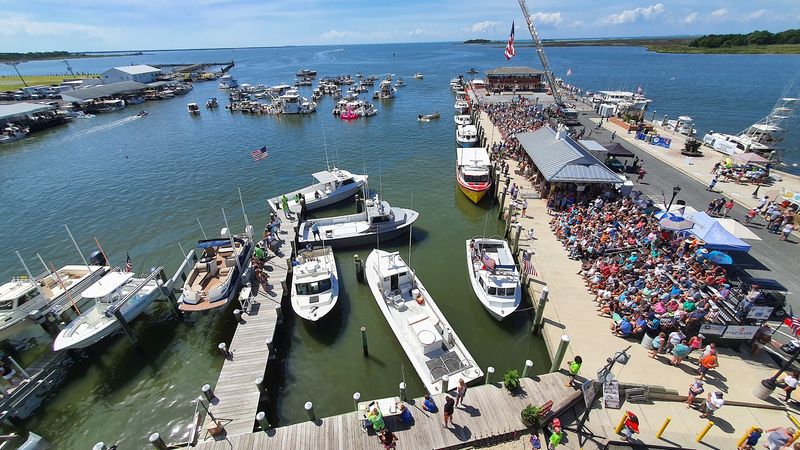
Every Labor Day weekend, Crisfield transforms into one of the most uniquely American festivals you will ever witness. The National Hard Crab Derby has been running since 1947, drawing thousands of visitors who come to watch — yes, you read that right — blue crabs race each other across a wooden board.
Governors from across the Mid-Atlantic region have historically entered crabs in the Governor’s Cup Race, adding a surprisingly competitive political flair to the whole affair. Beyond the racing, the festival features a crab-picking contest, live music, carnival rides, and enough steamed crabs to satisfy even the most devoted seafood lover.
It is the kind of event that only a town this deeply connected to its identity could pull off with such genuine enthusiasm. The Derby is quirky, joyful, and completely unforgettable — a celebration that captures everything Crisfield is about in one fantastic weekend.
Tangier Sound: The Waterway That Built a Town
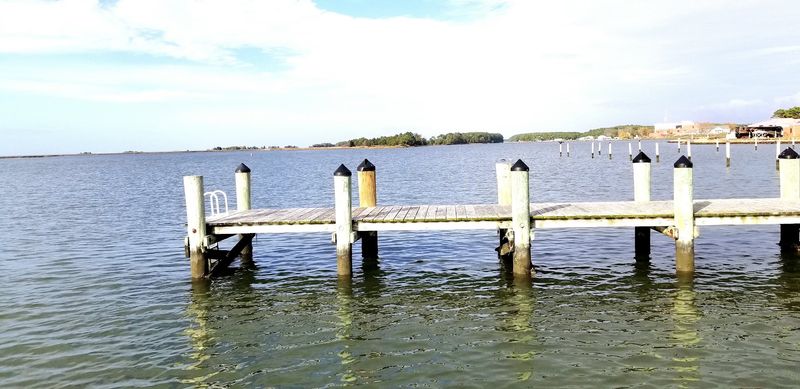
Tangier Sound did not just give Crisfield its location — it gave the town its entire reason for existing. This broad, shallow arm of the Chesapeake Bay is one of the most productive blue crab habitats on the East Coast, and Crisfield was essentially built on top of millions of discarded oyster shells to take full advantage of it.
The town literally rose from the water. Land was reclaimed from the marshy shoreline using shells from the seafood industry, a fact that feels almost mythological when you learn it for the first time.
Streets that residents walk today were once covered by the same waters that blue crabs call home.
Fishing, crabbing, and oystering on Tangier Sound have sustained Crisfield through economic booms and busts alike. The sound remains the town’s most valuable natural resource, as vital to its survival today as it was 150 years ago.
Smith Island: Crisfield’s Famous Neighbor
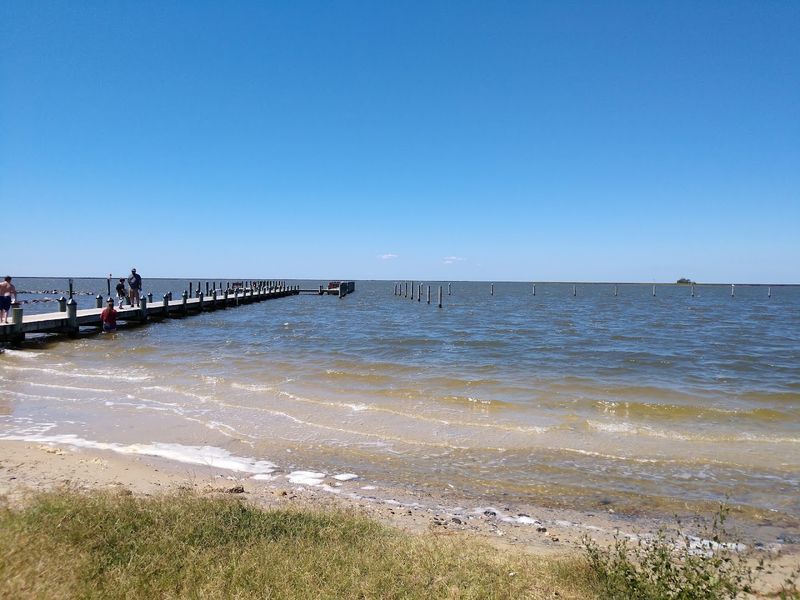
Just a short ferry ride from Crisfield’s dock lies Smith Island, one of the most fascinating and remote communities in the entire United States. Accessible only by boat, this tiny island sits in the middle of the Chesapeake Bay and is home to a small population that has lived there for centuries, maintaining a unique dialect and culture found nowhere else.
Smith Island is also famous for its namesake cake — the official state dessert of Maryland. This multi-layered confection, with its thin cake layers and rich frosting, has been baked on the island for generations and is now celebrated throughout the state.
For visitors staying in Crisfield, a day trip to Smith Island is an absolute must. The ferry departs from Somers Cove Marina, and the journey itself is a gorgeous ride through open water and marshland that sets the perfect tone for the island experience ahead.
Somers Cove Marina: The Heart of Crisfield’s Waterfront
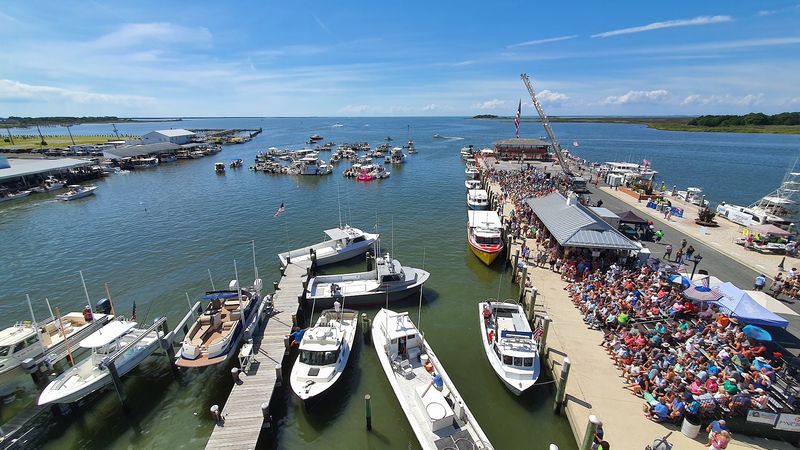
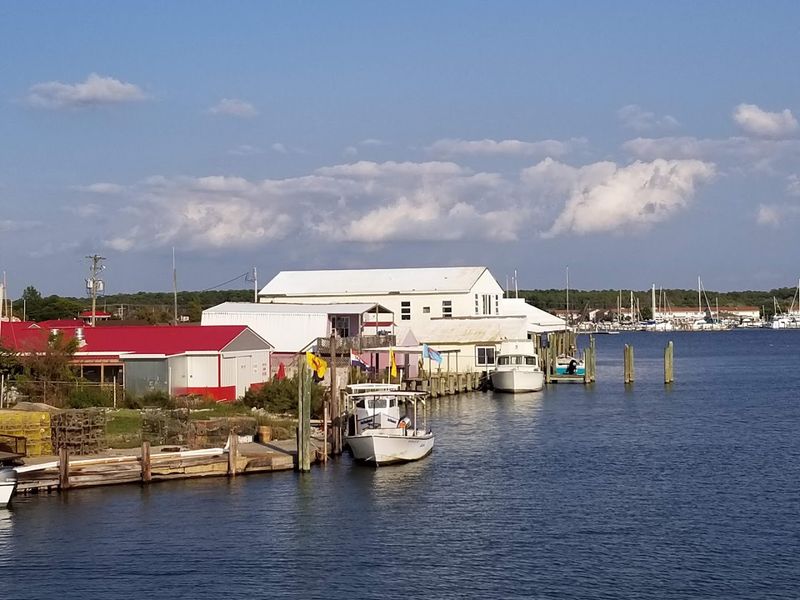
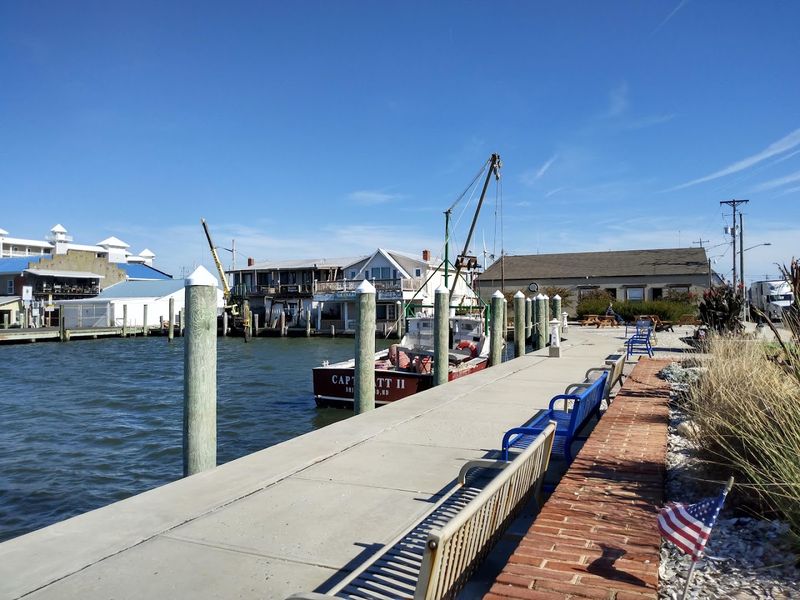
Somers Cove Marina is the kind of place where you can sit on a bench, watch the boats glide in and out, and feel every ounce of stress melt away. Located right in the heart of Crisfield’s waterfront, this full-service marina accommodates everything from small fishing skiffs to large cruising vessels, making it a popular stop for boaters traveling the Chesapeake Bay region.
The marina serves as the departure point for the ferry to Smith Island and Tangier Island, connecting Crisfield to its island neighbors in a way that feels timeless. On busy summer days, the docks buzz with activity — anglers prepping gear, families loading coolers, and watermen returning with the morning’s haul.
Even if you are not a boater, the marina is worth a visit simply for the atmosphere. Fresh seafood, stunning water views, and the sound of gulls overhead make it one of the most pleasant spots in all of Somerset County.
The J. Millard Tawes Historical Museum
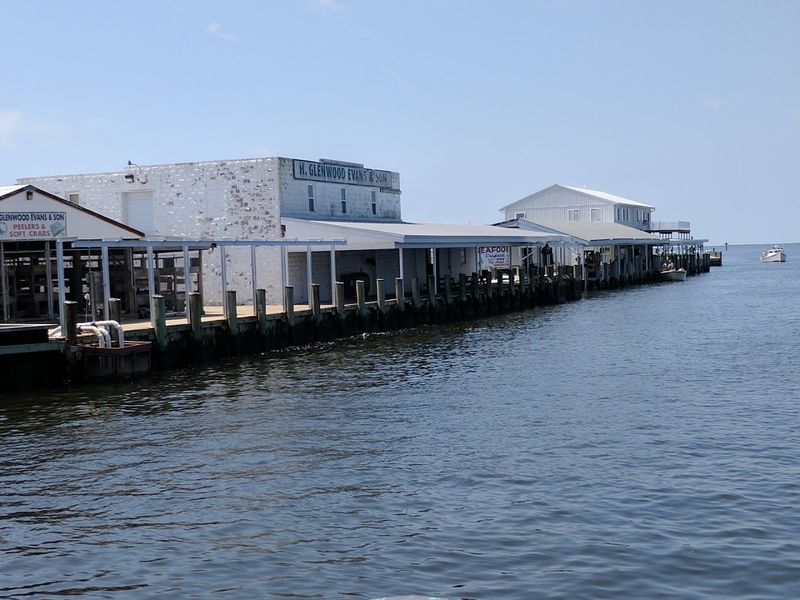
History has a way of sneaking up on you in the best possible way at the J. Millard Tawes Historical Museum.
Named after Maryland’s 54th governor, who was born right here in Crisfield, this museum tells the full story of the town’s rise from a quiet fishing village to the self-proclaimed Blue Crab Capital of the World.
Exhibits cover everything from the early days of the seafood industry to the tools watermen used, the evolution of crab harvesting techniques, and the broader cultural history of the Chesapeake Bay region. Vintage photographs, handcrafted boats, and authentic fishing gear bring the past to life in vivid detail.
For anyone curious about how a tiny Maryland town built such an outsized reputation, this museum is the perfect starting point. Admission is affordable, the staff is knowledgeable and welcoming, and you will leave knowing far more about Crisfield than when you arrived.
Eating Steamed Blue Crabs the Crisfield Way
There is a ritual to eating steamed blue crabs in Maryland, and nowhere is that ritual taken more seriously than in Crisfield. Forget forks and fancy plates — you need a wooden mallet, a knife, a roll of paper towels, and a serious willingness to get your hands dirty.
The crabs come out bright red and dusted generously with Old Bay seasoning, steaming hot and absolutely irresistible.
Local seafood spots in Crisfield serve crabs the old-fashioned way: dumped right onto a table covered in brown paper, with cold drinks on the side and good conversation all around. It is a communal experience as much as a meal, one that slows you down and makes you appreciate where your food comes from.
First-timers often need a quick tutorial on how to crack and pick a crab properly. Locals are almost always happy to demonstrate — picking crabs is a point of regional pride, and sharing that knowledge feels like passing on a piece of Crisfield’s soul.
Governor J. Millard Tawes: Crisfield’s Most Famous Son
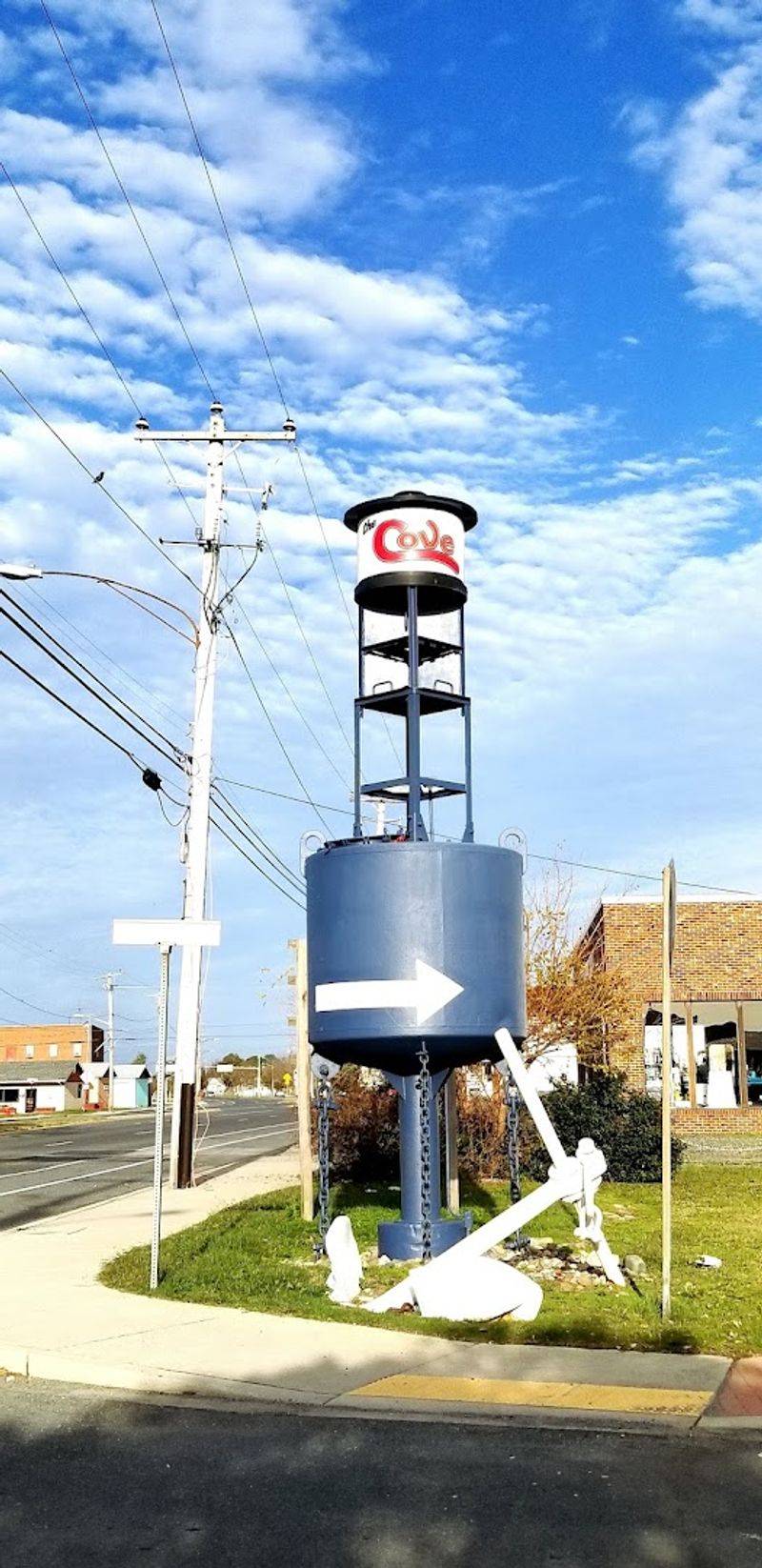
Not every small town can claim a governor as a native son, but Crisfield proudly can. J.
Millard Tawes was born in Crisfield in 1894 and went on to serve as Maryland’s governor from 1959 to 1967, becoming one of the state’s most respected leaders. His roots in this watermen’s community shaped his understanding of working-class life and natural resource conservation.
Tawes was a strong advocate for the Chesapeake Bay and the people who depended on it for their livelihoods. His environmental policies during his time in office helped lay the groundwork for future conservation efforts that continue to benefit the region today.
The town honors his memory in multiple ways, including the museum that bears his name. For Crisfield residents, Tawes is more than a historical figure — he is living proof that a kid from a tiny fishing town can reach the highest levels of public service.
The Softshell Blue Crab: A Crisfield Delicacy
If you have never eaten a softshell crab, Crisfield is the place to have your first one. Softshell crabs are blue crabs that have just molted — shed their hard shells — leaving behind a tender, entirely edible crab that can be fried, grilled, or sauteed whole.
The result is one of the most unique and delicious seafood experiences the Chesapeake Bay region has to offer.
Crisfield’s watermen are experts at harvesting softshells at exactly the right moment. Timing is everything: catch the crab too early or too late in the molting process, and the texture changes completely.
This precision makes locally harvested softshells especially prized by chefs and food lovers alike.
Softshell season typically runs from late spring through early fall, making summer the perfect time to visit Crisfield and taste this regional specialty fresh from the water. Many local restaurants feature them as a seasonal highlight on their menus.
Crisfield’s Seafood Industry: Then and Now
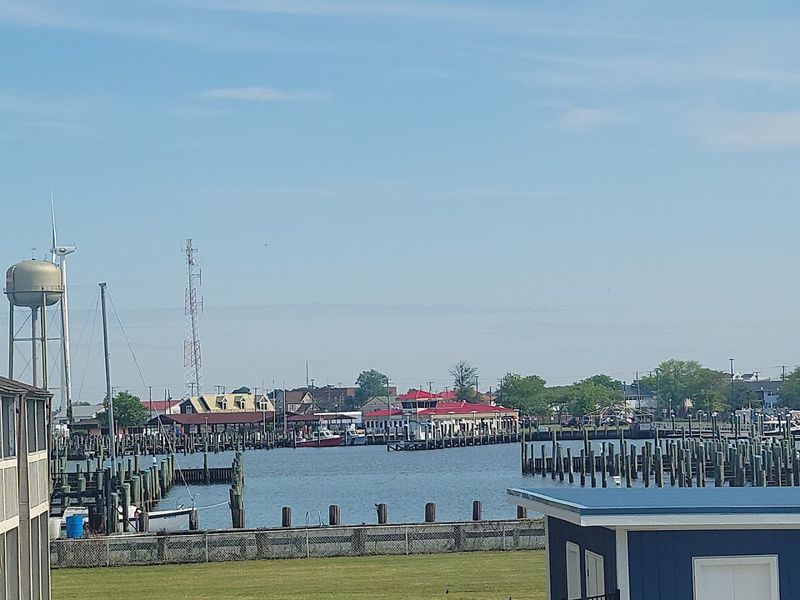
At the height of its seafood boom in the late 1800s and early 1900s, Crisfield was one of the busiest seafood-processing towns on the entire East Coast. The railroad arrived in 1866, connecting the town to major markets up and down the Eastern Seaboard and triggering an explosive period of growth.
Packing houses multiplied, workers flooded in, and Crisfield became synonymous with Chesapeake Bay seafood.
Over the decades, the industry has faced serious headwinds. Overharvesting, habitat loss, water quality issues, and shifting market forces have all taken a toll on blue crab populations and the businesses that depend on them.
The number of active picking houses has declined significantly from its peak.
Still, the seafood industry remains a vital part of Crisfield’s economy and identity. Efforts to restore crab populations and support local watermen continue, driven by a community that understands its future is inseparable from the health of the Chesapeake Bay.
Birdwatching and Wildlife Around Crisfield
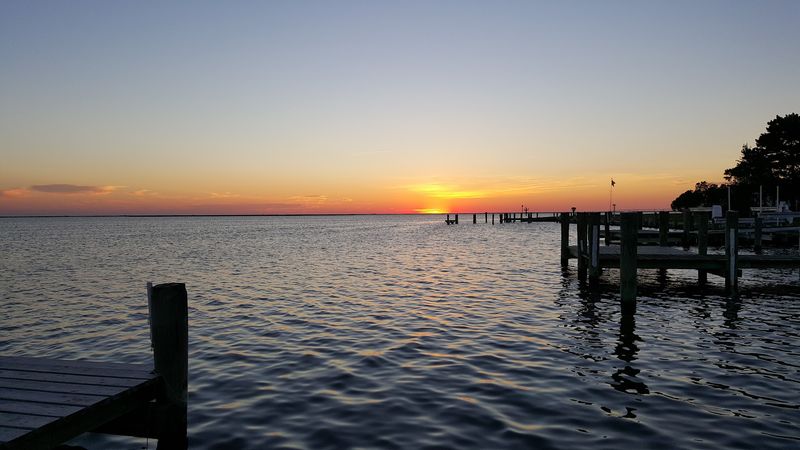
Crisfield sits in the middle of one of the richest wildlife corridors on the East Coast, and nature lovers who visit are often pleasantly surprised by how much there is to see beyond the seafood. The marshes, tidal flats, and open waters surrounding the town provide critical habitat for an extraordinary variety of birds, making this a quiet paradise for birdwatchers of all experience levels.
Great blue herons, ospreys, bald eagles, and dozens of shorebird species are regular sights along the waterfront and in the surrounding wetlands. During migration season, the skies above Crisfield and the nearby Chesapeake Bay fill with thousands of waterfowl moving along the Atlantic Flyway.
The nearby Janes Island State Park offers excellent trails and paddling routes through pristine marshland, giving visitors an up-close look at the natural ecosystems that make this corner of Maryland so biologically rich and visually stunning throughout every season of the year.
Janes Island State Park: Crisfield’s Natural Playground
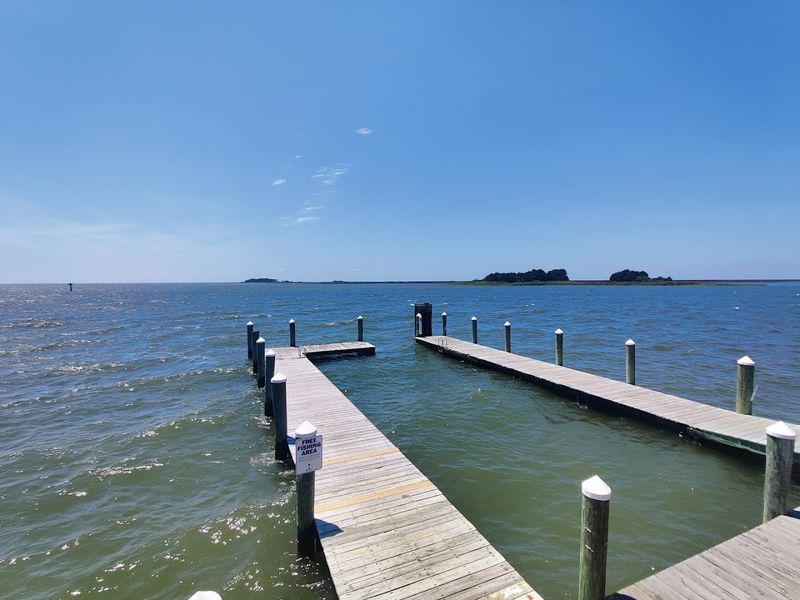
Just outside of Crisfield sits one of Maryland’s most underrated outdoor destinations: Janes Island State Park. Covering over 3,000 acres of mostly undeveloped marshland, barrier island, and open water, this park is a true escape from the noise of everyday life.
Most of the island is only accessible by boat or kayak, which keeps the crowds thin and the experience genuinely wild.
Paddlers absolutely love Janes Island. Miles of marked water trails wind through the marsh, offering close encounters with wildlife, stunning views of the open Chesapeake Bay, and a peaceful silence that is increasingly hard to find.
Crabbing and fishing within the park are also popular activities, especially during the summer months.
Campsites are available for those who want to extend their stay and fall asleep to the sound of lapping water and calling birds. For outdoor enthusiasts visiting the Eastern Shore, Janes Island State Park is a must-visit that consistently exceeds expectations.
Enjoyed this story?
Add Fast Food Club as a preferred source to see more of our reporting on Google.