


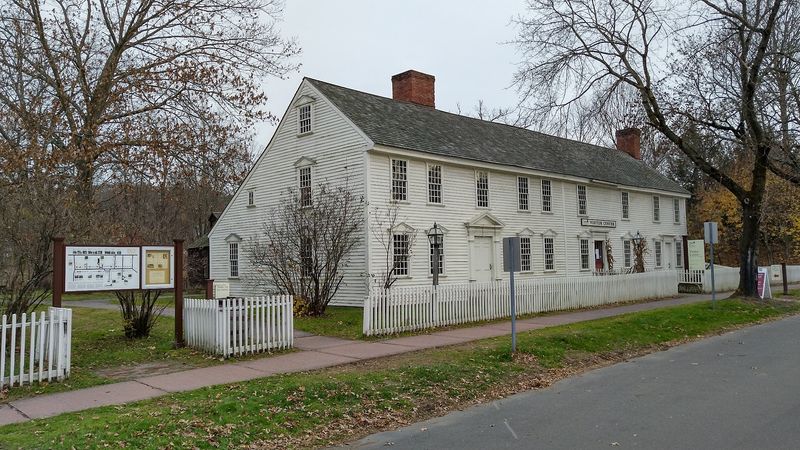
There is a quiet lane in western Massachusetts where the houses have stood for nearly three centuries, their doors still opening to curious travelers. A cluster of wooden homes lines a single mile-long street, each one holding stories of early New England families, working farms, and the daily routines of colonial life.
Guides in these homes are known for their passion, spinning small details into memorable history lessons that stick with you long after you leave. Craft demonstrations, textile displays, and a farm trail with grazing animals make the whole place feel less like a museum and more like a village that simply forgot to move forward in time.
Keep reading to learn where this remarkable street sits, what waits inside its preserved homes, and how to plan a visit that could easily fill an entire day.
A Colonial Street Preserved in Western Massachusetts
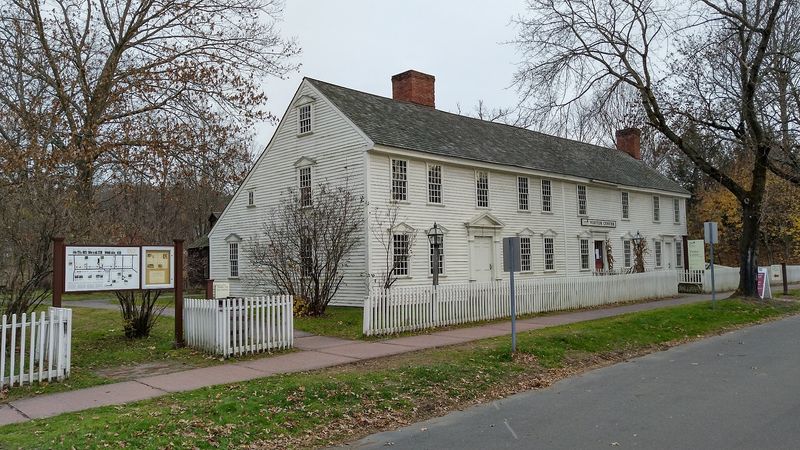
Old Main Street runs through the small town of Deerfield, and along it sits one of the most complete collections of early New England architecture anywhere in the region. You will find Historic Deerfield at 80 Old Main St, Deerfield, MA 01342, a short walk from where the preserved homes begin.
The site describes itself as a collection of antique New England homes, with textile exhibits, tours, and craft demonstrations spread across the village. More than twelve different buildings make up the district, most of them dating to the eighteenth and nineteenth centuries.
What makes the setting unusual is that these homes are not clustered behind fences in a theme park. They sit within a real, lived-in neighborhood, nestled among ordinary houses and the grounds of a nearby high school.
Walking the length of the street gives you a sense of how a colonial village was laid out, with homes facing the road and open land stretching behind them. The place holds a strong 4.6-star standing across hundreds of accounts, a sign that history lovers leave satisfied.
It is the kind of spot that rewards slow, curious wandering.
Where Three Centuries of History Still Linger
Long before it became a museum village, Deerfield was a frontier settlement caught up in the tense early days of colonial New England. The area carries the memory of the French and Indian raid of 1704, an event that shaped the town’s identity for generations.
Families trace their roots here across three hundred years, and the site has become a favorite destination for people researching genealogy. Names like Sheldon and Stebbins appear in the town’s records, and descendants still travel here to walk the ground their ancestors once knew.
Memorial Hall and its collection of books help fill in the gaps for anyone chasing family history. Staff have pointed curious guests toward titles covering local landscapes and the town’s dramatic past.
Some who visit have noted a wish for more attention to the everyday people, the Native inhabitants, and the enslaved individuals who lived and labored here. Small plaques dedicated to those who worked in each home add a thoughtful and honest layer to the story.
History here is not sugarcoated, and that honesty makes the visit richer.
Inside the Antique Homes Along Old Main Street
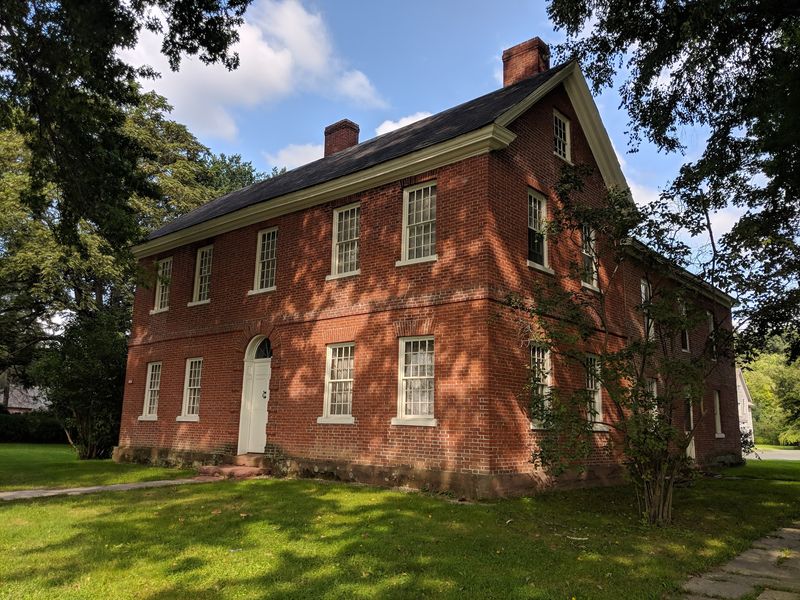
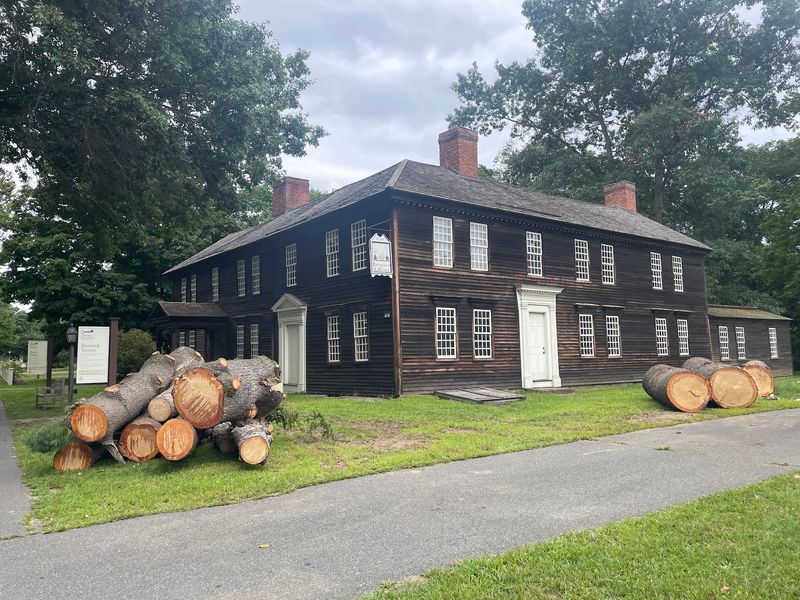
Guided tours form the heart of the experience, taking small groups through homes that have been carefully preserved, restored, and in some cases rebuilt. Each house tells its own chapter of early American life, and the guides bring those chapters alive with knowledge and genuine enthusiasm.
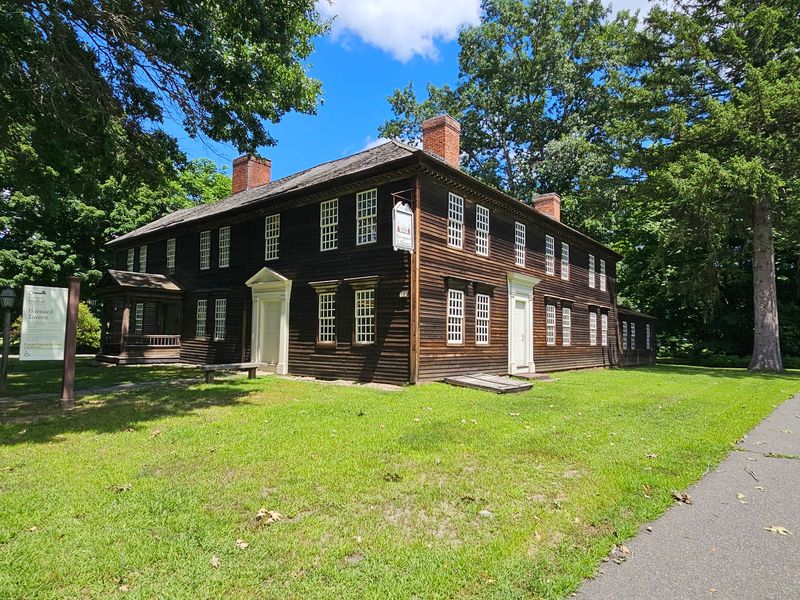
Some of the most talked-about homes include the Wells-Thorn House, the Sheldon House, the Williams House, and the Barnard Tavern. Every building carries its own character, from the furnishings to the layout that reflects how families once lived.
Not every home is self-guided, though a number offer a docent stationed near the entrance for those who prefer to explore at their own pace. Tours have traditionally run at the top of each hour, which means a little planning helps you catch the ones you want most.
Some guests wish for audio tours or more self-guided options so they could see even more buildings in a single trip. Even so, the depth of each stop leaves people planning return visits.
There is simply too much to absorb in one afternoon.
Guides Who Turn History Into Conversation
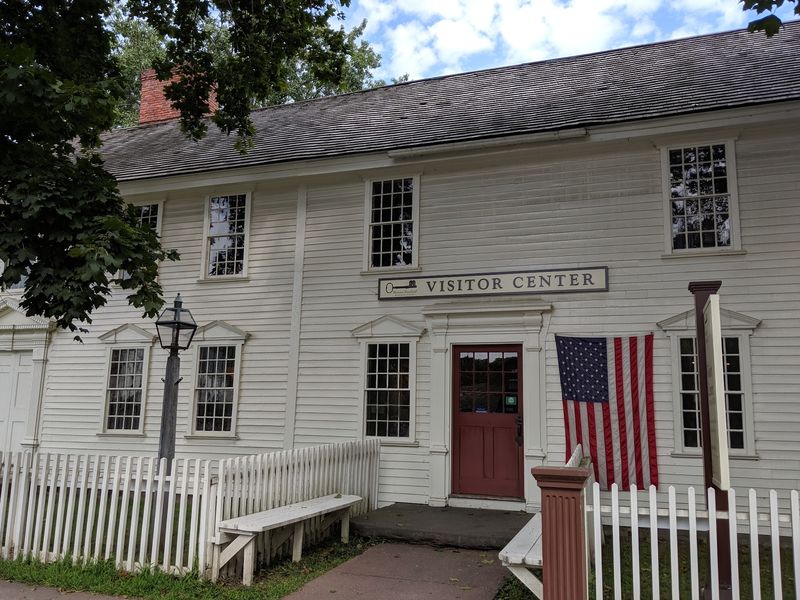
Ask anyone what they remember most, and the answer often circles back to the people who lead the tours. The interpreters here are described again and again as engaging, passionate, and remarkably knowledgeable about the homes they present.
Beyond the scripted stops, staff have a habit of going above and beyond. At the Visitor Center and Memorial Hall, helpers have pointed guests toward specific books, handed over maps of the town layout, and shared personal stories that no plaque could capture.
Retired teachers and longtime local historians sometimes join the conversation, adding warmth and depth that make the visit feel personal. That willingness to slow down and talk is part of the charm.
Tours tend to move at a relaxed pace, and a single home can take close to an hour to explore fully. Guests who are short on time can ask for a quicker walk-through, and the staff are happy to oblige.
It is that mix of expertise and friendliness that keeps drawing people back for more.
The Flynt Center and Its Collection of Early Artifacts
Not everything here lives inside a centuries-old house. The Flynt Center of Early New England Life is a modern museum on the grounds, and it holds more than 2,500 artifacts gathered from across the region.
The collection covers the kind of everyday objects and finer pieces that shaped early New England households. It is a place where the story of the village expands beyond any single home.
Textile exhibits are a notable part of the offering, giving guests a look at the fabrics, needlework, and craftsmanship that filled colonial life. For anyone drawn to the material side of history, the displays reward careful attention.
People are often pleasantly surprised by how much the museum contains, especially those who came expecting only house tours. It adds a whole extra layer to the day and works well for guests who want variety in their visit.
Pairing the museum with a few home tours makes for a well-rounded afternoon of discovery.
Craft Demonstrations From a Bygone Era
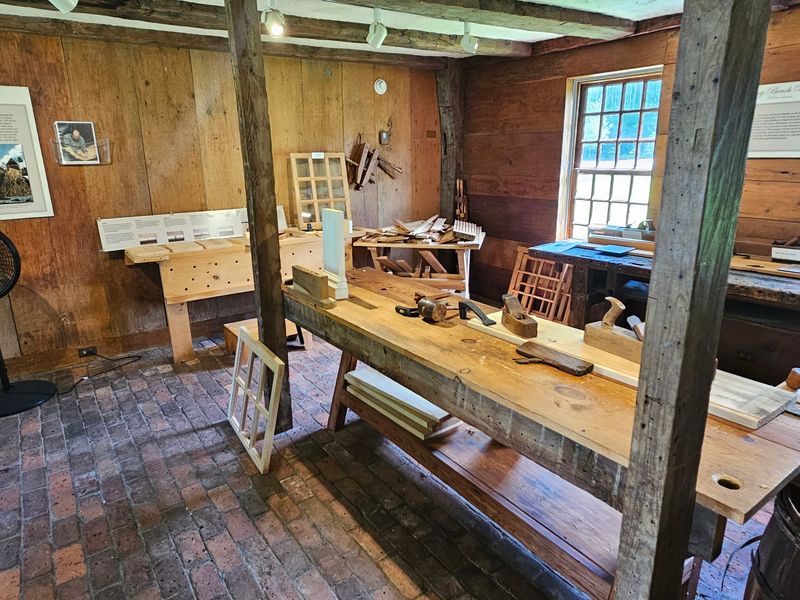
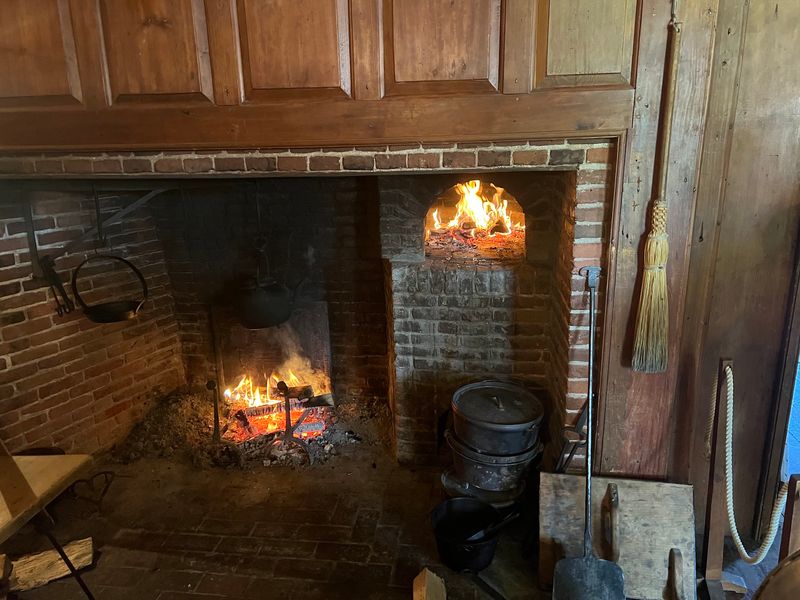
Hands-on history shows up throughout the day in the form of live demonstrations. Guests have watched open-hearth cooking come together and carpentry carried out with tools that date from the 17th to the 19th centuries.
These sessions turn abstract history into something you can actually observe in motion. Seeing the old techniques at work helps the whole village make more sense.
The demonstrations shift depending on the day, so each visit can offer something a little different. That variety keeps repeat trips feeling fresh rather than repetitive.
One clever detail that guides love to point out is the Stanley round stove, an ingenious piece of design that surprises people who stop to learn how it works. Small discoveries like that pop up all over the village.
For families and curious minds alike, these demonstrations are often a highlight of the entire trip.
A Farm Trail With Grazing Animals
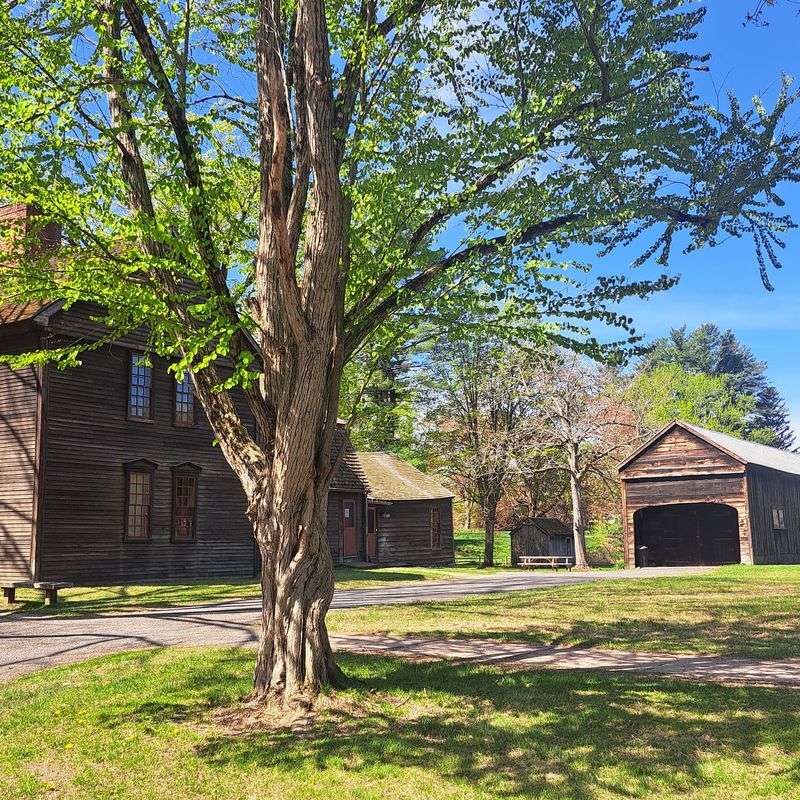
Beyond the houses, a grassy path leads toward a working farm that adds a lively touch to the visit. Walking the trail alongside the fields is a favorite part for many, especially those traveling with children.
The animals steal plenty of attention. Guests have delighted in watching a dog herd sheep and cows grazing and moving playfully across the pasture.
The trail offers a quieter counterpoint to the structured house tours, a chance to stretch your legs and take in the open landscape. It fits naturally into the rhythm of a full day here.
Autumn brings especially pretty scenery, with foliage framing the fields and the village decked out in seasonal decorations. Even the occasional blond squirrel has made an appearance for lucky wanderers.
Between the animals and the open air, the farm trail gives the visit a gentle, wholesome heart.
The Old Burying Ground Worth Seeking Out

Tucked at the end of a side street sits an ancient cemetery that many travelers make a point to find. The Old Burying Ground rests on a hill overlooking the high school playing fields, and it carries the weight of the town’s earliest chapters.
Reaching it takes a little direction, so asking staff for a map or pointers is the easiest way to go. They are used to the request and glad to help.
The site connects directly to the town’s dramatic history, including the events of the 1704 raid. For anyone tracing family roots, the grounds hold names that stretch back generations.
Those who appreciate old graveyards find it a moving and peaceful stop, a fitting place to reflect on the lives that shaped the village. It rounds out the historical picture in a way the homes alone cannot.
Set aside a few extra minutes before you leave to make the short walk over.
The Gift Shop, Inn, and Village Extras
A charming gift shop sits directly across from the Visitor Center, stocked with items tied to the village and its history. It is a popular stop for a memento and a natural bookend to a day of touring.
The Deerfield Inn adds a place to stay and dine right within the historic district. Its restaurant serves meals fireside in the cooler seasons, and reservations are a smart idea if you plan to eat there.
A post office and other small touches round out the village, making it feel like a functioning community rather than a static exhibit. Those little details help the whole place hold together.
Between the shop, the museum, the homes, and the trail, there is genuinely enough to fill several hours or even a full day. Planning breaks between tours keeps the pace comfortable.
It all adds up to a destination that works as more than a quick roadside stop.
Planning Your Visit: Hours, Tickets, and Getting There
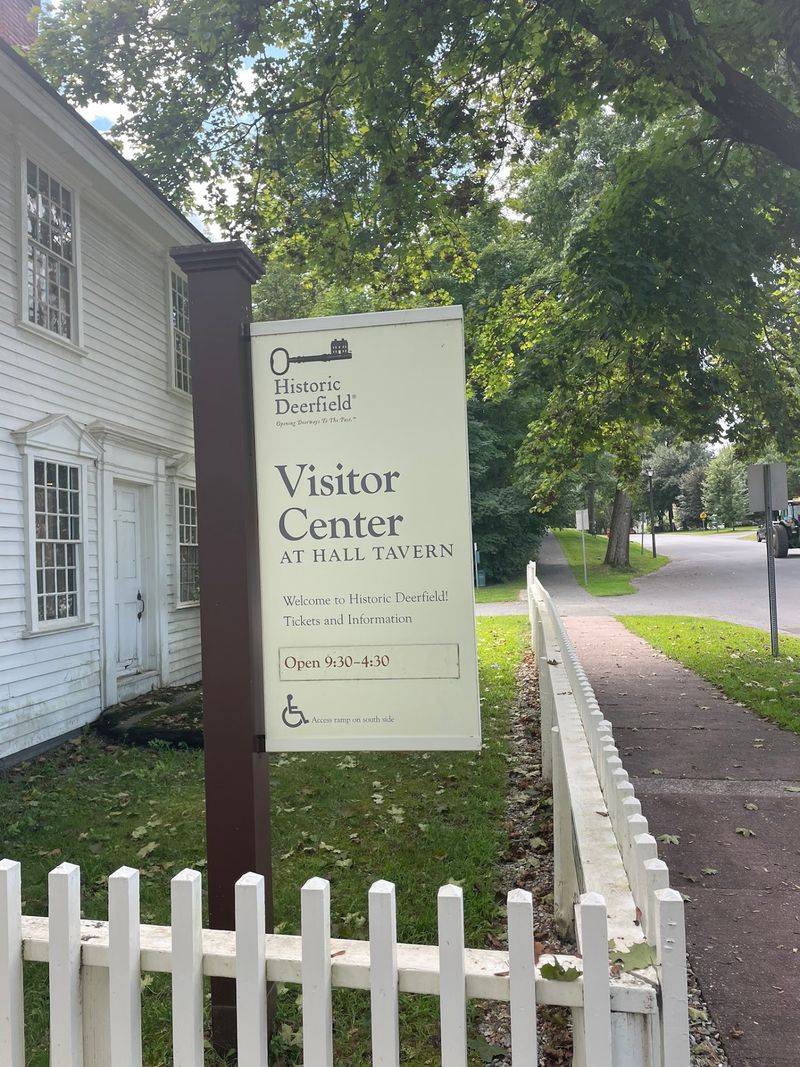
Timing matters here, since the site keeps a specific weekly schedule. It opens Wednesday through Friday from 9 AM to 5 PM, and on Saturday and Sunday from 9:30 AM to 4:30 PM, while Monday and Tuesday remain closed.
Tickets are sold at the Visitor Center, so start there to get oriented and pick up a map. Staff can steer you toward the homes that are open and point out the day’s demonstrations.
Adult tickets have run around 18 dollars, an affordable price given how many buildings and exhibits are included. That single ticket opens up a full day of exploring.
The village sits at 80 Old Main St in Deerfield, Massachusetts, easy to reach if you are traveling through the western part of the state. For more details or seasonal updates, the official website at historic-deerfield.org is the place to check.
A little planning ahead ensures you catch the tours and demonstrations that interest you most.
Why This Village Stays With You
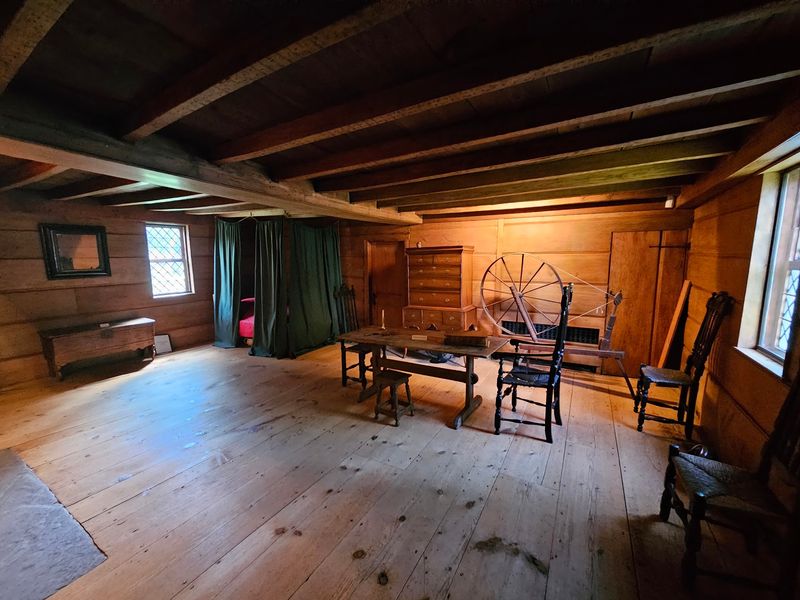
Few places let you step so completely into the rhythm of early America. The combination of preserved homes, passionate guides, working farmland, and honest storytelling makes this village feel genuinely alive rather than staged.
Families with children, history buffs, and those chasing their own ancestry all find something to hold onto here. The wide appeal is part of what earns it such strong standing among those who make the trip.
Most guests leave wishing they had more time, already sketching plans for a return visit to see the homes they missed. A full day is often recommended, and even that can feel short.
Between the mile-long street of antique houses and the quiet farm trail, Deerfield offers a rare chance to slow down and connect with the past. It is a destination that respects both its history and the people who come to learn from it.
For anyone drawn to the story of colonial New England, this small Massachusetts village is well worth the journey.
Enjoyed this story?
Add Fast Food Club as a preferred source to see more of our reporting on Google.