


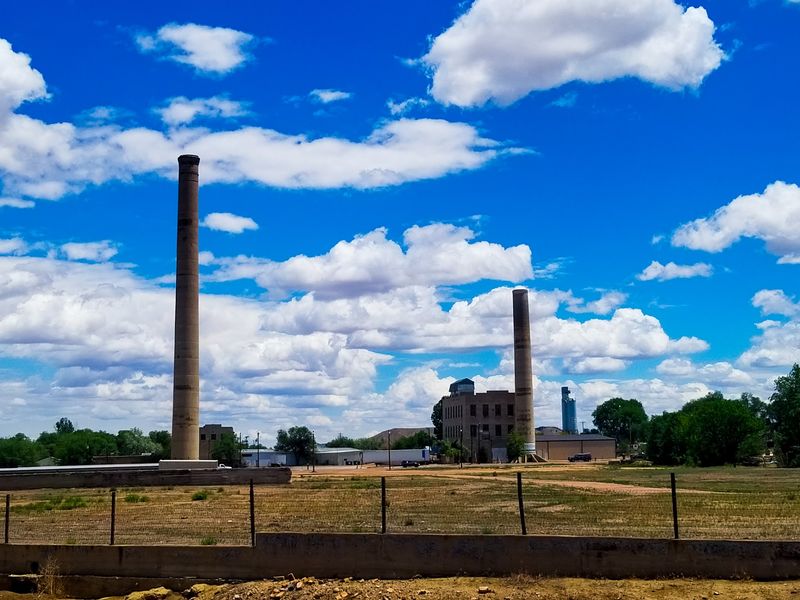
Colorado home prices have climbed so high that many buyers now scroll listings the way people check the weather, hoping for a small break. Tucked along the Arkansas River in Fremont County, one old coal and oil town has kept its prices within reach for far more people than the big mountain resorts.
It has a real downtown with historic storefronts you can cover on foot in an afternoon. Keep reading to learn where this town is, how it got its start, and why it keeps showing up on the lists of budget-minded buyers.
A Small City on the Arkansas River
Some towns shout for attention, and some wait patiently for the right people to find them. Florence belongs firmly in the second group.
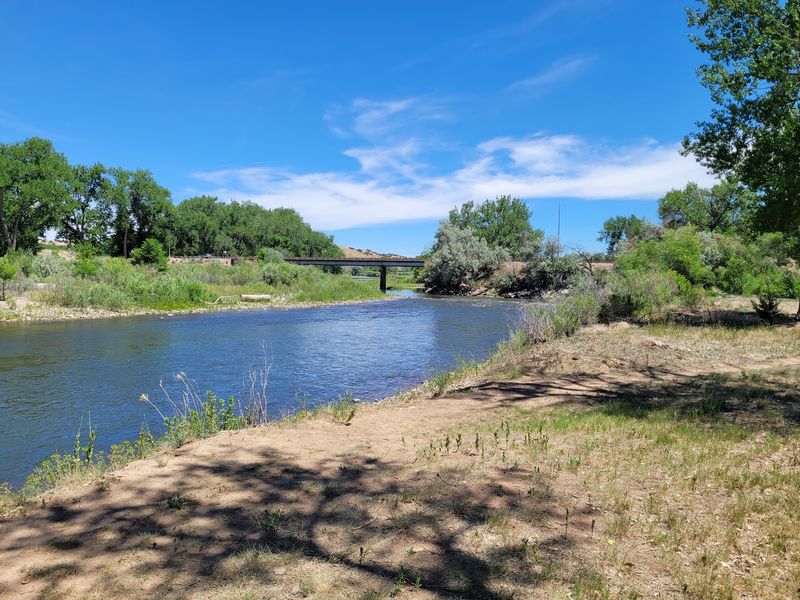
Its location is Florence, Colorado, USA, in the eastern part of Fremont County. The city lies along the Arkansas River, one of the best-known waterways in the state.
Florence is a statutory city, which is a type of local government common in Colorado. At the 2020 United States census, its population stood at 3,822 people.
That number puts it squarely in small-town territory. Everyone is not your cousin here, but the odds of running into a familiar face at the post office are pretty good.
The city is part of the Cañon City, CO Micropolitan Statistical Area. Cañon City, the county seat, sits just a short drive to the west.
Florence also counts as part of the Front Range Urban Corridor. That is the long string of communities stretching along the eastern edge of the Rocky Mountains, including far larger places like Colorado Springs and Pueblo.
So Florence enjoys an interesting balance. It is small enough to feel like its own place, yet connected enough to bigger cities for shopping, jobs, and appointments.
Hold on to that balance, because it explains a lot about why this town keeps earning a second look.
The Story Behind the Name
Plenty of towns are named after generals, railroads, or rivers. Florence took a more personal route.
The town was founded in the late 1800s by James McCandless, a local figure in early Fremont County. He named it after his daughter, Florence.
That small detail gives the place a family feel before you even arrive. It is hard to be too formal about a town that carries a young woman’s first name.
Florence grew during a period when much of southern Colorado was changing fast. Settlers, ranchers, and workers were pouring into the region looking for opportunity.
The land around the Arkansas River offered water and flat ground, both valuable on the frontier. Farms and ranches spread across the surrounding area.
The real turning point, though, came from what lay underground. Resources beneath the soil would soon shape the town’s economy for generations.
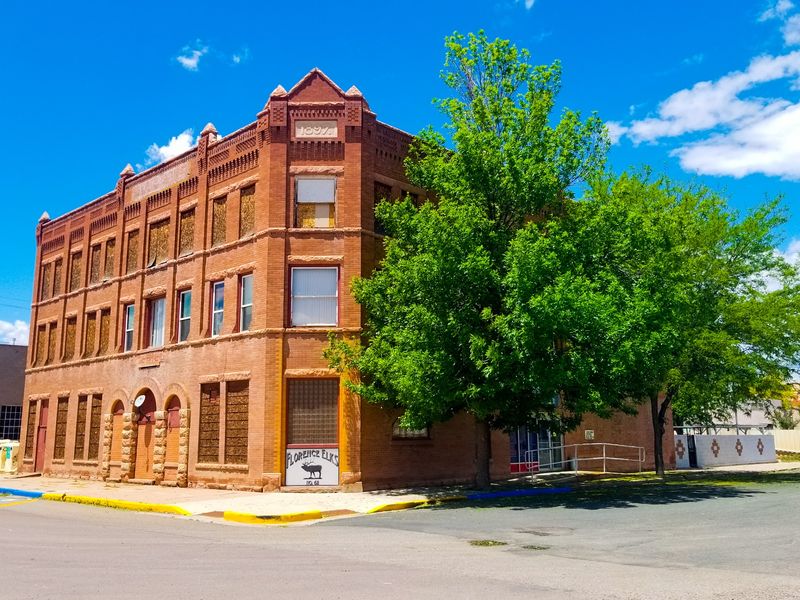
Many of the brick buildings still standing downtown date from these early decades. They serve as a physical record of a town that went from open prairie to busy community in a short span of years.
Knowing a bit of this history makes a stroll down Main Street more meaningful. Those old storefronts are not just pretty facades, they are chapters in a family-named story that is still being written.
Coal Camps and an Early Oil Field
Here is a fun bit of trivia to bring up at your next dinner party. Florence is home to one of the oldest oil fields in the American West.
Oil was discovered in the Florence area in 1881. That discovery made the town an early player in the western oil business, long before many famous oil regions took off.
Coal was the other half of the story. Mining camps sprang up in the hills south of town, including the small communities of Rockvale and Coal Creek.
Miners and their families relied on Florence for supplies, services, and a place to spend their paychecks. The town became a hub for the surrounding mining district.
This mix of oil and coal gave Florence its working-class roots. It was a town built by people who got their hands dirty and expected a fair deal in return.
That practical spirit still shows up in how the town carries itself today. Florence is not trying to be flashy, and that is part of its appeal.
The mining era also left behind the solid brick buildings that now line the downtown. Many of those structures were built to last, and they have.
So when people call Florence a tiny mining town, it is not a marketing line. It is simply an accurate job description from its past.
Life Along the Arkansas
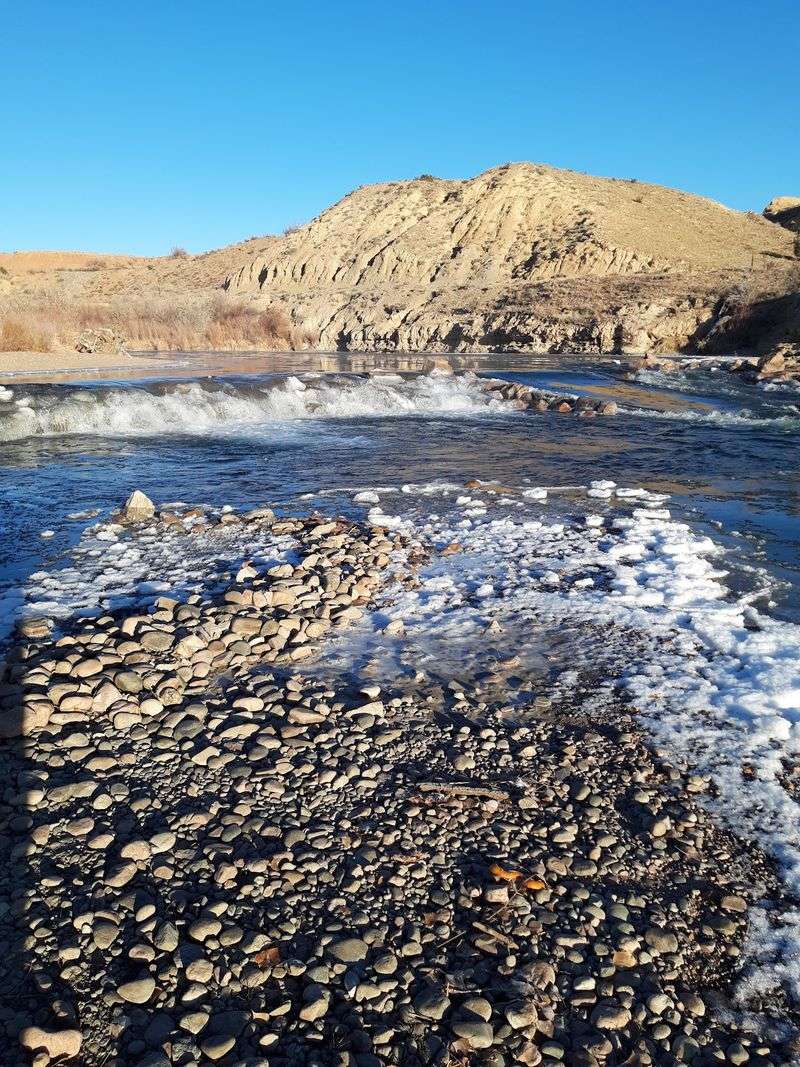
Rivers have a way of deciding where towns end up, and the Arkansas River made that choice for Florence.
The river runs through eastern Fremont County, passing right by the city. It is the same river that carves through the famous Royal Gorge farther west near Cañon City.
For early settlers, the Arkansas meant water for crops, livestock, and daily life. Without it, the ranches and farms around Florence would have struggled on this dry side of the mountains.
Today the river still shapes the landscape around town. Cottonwood trees tend to follow its path, creating a green ribbon across the plains.
For residents, having a major river nearby means easy access to outdoor time without a long drive. A walk along the water can fit into a lunch break or a lazy Sunday.
The broader Arkansas River valley is also known across Colorado for outdoor recreation. Fishing and rafting draw people to different stretches of the river throughout the warmer months.
Florence gives you a home base close to all of that, without the price tag that often comes with riverside living in trendier mountain towns.
It is a reminder that a good address does not always need a ski lift. Sometimes a steady river and some cottonwoods do the job just fine.
Main Street on Foot
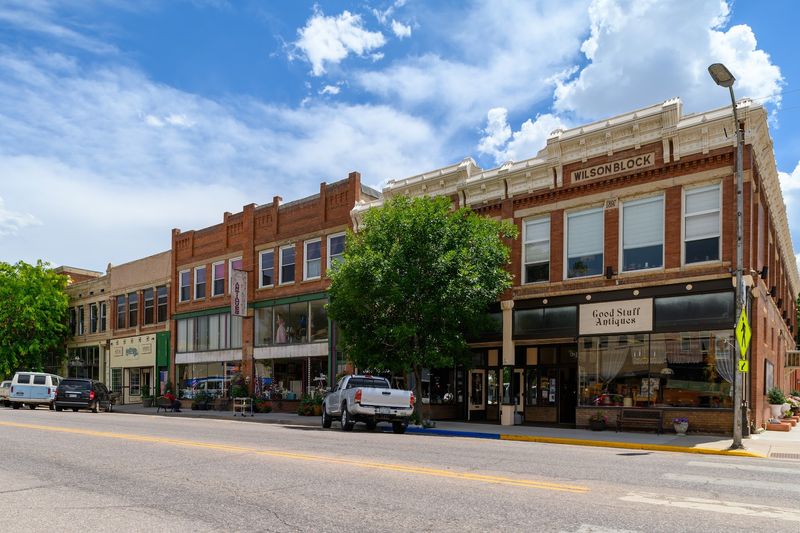
Parking once and leaving the car alone for the rest of the day is a rare luxury in modern America. Downtown Florence makes it easy.
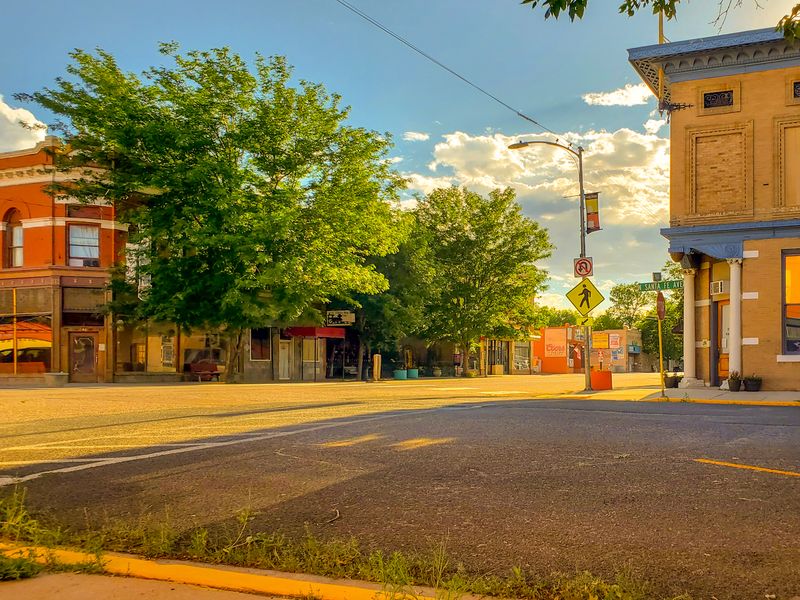
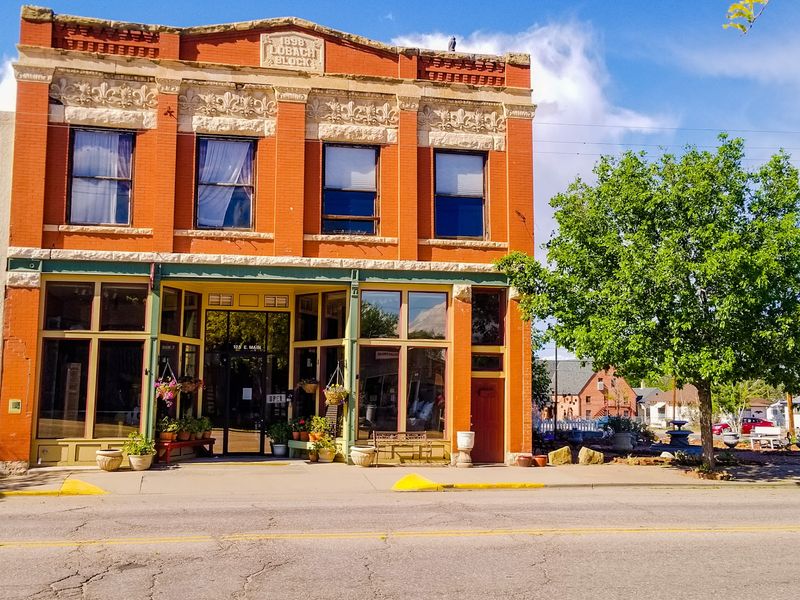
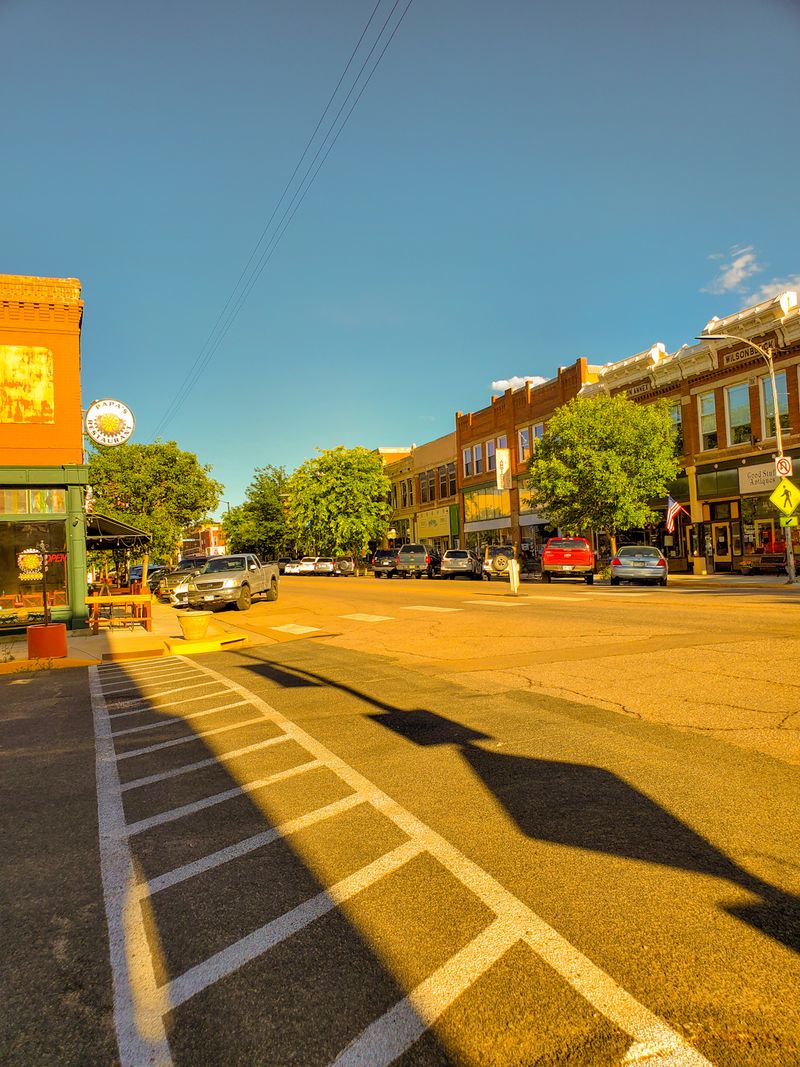
The historic Main Street is compact, with shops and businesses lined up close together. You can cover the heart of downtown on foot without needing a map or a fitness tracker pep talk.
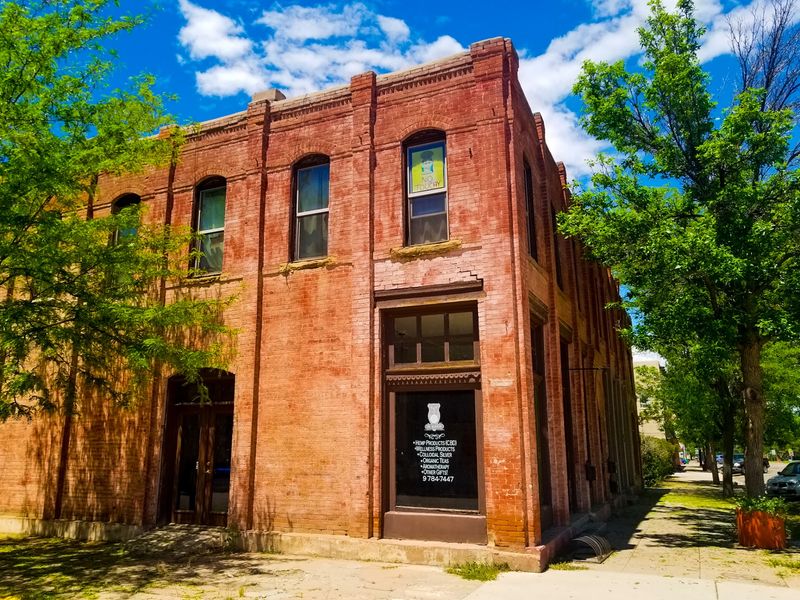
Many of the buildings are old brick commercial blocks from the town’s early boom years. Their upper floors, decorative cornices, and large front windows give the street a strong sense of character.
Walkability matters more than people sometimes realize. Being able to run errands, grab coffee, and chat with shop owners on a single stroll changes how a town feels day to day.
For residents, a walkable downtown means a stronger sense of community. People bump into neighbors, linger on sidewalks, and actually know who runs the store down the block.
For day-trippers, it means a relaxed outing with very little planning. Park, wander, pop into a few shops, and head home satisfied.
Florence has kept this layout largely intact over the years. The downtown did not get bulldozed for strip malls, which is a win for anyone who likes their main streets with a little history.
Comfortable shoes are the only real requirement here.
The Antique Capital Reputation
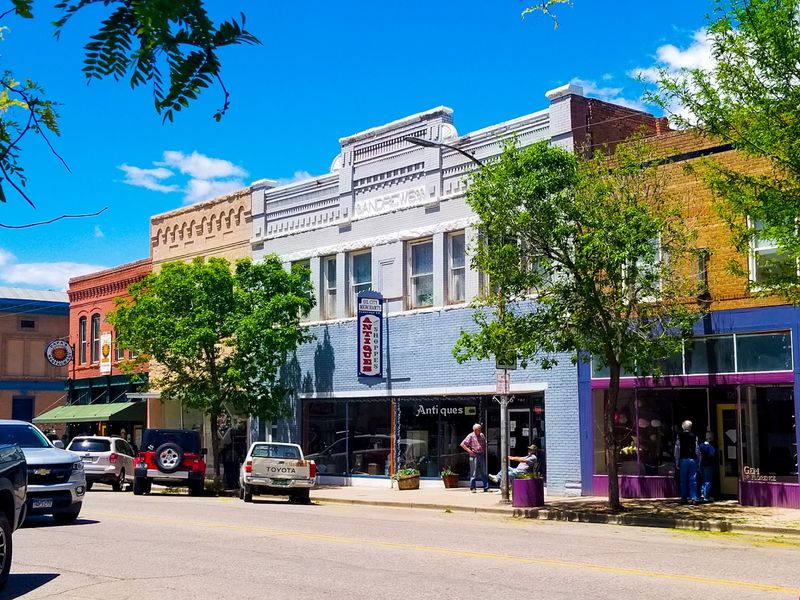
Some towns collect souvenirs. Florence collects entire shops full of old treasures.
The town has long promoted itself as the Antique Capital of Colorado. Its Main Street holds a cluster of antique and vintage stores that draw treasure hunters from around the region.
For collectors, that concentration is a big deal. Instead of driving across the county to check a single store, you can browse several in one afternoon.
The shops fit naturally into the old brick buildings downtown. Selling vintage goods inside historic storefronts feels like the town is simply staying on theme.
Inventory changes constantly, since antique stores depend on what comes through the door. That means a repeat trip can turn up entirely different finds than the last one.
Furniture, old signs, glassware, tools, and all sorts of odds and ends tend to fill these kinds of stores. Browsing is half the fun, even if you leave with nothing but ideas.
This reputation also helps the local economy in a quiet, steady way. Shoppers who come for antiques often stay for lunch, a walk, or a look around town.
A friendly warning for anyone with a small car or a small house: plan your trunk space carefully. Florence has a way of convincing people that they absolutely need one more vintage chair.
Old Buildings With New Chapters
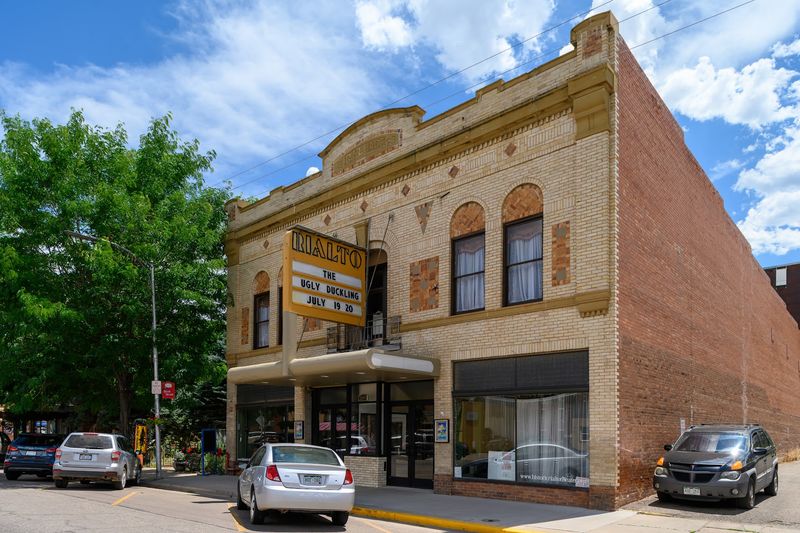
Old buildings can go one of two ways. They either fade out, or a community decides they are worth saving.
Florence has leaned toward saving. One of the best-known examples downtown is the historic Rialto Theater, a Main Street landmark dating to the 1920s.
Local efforts have focused on restoring the theater as a community space. It is the kind of project that shows how much residents care about keeping their downtown alive.
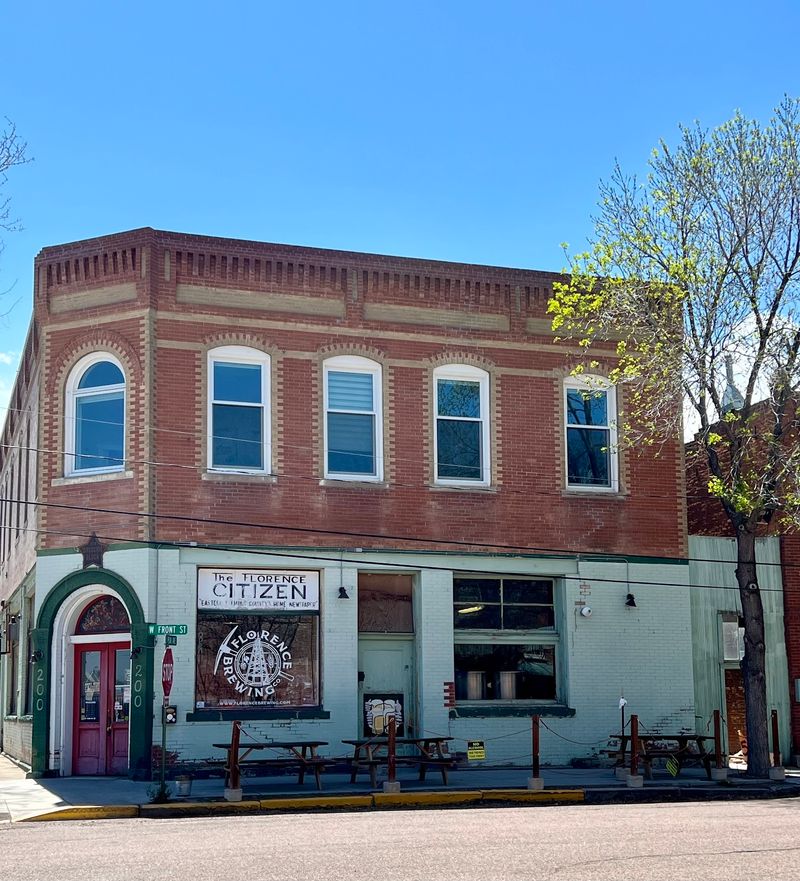
Beyond the theater, much of Main Street is made up of early commercial buildings. Many now hold shops, small businesses, and local services instead of the mining-era stores they once did.
This reuse is a big part of the town’s charm. The architecture stays the same while the businesses inside keep evolving with the times.
For history fans, the downtown is a good place to slow down and study the details. Look up at the rooflines and upper windows, where a lot of the original craftsmanship tends to survive.
Preservation also has a practical side. Keeping historic buildings in use supports local business owners and keeps the downtown from emptying out.
Florence proves that a small town does not need shiny new construction to feel lively. Sometimes the smartest upgrade is simply taking good care of what is already standing.
Housing That Still Pencils Out
Colorado housing prices can make even optimistic buyers sigh at their screens. Florence offers a rare bit of relief in that conversation.
Compared with the pricey mountain resort towns and much of the Front Range, Florence has long been known as one of the more affordable places to buy in the state.
That reputation is the reason homes under $250,000 have shown up in this market. Smaller and older houses in particular tend to be where buyers find the lowest price points.
A quick reality check is important here. Real estate changes constantly, so current listings, inventory, and prices should always be confirmed with a local agent or up-to-date listing sites.
Many homes in town are older, which often comes with character and the occasional project list. Buyers who are handy or patient may find that tradeoff worth it.
Affordability here is also tied to location. Florence sits in a smaller micropolitan area rather than inside a big metro, which usually keeps costs lower.
At the same time, bigger cities like Pueblo and Colorado Springs remain within driving distance. That combination is exactly what makes the numbers attractive to remote workers, retirees, and first-time buyers.
In a state where budgets often lose the battle, Florence gives buyers a fighting chance.
A Slower Pace and the People It Suits
Not every town needs a nightlife guide. Florence is proof that an easygoing rhythm can be a selling point all by itself.
With under 4,000 residents, the town moves at a relaxed pace. Traffic jams are not really part of the local vocabulary.
Retirees often find this setup appealing. Lower housing costs, a walkable downtown, and nearby services in Cañon City make daily life manageable.
Remote workers are another natural fit. A home office in Florence can cost far less than one in a busy Front Range suburb, and the drive to a bigger city is there when needed.
Young families and first-time buyers may also like the numbers. Getting a foot in the door of homeownership is easier when prices are not sky-high.
Antique lovers and history buffs make great weekend guests too. The Main Street shops and old buildings give them plenty to explore.
On the flip side, anyone craving big-city amenities around every corner may feel a bit restless. Florence is a small town, and it does not pretend otherwise.
The best way to know whether the fit is right is simple. Spend a full day here, walk the downtown, and see whether the slower tempo feels like freedom or boredom.
Planning a Visit to Fremont County
Good news for road trippers: reaching Florence does not require a mountain pass white-knuckle adventure.
The town sits in eastern Fremont County, a short drive east of Cañon City. Pueblo lies to the east and Colorado Springs to the north, both within reasonable driving range for a day trip.
A car is the most practical way to get here. Once you arrive, parking downtown and exploring on foot is the easiest plan.
Shop hours vary by business, since most downtown stores are independently owned. Checking ahead before a trip is smart, especially for weekday or holiday visits.
Many antique and specialty shops keep limited schedules. A little planning helps avoid the disappointment of a closed door and a hopeful face pressed to the glass.
Spring through fall tends to be a comfortable window for walking around town and exploring the river area. Colorado weather can shift quickly, so layers are always a wise packing choice.
Combining Florence with nearby attractions makes for a full itinerary. Cañon City and the Royal Gorge area are close by for anyone wanting to add more stops.
For house hunters, pairing a downtown stroll with a few scheduled showings is an efficient approach. You get to test the lifestyle and the listings in the same afternoon.
The Case for Giving Florence a Look
Every so often, a place reminds you that affordable and interesting can still share the same zip code. Florence is one of those places.
It offers real history, from its founding by James McCandless to its early oil field and coal mining roots. Those stories are still visible in the brick buildings downtown.
The Main Street remains walkable and lively, anchored by antique shops and restored landmarks. It is a downtown built for wandering, not rushing.
The Arkansas River adds an outdoor bonus without the resort-town price tag. Nearby Cañon City, Pueblo, and Colorado Springs fill in the gaps for bigger errands.
Then there is the housing angle that brought many readers here in the first place. Florence has kept a reputation for lower prices in a state where that is increasingly hard to find.
Of course, no town is perfect for everyone. Those wanting constant action may prefer a larger city, and anyone buying should verify current market details carefully.
For people chasing a slower pace, a sense of community, and a budget that actually works, Florence deserves a spot on the shortlist.
Take a drive, walk the downtown, and let the town make its own quiet pitch. It may just talk you into staying a little longer than planned.
Enjoyed this story?
Add Fast Food Club as a preferred source to see more of our reporting on Google.