


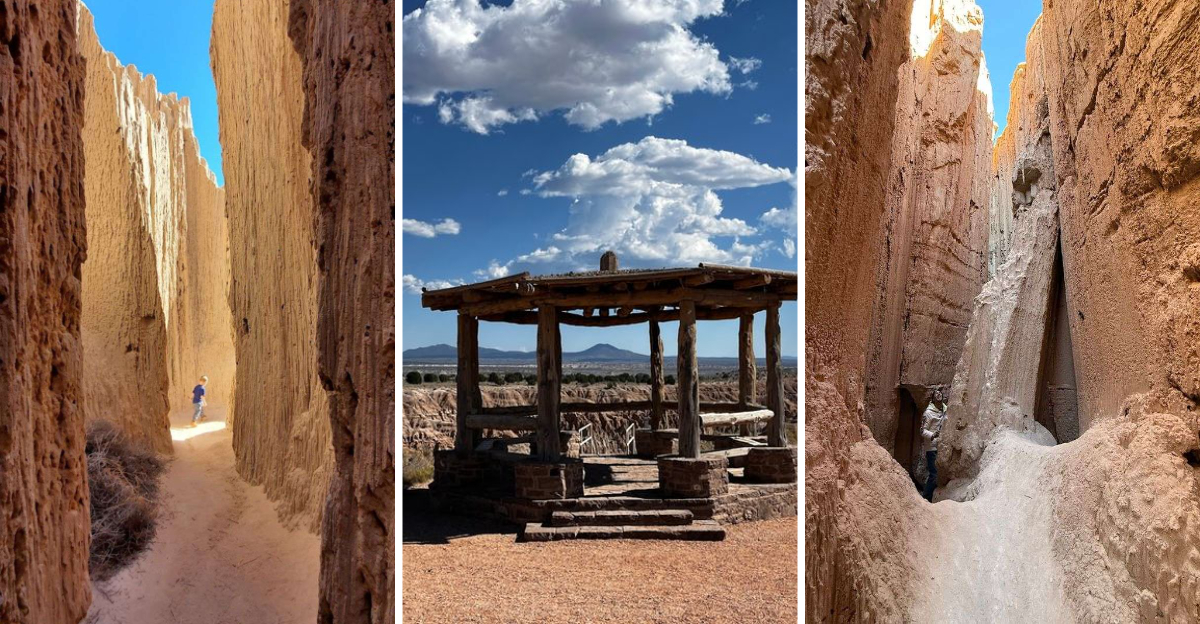
Tucked away in the remote high desert of Lincoln County, Nevada, Cathedral Gorge State Park is one of those rare places that feels like a well-kept secret. Stretching across 2,000 acres near the small town of Panaca, this park is filled with dramatic clay spires, winding slot canyons, and otherworldly rock formations that look like they belong on another planet.
Whether you love hiking, photography, camping, or just exploring nature, this little park delivers big-time beauty. Once you see it for yourself, you will completely understand why visitors keep coming back.
The Slot Canyons That Feel Like Another World
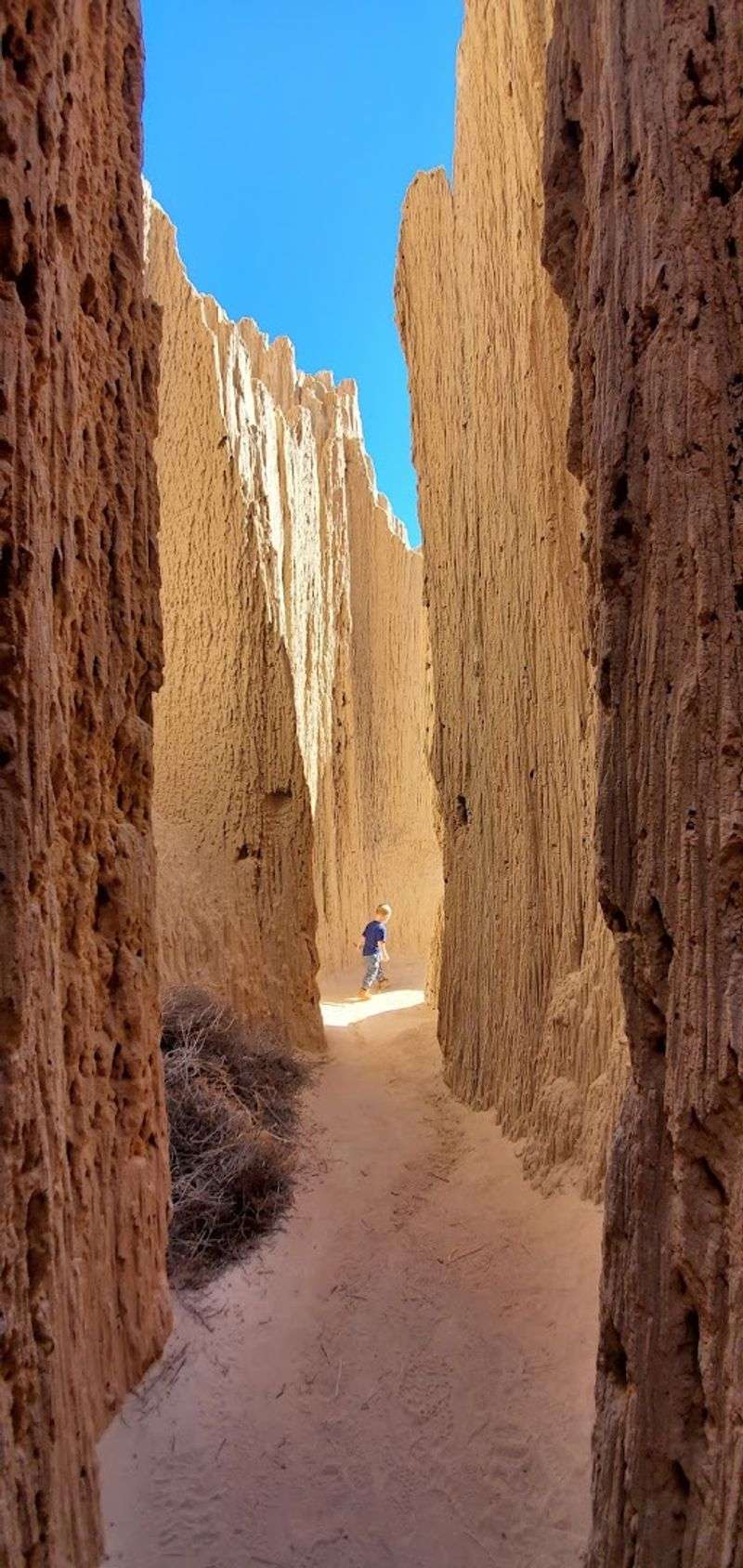
Squeezing through a canyon so narrow you have to turn sideways is not something most people expect from a Nevada state park, but Cathedral Gorge delivers exactly that. The slot canyons here are carved from ancient bentonite clay, not sandstone like most slot canyons in the Southwest, which gives them a completely different texture and feel.
Some passages are so tight that adults have to shuffle through sideways, making every twist and turn a mini adventure. Kids absolutely love the challenge of navigating these winding corridors.
Unlike popular canyon destinations that require permits or long hikes, these slots are just a short walk from the parking area. Many visitors say the canyons made them feel like they had stepped into a sci-fi movie set.
Bring a flashlight for the darker chambers and wear clothes you do not mind getting a little dusty.
Moon Canyon: The Hidden Gem Most Visitors Skip
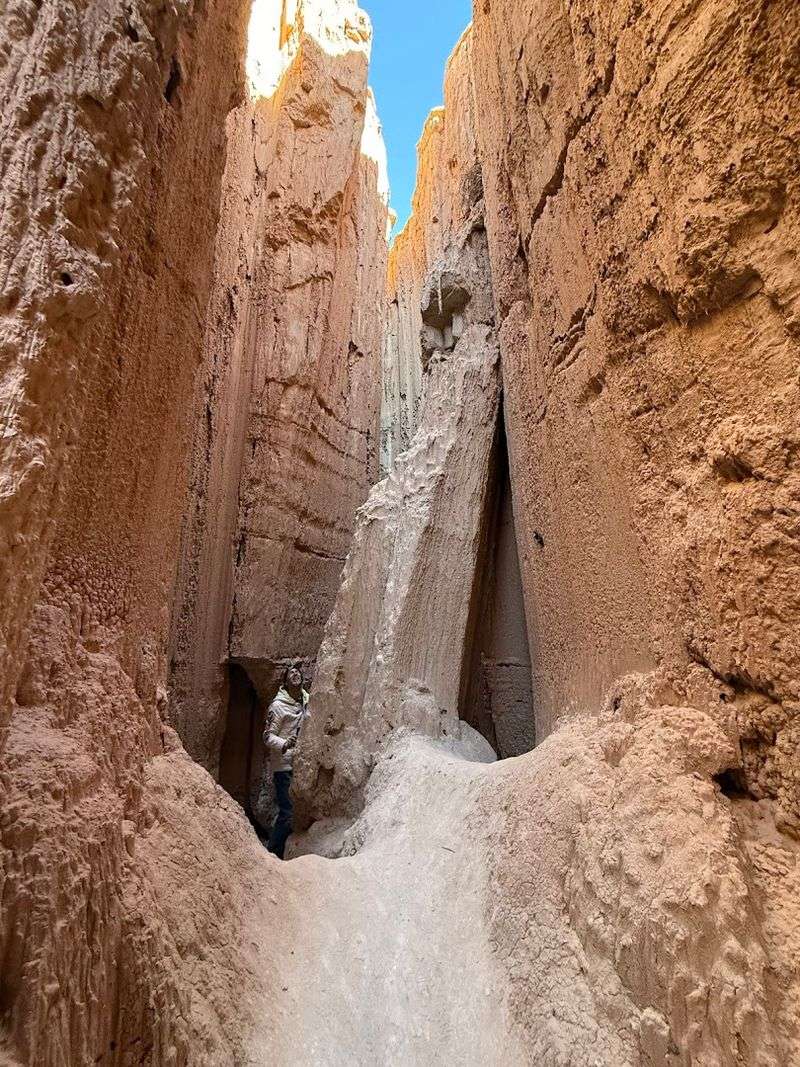
Here is a tip that seasoned visitors swear by: do not skip Moon Canyon on your way to Cathedral Canyon. Many first-timers drive straight past it, not realizing that Moon actually has longer and larger slot passages than the more famous Cathedral section of the park.
The canyon offers a maze-like network of corridors that can keep explorers busy for a solid hour or two. One reviewer mentioned spending an hour and a half in Moon alone and barely scratching the surface of what it has to offer.
During summer months, you may find yourself with the entire canyon completely to yourself, which adds a wonderfully eerie and peaceful vibe to the experience. Park rangers recommend exploring Moon first, then heading to Cathedral, so you can appreciate both areas without feeling rushed.
Plan to spend at least two hours here total.
Miller Point: Where Sunsets Become Unforgettable
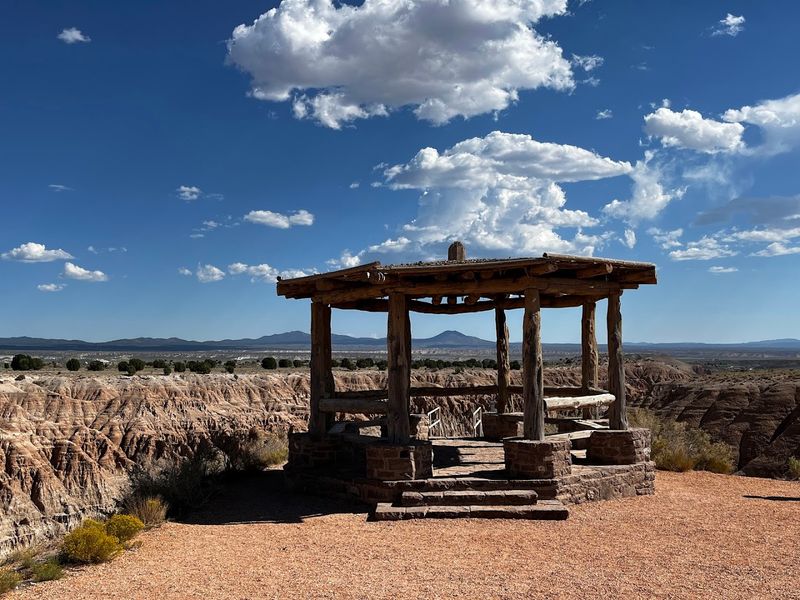
There is a reason Miller Point keeps showing up in nearly every five-star review of Cathedral Gorge. Perched high above the valley floor, this overlook offers a sweeping panoramic view of the entire gorge that is especially jaw-dropping at golden hour.
The clay formations below glow in shades of amber, orange, and deep red as the sun dips toward the horizon.
You can reach Miller Point two ways: drive directly from Highway 93 to the overlook parking area, or hike the four-mile trail that connects Cathedral Canyon, Miller Point, and the Juniper area. Both options are worth doing if time allows.
Pack a picnic and arrive about 45 minutes before sunset for the best light. Reviewers consistently call this one of the most beautiful spots in the entire park.
Bring a camera, because the views from the top are genuinely hard to describe with words alone.
The Juniper Loop Trail for Hikers of All Skill Levels
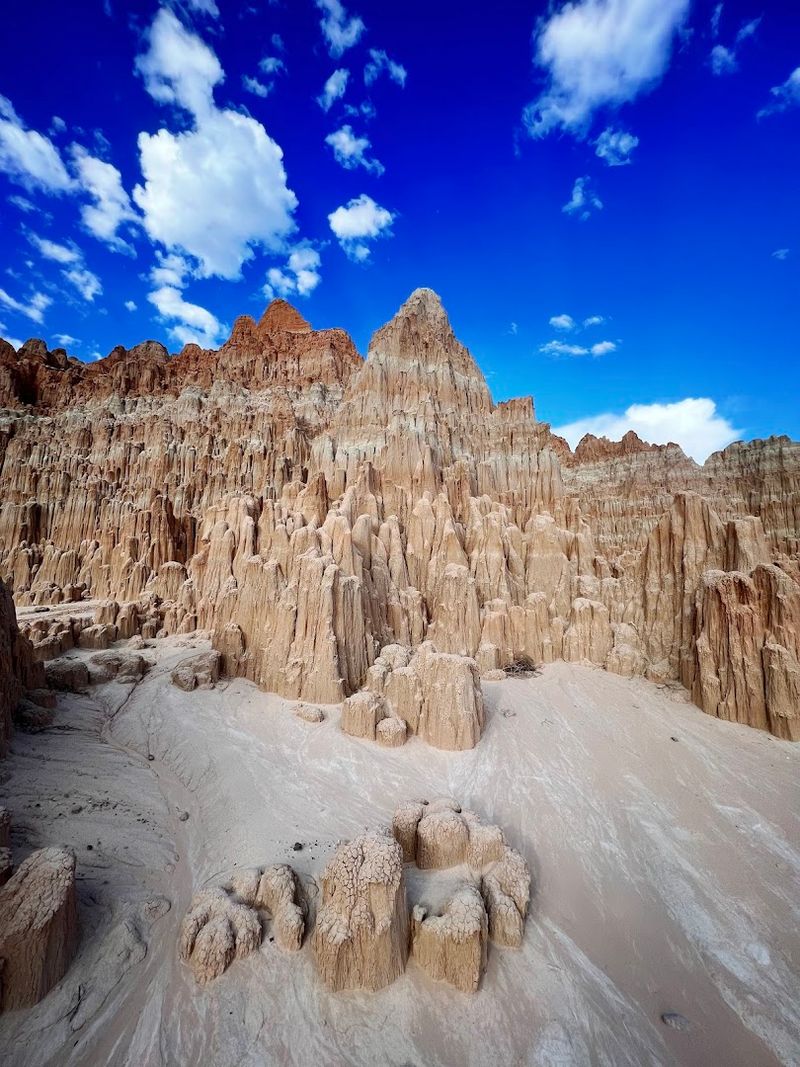
Not every great hike has to be brutal, and the Juniper Loop at Cathedral Gorge is proof of that. Stretching about three to four miles, this trail takes you past some of the park’s most dramatic geological features, including towering clay buttes, eroded spires, and open desert views that feel endlessly wide.
One reviewer who completed the full loop called it one of the most interesting hikes they had ever done, noting that something new and surprising appeared at nearly every bend in the trail. The terrain is relatively flat and well-marked, making it a comfortable choice for families, older hikers, and anyone who wants a rewarding walk without the stress of steep elevation changes.
Morning is the best time to tackle this trail, especially in warmer months, since shade is limited. Bring at least 32 ounces of water per person and wear sturdy closed-toe shoes to protect against loose clay and small rocks.
Camping Under a Sky Full of Stars
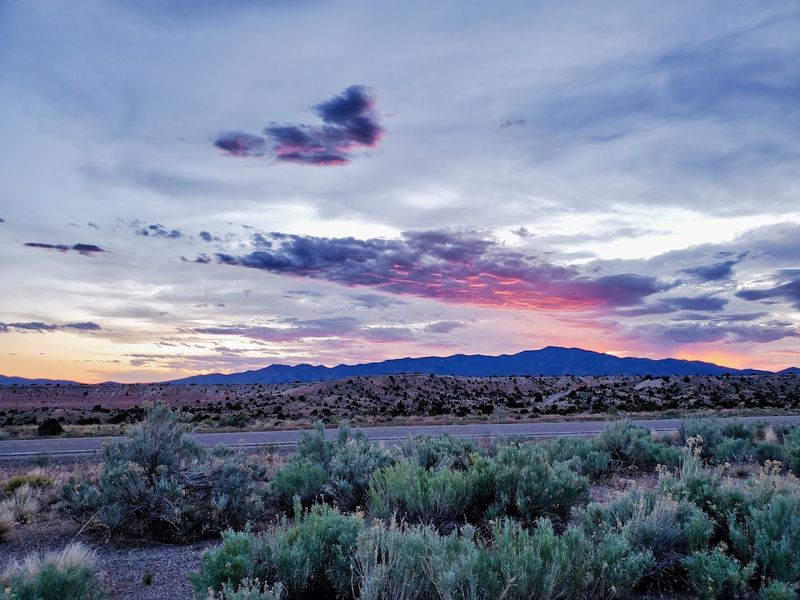
Spending a night at Cathedral Gorge is a completely different experience from just visiting for the day. The campground sits right inside the park, meaning you wake up surrounded by those incredible clay formations instead of a parking lot or highway view.
Reviewers rave about how clean and well-maintained the facilities are, with one visitor calling the restrooms and shower rooms spotless and spacious.
Hot showers are available for just 25 cents for five minutes, which is a rare and welcome luxury at a remote desert campground. The park even offers electric vehicle charging stations, which is surprisingly thoughtful for such an out-of-the-way location.
Spring Valley State Park nearby also gets high marks for camping if Cathedral Gorge fills up. Fall and spring are the most comfortable seasons to camp here, with mild temperatures and fewer crowds.
Reservations are recommended during peak travel weekends to secure your preferred site.
The Fascinating Story Behind the Bentonite Clay Formations
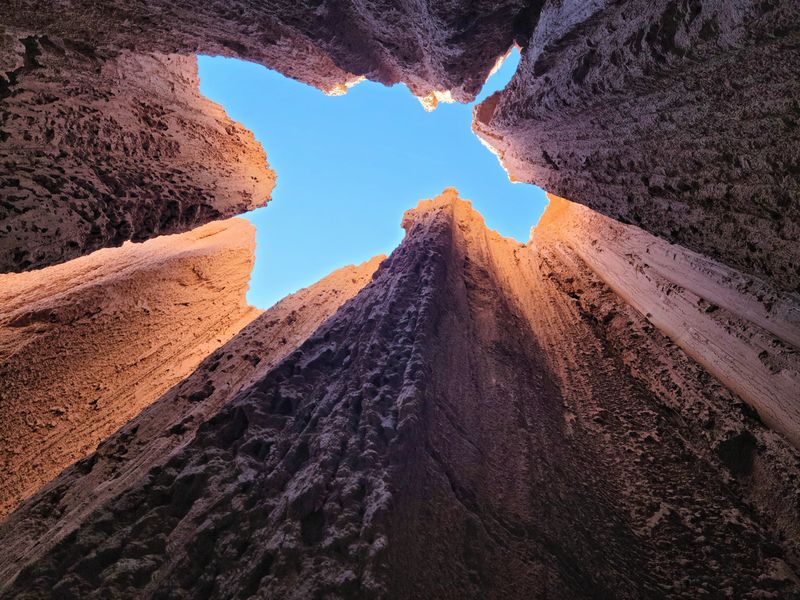
Millions of years ago, the valley where Cathedral Gorge now sits was the bottom of a large ancient lake. Over time, volcanic ash and fine sediments settled on that lakebed and slowly compressed into a soft rock called bentonite clay.
When the lake eventually dried up and the land shifted, wind and rain began sculpting those clay deposits into the dramatic spires, ridges, and canyon walls you see today.
What makes bentonite clay special, and a little tricky, is that it becomes incredibly slippery when wet. Several reviewers warn that after rain, the ground turns into a slick, boot-grabbing mess that can send even careful walkers tumbling.
One visitor described taking a fall and having clay stick stubbornly to their clothes for the rest of the day.
Check weather forecasts before your visit and avoid the trails for at least 24 hours after any rainfall. Dry conditions make for safe, enjoyable exploring throughout the park.
Wildlife Watching in the High Desert Valley
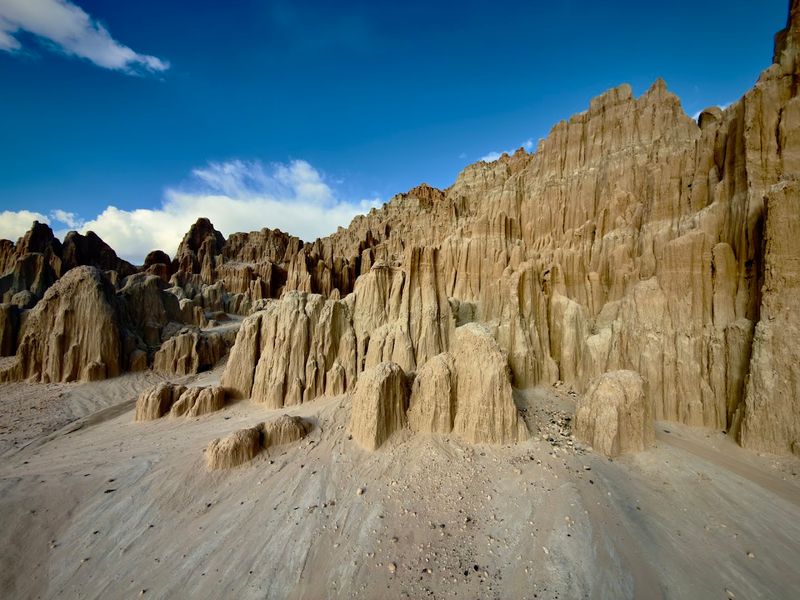
Cathedral Gorge is not just about rocks and canyons. The valley floor and surrounding desert support a surprisingly lively cast of wildlife that rewards patient and observant visitors.
Western Bluebirds are among the most commonly spotted birds here, with their vivid blue and rusty-orange coloring making them easy to pick out against the sandy clay landscape.
Lizards dart across sun-warmed rocks, ravens call out from the canyon rims, and the occasional mule deer passes through the quieter corners of the park. Early morning is the best time to spot animals before the heat of the day sends them into shade and burrows.
Photographers especially love the combination of dramatic rock formations in the background and colorful desert birds in the foreground, creating images that are hard to replicate anywhere else. Binoculars are a smart addition to your pack and take up almost no space in a day bag.
Eagle Point: An Easy Stop Right Off Highway 93
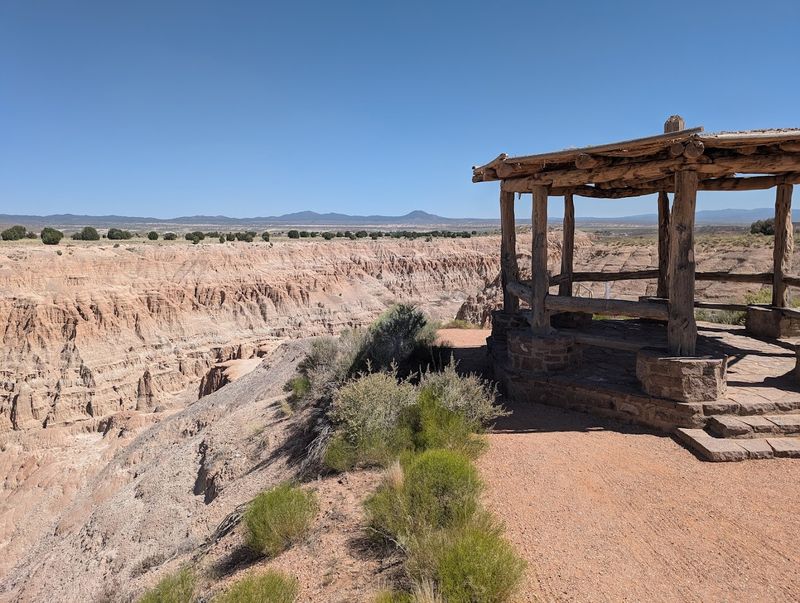
Not everyone has hours to spend exploring, and Eagle Point was practically designed for those short on time. Accessible directly from Highway 93 without even driving into the main park area, this overlook gives road-trippers a quick but genuinely impressive introduction to the gorge’s dramatic landscape.
From the viewpoint, you get a wide-angle perspective of the eroded clay formations spreading across the valley below. It is the kind of view that makes you want to pull over, even if you only planned to stop for five minutes.
Many visitors end up staying much longer once they actually see it in person.
If you are driving through southern Nevada on a road trip and Cathedral Gorge is anywhere near your route, Eagle Point makes the detour completely worthwhile. Parking is easy, the views are free, and the whole stop takes about 15 to 20 minutes at a relaxed pace.
A perfect highway break with serious scenery payoff.
The CCC Water Tower: A Century of Desert History
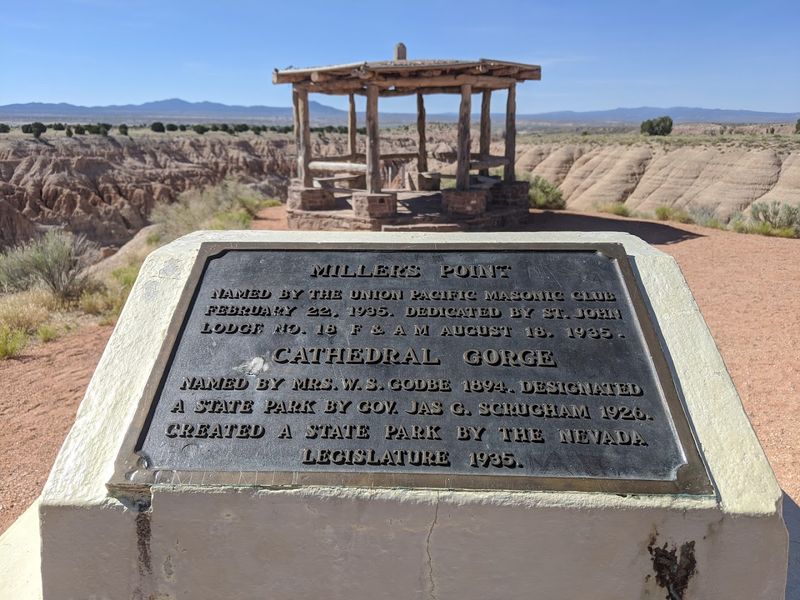
Hidden among the natural wonders of Cathedral Gorge is a fascinating piece of American history. Near the main park area stands a water tower built nearly a hundred years ago by the Civilian Conservation Corps, the Depression-era federal program that put thousands of young men to work building infrastructure in national and state parks across the country.
The CCC was responsible for constructing trails, campgrounds, and facilities at parks throughout Nevada and the broader American West during the 1930s. Seeing their handiwork still standing in the desert, weathered but solid, gives the park an extra layer of meaning beyond its geological wonders.
History buffs will appreciate taking a moment to examine the structure and reflect on the labor and craftsmanship that went into building it in such a remote location. The visitor center inside the park has informational displays that provide more context about the park’s history and the surrounding Lincoln County region.
Affordable Entry Fees That Make the Trip Even Sweeter
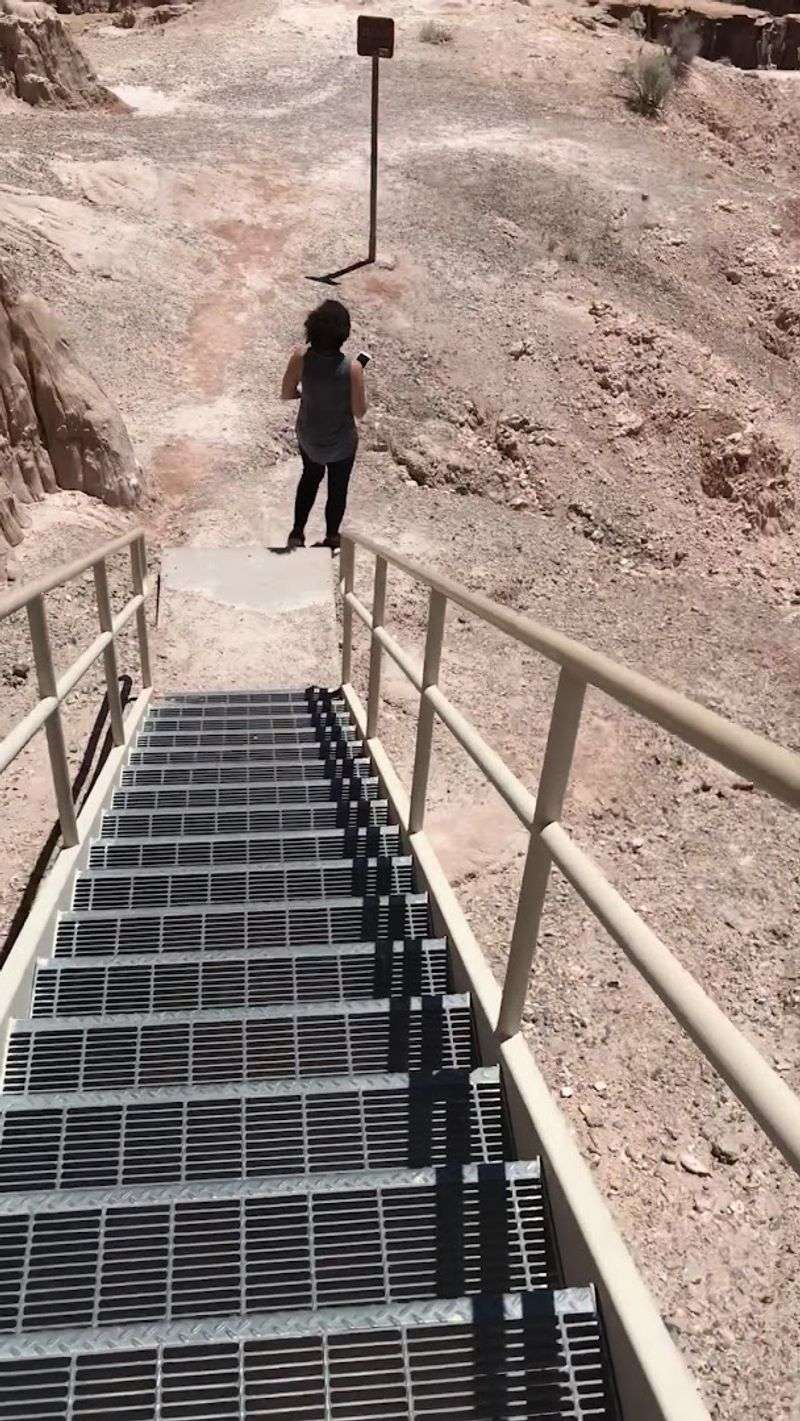
Budget-conscious travelers will be happy to know that Cathedral Gorge is one of the most affordable state parks you can visit anywhere in the American West. Nevada vehicles pay just five dollars at the entrance, while out-of-state visitors pay ten dollars for a full day of access.
Compare that to the entrance fees at some national parks and the value here is genuinely impressive.
For ten dollars, you get unlimited access to the slot canyons, hiking trails, overlooks, and picnic areas for the entire day. There is no separate charge for the caves, the canyon walks, or the overlooks, which means you can explore at your own pace without watching the clock.
Camping fees are also reasonable, making an overnight stay very accessible for families traveling on a budget. One reviewer specifically called it one of the cheapest state parks they had ever visited, and the experience far exceeded what the low price tag might suggest.
Nearby Parks That Round Out a Perfect Weekend
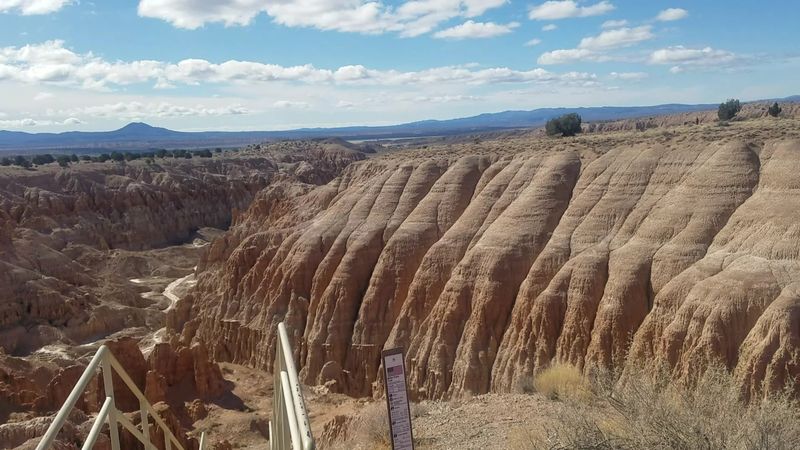
One of the smartest things you can do when visiting Cathedral Gorge is plan a full weekend that takes in the other remarkable state parks clustered nearby. Echo Canyon, Spring Valley, and Kershaw-Ryan State Parks are all within a short drive and each offers something distinctly different from Cathedral Gorge.
Spring Valley is frequently praised for having some of the best and most peaceful camping sites in the region, while Kershaw-Ryan features a surprisingly lush canyon filled with wild roses, grape vines, and a small swimming area that feels completely out of place in the surrounding desert.
Visitors also recommend checking out Hot Tea Pot Arch in Panaca, a quirky and photogenic natural rock formation just minutes from the park. Spending two days exploring this corner of Lincoln County gives you a much richer experience than a single-day visit alone.
Plan ahead, pack extra food, and enjoy the whole region properly.
Photography Opportunities Around Every Corner
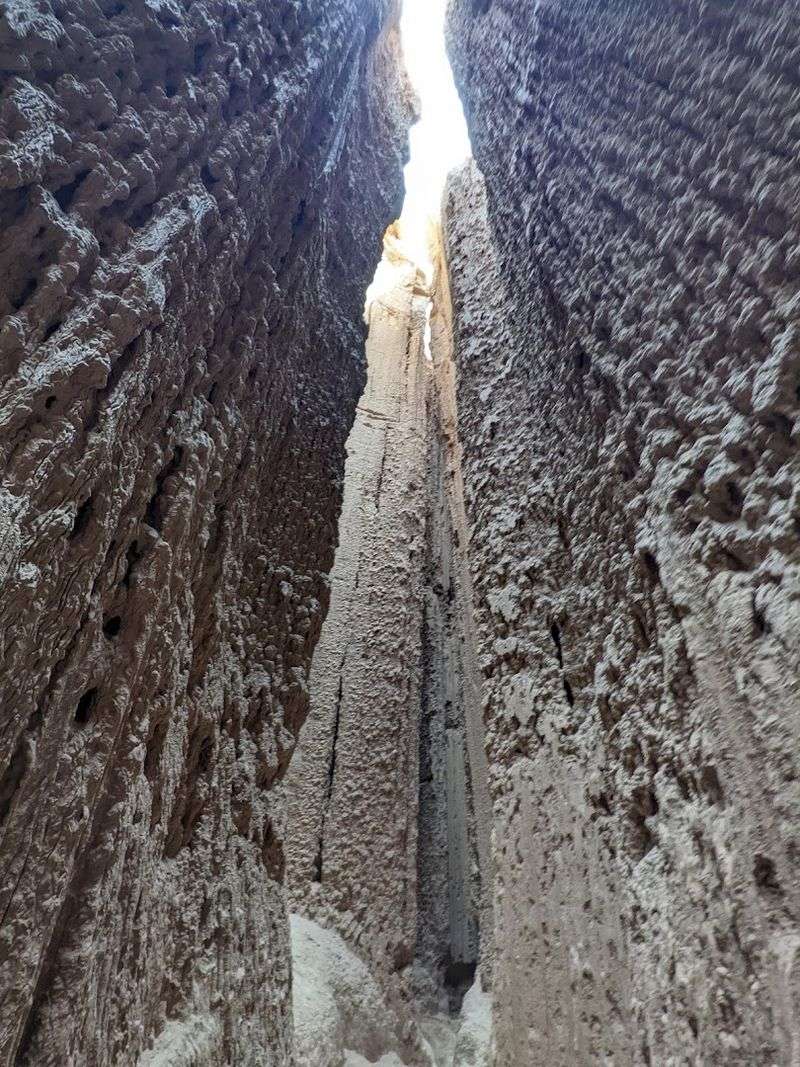
Photographers, both amateur and professional, consistently rank Cathedral Gorge as one of the most visually rewarding locations in all of Nevada. The combination of tall, narrow clay spires, winding canyon walls, and wide-open desert skies creates an almost endless variety of compelling compositions no matter which direction you point your lens.
The light changes dramatically throughout the day. Morning brings soft, cool tones that highlight the texture of the clay surfaces, while late afternoon and sunset cast everything in rich gold and amber hues that make the formations practically glow.
Cloudy days create even, diffused light that is ideal for shooting inside the darker slot canyons.
One reviewer noted that the right lighting transforms the formations into genuinely spectacular shots. Wide-angle lenses work beautifully for the canyon interiors, while telephoto lenses let you isolate individual spires against the sky.
Tripods are useful for low-light canyon shots where shutter speeds need to slow down.
Practical Tips for Planning Your Visit to Cathedral Gorge
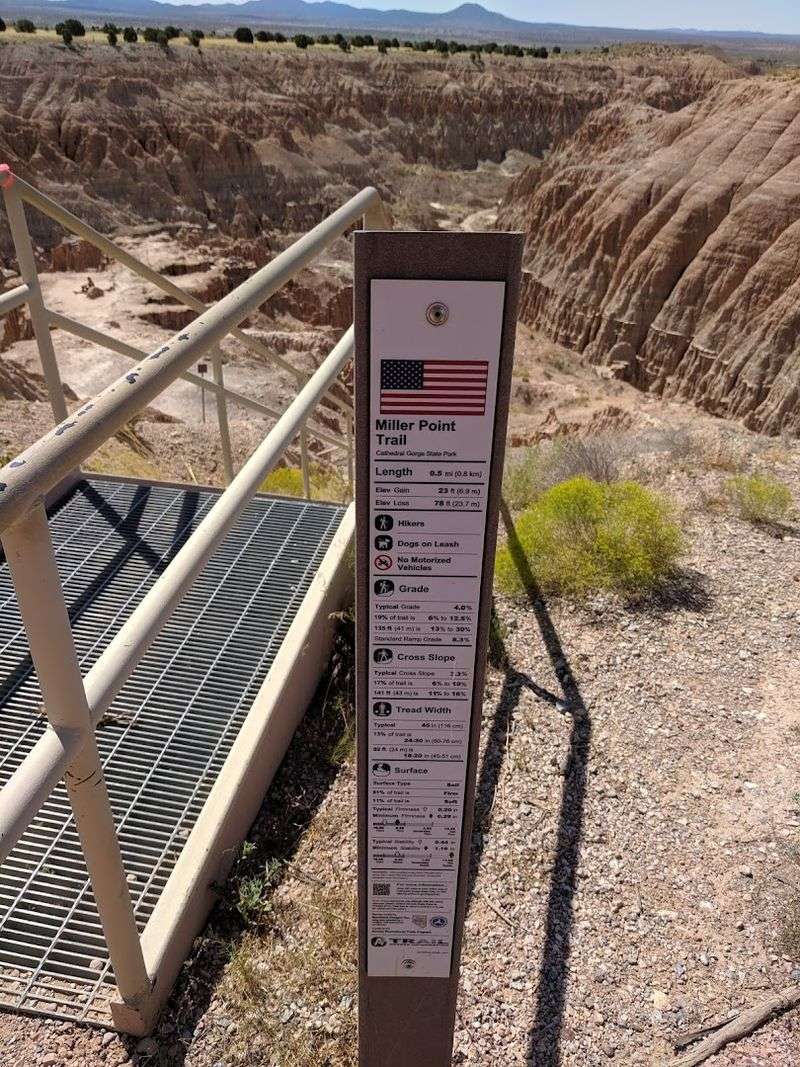
Cathedral Gorge sits in one of the more remote corners of Nevada, so a little advance planning goes a long way toward making your visit smooth and enjoyable. The park is located about two and a half hours north of Las Vegas along Highway 93.
Reviewers recommend stopping at one of the three gas stations along the route before arriving, since services in Panaca are very limited.
Pack enough food and water for your entire visit, as there are no restaurants or convenience stores inside the park. The visitor center has restrooms and informational displays, but its hours can vary by season, especially in winter when it may be closed on arrival.
A self-service pay station is available when the center is unstaffed.
Cell service in the area is minimal, so download offline maps before you leave. Weekdays tend to be quieter than weekends, and fall and spring offer the most comfortable hiking temperatures in this high desert environment.
Enjoyed this story?
Add Fast Food Club as a preferred source to see more of our reporting on Google.