


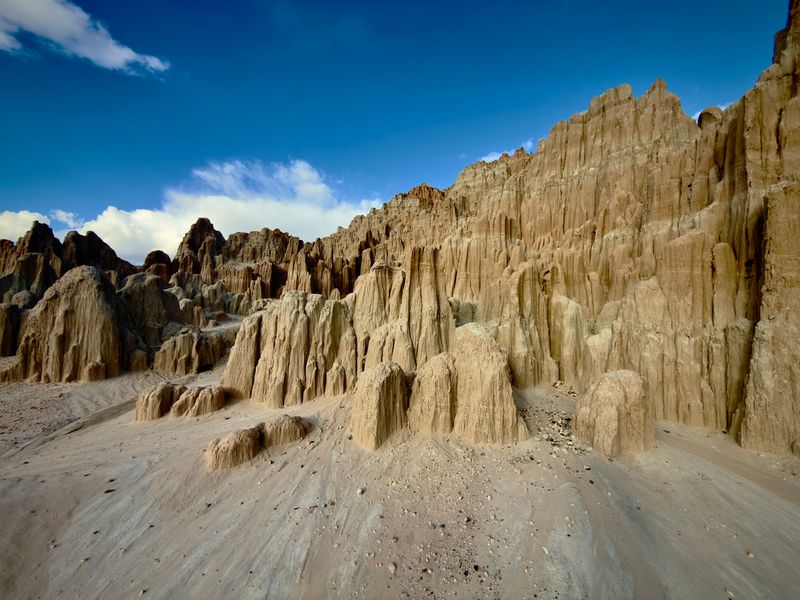
Deep in eastern Nevada, there is a spot where towering clay spires and narrow passages twist into shapes that look borrowed from a science fiction set. It covers just 2,000 acres, yet people drive hours across the desert just to squeeze through its slot canyons and stand beneath its cathedral-like cliffs.
The entry fee costs less than a fast food meal, and on a mild day you might have entire trails almost to yourself. What makes this place so unlike anything else in the state, and why do so many travelers call it a hidden treasure worth the detour?
Keep reading, because the answers involve mud tunnels, sunset overlooks, spotless showers, and formations that crumble at the touch. This is one small park with an outsized reputation.
The Address That Anchors an Otherworldly Landscape
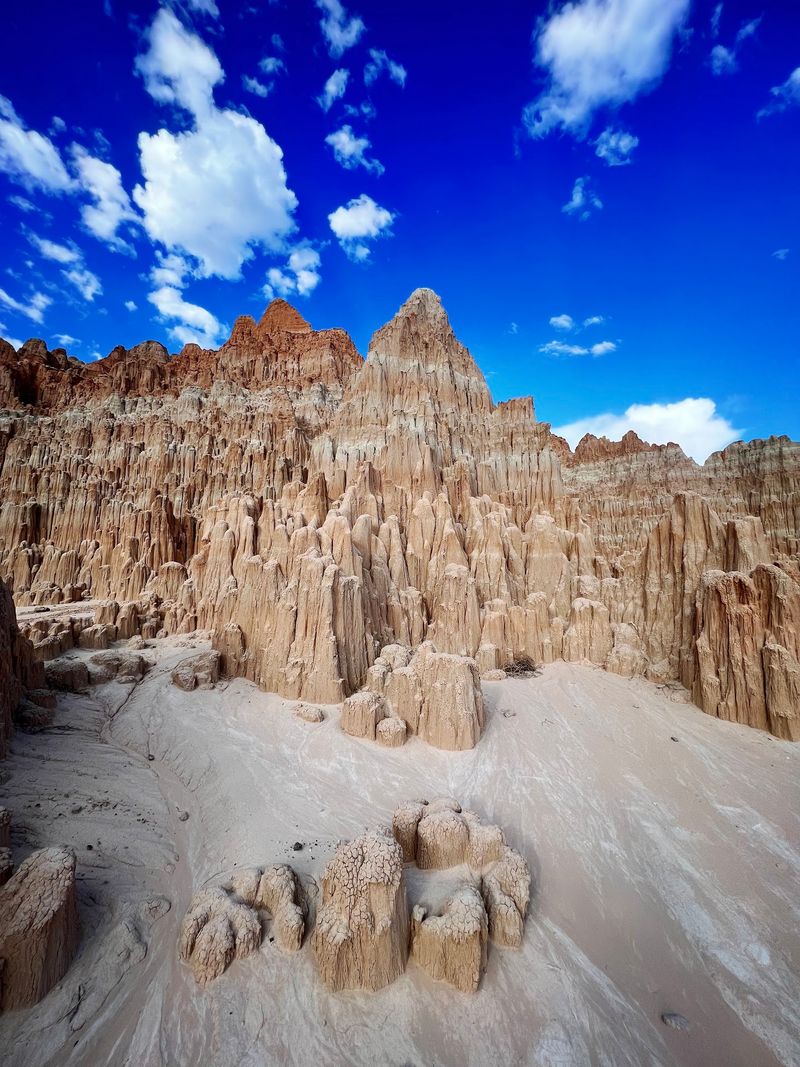
Tucked near the small town of Panaca in Lincoln County, this state park sits at 111 Cathedral Gorge State Park Road, Panaca, NV 89042. It occupies roughly 2,000 acres in eastern Nevada, and its full name is Cathedral Gorge State Park.
The park earns its title from tall siltstone formations that rise like the walls and spires of a grand old cathedral. Dramatic cliffs, narrow gorges, and slot canyons fill the valley floor, creating scenery that many people compare to another planet.
Getting here is straightforward. The location is easy to access off the main highway, and there is plenty of parking, even in the early afternoon on a weekday.
Despite its modest size, the park manages to hold walking trails, picnic areas, a campground, and a visitor center packed with displays. It rounds out a network of nearby parks that includes Echo Canyon, Spring Valley, and Kershaw-Ryan.
The reputation here is glowing, with a 4.8-star average across more than 1,200 posted opinions. Small footprint, enormous impact, and a starting point for one of Nevada’s more surprising outdoor days.
Clay Sculptures That Look Straight Out of Sci-Fi
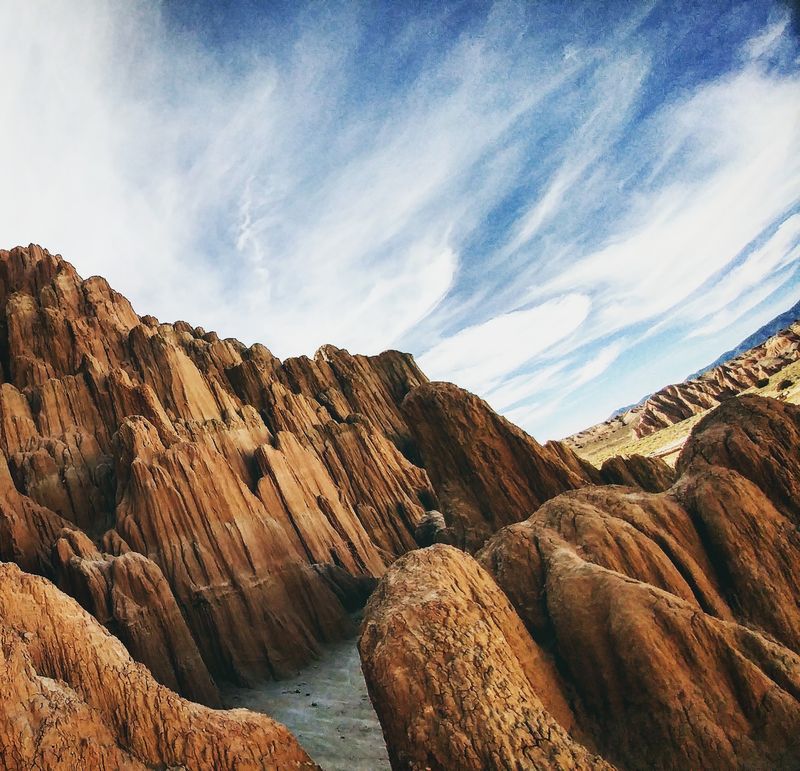
The star attraction is the geology, and it is genuinely strange in the best way. Eroded stone shapes rise into spires, columns, and fluted walls that make the whole valley feel like a movie set.
These formations are not the usual sandstone you find elsewhere in the Southwest. They are built from soft siltstone and bentonite clay, which explains why the shapes look so sculpted and delicate.
That softness comes with a warning worth remembering. The clay is essentially hard-packed sand and mud, so it can crumble in your hand, and climbing on the formations is a poor idea.
People who love photography find endless subjects here, since the light plays across the spires and cathedral-like cliffs throughout the day. There is something new around nearly every twist and turn of the trails.
Formations rank among the most talked-about features of the park, mentioned again and again by travelers. For a place this compact, the sheer variety of eroded shapes is what keeps people wandering longer than they planned.
Squeezing Through the Famous Slot Canyons
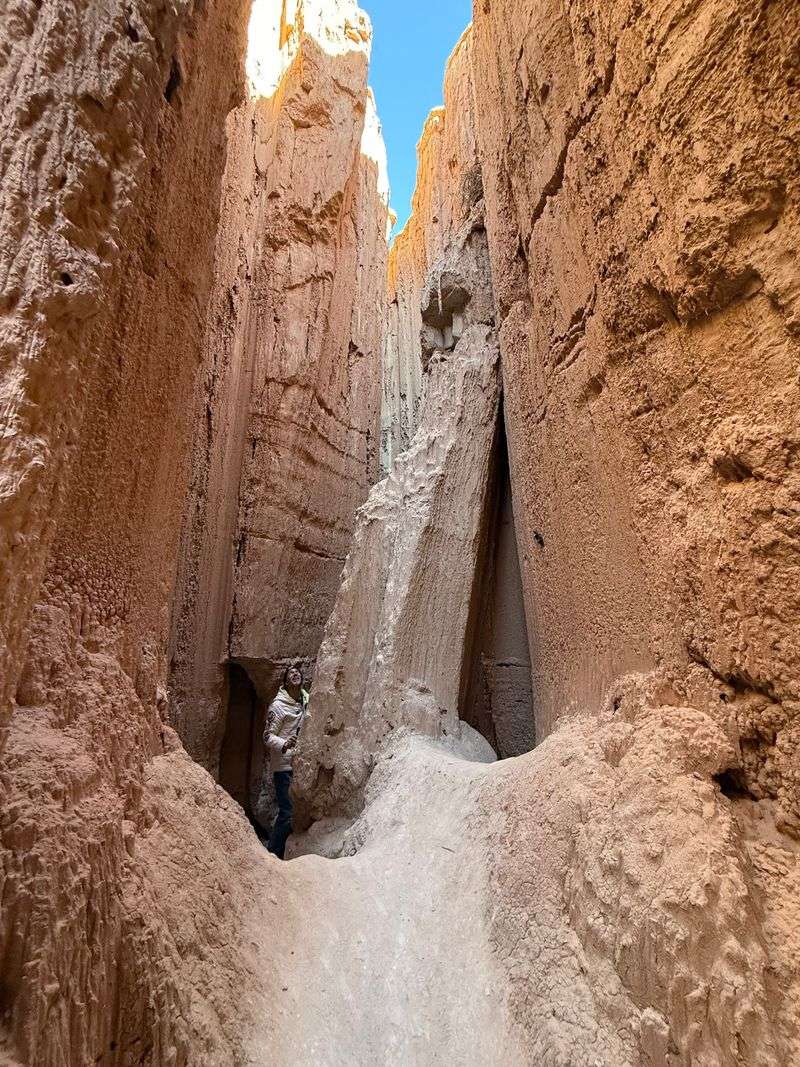
Slot canyons are the reason many people make the trip, and they show up more than any other topic in visitor chatter. Narrow passages cut deep into the clay, forming a maze that invites slow, curious exploration.
The corridors tighten as you move inward, and some feel like natural hallways barely wide enough to pass through. Working your way in and back out is a hands-on adventure that suits both children and adults.
Not all slots are created equal, and regulars have opinions about which ones deserve your time. The consensus favors exploring the longer, larger passages rather than rushing straight to the shorter ones.
For those craving a little more adventure, there are hidden little chambers you can reach by crawling through mud tunnels. It adds a playful challenge for anyone who does not mind getting a bit dusty.
The passages stay easy to explore freely, with no complicated logistics required. Compact as the park may be, these winding corridors deliver the kind of discovery that far larger destinations struggle to match.
Ducking Into the Moon Caves
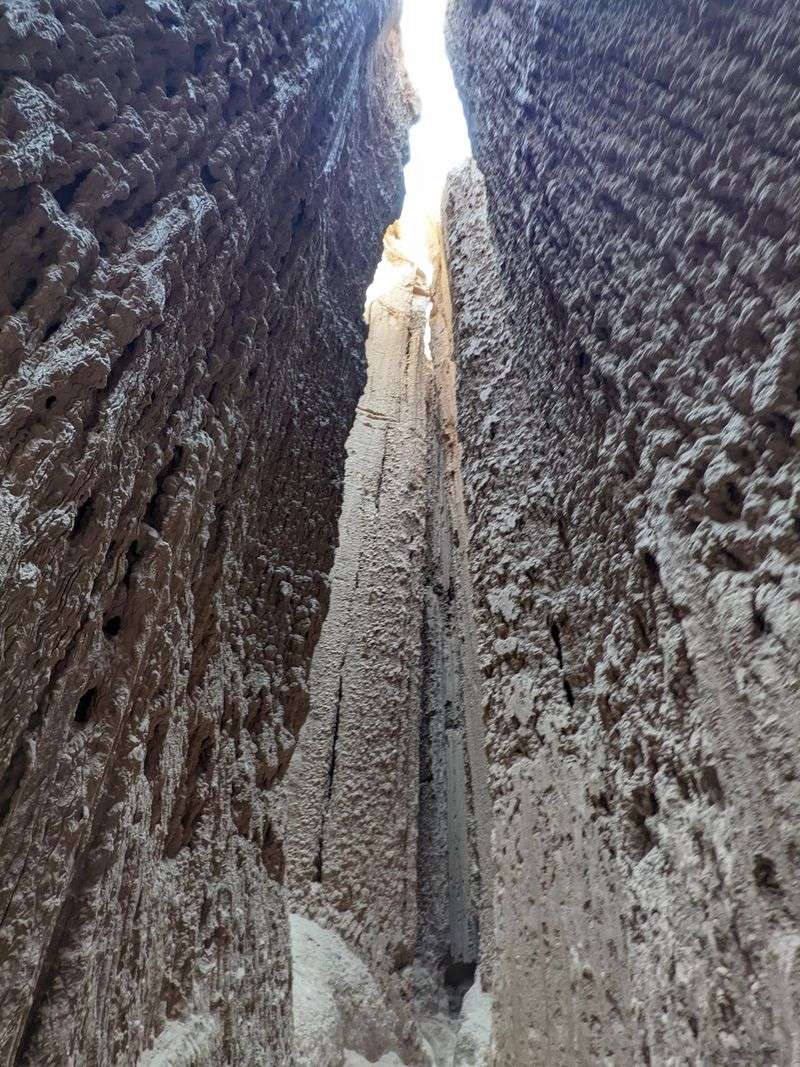
The Moon Caves carry a mysterious name, though a small twist comes with them. They are not really caves at all, and they do not go back very far into the rock.
What they lack in depth they make up for in drama. The openings narrow quickly, giving that satisfying feeling of squeezing into a tight, hidden space before the passage pinches shut.
Travelers who know the park well often steer newcomers toward this area first. The Moon section is said to have much larger and longer slots than the Cathedral section, so it rewards the extra attention.
Walking through the so-called caves is frequently described as an experience unlike anything else in the park. Kids in particular seem to love the sense of exploration these short, twisty spaces provide.
Access is simple, and you can wander the openings at your own pace. Do not drive past this section on your way to other canyons, because skipping it would mean missing one of the most memorable stops in the entire park.
Trails for Every Kind of Walker
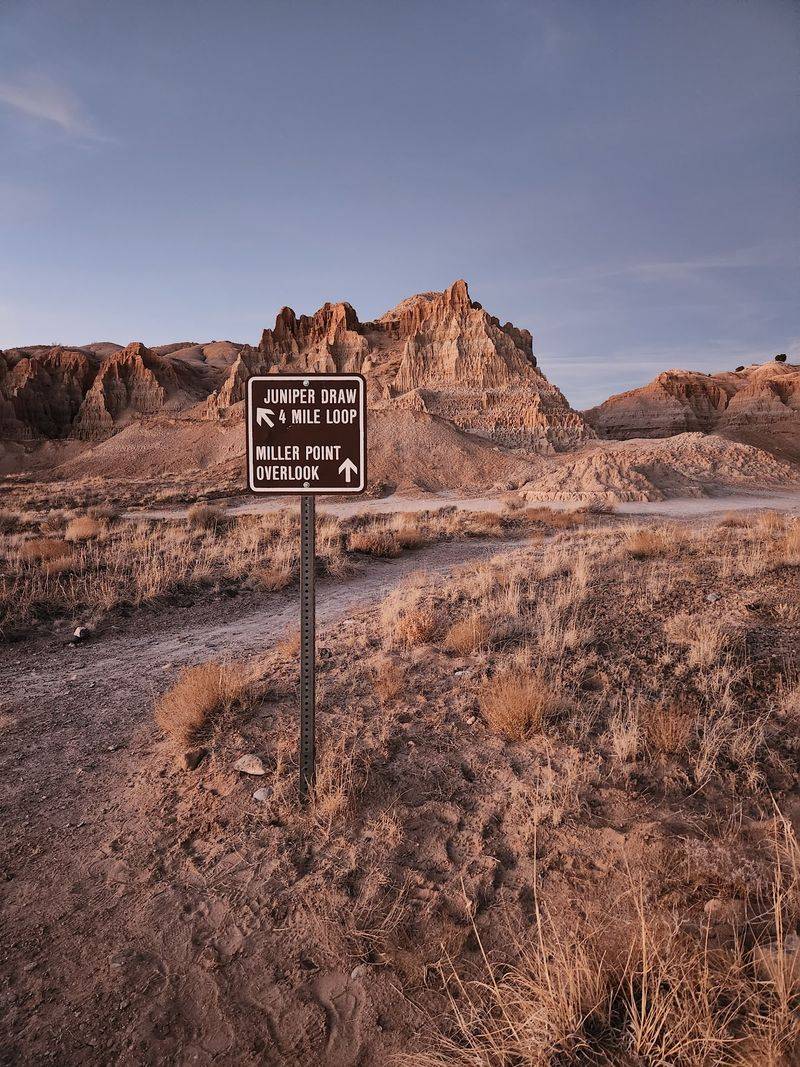
Walkers have five trails to choose from, ranging from short strolls to a proper half-day outing. That variety means you can tailor the day to your energy level without feeling shortchanged.
The signature route is a four-mile loop that links Cathedral to Miller Point to Juniper. It passes some of the most interesting features in the park, so the effort pays off in scenery.
Shorter options hold their own too. The three-mile Juniper Loop is easy and glides past several of the park’s standout formations, making it a favorite for those wanting a lighter day.
Many of the paths are described as easy and beginner-friendly, with gentle grades and clear footing. A few even include stairs that help you climb up toward higher viewpoints.
One caution is worth keeping in mind. Soft shoulders and clay trails can swallow the wrong footwear or vehicle, so sensible shoes matter here.
With this much variety packed into a small area, nobody leaves without a walk that fits.
The View From Miller Point
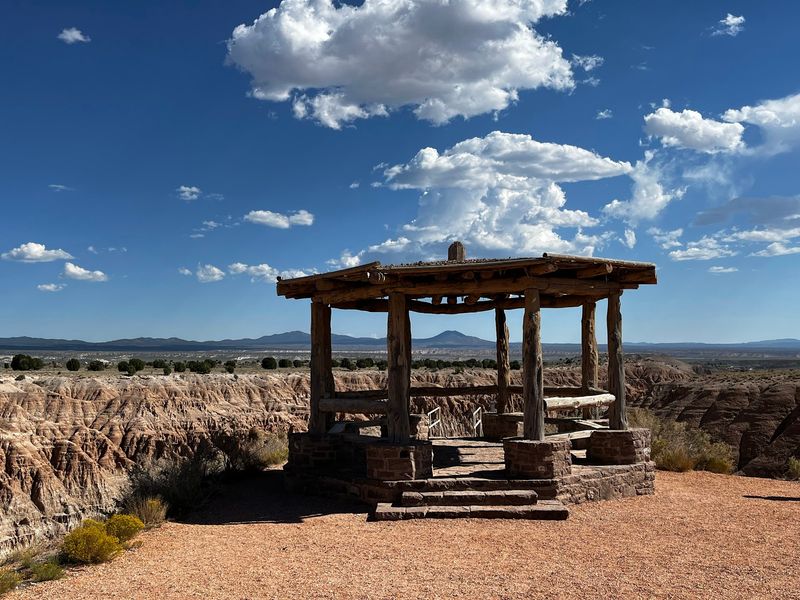
High above the valley floor sits Miller Point, an overlook that gathers the whole park into a single sweeping view. From up here, the layout of spires and canyons finally makes visual sense.
Reaching it can be as easy or as ambitious as you like. You can drive to the top and walk out to the overlook, or hike up through the formations for a more rewarding approach.
A staircase leads down from the overlook for those who want to descend into the landscape. The descent is often called one of the prettiest parts of the visit, and it connects to longer trail options.
From this vantage, the Eagle Point Trail carries you out to where you can take in most of the park at once. It is the kind of panorama that makes the climb feel completely justified.
Timing your visit for the end of the day is a smart move. Miller Point doubles as a fine spot to watch the sunset and enjoy a relaxed picnic, capping the day on a high note.
Setting Up Camp Under Desert Skies
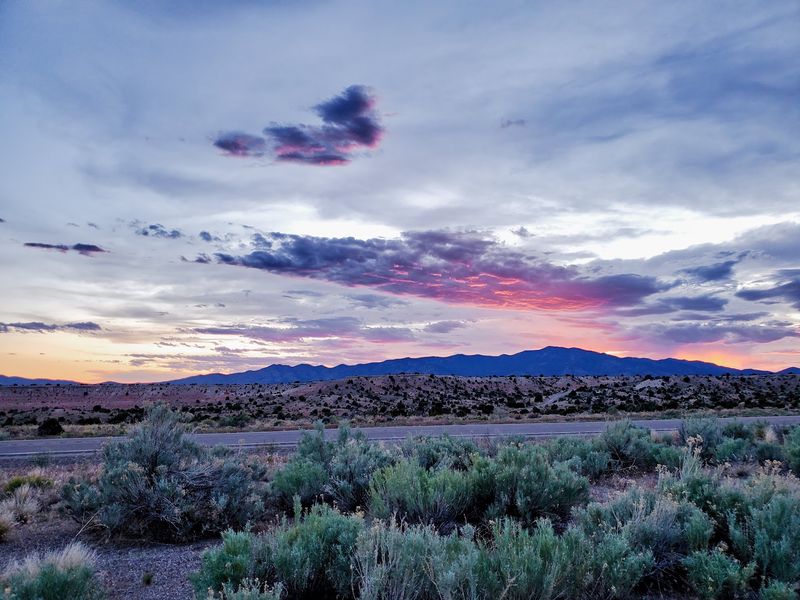
Staying overnight turns a quick stop into a proper getaway, and the campground gets consistent praise. Camping is one of the most mentioned draws, second only to the formations themselves.
Cleanliness stands out as a recurring theme. The campground is described as immaculate and neat, with helpful hosts keeping everything in good order during the season.
The facilities go beyond the basics you might expect in the desert. Shower rooms are spotless and roomy, and hot showers run for five minutes on a small coin fee.
Even the restrooms earn compliments, which is no small thing when you are out exploring all day. Regulars call the pit toilets among the best they have encountered anywhere.
Practical touches round it out, including electric vehicle charging for travelers with modern rigs. Two nights here is often described as just enough time to see everything without rushing.
For anyone building a weekend around eastern Nevada’s parks, this campground makes a comfortable and tidy home base.
The Visitor Center and Friendly Rangers
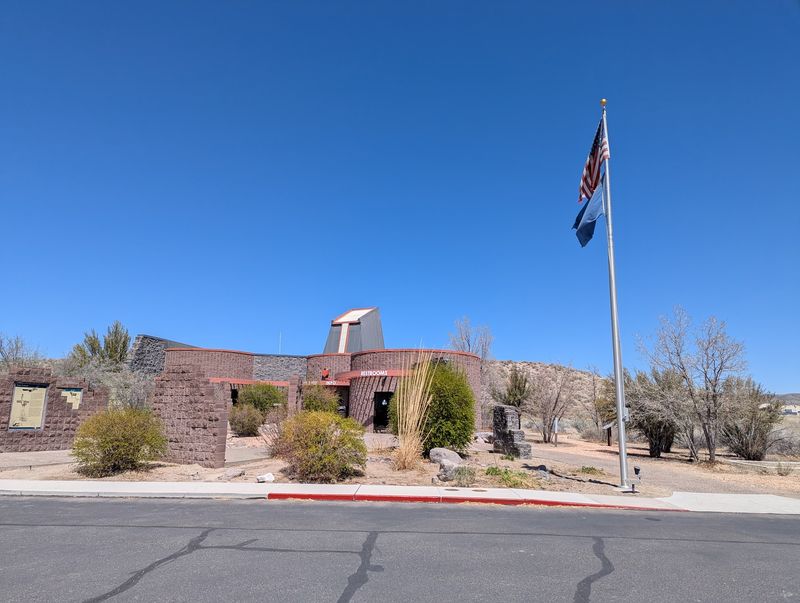
Before hitting the trails, the visitor center is a smart first stop. It houses displays that help explain the unusual geology and history behind the park’s strange shapes.
Staff here leave a strong impression on people passing through. The person working the desk is often described as kind and helpful, ready to point you toward the best routes.
Park rangers throughout the grounds keep up that welcoming reputation. Travelers frequently note how friendly and helpful they are when questions come up on the trails.
One planning tip matters, especially in the colder months. The visitor center’s hours vary during winter, so it may be closed when you arrive.
There is a simple workaround if that happens. You can pay the entrance fee at the pay station, so a closed desk never blocks your day.
A quick visit here at the start adds context that makes the rest of the exploring more meaningful, and the warm reception sets a friendly tone from the moment you arrive.
Wildlife and Quiet Desert Moments
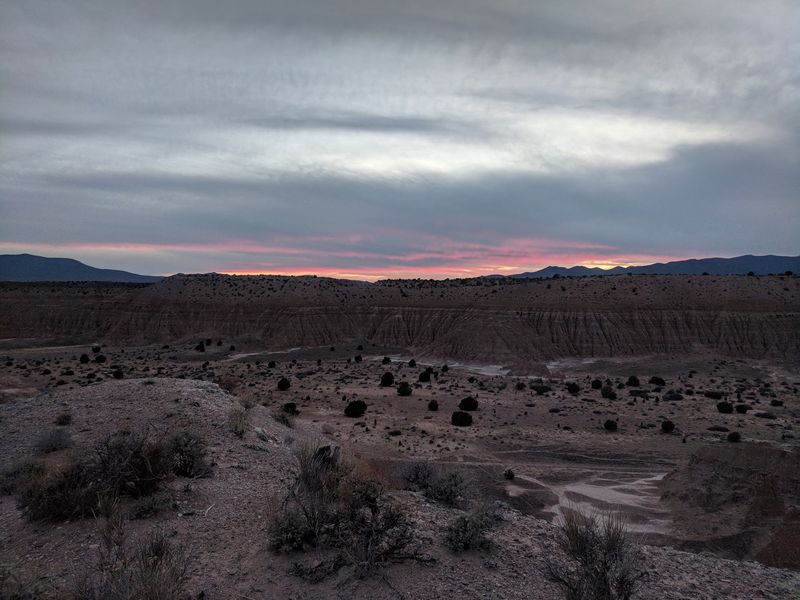
The formations grab the headlines, but the living desert deserves a mention too. There is plenty of wildlife to enjoy across the valley floor and along the trails.
Birdwatchers do especially well here. Western Bluebirds are a common sight, adding flashes of color to the tan and beige landscape.
The overall mood of the park leans calm and unhurried. It is described as a hidden and very quiet place, which makes it easy to slow down and simply take things in.
That peacefulness is part of the appeal for travelers seeking a break from busy destinations. On mild days, some people find they nearly have the trails to themselves.
You do not have to hike hard to soak it up either. Relaxing at a viewpoint is a perfectly valid way to spend an hour, watching birds and scanning the eroded ridges.
Between the wildlife and the stillness, the park offers a gentler side that balances all the crawling and scrambling. It is a reminder that beauty here comes in both bold shapes and small, quiet details.
Getting There and Practical Details
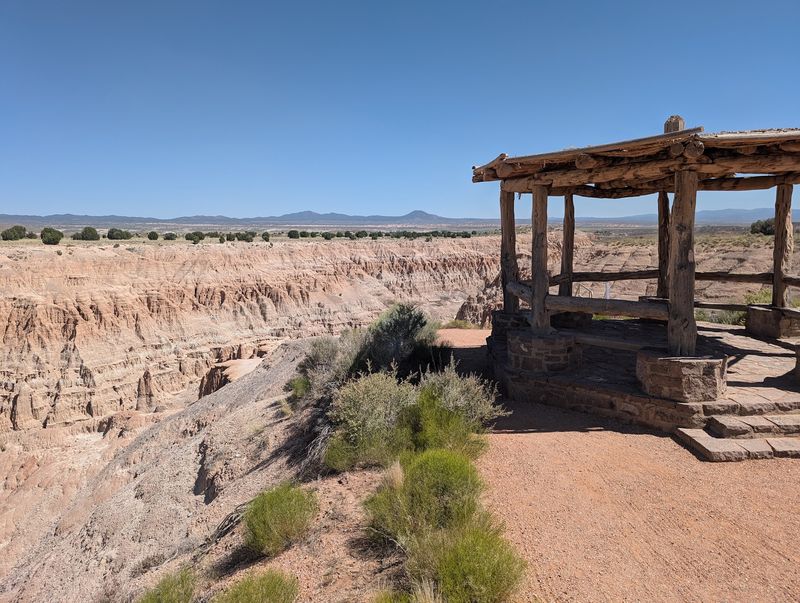
Reaching the park is part of the fun, and the drive itself gets high marks. Travelers coming from Las Vegas describe the route as a great, scenic drive worth the trip.
Some people go well out of their way to get here. Driving four hours to Lincoln County specifically for this park is a common story, and most agree it was worth it.
Access is easy once you arrive. Eagle Point can be reached by car by turning off Highway 93 at the sign, making it a handy stop if you are passing through.
Value is a big selling point. The entry fee runs about five to ten dollars for the day, accepted in cash or card, ranking it among the more affordable state parks around.
The park suits a wide range of plans, from a one-hour stop to a two-day stay. Bring the right footwear for soft clay, plan around the heat, and you will find a small park that delivers far more than its size suggests.
When to Go and What to Watch For
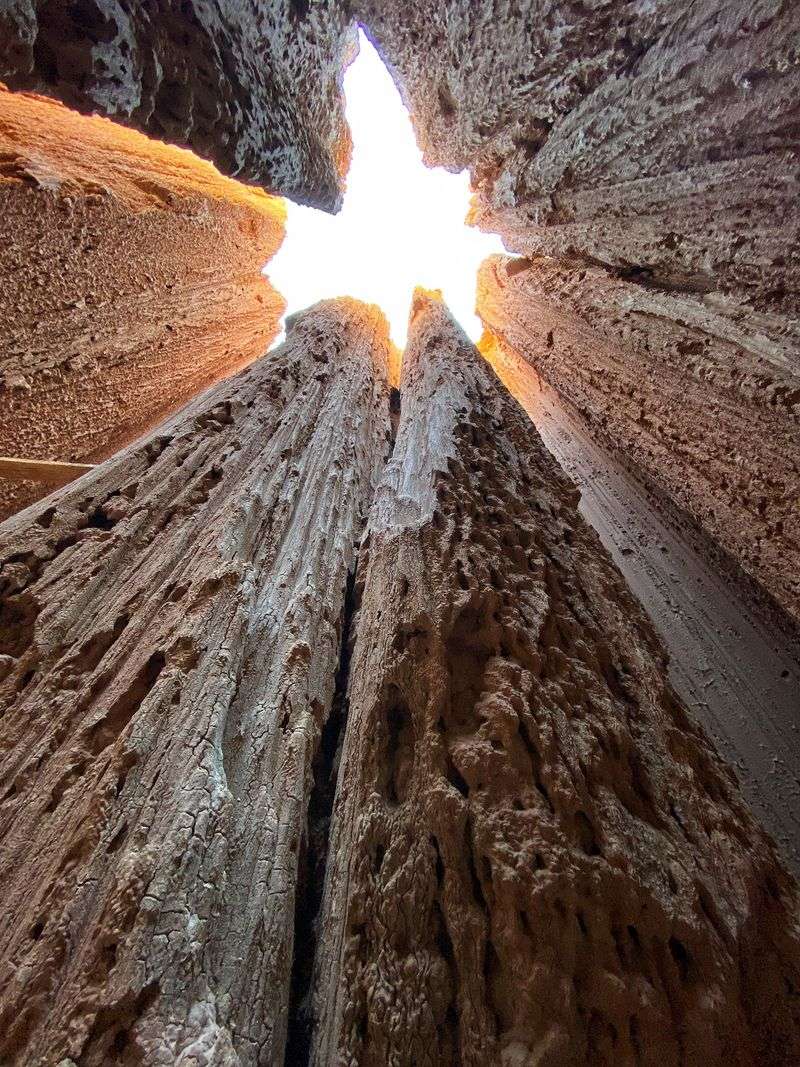
Timing shapes the whole experience here, and a little planning goes a long way. Shade is scarce across the open valley, so going during the hotter stretches is not ideal.
Milder weather brings the best of both worlds. On a moderate day in a cooler month, the trails are comfortable and often blissfully uncrowded.
Weather leaves its mark on the ground too. After recent rain, the bentonite clay turns mighty slippery, and it clings stubbornly once it grabs hold of your shoes.
Footing deserves respect throughout the park. Soft shoulders and trails can trap the wrong vehicle, so sensible tires and shoes make the visit smoother.
End your day thoughtfully by saving the overlook for later hours. Miller Point is a favorite place to watch the sun go down and settle in for a picnic.
With more than 1,200 glowing endorsements and a rare 4.8-star standing, this compact Nevada park proves that beauty is not measured in acres. Pack good shoes, pick a cool day, and let one of the state’s most surprising landscapes do the rest.
Enjoyed this story?
Add Fast Food Club as a preferred source to see more of our reporting on Google.