


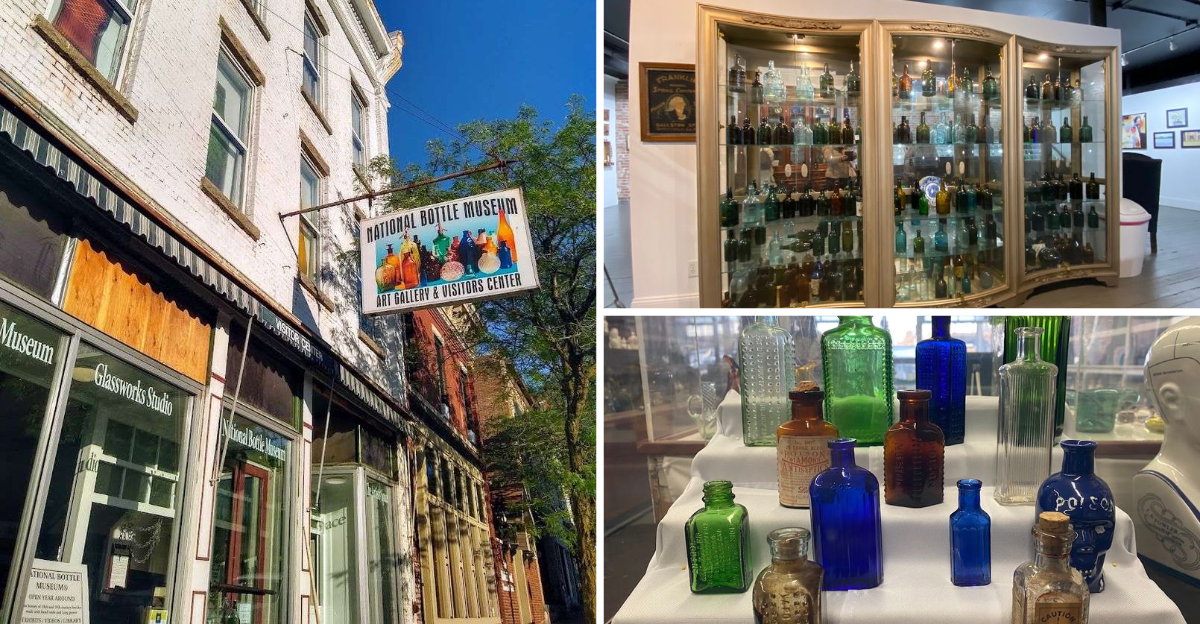
Tucked away on Milton Avenue in the charming village of Ballston Spa, New York, the National Bottle Museum is one of those places you never knew you needed to visit until you’re standing right inside it. What looks like a quiet storefront on the outside opens up into a world packed with hundreds of antique glass bottles, glassmaking history, and even a rotating art gallery upstairs.
It’s the kind of spot that surprises almost everyone who walks through the door. Whether you’re a history buff, a curious traveler, or just looking for something totally different to do, this little museum delivers big on unexpected fun.
A Museum That Proves Bottles Have Stories To Tell
Most people walk past the National Bottle Museum thinking it sounds a little dull. Then they step inside and everything changes.
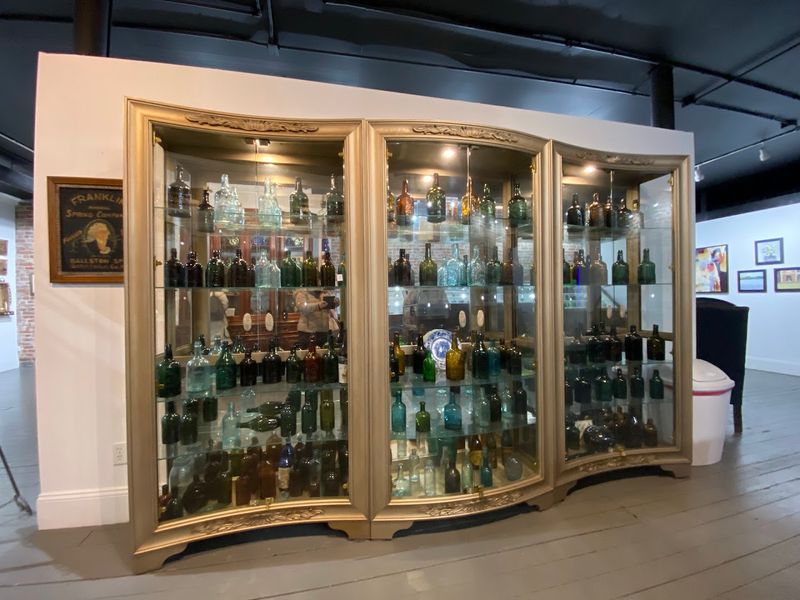
Hundreds of antique glass bottles line the walls, each one carrying a piece of history you never expected to find.
From old apothecary containers to soda bottles from brands that no longer exist, every display has something to say. The museum does a remarkable job of connecting everyday objects to the bigger story of industry, trade, and daily life in America.
Visitors consistently leave surprised by how engaging the whole experience is. One reviewer put it perfectly: bottles turn out to be far more interesting than anyone gives them credit for.
Plan about an hour to soak it all in, and go in with an open mind. You might walk out with a new appreciation for something you once tossed in the recycling bin without a second thought.
The Rich History Behind Ballston Spa’s Glass Industry
Long before plastic took over the world, glass was king. Storing medicine, food, beverages, and chemicals all depended on glass vessels, and the Saratoga County region of New York was a major player in that industry.
Ballston Spa and its surrounding area were home to a thriving glassmaking trade that employed thousands of workers.
The National Bottle Museum tells that story with care and detail. Exhibits walk you through how the industry grew, what kinds of bottles were made, and how workers crafted each piece by hand.
It was a large, decentralized industry that created well-paying jobs for its time.
Understanding this history gives the museum a depth that goes well beyond just looking at pretty glass. You start to see how something as simple as a bottle shaped communities, economies, and everyday life across the entire country for generations.
That’s genuinely remarkable to think about.
Hand-Blown Glass: The Craft Behind Every Bottle
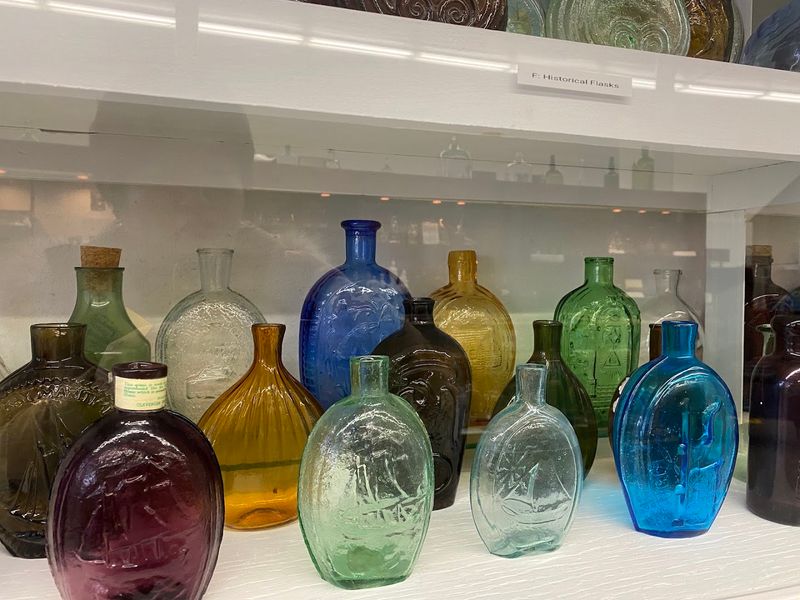
Before machines took over, every single bottle was shaped by human breath and skill. Glassblowers would gather molten glass on the end of a long iron pipe and use their lungs and hands to shape it into containers of all sizes.
The result was never perfectly uniform, which is exactly what makes these old bottles so fascinating to look at.
At the National Bottle Museum, you can see a wide variety of hand-blown pieces up close. Tiny bubbles trapped in the glass, slight lopsided shapes, and unique color variations all tell the story of a craftsperson working by hand in a hot, demanding environment.
Staff members are enthusiastic about explaining the process and will happily walk you through the techniques used in different eras. It’s one of those rare chances to truly connect with a lost art form that shaped the way the world once worked every single day.
Uranium Glass: The Collection That Glows In The Dark
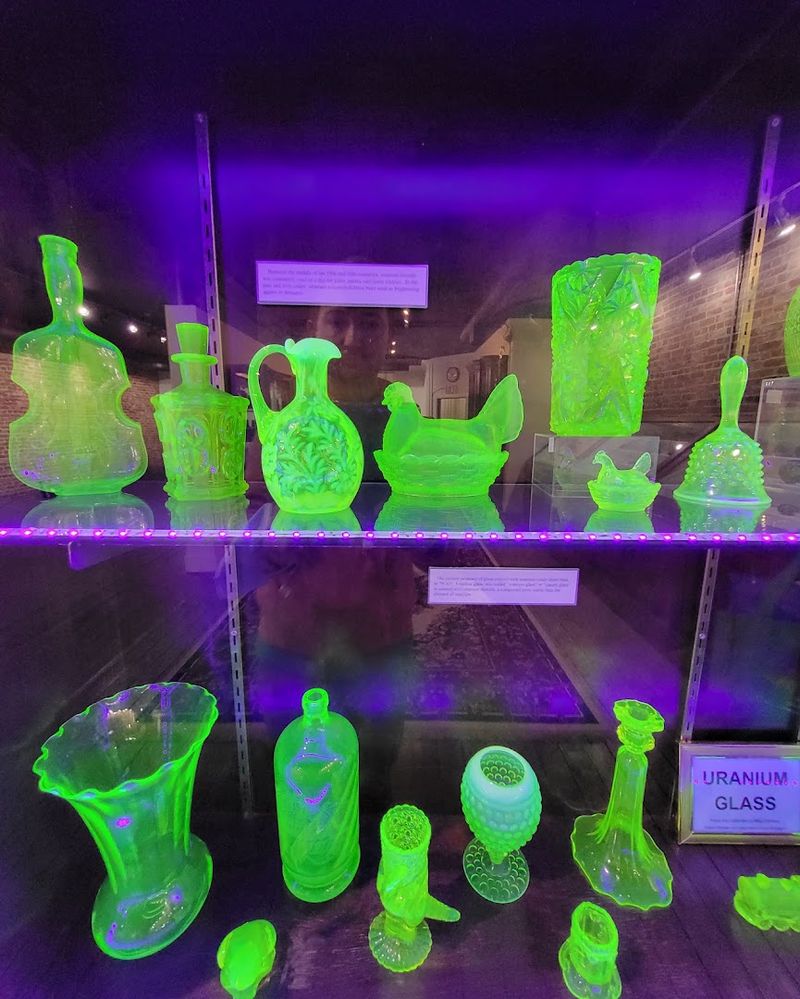
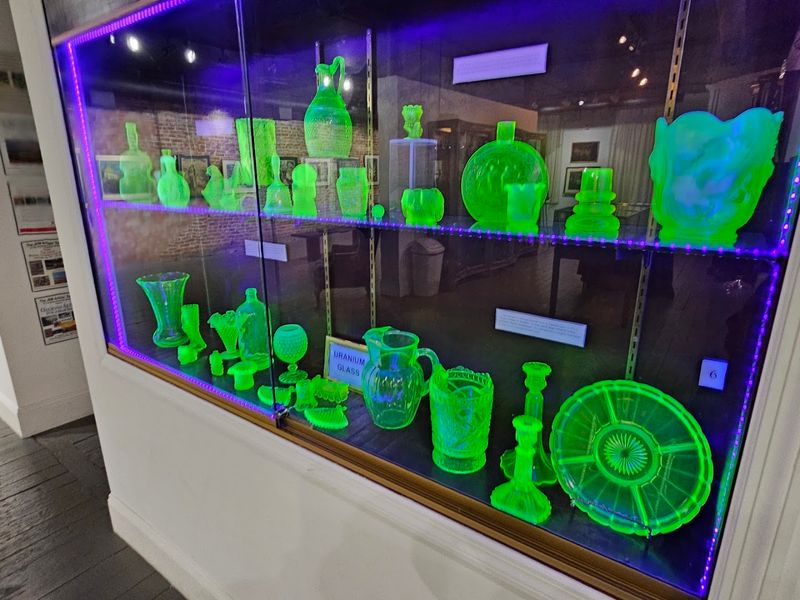
Here’s a fun fact that stops most visitors in their tracks: some of the bottles in this museum actually glow. Uranium glass, also known as Vaseline glass, was made by mixing small amounts of uranium oxide into the molten glass during production.
Under ultraviolet light, it produces an eerie, electric green glow that looks almost magical.
The National Bottle Museum features uranium glassware as part of its collection, and it’s one of the most talked-about highlights among visitors. Multiple reviewers have specifically mentioned loving this exhibit, and it’s easy to understand why.
Seeing something so ordinary suddenly light up like a science experiment never gets old.
Don’t worry about safety. The uranium content in these antique pieces is minimal and poses no real health risk to visitors.
It’s simply one of the quirkiest, most visually striking corners of an already wonderfully strange museum experience worth seeking out.
Adopt An Orphan Bottle And Take History Home
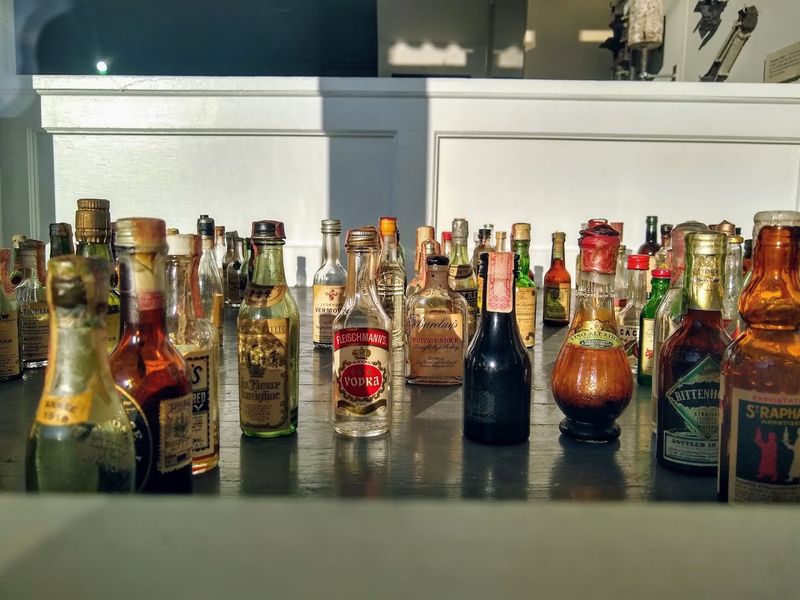
One of the most charming traditions at the National Bottle Museum is the chance to adopt an orphan bottle. For just a five dollar donation, visitors can take home a real antique bottle that didn’t quite make the cut for the main exhibits.
It’s part souvenir, part charitable act, and completely delightful.
Past visitors have taken home old Canada Dry bottles, vintage Pepsi Cola containers, and other quirky finds that make for genuinely unique keepsakes. It beats any gift shop trinket by a long shot.
The money goes directly toward keeping the museum running, which is a great reason to participate.
Reviewers across the board rave about this experience, calling it the perfect way to cap off a visit. There’s something deeply satisfying about walking out with a piece of actual history tucked under your arm.
It makes the whole trip feel personal, memorable, and just a little bit magical.
The Old Hardware Store Shelves That Hold It All Together
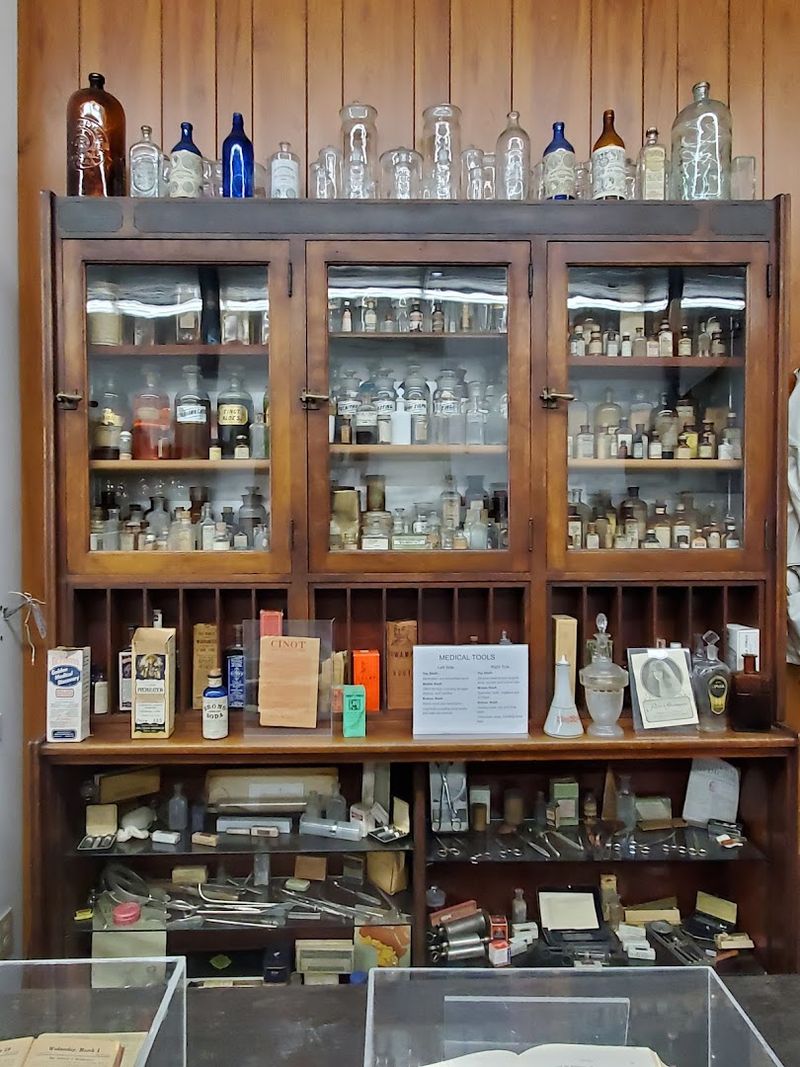
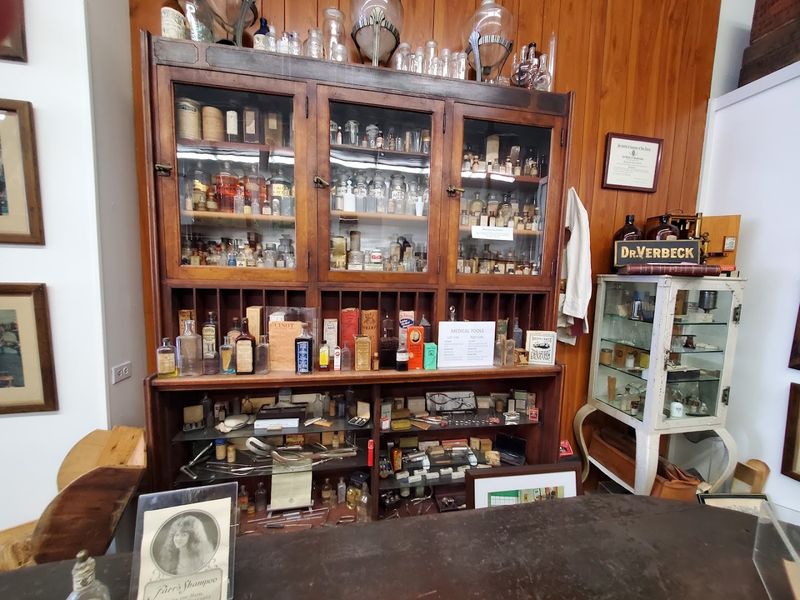
There’s something wonderfully poetic about the way the National Bottle Museum displays its collection. Many of the bottles are housed on the original wooden shelves that once belonged to a hardware store.
The shelves themselves are antiques, and together with the bottles, they create an atmosphere that feels like stepping back in time.
The building at 76 Milton Avenue has its own historic character, adding another layer of charm to the whole experience. It doesn’t feel like a sterile, modern museum.
Instead, it feels like a well-organized treasure trove where every corner holds something worth examining closely.
That combination of old architecture, original fixtures, and carefully curated collections gives the museum a personality that newer, bigger institutions often struggle to replicate. Small museums like this one succeed precisely because they feel human and lived-in.
Every shelf tells two stories at once: the bottle’s and the building’s.
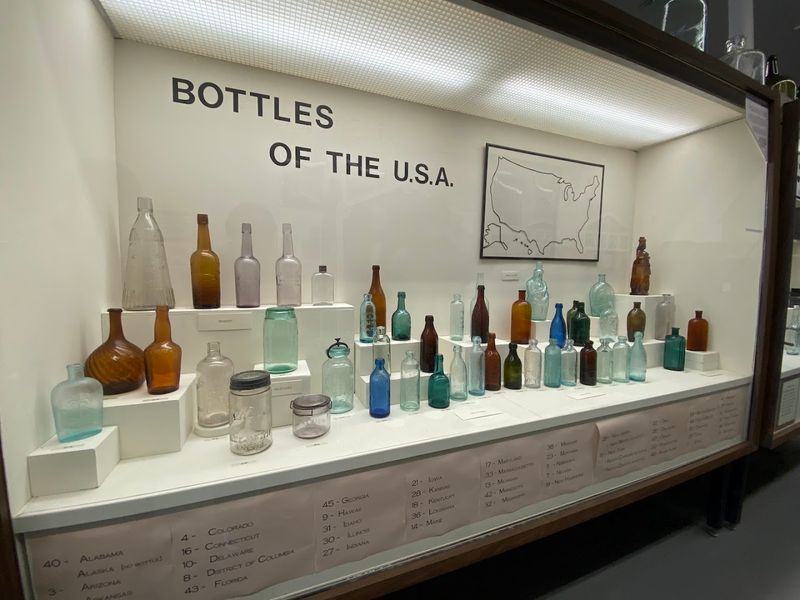
Bottles From Across America: A Geographic Journey In Glass
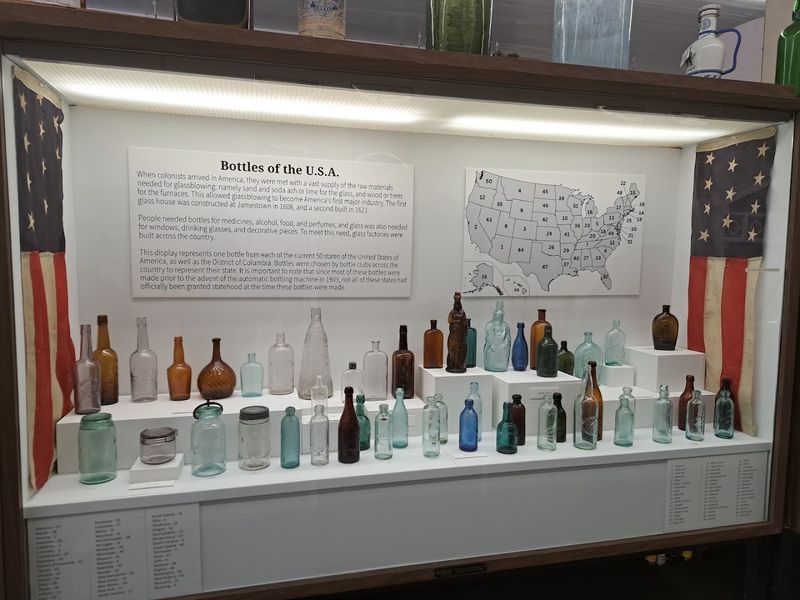
Glass bottle production wasn’t limited to one region of the country. Factories popped up across America, each developing slightly different styles, techniques, and specialties based on local resources and demand.
The National Bottle Museum captures this geographic variety beautifully with its Bottles From Around the U.S. exhibit.
Visitors can trace the origins of different bottles back to specific states and regions, which adds a fascinating layer to the experience. A bottle made in one state might look completely different from one produced just a few hundred miles away, reflecting local glassblowing traditions and available raw materials.
This exhibit is a favorite among visitors who enjoy connecting history to geography. It transforms what might seem like a simple display into a cross-country journey told entirely through glass.
Kids and adults alike find themselves drawn into the storytelling, pointing out states they’ve visited and discovering ones they’d never associated with glassmaking before.
The Upstairs Art Gallery: A Surprise Around Every Corner
Most visitors come for the bottles and leave talking about the art gallery. The second floor of the National Bottle Museum hosts a rotating exhibition space that features works by local and regional artists across many different mediums.
Photography, paintings, metalwork, glasswork, and more have all graced these walls.
What makes this gallery special is how often it changes. Exhibitions rotate every four to eight weeks, meaning repeat visitors always have something new to discover.
The space is managed with real passion and curatorial care, offering a platform for artists who might not get exposure in larger venues.
One longtime reviewer described it as a hidden gem within a hidden gem, and that feels exactly right. You come in expecting bottles and leave having experienced a full afternoon of art and culture.
It’s a genuinely unexpected bonus that elevates the entire museum visit to something far richer than anticipated.
Friendly, Knowledgeable Staff Who Make The Visit Memorable
A museum is only as good as the people who bring it to life. At the National Bottle Museum, the staff is one of the most consistently praised aspects of the entire experience.
Reviewer after reviewer mentions how welcoming, passionate, and knowledgeable the team is, regardless of when they visited.
Staff members are happy to walk visitors through exhibits, answer questions about glassmaking history, and share stories about specific bottles in the collection. They strike a nice balance between being available and giving guests the space to explore at their own pace.
One visitor specifically called out a staff member named Chris for his friendliness and expertise, while others have praised the volunteer-driven team for their genuine love of the subject. When the people running a place clearly care this deeply about what they’re sharing, it transforms a simple museum visit into something that feels truly personal and worth every minute.
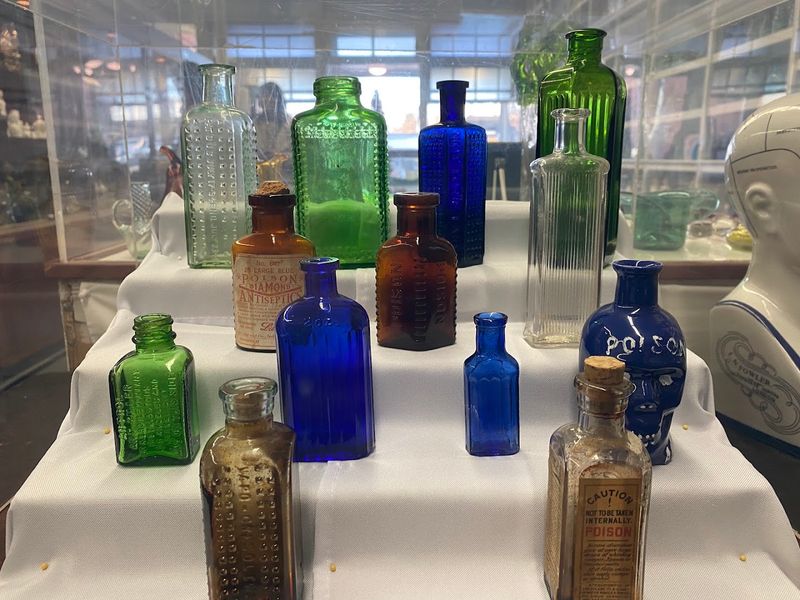
The Old Apothecary Setup: Medicine Bottles Through The Ages
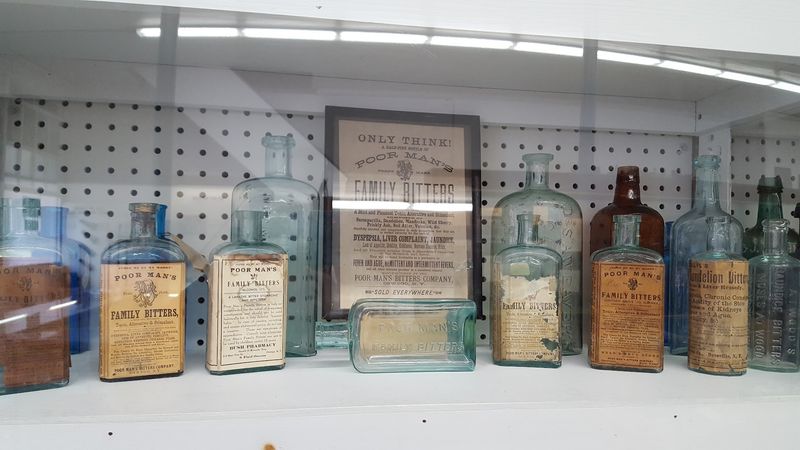
Before modern pharmacies existed, apothecaries were where people went for medicines, remedies, and chemical compounds. Glass bottles were absolutely essential to that world, storing everything from cough syrups to dangerous compounds that needed careful handling.
The National Bottle Museum brings this era to life with a dedicated apothecary setup that visitors find genuinely captivating.
Old medicine bottles come in all shapes, colors, and sizes, and many of them have embossed lettering that names the remedy they once held. Some of these products sound bizarre by today’s standards, offering a window into how people understood health and medicine in earlier centuries.
The apothecary display is one of the most talked-about sections of the museum. It sparks curiosity and conversation in a way that feels completely natural.
You don’t need to be a history expert to appreciate how different and fascinating everyday medical life once was compared to the world we know today.
Practical Visit Tips: Hours, Location, And What To Expect
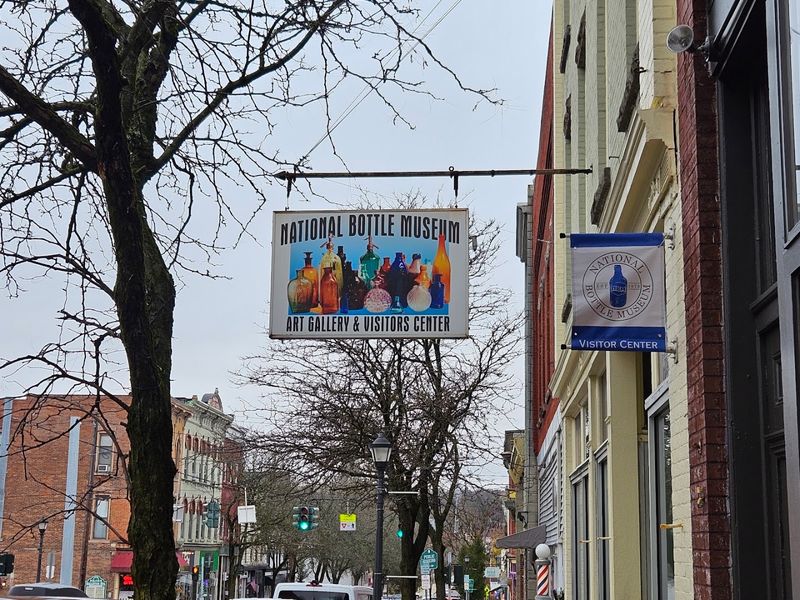
Planning a visit to the National Bottle Museum is easy once you know the basics. The museum is located at 76 Milton Avenue in Ballston Spa, New York, and it’s open Wednesday through Saturday from 10 AM to 4 PM.
It is closed Sunday, Monday, and Tuesday, so plan accordingly to avoid a wasted trip.
Admission is free, though a five dollar donation is encouraged and earns you an orphan bottle to take home. Most visitors spend about an hour exploring the ground floor collection and the upstairs gallery.
It’s a perfect stop on a rainy afternoon or as part of a day trip through the Saratoga County area.
Parking is easy in this small village setting, and the museum is accessible without much hassle. You can reach them at 518-885-7589 or visit nationalbottlemuseum.org for updates.
Checking their website or social media before heading out is always a smart move.
Why Small Museums Like This One Matter More Than Ever
Big museums get all the attention, but small community museums like the National Bottle Museum are where real local history lives. Run largely by volunteers who genuinely love what they do, places like this preserve stories that would otherwise disappear completely.
There’s no corporate funding or flashy digital experience here, just real objects and real passion.
The National Bottle Museum operates on donations and community support, which makes every visit feel meaningful. When you drop five dollars in the donation jar or adopt a bottle, you’re directly helping keep a piece of American industrial history alive.
That’s a pretty powerful thing for such a small act.
Visitors from all walks of life have called this place a hidden gem, and the description fits perfectly. Museums that operate on heart rather than budget tend to leave the deepest impressions.
This one absolutely earns its place among New York’s most surprisingly worthwhile cultural stops worth discovering.
What Makes Ballston Spa The Perfect Home For This Museum
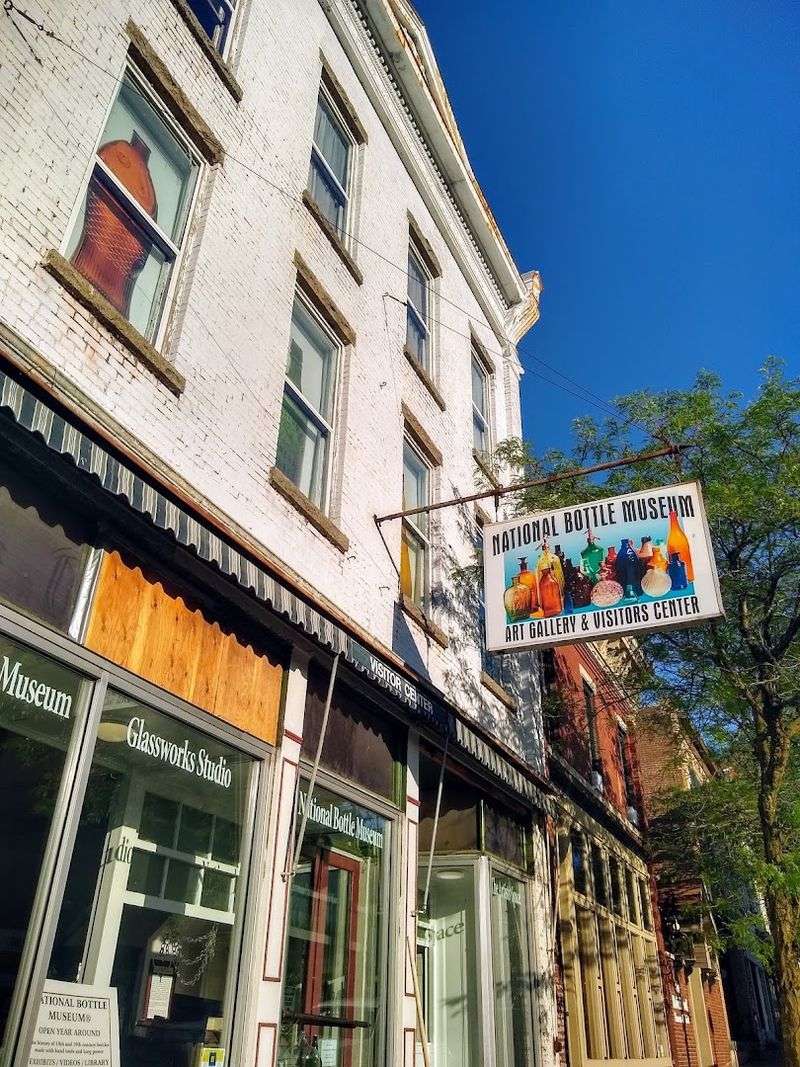
Ballston Spa isn’t just a pretty village. It sits at the heart of a region that once played a significant role in American glassmaking, which makes it the ideal home for a museum dedicated to bottle history.
The area’s industrial past is woven into the fabric of the community, and the museum honors that legacy with obvious pride.
The village itself is worth exploring while you’re there. Ballston Spa has a charming historic downtown with Victorian-era architecture, local shops, and a relaxed small-town energy that feels like a genuine escape from busier places.
Pairing a museum visit with a stroll through the village makes for a really satisfying afternoon.
Located just a short drive from Saratoga Springs, Ballston Spa is easy to include in a broader regional trip. The National Bottle Museum gives this little village one more compelling reason to show up on your travel radar, and once you visit, you’ll understand exactly why it deserves the attention.
Enjoyed this story?
Add Fast Food Club as a preferred source to see more of our reporting on Google.